I asked 92 CEOs how they feel about HR.
10% love it.
60% tolerate it.
30% think they'd be fine without it.
HR's problem isn't effort. It's relevance, and proving it in the language of the business.
Time to redefine HR, not defend it.
Does this match what you see?
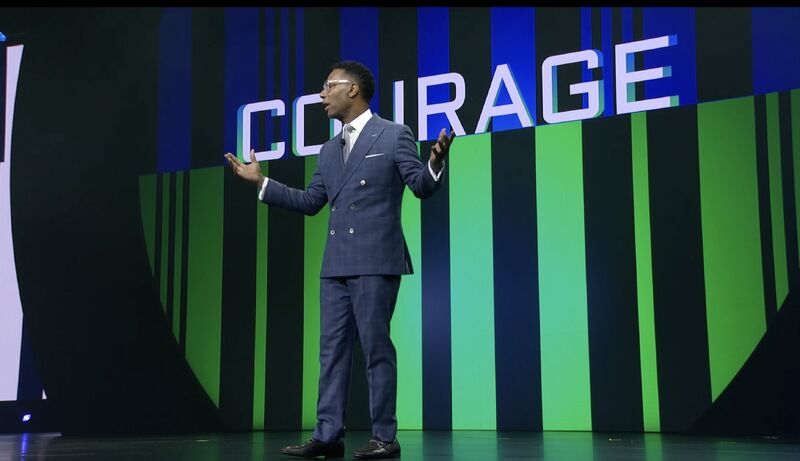
On Tuesday at #SHRM26, I moderated a fireside chat with EEOC Chair @AndreaLucas on the questions HR and business leaders are actively grappling with.
The conversation was clear: compliance in hiring, ERGs, and employee development is no longer theoretical—it’s operational and under scrutiny.
A key takeaway: intent isn’t enough. Processes must be consistent, documented, and defensible in today’s evolving legal landscape.
What stood out most was the emphasis on clarity over speculation. Leaders don’t need more noise—they need direction they can act on.
SHRM will continue to be the resource HR turns to when the stakes are real and the answers matter.
If you were there, what landed most for you?
"Start with why," Simon Sinek told #SHRM26.
But the "why" only reaches people through two seats: the CEO and the CHRO.
I've sat in both. What separates the ones pulling ahead is rarely strategy. It's almost always relationship.
"At the end of the day, we are human beings who work with human beings, who sell to human beings."
— Simon Sinek, #SHRM26
Still thinking about this one.
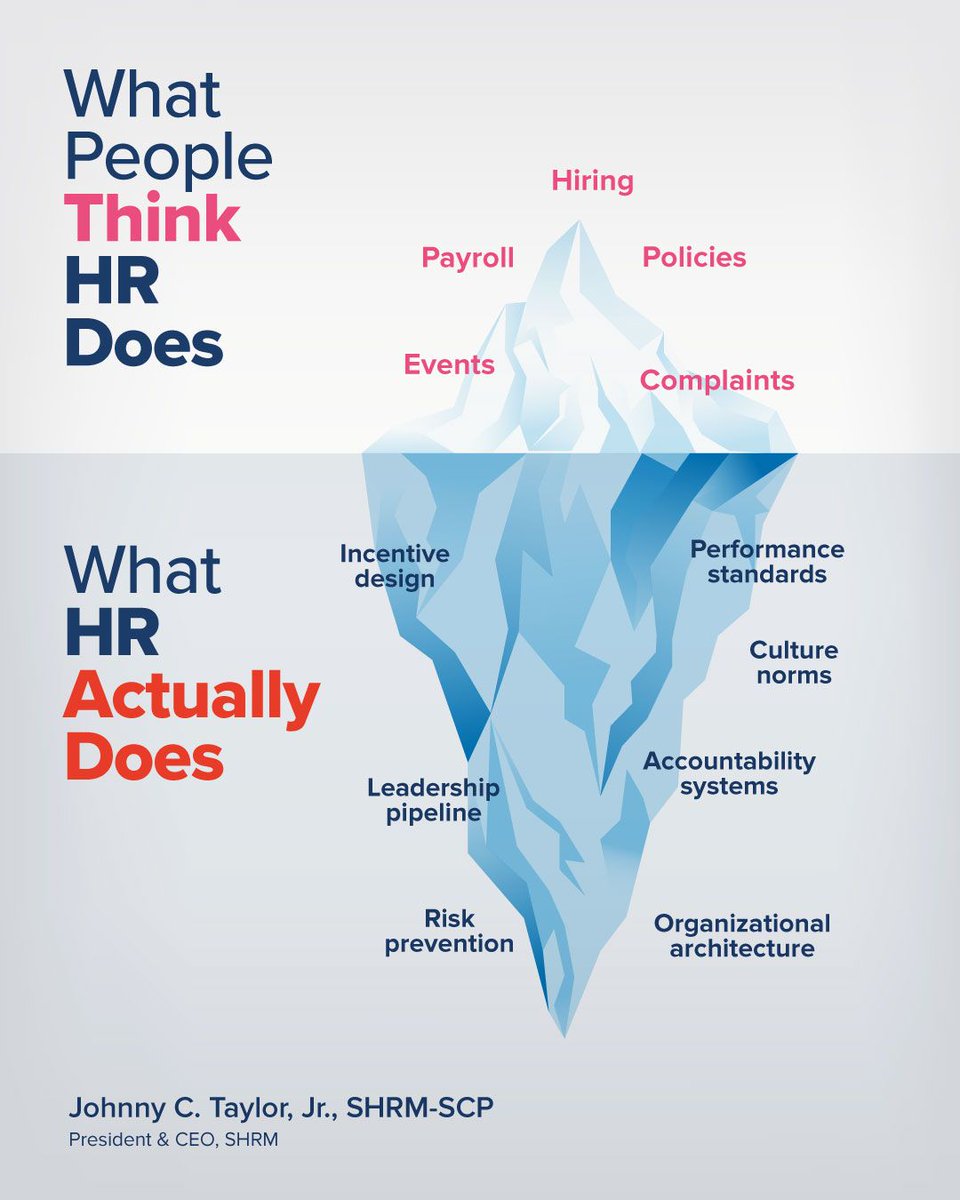
Day 1 at #SHRM26, and I want to ask the room: Is your HR actually strategic, or just busy?
HR doesn't just hire and handle payroll. #HR designs how performance is measured, how accountability works, how leaders develop, and how incentives shape behavior.
HR designs the rules of the game, and the rules determine how the game is played.
It's architecture, not administration.
#Leadership #OrganizationalCulture
Tomorrow, 20,000+ of us will be in one room in Orlando.
#SHRM26 isn't a conference you attend. It's one we built by HR, for HR.
@Oprah@simonsinek@TheJohnCMaxwell
And the real value isn't only in the main stage, but also in the room.
The future of work is something we shape together.
What are you hoping to walk away with?
When did we stop talking to each other?
Five years ago, two co-workers in a tense moment might have grabbed coffee to hash it out.
Today, they grab their phones and email HR.
@SHRM 's Chief Knowledge Officer, Dr. Alex Alonso, coined it: meepathy. Demanding empathy from everyone around you while extending none back.
This is how direct communication dies.
If the pattern stops with you, which shift do you start with?
Next Tuesday, Orlando.
I've spent the last few weeks here talking with you about skills, growth, and what it takes to lead through change. Next week, that conversation moves off the screen and into the room.
#SHRM26 is in Orlando, June 16 to 19. Four days with the people who actually do this work, asking the hard questions and trading what's working.
If you're coming, I want to hear what you're wrestling with. Find me. Say hello.
Let's make it count.
Most managers don't fail because they're incapable.
They fail because they were handed responsibility for people without ever being taught that the job is now about people.
We promote for execution. We reward individual performance. We elevate the person who gets results.
Then we ask that same person to build trust, develop others, and retain talent—as if those are instinctive next steps.
They aren't.
The job changed the day you became a manager. The mindset has to follow.
What's the hardest shift to make? Tell me.
You won't feel ready. Do it anyway.
Comfort can mean you've quietly stopped growing.
When someone asks how to build a career, I ask three things:
→ What energizes you?
→ Which can you build a living around? → What scares you a little?
That last one matters most.
Pick one thing you've been avoiding. Take one step toward it before Friday.
→ Follow me on LinkedIn for more daily insights: https://t.co/yyLiA4yaai
Who trained managers for a workplace with six generations in it?
A 15-year-old and a 65-year-old can show up to work at the same company today.
For years the path has looked the same: do great work, get promoted into management. Few of those promotions came with real training.
Who taught you how to manage people?
The return-to-office debate keeps getting framed as a battle over location.
I think that misses the larger issue.
Many people are struggling with isolation in ways that weren't as visible before.
Where do you land on this?
Culture is not a perk. It is what happens when nobody is watching and something goes wrong.
Most leaders do not actually know what theirs is.
Watch the full video.
Future-ready is not a title. It's a behavior.
Most people are waiting to be told what to learn, when to learn it, and how it fits their role.
That window has already closed.
The people pulling ahead right now have one thing in common: They do not wait.
They learn before they are asked. They admit what they don't know without hesitation. They share what they are figuring out while they are still figuring it out.
Comfort becomes a constraint faster than most people realize.
The habits that keep you relevant are built before you need them. Not after.
#Leadership #FutureOfWork #SHRM
I called an Uber home from Baltimore, and by the end of the ride, I was the one driving it.
True story.
My driver, an older woman, had lost her job. She'd applied 100 times over 2 years and heard nothing back.
Then her phone rang.
It was a live job interview, playing through the car speakers, while we were on the highway.
Then she asked me a question I'll never forget.
What happened in that car is happening in workforces across the country. Workers 50 and older now make up 34% of the U.S. workforce, projected to hit 40% in the coming years (Pew Research).
The hiring game has changed. Most older workers haven't been trained for it.
You'll want to hear how this one ended.
Watch the full story 📷