What are you up to on Monday July 13? Want to come hang out with me, John Hattie, Doug Fisher, Nancy Frey, Pedro Noguera and others in Nashville??
https://t.co/BF4OFKlCaP
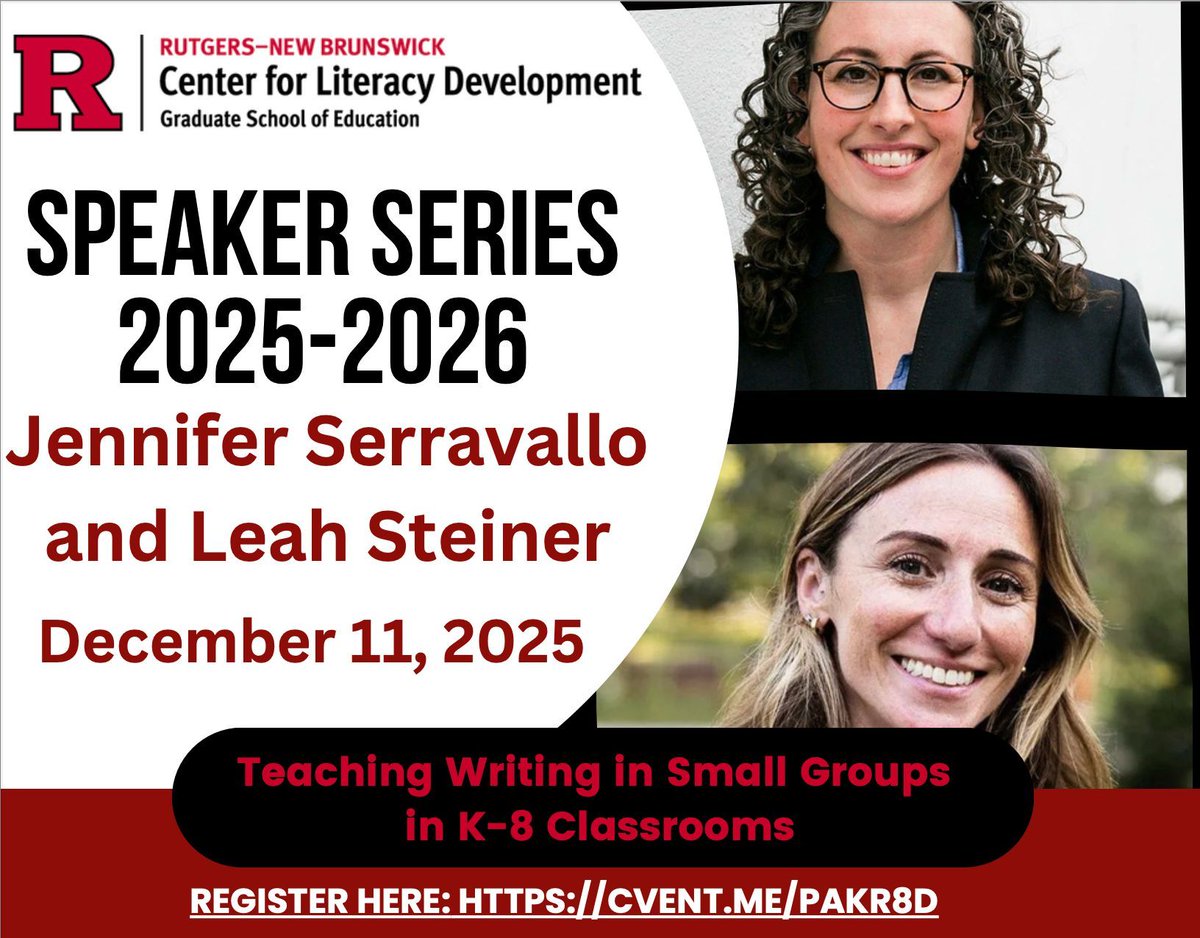
Come learn with us about Teaching Writing in Small Groups at The Center for Literacy Development at Rutgers!
🗓️ Thursday, December 11
🕓 9:30 AM - 2:00 PM
📍 Rutgers Busch Student Center
Reserve your spot today ➜ https://t.co/QYJYncLubk
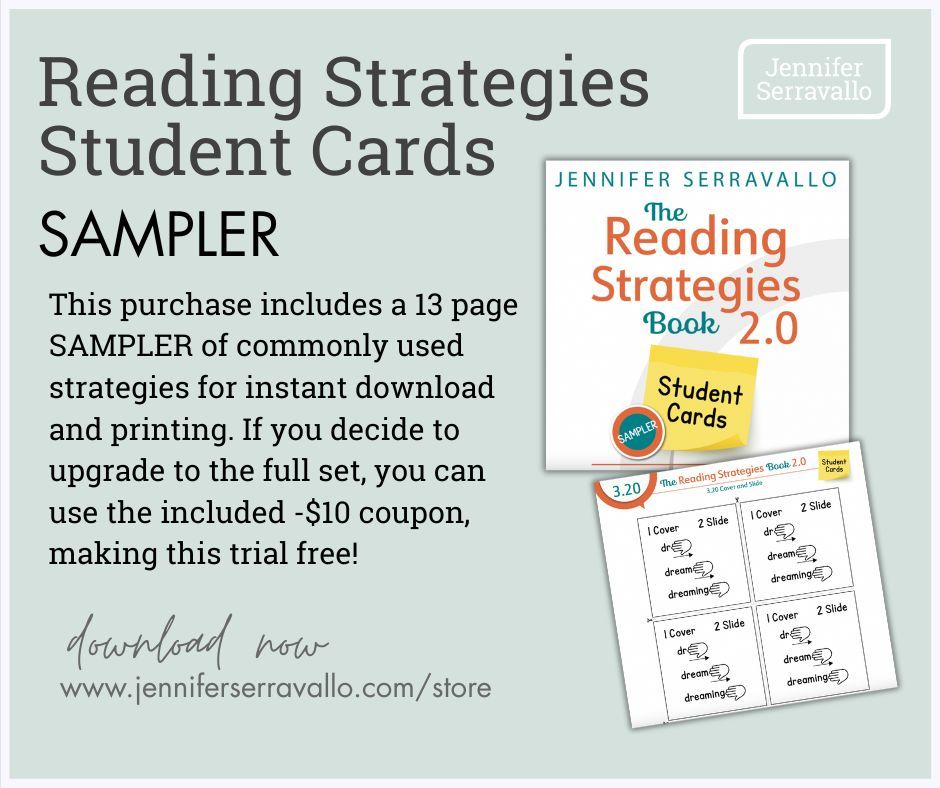
Try the Reading Student Cards Sampler—13 pages of commonly used strategies you can download + print instantly.
Includes a $10 coupon toward the full set, making this trial free! ✨
🔗 https://t.co/eQFc0cToS1
🗂️ If you’re looking to streamline lesson planning while keeping instruction focused and meaningful, these templates were made with you in mind. They help you organize goals, strategy instruction, and student practice without reinventing the wheel.
🔗https://t.co/md8iq5bCdF
💡Great ideas matter, but conventions help them land.
My latest blog explores how spelling, punctuation, and grammar support clarity and confidence in student writing—and how to teach them intentionally and efficiently.
Read more → https://t.co/hpjCIiAi64
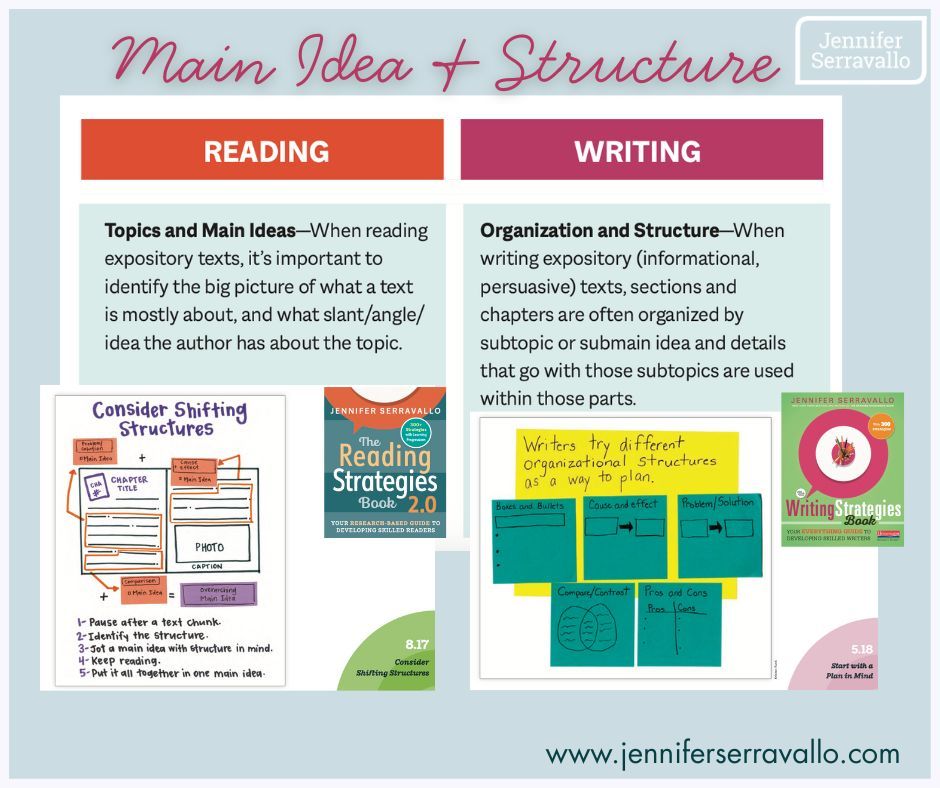
A helpful strategy during writing is teaching students to organize their informational pieces in parts.
💬 Share your favorite strategy from RSB 2.0 to help students notice how information is organized or structured in the comments below!
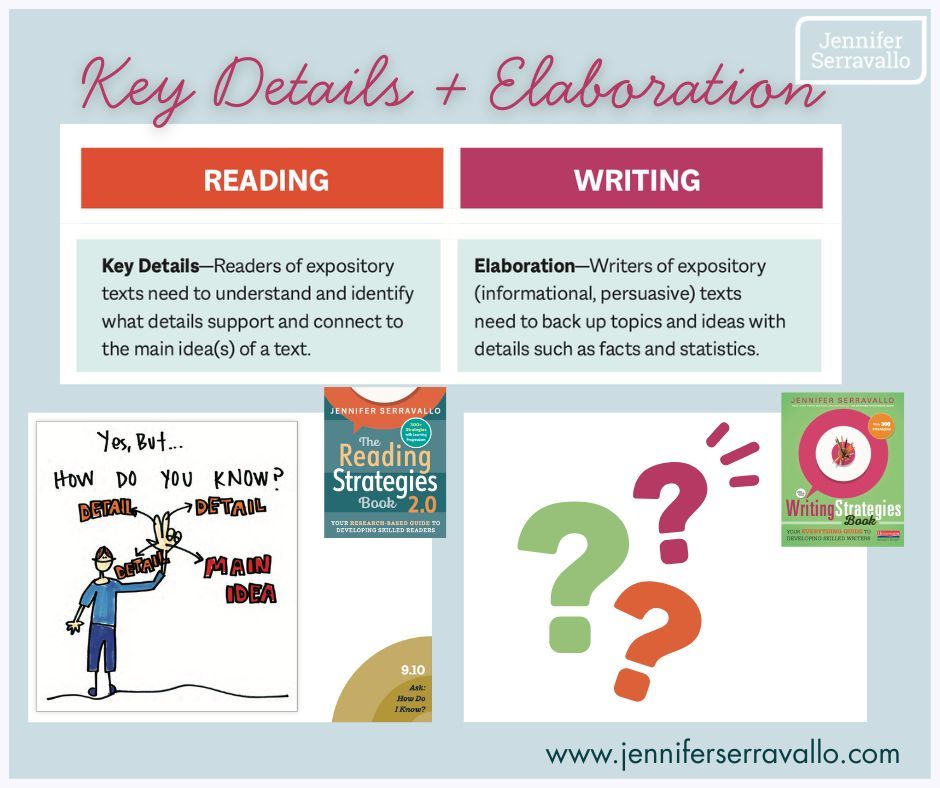
A helpful strategy during reading is asking students “How do you know?” It encourages them to look back at the text, name key details, and use evidence to support their thinking.
💬 Share a writing strategy to help students elaborate or add more detail in their exp writing
No one-size-fits-all here. Every school has its own strengths, needs, and goals—and professional learning should reflect that. Let’s build something that works for your school.
Connect with us: https://t.co/a8dn70ucqE
Excited to share my new article with @edutopia on helping students be successful during independent reading and writing time. With clear goals, purposeful choices, and supportive self-talk, independent work can become meaningful learning time.
Read here: https://t.co/8snQSmmlFH
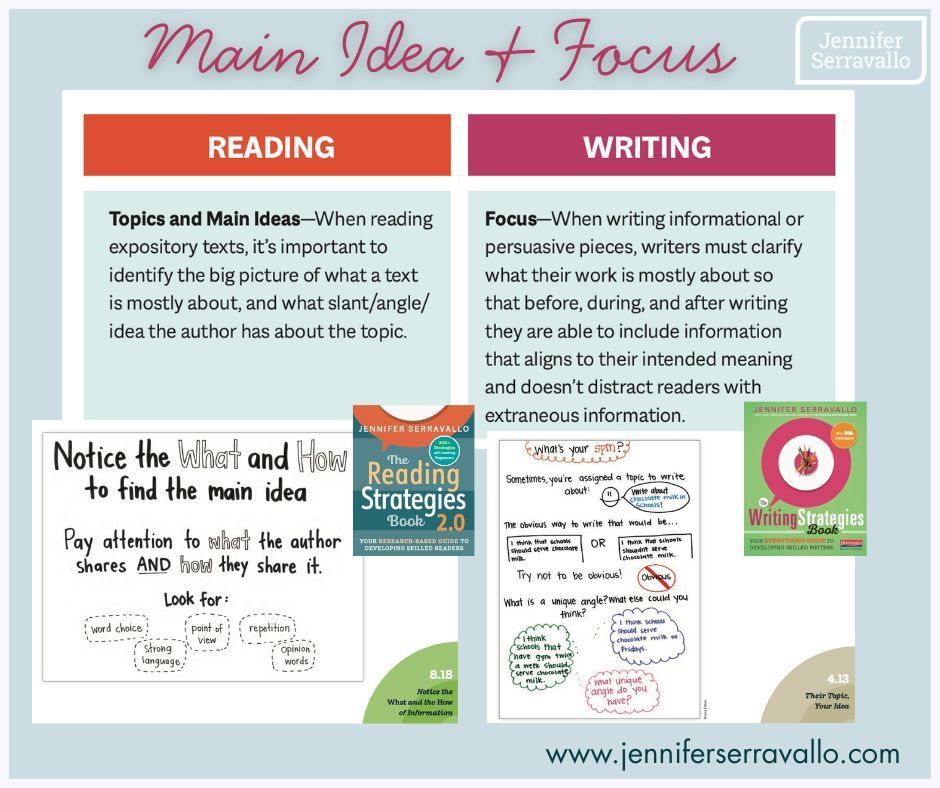
💭 Once readers can find a main idea, take it further—ask: What’s the author’s angle or perspective? Writers do the same by choosing their own slant on a topic.Reading for stance → Writing with purpose.
https://t.co/zdgLtE0W9h
Meaningful independent work frees teachers to focus on small groups while helping students build executive function skills. @edutopia@JSerravallo
https://t.co/gJviDvu5ZR
🧩 Reading and Writing Are Connected Through Text Structure
When readers notice how a text is structured, they uncover its main idea more easily. Writers use that same awareness to plan and organize their own work.
https://t.co/zdgLtE0W9h
@jantonelli22 The strategies in both books will work well your curriculum, but I haven't done a correlation document for it. There are standards correlations, though, and you could match the standard in your lesson from BA to the strategies that way.
💡When reading and writing connect, everything clicks. The same thinking behind finding a main idea helps writers stay focused. This week I’ll share tips for teaching main idea through both. Grab The Reading Strategies Book 2.0 + The Writing Strategies Book to follow along!
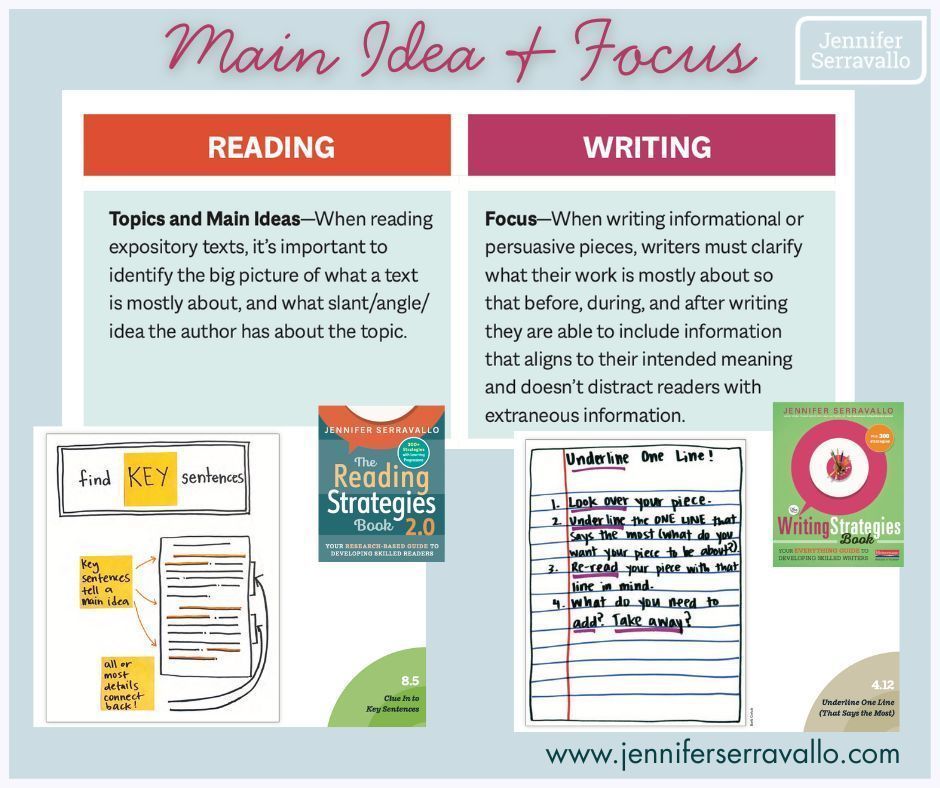
💡Main idea in reading = focus in writing.
Teach readers to find key sentences that show what a text is mostly about—then have writers reread their drafts, highlight key sentences, & ask: “Do all my details connect back?”
https://t.co/zdgLtE0W9h
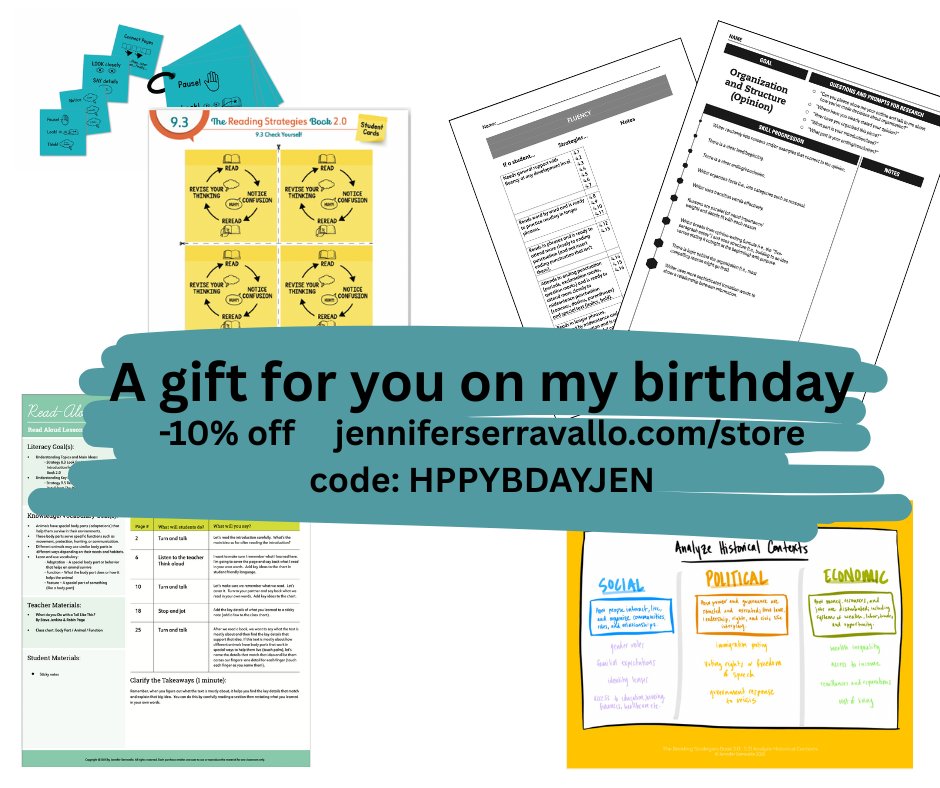
While most of the stuff in my store is free, there are a few goodies for purchase and for the next week, until November 12, they are 10% off with code HPPYBDAYJEN. https://t.co/4XuKWR6p7z