Could widespread access to RRM fertility treatment in primary care settings increase the total fertility rate? We conducted a simulation study. https://t.co/ak5oPgehqD
If you are interested in how ethics/theology interact with reproductive medicine, consider joining us for this seminar at Duke!
https://t.co/ExsNdwJ8Gk
Survey in USA, Canada, UK, Ireland: people want comprehensive and less invasive alternatives to IVF. (What the report describes as timed intercourse, metabolic treatment, and men's health is all part of RRM.) https://t.co/hKjaro8bpQ
For treating infertility, the U.S. general public prioritizes health of the baby over time efficiency and cost. Published today in the Journal of Restorative Reproductive Medicine.
https://t.co/1sij90u9dD
https://t.co/8b5zCYXfHi
On September 16, 2025, the IIRRM sponsored a congressional briefing about restorative reproductive medicine in the United States, including patient testimonials. My talk in the session starts at 35:45 and lasts 7 minutes.
Important new paper published that makes preliminary comparisons between RRM birth outcomes and IVF birth outcomes. Data are still limited by numbers (RRM) and by lack of prognostic information (IVF). But it's a start. https://t.co/cDGndx7Q4D
Pleased to announce that we have published the main outcomes paper for the Creighton Model Effectiveness, Intentions, and Behaviors Assessment (CEIBA) study!
https://t.co/rM0q48tONw
work funded by the Office of Population Affairs, United States HHS.
https://t.co/2WKhlj9RfS
@EpiEllie True, but the messaging around the covid vaccine didn't help. Originally there was a lot of discussion about covid vaccines (hopefully) preventing the disease. I think that only later was there emphasis in the messaging about reducing severity of disease.
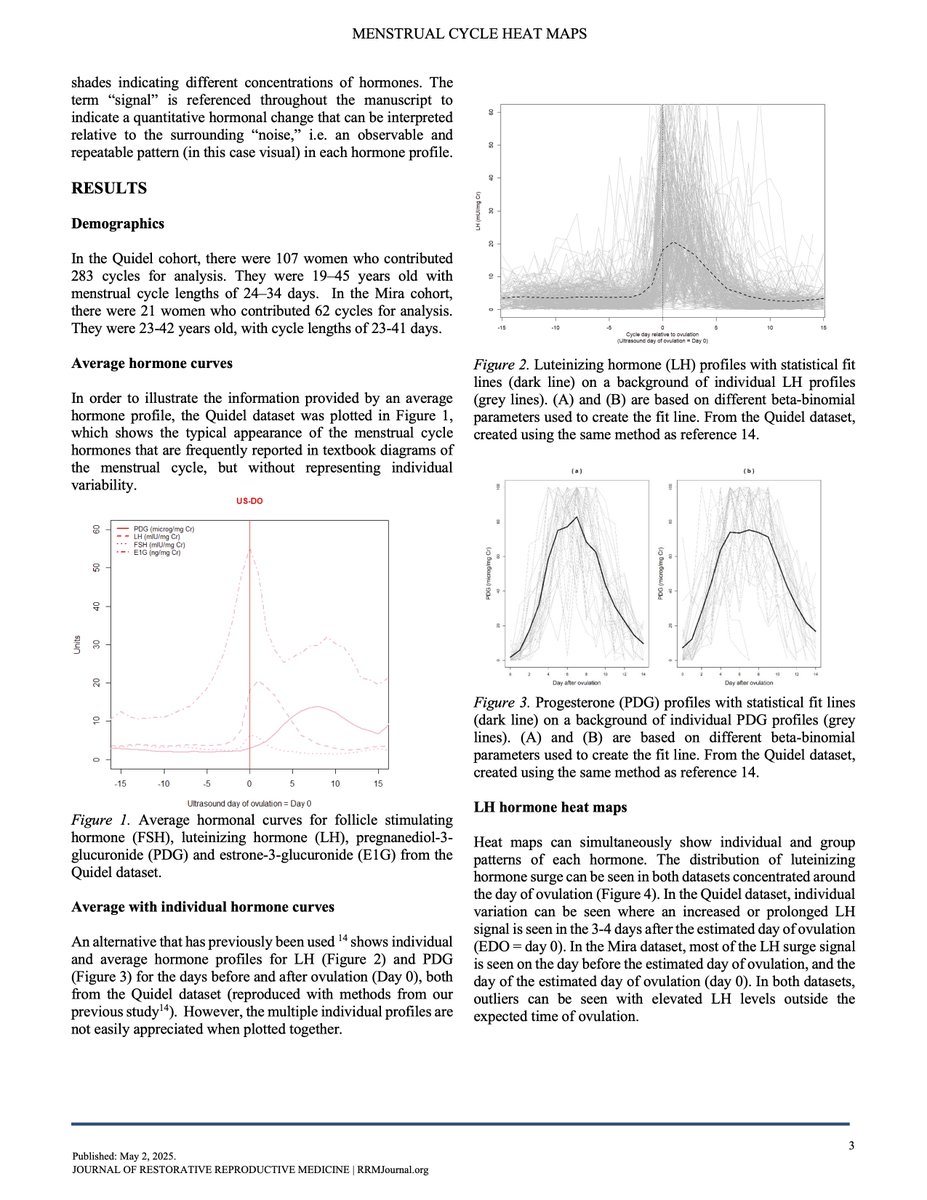
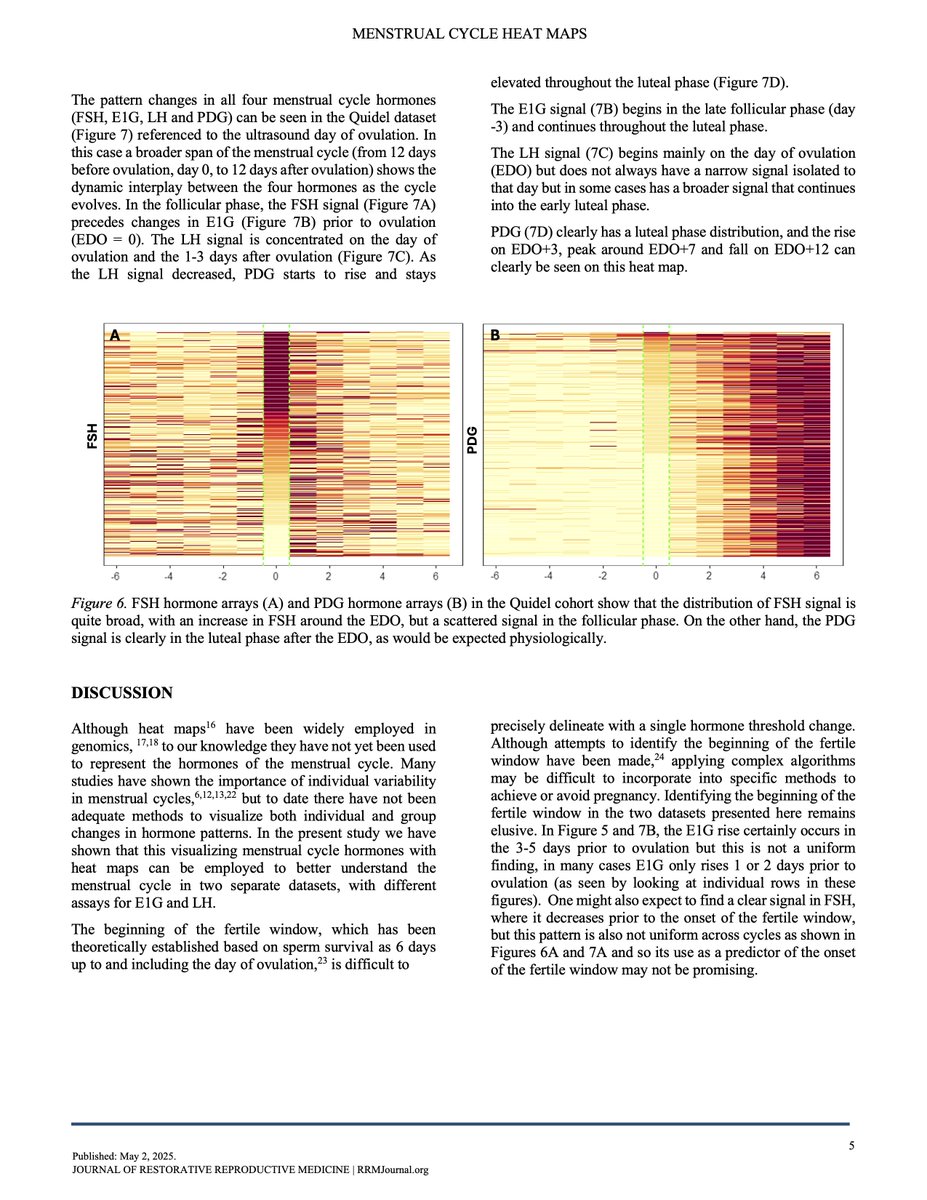
New in Journal of Restorative Reproductive Medicine (#JRRM). Bouchard T et. al. offer a new way to understand hormonal fluctuations throughout the menstrual cycle and provide a visual representation for individual cycle variability. #RRMResearch 👉https://t.co/UbDxeZBO2y
A common mistake is to assume that individual ovulation/menstrual cycle hormone curves will look like the averages of many cycles. Check out this innovative new application of heat maps to understanding individual cycle variability! https://t.co/UJ0VYdGJts
I'm proud to be part of the ECHO (children's) study, which has published hundreds of scientific papers that advance our understanding of the underlying causes of autism. https://t.co/bTOIidbBEe
Very much looking forward to the 20th annual meeting of the International Institute for Restorative Reproductive Medicine, August 7-10, Vancouver, Canada!
Maybe you can join us!
(virtual option also available)
https://t.co/t8YNic6Ibd