In commemoration of World Environment Day and in line with the Presidential directive on environmental conservation and the national tree-growing initiative, the Kenya Defence Forces, in collaboration with government agencies, private sector partners, and local communities, undertook a series of coordinated environmental conservation activities across the country.
At Moi Barracks, service personnel from 9 Kenya Rifles, working alongside the Kakamega Forest Heritage Foundation, corporate partners and the local community, conducted a tree planting exercise aimed at restoring and conserving the Kakamega Forest ecosystem. The activity resulted in the planting of 20,115 indigenous tree seedlings.
See more: https://t.co/L2FFPMGUJX
In an increasingly interconnected world, the information environment has emerged as a critical domain of national security. The rapid growth of digital technologies, social media platforms and artificial intelligence has transformed how information is created, shared and consumed, presenting both opportunities and risks for military organizations. See more: https://t.co/IGWMffW2tw
From satellites orbiting hundreds of kilometres above the earth to the archaeological record of humanity’s earliest innovation in the Lake Turkana Basin, the Ministry of Defence showcased the breadth of Kenya’s science and technology agenda during the Global Data Festival and Kenya Space Expo and Conference 2026 in Nairobi. See more: https://t.co/VteOPeYleJ
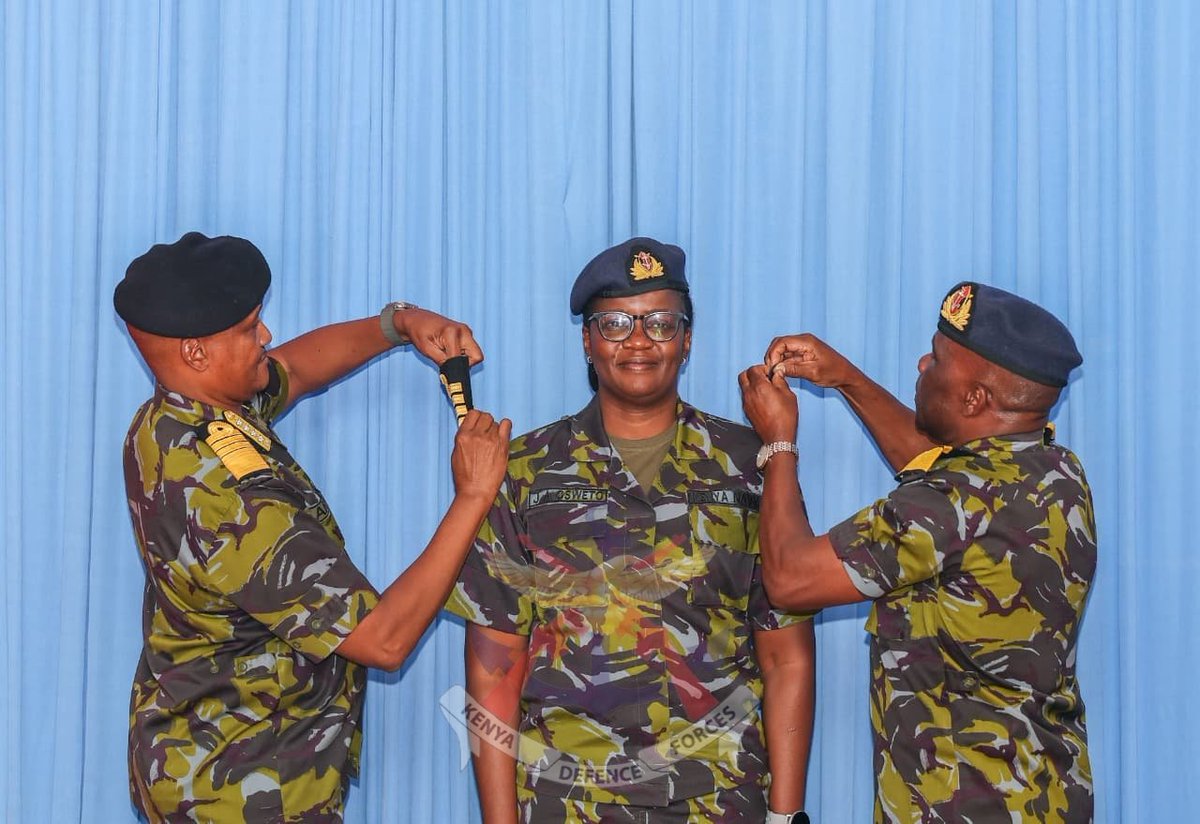
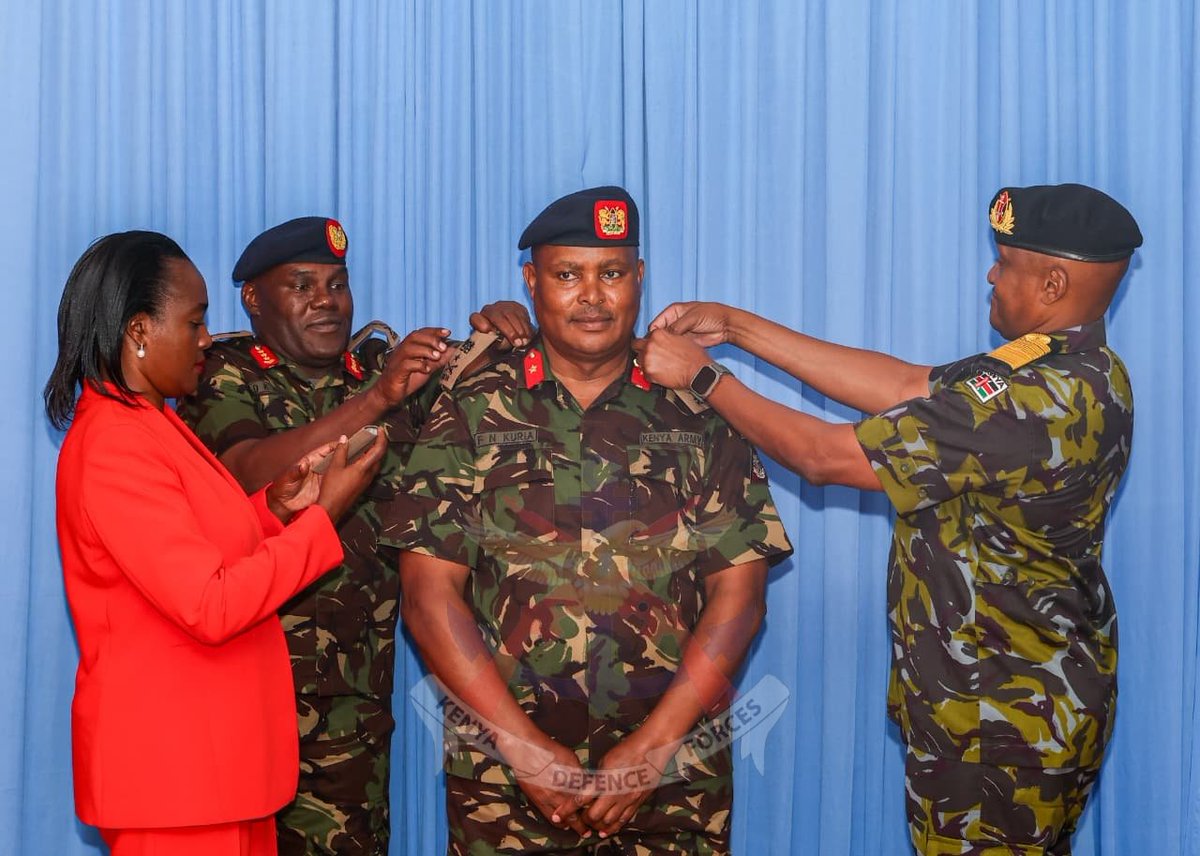
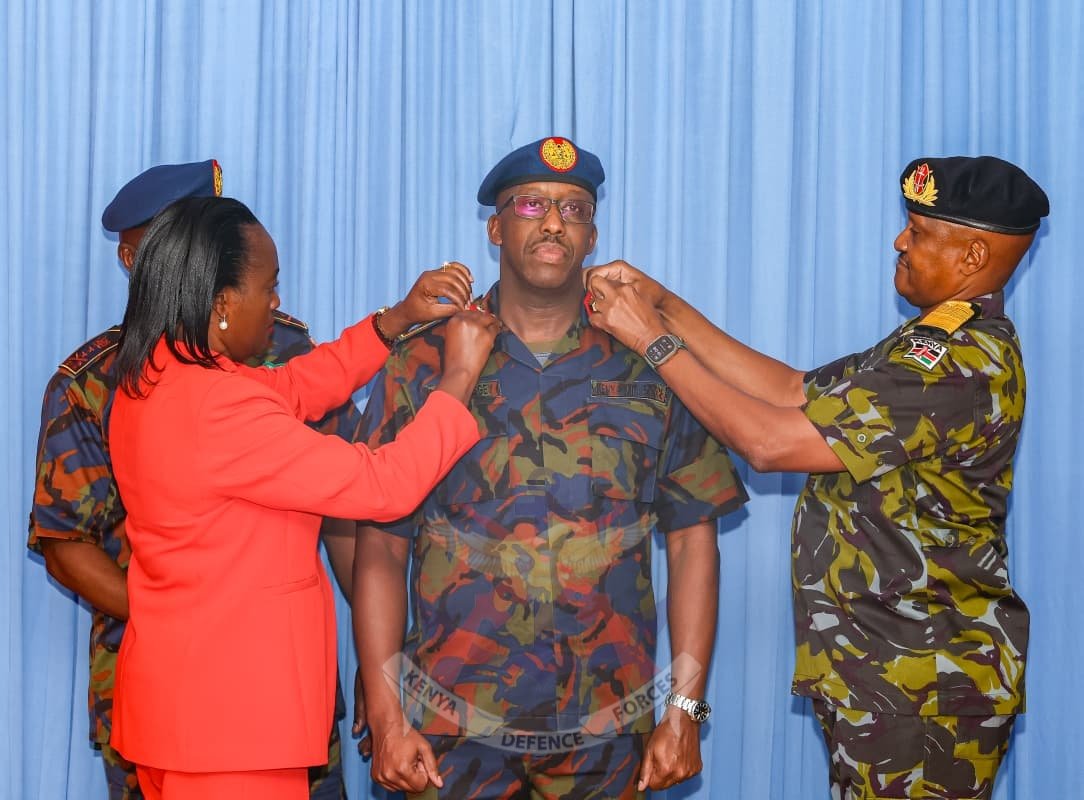
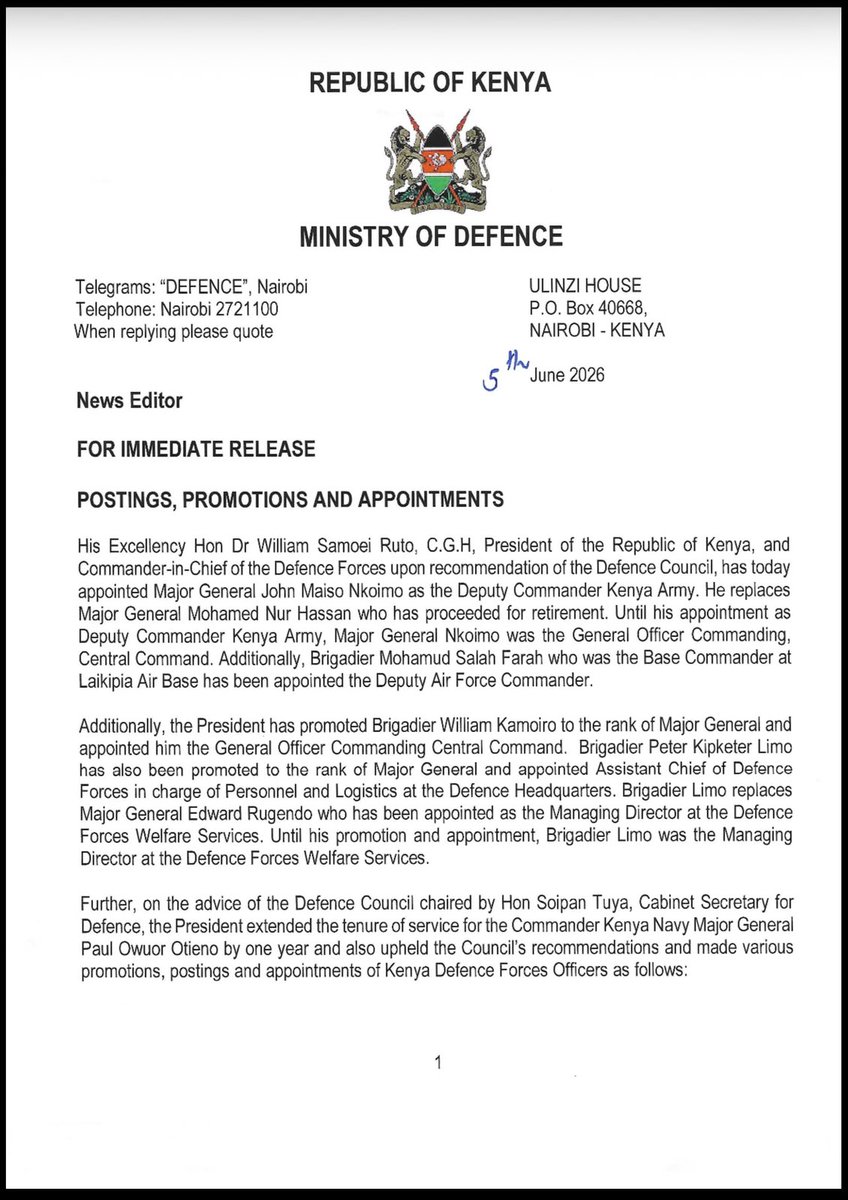
Professional armed forces depend on strong leadership, clear command structures and a deliberate system of talent development to maintain operational effectiveness and institutional excellence. The recognition and advancement of deserving officers not only reward merit and dedication but also ensure that the military remains equipped with capable leaders prepared to navigate evolving security challenges and guide their formations in the fulfilment of national defence objectives. See more: https://t.co/4eR7chxLhB
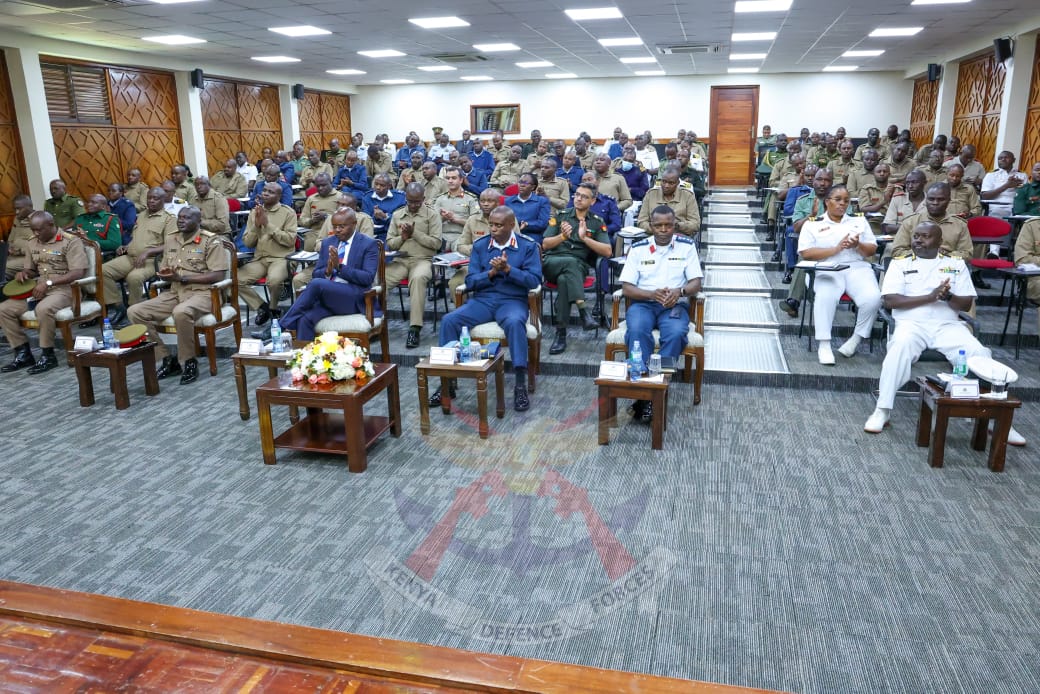
Professional military education remains a critical investment in building the leadership, adaptability and collaborative skills required to safeguard national interests and strengthen regional stability, particularly as security challenges continue to evolve in complexity and scope, increasing the demand for military leaders capable of operating effectively across joint, multinational and strategic environments. See more: https://t.co/lX6moH1IaC
His Excellency Hon Dr William Samoei Ruto, C.G.H, President of Republic of Kenya, and Commander-in-Chief of the Defence Forces upon recommendation of the Defence Council has made the following changes in the military. See more:
In an increasingly complex and interconnected global security environment, the role of the mid-level military commander continues to evolve beyond conventional battlefield responsibilities. This reality formed the core of a leadership lecture delivered to participants of Senior Joint Command and Staff Course at the Joint Command and Staff College (JCSC), challenging them to deepen their strategic thinking, embrace adaptive leadership, and integrate defence diplomacy into their professional practice. See more: https://t.co/3UFesYHXqb
As regional security challenges continue to evolve, defence diplomacy and professional military engagements remain critical tools for fostering mutual understanding, strengthening strategic partnerships and enhancing collective security among partner nations. The Kenya Defence Forces (KDF) continues to leverage academic exchanges and professional interactions to deepen military cooperation, promote the exchange of best practices and reinforce regional security collaboration. See more: https://t.co/tVdvuA7FMW
In the digital age, data and space technologies have emerged as critical enablers of economic growth, informed decision-making and sustainable development. Nations that effectively harness these capabilities are better positioned to address complex challenges, improve public service delivery and build resilience against emerging threats ranging from climate change to food insecurity and disaster risks. See more: https://t.co/NPQd1aQVSo
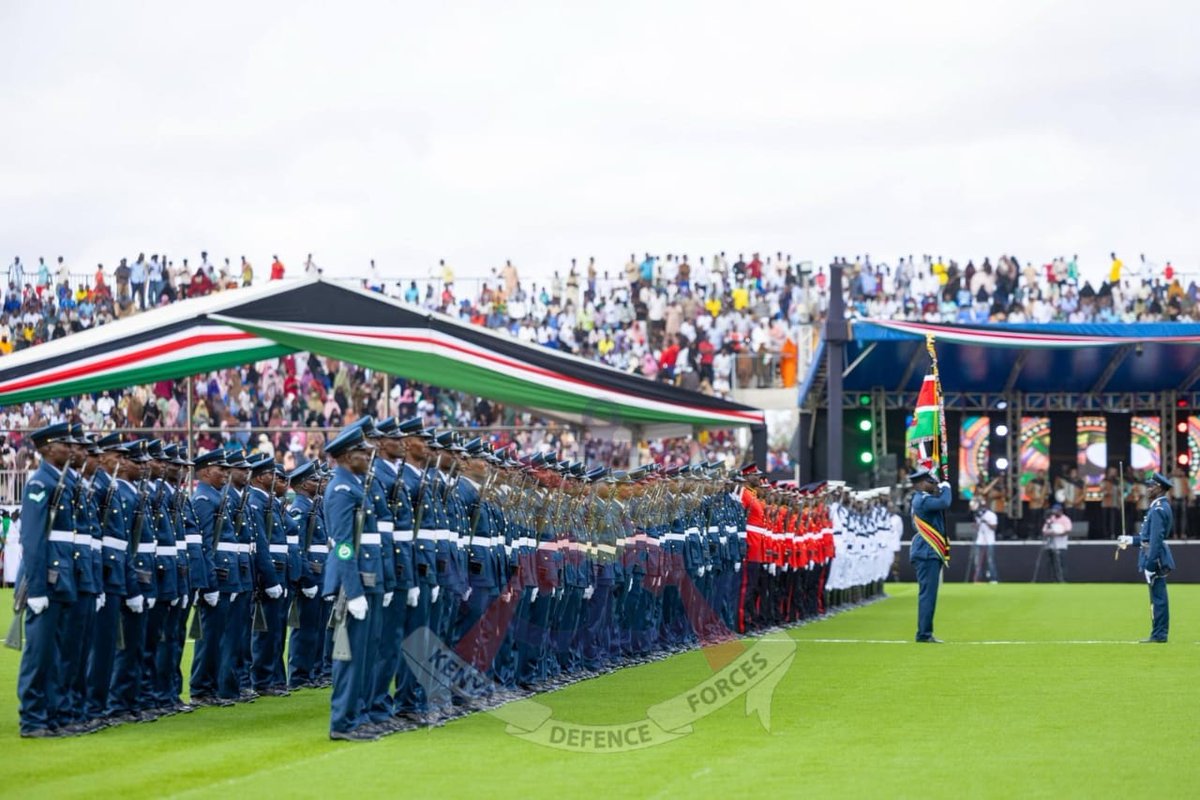
In a colourful commemoration of its attaining self-rule, Kenya, on 01 June 2026, celebrated its 63rd Madaraka Day at Wajir Stadium in Wajir County. The celebrations were led by the President and Commander-in-Chief of the Kenya Defence Forces, His Excellency Dr. William Ruto. See more: https://t.co/pSpKw5ta5j
Physical fitness, endurance and teamwork remain fundamental attributes of effective military leadership, contributing significantly to operational readiness, resilience and mission success. As modern military institutions strive to develop well-rounded leaders capable of navigating complex security environments, sports and physical activities continue to serve as powerful platforms for cultivating discipline, cohesion and mental toughness. See more: https://t.co/EEbGea9Vu0
In an increasingly interconnected security environment, international partnerships have become essential in addressing shared challenges, enhancing military capabilities and promoting regional stability. Defence diplomacy continues to serve as a valuable instrument for building trust, fostering cooperation and creating opportunities for mutual learning among nations committed to peace and sustainable development. See more: https://t.co/vjdyPIqKpN
The successful transition of military veterans into civilian life is an important component of national resilience, ensuring that those who have served their country continue to lead productive, fulfilling and impactful lives. Effective reintegration requires more than recognition of past service; it demands support structures that promote wellbeing, strengthen social connections and create opportunities for continued contribution to society. See more: https://t.co/M7AoNZKbHc
As the global security environment continues to evolve, modern defence institutions are increasingly required to adapt to complex and rapidly shifting threats that extend beyond conventional warfare. Emerging challenges such as cyber insecurity, information warfare, climate-related instability and geopolitical competition are redefining the strategic landscape, demanding military leaders who can think critically, anticipate change and respond effectively across multiple domains. See more: https://t.co/D5HC18z7jM
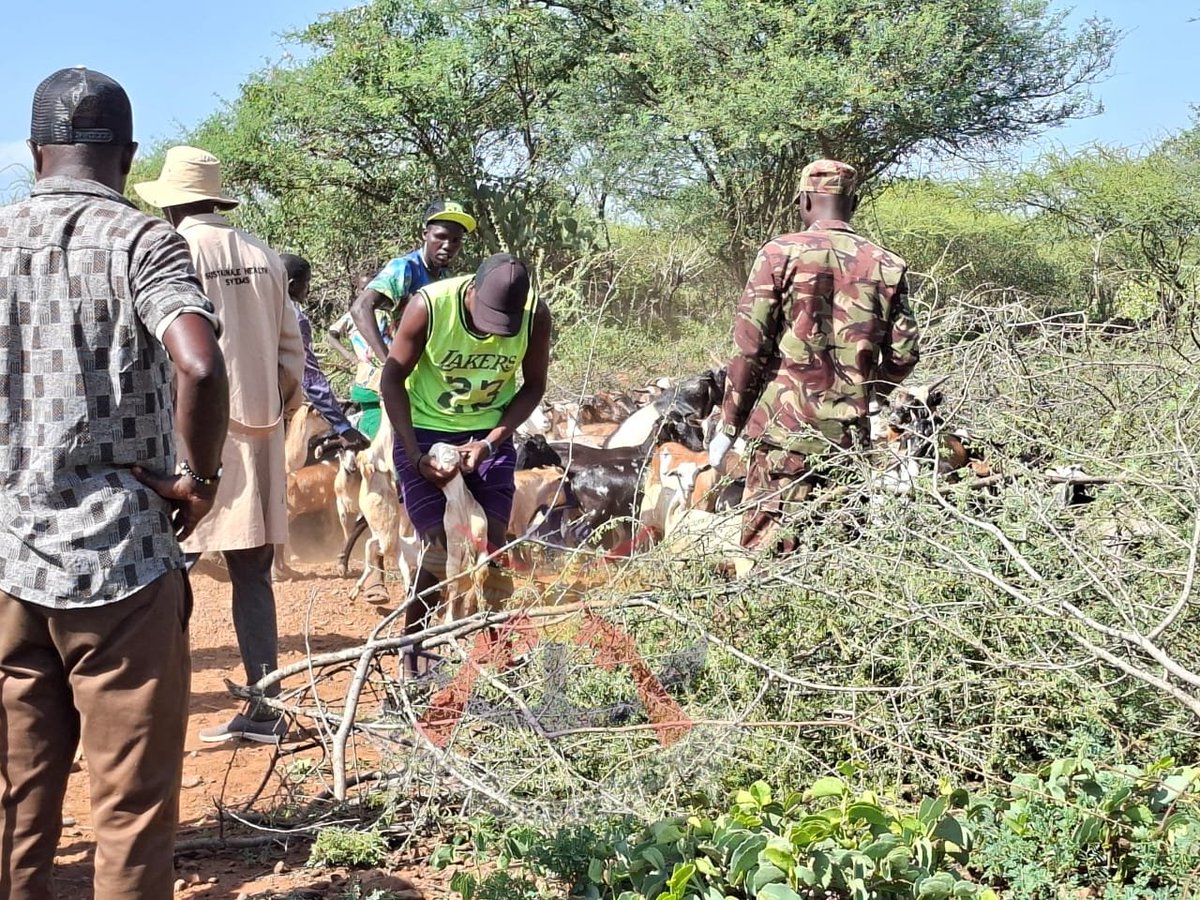
Integrated humanitarian outreach programmes remain a critical role in improving access to essential healthcare services, supporting livelihoods and strengthening resilience among vulnerable communities in remote and underserved regions. By combining medical and veterinary interventions, such initiatives not only address immediate health concerns but also contribute to long-term community wellbeing and economic stability. See more: https://t.co/cYLQmuiOzn
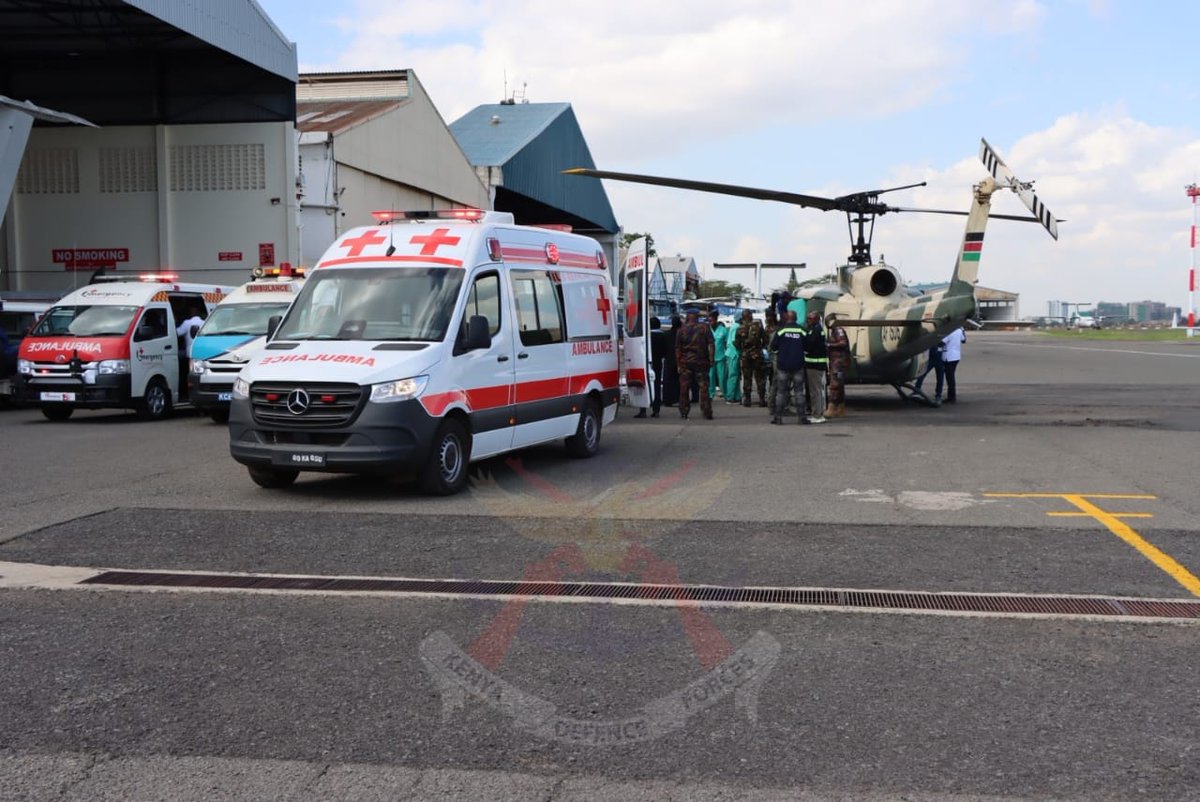
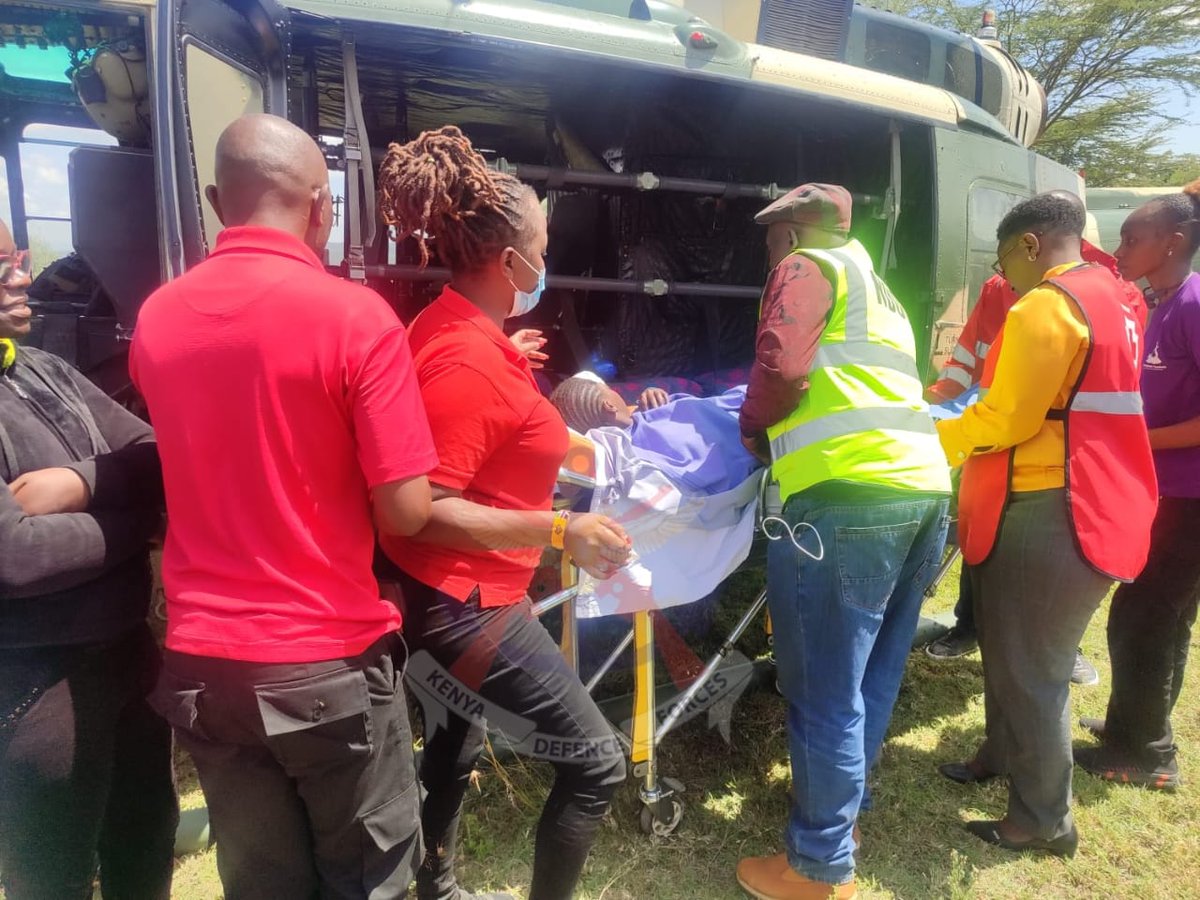
Rapid medical evacuation remains a critical component of emergency response, enabling timely access to specialized treatment and significantly improving survival outcomes during disasters and mass casualty incidents. In moments where every second counts, the ability to swiftly stabilize and transfer casualties plays a vital role in saving lives and reducing the severity of injuries. See more: https://t.co/JRr2FLxt8k
As maritime security continues to grow in strategic importance within the region, initiatives that expose young learners to the maritime domain are becoming increasingly vital in shaping future generations of innovators, leaders and security professionals. Educational engagements between the Kenya Navy and learning institutions not only strengthen community relations, but also inspire students to explore opportunities within the maritime and defence sectors. See more: https://t.co/Z8jmAPF9Uu