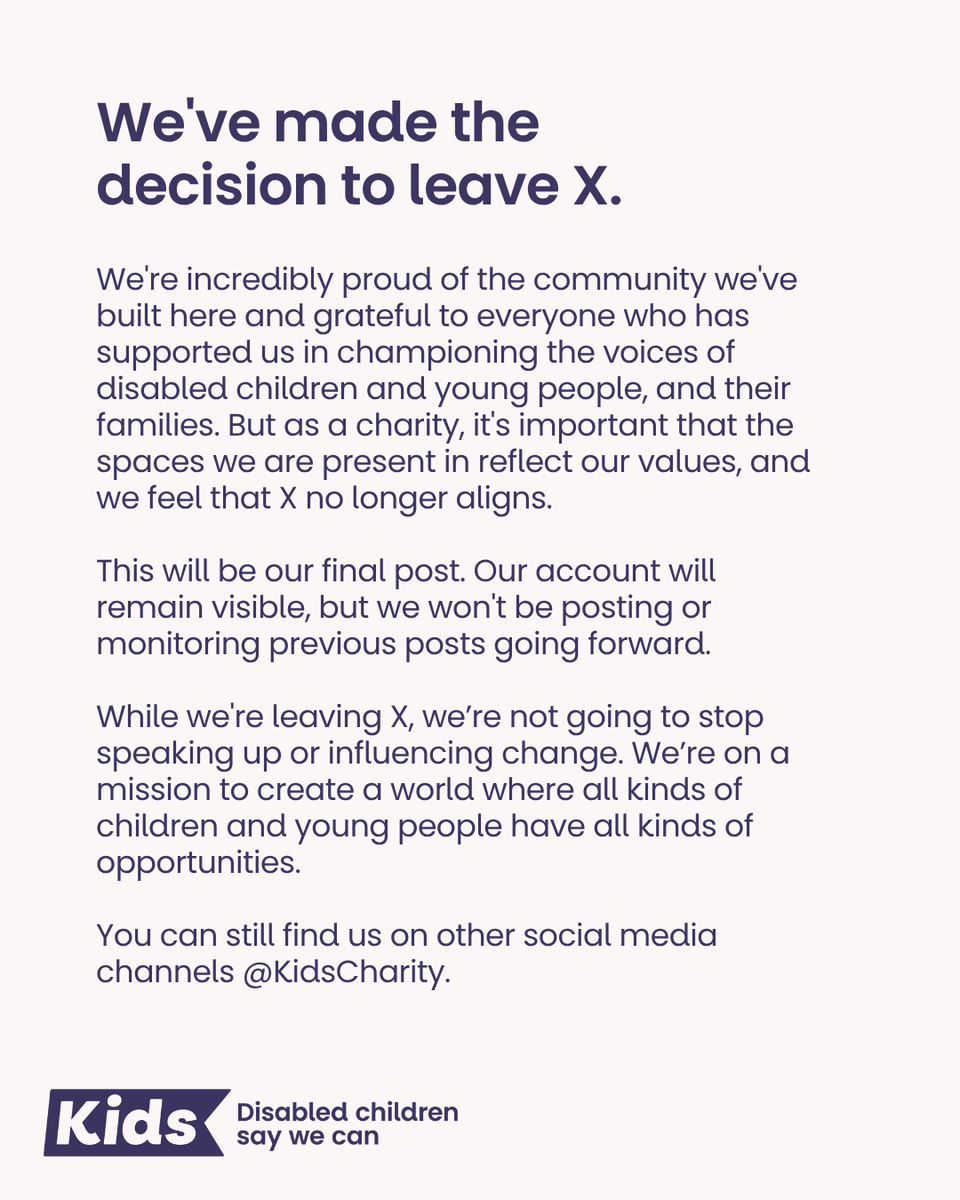
We’re stepping away from X, but we will keep amplifying the voices of disabled children & young people, and their families.
Stay connected:
LinkedIn: https://t.co/ZmEpMOgzOm
Facebook: https://t.co/wSyRtZYuCM
Instagram: https://t.co/4F3GaVDOoZ
Bluesky: https://t.co/EcHaeo7A9f
Any restrictions should sit alongside digital education, family support, and stronger regulation of online platforms.
Young people with SEND deserve to be listened to in the development of these policies that will affect them, reflecting their lived experiences and needs.
We recognise the importance of keeping children and young people safe online and welcome the announcement about social media restrictions for under 16s – an important step to strengthening protection in the digital world.
There are of course risks and harms that need addressing, whilst remembering that for many disabled young people digital spaces are a vital way to access opportunities, take part in communities, and build connections that might otherwise be harder to reach.
While the expert panel includes strong representation from education, research, and parent carers, we must see a commitment to involve young people who experience the system every day. Their voices should be central to shaping the future of the SEND system.
Today, Government made important announcements building on their SEND reform proposals, including guidance on the Experts at Hand services, and details of the expert panel that will develop the National Inclusion Standards & Specialist Provision Packages.
https://t.co/TlBA6Qsybw
Local areas must now ensure Experts at Hand includes the right professionals in the right numbers to meet the full range of needs in their communities, including those with specialist expertise and who work with children and young people.
Only 36% of disabled young people feel part of their school or college community.
Inclusion isn’t optional - it’s a right for every child and young person.
Share if you agree.
It is also important to recognise that living independently or finding employment might not be the right path for everyone. Many young people with SEND will need, and are entitled to, ongoing support to help them live good lives in the way that works best for them.
Today’s interim report from Alan Milburn highlights the growing number of young people who are not in employment, education or training (NEET).
The reasons behind this are complex, but young people with SEND are significantly more likely to become NEET.
https://t.co/yZ28N9j0QV
We’re calling on the government to strengthen employment support for young people with SEND, including tailored practical support from trained, expert professionals that is personalised, relationship-based, timely and honest.
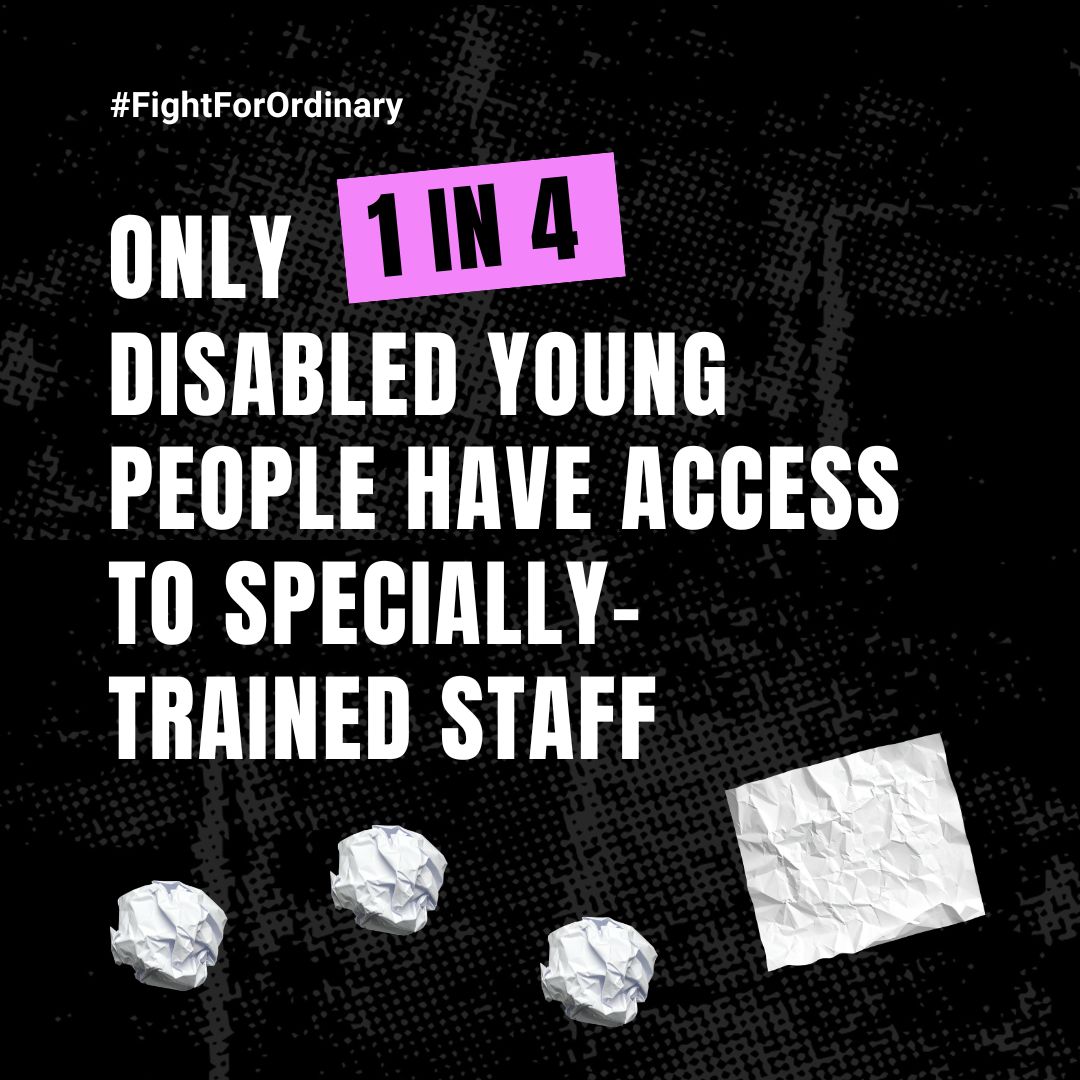
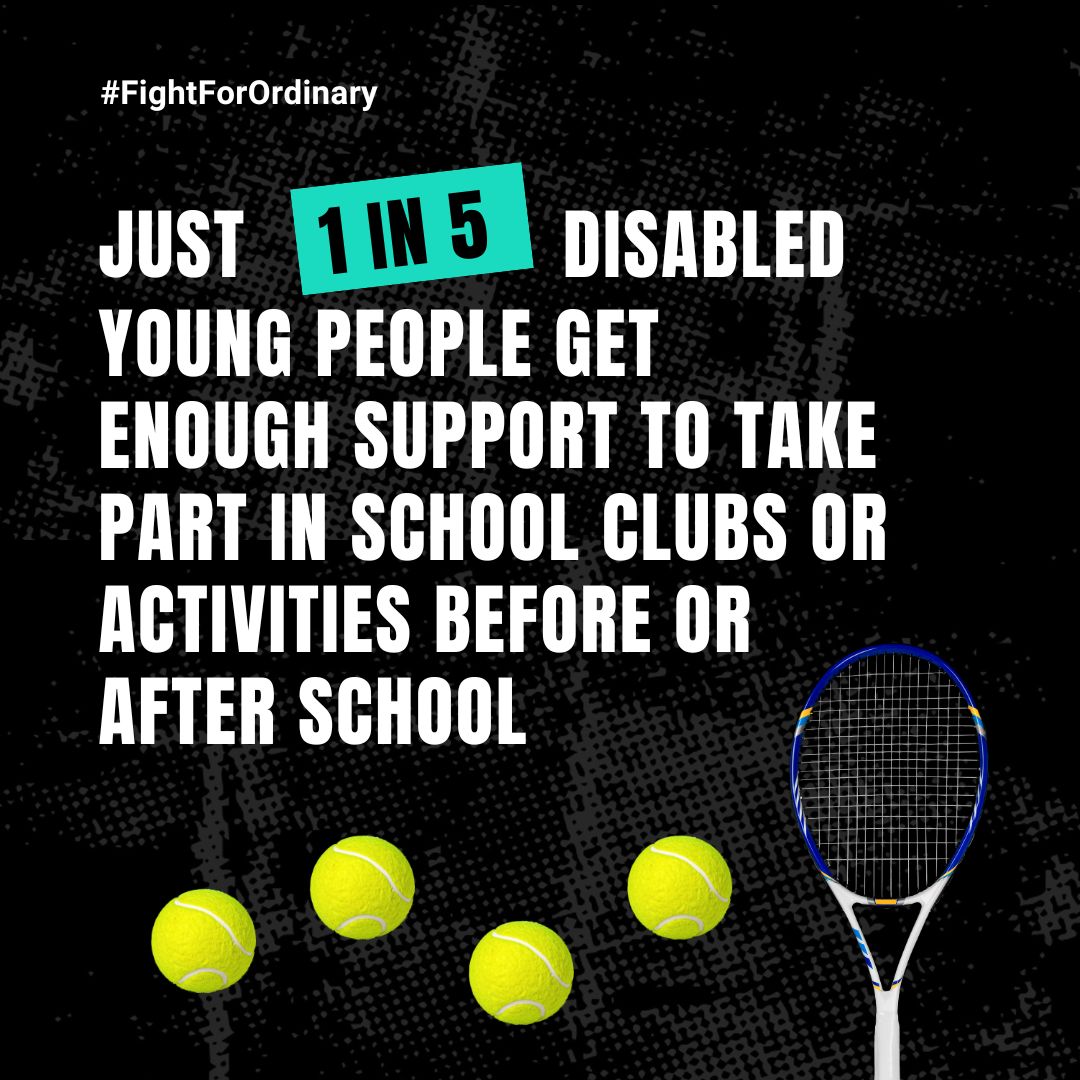
These are not just statistics - they represent thousands of disabled children and young people missing out on learning, friendship, and inclusion every day.
Behind every number is a child’s experience of education that isn’t working as it should.
Urgent change is needed.
Disabled young people have shared what would make a real difference to their education experience - helping them learn and thrive just like any other child or young person.
- Staff who understand their needs
- One-to-one support when needed
- Smaller groups
- Quiet areas
- Visual aid support
- Access to assistive tech
- Regular catch ups with pastoral or key workers
- Flexibility with sensory items
- Adjustment to uniforms