After editing A New Hope, Marcia Lucas was given a pair of editors gloves (to keep off grease when handling film reels). On them it says: For the smartest pair of hands in the galaxy.
Thank you for shaping generations of filmmakers.
A Force.
The Cornell Fearsome Four are the flip side to the Cornell 57:
1) Sophia Dasser ’28, Cornell Daily Sun Editor-in-Chief
2) Sophia Romanov Imber ’28, Associate Editor
3) Zara Cheek ’28, Opinion Editor
4) Rayen Zhou '29, Opinion Editor
5) cereese Qusba '27 senior Editor
These four investigated, reported, and named names. They didn't back down.
“Cornell Won’t, We Will.”
When we talk about teaching our children how to move through the world, this is also what we should be talking about. We need more like them.
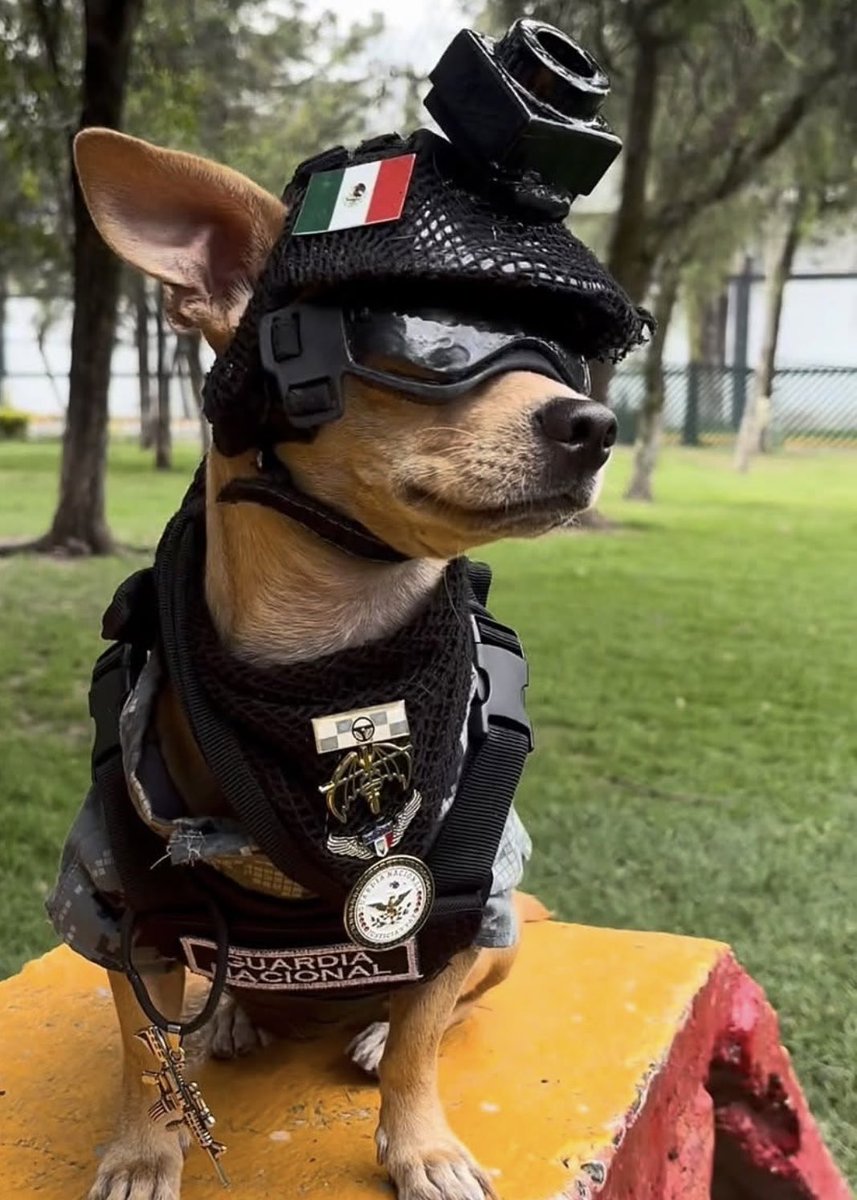
JUST IN: Mexico’s National Guard introduces its newest recruit, a 15-pound Chihuahua equipped with tactical gear & trained for search-and-rescue missions.
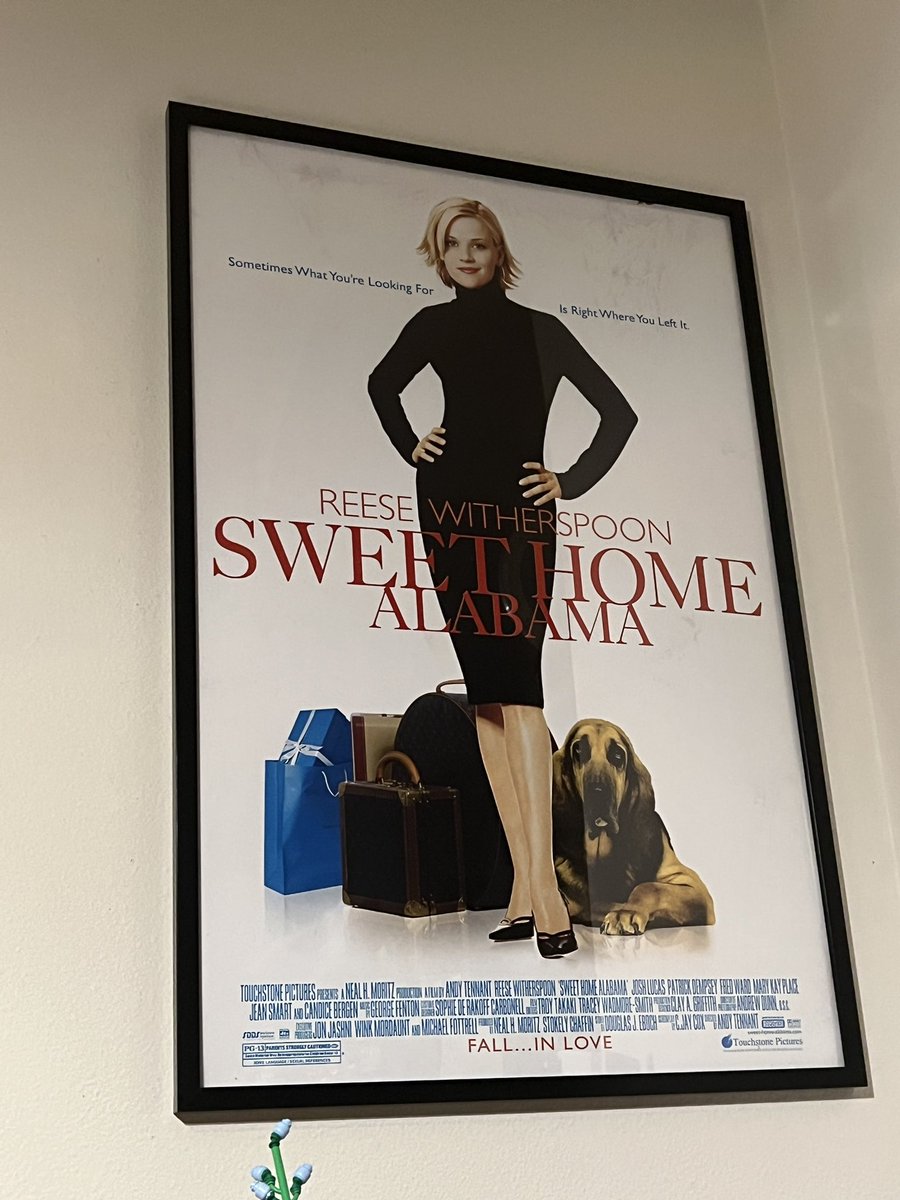
And this is why I miss the olden days of cable, because TBS might have this on and I could pick up right before the makeover scene and really lock in as if I’ve been watching from the beginning. And then the Mummy comes on right after.
When cinema was still learning how to move, WINGS was already flying.
With the camera gliding seamlessly across a crowded Paris café, this remarkable tracking shot from WINGS (1927) remains a striking example of the ambition and innovation of early filmmaking. Directed by William A. Wellman and starring Clara Bow, Charles “Buddy” Rogers, Richard Arlen and Gary Cooper, WINGS follows two young pilots whose friendship is tested amid the aerial battles of World War I.
At the 1st Academy Awards, WINGS made history as the first film to win the Academy Award for Outstanding Picture, the category now known as Best Picture. The film also earned the Academy Award for Engineering Effects, awarded to Roy Pomeroy.