#ThePoliticsofLanguage.
As African people we should stick together to make Europin languages, the languages of colonial dominance, the languages of slavery and exploitation, work for us...or not work. We should make them undominant.
PREPARE FOR COSTLY INTERNET:
The proposed Kenya Information and Communications (Amendment) Bill, 2025, sponsored by Aldai MP Marianne Kitany., has raised serious concerns about the future affordability and accessibility of internet services.
Among the proposals are:
1. Introduction of an internet metre number to facilitate billing subscribers based on consumption.
2. Moving away from unlimited internet packages towards consumption-based billing, similar to how electricity or water is billed.
3. Increased monitoring of internet usage by Internet Service Providers.
These proposals deserve serious public scrutiny because affordable internet is no longer a luxury. It is essential infrastructure.
Making internet access more expensive could have consequences far beyond social media:
1. Businesses — higher operating costs and reduced digital activity.
2. Schools and students — increased costs for online learning and digital resources.
3. Workers and jobs — businesses under financial pressure may cut staff or reduce operations.
4. Communication — families, communities and businesses would have to spend more simply to stay connected.
5.Access to information — millions of Kenyans could be priced out of the digital public square.
And the timing matters.
As Kenya approaches another election cycle, we must ask: Who benefits when accessing information becomes increasingly expensive?
We saw what happened when young Kenyans used social media to organise, share information and demand accountability.
You cannot permanently silence a population by switching off the internet.
But you can make access so expensive that only those who can afford it remain connected.
That is why we must pay attention now.
Affordable and accessible internet is a democratic right in practice. It enables citizens to organise, learn, work, communicate, participate and hold power to account.
#AffordableInternet #DataCosts #DigitalRights #InternetFreedomKE #Kenya
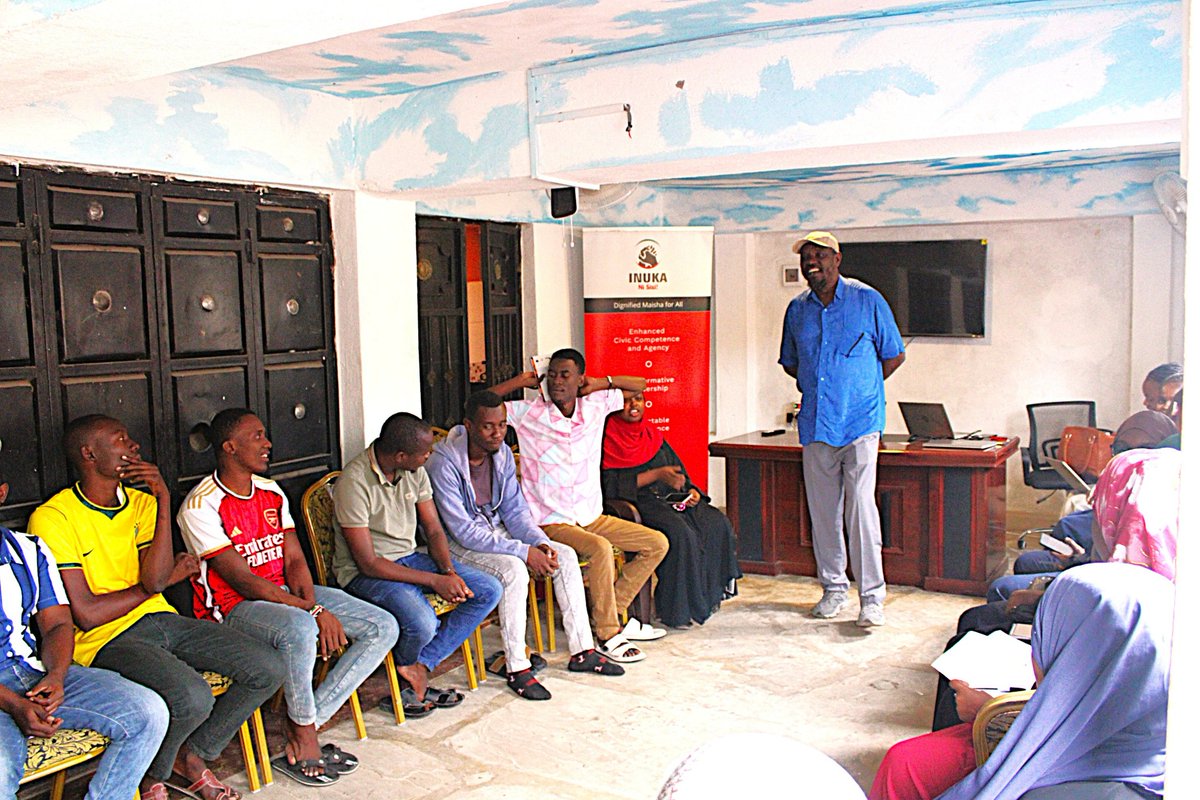
Day 3 of the #MaskaniLamu training is underway!
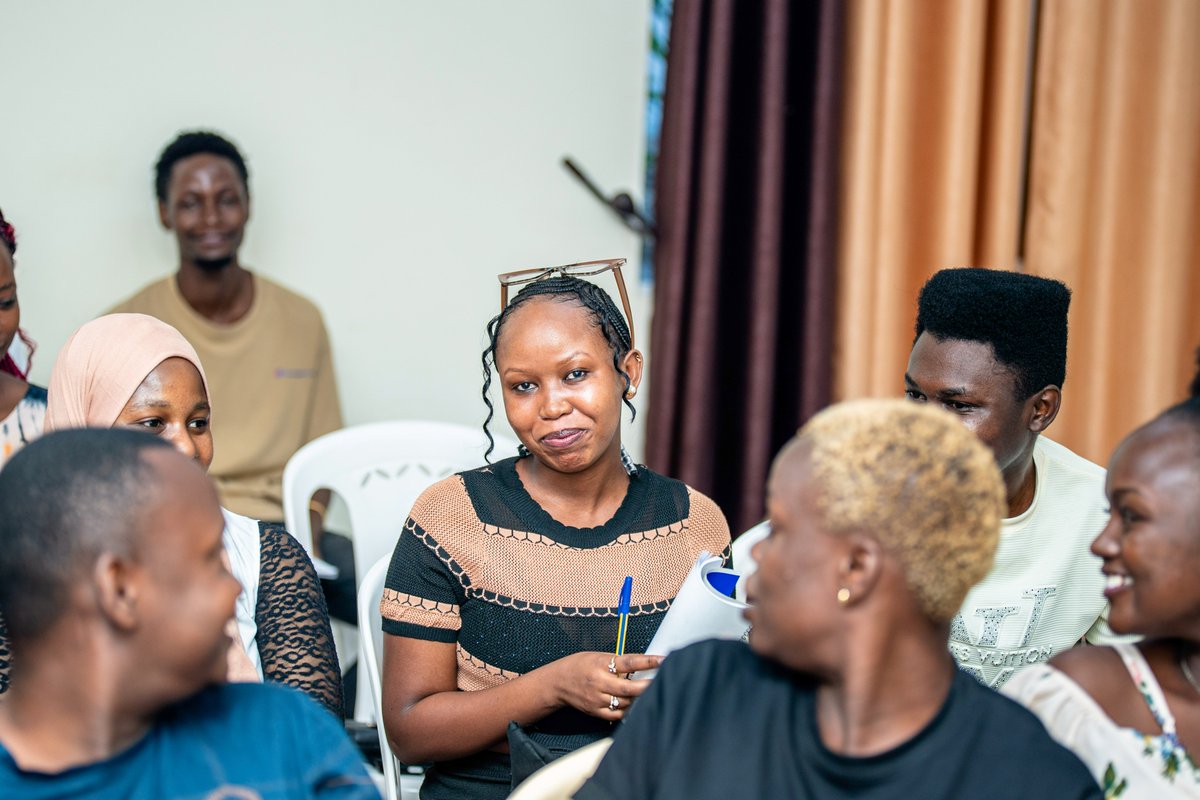
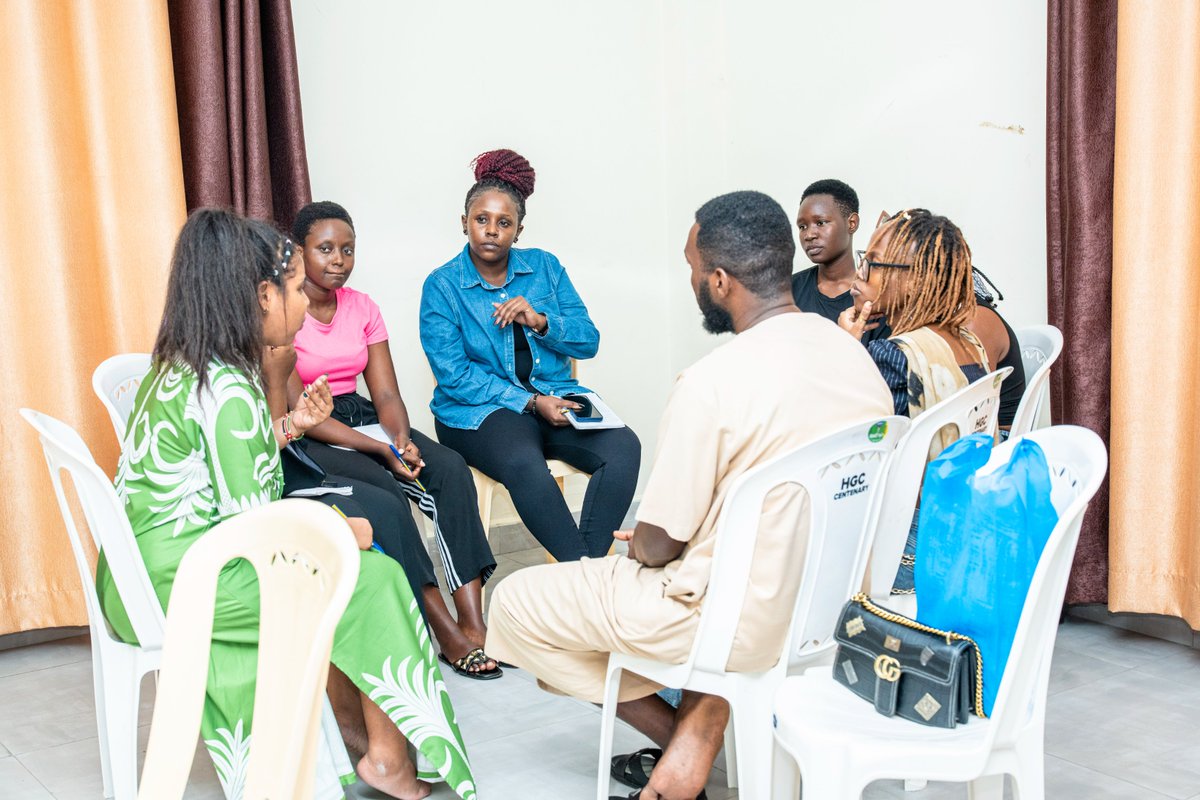
The day has kicked off with a Maskani Conversation, creating a space for young people from Lamu to openly discuss the issues affecting their communities and the future they want to see.
The conversation is exploring key concerns including service delivery, leadership and accountability, youth participation in governance, and what the 2027 General Election could mean for Lamu.
Beyond identifying challenges, young people are reflecting on their role in shaping better governance, demanding accountability, and influencing decisions that affect their communities.
The future of Lamu must include the voices and aspirations of its young people.
#MaskaniLamu #YouthVoice #CivicEngagement #YouthLeadership #Accountability
Visibility is everything in digital advocacy.
A consistent hashtag helps people discover your content, keeps campaign conversations organized, increases reach, and makes your message easier to follow and amplify. The more consistently it's used, the stronger the campaign's visibility and impact.
Today, young people from #MaskaniTanaRiver are learning how strategic hashtag use can turn individual posts into a powerful, unified movement for change.
#MaskaniTanaRiver #DigitalAdvocacy #SocialMediaForAdvocacy #YouthVoice
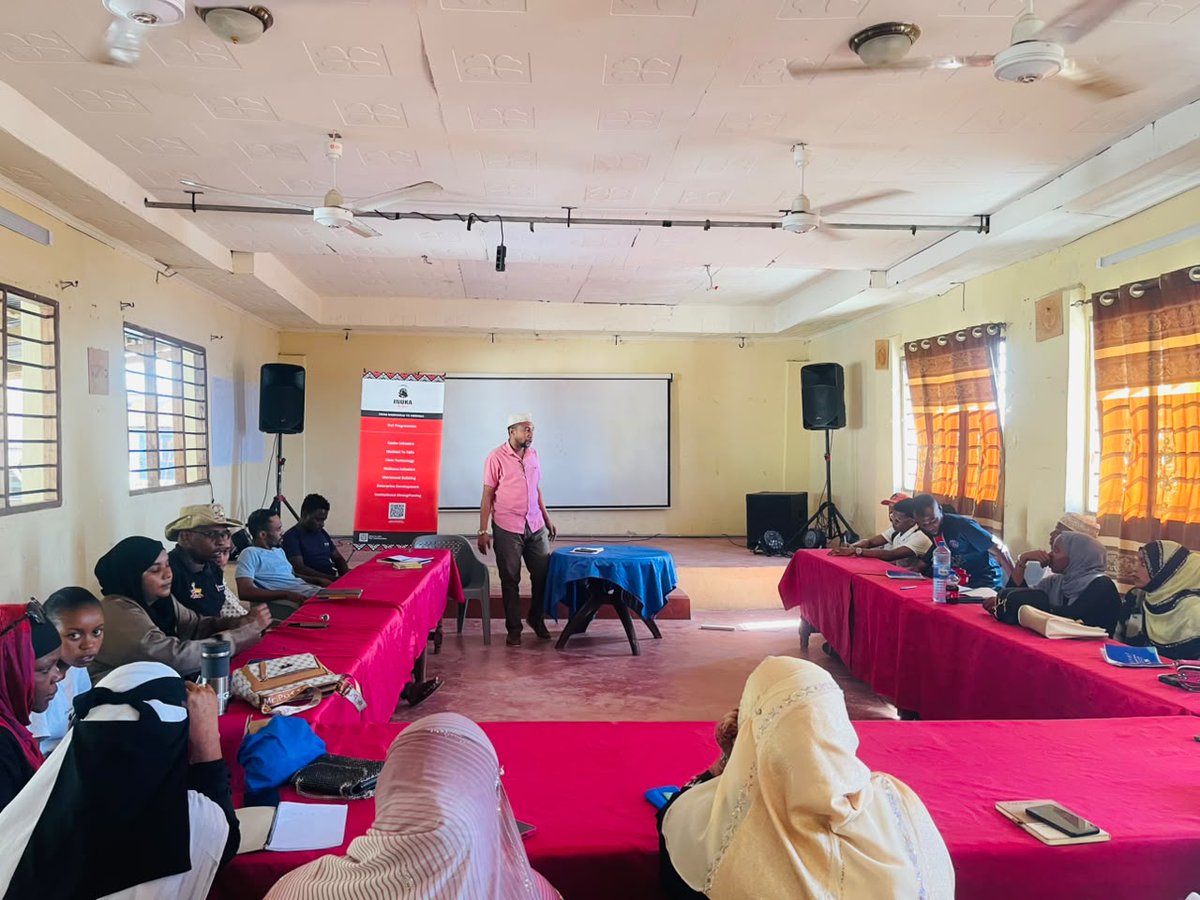
Day 2 of the #MaskaniMombasa training has begun with an engaging session on Social Media for Advocacy, equipping young people with the skills to harness digital platforms for meaningful civic engagement and social change.
As social media continues to redefine how citizens participate in advocacy, participants are exploring how to strategically use digital platforms to raise governance and social justice issues, amplify community voices, counter misinformation and disinformation, encourage public participation, and demand accountability from leaders and public institutions.
Beyond communication, social media has become a powerful tool for organising, storytelling, mobilising communities, and driving youth-led movements that influence public discourse and inspire action.
#MaskaniMombasa
In today’s digital space, misinformation and disinformation strongly influence how people understand issues and engage in public discussions. Misinformation is false or misleading content shared without intent to deceive, while disinformation is deliberately created to manipulate opinions and distort facts.
These are often spread through edited media, fake screenshots, fabricated news pages, bot activity, and emotionally driven content shared out of context.
In politics, such tactics are commonly used to shape public opinion, discredit opponents, and influence outcomes, especially during elections and heated public debates where content can go viral before verification. #MaskaniMombasa
Digital security is a shared responsibility.
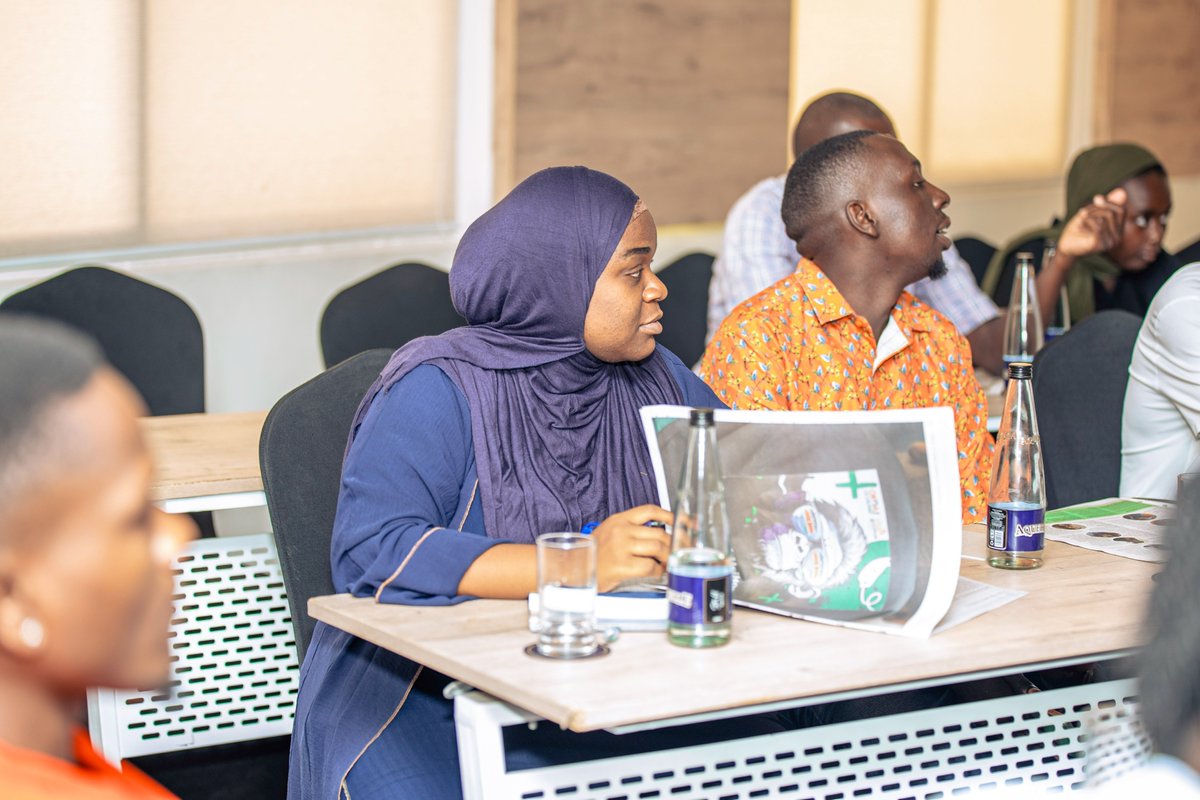
At #MaskaniMombasa, participants are exploring common cyber threats facing activists and organisations while learning practical ways to strengthen their digital safety, protect online spaces, and build more resilient communities.
#MaskaniMombasa
Credibility is a powerful tool in advocacy, trust determines how far your message goes and how seriously it is taken online. Building trust starts with verifying information before posting, correcting mistakes openly, avoiding sensationalism, and ensuring that communication remains ethical and responsible.
Strong advocates also protect their sources and communities, rely on evidence and documentation, and prioritize accuracy over speed. In digital advocacy, credibility strengthens influence, protects integrity, and ensures that voices for change are taken seriously.
#MaskaniMombasa
As civic engagement increasingly shifts online, digital security is becoming essential for every activist. At #MaskaniMombasa, participants are exploring common cyber threats, while learning practical strategies to safeguard their accounts, personal information, and advocacy efforts.
#MaskaniMombasa
Earlier this week, Inuka Kenya Ni Sisi! Movement Building Programme, convened citizens, grassroots movements, civil society organisations, researchers, youth leaders, faith actors, Bunge la Mwananchi, and governance champions in County 001.
The gathering created a space for diverse voices united by one shared vision: reclaiming Kenya's fiscal future through informed, organised and collective citizen action.
Together, we held critical conversations on public debt, participatory budgeting, economic justice, and movement building recognising that sustainable change begins when citizens are empowered to understand, engage with, and influence public finance and governance processes.
This was more than a convening. It marked the beginning of strengthening a movement that transforms civic awareness into sustained public accountability, ensuring that citizens are not only informed but are active participants in shaping Kenya's future.
#MovementBuilding #PublicParticipation
Youth Unemployment and Inclusive Opportunities in Mombasa County
Mombasa County is one of Kenya’s most important economic hubs, with significant potential in sectors such as tourism, trade, transport, logistics, the blue economy, and creative industries. With a large youthful population, the county’s future development depends on whether young people can access opportunities, participate meaningfully in decision-making, and contribute to economic growth.
Despite this potential, many young people in Mombasa continue to face challenges related to unemployment, underemployment, limited access to skills development, and exclusion from economic opportunities. While young people represent a significant part of the population, many struggle to transition from education to employment due to limited job opportunities, inadequate mentorship, lack of access to capital, and gaps between available skills and market demands.
Youth unemployment is not only an economic challenge but also a social and governance concern. Prolonged unemployment can increase vulnerability to drug and substance abuse, insecurity, and exploitation by criminal networks. During political seasons, unemployed youth may also become vulnerable to manipulation by political actors and used for political mobilization, intimidation, and unrest instead of being empowered as active citizens and leaders.
At the same time, many young people remain excluded from decision-making spaces that shape their future. Their voices are often limited in county planning, budgeting, policy discussions, and development processes. Meaningful youth inclusion requires moving beyond engaging young people as beneficiaries and recognizing them as partners in governance, innovation, and community development.
Recent youth-led civic movements across Kenya have demonstrated that young people are increasingly demanding accountability, inclusion, and responsive leadership. These movements highlight the importance of creating spaces where youth can express their concerns, participate in public discussions, and contribute to solutions affecting their communities.
The #VijanaNaMabadiliko Youth and Employment Conversation is a citizen-led dialogue initiative that seeks to amplify youth voices, promote economic inclusion, and strengthen youth participation in shaping the future of Mombasa County. It provides a safe, inclusive, and non-partisan platform for young people to discuss challenges affecting them, identify opportunities, and advocate for practical solutions.
The conversation seeks to explore key questions, including:
1. What are the biggest barriers preventing young people in Mombasa from accessing employment opportunities?
2. How can Mombasa County create sustainable opportunities for youth through sectors such as tourism, blue economy, technology, and entrepreneurship?
3. How can young people be meaningfully included in county decision-making and development processes?
4. What role can communities and institutions play in addressing youth unemployment, substance abuse, and insecurity?
5. How can young people move from being used during political campaigns to becoming active leaders and decision-makers?
This conversation is about transforming frustration into action by recognizing young people as innovators, leaders, and partners in development. It acknowledges that building a better Mombasa requires investment in youth opportunities, inclusive governance, and platforms where young people can shape decisions affecting their lives.
Join the conversation under #VijanaNaMabadiliko on Monday 25th July, 2026 from 2pm as we amplify youth voices, promote economic empowerment, and build a more inclusive and opportunity-driven Mombasa County.
Together, let us move from frustration to opportunity and ensure that every young person has a voice and a place in shaping Mombasa’s future.
#VijanaNaMabadiliko #MaskaniMombasa
Conversations on Political Education in Kenya by Wambua wa Kawive
The book serves as a vital practical guide designed to foster civic consciousness, empower grassroots communities, and deepen democratic governance across Kenya.
https://t.co/ITFm8cYC0T
KShs1,500.00
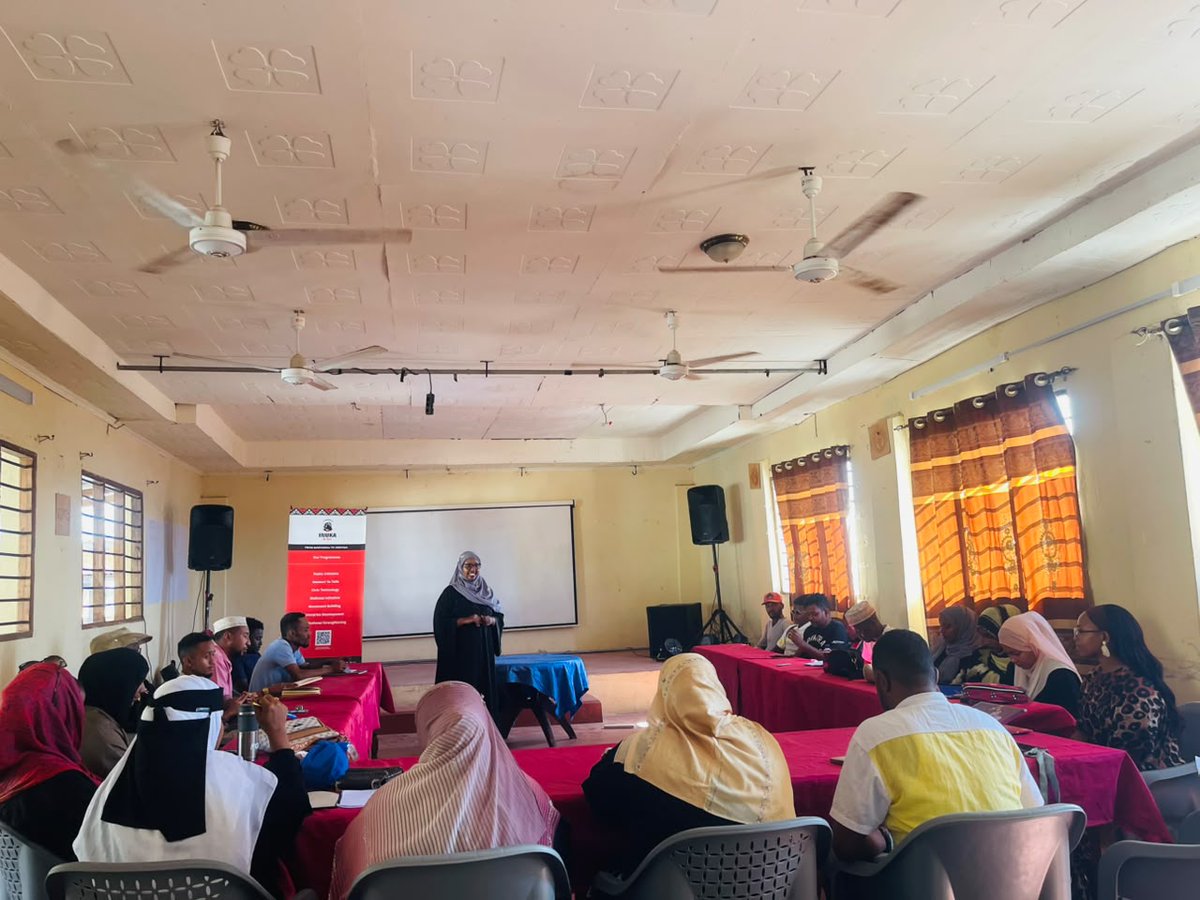
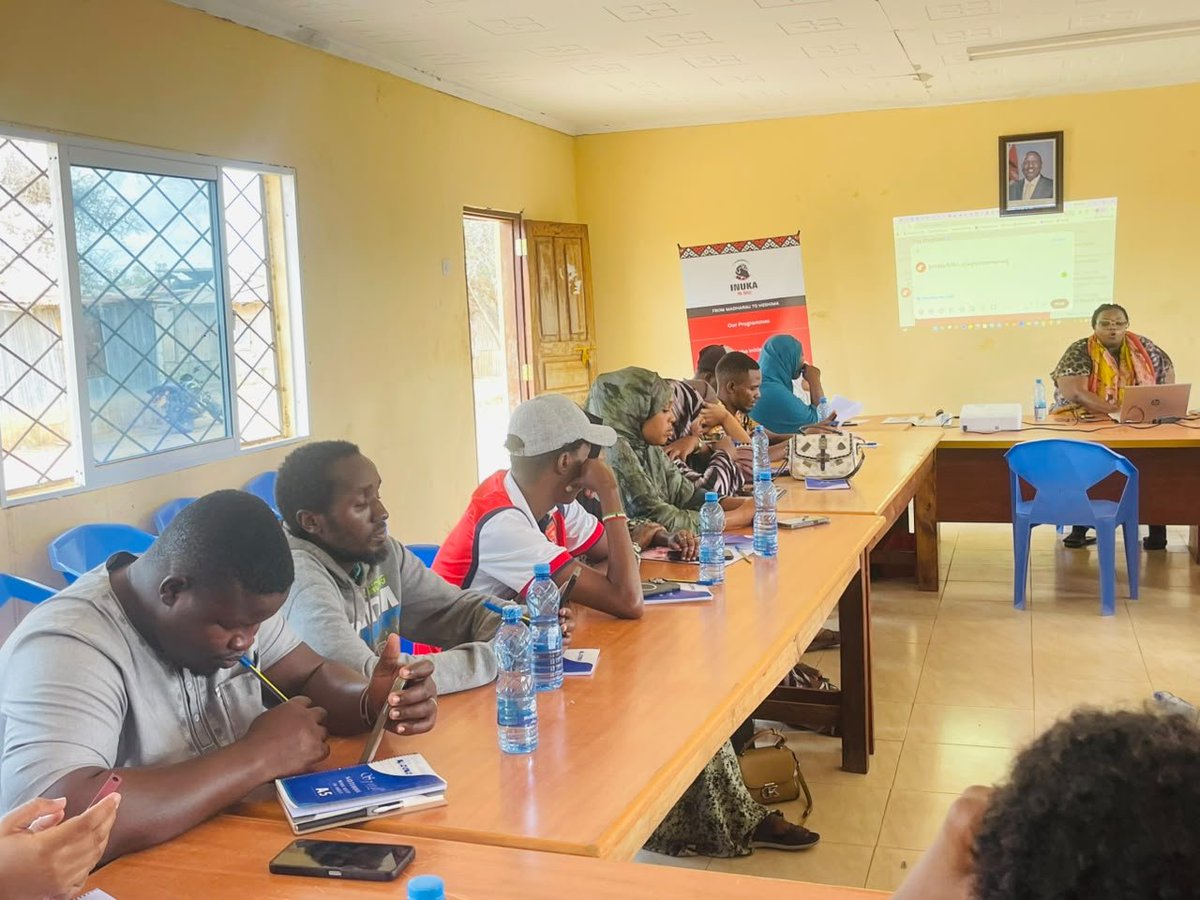
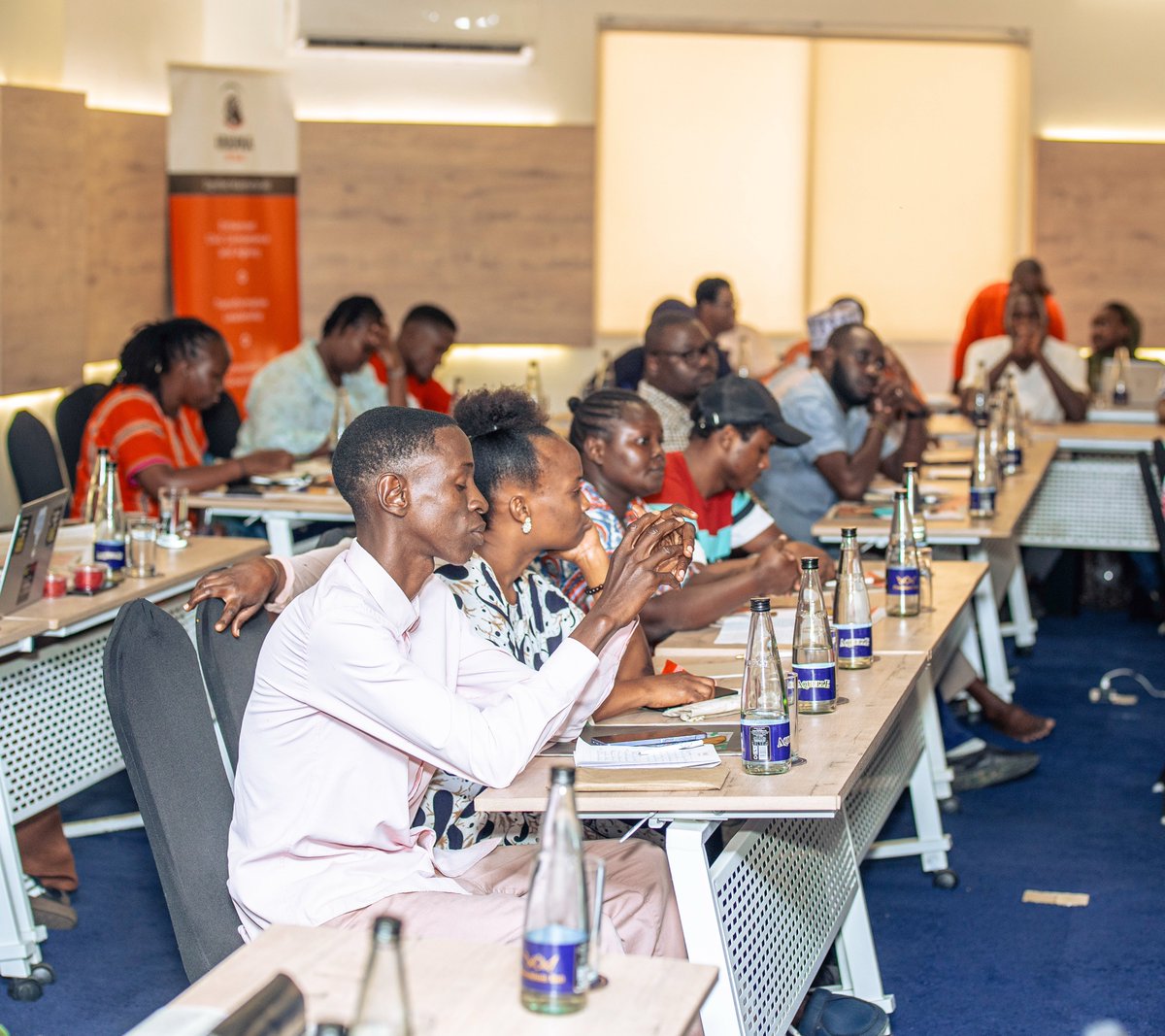
Maskani Ya Taifa (MYT) is facilitating a three-day re-engagement training for the #MaskaniMombasa Hub, reaffirming its commitment to strengthening youth leadership, civic engagement, and digital advocacy in Mombasa County.
The training is equipping participants with practical skills in Social Media for Advocacy, digital storytelling, narrative framing, and responsible online engagement, empowering them to amplify community voices, promote accountability, and shape conversations that advance democratic governance and social change.
As advocacy increasingly takes place in digital spaces, participants are enhancing their capacity to strategically use social media to mobilize communities, engage decision-makers, counter misinformation and disinformation, and advocate for issues affecting their communities.
Through this re-engagement, #MaskaniMombasa is strengthening a network of informed, active, and digitally empowered young leaders committed to driving positive change and promoting accountable governance both online and offline.
#MaskaniMombasa
At the ongoing #MaskaniMombasa re-engagement training, participants are strengthening their skills in narrative framing, learning that effective advocacy is not just about sharing facts, but about telling compelling stories that inspire action.
Every powerful advocacy message answers four key questions: What is happening? Why is it happening? Who is responsible? What should be done?
When these questions are framed with clarity and evidence, they shape public understanding, influence media and policy conversations, mobilize communities to demand accountability, and help protect activists while driving meaningful social change.
#MaskaniMombasa
Facts alone don't shape public opinion, narratives do.
Take youth unemployment, for example. The fact is the same, but the story changes everything.
One narrative says young people are lazy and unwilling to work. Another recognizes the structural barriers they face: corruption, limited economic opportunities, unequal access to quality education, skills, capital, and decent jobs.
The narrative people believe influences who gets blamed, what solutions are proposed, and whether meaningful policy change happens.
That's why framing matters. Tell the story that reveals the real problem,and points to real solutions.
#MaskaniMombasa
A narrative doesn't just explain an issue,it determines how people respond to it.
The #MaskaniMombasa re-engagement training, participants are learning how to transform facts into compelling advocacy narratives that expose root causes, identify those responsible, and inspire collective action.
Strong narratives shift conversations from blame to solutions, turning public concern into sustained civic action and accountability.
#MaskaniMombasa
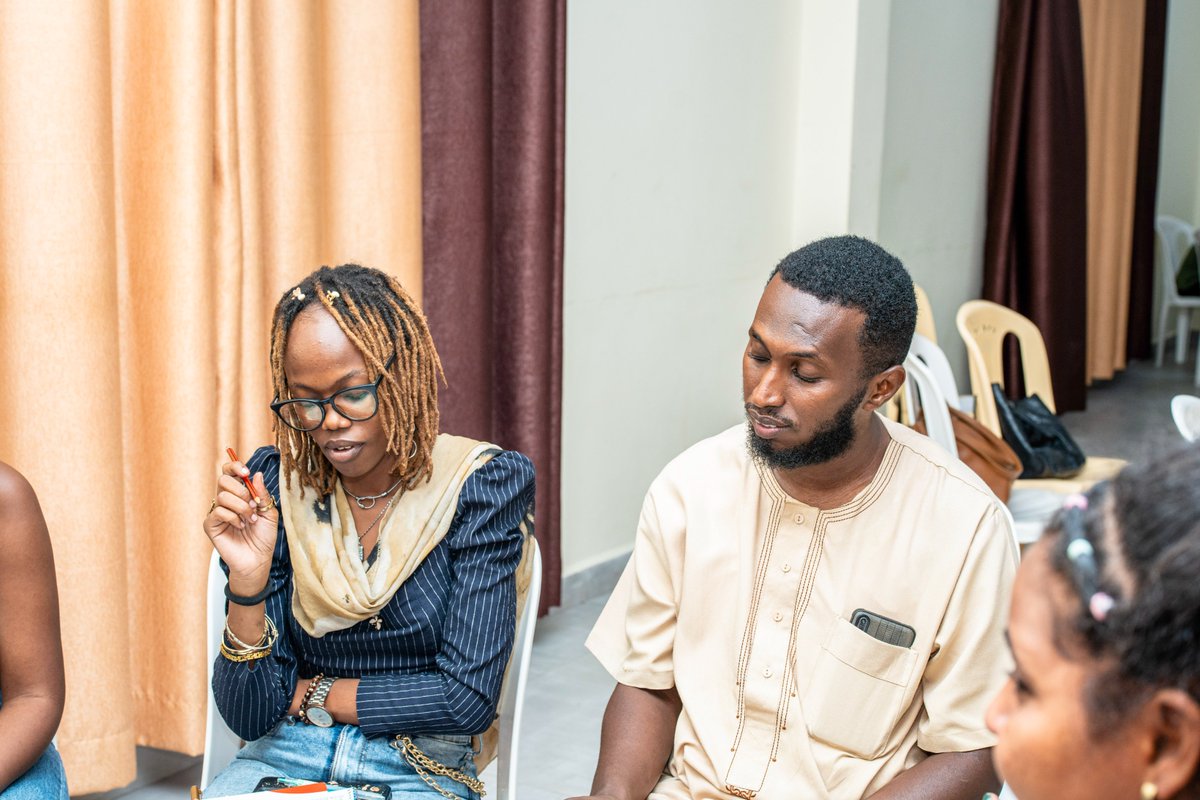
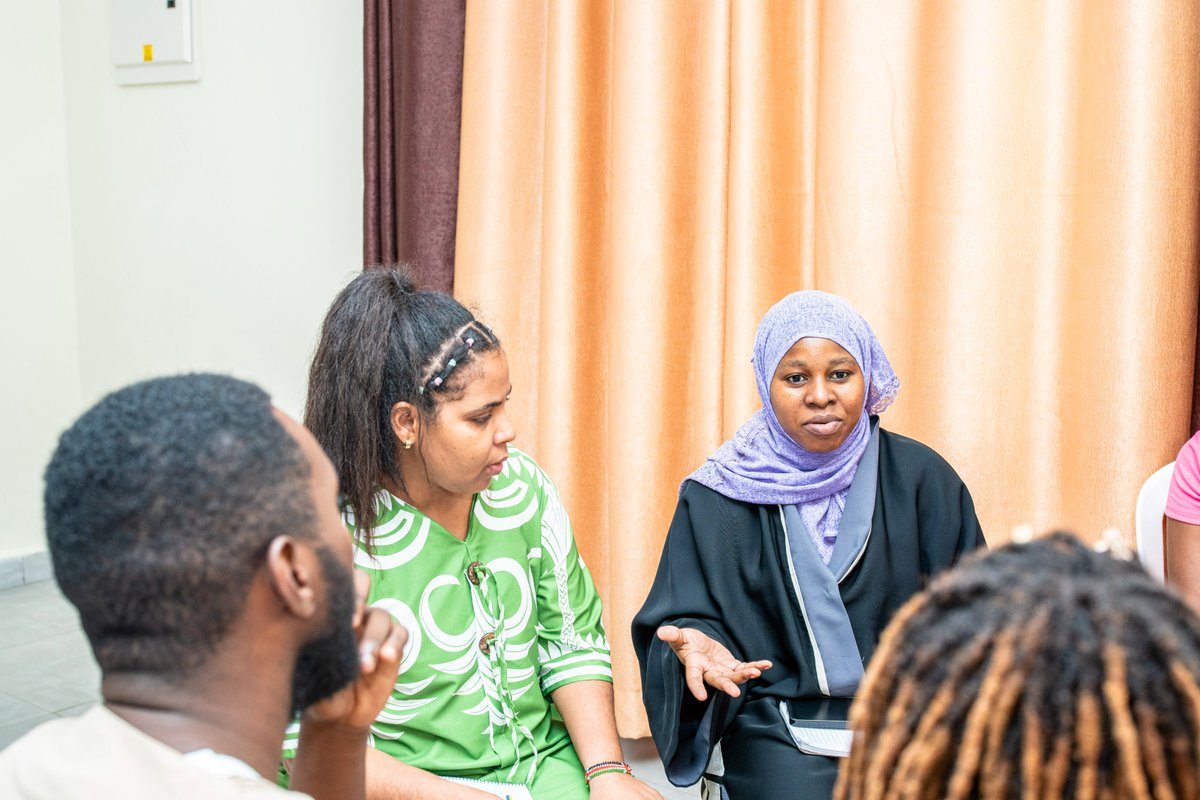
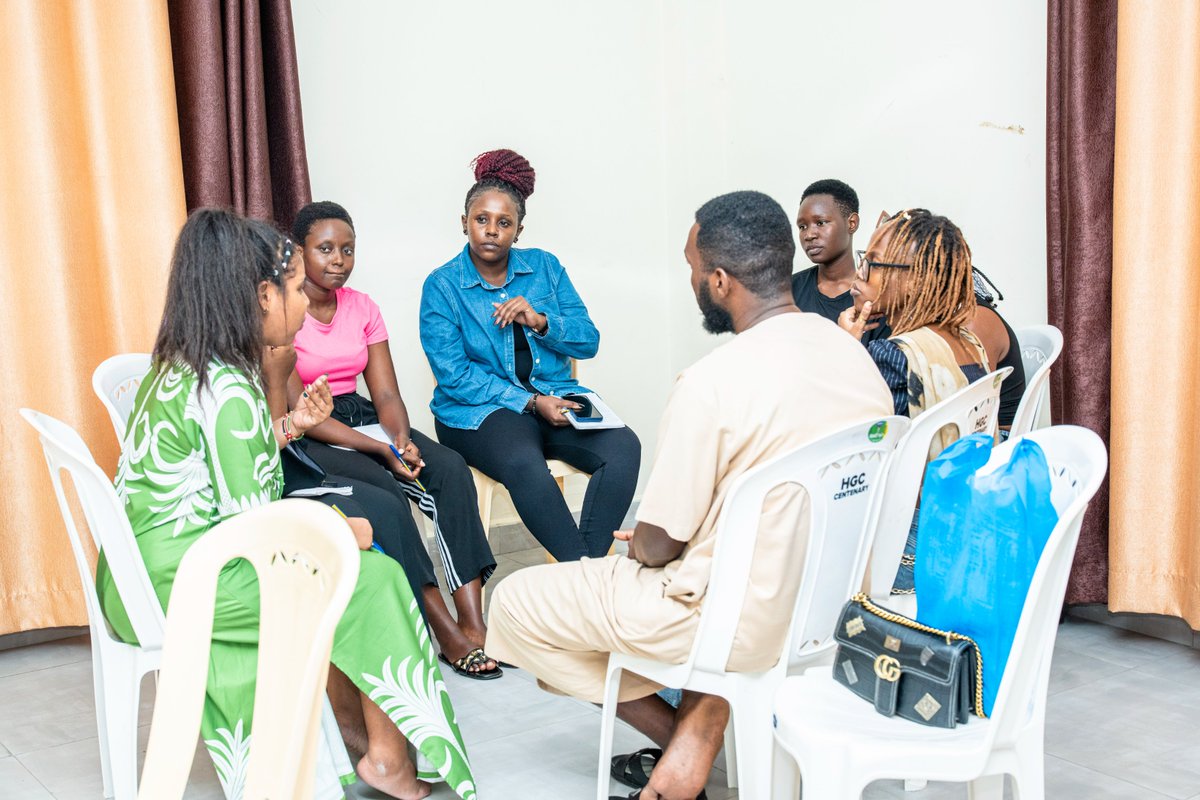
Group One at the #MaskaniMombasa Narrative Framing session examined the issue of poor service delivery, demonstrating how evidence-based narratives can strengthen citizen advocacy and demand accountability.
#MaskaniMombasa identified several persistent challenges affecting residents of Mombasa County, including poor drainage systems that result in flooding after even light rainfall, ineffective waste management despite millions of shillings allocated annually for garbage collection, shortages of essential medicines in public health facilities that force patients to purchase drugs from private pharmacies, inadequate street lighting that increases insecurity and limits safe movement at night, and worsening water shortages and rationing that continue to affect households across the county.
The #MakaniMombasa also highlighted concerns over stalled and incomplete public projects, citing the long-delayed Mombasa Stadium as an example of how delayed implementation undermines public trust and denies citizens the benefits of development despite significant public investment.
Participants emphasized that these are not isolated incidents but recurring governance challenges. They examined who benefits from poor service delivery, pointing to weak oversight, corruption, stalled procurement processes, and the failure to hold public officials and contractors accountable.
While leaders may benefit from mismanagement and delayed projects, ordinary citizens continue to bear the burden through poor infrastructure, inadequate healthcare, insecurity, unreliable water services, and reduced quality of life.
The session is reinforcing the importance of narrative framing in advocacy by encouraging participants to move beyond describing problems to asking four critical questions: What is happening? Why is it happening? Who is responsible? What should be done? By grounding their advocacy in evidence and lived experiences, participants are strengthening their ability to shape public discourse, influence decision-makers, and advocate for responsive, transparent, and accountable governance.
#MaskaniMombasa
Discussions at #MaskaniMombasa on Narrative Framing are examining the recurring cycle of leadership in Mombasa County and how dominant narratives shape political participation and governance outcomes.
Participants are challenging stereotypes that portray the coastal community as lazy, uneducated, or politically indifferent, arguing that these narratives ignore deeper issues such as marginalization, unequal access to employment opportunities, and limited inclusion in decision-making.
#MaskaniMombasa also questioned the disconnect between online political trends and realities on the ground, noting that social media popularity does not always reflect public sentiment.
Participants further highlighted concerns over local employment, citing that opportunities at institutions such as the Kenya Ports Authority often do not adequately benefit local residents.
The session emphasized that changing the narrative is key to strengthening civic participation, demanding equitable opportunities, and promoting accountable leadership.
#MaskaniMombasa
Discussion at the ongoing #MaskaniMombasa Narrative Framing session is analysing the issue of drug and substance abuse in Mombasa County, challenging harmful stereotypes and reframing the conversation through an evidence-based lens.
. #MaskaniMombasa have observed that the dominant narrative often portrays drug and substance abuse as a result of laziness or unfairly associates the problem with particular religious communities. This narrative is inaccurate and diverts attention from the real drivers of the crisis.
Instead, participants are identifying underlying factors such as poor parenting and family support systems, limited economic opportunities for young people, and ineffective or counterproductive policies that have failed to address the problem and, in some cases, have worsened it.
The discussion is also examining who benefits from the crisis. Participants noted that drug traffickers profit from the illicit trade, criminal networks benefit through money laundering, and corrupt individuals exploit weak enforcement systems through bribery.
By shifting the conversation from blame and stigma to root causes and accountability, #MaskaniMombasa are strengthening their ability to develop evidence-based advocacy narratives that influence public discourse and promote lasting solutions to drug and substance abuse in Mombasa County.
#MaskaniMombasa
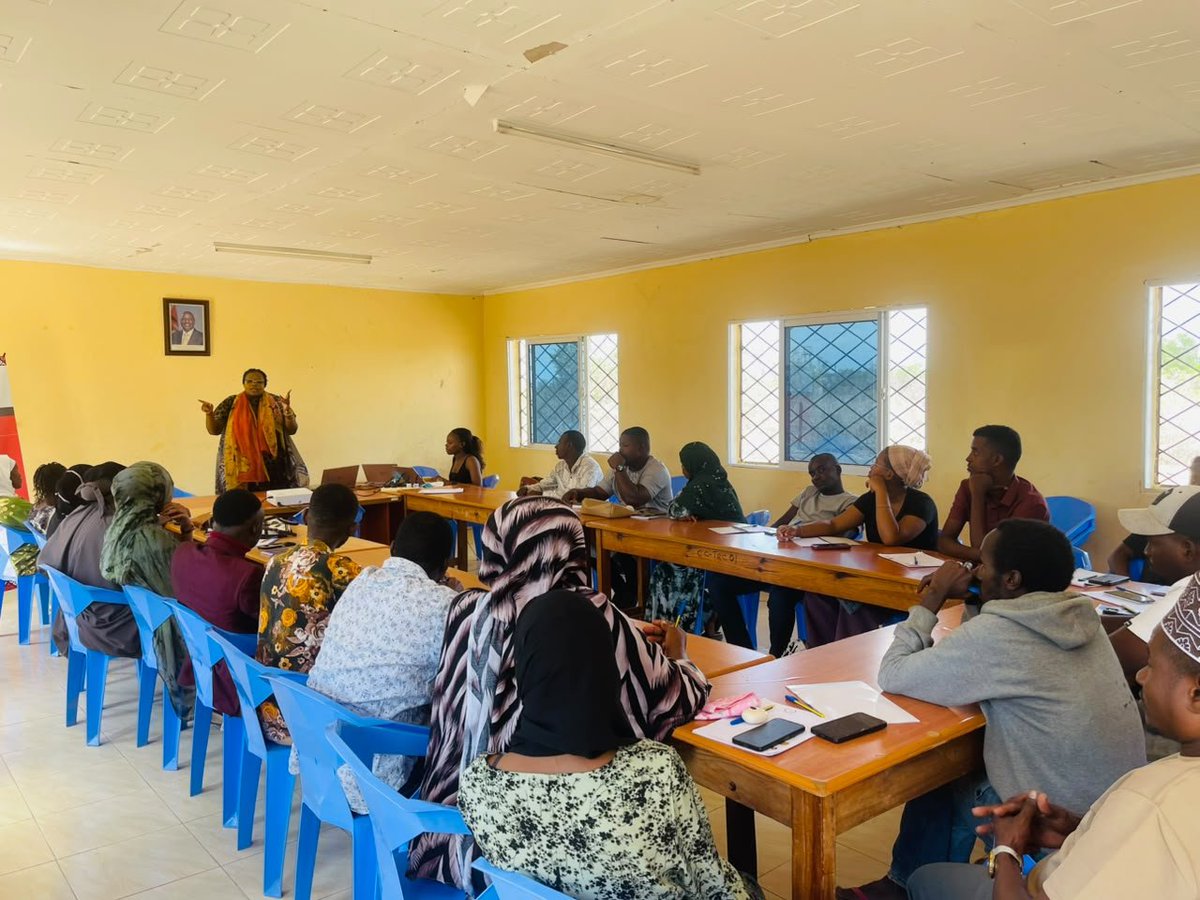
Maskani Ya Taifa has kicked off a 3-day re-engagement training with the #MaskaniKwale Hub, reaffirming its commitment to strengthening youth-led civic engagement and digital advocacy in Kwale County.
The training will equip participants with practical skills in Social Media for Advocacy, digital storytelling, narrative framing, and responsible online engagement, empowering them to amplify community voices, promote accountability, and influence conversations that drive governance and social change.
As advocacy increasingly takes place in digital spaces, participants will enhance their capacity to strategically use social media to mobilize communities, engage decision-makers, counter misinformation, and champion issues affecting their communities.
Through this re-engagement, the #MaskaniKwale Hub is strengthening its network of active citizens committed to advancing democratic governance and creating lasting impact both online and offline.
#MaskaniKwale
Dr. Kawive Wambua, CEO of @nisisikenya, is kicking off the ongoing three-day #MaskaniKwale re-engagement training with a thought-provoking session on the History of Kenya.
The session is taking participants through Kenya's historical journey, exploring the country's struggle for nationhood, the evolution of governance, and how historical events continue to shape citizenship, governance, and public participation today.
By reflecting on the connection between history and civic engagement, participants are gaining a deeper appreciation of their role as active citizens and the importance of safeguarding democratic values, promoting accountability, and contributing to a more just and inclusive society.
Understanding our history is key to shaping a more accountable, inclusive, and democratic future.
#MaskaniKwale