This month’s #KeNIAWebinarSeries is here!
We spotlight Vertical Lake, a Kenyan climate-tech & sustainable aquaculture startup revolutionising organic protein production through its innovative vertical freshwater “lake” system.
The company integrates circular bio-filtration & regenerative aquaculture to produce premium organic fish, fish-skin collagen, protein derivatives & natural bio-fertilisers delivering a zero-emission, water-efficient, waste-reusing ecosystem.
We are honoured to host Ms. Wendy Cynthia, Chief Operations Officer at Vertical Lake, who will share insights into their innovation journey, lessons learned, and the future of sustainable aquaculture.
The session will also explore opportunities for mentorship, collaboration, and investment within the innovation ecosystem.
Join us and be part of the conversation shaping the future of sustainable food systems.
Date: 28th May 2026
Time: 2:30-3:30 PM EAT
Register at: https://t.co/8zj8gxM0eX
On 5 June 2026, the Kenya National Innovation Agency (KeNIA), in collaboration with the Kenya Wildlife Service (KWS) and Taita Taveta University, participated in a tree-planting exercise at Tsavo East National Park to mark World Environment Day.
The activity reinforced a shared commitment to environmental conservation, ecosystem restoration, and climate resilience through coordinated action between government institutions, academia, and conservation partners.
Following the exercise, the KeNIA team paid a courtesy call on Prof. Christine A. Onyango, the Deputy Vice-Chancellor for Academic, Research, and Outreach, at Taita Taveta University. The discussions centered on strengthening collaboration in research, innovation, technology commercialisation, and ecosystem development, with a focus on translating ideas into impactful solutions.
"Innovation becomes part of an organization when leadership, systems, resources, and people work in alignment."
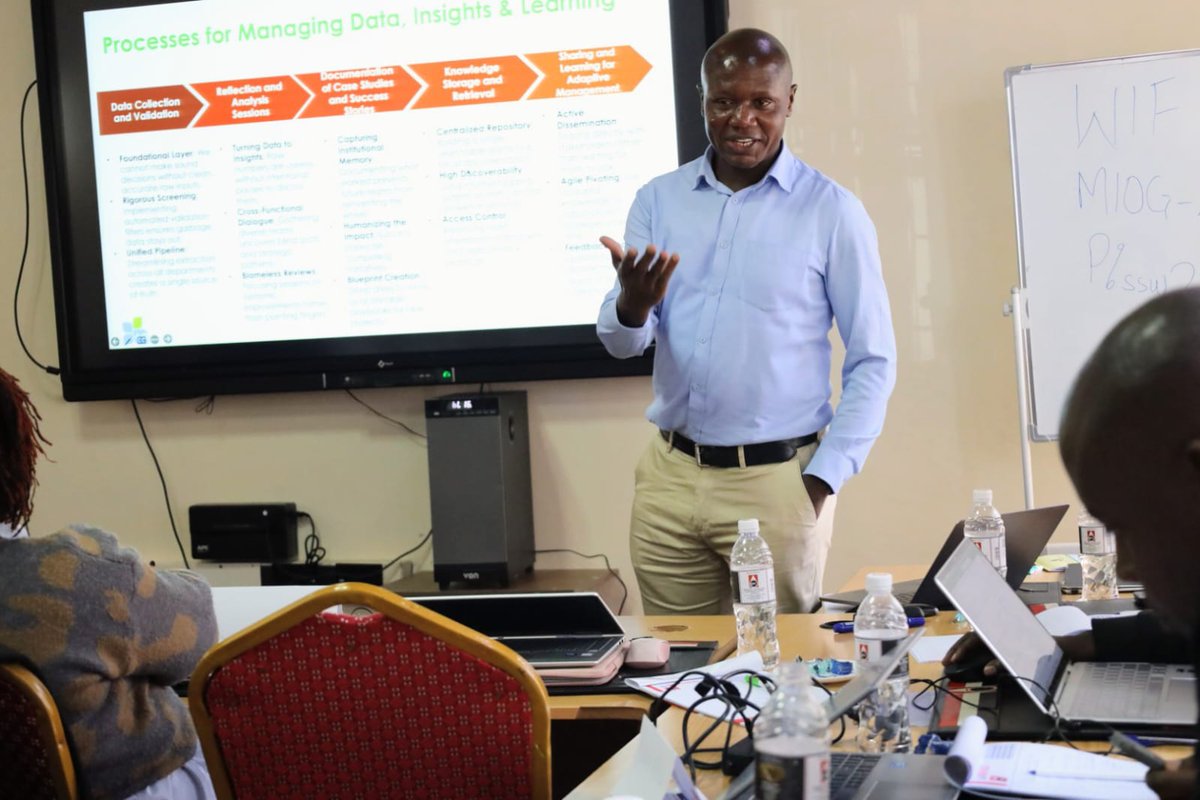
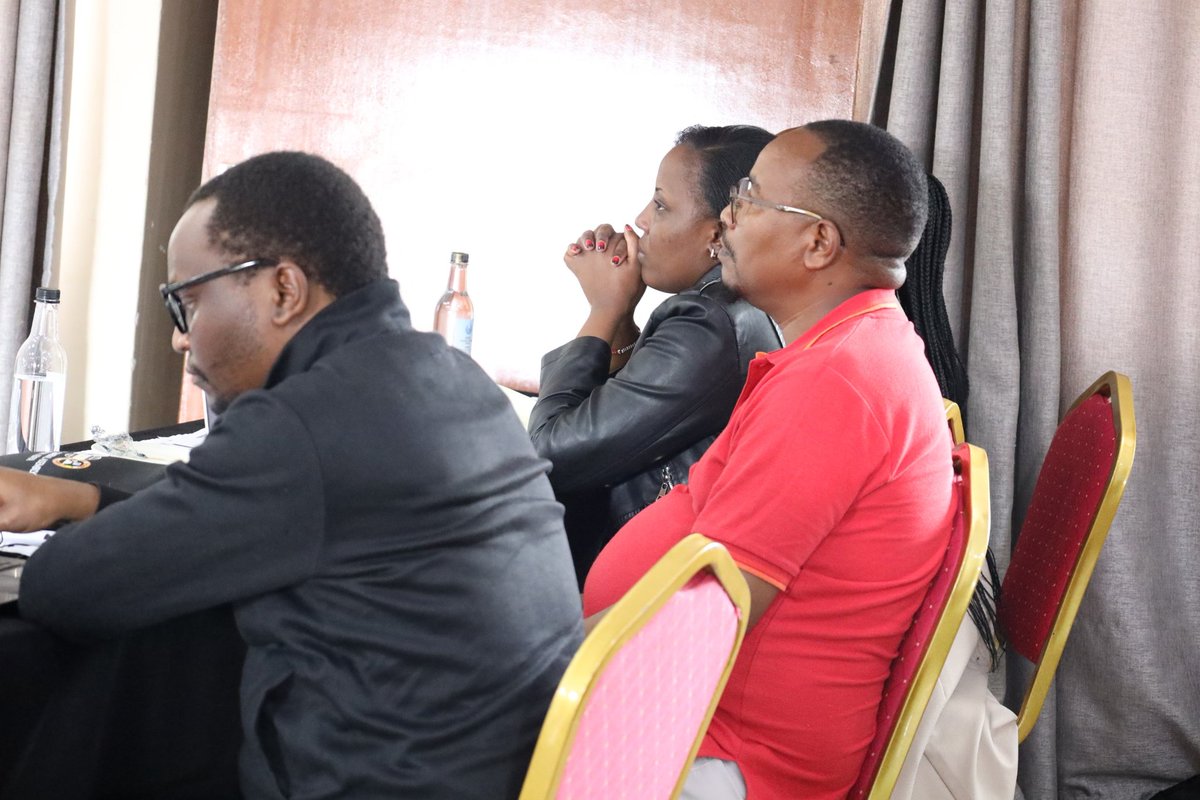
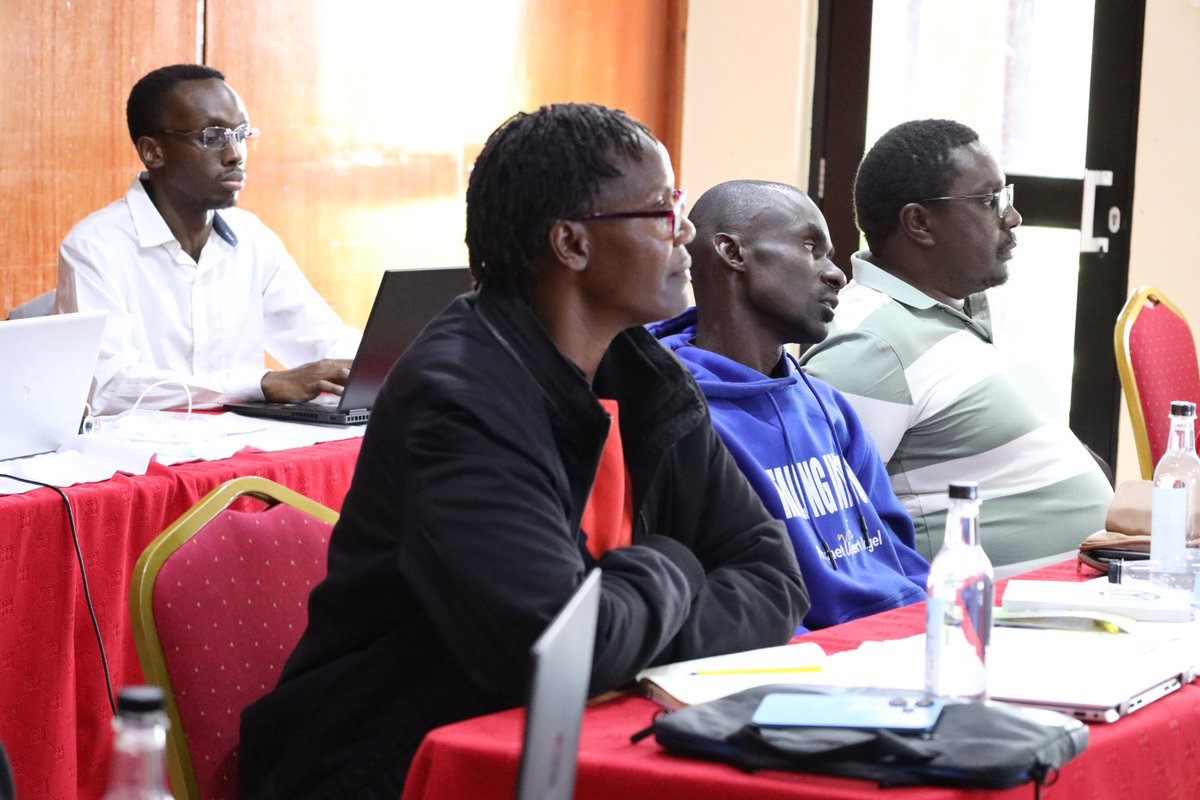
On 5th June 2026, we concluded the Kenya National Innovation Academy training, marking the end of the four days of intensive learning on the institutionalization of innovation management.
Days 3 and 4 focused on translating innovation principles into practical organizational systems, equipping participants with the tools needed to establish, measure, and sustain effective Innovation Management Systems (IMS) aligned with ISO 56001 and ISO 56002 standards.
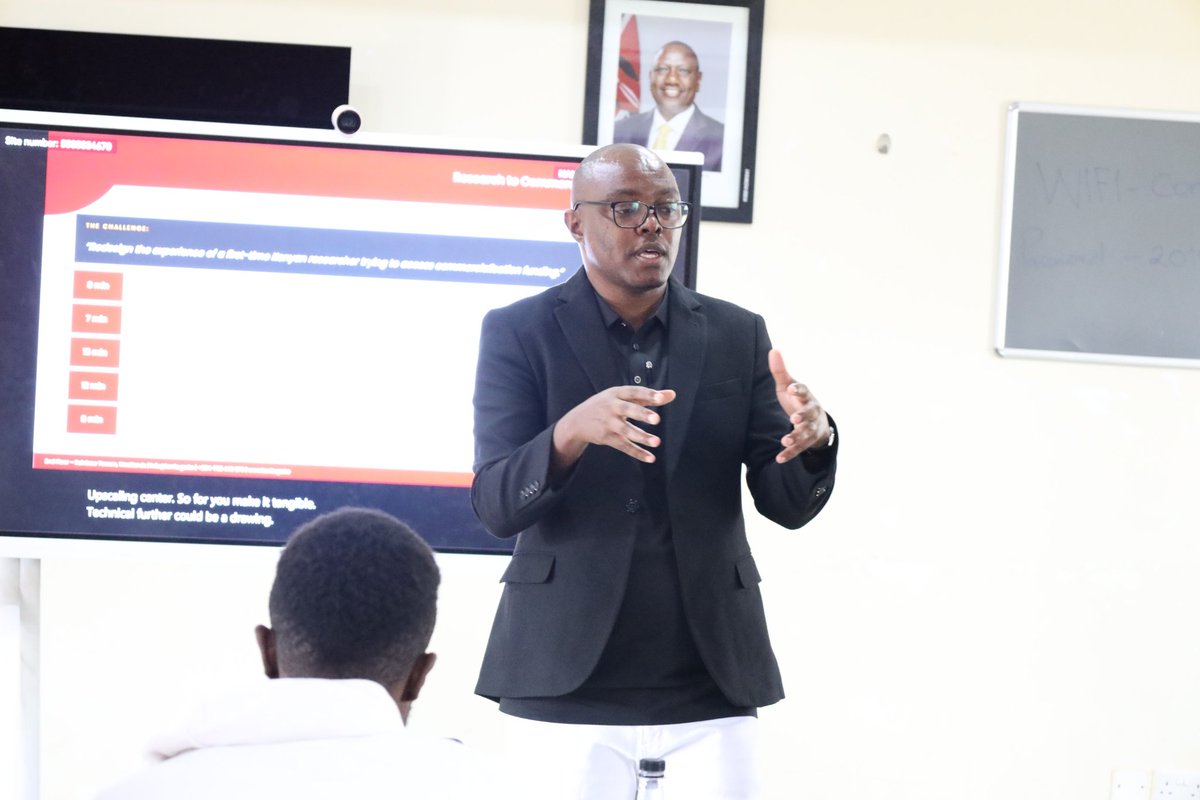
Facilitated by innovation experts Dan Midega and Peter Kuria, the sessions explored the critical elements required to embed innovation within organizational structures and processes.
Key insights included:
📷 Measuring What Matters: Developing financial and non-financial KPIs to assess innovation performance, track impact, and support continual improvement.
📷 Leadership and Governance: Strengthening executive commitment to ensure innovation strategies are embedded within institutional priorities and decision-making processes.
📷 Resource Mobilization and Deployment: Building the capabilities, structures, and support mechanisms required to drive organization-wide adoption of innovation practices.
As the training concluded, participants gained practical tools and frameworks to institutionalize innovation, strengthen organizational resilience, and create systems that consistently transform ideas into measurable value.
Day 2 of the Kenya National Innovation Academy training in Naivasha focused on Leadership, Governance, Organizational Culture, and Knowledge Management—critical pillars for institutionalizing innovation and strengthening organizational competitiveness.
The programme, organized by the Kenya National Innovation Agency (KeNIA), forms part of ongoing efforts to build innovation management capacity across institutions and promote the adoption of structured innovation practices.
The first session, facilitated by @yvonnenjeriw , examined the role of leadership in driving successful innovation initiatives. Discussions highlighted the importance of executive commitment, clear governance structures, innovation policies, psychological safety, and cross-functional collaboration in creating environments where innovation can thrive.
The second session, facilitated by Ernest Chitechi, Corporate Services Manager at the @KenyaCIC , explored the role of Information and Knowledge Management in supporting organizational resilience and continuous improvement. Participants discussed strategies for documenting, sharing, and preserving knowledge to strengthen institutional memory and support informed decision-making.
The discussions reinforced that sustainable innovation requires not only the generation of new ideas but also effective systems for leadership, governance, learning, and knowledge sharing.
The programme continues to strengthen institutional innovation capabilities and support the adoption of innovation management practices across Kenya's public and private sectors.
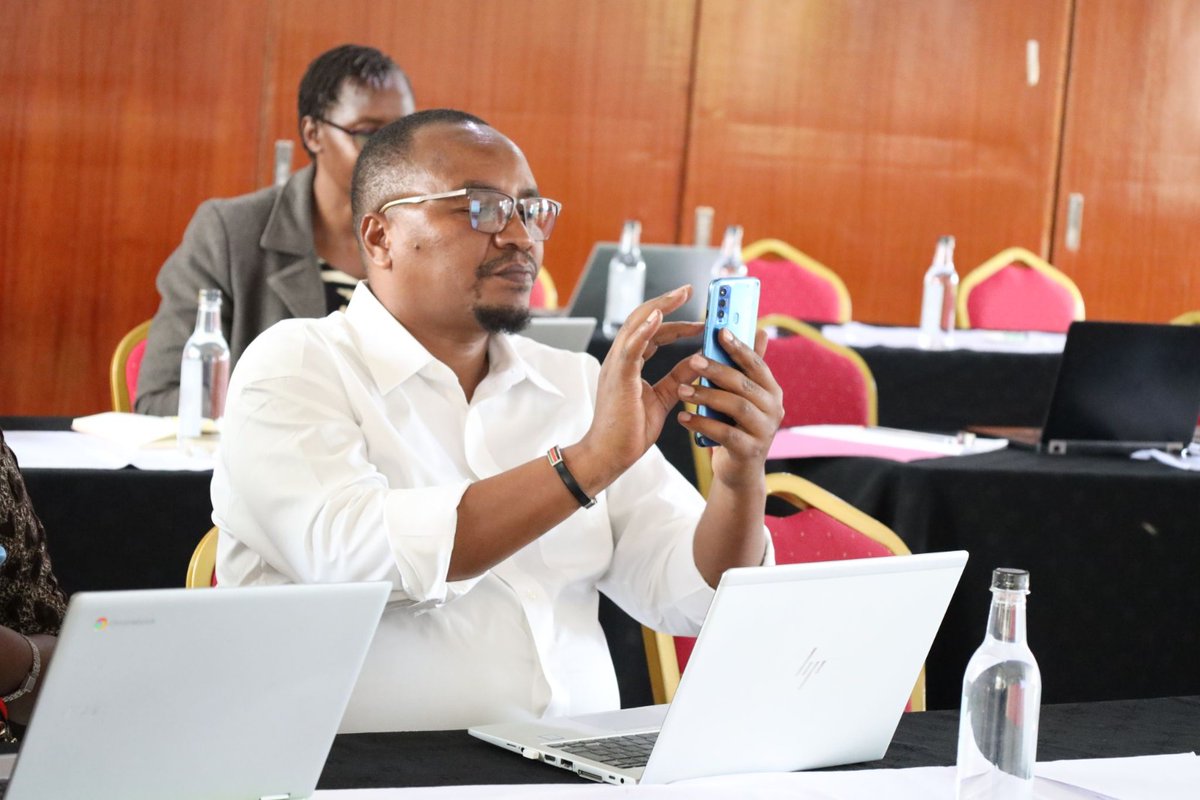
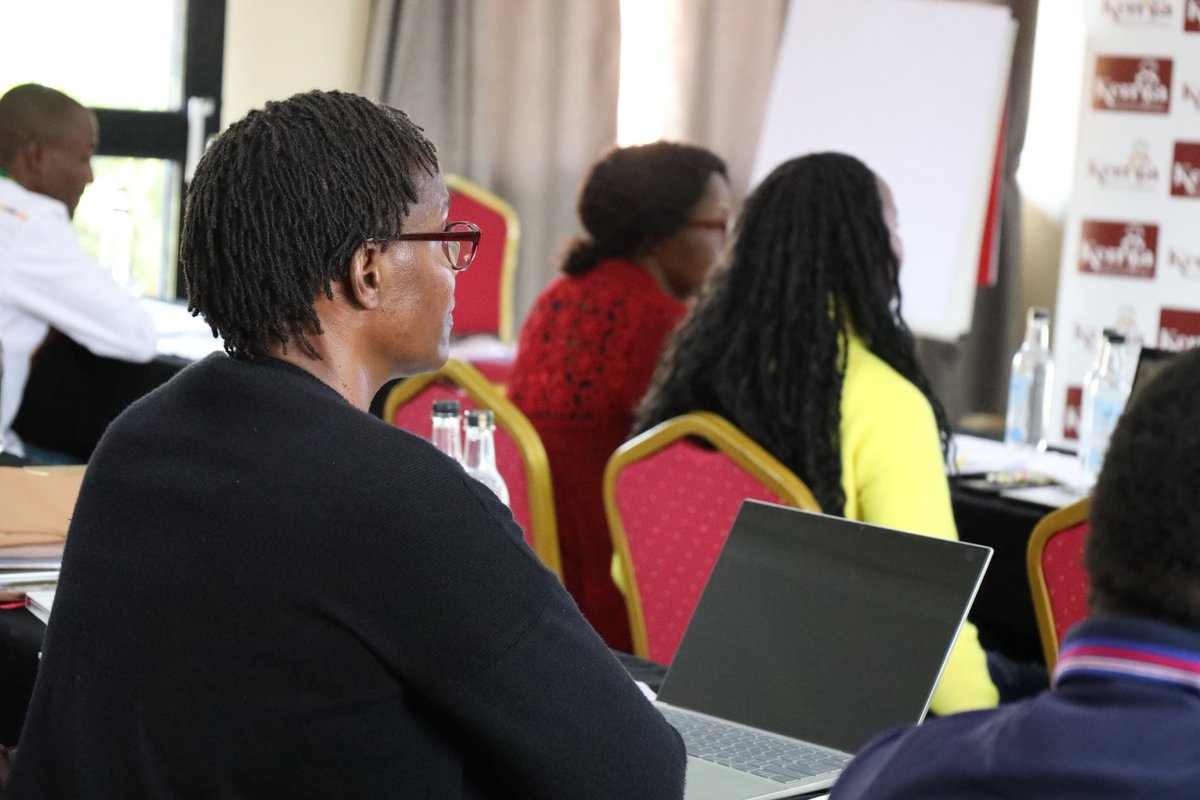
The Kenya National Innovation Agency (KeNIA), through its flagship programme, the Kenya National Innovation Academy, today commenced a four-day training on the Institutionalization of Innovation Management for Organizations using ISO 56001 and ISO 56002 standards.
The programme brought together public sector practitioners and stakeholders to strengthen institutional innovation capabilities through internationally recognized frameworks that support organizational agility, competitiveness, and improved service delivery.
The opening session was presided over by Dr. @tomwansa , the Chief Executive Officer of KeNIA, who emphasized the importance of moving beyond ad hoc innovation efforts and adopting structured innovation management systems that drive continuous improvement, value creation, and long-term growth.
Dr. Omwansa further emphasized the alignment of innovation objectives with organizational vision, strategic priorities, and measurable outcomes.
The session highlighted four pillars of innovation success—Strategy, Discipline, Capacity, and Performance—as key enablers of effective innovation management. Participants were additionally engaged on the need to translate ideas into practical solutions that deliver measurable value and strengthen organizational competitiveness.
The training is scheduled to run through 5 June 2026 and will cover innovation capabilities, processes, tools, infrastructure, and best practices for implementing ISO 56001 and ISO 56002 standards.
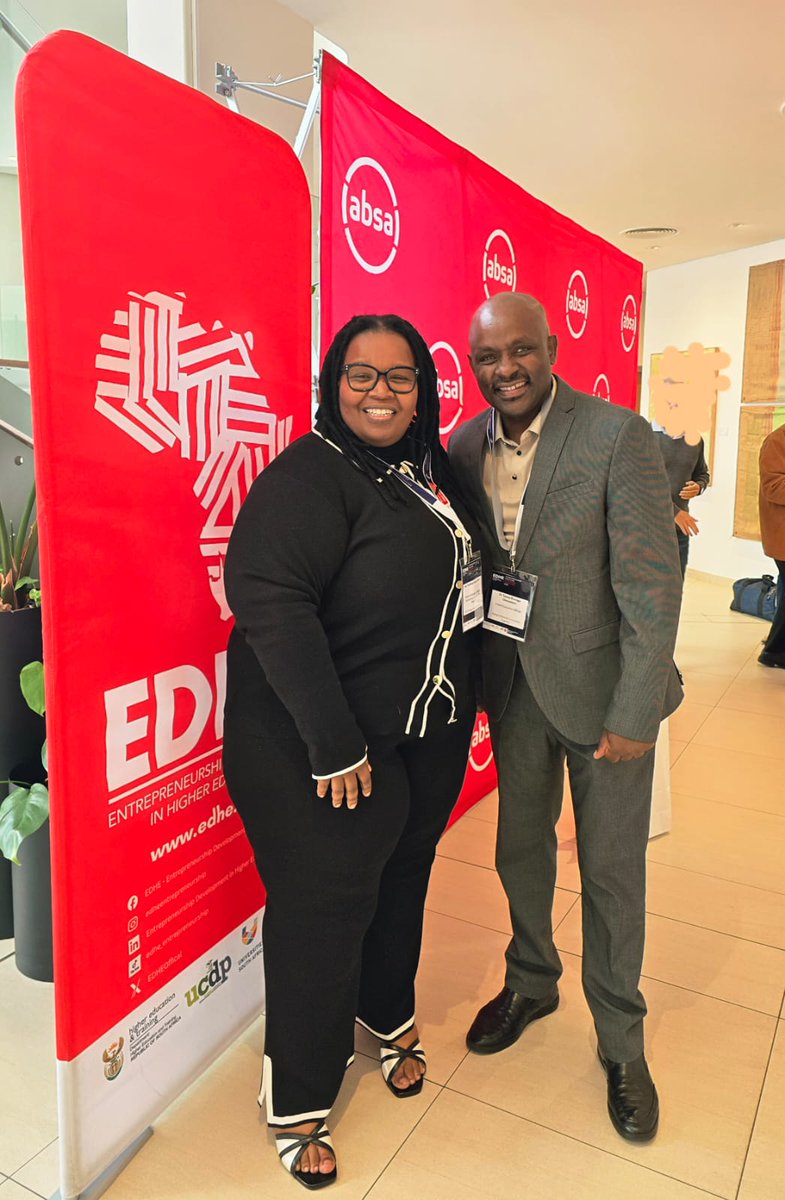
Today, Kenya National Innovation Agency (KeNIA) represented Kenya at the Entrepreneurial Executive Leadership Workshop #EELW2026 in Cape Town, South Africa
KeNIA CEO, @tomwansa , joined university leaders, policymakers, and industry stakeholders from across Africa under the theme: “From Policy to Impact: Driving Implementation and Measurable Outcomes in Entrepreneurial Universities.”
Dr. Omwansa underscored the importance of structured implementation systems that accelerate the translation of research into market-ready solutions, scalable enterprises, and intellectual property-driven growth.
The engagement reinforced the growing role of entrepreneurial universities in advancing Africa’s innovation, industrialisation, and knowledge-based economies, while strengthening collaboration between academia, government, industry, and startups.
Through such continental engagements, KeNIA continues to advance innovation-commercialisation pathways and strategic partnerships that support sustainable economic transformation in Kenya and across Africa.
#r2c #enablingInnovation #EntrepreneurialUniversities
It's a wrap for R2C Cohort 4 week 1!
We wrapped up the final day of training with inspiring pitching sessions from the innovators of R2C Cohort 4.
The pitches showcased bold ideas and creativity. Congratulations to all the innovators for confidently sharing solutions with the potential to create real impact.
#KeNIA
A great pitch is not just about what you say, it is about the story you tell.
R2C Cohort 4|| Day 5
The first session kicked off with an insightful and engaging pitching recap led by Yvonne Njeri, equipping participants with the essential skills needed to communicate their ideas with clarity, confidence and purpose.
Here are the key highlights:
1. A winning pitch must have five essential elements, a clear problem statement that articulates who is suffering and why it matters, because no problem means no pitch. It must have a compelling solution that is simple, specific and memorable. It must demonstrate evidence and credibility through data, user feedback or a prototype tested against reality. It must show a viable business or impact model that answers who pays, who benefits and how it scales. In addition, it must close with a bold, specific ask because vague asks get vague responses.
2. Strong presentations builds trust and engagement. Body language communicates confidence before you even speak and your presence matters as much as your words. Participants were guided on posture, eye contact and presence standing tall with open posture, maintaining steady eye contact and ensuring calm posture creates authority. On gestures and movement, participants learnt to use natural hand gestures to reinforce points, match facial expressions to their message and move with purpose. On managing nervous habits, the key takeaways were to slow down speech, reduce filler words, avoid fidgeting and practice by recording yourself.
3. Investors do not just invest in ideas. They invest in business models that create, deliver and capture value. A strong pitch tells the full story in three acts; create value by showing the problem, the unique solution and the value created; deliver value by showing who your customers are, how you reach them and how you build relationships and capture value by demonstrating how you make money, your pricing strategy and why your model is sustainable and scalable.
#KeNIA #EnablingInnovation
R2C Cohort 4|| Day 4
The last session was led by Joram Mwinamo, CEO of @SNDBX_space Ubuntu , who shared powerful insights on the entrepreneurial journey and the challenges researchers face when turning ideas into businesses. He highlighted the common mistakes startups make building in isolation without engaging customers, seeking perfection in the MVP, trying to do too many things at once, or falling in love with the product rather than the customer problem. Joram Mwinamo emphasized that true success comes from listening to customers, validating ideas and adapting quickly. He concluded by addressing the hurdles researchers encounter in selling, gaining traction, managing administration, attracting talent, ensuring compliance and mobilizing capital. To overcome these, he encouraged innovators to maintain research rigor while applying lean startup methodology, balancing structured inquiry with agile product development.
#KeNIA #EnablingInnovation
R2C Cohort 4||Day 4
During our second online session,Evgeniy Sesitsky from the World Intellectual Property Organization – WIPO delivered an insightful presentation on the role of intellectual property in transforming innovation into commercially viable solutions. He highlighted WIPO’s Inventor Assistance Program (IAP), which provides free patent and commercialization support to inventors and small businesses, enabling them to protect their innovations, access new markets, attract investors and build sustainable ventures. The session also emphasized the importance of strengthening innovation ecosystems through mentorship, training, technology transfer, and strategic IP management, reinforcing how intellectual property can accelerate innovation and drive economic growth across Africa.
Why do technically sound innovations fail? Why do useful inventions struggle to get adopted? Why do researchers overestimate user need?
Kicked off the day with a powerful session on design thinking facilitated by design thinking coach Stephen Kagwathi
The session walked participants through the five stages of the Design Thinking Framework; Empathize, Define, Ideate, Prototype and Test highlighting that the process is iterative and that innovators can loop back at any stage. Two powerful tools were introduced: the How Might We (HMW) statement, which reframes commercialization constraints as opportunities and the Point of View (POV) Statement, which anchors solutions in the reality of a real adopter, buyer or decision-maker.
Stephen Kagwathi also highlighted the common traps that researchers fall into that is Analysis Paralysis, Solution-First thinking and prototype Discomfort. He also offered practical ways to push through each one.
Concluded the session with a powerful reframe on science asks what is true. Design Thinking asks what is useful, desirable and viable for this specific human, right now.
#KeNIA #EnablingInnovation
Why do technically sound innovations fail? Why do useful inventions struggle to get adopted? Why do researchers overestimate user need?
Kicked off the day with a powerful session on design thinking facilitated by design thinking coach Stephen Kagwathi
The session walked participants through the five stages of the Design Thinking Framework; Empathize, Define, Ideate, Prototype and Test highlighting that the process is iterative and that innovators can loop back at any stage. Two powerful tools were introduced: the How Might We (HMW) statement, which reframes commercialization constraints as opportunities and the Point of View (POV) Statement, which anchors solutions in the reality of a real adopter, buyer or decision-maker.
Stephen Kagwathi also highlighted the common traps that researchers fall into that is Analysis Paralysis, Solution-First thinking and prototype Discomfort. He also offered practical ways to push through each one.
Concluded the session with a powerful reframe on science asks what is true. Design Thinking asks what is useful, desirable and viable for this specific human, right now.
#KeNIA #EnablingInnovation
This month’s #KeNIAWebinarSeries is here!
We spotlight Vertical Lake, a Kenyan climate-tech & sustainable aquaculture startup revolutionising organic protein production through its innovative vertical freshwater “lake” system.
The company integrates circular bio-filtration & regenerative aquaculture to produce premium organic fish, fish-skin collagen, protein derivatives & natural bio-fertilisers delivering a zero-emission, water-efficient, waste-reusing ecosystem.
We are honoured to host Ms. Wendy Cynthia, Chief Operations Officer at Vertical Lake, who will share insights into their innovation journey, lessons learned, and the future of sustainable aquaculture.
The session will also explore opportunities for mentorship, collaboration, and investment within the innovation ecosystem.
Join us and be part of the conversation shaping the future of sustainable food systems.
Date: 28th May 2026
Time: 2:30-3:30 PM EAT
Register at: https://t.co/8zj8gxM0eX
Protecting your innovation is just as important as building it.
We wrapped up the day with an exciting session on strategies for protecting intellectual property (patents, trademarks) and exploring licensing models with Sammy Ziro Lewa
Here are the key insights!
Your innovation can be protected in multiple ways:
1. Patents - Protect new inventions; stop others from making, selling or using your invention
2. Trademarks - Protect your product names, logos and jingles
3. Industrial Designs - Protect the external appearance, shape, packaging and colors of your product
4. Copyright - Protect original creative and artistic works
https://t.co/RgusAV30Za Secrets - Protect confidential information and can be licensed to generate revenue
IP protection is about fairness to creators and inventors, economic incentive for creativity and public benefit through disclosure of new technologies and products.
A patent protects a new solution to a problem in the field of technology. To qualify, your invention must be new, inventive and capable of being made in the industry. Protection lasts 20 years subject to payment of annual fees.
Utility Models For innovations that may not qualify for full patent protection - improvements and adaptations that give utility, advantage or technical effect. Protection lasts 10 years.
Industrial Designs Protect the shape, ornamental features and appearance of your product the features that make products attractive to consumers and add commercial value. Protection lasts up to 15 years.
Trademarks Distinctive signs that identify your goods or services and distinguish them from competitors. Protection lasts 10 years, renewable after every 10 years.
Exploiting Your IP Assets Owning IP is just the beginning.
You can monetise it through:
1.Setting up your own plant
2. Licensing - Exclusive, Non-Exclusive or Sole Licensee
3. Assignment - Outright sale of IP rights
4. Franchising
5. Merchandising
#KeNIA #EnablingInnovation