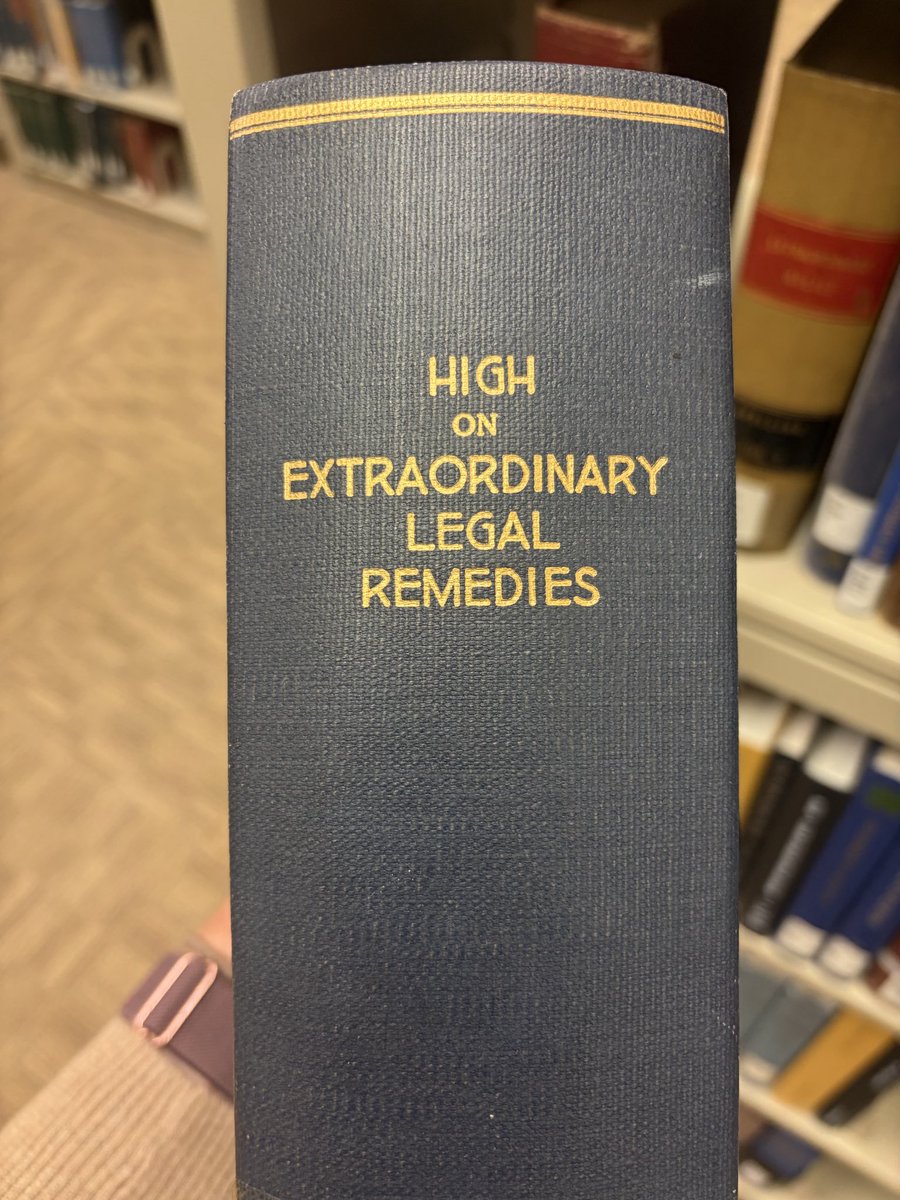
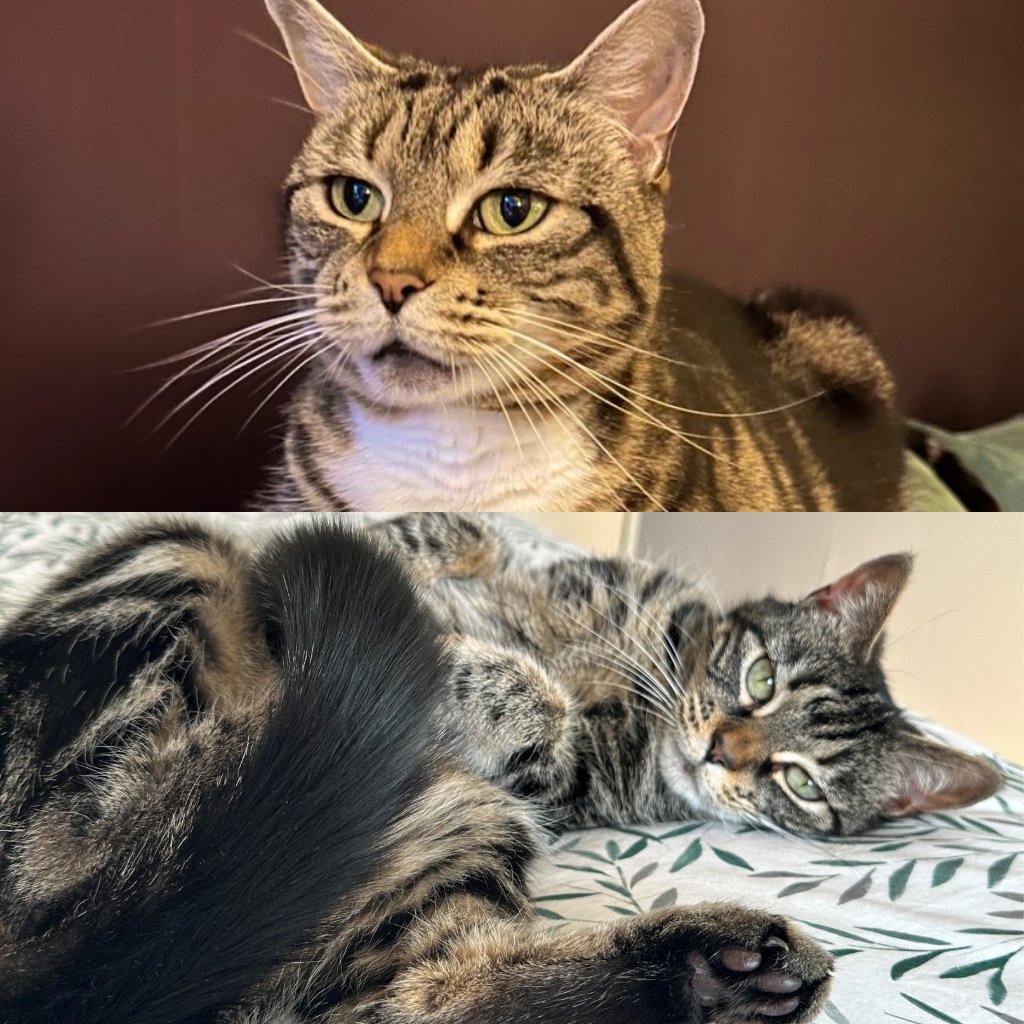
I heard my boss in the hallway saying probably only Keith and [a coworker] care, but everyone leave them alone for a couple days. At the same time, a friend urgently was trying to contact me with bad news. Before I was told, I knew, and burst into tears. Sure do miss you, Jerry.
🚨 FLOCK ERROR = GUNS DRAWN
Police shut down I-94, boxed in a silver SUV, and held two people at gun point after Flock cameras flagged the car as “connected to a homicide.”
Except it wasn’t.
The alert was outdated.
Authorities forgot to remove it.
Trust the algorithm.™
"Rock Awhile" by Goree Carter and His Hepcats might be the first rock & roll record ever made.
Recorded in 1949, the song opens with an overdriven electric guitar riff that directly mirrors and anticipates the signature style Chuck Berry would popularize six years later in 1955.
A bit of #Caturday (possibly legendary) history: The composer Scarlatti had a cat named Pulcinella, who liked to walk on the keyboard of his harpsichord.
Purr Minister 2026 is back 💙
Cats belonging to four MPs and Peers are up for the title, with their manifurstos setting out why they should rule the House.
🐱 Millie
🐱 Ebba
🐱 Bella
🐱 Clem and Mo
Voting closes 31 August: https://t.co/tnEP4DVKls
The guy who invented dial telephones put 250,000 phone switchboard operators out of work. This was the highest paying position for women in the US. The guy who invented it was NOT an engineer or electrician, but rather, a mortician. There were two funeral homes in the town he served… his and a rival. The owner of the rival had a wife who worked as a switchboard operator. Anytime anyone called for A funeral home or HIS funeral home, she would route the call to her husband. He invented the dial phone so customers could explicitly end around switchboard operators and call someone directly. I just love this story.
Every bad law you've ever lived under started with someone saying "there ought to be a rule about that."
Laws never die. A regulation written in 1987 to address a problem nobody has anymore still sits on the books, still costs businesses money, still sends inspectors to your door. The Code of Federal Regulations in the United States runs over 190,000 pages. Nobody wrote all that in one go. It accumulated, like limescale on a pipe.
We have a term for this: regulatory capture. That means the industries being regulated eventually start controlling the regulators, writing rules that crush smaller competitors and protect the big players already at the table. You end up defending the very corporations you thought you were fighting.
So what actually works? Sunset clauses. These are built-in expiry dates on laws, so a regulation has to be actively renewed or it disappears. New Zealand experimented with versions of this. So did several American states. The burden flips: instead of you proving a law is harmful, politicians have to prove it's still useful.
You also need to make the cost visible. When Canada's Treasury Board started publishing regulatory cost scores, politicians suddenly got squeamish about signing new rules. Sunlight, as they say, is a decent disinfectant.
But the most powerful tool you have is embarrassment. Find a genuinely absurd regulation in your town, a law requiring barbers to hold a cosmetology license, for instance, and make noise about it locally. Journalists love those stories. Councils hate looking ridiculous.
Bureaucracies don't reform themselves; we need to make it politically cheaper to cut than to keep. Clean out the limescale and get the water flowing again.