“We want Balming Tiger to be its own genre,” says Omega Sapien of the Seoul collective, which brings together singers, rappers, producers, photographers, directors and DJs, making music that moves between hip-hop, old Korean pop, EDM and psychedelic rock. https://t.co/0tjTxVWaS4
Not everything worth doing needs a purpose. Issue Sixty-One takes play seriously, with five games from Carsten Höller, five playful takes on rice, a tour of John Outram’s masterpiece Sphinx Hill, K-pop’s Balming Tiger and a trip to Furry Weekend Atlanta. On sale now.
Not everything worth doing needs a purpose. Issue Sixty-One takes play seriously, with five games from Carsten Höller, five playful takes on rice, a tour of John Outram’s masterpiece Sphinx Hill, K-pop’s Balming Tiger and a trip to Furry Weekend Atlanta. On sale now.
La Galcante is a Parisian store packed with millions of vintage newspapers. “I’ve been surprised by the young people. A lot are engaging with print for the first time," says owner Jacques Kuzma. "They stop, leaf through, ask questions. It’s reassuring.” https://t.co/K8kDDR4CDK
In 1793, revolutionary leaders of France’s National Convention adopted (then abandoned) the French Republican calendar to free the flow of time itself from the church's shackles. 10-day weeks comprised 10-hour days, 100-minute hours and 100-second minutes. https://t.co/hitWZ6GYQ0
Eyal Weizman on architecture as forensic evidence: "When I talk about aesthetics, I refer to the original Greek meaning: what is in the realm of the senses. We are attentive to visuals, to images, to spaces, to faint traces that others cannot see." https://t.co/iRZRENmw79
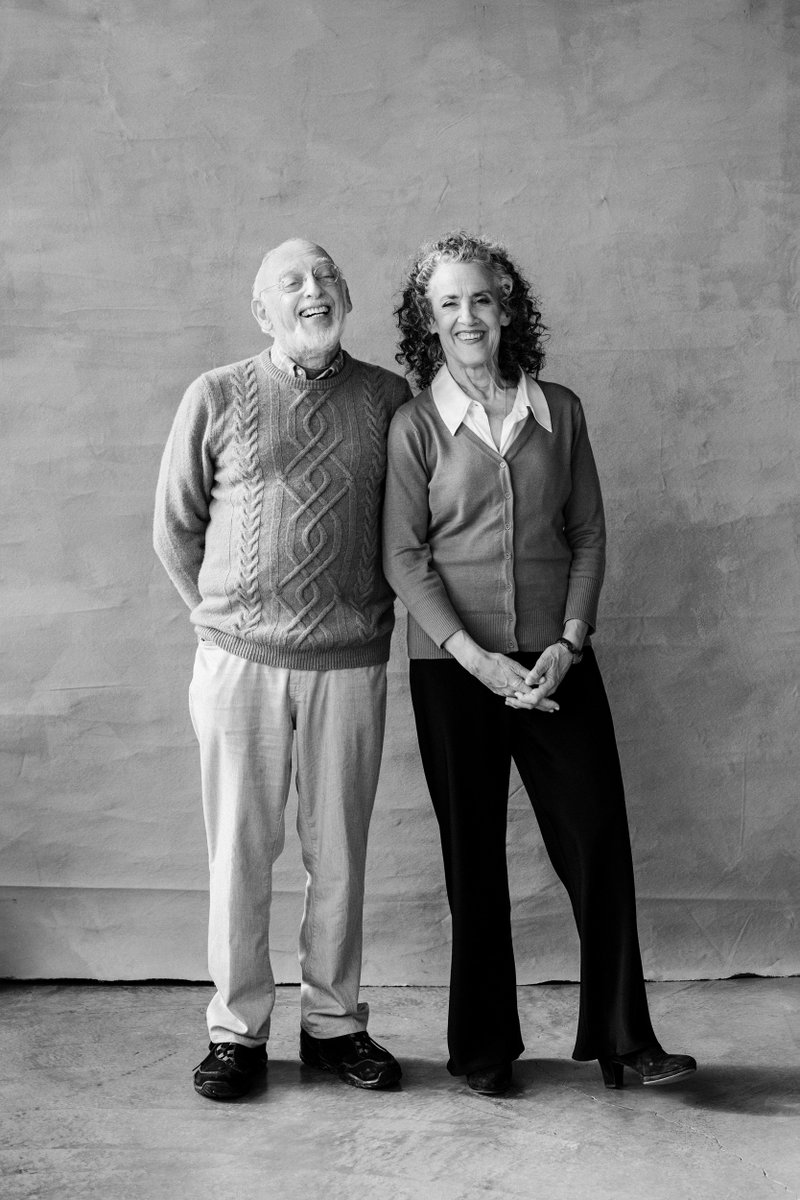
Psychologists John Gottman and Julie Schwartz approach couples therapy by focusing on the emotional connection. “Learning to communicate well in a relationship is like learning to play a new instrument. You’ve got to practice and correct your mistakes." https://t.co/dWP9r8q8OM
Artist John Zabawa's philosophy on life: "You would think that reminding yourself you’re this tiny, insignificant grain of sand would create anxiety, but it gives me a purpose. Knowing how small and temporary we are makes me want to make the best of life." https://t.co/zDgcJqbVxi
Marshall Johnson comes from a long line of scientists. His great-grandfather is credited with being the first to discover oil. Today, Johnson searches for exoplanets. “We’ve both made our careers studying the imprint of unseen things on what we can see." https://t.co/H5RcLy21uf
“His legacy falls on me in a weighty way.”—Hester Kaplan reckons with the complicated legacy of her grandfather, Edward Bernays—the “father of public relations”—and the long shadow his work continues to cast. https://t.co/H5RcLy21uf
Charles Oppenheimer has spent much of his life grappling with a name synonymous with one of history's most consequential scientific breakthroughs. Today, he's working toward the belief that nuclear science should be used to reduce conflict, not fuel it. https://t.co/H5RcLy21uf
"In his second summer, my son sat in the community garden strawberry patch and gorged. I had planted the patch two winters before; with a baby on the way, a strawberry patch became nonnegotiable." Gardener Poppy Okotcha on the summer strawberry. https://t.co/ICzKNvVZXA
David Michon on his cult-favorite newsletter For Scale: "There are things that separate compelling interiors and less compelling ones, but I don’t like hierarchies of taste. If something resonates with me, I ask why instead of saying, This is cool now." https://t.co/uTuL6MnF7S
Samual Lee on the art of stone carving: "Carving tends to be the first thing to be cut from budgets. It’s a shame—throughout history, we’ve always had ornamentation, even with Brutalism. People enjoy these objects for hundreds of years." https://t.co/0AZZcHQMY0
Interior design studio Ome Dezin wants to restore LA's architectural heritage. “When we walk into a home, we’re looking for the spine—the rhythm of light, the materials that give it soul. What can change are the elements that don’t belong to that story.” https://t.co/xmkBdU6shx
Nina Cristante came to music through a boyfriend before starting Bar Italia. “My performances at the beginning were bedroom pop, using the low range of my voice. [Now] I’m interested in performances that have extreme dynamics—strong, but also ephemeral.” https://t.co/TgQTOV7hUK
In 2019, Nikole Hannah-Jones launched The 1619 Project. The project argued, in @NYTMag, that the story of the United States begins not in 1776, but in 1619. “I wanted to draw attention to the way slavery shaped the United States in ways that were ongoing." https://t.co/4gCIYquotz
Nicholas Cullinan, director of the British Museum, on restitution and repatriation: “We can’t change the past. The more pressing question is: How do we build something positive? Restitution's not just about objects. It's about understanding.” https://t.co/h0QZcpCcQR
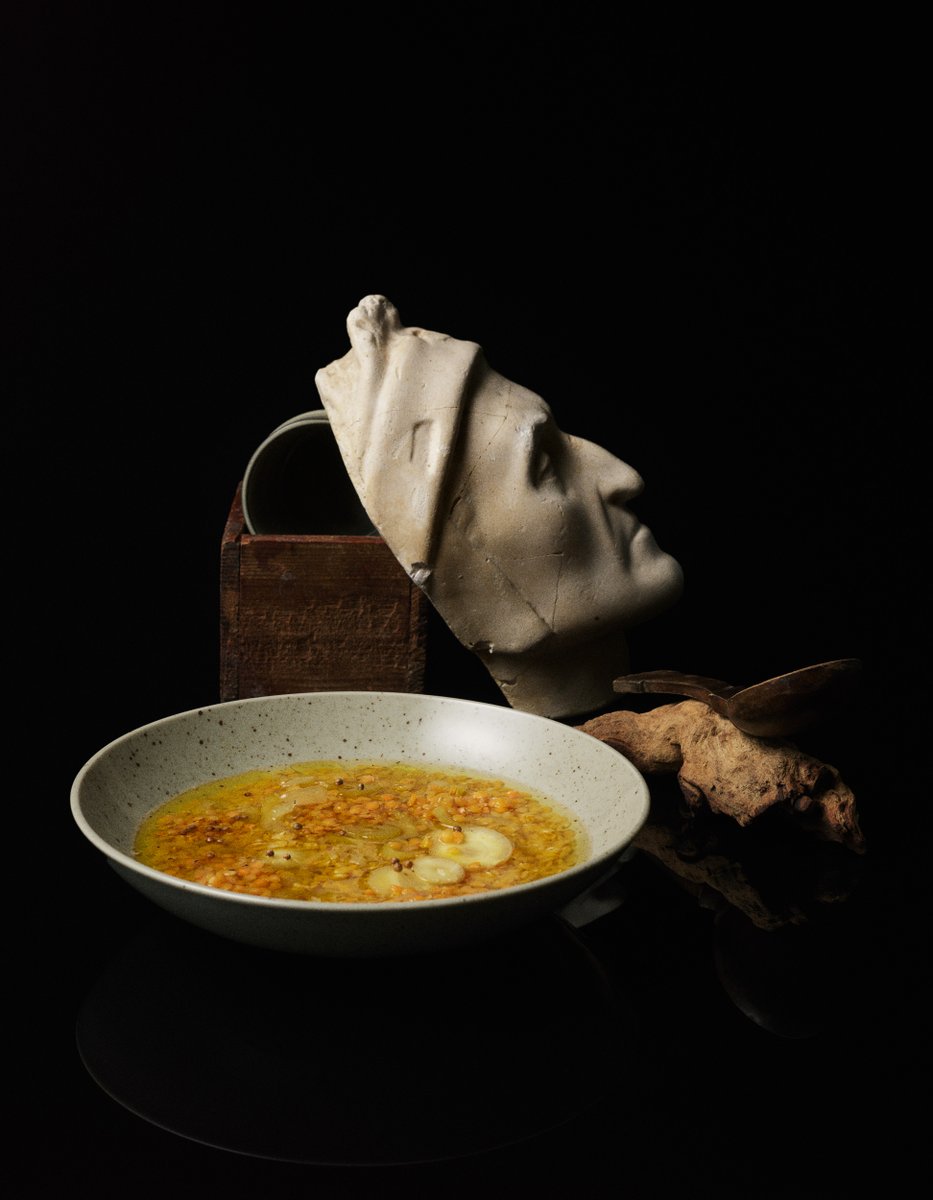
In the History Special, we serve up four soups from the Eats History archive, including a lentil soup, a Roman gazpacho dating from between the 1st and 4th centuries C.E., and a Taoist “soup for the soul” that traces back to the 4th–3rd centuries B.C.E. https://t.co/vLvdQgc95F
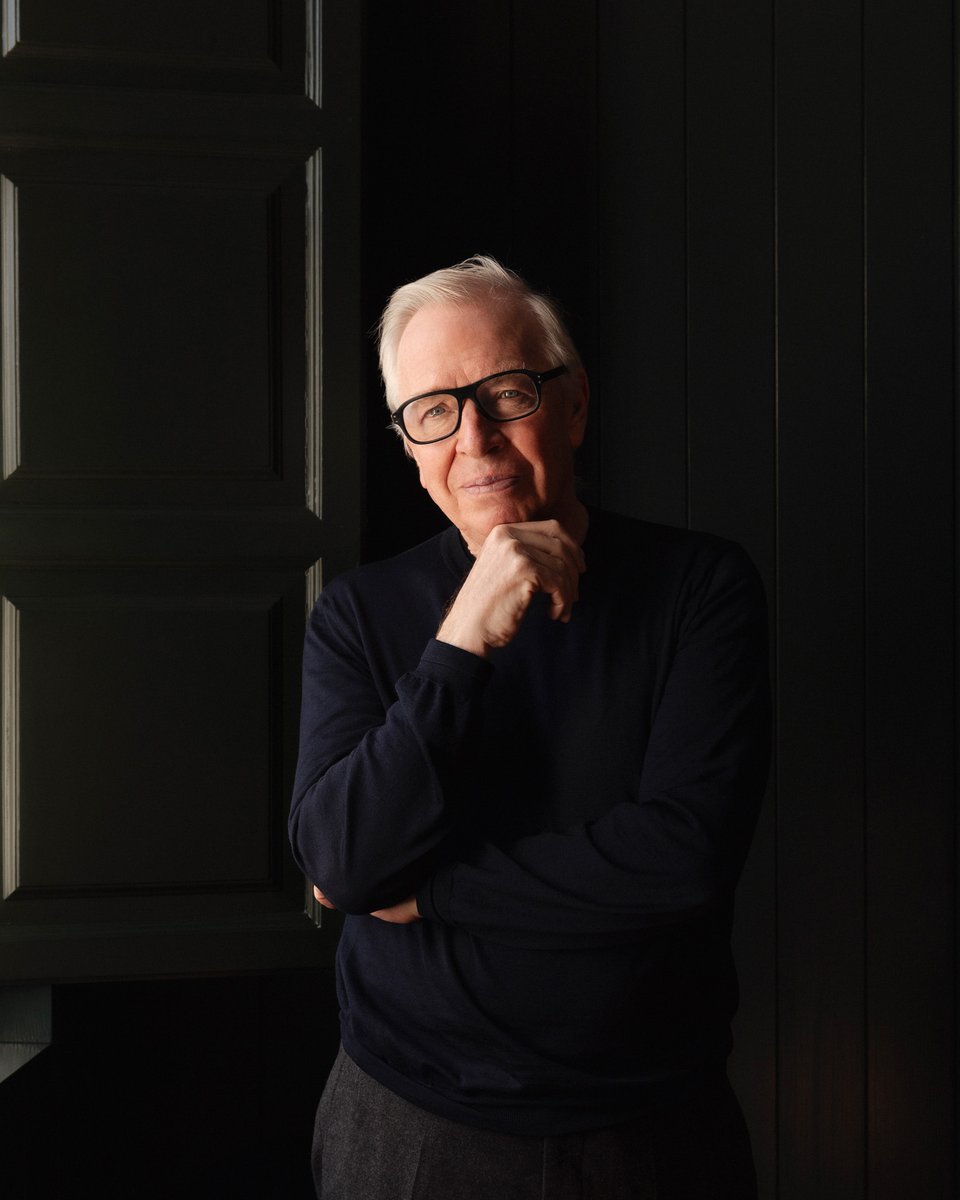
For David Chipperfield, architecture is about understanding what's already there. After working on Berlin’s Neues Museum, the architect has become known for an approach rooted in restraint and a respect for history. https://t.co/iBttbxCD2C











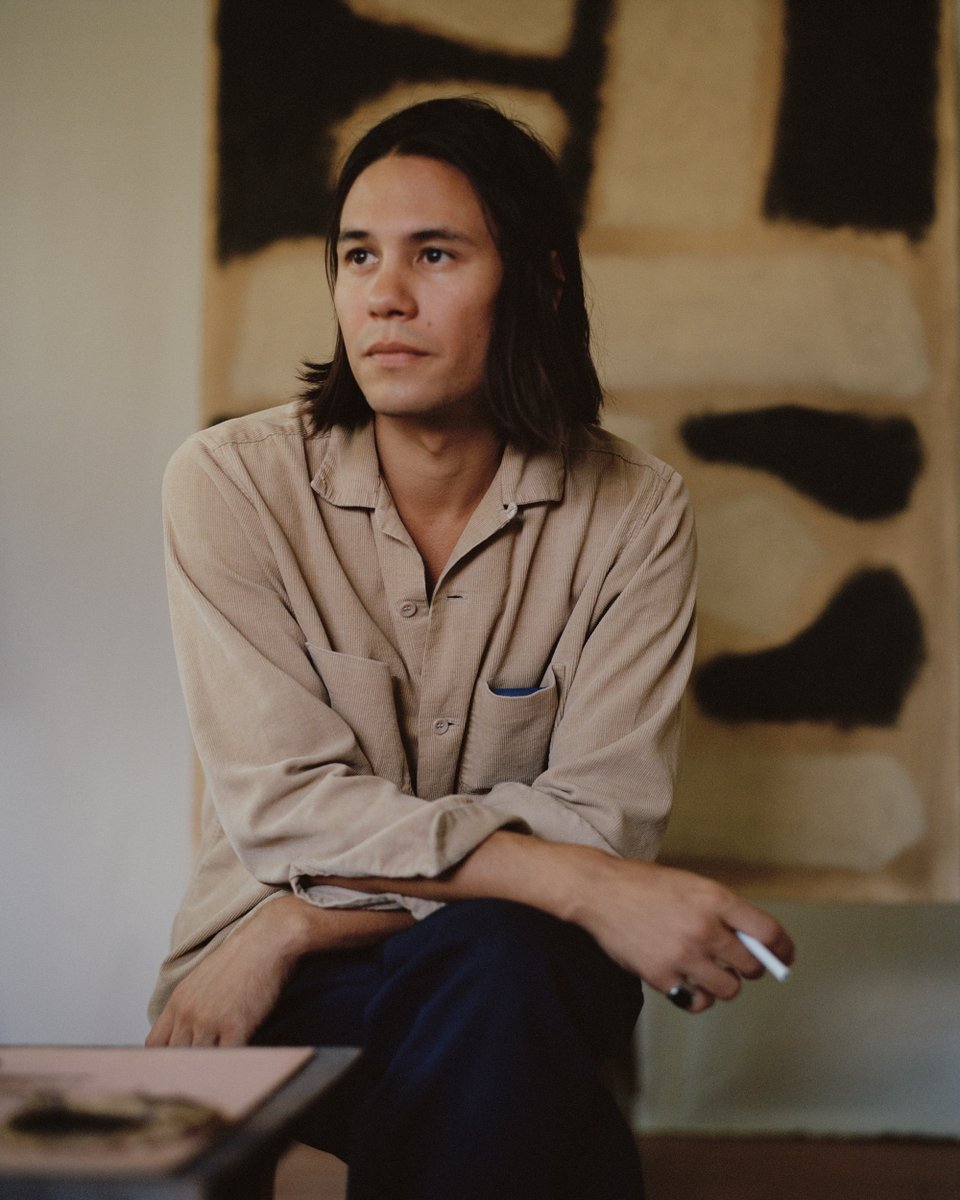





![kinfolkmag's tweet photo. Nina Cristante came to music through a boyfriend before starting Bar Italia. “My performances at the beginning were bedroom pop, using the low range of my voice. [Now] I’m interested in performances that have extreme dynamics—strong, but also ephemeral.” https://t.co/TgQTOV7hUK https://t.co/Bl9gd4TuK1](https://pbs.twimg.com/media/HMjXL8cXMAAV_lR.jpg)