EIN NEUES KAPITEL BEGINNT: https://t.co/9JYrlhTm66
Über ein Jahr haben wir an der Weiterentwicklung von https://t.co/ad5AIAkflU gearbeitet. Jetzt ist es so weit: https://t.co/yC1X6s4TYB ist am Start. Mehr Formate. Mehr Experten. Mehr Research. Ab Dezember mit Studio in München.
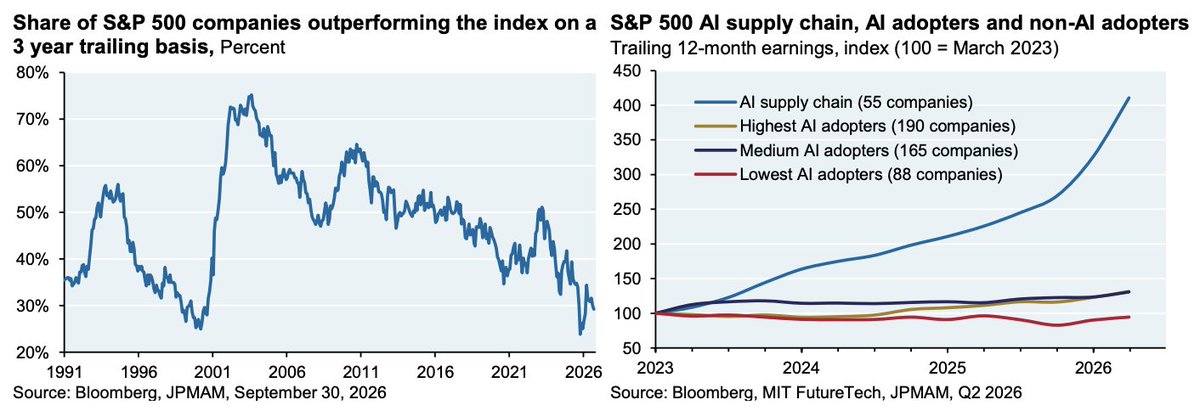
Staggering stats from JPM's Michael Cembalest reflecting AI concentration risk: "Anyone concerned about US reliance on AI, look no further...A basket of 42 AI stocks accounts for 60%-80% of all S&P earnings growth, price returns and capital spending since Jan 2024. At the same time, 60% of S&P 500 stocks are down 20% or more from their all-time highs despite the market being close to all-time highs. Only 30% of stocks are outperforming the S&P 500, one of the lowest figures since 1991. AI is primarily benefitting AI supply chain companies rather than the companies adopting it. The technology share of GDP growth has risen from almost zero in 2022 to ~33%. Only 20% of US states are growing faster than the national average, almost the lowest figure since 1979. AI accounts for the only positive trend in US construction spending, having risen by 38% since January 2024. Unfortunately the other three main categories are down since then (manufacturing -28%, commercial real estate -13% and residential -6%)."
How do investors mitigate AI concentration risk? It's a question I tackle in my report on "The AI Trade" (https://t.co/kEx5Z4BJH7):
"In late August, a Raymond James analyst published a report on “the rule of 25”, arguing that throughout American history, cumulative investment in technological buildouts has reached 25% of GDP before collapsing under their own weight. Based on his projections, the AI buildout won’t hit that mark until the early 2030s given US GDP at roughly $30 trillion. We believe that’s a flawed guidepost. It underestimates that duration may matter as much as magnitude. It underestimates that AI benefits are less tangible than a railroad or even internet access. It underestimates that the sheer size and diversity of the economy today may mean unsustainable excess can be achieved at a lower percentage of the economy. Nonetheless, we take his point—it may require far more froth before there’s a reckoning with AI ROI.
Since ChatGPT’s debut, AI has been a speculative bet on an unprecedented collective scale. There’s never been a clear path to profitability. There’s never been guarantees about the technology’s rate of improvement and timeline to game-changing enterprise transformation. From tech giants to financial institutions to retail investors, AI enthusiasm has always rested on faith-driven patience—belief that the promise so many see in the technology’s current capabilities will at some point lead to future capabilities that generate skyrocketing profits. The question today: how much longer will that patience last? To our mind, the priority should be asset selection that can mitigate downside risk regardless of whether patience erodes or collapses."
Far more in the report? Learn about Sage Road Research here: https://t.co/Wgwz2xnvR6. Interested in subscribing? Message me.
JPM link: https://t.co/pUDJR4hxMh
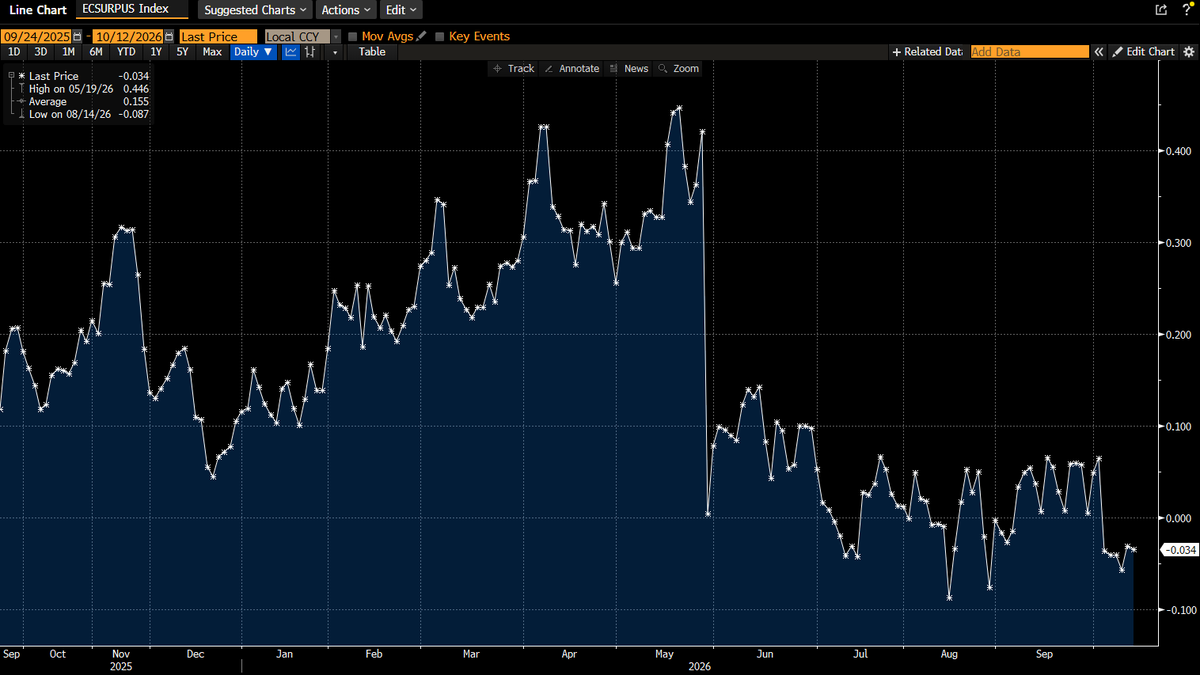
US economic data have increasingly been disappointing analyst expectations, with the Bloomberg US economic surprise index turning negative in the past few weeks. This is edifying concerns that consumers will soon run out of steam to keep spending as much as prices keep rising.
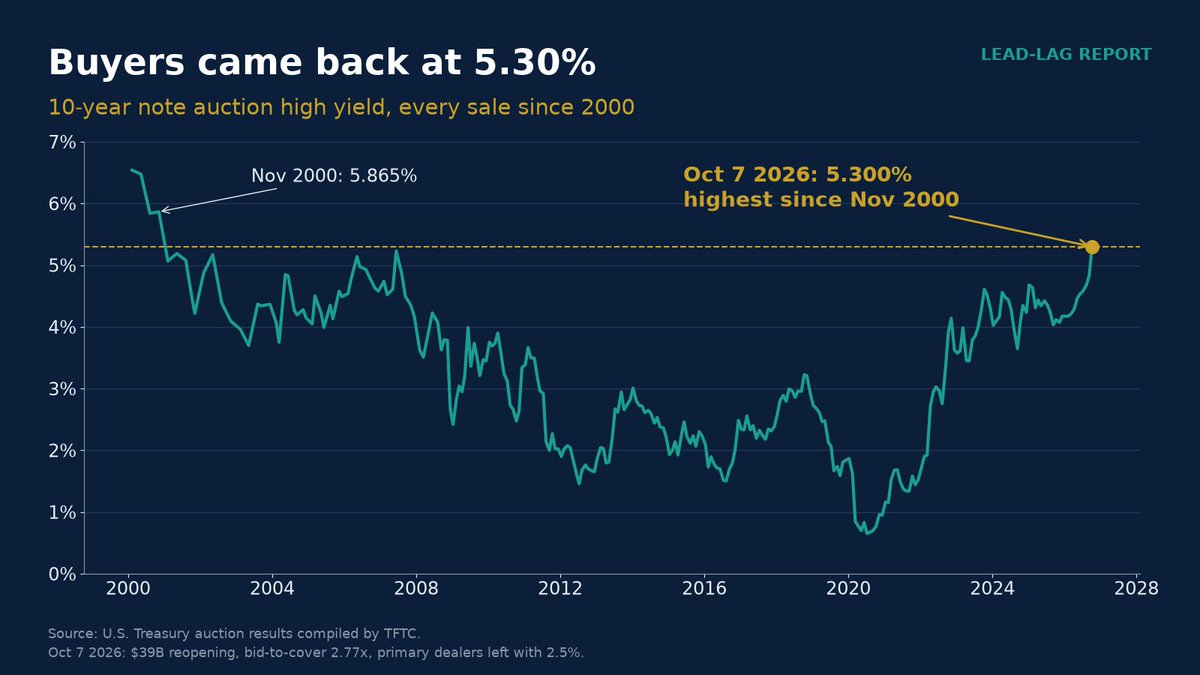
The strong 10-year auction was not the all-clear. It was the price tag.
$39B cleared at 5.30%, the highest 10-year auction yield since Nov 2000. Dealers kept 2.5%.
Buyers came back because the yield got big enough, not because the deficit shrank. That is the bar for $SPY now.
Keep in mind the hurdle in AI revenues needed to justify the AI Capex compared to what’s happening with DeepSeek market share grab. Wow
https://t.co/Pp8i6IsZFW
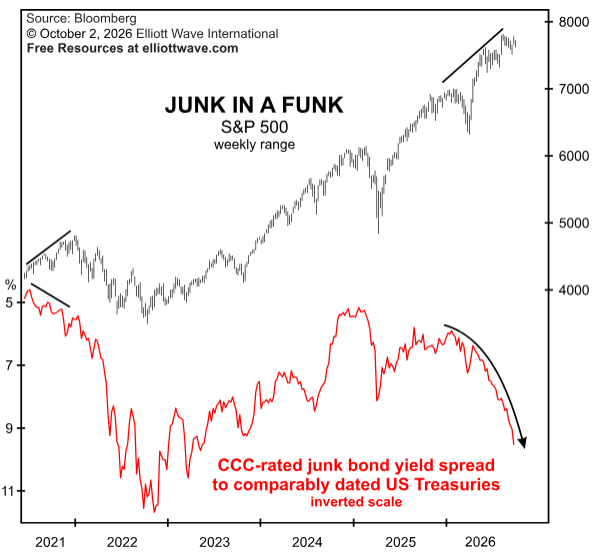
Junk is in a funk...
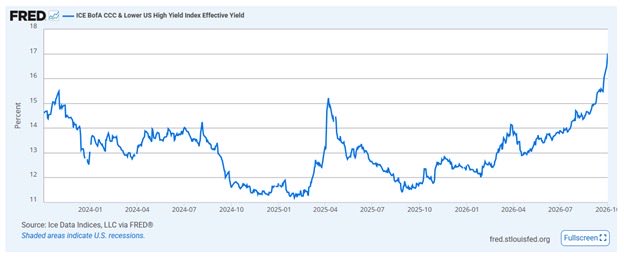
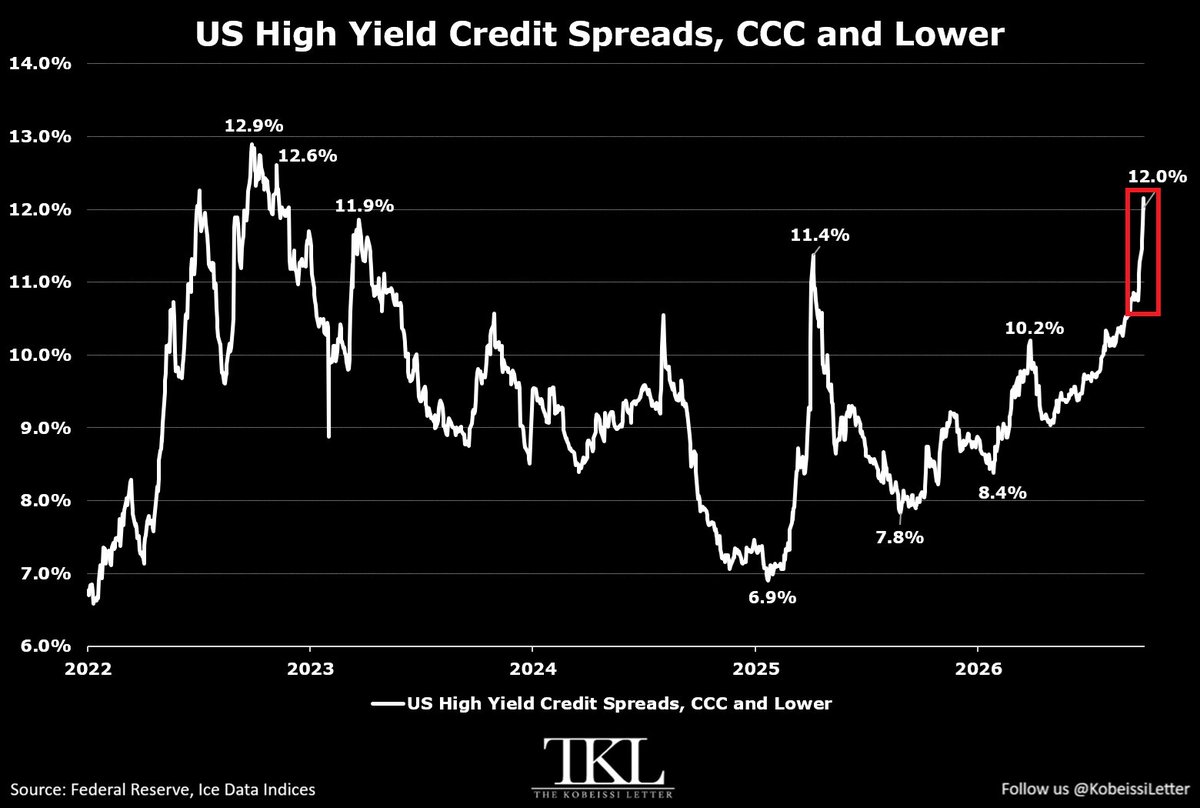
The spread on CCC-rated junk bonds has widened sharply and is now at its widest level in nearly three years.
Historically, widening junk spreads have often preceded weakness in stocks.
The divergence is getting harder to ignore.
See 18 charts that are flashing warning - free: https://t.co/M524r0321n
Since Trump took office, the personal saving rate has fallen from 5.7% to 4.1%, the lowest since 2022.
With tariffs pushing up prices and real wages falling since the Iran War, families are dipping into savings to keep up.
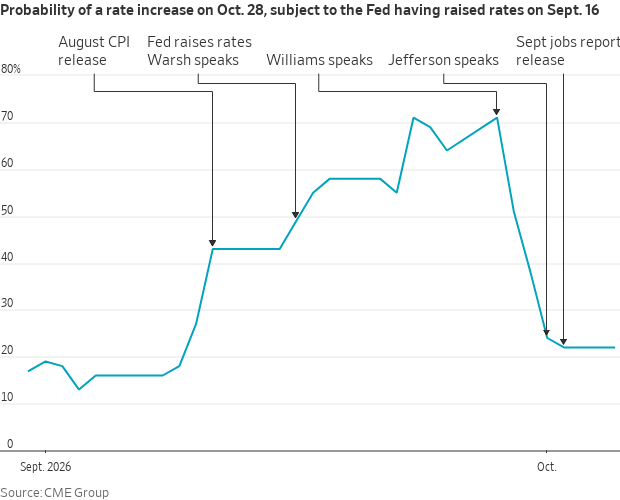
Kevin Warsh wants investors to watch the economy, not the Fed.
But two of his deputies stepped in last week and the probability of an October rate hike fell to around 25% from 70% ahead of any major new data.
Why weaning the markets off Fed signals is harder than it sounds
Good morning.
From the FT:
"A sharp sell-off in US government bonds is starting to reverberate across corporate America, forcing companies to overhaul their borrowing plans and even raising the spectre of defaults among the most lowly rated businesses."
Remember the historical playbook:
The most vulnerable sectors get hit first and hardest. Then, if elevated borrowing costs persist, the pressure both migrates up the curve and spreads across the broader economy, domestically and internationally.
#economy #markets #bonds #yields @FT
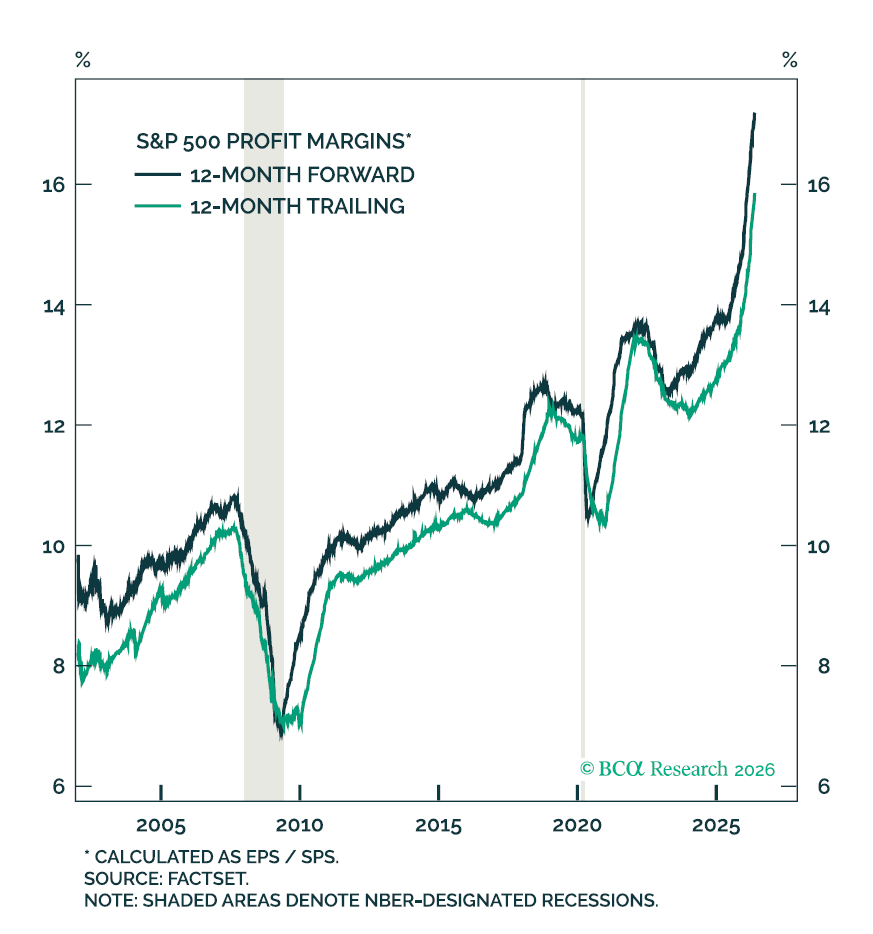
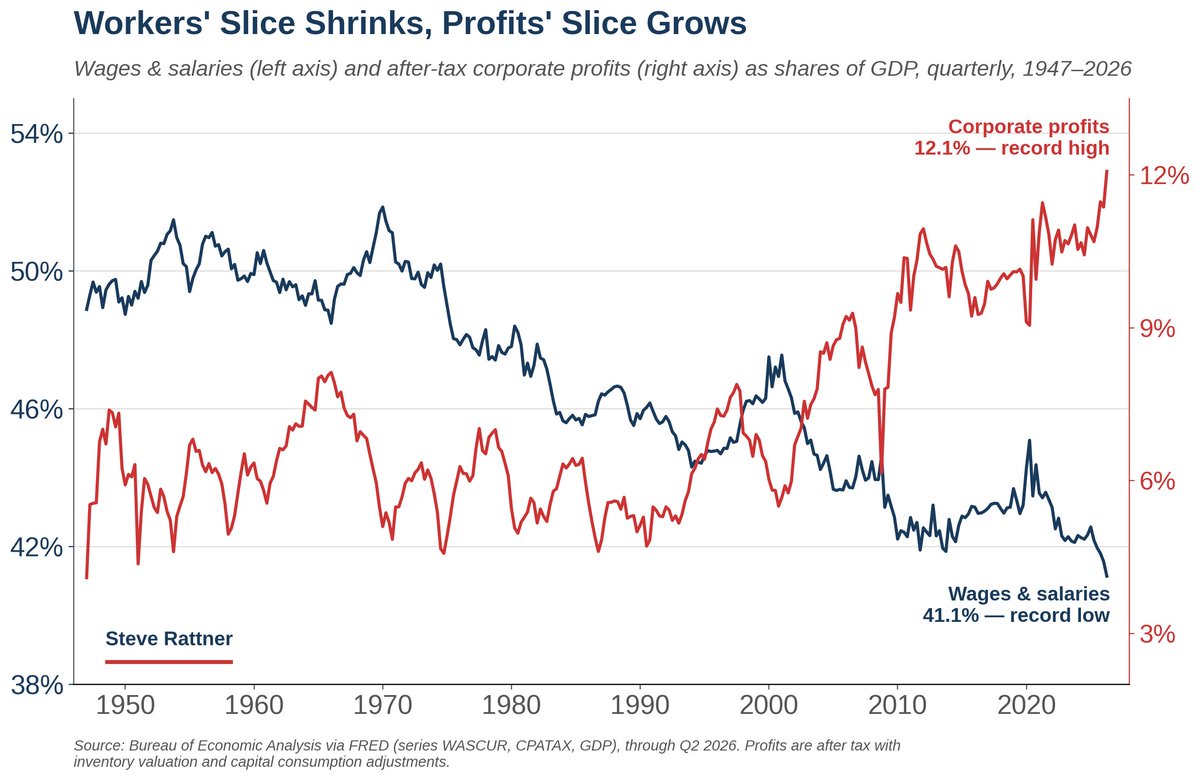
Wages are at all-time lows, and profits at historic highs, as a percent of GDP.
The backlash against A.I. is a backlash against unchecked inequality.
My @nytopinion Chart:
Since the Fed rate hike 2 weeks ago CCC junk bond spreads have widened 140 bp and the index trades at 17% yield now. This market is public…the below market the Fed is asking questions about is opaque. I can’t imagine the credit horrors that lurk in these shadows.
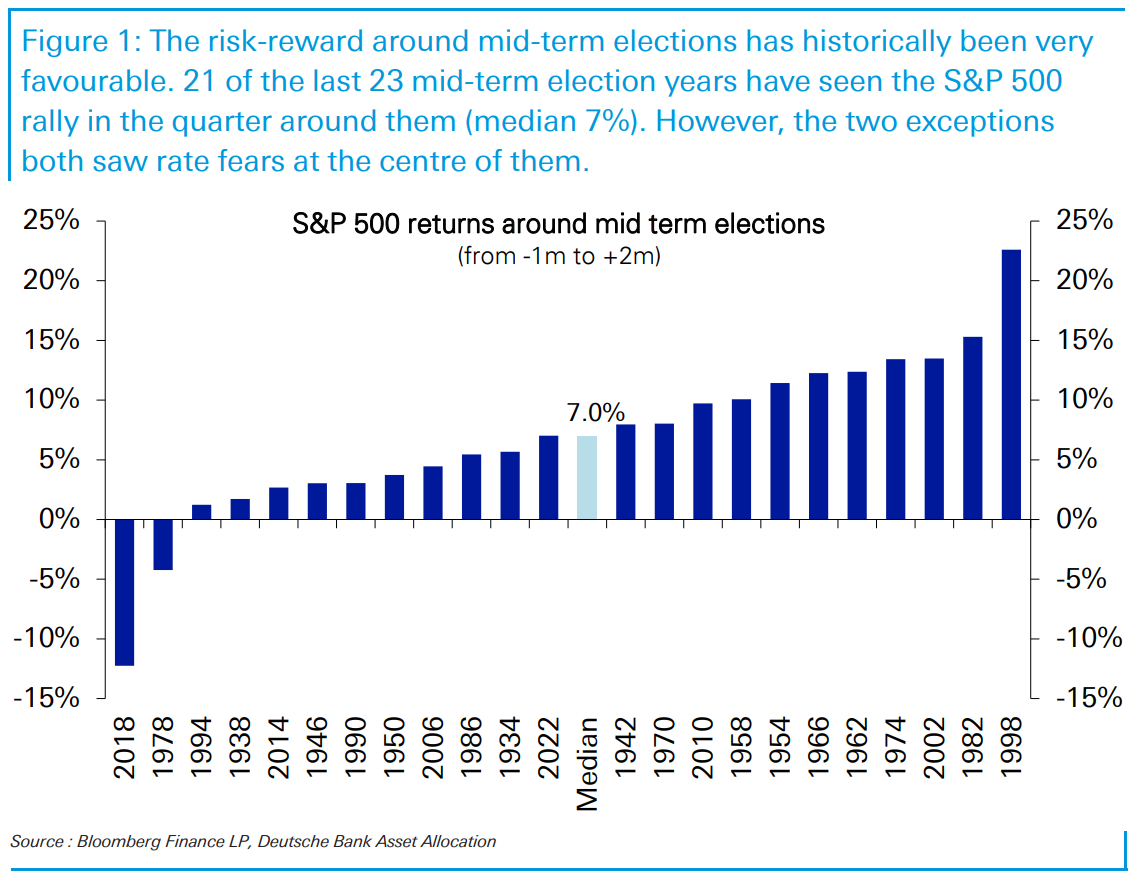
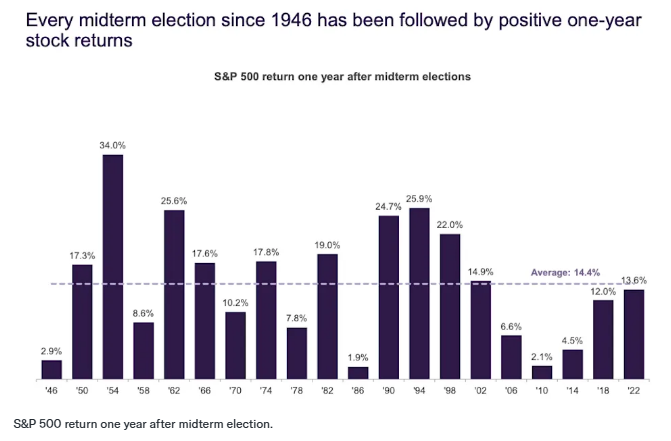
Every midterm election since 1946 has seen positive stock market returns over the next 12 months 📈 The average gain has been 14.4%, the largest gain was 34% (1954's midterm election) 🤑 🥳
The US high-yield credit market stress is rising:
Credit spreads for CCC-rated and lower corporate bonds are up to 12.0%, their widest level since November 2022.
Over the last 5 months, this figure has surged +298 basis points, surpassing the April 2025 peak of 11.4%.
This represents a comparable increase to that seen during the 2022 bear market and the February-April 2025 market correction.
If this pace continues, credit spreads for the lowest-rated US corporate bonds will exceed the 2022 peak of 12.9% as soon as this month.
To put this into perspective, the 2020 pandemic high was 19.6%.
Credit stress is rising sharply beneath the surface.
A sharp sell-off in US government bonds is starting to reverberate across corporate America, forcing companies to overhaul their borrowing plans and even raising the spectre of defaults among the most lowly rated businesses. https://t.co/RV82f1LPwm
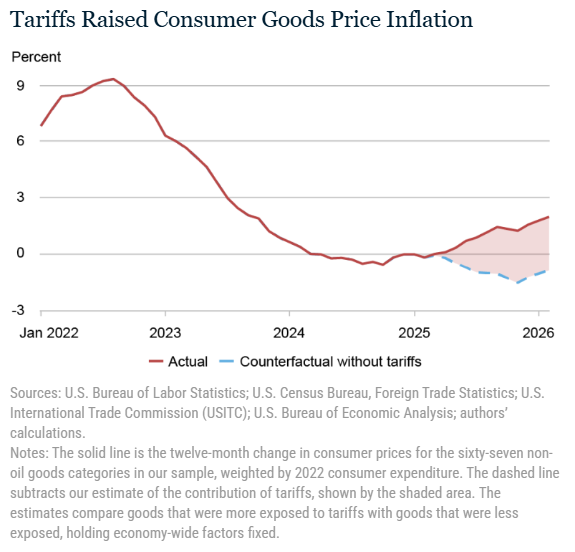
New from the New York Fed: "By February 2026, tariffs had contributed 2.9 pp to goods price inflation, and without them goods prices would have fallen slightly."
About one quarter of every point in higher tariff rates shows up in consumer prices within one year.
• A 10% across-the-board tariff yields a 2.6% rise in consumer goods prices after one year.
• About two thirds of the increase comes from pricier imports, which get passed through quickly.
• Another third comes from U.S. made goods, as producers face higher input costs and less import competition. This takes longer, about 6-12 months, to filter through.