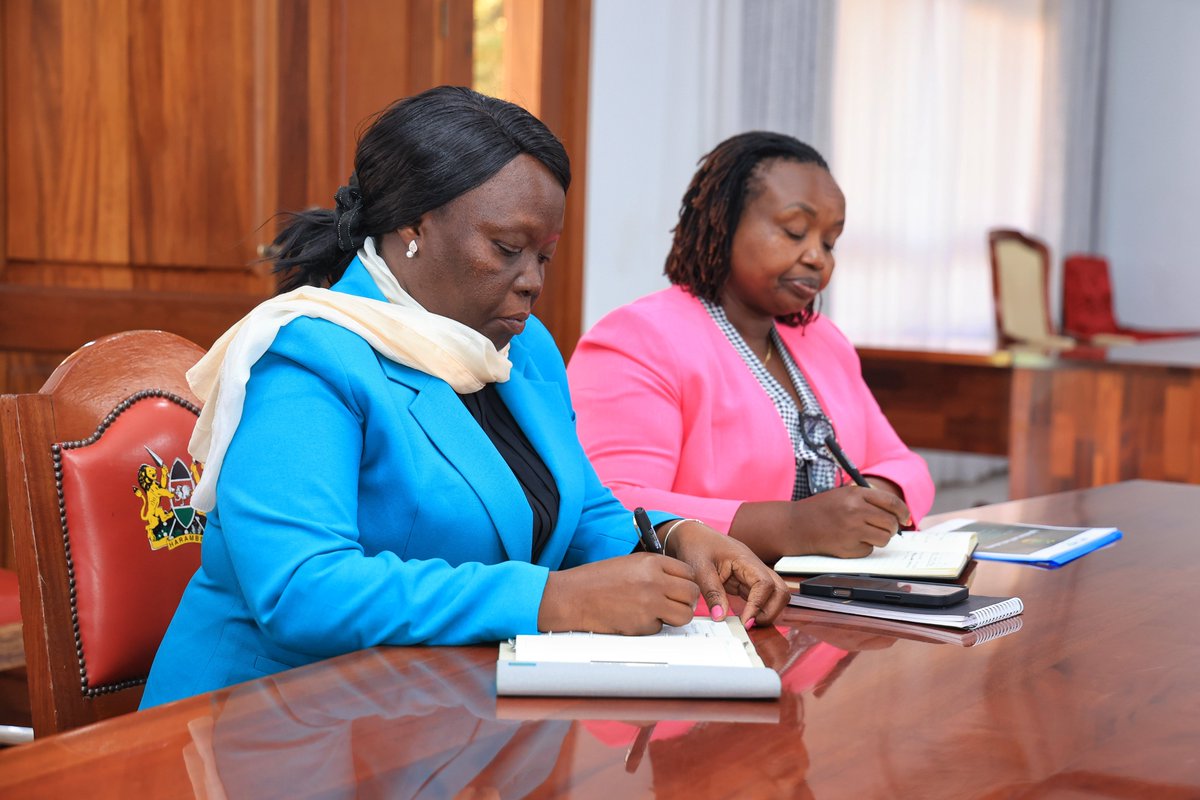
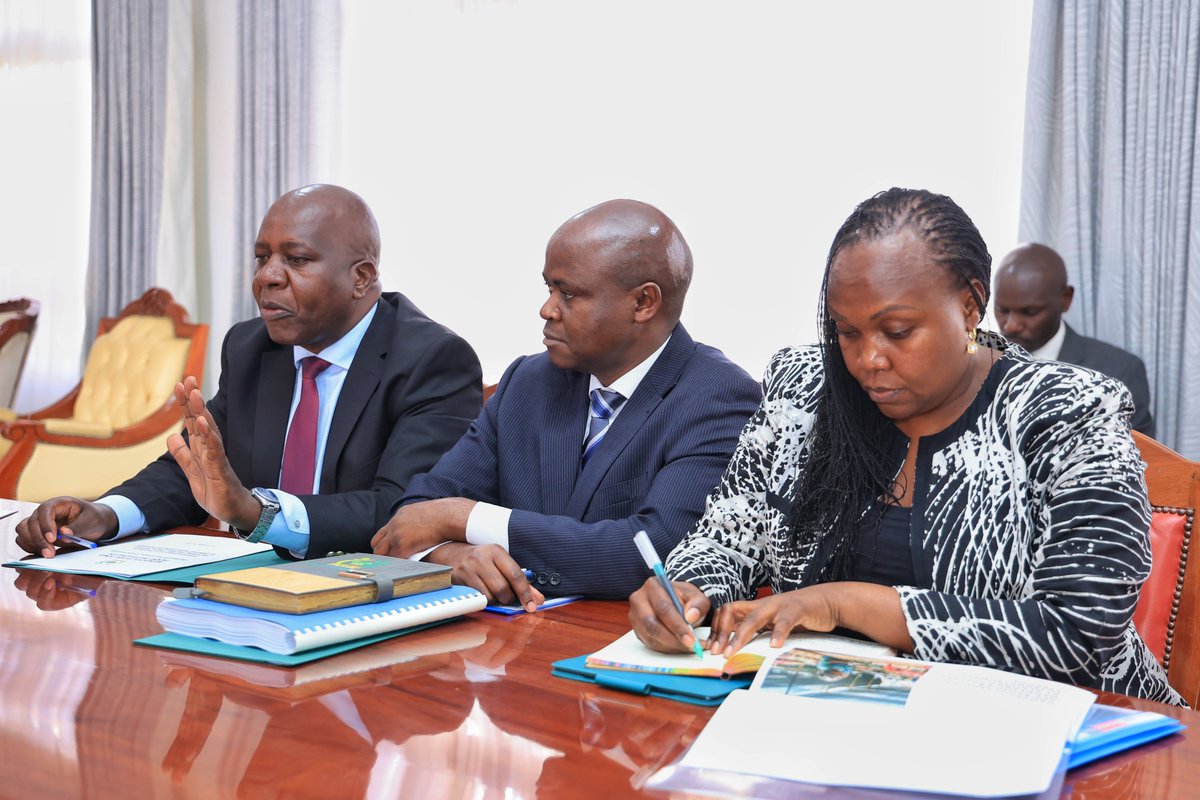
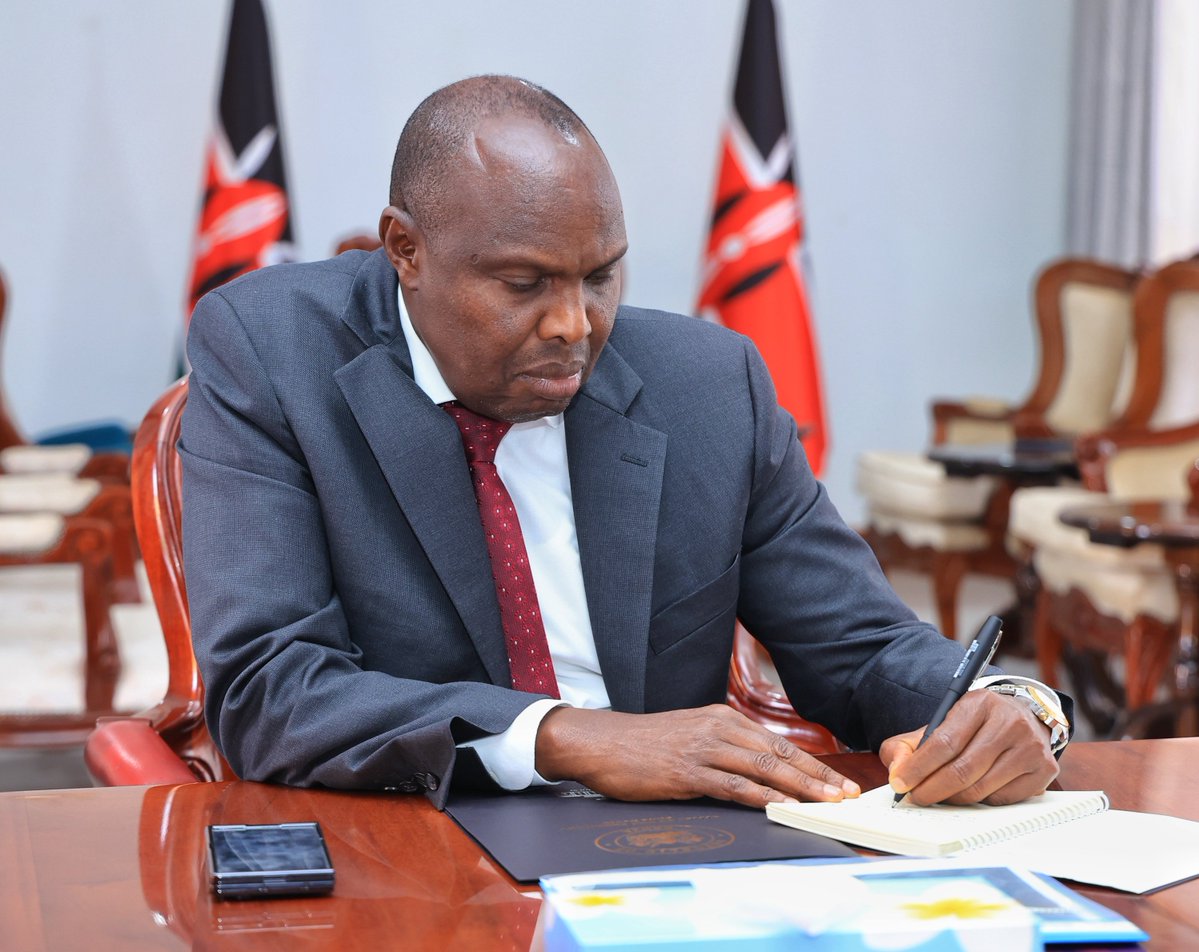
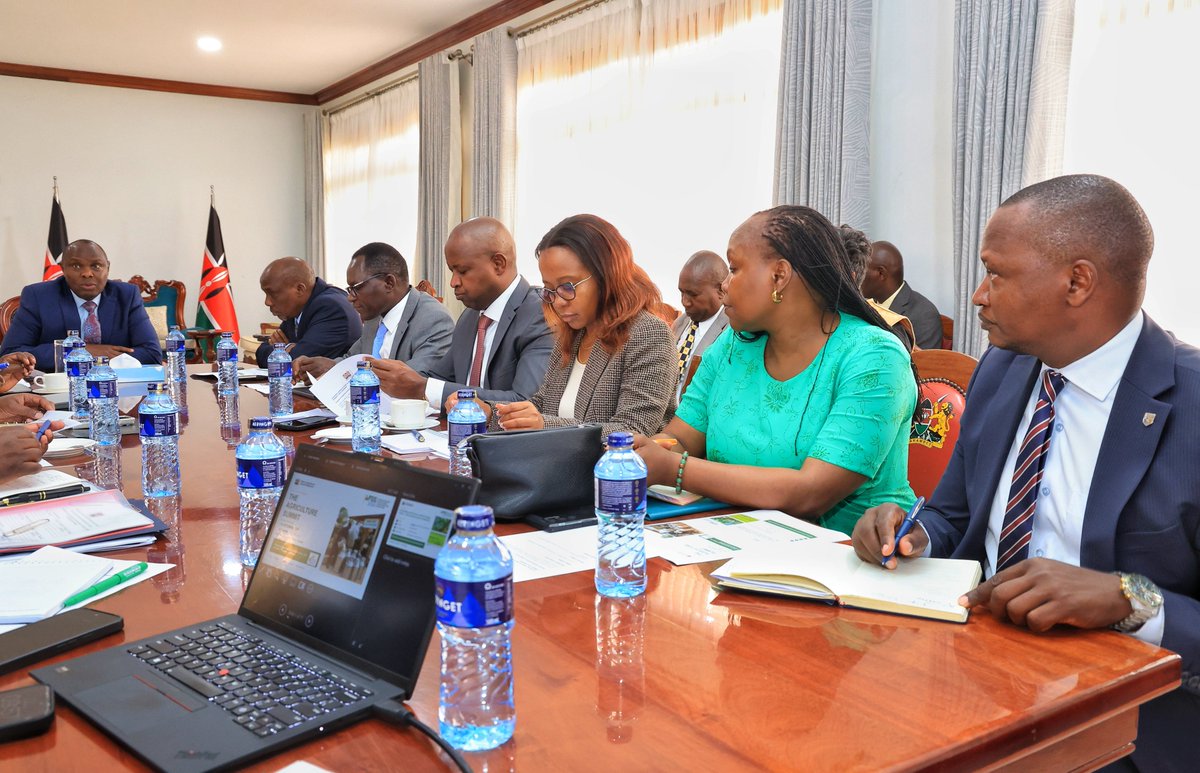
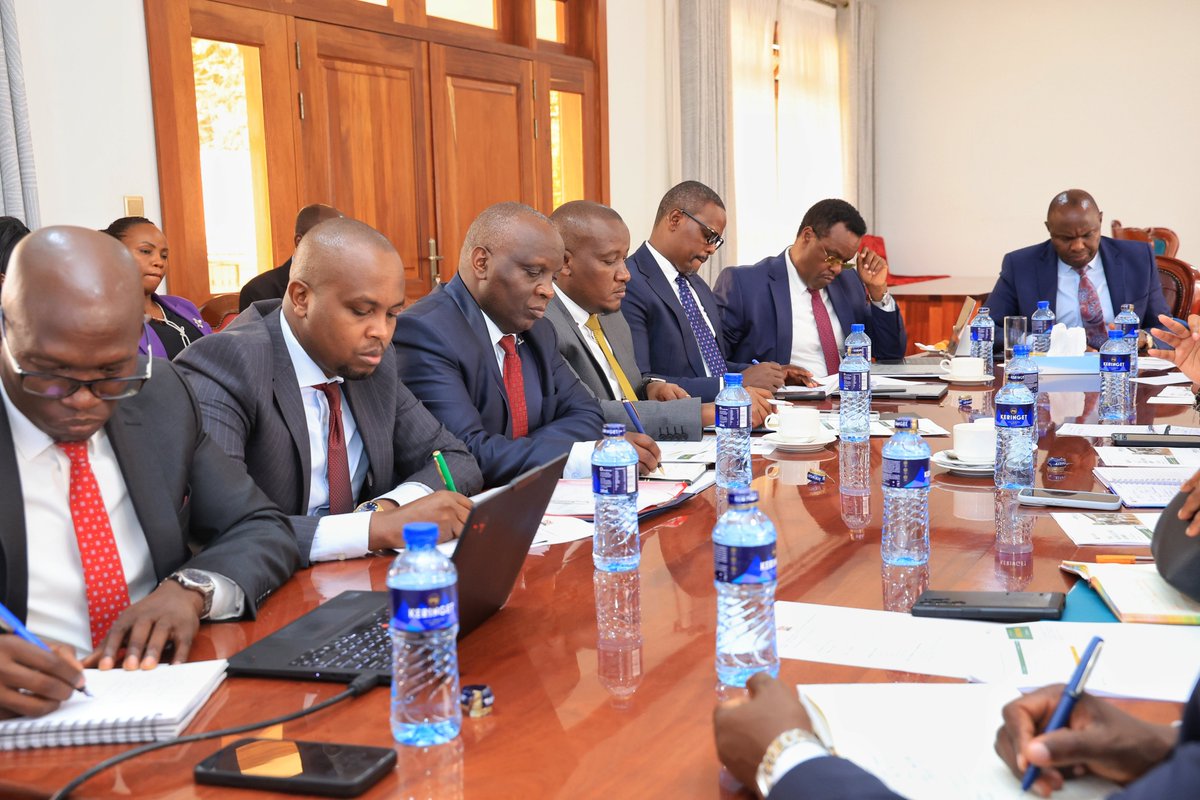
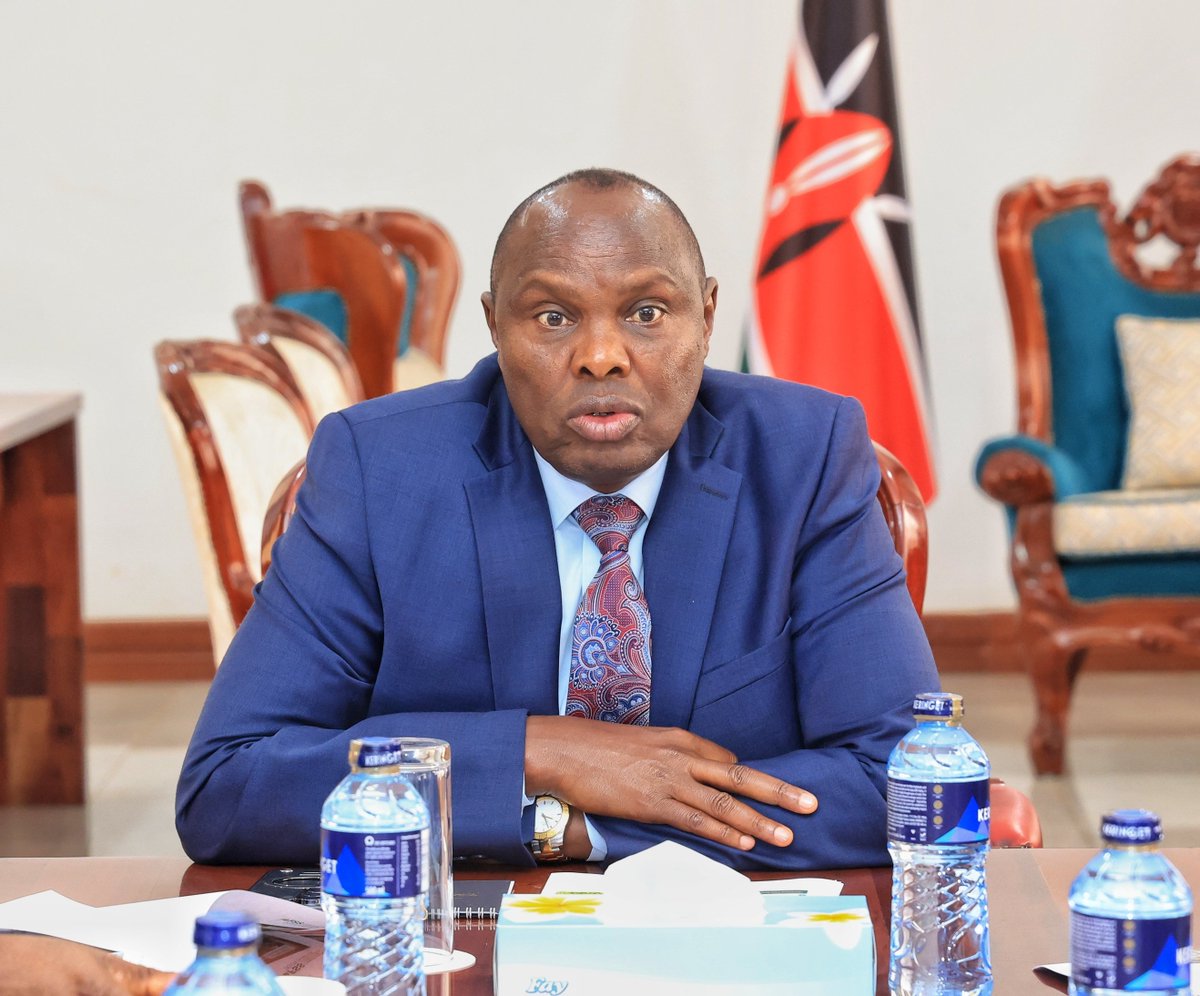
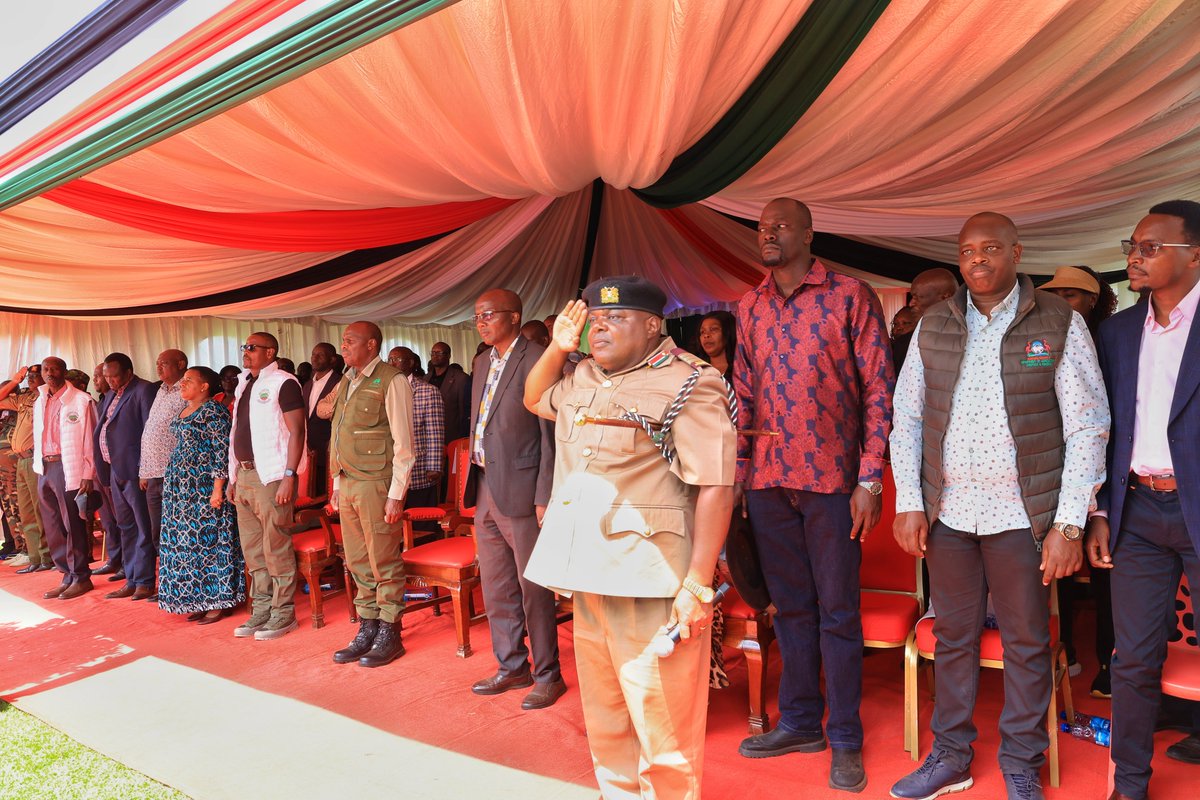
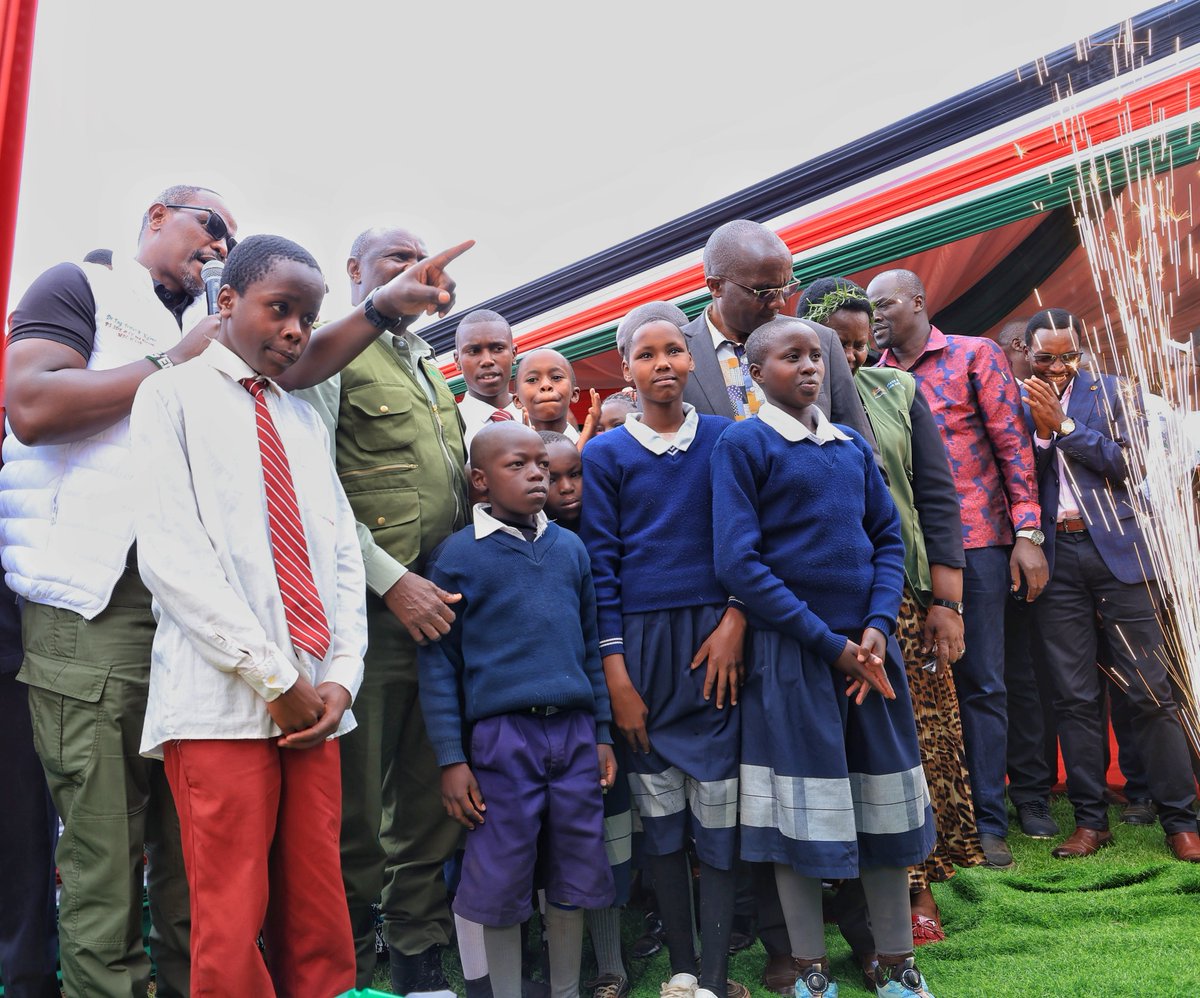
We met with Agriculture and Food Authority (AFA) leadership, Hon. Cornelly Serem, Chairman; and Calistus Kundu, Acting CEO, Christine Chesaro Director, for a progress briefing on the Horticultural Produce Pack House at Eldoret International Airport.
Farmers in the North Rift and Western Kenya currently transport fresh produce all the way to Nairobi, often without refrigeration, for weighing, sorting and grading. This compromises quality, increases rejection rates and reduces farmers’ earnings.
The common-user pack house will bring these services closer to farmers, providing transparent weighing, sorting and grading in their presence, packing to export standards, pre-cooling and cold storage for cut flowers, fruits, vegetables, herbs and spices.
This will cut transport costs, reduce losses and help farmers meet international export standards, ensuring more produce reaches the market in good condition and delivers better returns.
Why productivity will define Kenya’s next chapter | Daily Nation https://t.co/63xvbTQIML
BY CHIEF OF STAFF & HEAD OF THE PUBLIC SERVICE FELIX K. KOSKEI EGH.
Beyond Vision 2030: our future begins with the foundations we lay today: the capacity to power our economy, build our industries and create prosperity that reaches every Kenyan.
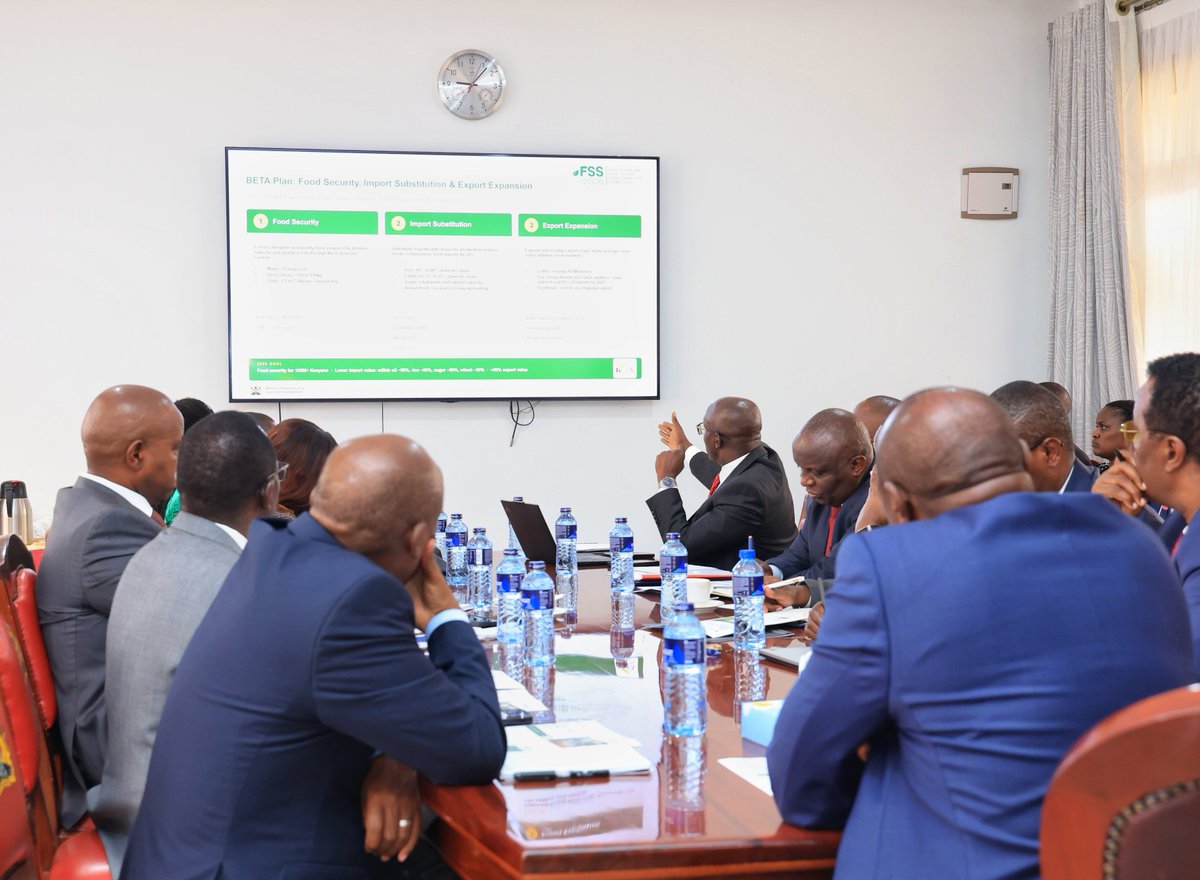
Four years ago, H.E. the President promised to put farmers at the centre of Kenya’s economic transformation. The Government has made significant progress in delivering that promise through the agricultural reforms and commitments under the Bottom-Up Economic Transformation Agenda (BETA).
Today, the Technical Committee briefed us on preparations for the National Agriculture and Food Systems Transformation Summit, set for 7 to 9 October 2026.
Farmers from across Kenya will join counties, young innovators and partners at KICC to review progress and shape the next steps towards food security, food sovereignty and better jobs. The third day of the summit will take place at State House.
For the Government, the measure of progress is simple: farmers earning more from their work and families able to put food on the table.
Present at the meeting were Principal Secretaries Dr. Kipronoh Ronoh (Agriculture), Stephen Isaboke (Broadcasting and Telecommunications), Dr. Eng. Festus Ng'eno (Environment), Patrick Kilemi (Cooperatives), Ephantus Kimotho (Irrigation) and Betsy Njagi (Blue Economy and Fisheries) among other senior officials.
Mau Professionals Engagement
Some places are bigger than the generations that inherit them.The Mau is one of them.
It has sustained communities, fed our rivers, supported livelihoods and shaped the life of this region for generations.
The question before us is simple but profound:
What will we do with this inheritance, and what will we leave behind for those who come after us?
This was the spirit that guided our engagement with professionals drawn from across the Mau Forest Complex during the MFC-ICLIP Professionals’ Engagement Forum this afternoon.
We did not gather simply to talk about the Mau. We gathered to reflect on what it means to us, what it has given us, what we owe it, and the responsibility we carry to protect it for future generations.
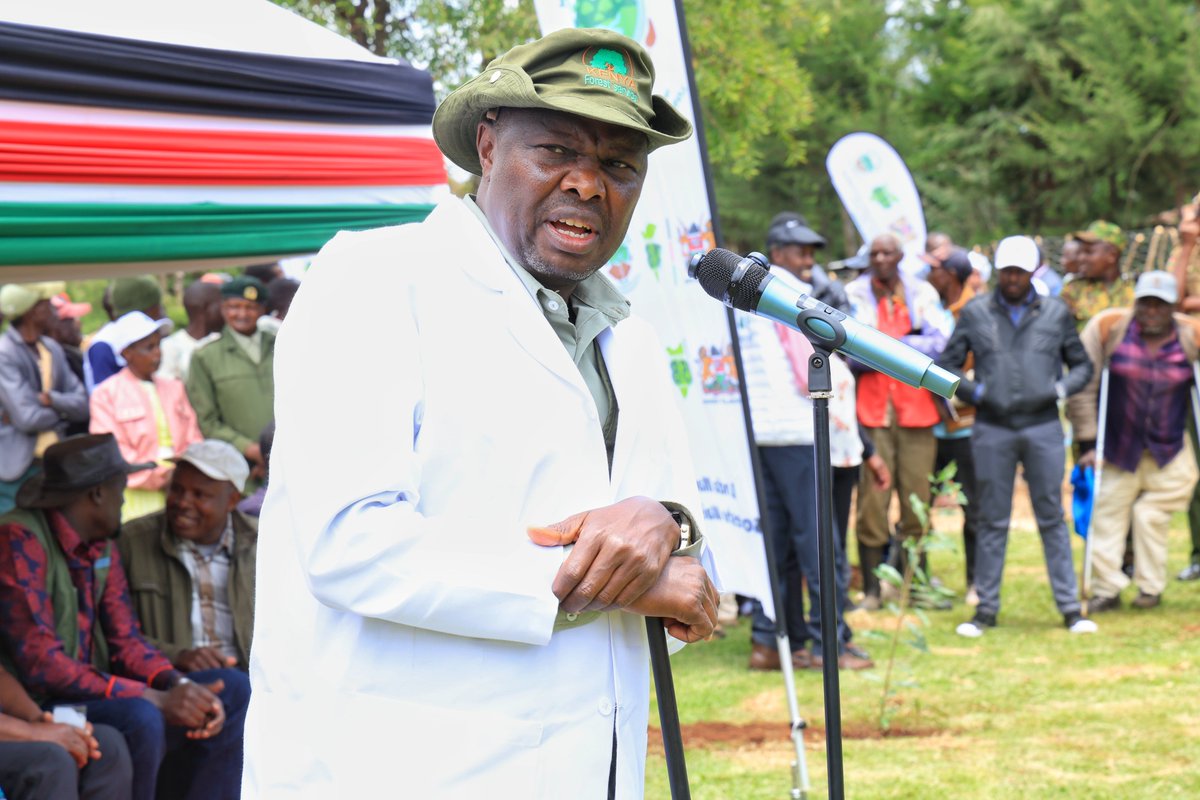
Professionals hold a unique place in this journey. They carry knowledge, influence and the ability to shape ideas, institutions and communities. I challenged them to step forward as champions of change — to use their expertise, networks and experience to build solutions that protect the Mau while creating opportunities for the people who depend on it.
Our professionals must become the bridge between knowledge and action; between research and practical solutions; between conservation commitments and community realities. The responsibility is not only to understand the challenges facing the Mau, but to help design and drive the innovations, partnerships and behavioural shifts required to secure its future.
With a shared appreciation of Mau as an ecological anchor and an economic driver, we reflected on the need to secure the ecosystem while advancing sustainable livelihoods for communities living around it.
I challenged the professionals present to use the time God has granted us and the resources entrusted to this region to turn conservation from a conversation into action.
That means changing the way we understand the Mau: moving from a place often viewed through contestation to a shared inheritance that demands collective stewardship. It means turning knowledge into enterprise, strengthening human capital, empowering communities and deepening stakeholder participation so that conservation becomes locally owned and intergenerational.
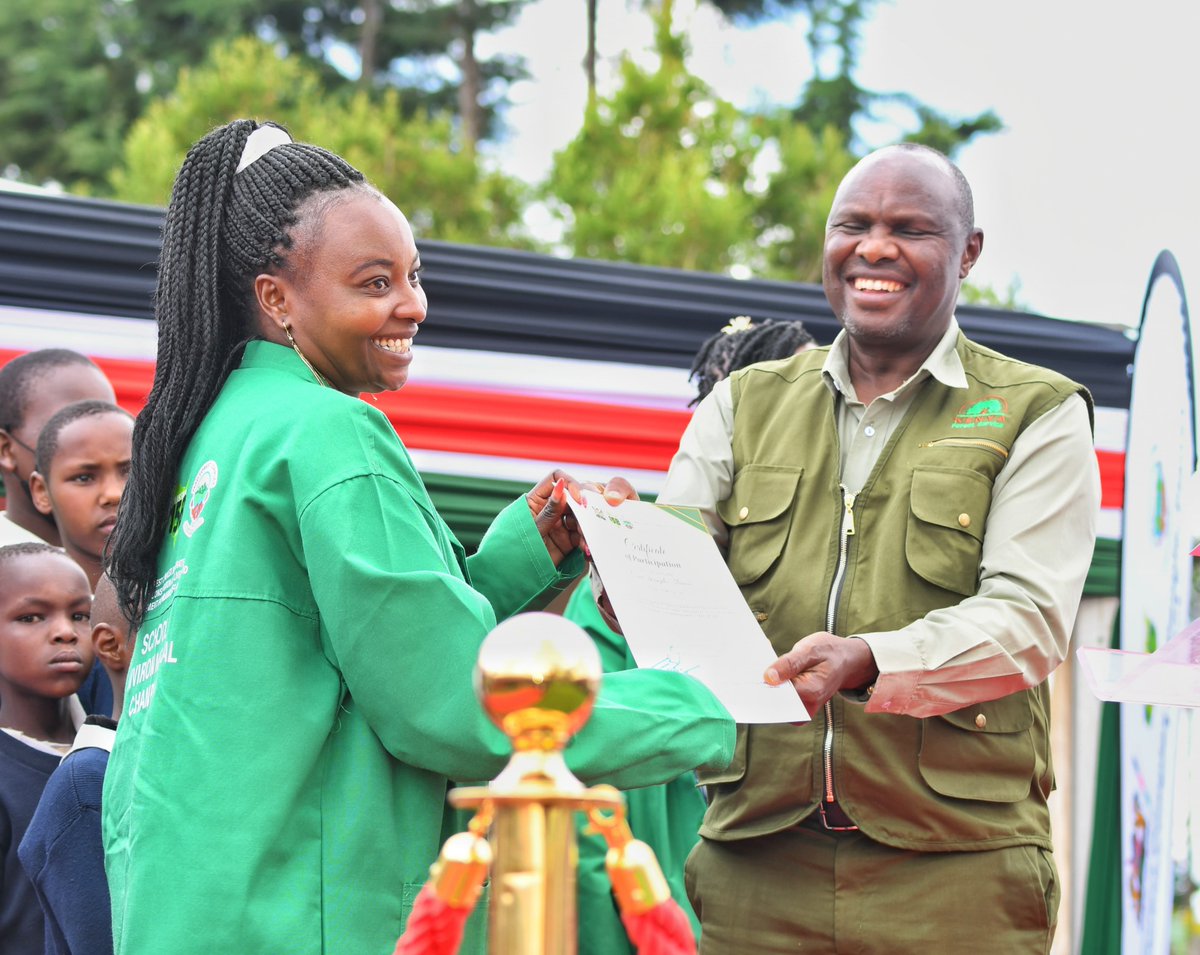
We also launched the Environmental Education and Research components of MFC-ICLIP, including manuals to guide Environmental Patrons in our primary and secondary schools. Through structured learning and environmental clubs, we are investing in a generation of young people who will not only understand conservation but will see themselves as frontline stewards of our environment.
The future of the Mau will be defined by the choices we make today. Protecting this ecosystem while creating opportunities for communities is a responsibility we must embrace together.
I appreciate the leaders, professionals and partners who joined us in this important conversation, including PS Parliamentary Affairs Dr. Aurelia Rono, PS Environment and Climate Change Dr. Eng. Festus K. Ng’eno, Nakuru Deputy Governor H.E. Dr. David Kones, Kuresoi North MP Hon. Alfred Mutai, Rongai MP Hon. Paul Chebor, Nakuru Woman Representative Hon. Liza Chelule, Kuresoi South MP Hon. Joseph Tonui, among other leaders.
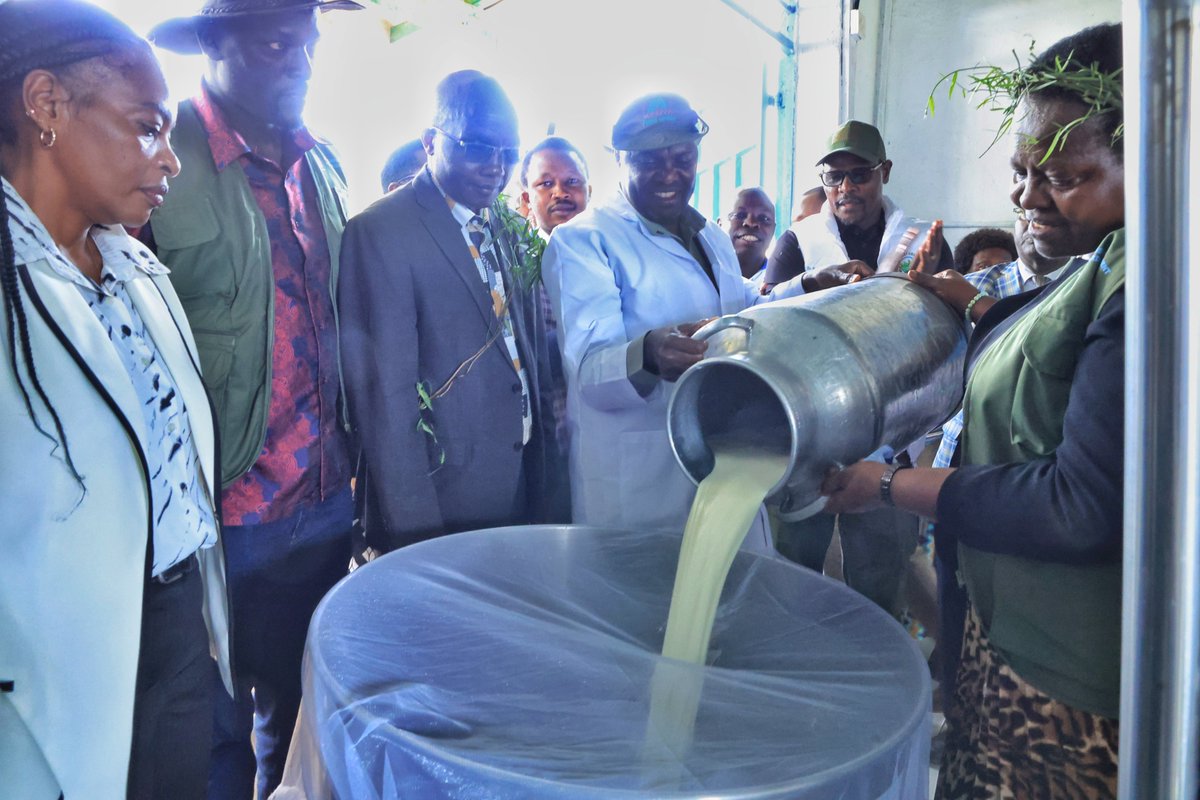
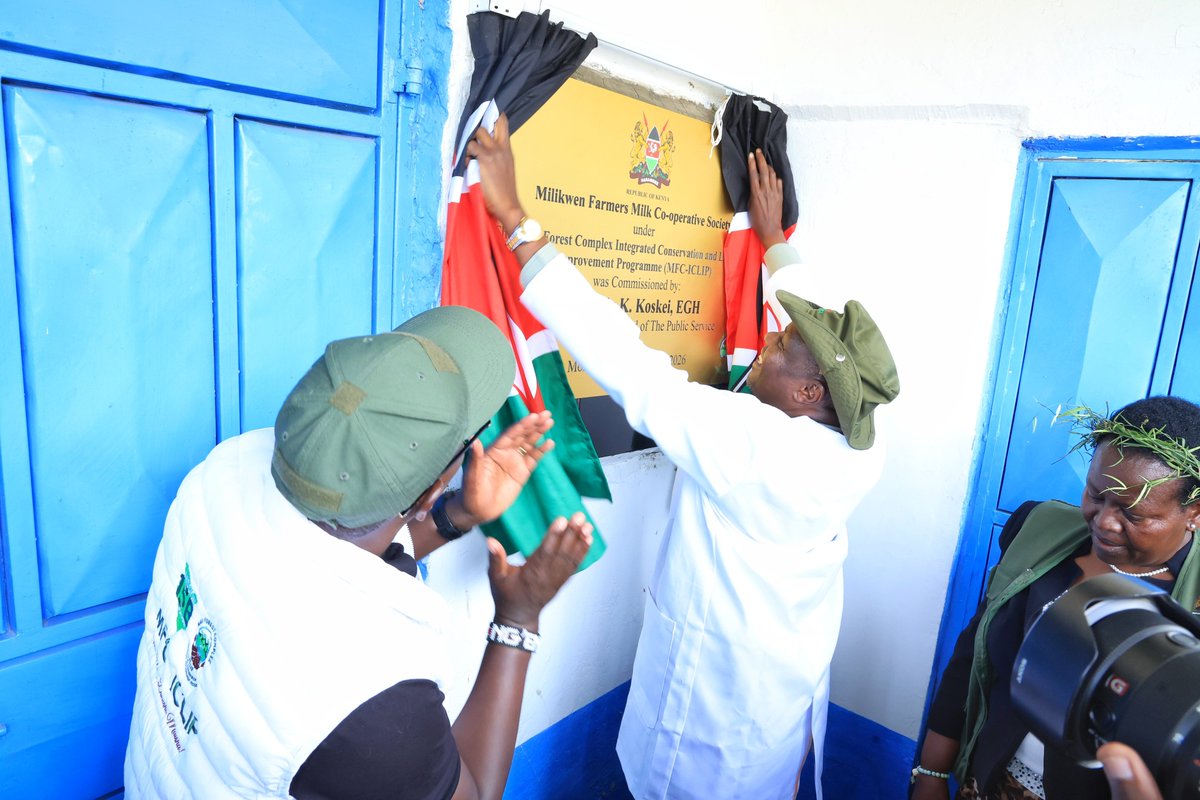
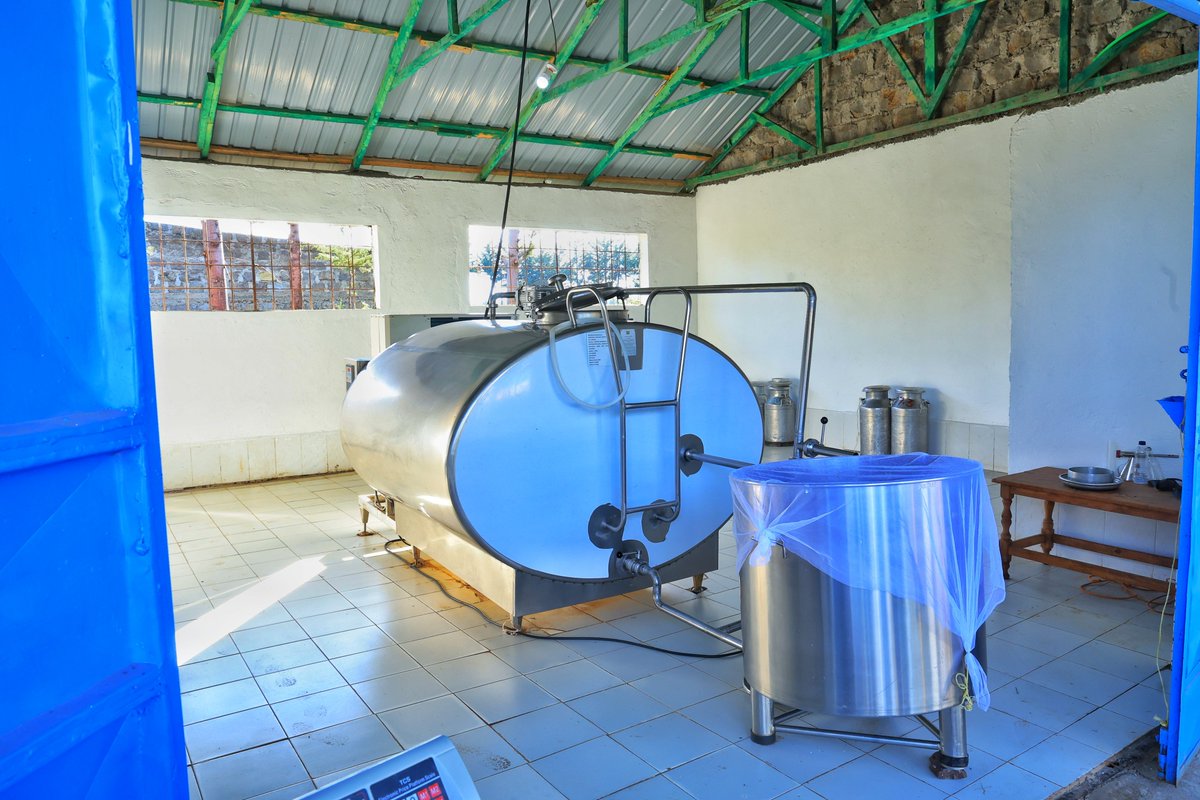
In Bararget, Kuresoi South, inspected and commissioned a new 2,000-litre milk cooling plant at Milikwen Farmers Cooperative Society supported by the Mau Forest Complex Integrated Conservation and Livelihood Improvement Programme.
The investment is already transforming livelihoods, with the plant enabling chilling and consolidation of milk locally, cutting transport and electricity costs and drastically reducing losses. This efficiency has restored farmer confidence and enabled the cooperative to raise farm-gate prices twice this year from KSh 47 to KSh 50 and now KSh 53. It is a remarkable grassroots story - started with just 7 members in 2023 and registered in 2024, the Society now has 496 members collecting about 1,600 litres daily, with volumes set to rise sharply with the new cooler.
This dairy initiative and others are at the heart of the MFC-ICLIP agenda of "Linda Mau, Boresha Maisha." The 10-year Programme seeks to restore 33,138 hectares of degraded forest by tackling the drivers of destruction - illegal logging, charcoal burning and encroachment - through sustainable alternative livelihoods. By making dairy profitable via green value chains, we are giving forest-adjacent communities a viable reason to protect, not exploit, the Mau Complex.
Kabteta Milk Cooler Launch
Inspected and officially launched the 2,000-litre solar-powered milk cooler at Kabteta Farmers Cooperative Society in Nyota-Tarakwa, Kuresoi North.
Established in mid-2023 as a Self-Help Group bringing together farmers from Kapsir, Burgei, Tendwet and Tarakwa villages (KABTETA), the group was registered as a cooperative in September 2024. Today, it has grown to 198 members, bulking between 1,200 and 2,000 litres of milk daily—up from just 100 litres.
Donated through MFC-ICLIP, the solar-powered cooler has significantly reduced milk wastage while helping raise farm-gate prices from KSh 36 to KSh 54 per litre.
This is a practical example of how forest conservation can go hand in hand with improved livelihoods—empowering communities while promoting sustainable use of natural resources.
The launch was attended by PS Parliamentary Affairs Dr. Aurelia Rono; PS Environment and Climate Change Dr. Eng. Festus K. Ng’eno; Nakuru Deputy Governor H.E. Dr. David Kones; Kuresoi North MP Hon. Alfred Mutai; Rongai MP Hon. Paul Chebor; Nakuru Woman Representative Hon. Liza Chelule; Kuresoi South MP Hon. Joseph Tanui; other leaders and stakeholders.
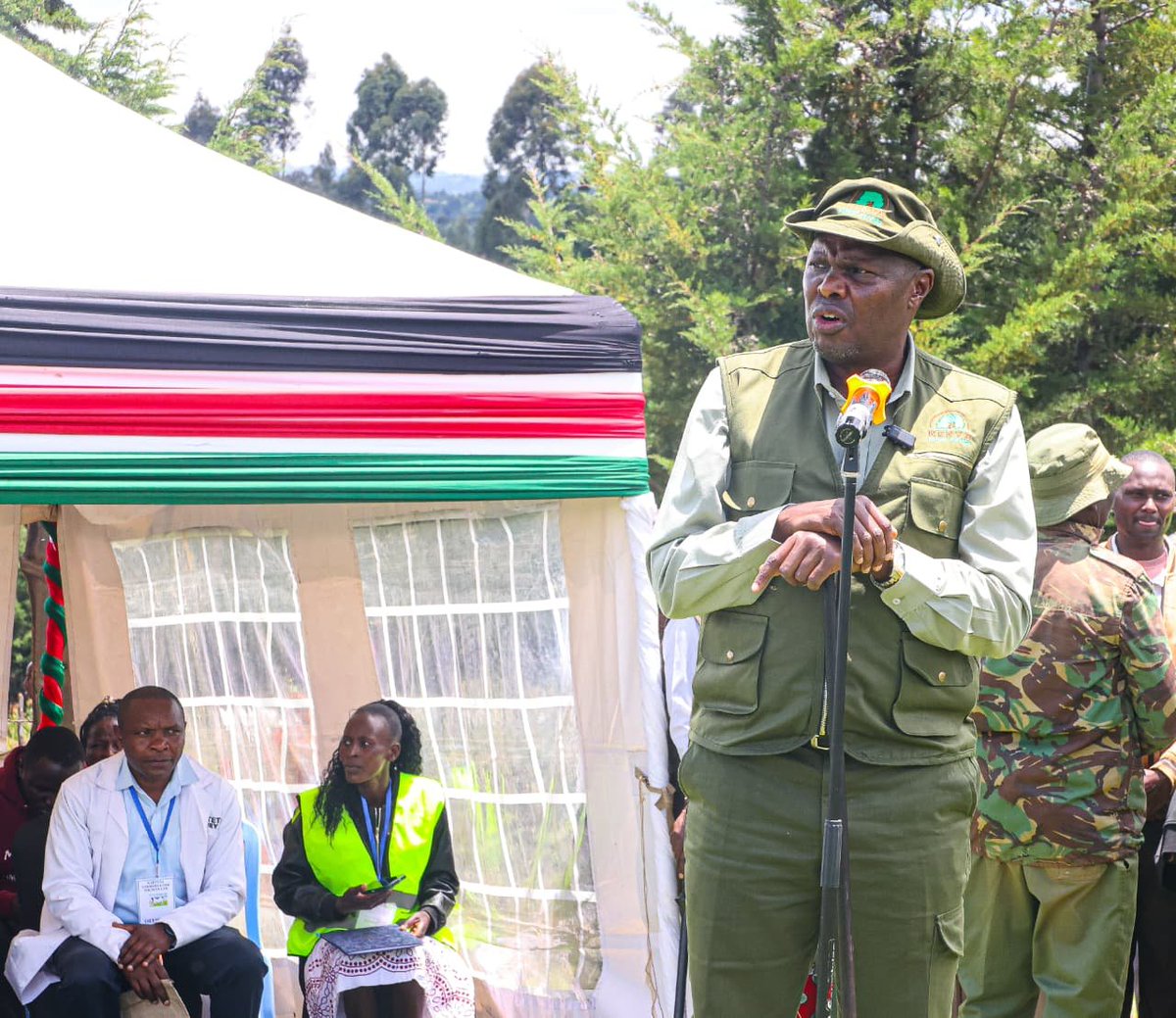
On a working tour of the Mau Forest Complex in Kuresoi North & South which is undergoing rehabilitation through the Mau Forest Complex Integrated Conservation & Livelihood Improvement Programme (MFC-ICLP).
Our first stop was at Mengit Irrigation Dam in Nyota Ward, Kuresoi North, which is set for full rehabilitation and reticulation.
The team from the State Department for Irrigation and consultants took us through the dam design, the rehabilitation works, storage capacity, reticulation network covering 600 acres, and the implementation timelines. We also held a baraza with the local community on the project scope, their participatory role in the works, and in the broader conservation of the Mau Complex.
The KES 150 million project targeting 1,000 households is a game-changer. It will secure reliable water, boost food production and household incomes, and build climate-resilient livelihoods.
This is critical because the Mau Complex is Kenya's largest water tower, feeding Lake Victoria, the Mara River, and sustaining millions of livelihoods beyond the region. Restoring it is securing Kenya's water security, food security and climate future.
Present were PS for Environment Dr Eng Festus Ng'eno, PS Parliamentary Affairs Dr. Aurelia Rono, PS Irrigation Ephantus Kimotho, Kuresoi North MP Hon. Alfred Mutai, Nakuru Woman Representative Lisa Chelule and NETFUND CEO Samson Toniok, among other leaders.
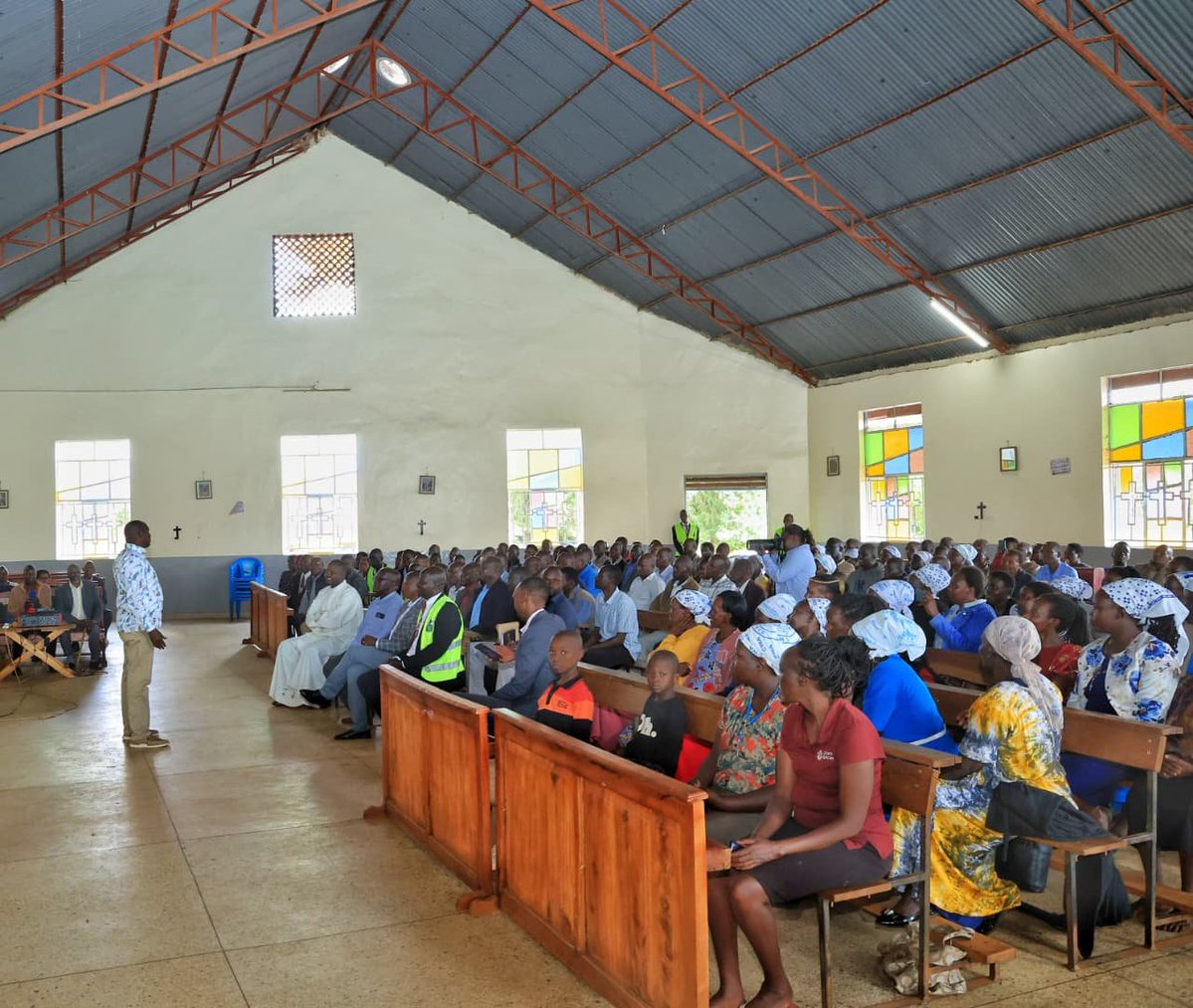
We also inspected the completed air-conditioning project at St Patrick’s Chemnoet Parish in Mosop.
It was encouraging to see the system working well and making the church a more comfortable place for worship and fellowship. We were pleased to support the project to completion.
Wishing the parish continued grace and growth in faith and service.
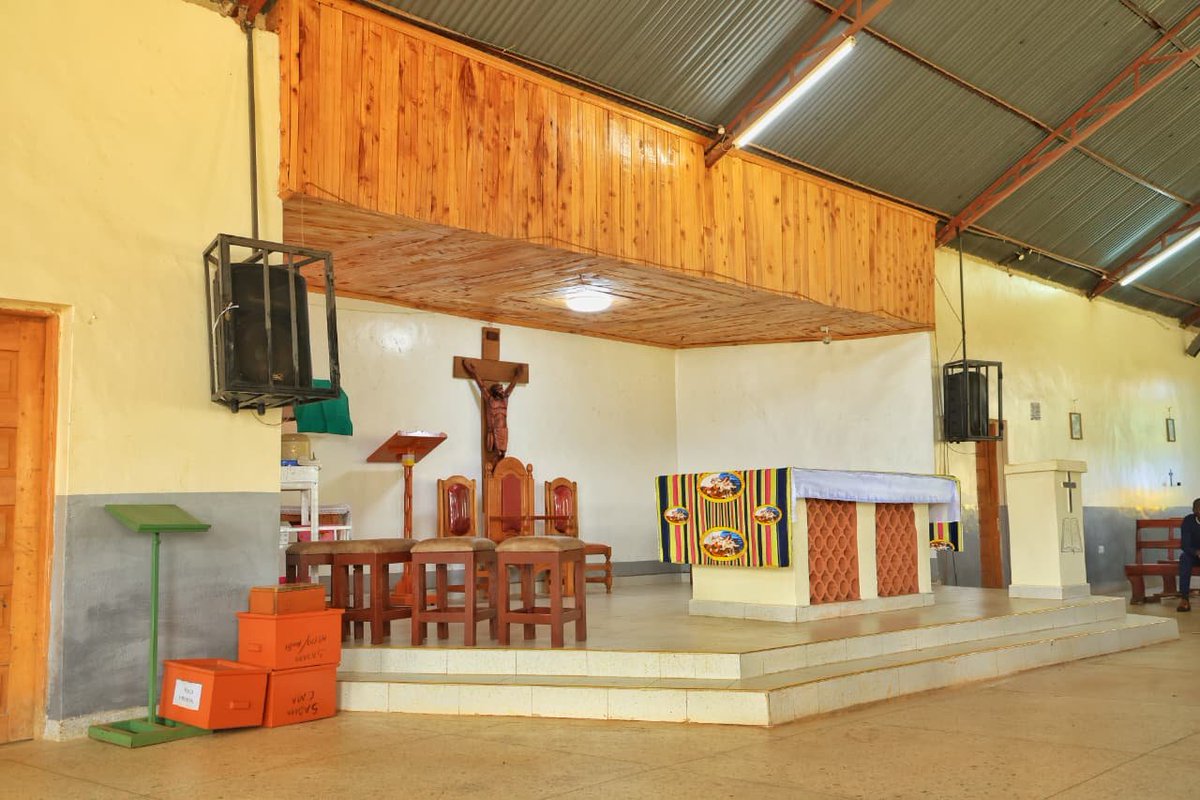
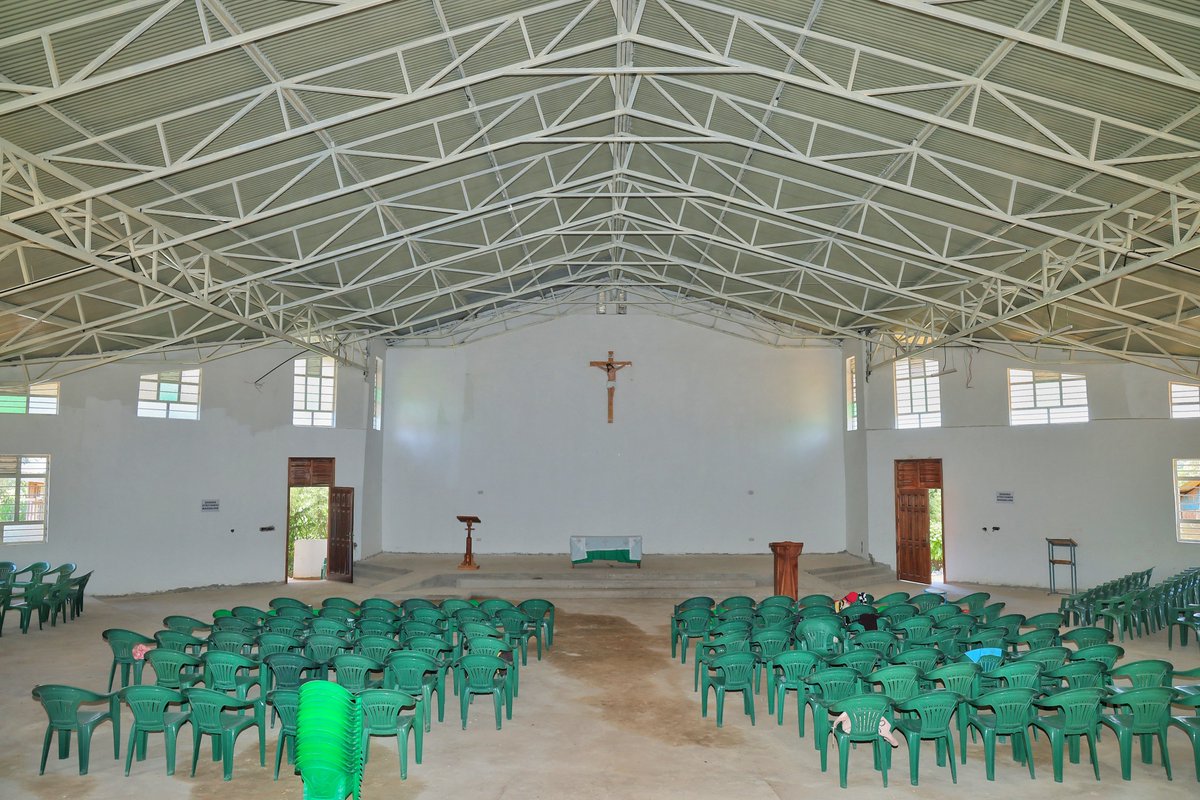
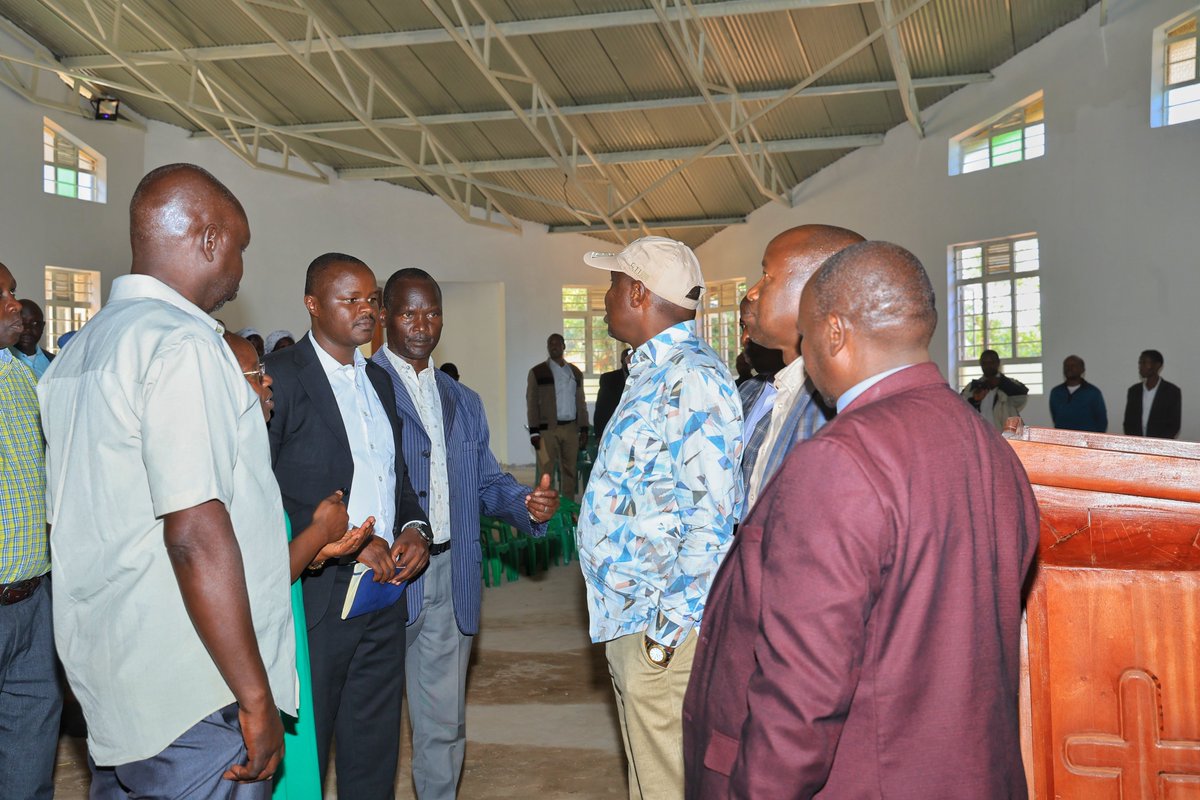
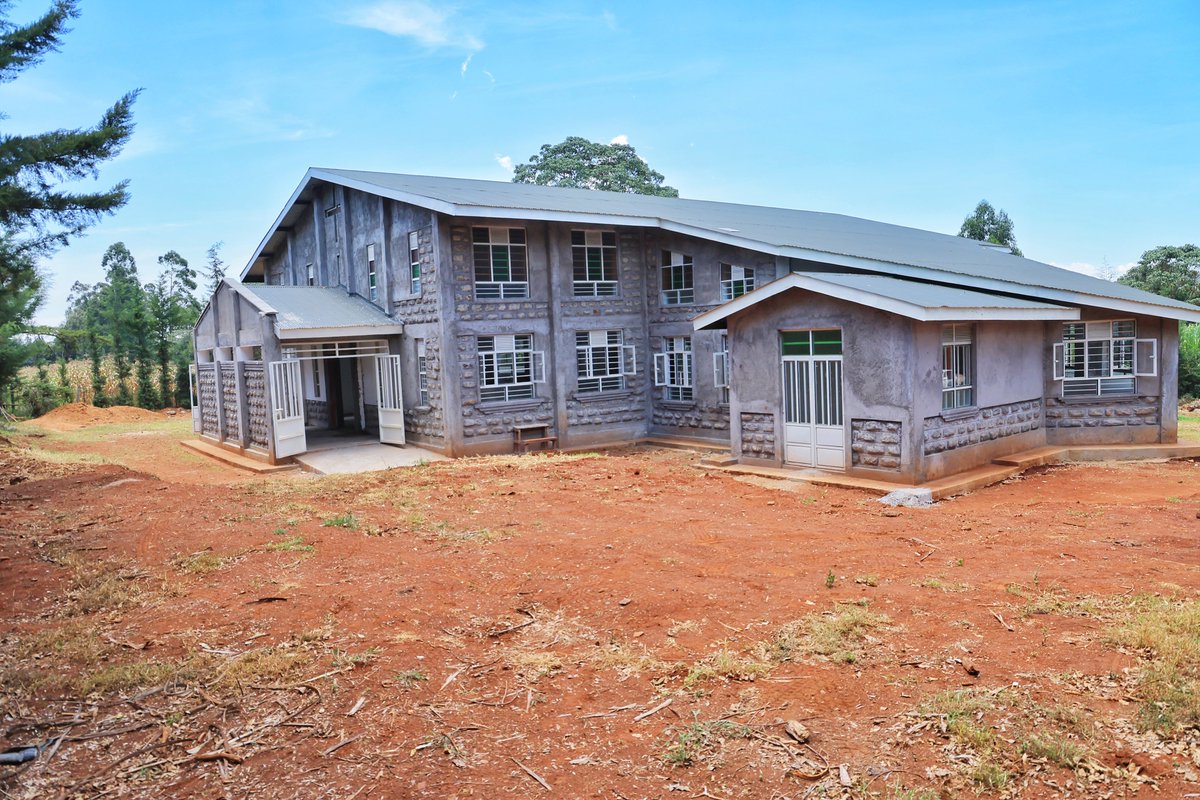
Later in the afternoon, we visited St Francis Catholic Church, Katanin, Ndalat Parish, in Mosop Constituency, Nandi County, to assess the progress of the ongoing church construction.
Having been here earlier in the year, it was encouraging to return and see the new church building now over 80 per cent complete. It was fulfilling to see the support extended to the project translating into tangible progress. Once completed, the facility will provide an important centre for worship, fellowship for the congregation.
An evening with Nandi’s finest.
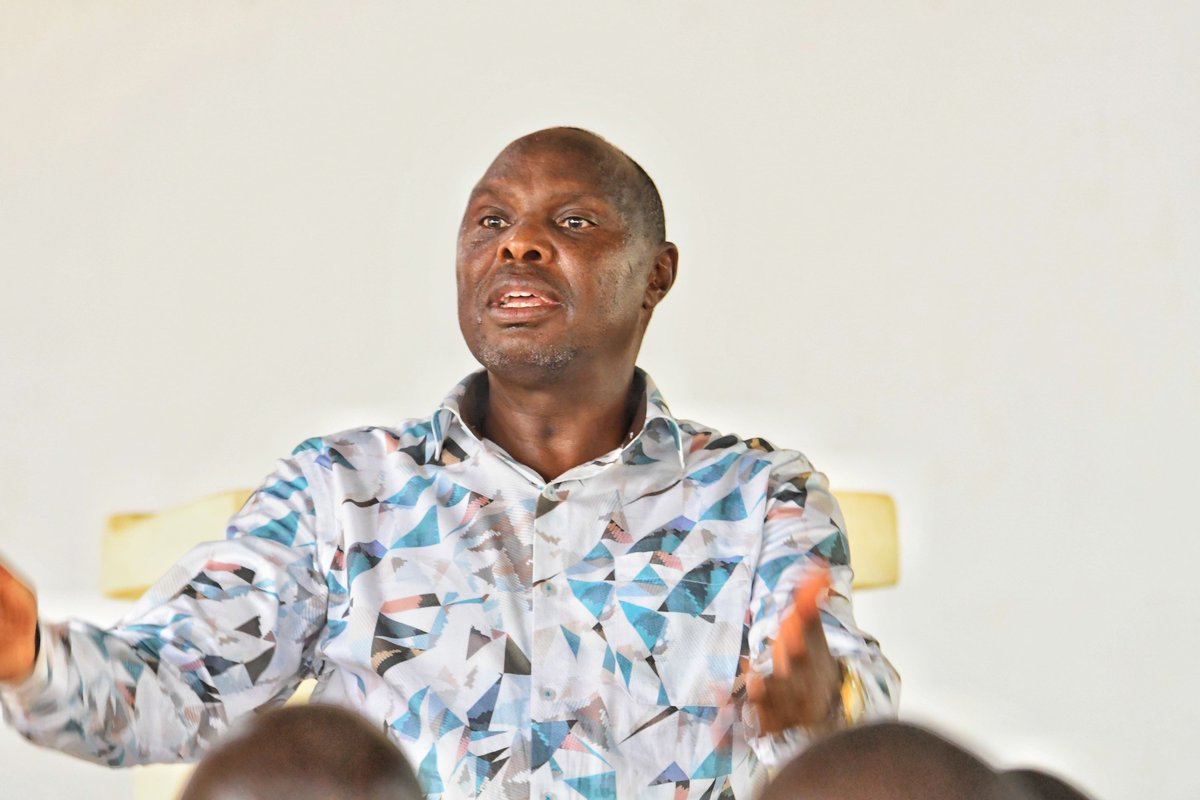
A good conversation with professionals from Nandi on how skills, experience and expertise can contribute to development and shared prosperity.
Professionals have a responsibility to stay connected to home and give back by mentoring the next generation, creating opportunities for young people, sharing knowledge, supporting local enterprise and applying their expertise to address societal challenges.
Government, the private sector and communities all have a role to play. Together, we can turn knowledge, skills and experience into practical solutions that improve lives.
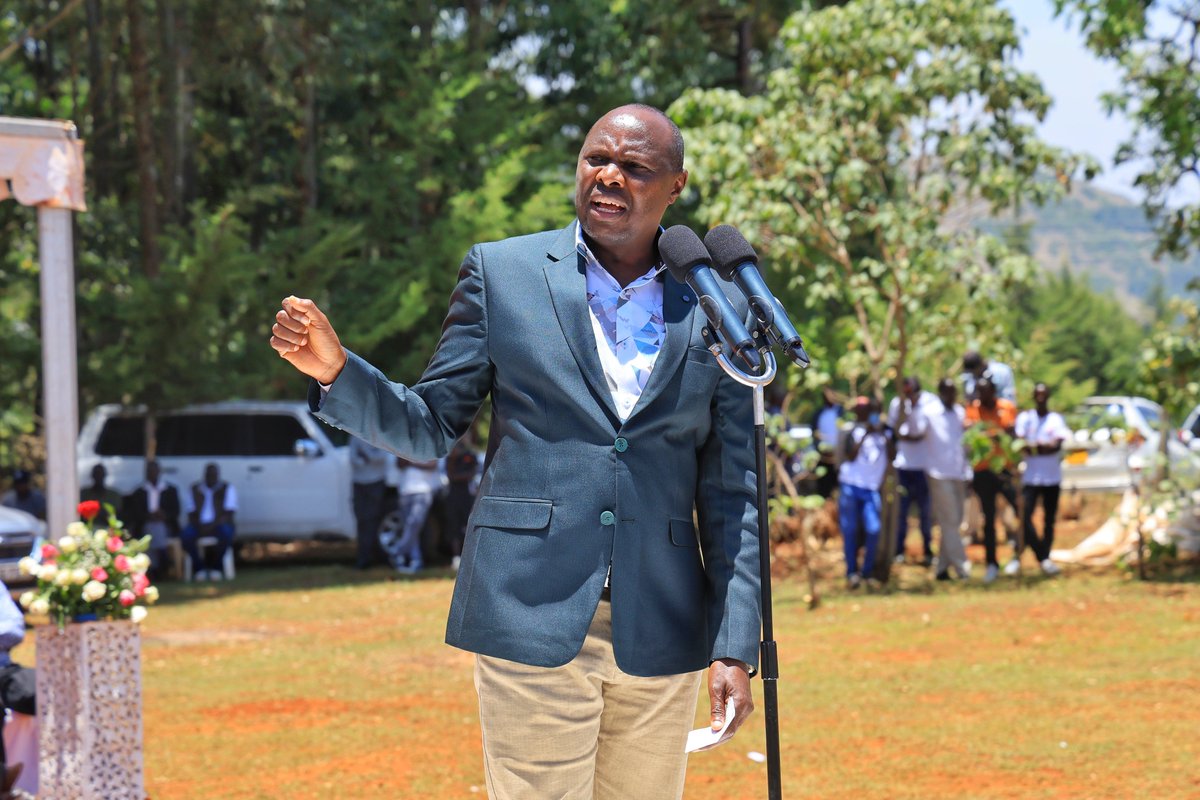
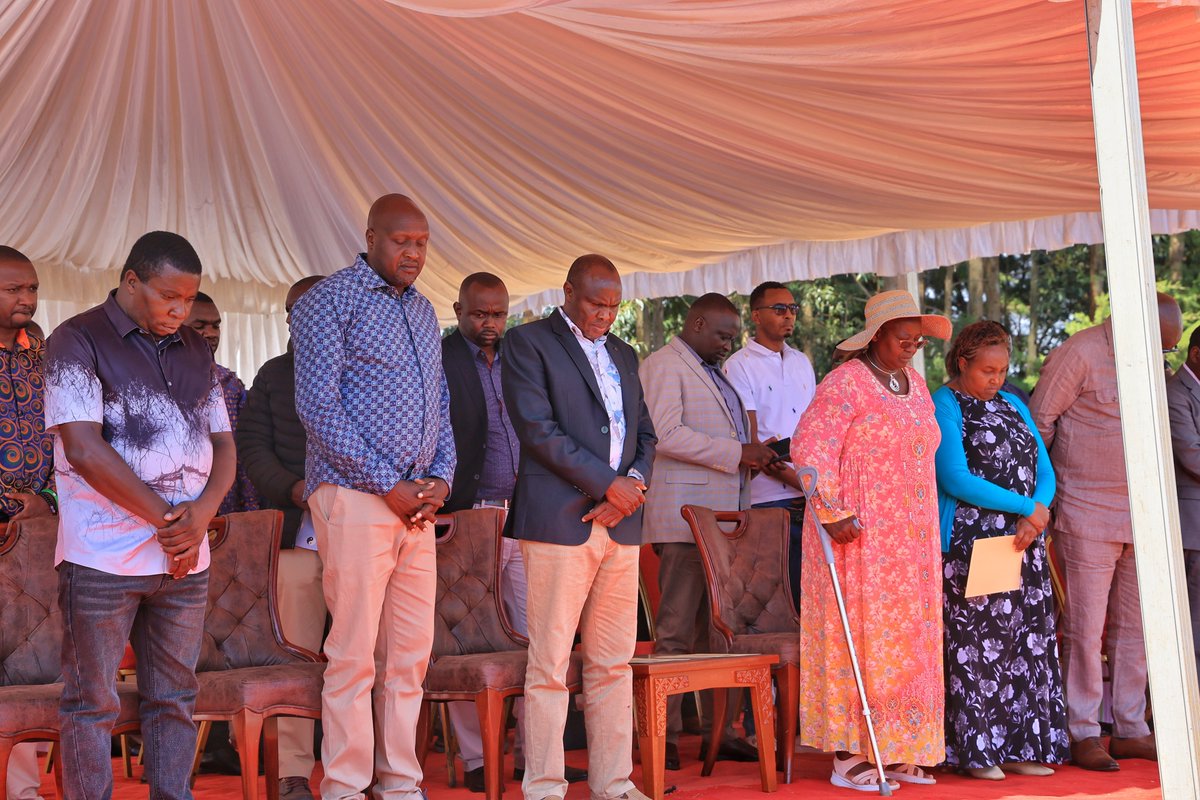
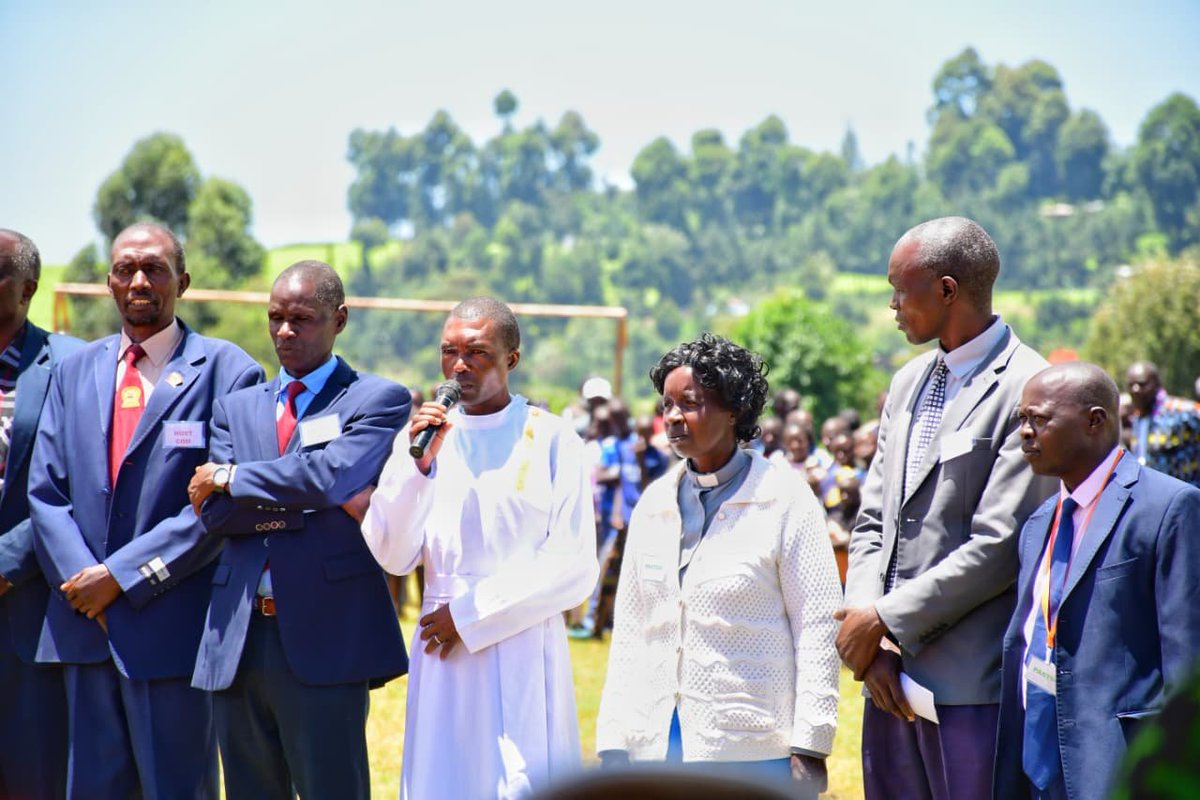
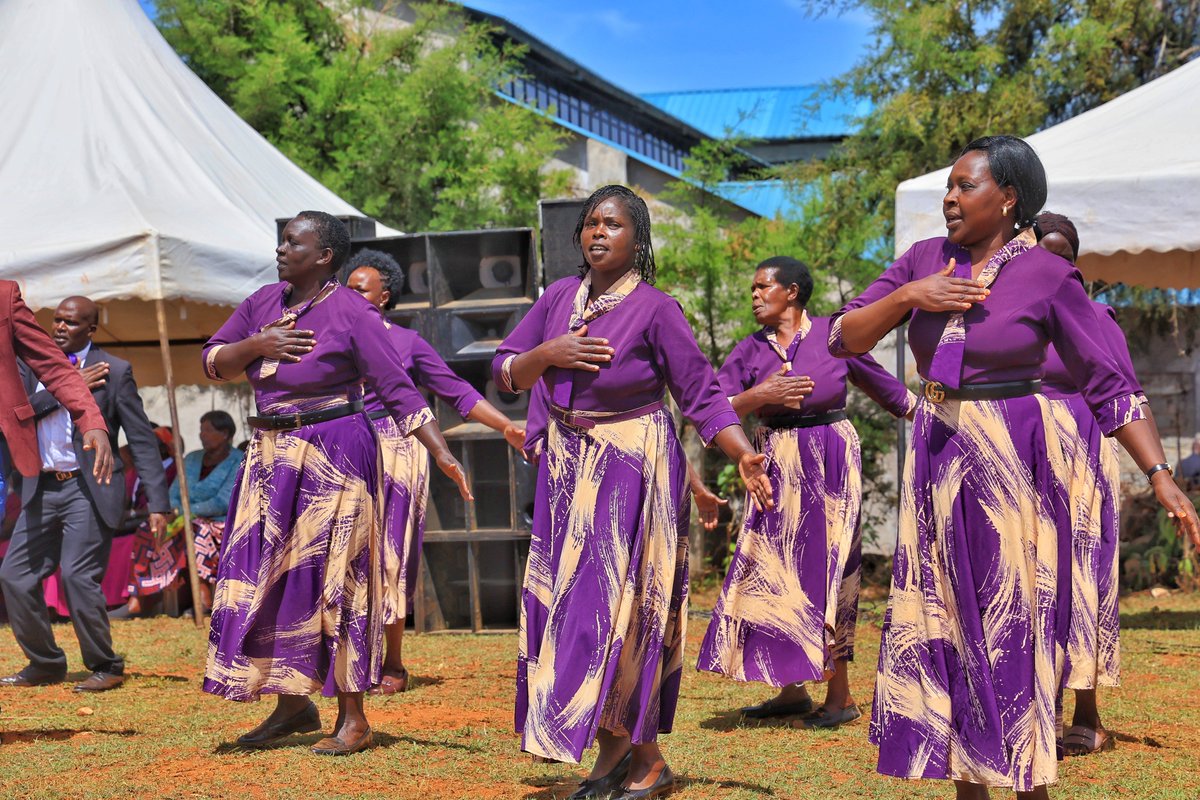
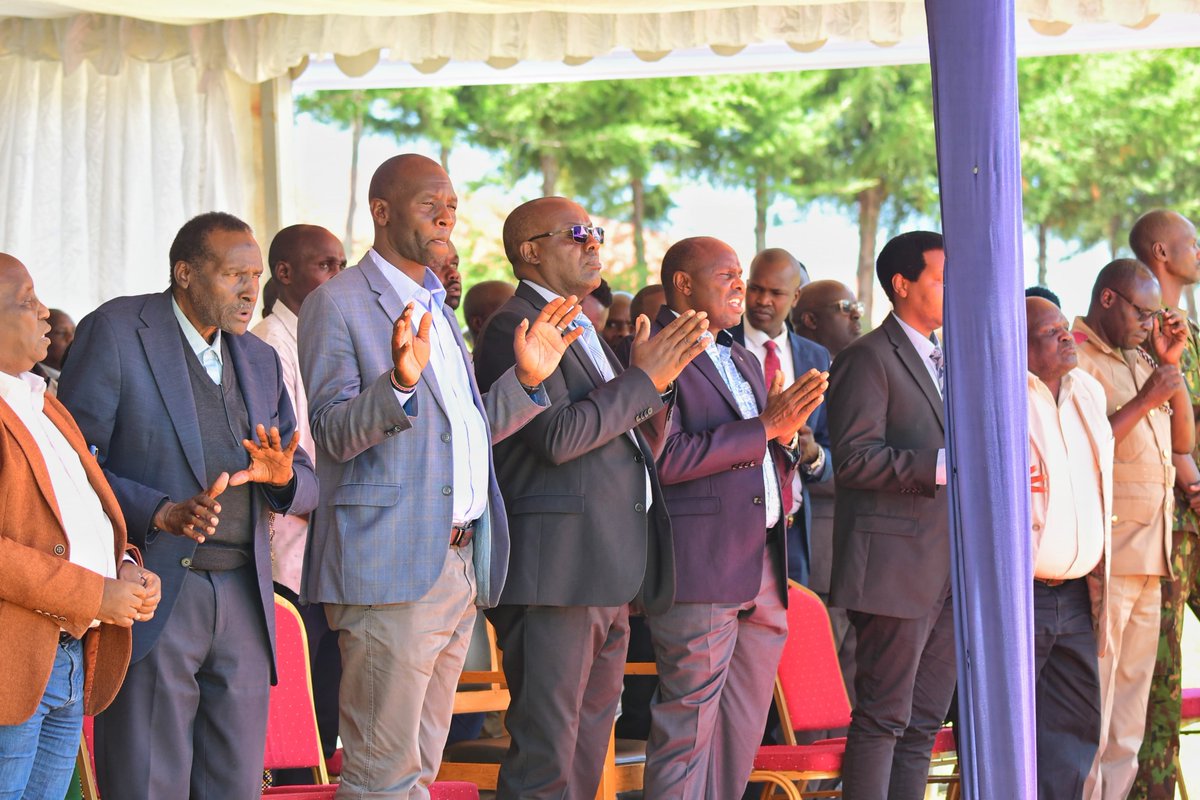
A beautiful, sunny Sunday at Cheptabach, Chepkunyuk Ward, Nandi Hills Constituency, Nandi County, where we shared in praise and worship during an Interdenominational Thanksgiving Service.
The service brought together believers from six local churches: the Anglican Church of Kenya (ACK), Baptist Church, Catholic Church, Full Gospel Churches of Kenya (FGCK), Pentecostal Assemblies of God (PAG) and Seventh-day Adventist Church (SDA).
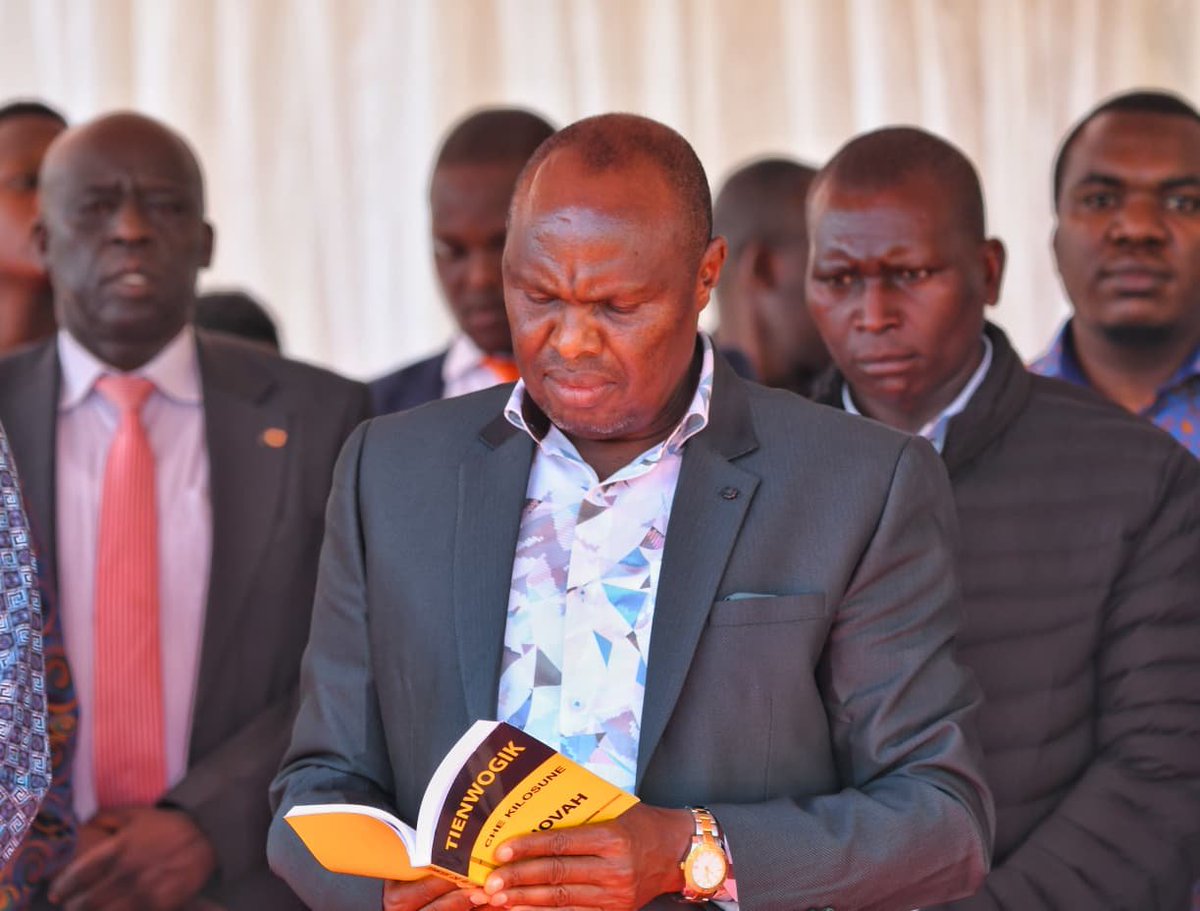
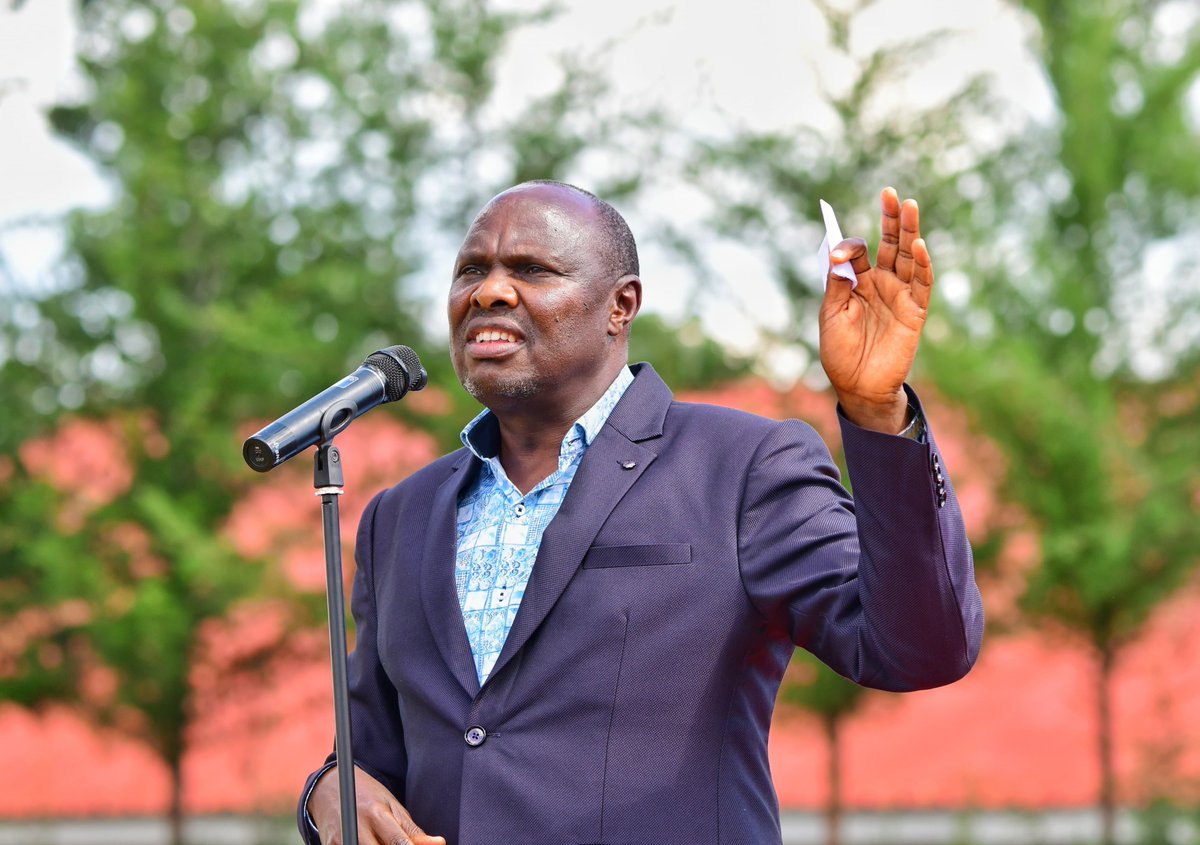
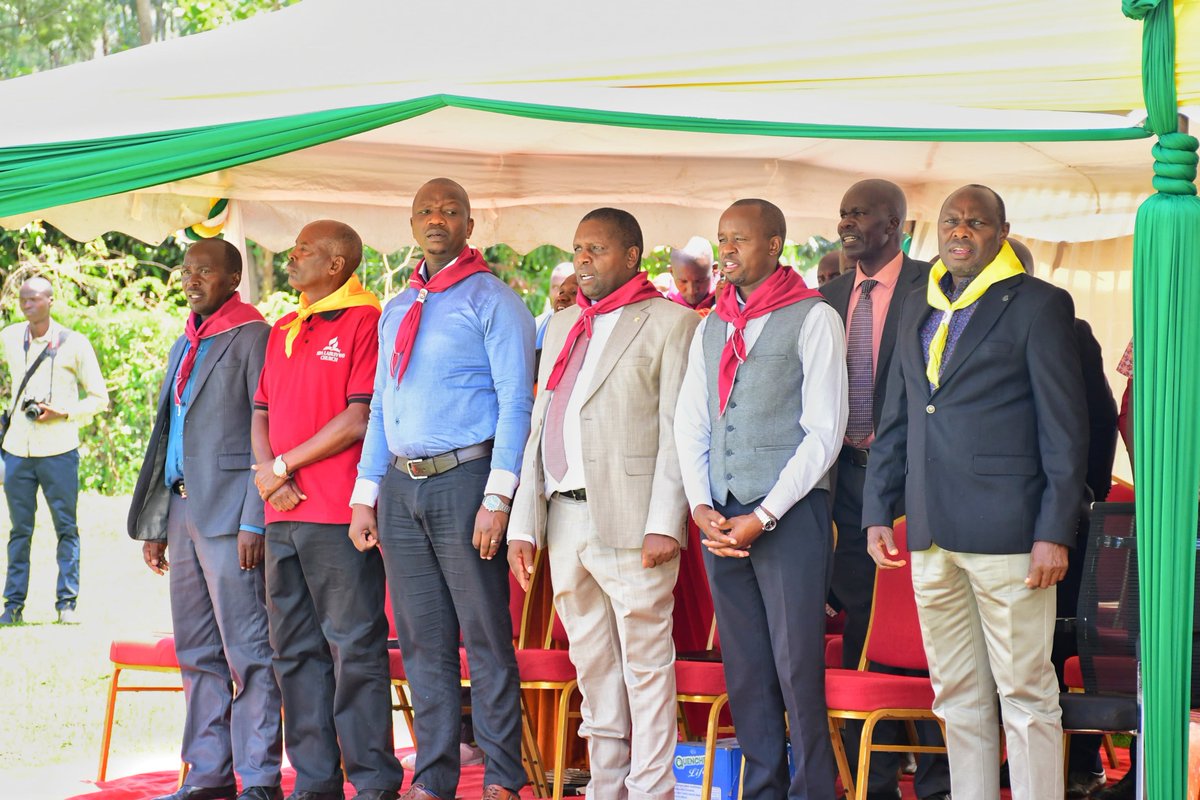
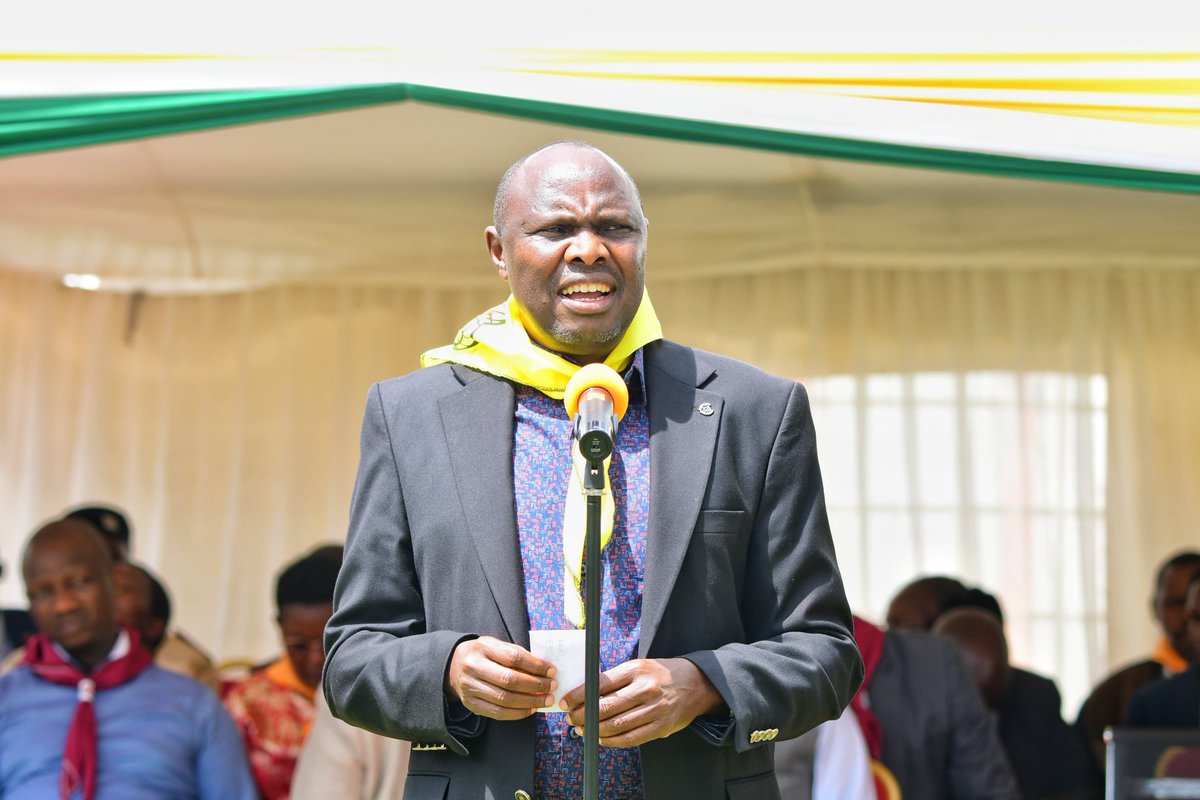
Worshipped with Adventists during a Sabbath Day service at Meteitei Youth Polytechnic, Kapchorwa Ward, Nandi Hills Constituency, Nandi County.
The service commemorated World Pathfinder Day 2026 under the theme, “Speak, Lord”, drawn from 1 Samuel 3:9. The sermon was delivered by Pastor Nathan Rotich, who leads the youth ministry in the West Rift Valley Field, Nandi County.
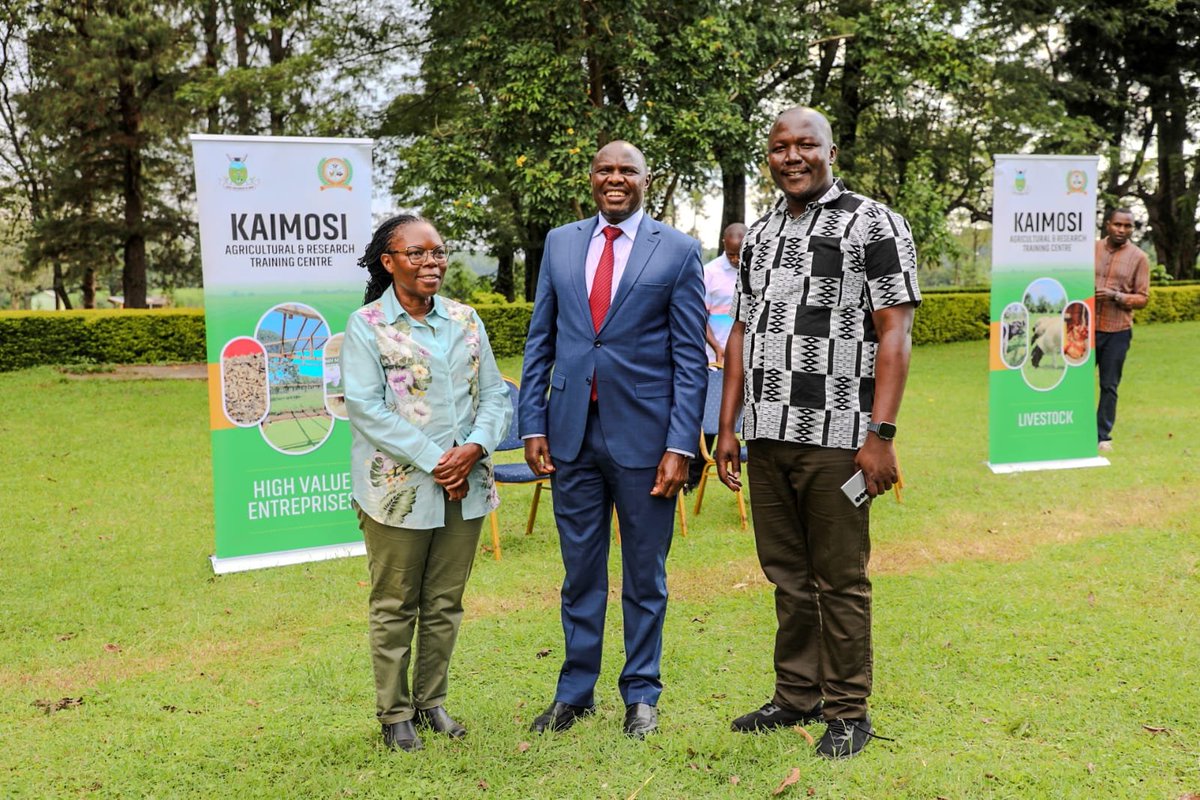
Today, we participated in the Board-level validation of an agroecology-based curriculum at Kaimosi Agricultural Training Centre (KATC) in Nandi County. The curriculum was co-created by the Food and Agriculture Organization of the United Nations (FAO) and KATC.
The curriculum will promote practical, farmer-oriented training, support climate-smart and sustainable farming, and equip farmers and agricultural practitioners with skills relevant to Kenya’s evolving food systems.
Present were Ms Farayi Zimudzi, FAO Representative in Kenya; Mr Hamisi Williams, Deputy FAO Representative; CPA Prisca Muigei, Chief Officer for Finance and Economic Planning, County Government of Nandi; Dr Leah Kasera, Board Member; and Dr Levi Kachilei, Centre Director.