Google lanzó la herramienta que todo desarrollador pedía desde hace años.
Se llama CodeWiki.
Pegas cualquier repositorio y la IA lo convierte automáticamente en una documentación interactiva.
No solo resume el código:
• Genera diagramas automáticamente
• Explica cómo funciona cada parte
• Crea tutoriales paso a paso
• Detecta arquitectura y dependencias
• Y hasta monta un chatbot que entiende tu código completo
Básicamente:
convierte proyectos imposibles de entender en algo que cualquier desarrollador puede navegar en minutos.
Enlace abajo👇
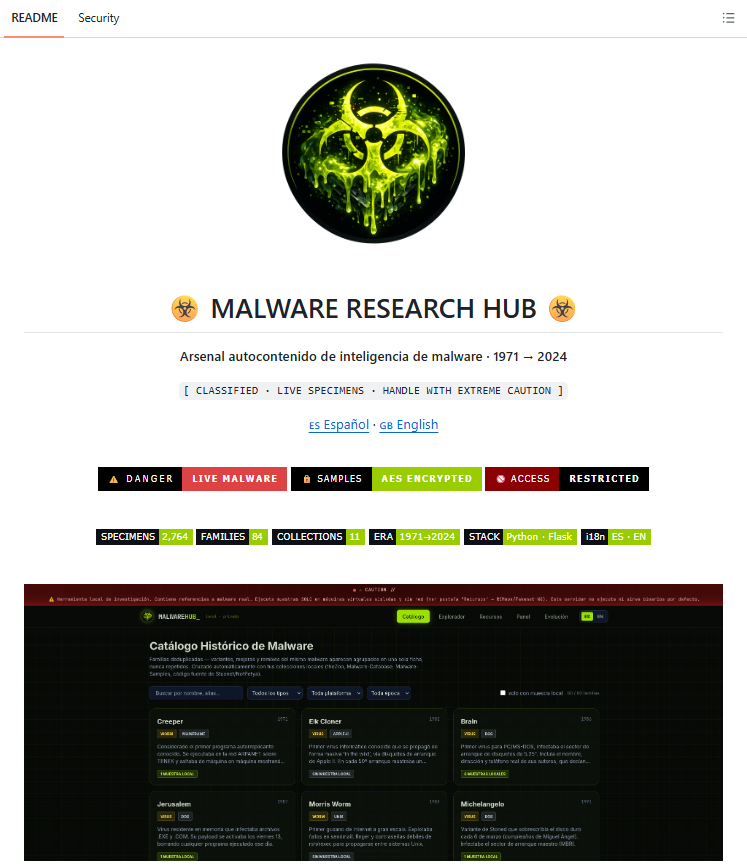
🚨 Acaban de liberar una de las mayores bases de datos de malware en GitHub.
Se llama Malware Research Hub y contiene miles de muestras recopiladas durante más de 50 años para que investigadores y profesionales de ciberseguridad puedan analizarlas en entornos controlados.
Esto es lo que incluye:
→ 2.699 muestras de malware de diferentes épocas
→ Especímenes de familias como Stuxnet y LockBit
→ Un catálogo forense con 80 familias documentadas
→ Herramientas para investigadores y analistas de seguridad
→ Muestras aisladas y cifradas para reducir el riesgo de ejecución accidental
Lo más importante:
No estamos hablando de simulaciones ni ejemplos creados para un curso.
El repositorio contiene malware real y debe tratarse únicamente en laboratorios aislados y siguiendo estrictamente sus reglas de contención.
Es un recurso orientado al análisis, investigación y formación práctica en ciberseguridad.
Repo 👇
New in Claude Code: your sessions can now message each other.
Instead of having to re-explain yourself in another session, you can now tell Claude to do it. It sends a summary (not your history or files), and the other session picks it up mid-task.
Today we are releasing Cloudflare OS, a chatbot with connectors, just like every other tech company is doing.
Except actually, it's different. This is a remake of Sandstorm[.]io, my startup from 10 years ago, except this time built on Cloudflare Workers (the platform I've spent the last 9 years building) and deeply leveraging AI. This is more or less the culmination of my secret 10-year master plan.
This is a full-on personal app vibe coding platform, in which the sandbox is so secure that you can pretty much go wild -- the AI cannot introduce a significant security bug. We believe a company's security team can feel comfortable giving non-technical users permission to vibe code and then sleep soundly at night.
How is that possible? It's the Sandstorm security model, revisited. A "Gadget" is the same thing as a Sandstorm "Grain": a fine-grained app instance. For example, if you have a document editor app, each document runs as a separate instance of the app, in a separate sandbox (one "Gadget").
This means two things, both of which I think are Big Deals:
1. The platform can manage all access control, by controlling who can access the Gadget at all. There is no way the Gadget can accidentally leak itself to an attacker -- even an attacker who has access to other Gadgets based on the same app.
2. Since everyone is running their own copy of the code, everyone can freely *modify* their copy of the code.
Think about #2 a bit more.
What if, when you wanted a new feature in the software you are using, you could just prompt your agent to add it?
This doesn't work in the cloud Software-as-a-Service model, because you are not running your own copy of the app.
Sandstorm tried to change that 10 years ago, but the world wasn't ready, because not enough people had the skills or patience to actually modify their software. AI has changed that. Now you just ask the agent -- the same agent that you are using to help you interact with the Gadget can also modify the code of the Gadget.
And it is so fun.
https://t.co/qzwdrAQhtK
Beginning July 20, Claude Fable 5 will be included in all Max and Team Premium plans, at 50% of limits.
Pro and Team Standard users will continue to have access to Fable via usage credits, and will receive a one-time $100 credit.
Demand for Fable has been challenging to predict, which is why we rolled it out to subscription plans in stages, extending access several times as we secured additional capacity.
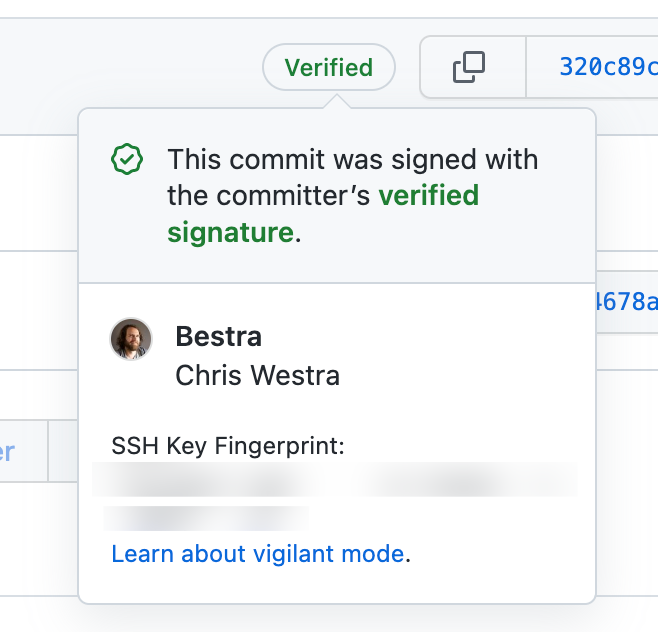
‼️ BREAKING: New research shows you can copy any signed GitHub commit into a second one that looks identical, without the author's secret key, creating a distinct commit with an identical tree, identical metadata, a valid signature, and a "Verified" badge from GitHub.
On GitHub, a green "Verified" badge is supposed to mean two things: a trusted author signed it, and its ID is a one-of-a-kind fingerprint for that exact code. A new Carnegie Mellon preprint from Jacob Ginesin says the second promise, the unique fingerprint, does not hold.
Why it matters: security teams and package systems (behind tools like Go, Nix, and GitHub Actions) trust that ID as a unique handle for code. Block or pin the "bad" version, and an attacker can re-issue the same signed code under a fresh, still-verified ID that slips past. The author says Git and GitHub have not fixed it.
PoC: https://t.co/b2CevCtpcd