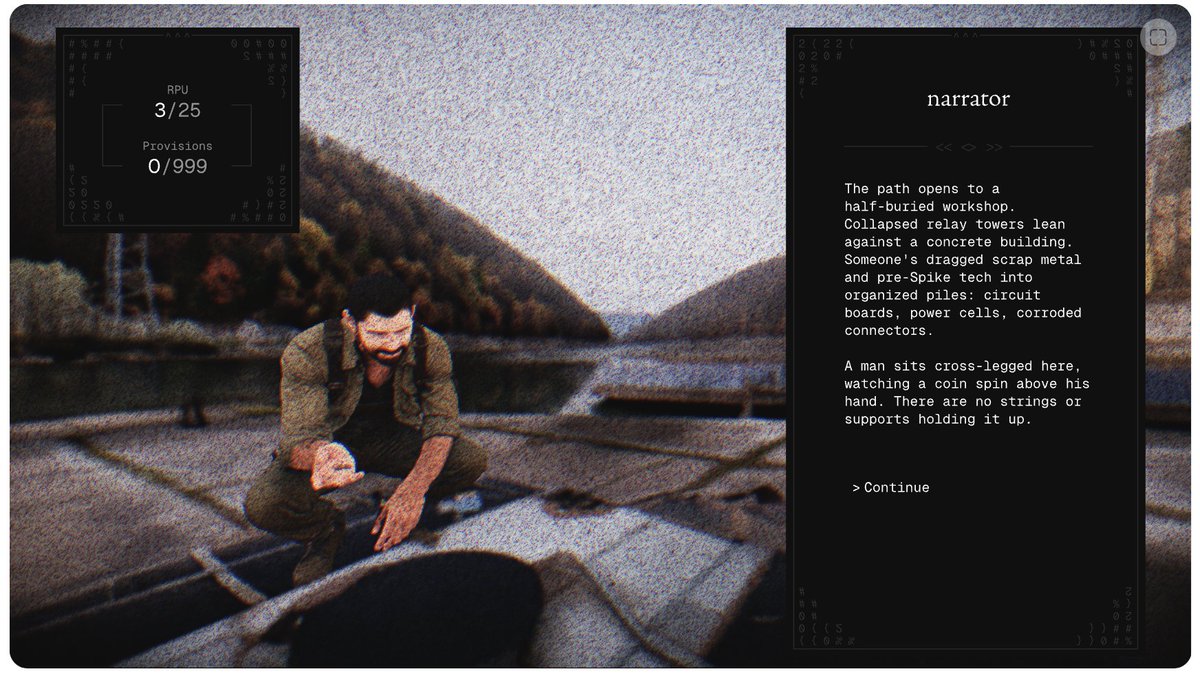
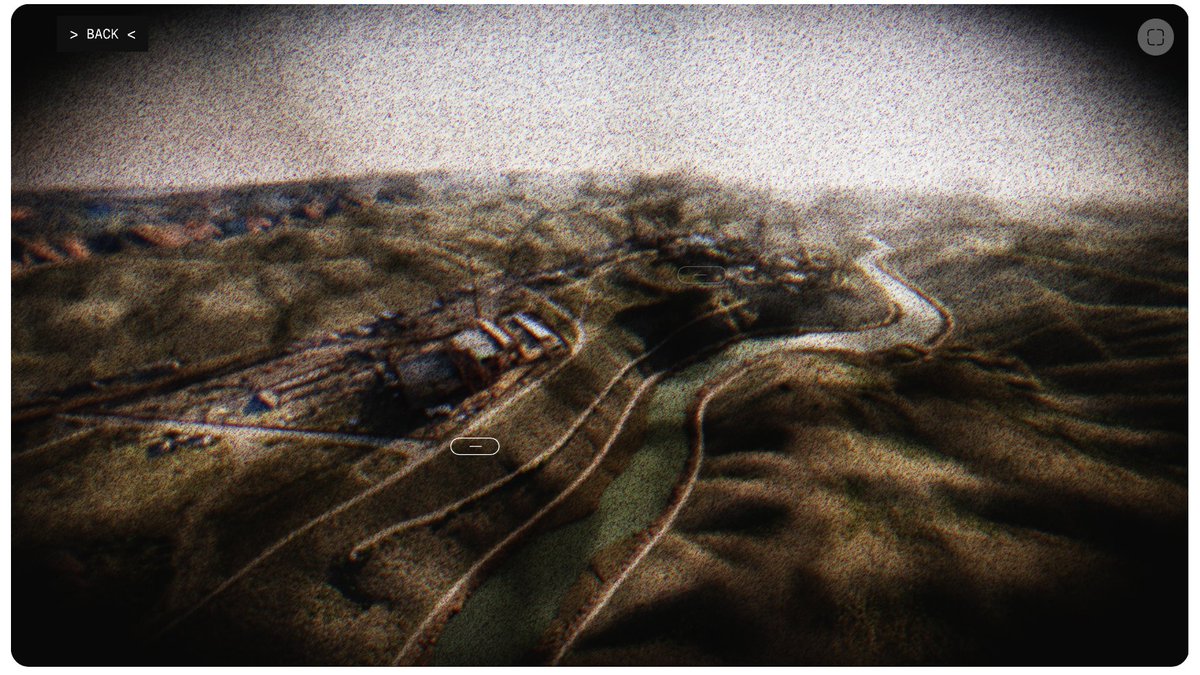
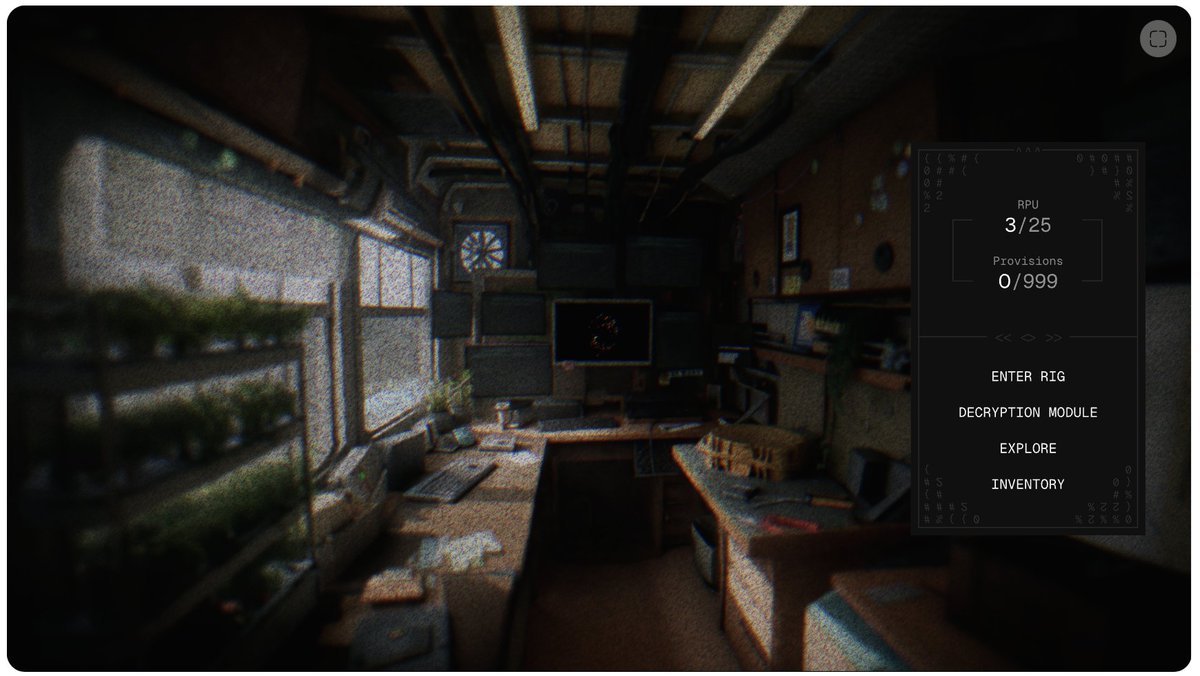
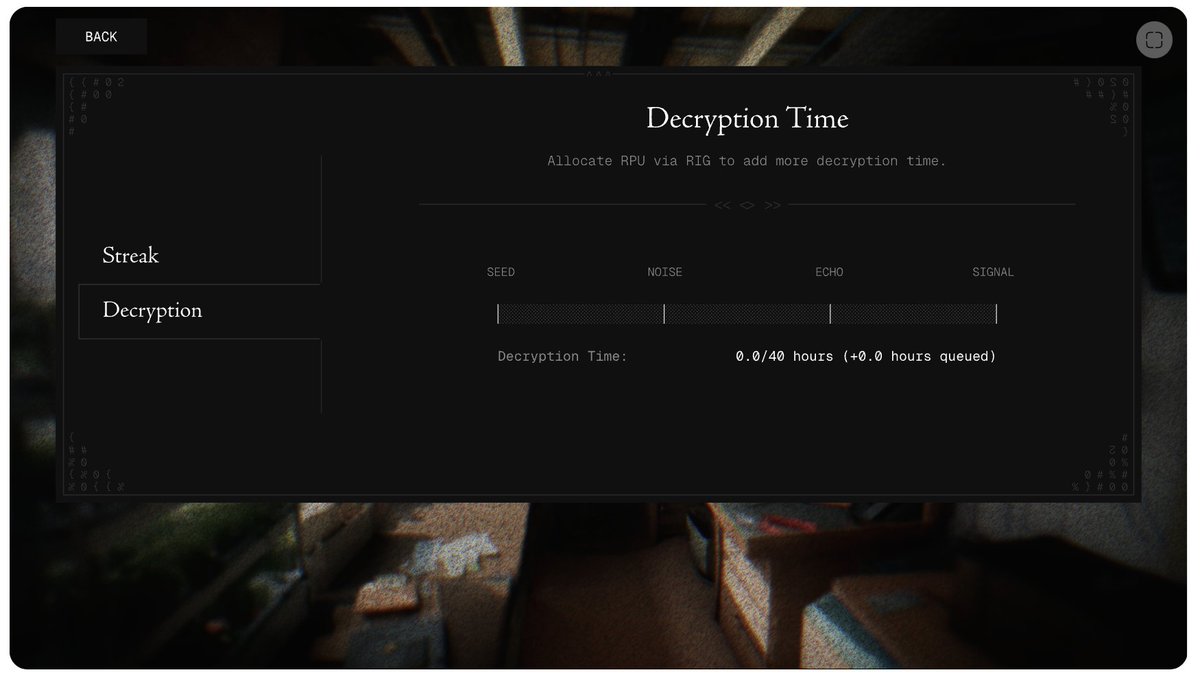
Your first peek inside the #Artefact experience.
Early screens from Episode 01 — your Rig, the map, and the opening steps of decryption.
More details + official onboarding guide: https://t.co/aQm5b9R1cO
Loryn Brantz’s Good Advice Cupcake dispute is a creator-rights warning for every animator.
If a character carries your voice, personality, or authorship, lock down consent, credit, participation, and AI-use terms before it becomes someone else’s scalable IP.
Creative communities need more than chat and good intentions.
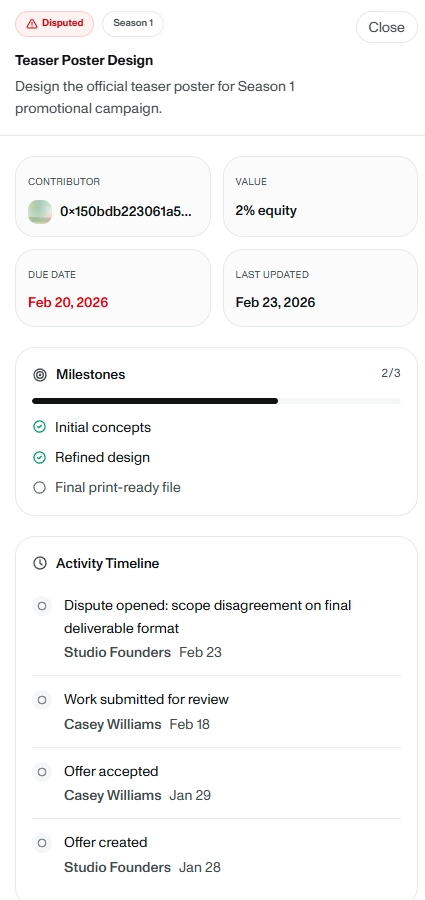
Lamina1 Spaces adds a contribution ledger for offers, reviews, milestones, disputes, cash, equity, and activity history.
The work becomes visible. The record becomes manageable.
The IP Stack - how to turn one story into multiple revenue streams before you ever land a distribution deal:
Characters → merch.
Lore → Patreon.
Shorts → proof of concept.
Feature → negotiating leverage.
Own the stack. Own the leverage.
Fans want to participate. Most platforms only let them react.
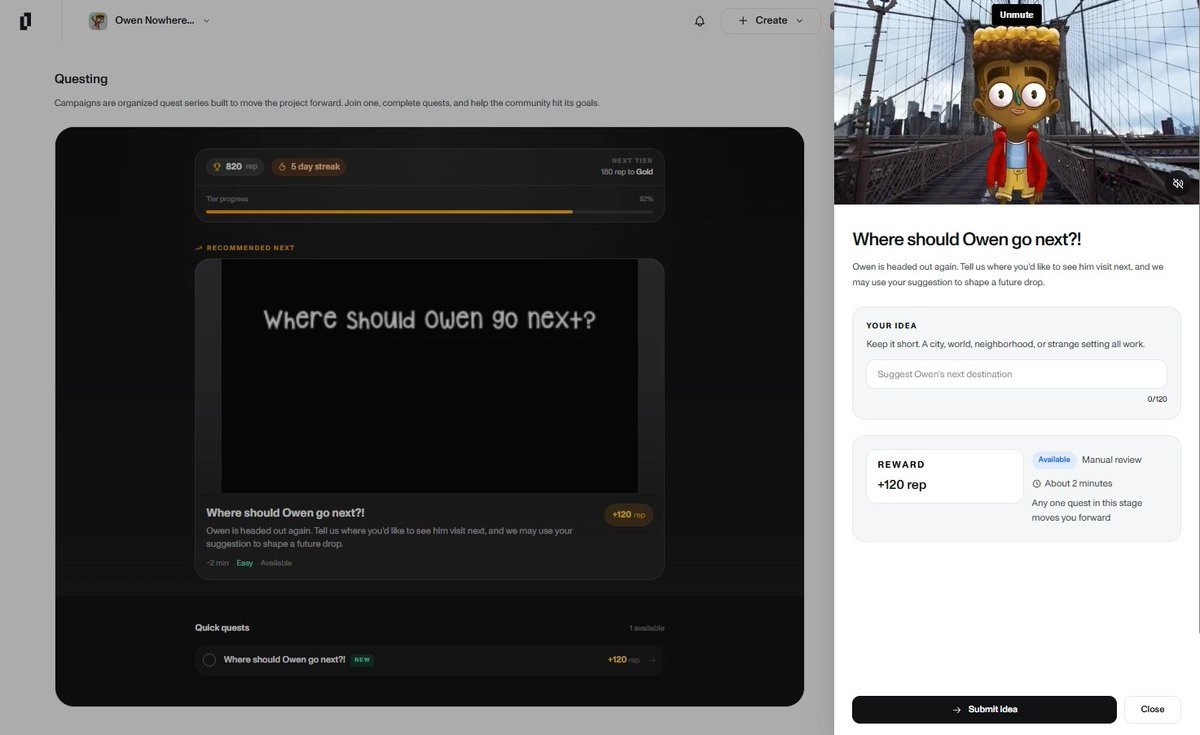
Lamina1 Spaces lets creators launch quests, collect ideas, or actual artwork, reward members with rep, and turn audience input into useful signal for future drops.
Example: where should Owen go, next episode?
Community is more than a member count.
Lamina1 Spaces surfaces teams, active members, reputation, project credit, and high-signal contributors in one directory.
Creators can see who is showing up before the best people disappear into the feed.
Last year, Youtube consisted of 12.7% of total streaming time, beating Disney+(9.9%) and Netflix (8.4%)
The 2026 Nostradamus report says film, TV, streaming, creator media, fandom, and games are collapsing into one audiovisual ecosystem
It will be defined by fan participation
Australia’s ACTF and Screen Australia Kids IP Incubator has funded 3 digital-first projects launching on YouTube.
Indie animators should study the shape: clear audience, shippable format, repeatable release plan, rights map, and proof of demand.
Deadline’s specialty box office report has a useful indie signal:
Black Bear’s Tuner opened at about $102K on 4 screens, while Obsession jumped nearly 30% in weekend two to $58.5M domestic.
For creators: audience proof, clean rights, and smart rollout strategy are leverage 👇
Introducing Lamina1 Spaces V2
Over the next 10 days, we’ll share a look behind the curtain at the new Spaces product - ahead of public release.
First up: the IP hub.
A home base for creators, community, content, crowdfunding, quests, contributions, and co-ownership.
Animators, this is a real opportunity to study.
ABEMA’s Project PRISMation is now accepting worldwide pilot proposals from creators and small teams. The ask is specific: original anime pilots around 5 to 10 minutes, with strong character appeal, a distinct world, and a future commercial expansion plan.
Three projects will be selected for funding and support across casting, translation, promotion, licensing, ABEMA release, and festival/event appearances. Professional status is optional, but applicants need prior experience completing animation work and the ability to communicate in Japanese or English.
The useful takeaway is the application shape. They are asking for both the film and the business path around it.
If you are building original animation, start packaging your project that way now: pilot, audience, world, rights position, expansion lanes, and the next commercial step.
Beautiful frames open the door. A clear ownership and expansion plan gives partners something to build around without swallowing the whole IP.
Indie animators: ANNY-curated shorts are now screening in Alamo Drafthouse preshows.
Your short can prove demand through YouTube retention, signups, merch, crowdfunding, and community partners.
That evidence gives you leverage when rights and next steps are on the table.
The traditional indie film path: make film → hire sales agent → festival circuit → hope for a deal.
The new path: build audience → crowdfund → self-distribute or negotiate from leverage.
The sales agent isn't gone. They're just no longer the only door.
Indie animators, this Strawberry Vampire story is worth studying.
Emily Brundige put the pilot on YT and got 60,000 views in 48 hours, with only 2,000 subs.
Then the audience helped crowdfund the next two animatic episodes.
Choosing story>polish. Lesson in there.
Artists Equity's model in one line: build the studio around the IP, not around the deal.
Most production companies are built to service deals. Artists Equity was built to own what it makes.
The Netflix first-look deal is what that looks like when it works.
- YouTube says 2024 was a turning point for narrative animated series
- The Amazing Digital Circus landed on trending-topic lists in 8 countries, despite having only 4 episodes out
- The Amazing Digital Circus has over 600M lifetime views on 4 episodes
The next animation studio might not start as a studio at all.
It starts as a YouTube-native fandom: animatics, memes, subtitles, merch, community posts, and global audience feedback before the “official” release strategy even exists.
Here are some stats to back it up:
Among 14–24 year-old animation fans:
- 66% watch animated memes weekly or more
- 57% watch animatics weekly or more
- 63% watch narrative episodic series on YouTube weekly or more
- 60% say they like indie animated series made for YouTube equal or more than major series
Some indie animators are selling fractional stakes in their IP to fund production.
Not a Kickstarter reward. Actual equity in the characters and story.
The fans who fund it become the fans who promote it.
More on this from Lamina1 Spaces incoming...