Est. in 2010, LSDSS is the first non-profit patient organization in India to bring the subject of rare diseases and LSDs to the forefront of policy discussion.
https://t.co/Y8npeiWVWR
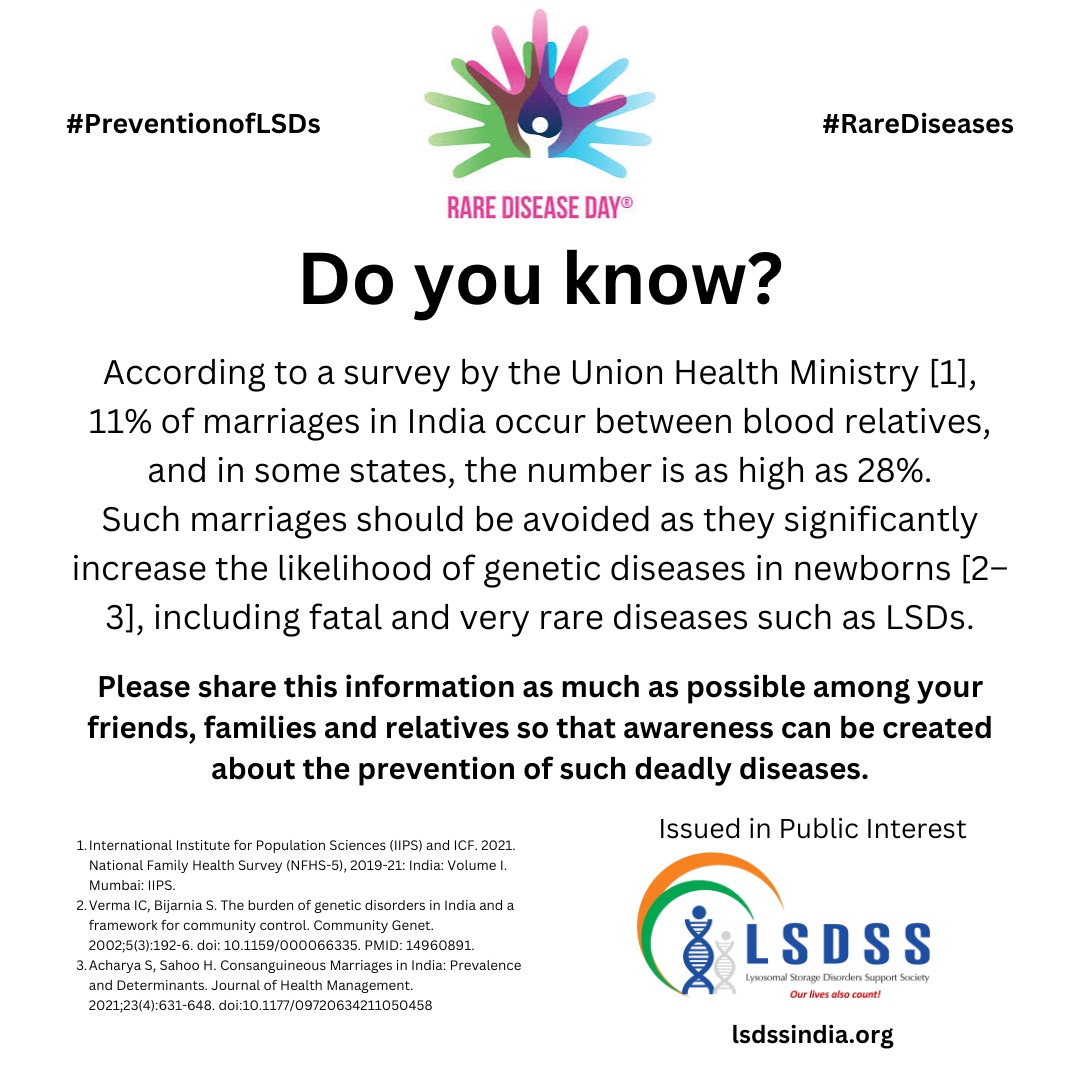
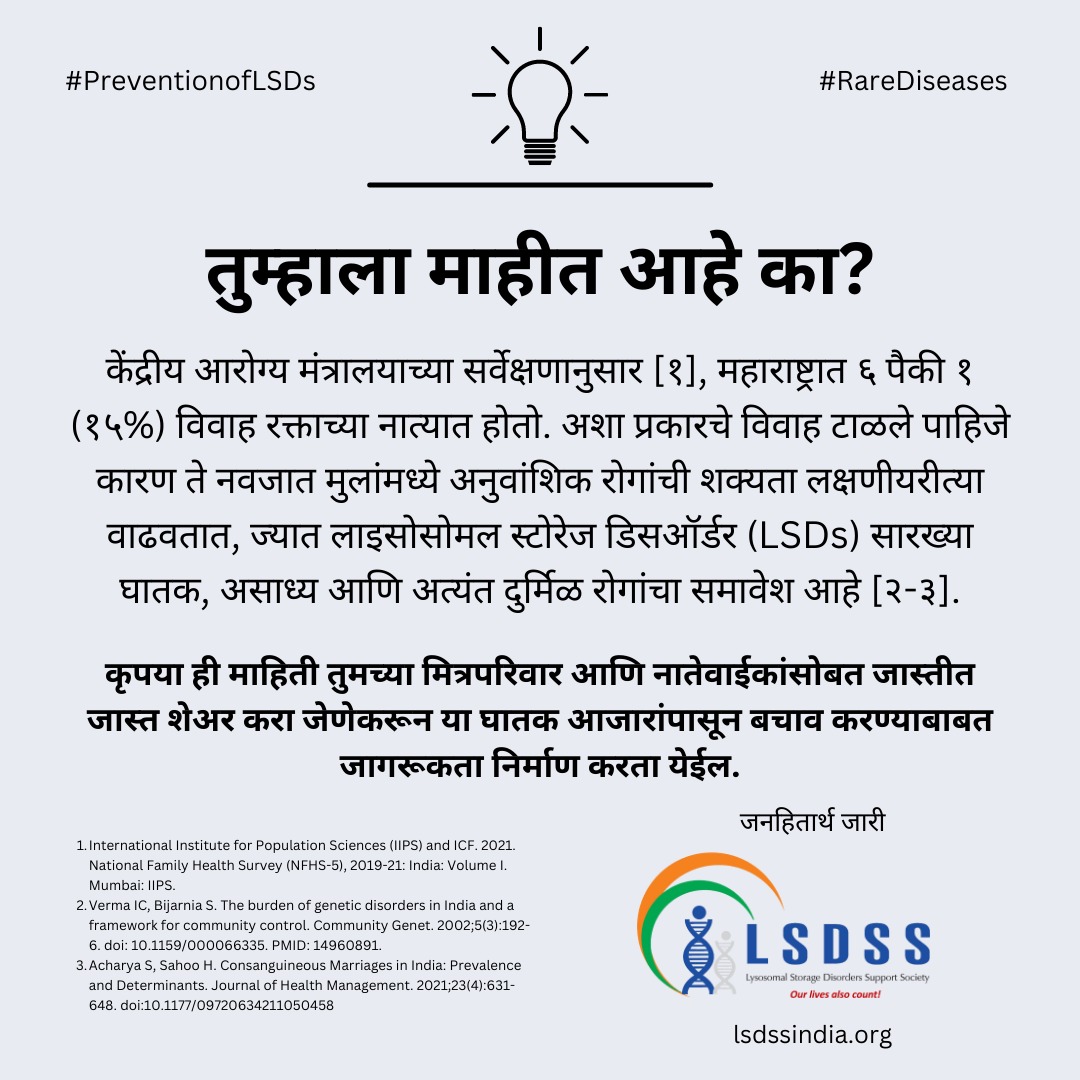
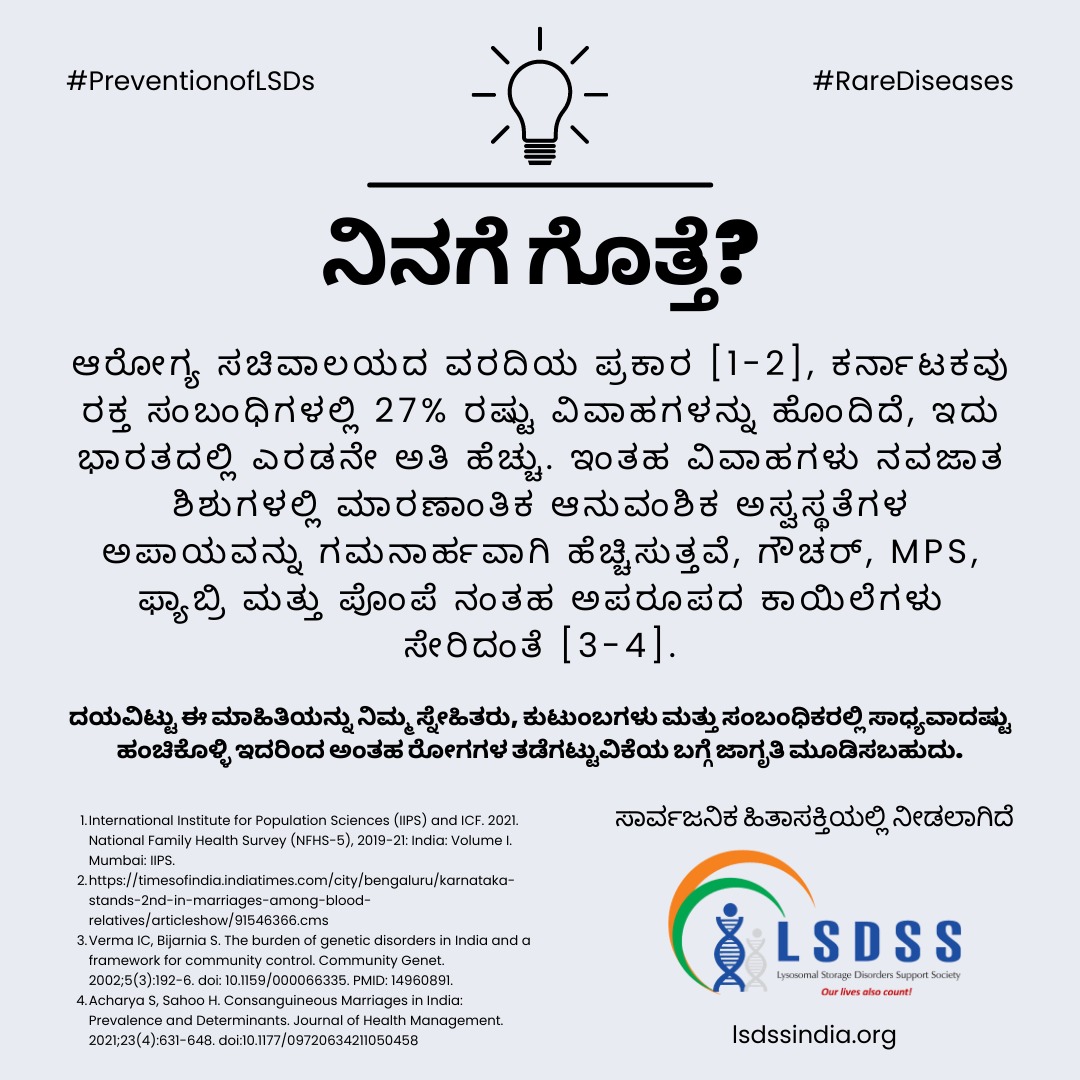
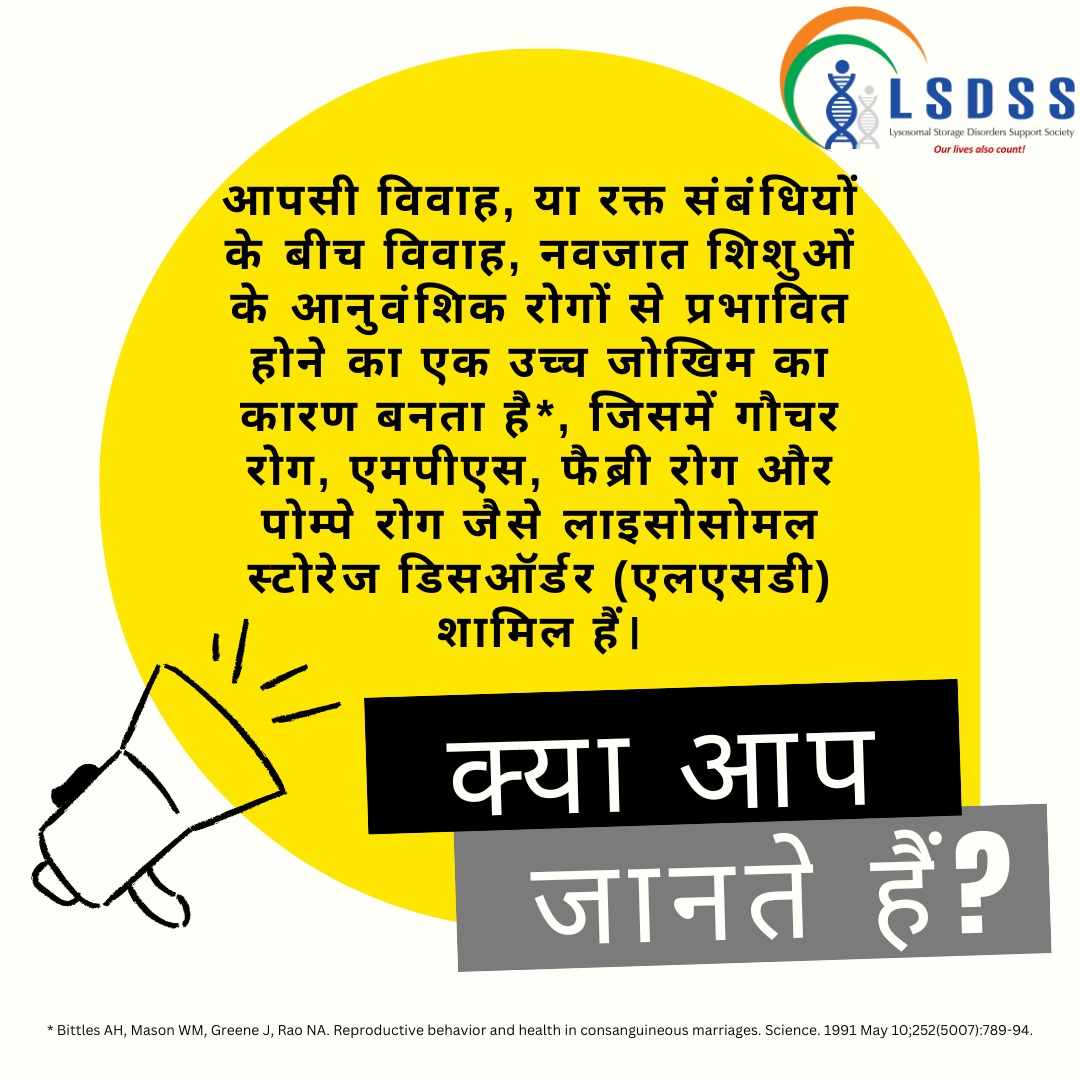
A video from Pakistan, but highly relevant to India, where consanguinity rates reach 28% in some states. Cousin marriages significantly raise the risk of genetic disorders—40% of such patients visiting COEs in India have a family history of consanguinity.
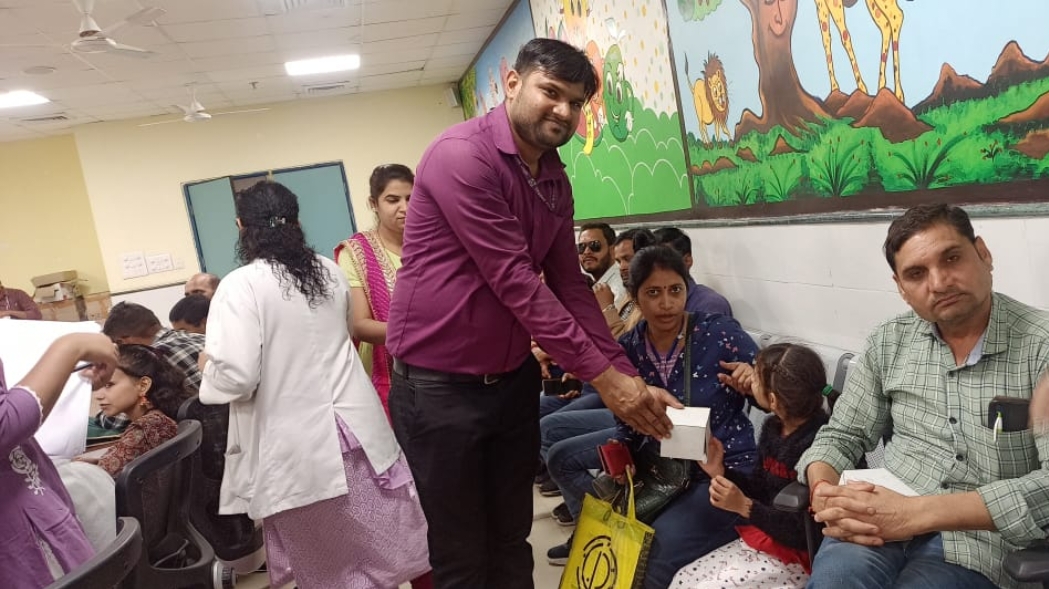
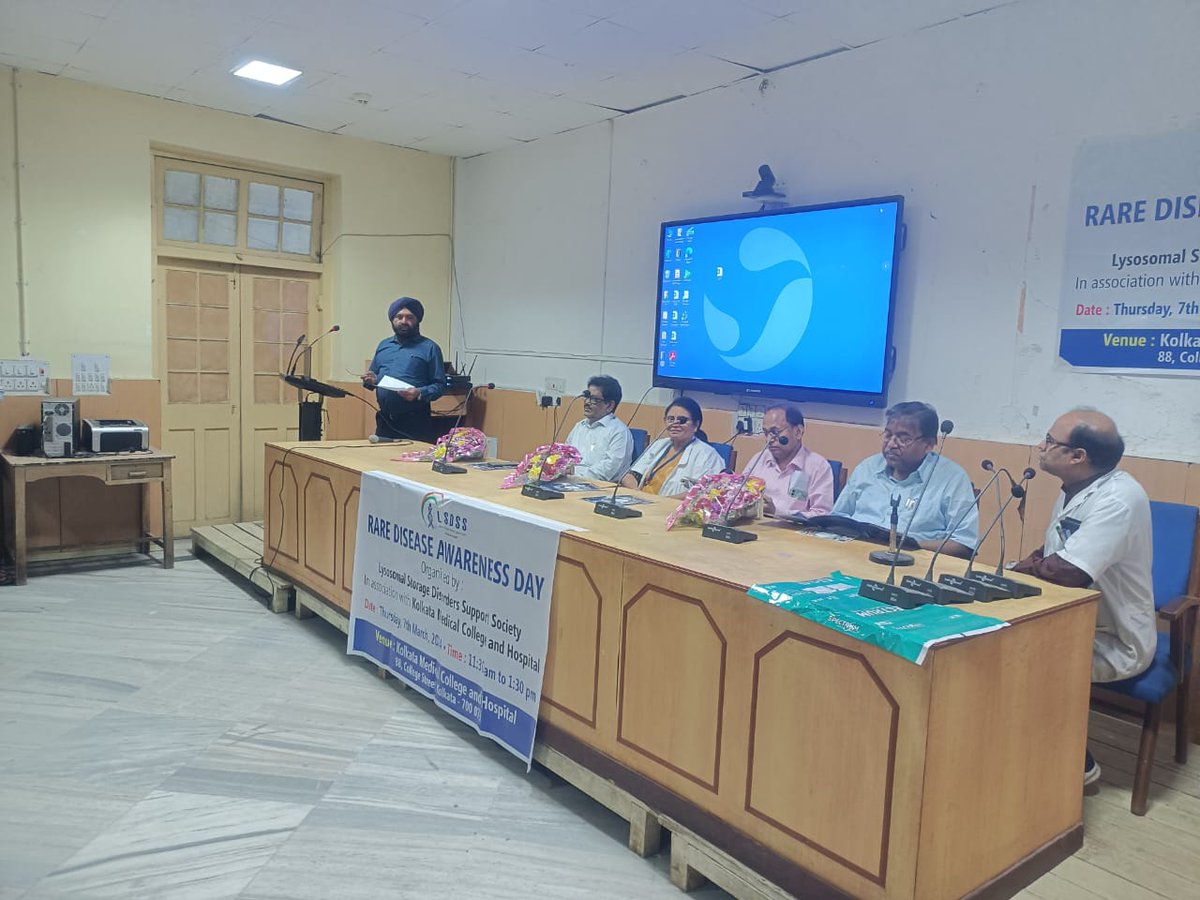
On Sept. 25th, LSDSS was pleased to be a part of the inauguration of the first ever helpdesk for rare disease patients set up at MAMC, New Delhi. The helpdesk has been set up under “Project Aastha,” a CSR initiative of Pfizer, implemented by Doctors For You.
@DBTIndia@ICMRDELHI@LSDSSindia@gsbtm Happy to share our paper on 2 decades journey on research for lysosomal storage disorders in India from Biology to clinic in Lancet Regional Health. https://t.co/DxkQ3vpWpz
Given the lack of govt and insurance support in India in accessing high-cost, life-saving treatment of LSDs, its important to focus on their prevention.
Know about what role Obst & Gyn play in the Prevention of LSDs https://t.co/EO4qLfIbS0
@fogsiofficial#obstetrics#gynecology
#Didyouknow Consanguineous marriages, or marriages among cousins/blood relatives, are common in certain regions/communities of India and can cause increased risk of genetic disorders in newborns, warranting prenatal screening & genetic counseling of such couples. @fogsiofficial