On June 6, 1944, a 21-year-old stepped off a landing craft onto Sword Beach wearing a kilt.
Not just any kilt. It was his father's Cameron tartan, the same one worn in the trenches of WWI.
His only weapons: a set of bagpipes and a small black knife called a sgian-dubh.
Bullets were hitting the water around him. Men were dying on his left and right. And Private Bill Millin started playing "Highland Laddie."
He wasn't supposed to be doing this. Pipers had been banned from the front line after WWI because so many had been killed. When Millin reminded his commanding officer, Lord Lovat said: "Ah, but that's the English War Office. You and I are both Scottish, and that doesn't apply."
So he played. "Road to the Isles." "Blue Bonnets Over the Border." Marching up and down the beach like he was at a village parade.
British soldiers stopped in the middle of a warzone and cheered. One screamed at him: "Get down, you mad bastard!"
He kept playing.
Then came Pegasus Bridge, the most exposed crossing on the route. Lovat's order was simple: don't stop no matter what. Millin stepped onto the bridge playing "Blue Bonnets" as German fire tore through the men around him. 12 soldiers crossing that bridge were shot through their berets.
He made it across.
He later called it "the longest bridge I have ever piped across."
After the war, Millin became a psychiatric nurse.
And the German snipers who had him in their crosshairs all day? When captured, they explained why they never pulled the trigger.
They thought he had lost his mind.
I'm in Weimar where there are traces of the people I wrote about everywhere. This was Hedwig Hetemann's shop where she repaired toys for children. It was destroyed by the SA in the pogrom of 1938 because she was Jewish. Nobody helped her. She became withdrawn and isolated. 1/2
@hoyer_kat I was in Webinar last summer, and wished I'd known about Hedwig and seen her shop and plaque 😢 The Radio 4 episodes of your book were excellent.
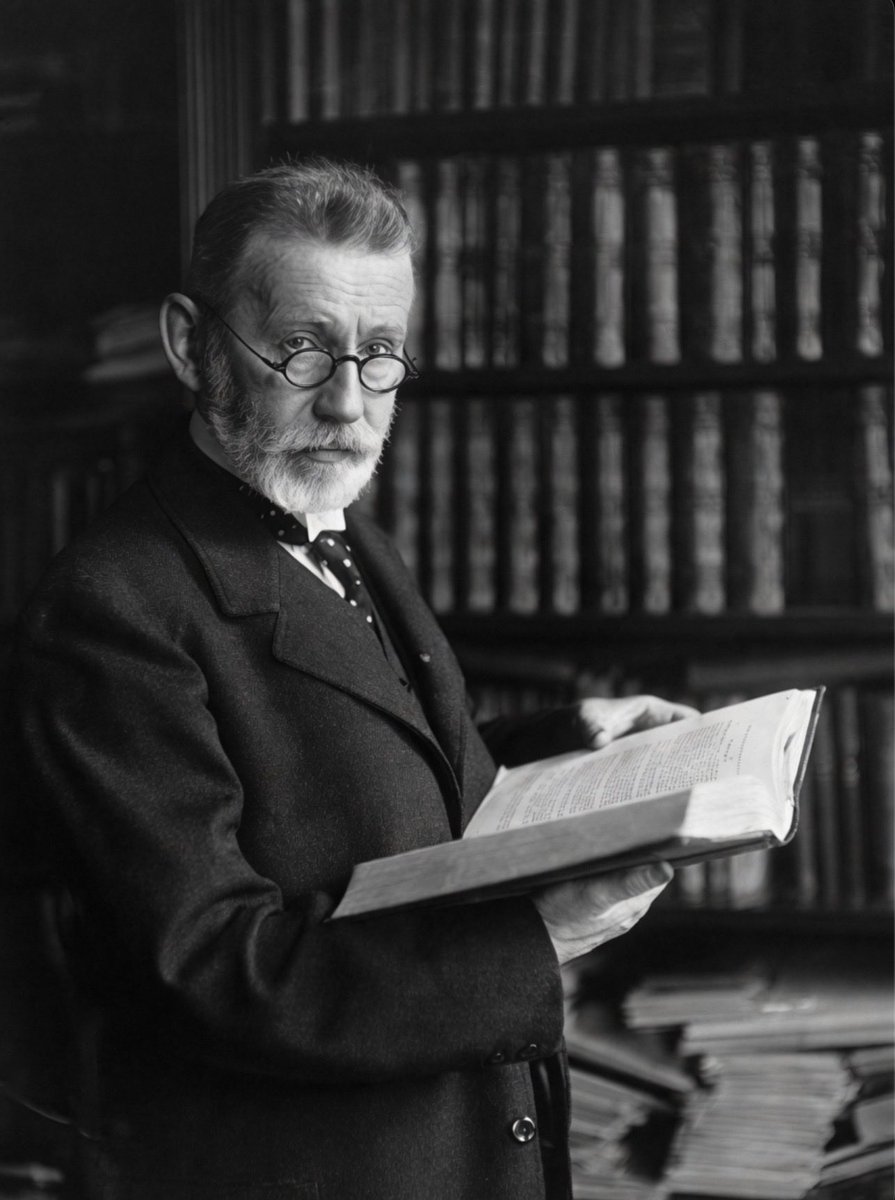
The first widely recognized Jewish Nobel laureate was Paul Ehrlich, who won the Nobel Prize in Medicine in 1908 for his pioneering work in immunology. He layed the foundation for modern chemotherapy, and immune science. Saving millions of lives through his pioneering work.
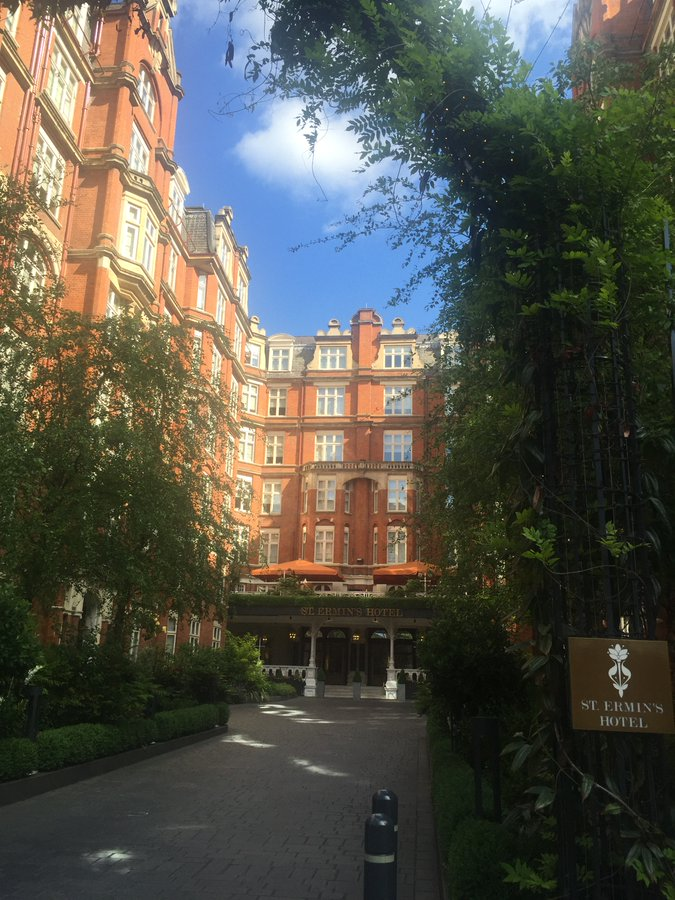
St. Ermin’s Hotel in London hides one of the most extraordinary secrets of the Second World War.
In 1940, the SOE took over an entire floor and turned it into its first headquarters. Just two floors above them, MI6 quietly established its own offices.
Two of Britain’s most secret organisations operating under the same roof!
This trademark painting (1903) depicts the drawing room in Vilhelm Hammershøi's Copenhagen home at Strandgade 30. His paintings go beyond appearances, and become instead objects which derive their power from what is suggested rather than seen.