Are “thinking skills” the educational equivalent of “eat healthy"?
Carl Bereiter is very good on this. Reading his brilliant book Education And The Mind in The Knowledge Age and his argument is that thinking emerges from knowledge structures, just as digestion emerges from anatomy. You can't train the process without building the substrate. In other words, you optimise liver function through diet, not by teaching it biochemistry.
In education we often confuse emergent properties with teachable skills. Thinking isn't a "skill". It’s a byproduct of knowledge, not a substitute for it.
However.. I think a good argument against this view is that the liver's architecture is largely fixed while the brain is more plastic and sculpted by use. Both organs respond to inputs and modify their function accordingly, but the modification happens through their own intrinsic mechanisms.
So when you build knowledge substrates, you're not bypassing neural plasticity, you're leveraging it through the brain's own emergent processes rather than trying to engineer thinking from the outside as it were.
So I think we could say that you can alter how well an organ functions, but not the basic process it uses. Thinking emerges from knowledge structures, just as digestion emerges from anatomy. You can improve how well the brain works by feeding it knowledge, not by “training” thinking in the abstract.
Are you having trouble meeting the needs of ALL of your readers? 💙
8th grade teacher, Emily Jaskowski, developed a fluency small group protocol that helped ALL of her students improve! 💯
Listen to Emily talk about this in our latest podcast episode 🎧https://t.co/0LpJXanXwC
1/ What’s the greatest breakthrough in the science of education over the last century?
Characterizing the mechanics of learning in the brain. Learning is all about the interplay between working memory (WM) and long-term memory (LTM).
If you understand that, then you can actually derive – from first principles – the methods of effective teaching.
@NateJoseph19 This quote from G. Reid Lyon sums it up “Big bold promises, impassioned speeches, and even large curriculum purchases are easier than the daily work of helping teachers learn to teach reading.” The product “machine” (publishers and programs) don’t focus on teaching teachers.
We need this approach in British Columbia too! Too many children are not getting the reading instruction they need to become successful readers. Here’s hoping the new funding will start us on a more equitable path.
@Dave_Eby@RachnaSinghNDP#BCLit2024
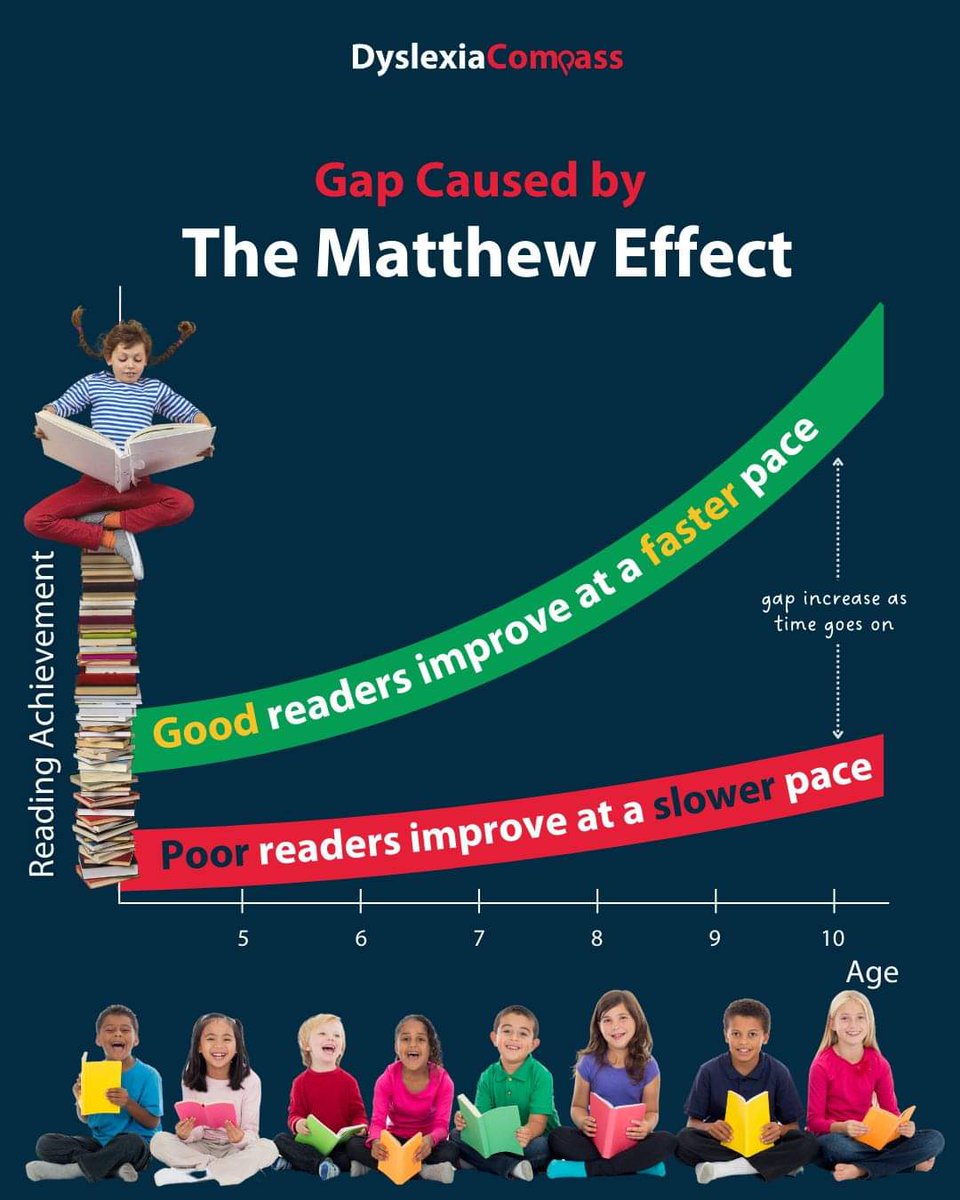
Literacy skills seem to fuel literacy enjoyment, rather than vice versa
https://t.co/NuQC4njoq4 "The best-fitting direction-of-causation model showed that skills impacted enjoyment, while the influence in the other direction was zero."
@melbrethour What gets in the way of a love of literature, by grade 8, is the std's low self esteem resulting from poor encoding/decoding. Last week the boy I teach with dyslexia, who skips half his classes, said his #1 goal is to still to learn to spell. He had LLI in primary then nothing.
Session 3 of the Empowering Literacy series with @DyslexiaCanada started off with very welcome opening remarks from @Dave_Eby! The Premier’s presence and acknowledgment of the hard work BC educators are doing to implement evidence-based literacy practices were/are so appreciated. Thanks again to the Premier for joining us and for the $30 Million, 3 year investment in effective literacy practices for all #bced students.
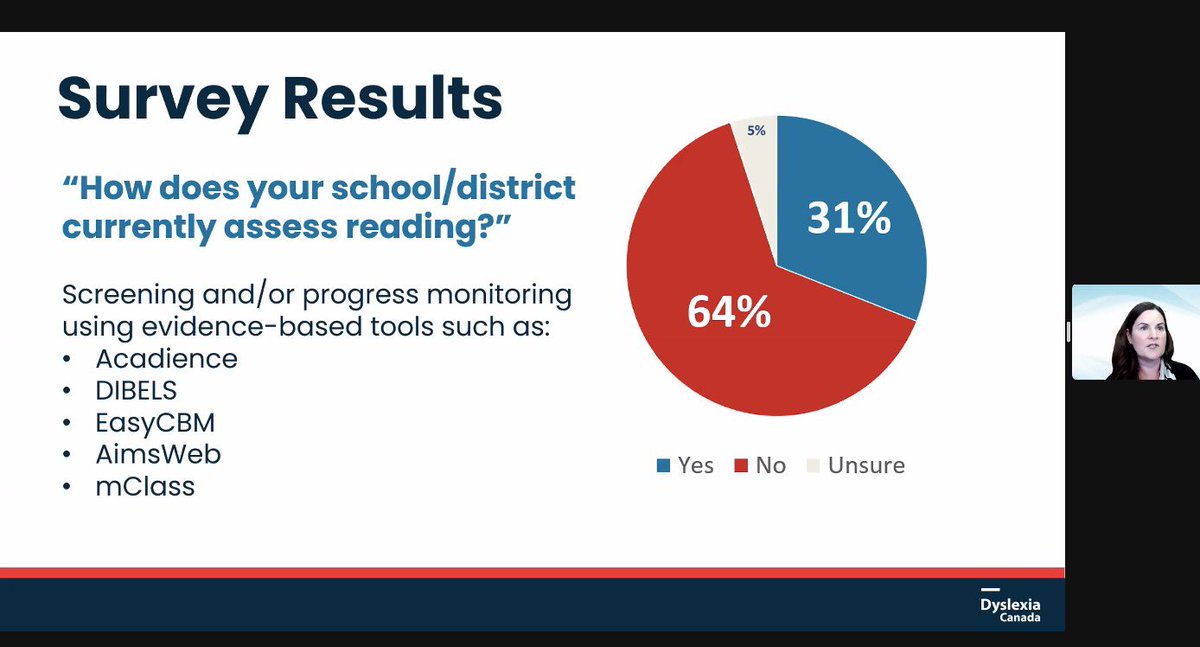
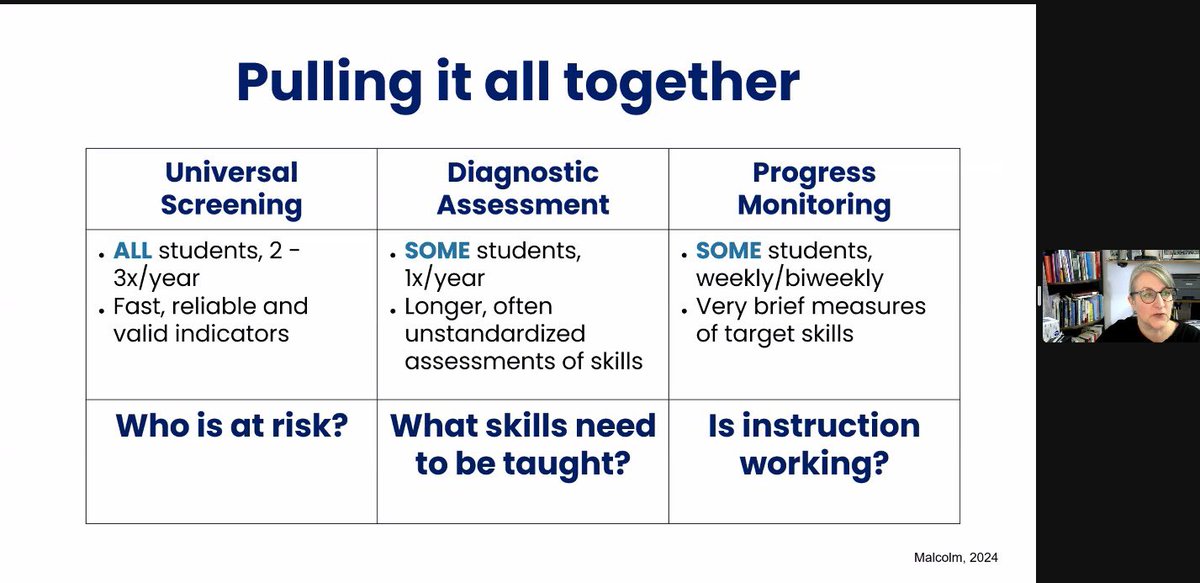
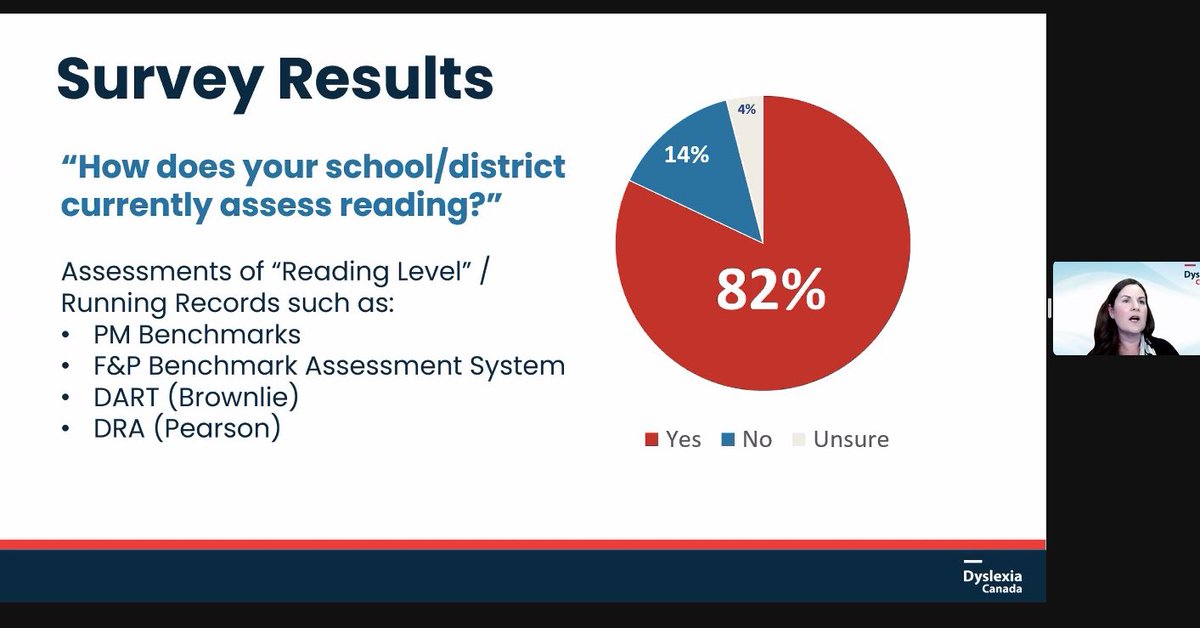
Our topic during this session was #UniversalScreening: What it is and is not, what measures are evidence-based and why, and its role in the #MTSS model, which is the topic of our 4th and final session next Wednesday, June 12th.
In this session we were also joined by panelists Tina McDonald and Geraldine Lawlor from @CMSD82, who shared about the impact of the changes they, and the dedicated teachers in their district, have been making as they move to align literacy assessment and instructional practices with the scientific evidence about literacy and learning. It was a fantastic and inspirational discussion!
We continue to welcome newcomers from #bced (and beyond) and you can catch up on any missed sessions by visiting Dyslexia Canada’s YouTube channel. Session 3 will be posted soon!
Sign up for the sessions at this link to receive access to the materials and resources noted in each session.
https://t.co/3GKYwyMyN4
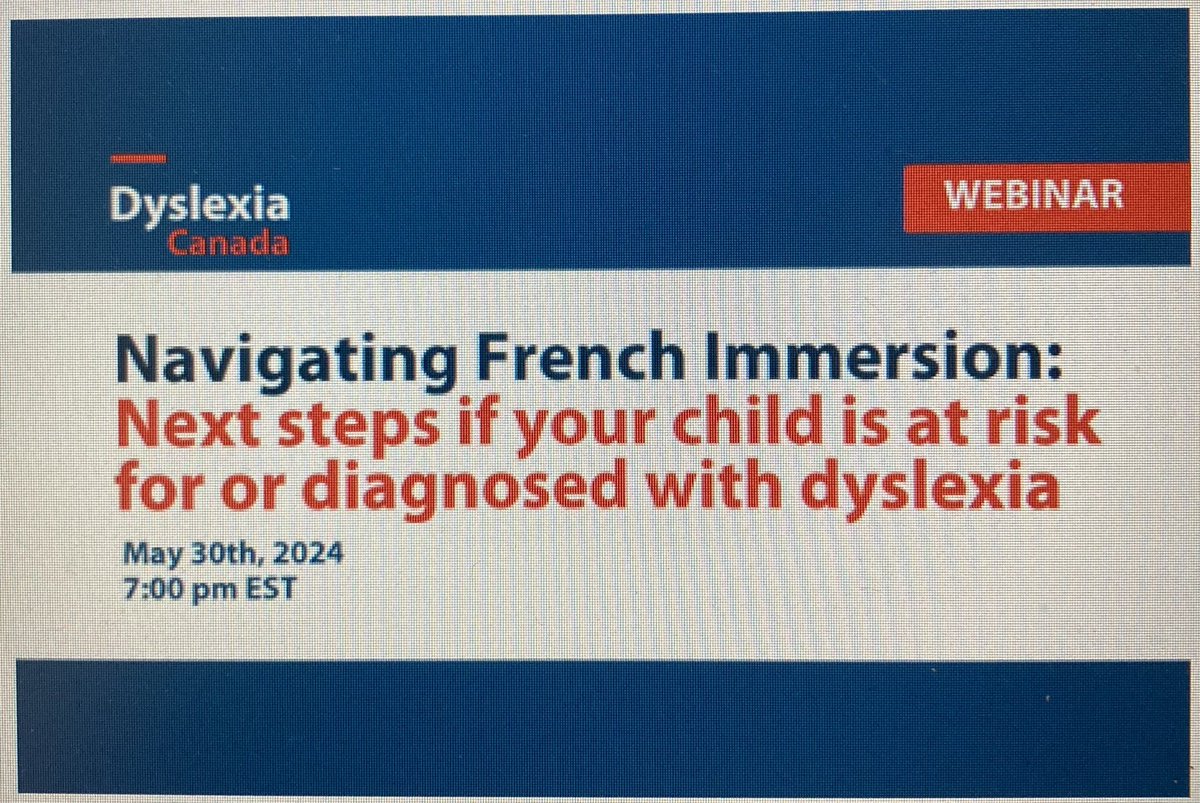
In case you missed it! On May 30th, I’ll be chatting with Dyslexia Canada’s Executive Director, @AliciaFromTiny, during this webinar for families with children enrolled in FRENCH IMMERSION. Register here: https://t.co/JM6W6JscZY
Some math practices are better bets than others. I highly recommend this report by Sarah Powell, "Maths Practices You Can Count on."
https://t.co/8glDLqYJUo
@plugusin Parents need to recognize and quantify growth, and setbacks to see the trends in their child's learning , and to engage and be open within teacher discussions.
I'm becoming obsessed with how design math instruction effectively. I recommend this podcast with two folks who know instructional design for math inside and out. https://t.co/86kNHtUoKo
We aren't hardwired to learn math; it must be taught. That being said, all students can learn math, provided the instruction is designed well. Even if only a small percentage will pursue careers in it, most will enjoy it when given clear models, feedback, and a high success rate.
@SamAltarac Mainly it's a loss of empathy, but remember that teachers don't observe other teachers very often. You become a leader, you visit classrooms, and you find a lot of variety in practice that you were unaware of as a teacher. Then you latch onto a fad that does something about it.
My daughter is 6 lessons away from finishing this book. She can read like a 1st grader and she's 4. A new student just entered my middle school who is unable to decode. I will end the year by teaching him with this book.