Self-funded medical research organisation with one clear purpose – transforming the lives of people living with rare diseases and drug-resistant infections.
For World #AMR Awareness Week, we’re highlighting a few of our initiatives developing solutions that address local needs, improve health outcomes and create sustainable practices in community settings: https://t.co/8DKMtr4mMV
#WAAW2026
How can scientific discovery translate into better outcomes for patients?
Our CEO Dr Sam Barrell CBE spoke to @NewsMedical about the journey from scientific discovery to patient impact.
Read now: https://t.co/uhROFgg7o5
The #AMR ecosystem brings together stakeholders from all different viewpoints to work at speed to solve the problems at hand. Thank you to everyone in this unique ecosystem who keep innovation moving to combat #AntimicrobialResistance.
#WAAW2026#OneHealth#GAMRIC2026
Applications for the Clinician Scientist Innovation Fellowship close on 23 November at 4pm.
We’re supporting UK clinician scientists in rare disease to turn research into impact for patients.
Apply now: https://t.co/eMuFJQnqdg
@acmedsci
What does it take to build a biotech that can turn a scientific breakthrough into lasting impact for patients?
Our CEO @SamBarrell1 moderated this insightful panel discussion at London Life Sciences Week.
Scientific innovation is crucial, but it’s only part of the #AntimicrobialResistance response.
This #WAAW2026, find out how LifeArc is playing our part to address this complex global health challenge: https://t.co/M9ZjysfQvQ
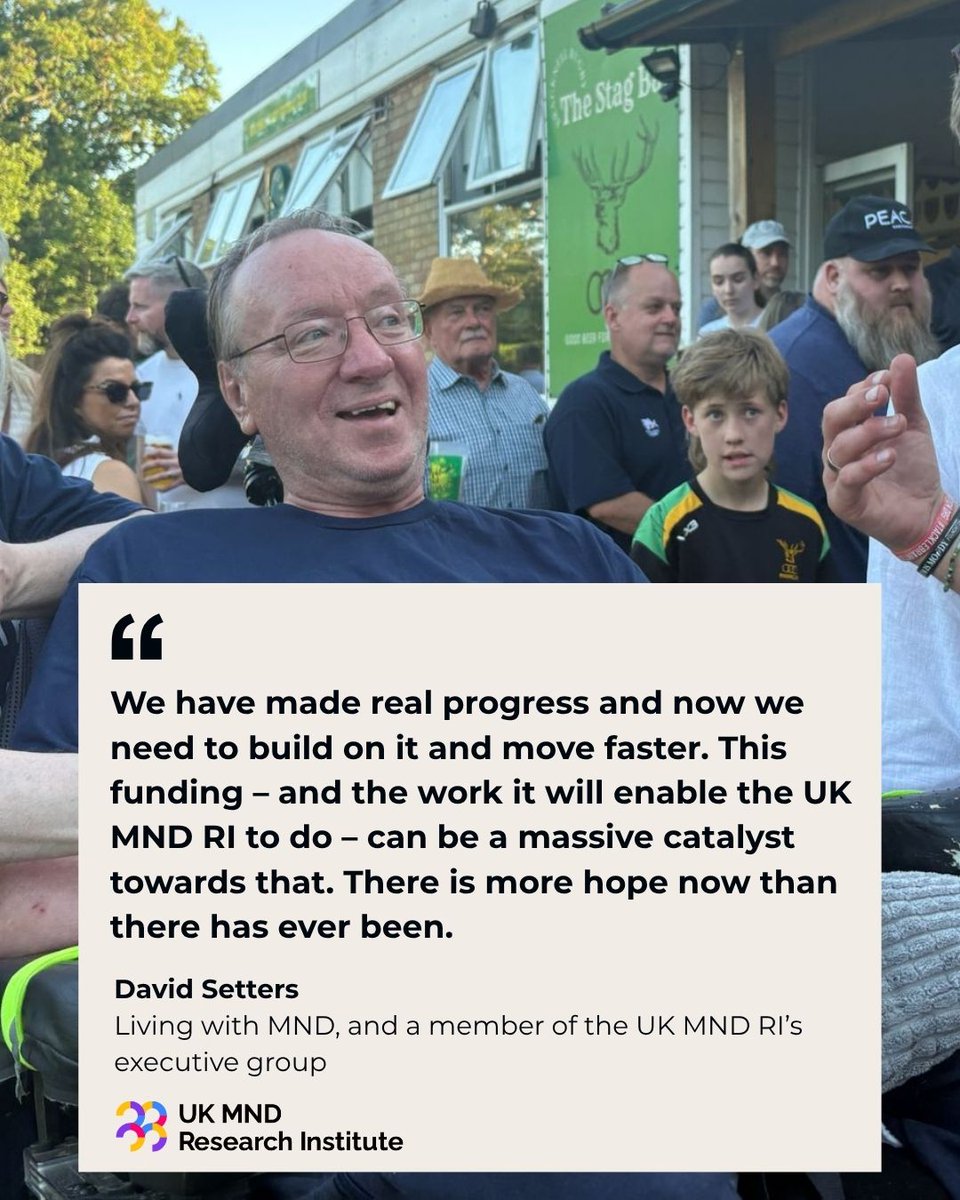
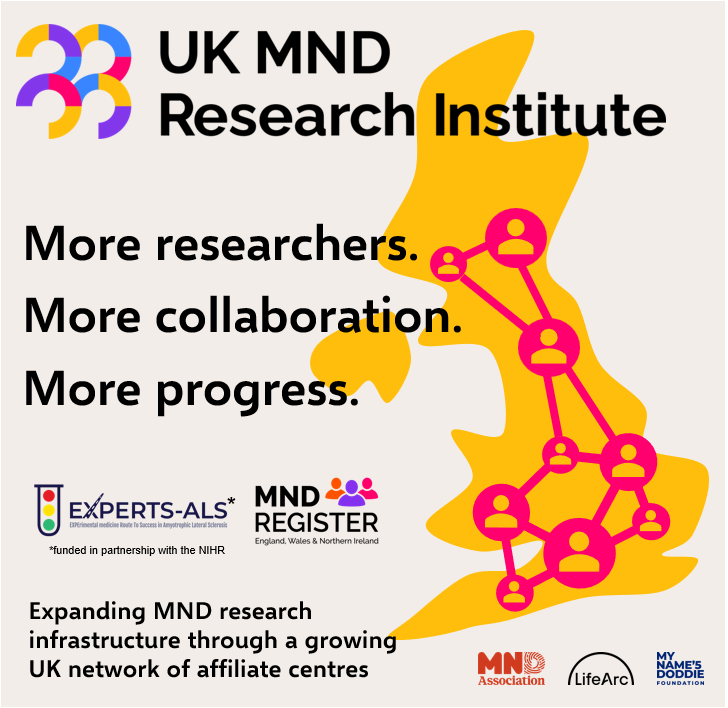
We’re pleased to continue our support for @UKMNDRI alongside @MNDoddie5 and @mndassoc
Together, we’re committing £5m over the next 5 years, helping to build on the progress already made and move promising research towards potential new treatments for people living with MND.
We're supporting the next phase of the @UKMNDRI as part of a new £5 million co-funded commitment alongside @mndassoc and @lifearc1 over the next 5 years, to accelerate the search for effective treatments for MND.
See more details here👉https://t.co/3y4HlEmZGK
This week, our CEO Sam Barrell joined a panel at the @britishlibrary to discuss what’s next for health innovation in the Knowledge Quarter, discussing how stronger collaboration can help close gaps and turn more promising science into patient impact.
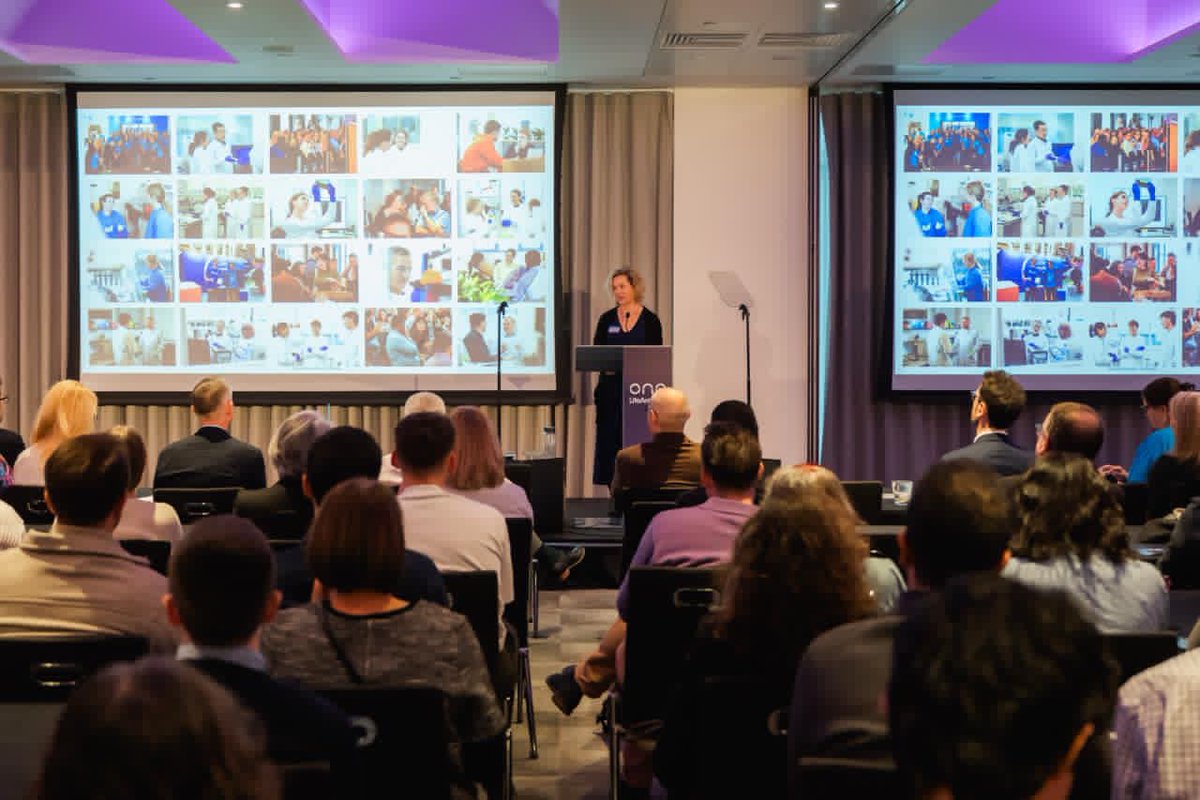
Impactful talks, project milestones, colleagues' achievements... We all got together yesterday at One LifeArc Day to connect and celebrate the progress we've made for patients, and what's to come.
"Different expertise. Different perspectives. Different routes to impact. But one purpose."
Our CEO, Sam Barrell, opening One LifeArc Day today, bringing together more than 300 colleagues around our shared purpose.
In therapeutic development, a useful workshop does not close a conversation – it creates a stronger starting point for the next one.
We're sharing 7 lessons from our childhood cancer workshops. Read them all: https://t.co/oLO4gMWrKx
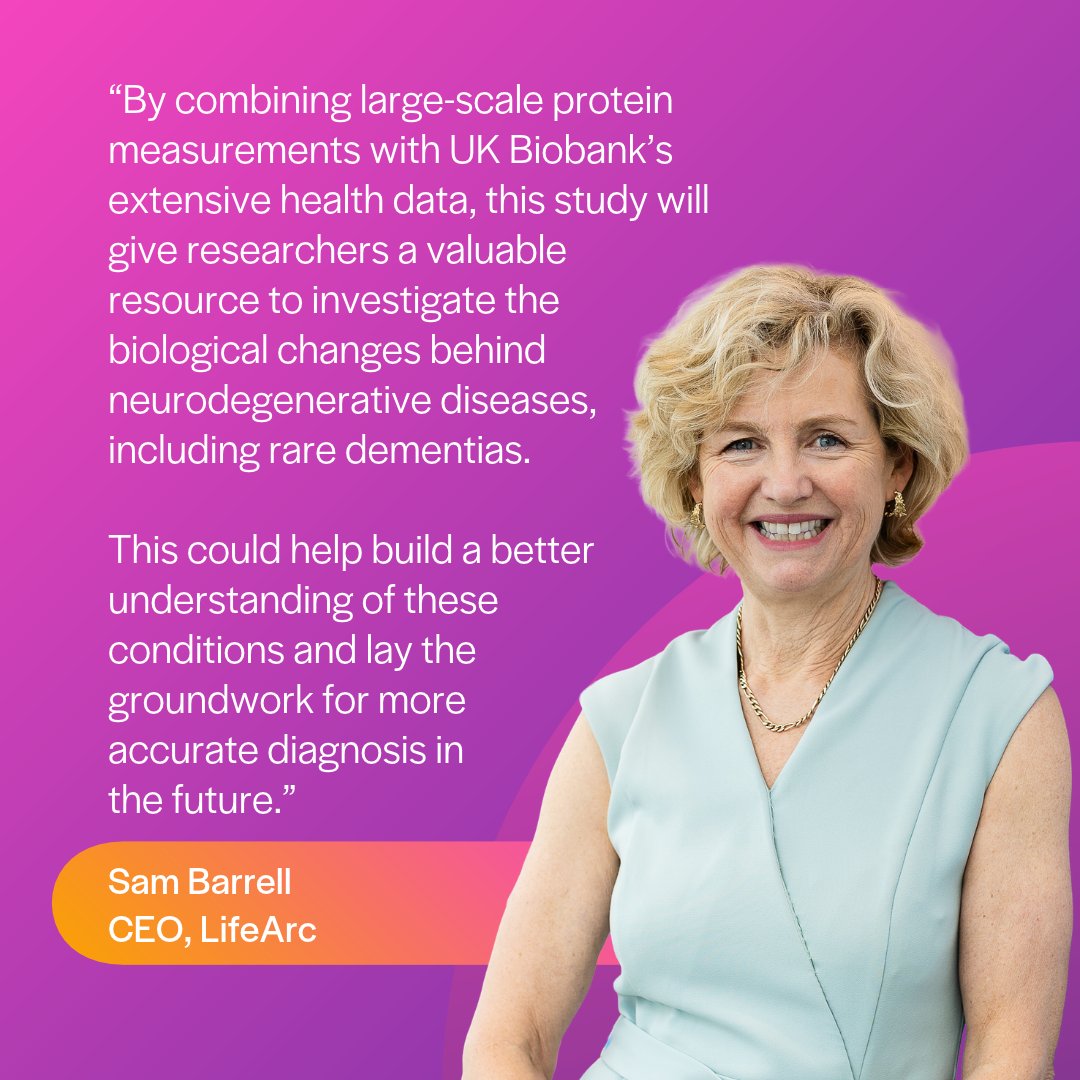
We’re backing a major study analysing 80,000+ UK Biobank blood samples to help researchers better understand Parkinson’s, Alzheimer’s and rare dementias.
🔗 Read more about the new study: https://t.co/a6j4sucP03
Open collaboration depends on trust. Creating space to share knowledge while respecting sensitive information helps enable open discussion without compromising confidentiality.
We're sharing 7 lessons from our childhood cancer workshops. Read them all: https://t.co/oLO4gMWrKx
Raremap has been growing – we now have 160 organisations in the community!
If you work in rare disease, request to be added now: https://t.co/kEEsdyfDts
The Future for Rare report, published today by @GeneticAll_UK, calls for a renewed focus on data, diagnosis, coordinated care, and the appointment of a rare disease lead in each UK country accountable for turning ambition into action.
Read it now 👉https://t.co/YTkAYpcyQr
DSRCT is an extremely rare and aggressive cancer affecting children and young adults. We brought together researchers, clinicians and patient advocates to identify promising opportunities for future treatments.
📄 Read the findings: https://t.co/zCQXA0znHK
Knowing what not to pursue can be as valuable as knowing what to prioritise. Our workshops showed the value of making clear choices on what should and shouldn't move forward, and why.
Read 7 key lessons we've shared from our childhood cancer workshops: https://t.co/oLO4gMWrKx
Meaningful patient involvement in rare disease research doesn't happen by chance. It requires funding, infrastructure, recognition and commitment.
Our new co-authored peer-reviewed commentary explored how PPIE can be embedded across the research pathway: https://t.co/JvsxeqUcWr
How do patients feel about their information being used to advance scientific research?
It’s an important question, and one which you can explore further in this easy-to-read summary from our Translational Science Summit, by Readable Research: https://t.co/17Cy7zYtB4
For any workshop, the most important work often happens before the meeting starts. Preparation creates a common foundation of understanding and helps drive engagement in the meeting itself.
Read the 7 lessons learned from our childhood cancer workshops: https://t.co/oLO4gMWrKx