This Pride Month, we recognise the diversity, inclusion and contributions of LGBTQIA+ communities and reaffirm our commitment to ensuring all people can live freely and authentically and are treated with dignity, respect, and fairness.
#PrideMonth#Inclusion#Equality#GEDSI
For many farmers, a rice field has meant one harvest each season. Now, some are raising fish alongside rice in the same field, helping improve food access, strengthen livelihoods, and build resilience.
Read more: https://t.co/93eVxoTxSG
#integratedricefishfarming
Bokashi turns farm waste into gold. Using locally available materials, it improves soil health, supports crop growth, and reduces chemical inputs. A practical approach for lower cost, more resilient farming.
Video is imaginary AI-content
#substainableagriculture@UNOPS
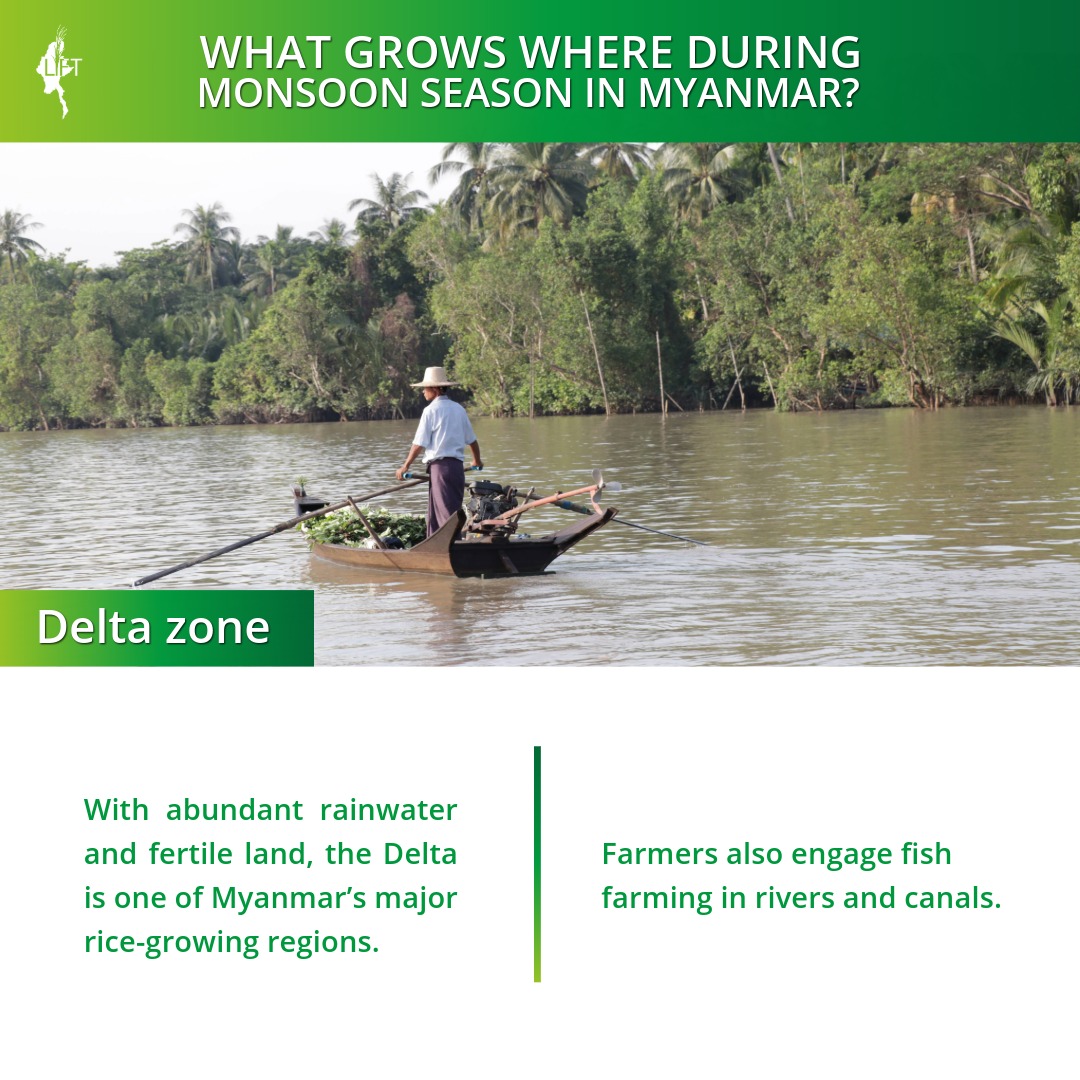
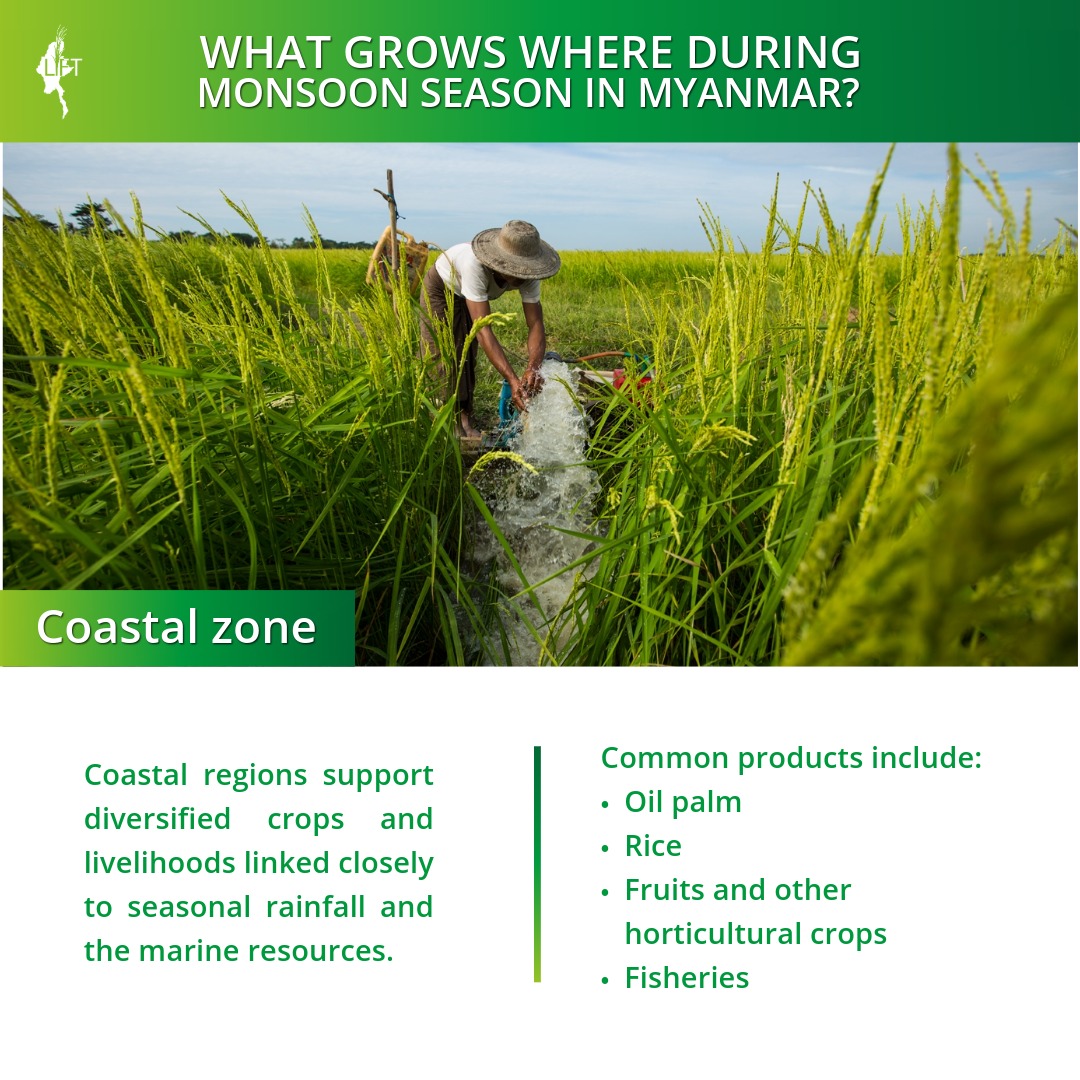
From rice fields in the delta to maize and vegetables in the hilly areas, Myanmar’s agricultural systems are closely connected to climate and geography.
Swipe through to explore what grows where during the monsoon season across Myanmar.
Monsoon season is vital to agriculture in Myanmar, but what farmers grow depends on location.
Agro-ecological zones differ in rainfall, temperature, landscape, and farming conditions. These differences shape rainy-season crops and the livelihoods linked to them.
Good preparation can help support healthier crops, improve soil conditions, and strengthen farming activities throughout the rainy season.
Swipe through to explore the 5 things farmers often prepare before the monsoon arrives.
Farmers across #Myanmar are preparing for the monsoon season.
Before planting begins, many farming activities take place—from preparing land and collecting seeds to organising labour, producing fertiliser, and protecting fields from pests and weeds.
Plant health is about more than crops. It affects how farmers manage risk, adapt to changing weather, and sustain their livelihoods. LIFT’s Specialists explain why supporting plant health requires a system approach.
https://t.co/lx1o3iHKiH
#PlantHealthDay@UNOPS
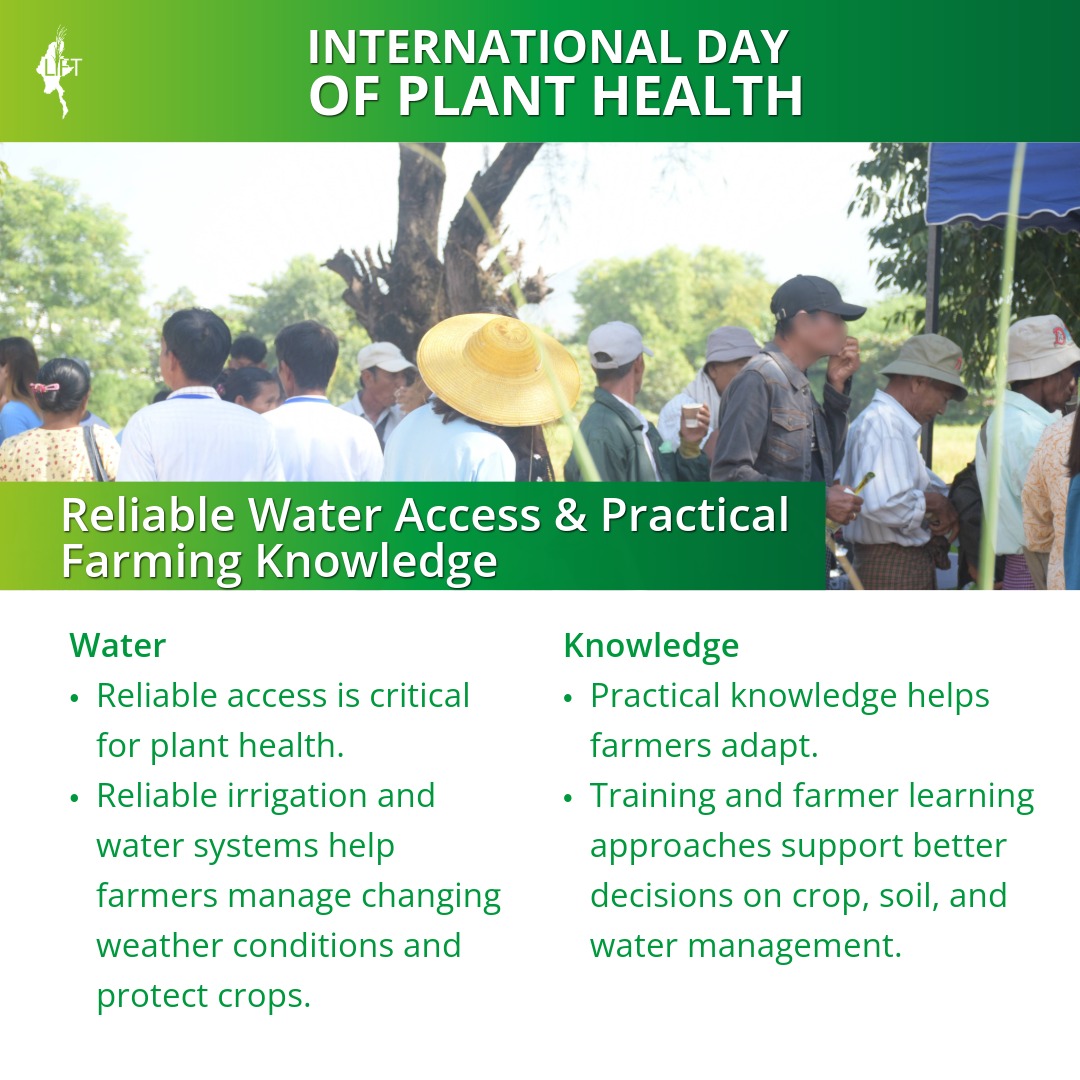
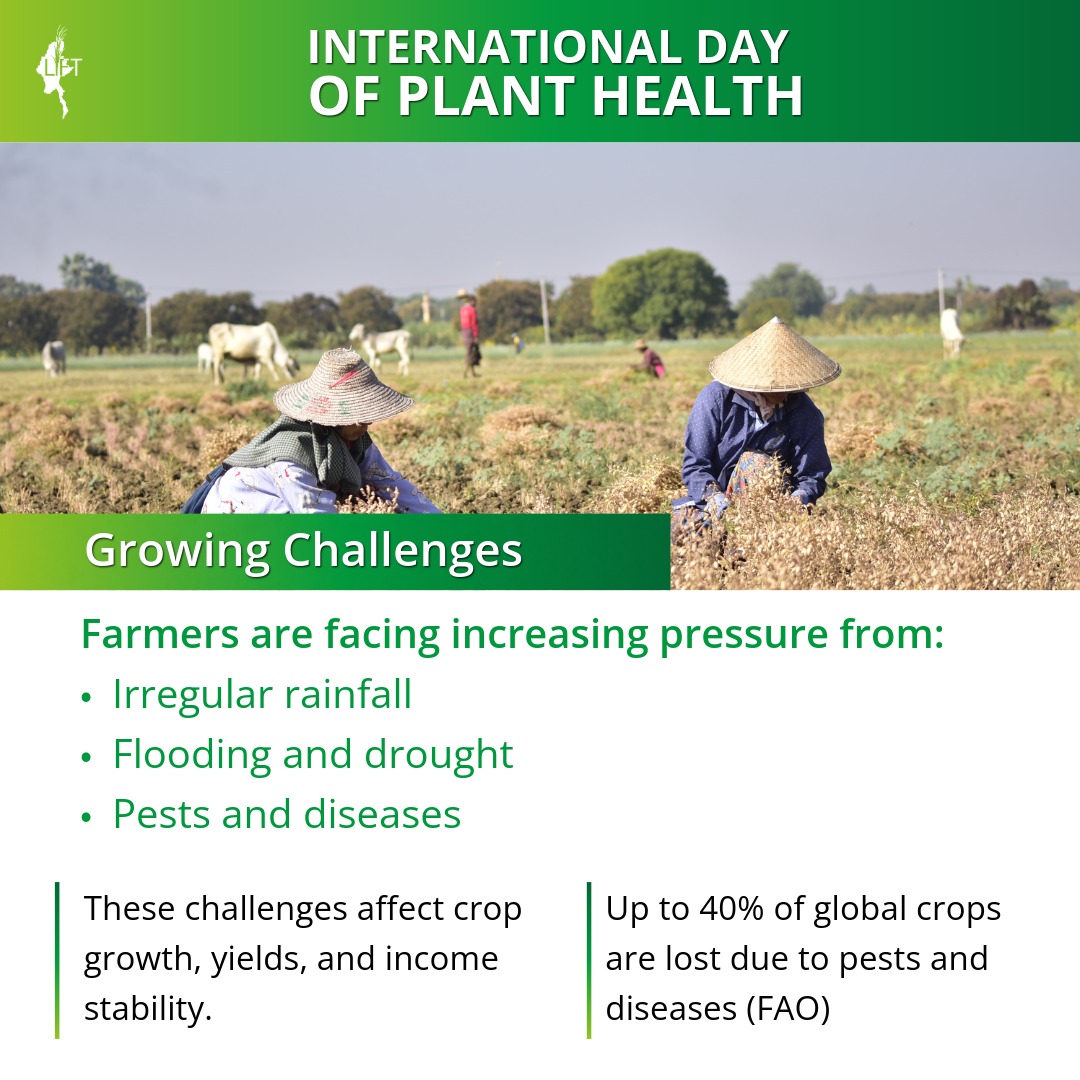
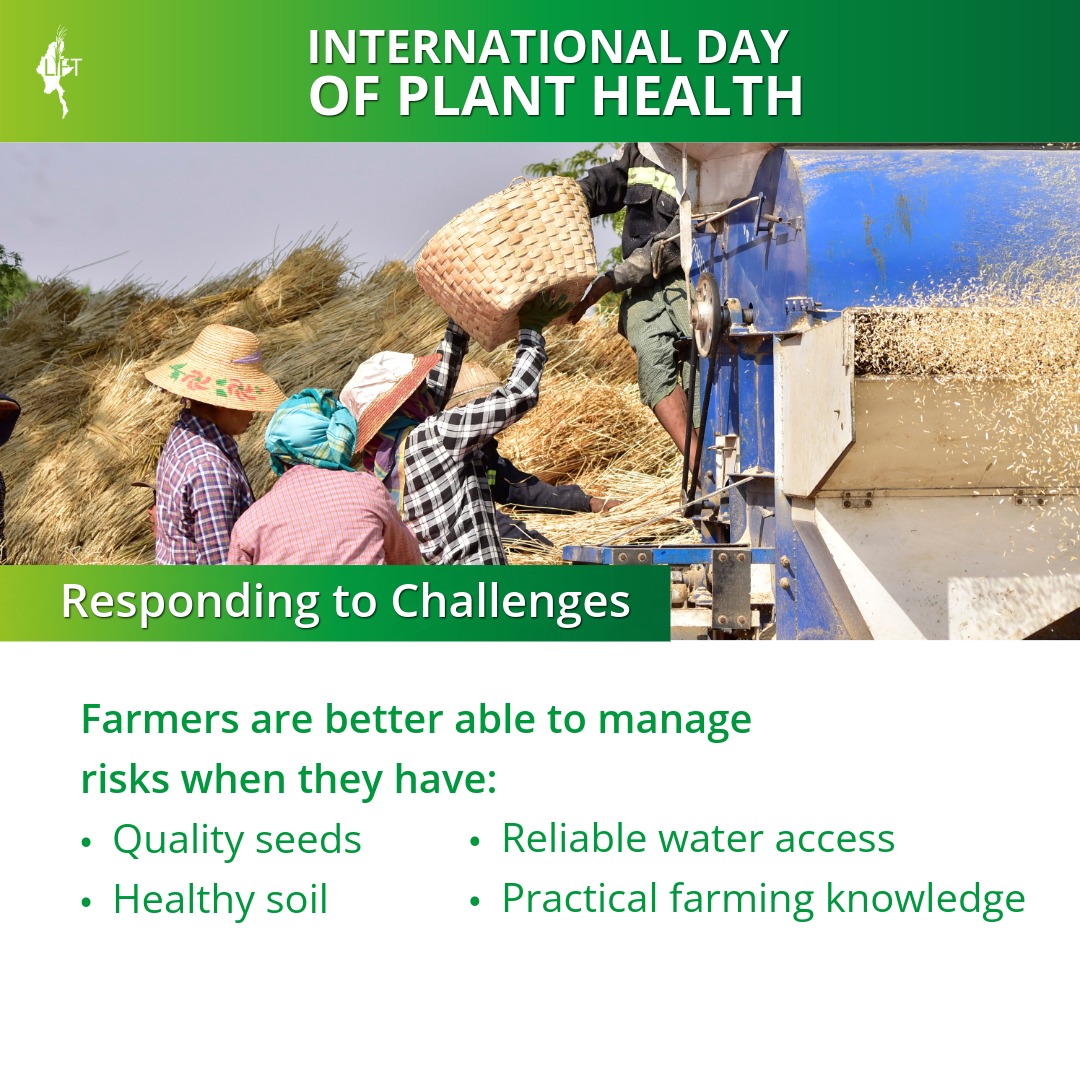
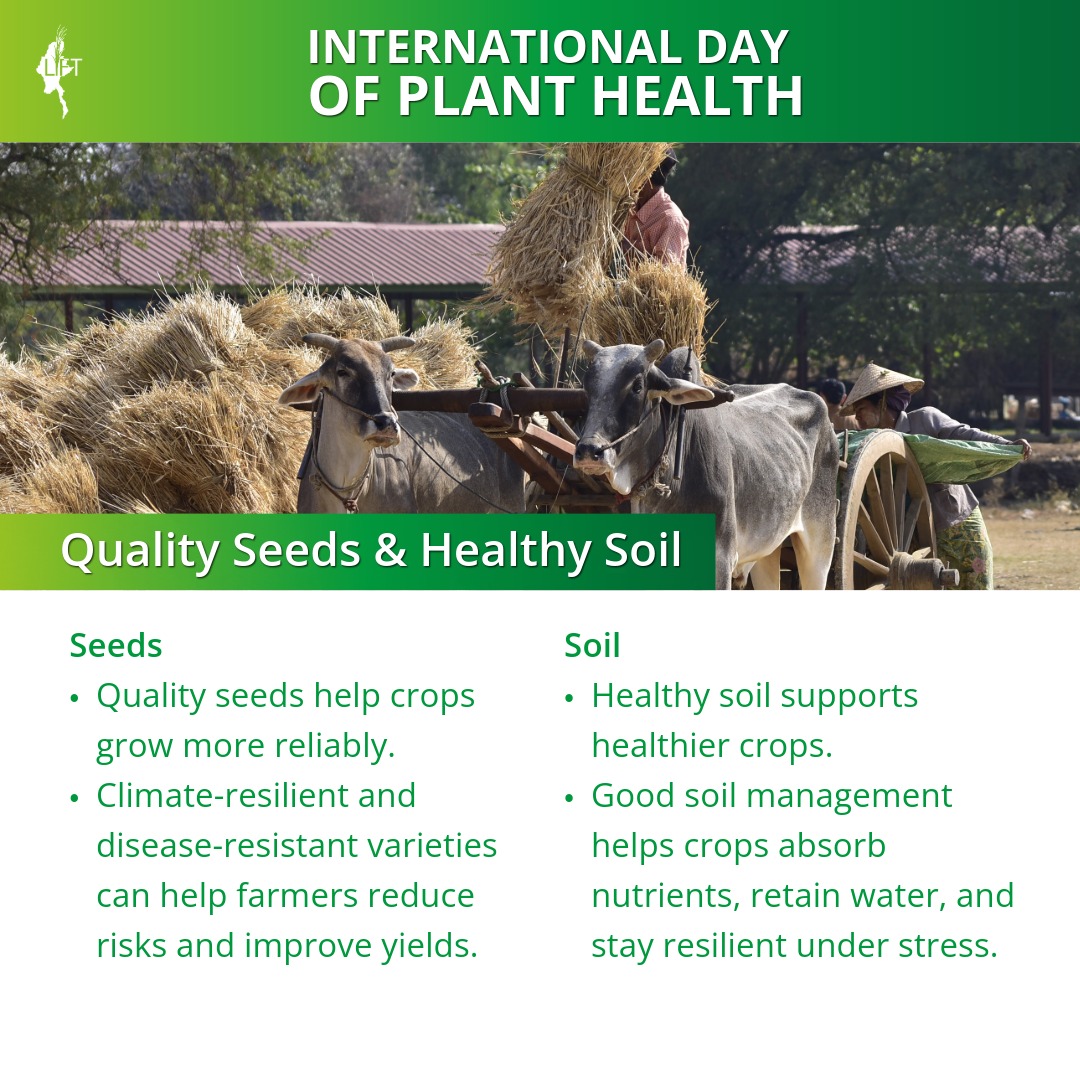
Farmers are better able to manage climate and agricultural risks when they have access to quality seeds, healthy soil, reliable water, and practical farming knowledge.
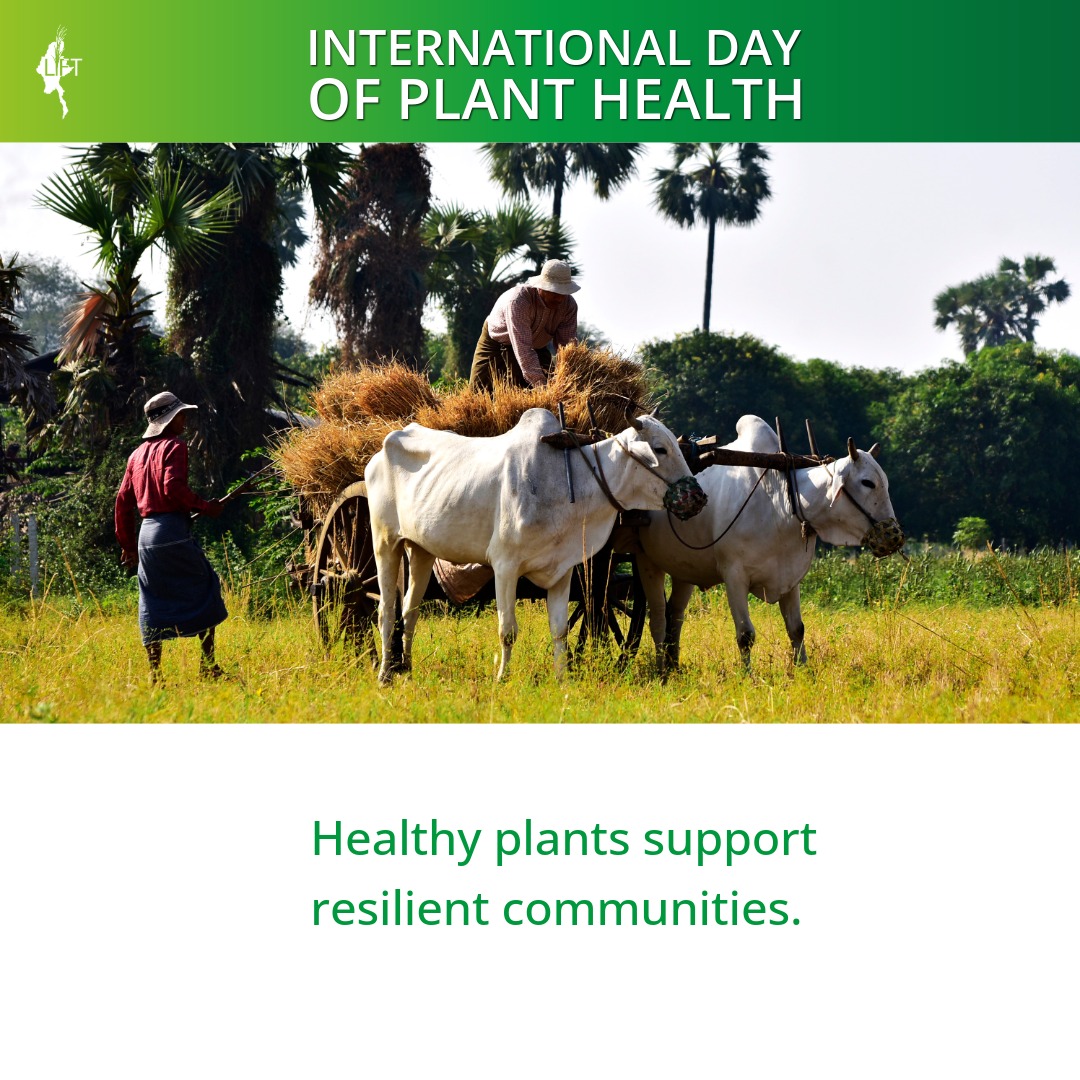
Healthy plants support more resilient communities.
#PlantHealthDay#FoodSecurity#ResilientAgriculture
Plant health is closely linked to food security, stable incomes, and community resilience. Why does it matter?
Swipe through the slides to see how healthy crops support food production, livelihoods, and help farmers respond to climate-related challenges.
#PlantHealthDay
Plant health is more than seeds or inputs. Soil, water, climate, and farmer knowledge all shape crop outcomes. As our specialists note, resilient agriculture requires a systems approach that connects production, resources, and resilience.
#PlantHealthDay
Through its programmes, LIFT supports communities to rebuild livelihoods, restore productive assets, and strengthen their ability to cope with future shocks—helping recovery move forward in a more resilient way. #BuildingResilience@UNOPS
On the International Day in Memory of the Victims of Earthquakes, we remember those whose lives have been changed by earthquakes. Beyond the immediate impact, recovery takes time, and risks remain where systems are not prepared. Preparedness and resilience matter.
@UNOPS
Rice fields often produce just one crop each season. But with integrated rice–fish farming, the same field can grow rice and raise fish together.
This supports food, nutrition, and income — all from one field.
One field. Two harvests.
(AI-generated elements included)
When fuel is costly or hard to access, farms and small businesses struggle. Work slows, costs rise, and incomes become uncertain. Renewable energy can power livelihoods, lower long-term costs, and help communities stay resilient.
(This video includes AI-generated elements.)
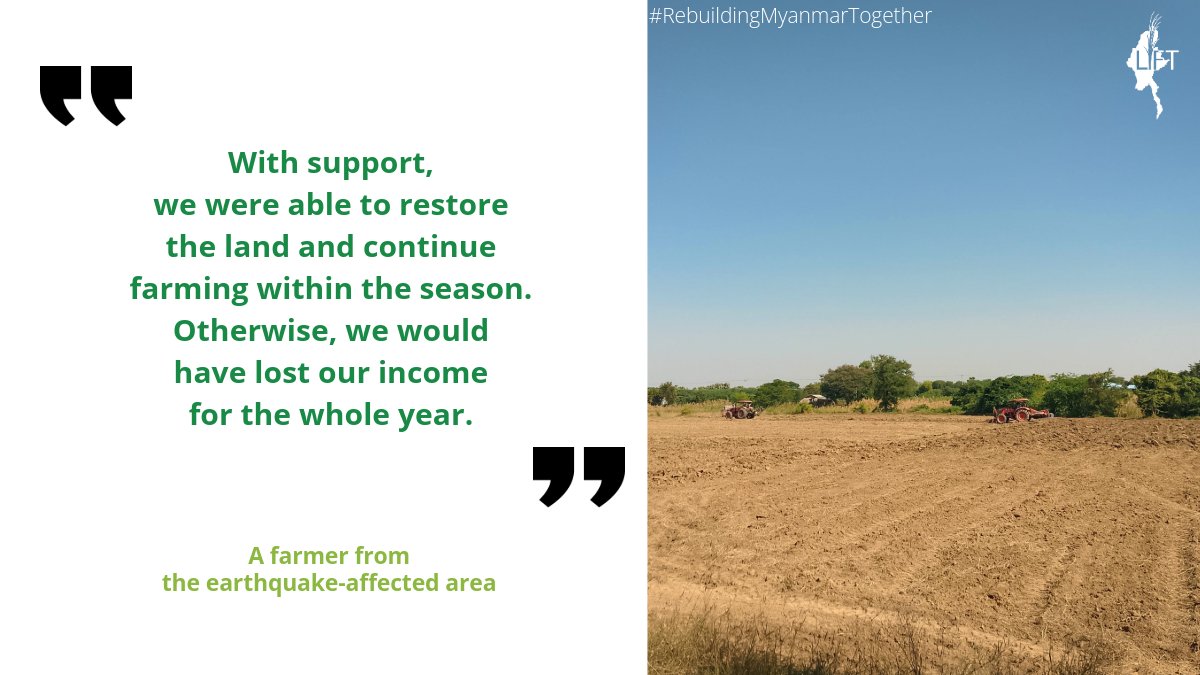
For many farming communities, the disaster did not only damage homes. Farmland was cracked, uneven, and difficult to cultivate. For some, this meant losing an entire planting season and their main source of income.
#RebuildingMyanmarTogether
https://t.co/l49POOJUUz
“After the earthquake, my land was damaged and I could not farm. Now I am growing crops again.”
One year after the earthquake, recovery continues across Myanmar.
#RebuildingMyanmarTogether
https://t.co/l49POOJUUz
Through coordinated response and early recovery support, farmers have returned to their fields, and small businesses are rebuilding, one year after the earthquake.
Recovery takes time, but communities are moving forward. #rebuildingmyanmartogether
https://t.co/rRFDLkHKNg
One year after the earthquake, recovery continues across Myanmar.
The disaster impacted millions of lives, damaging homes, farmland, and livelihoods. For many communities, rebuilding has meant restoring the systems that sustain daily life.
https://t.co/rRFDLkHKNg
One year after the earthquake, recovery continues across central #Myanmar.
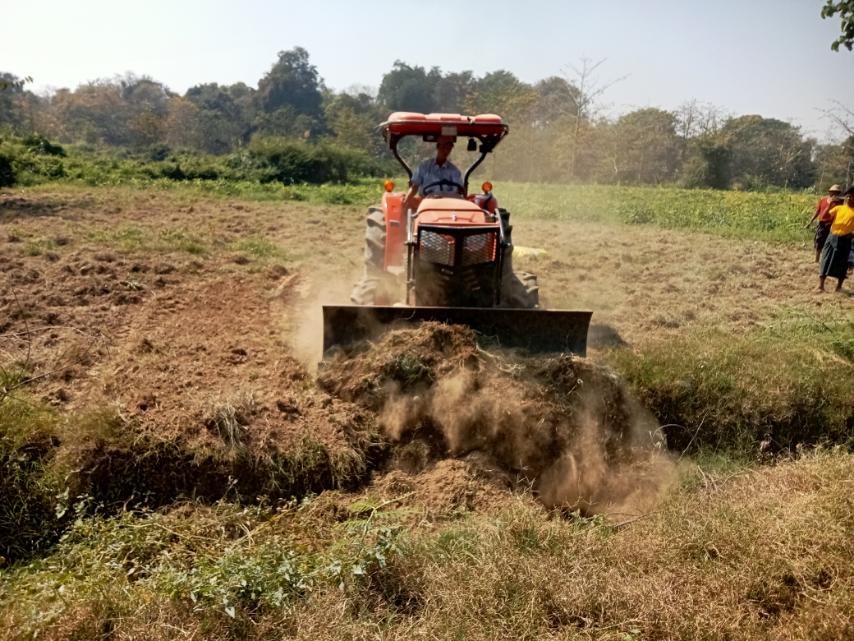
Farmland was damaged, disrupting planting and livelihoods.
With land restoration and agricultural support, farmers are returning to production.
#RebuildingMyanmarTogether