Check out our new Writing Listening Guide! 💡
It's your spot to jot down the big ideas, the practical moves, and the one thing you want to try tomorrow. 👇
Get Your Guide 📝 https://t.co/xPjtMhw0Xh
November is here, and we're going all in on Writing. 📝
This month on the podcast, we're bringing you the research, the routines, and the moves that help students grow as writers.
November Roadmap 🗺️ https://t.co/t89TAGmLpZ
If you listened to last week’s episode with Stephanie Stollar and Kate Winn, continue the conversation with our rereleased episode on building systems that lead to better reading results.
https://t.co/YbqahjIePv
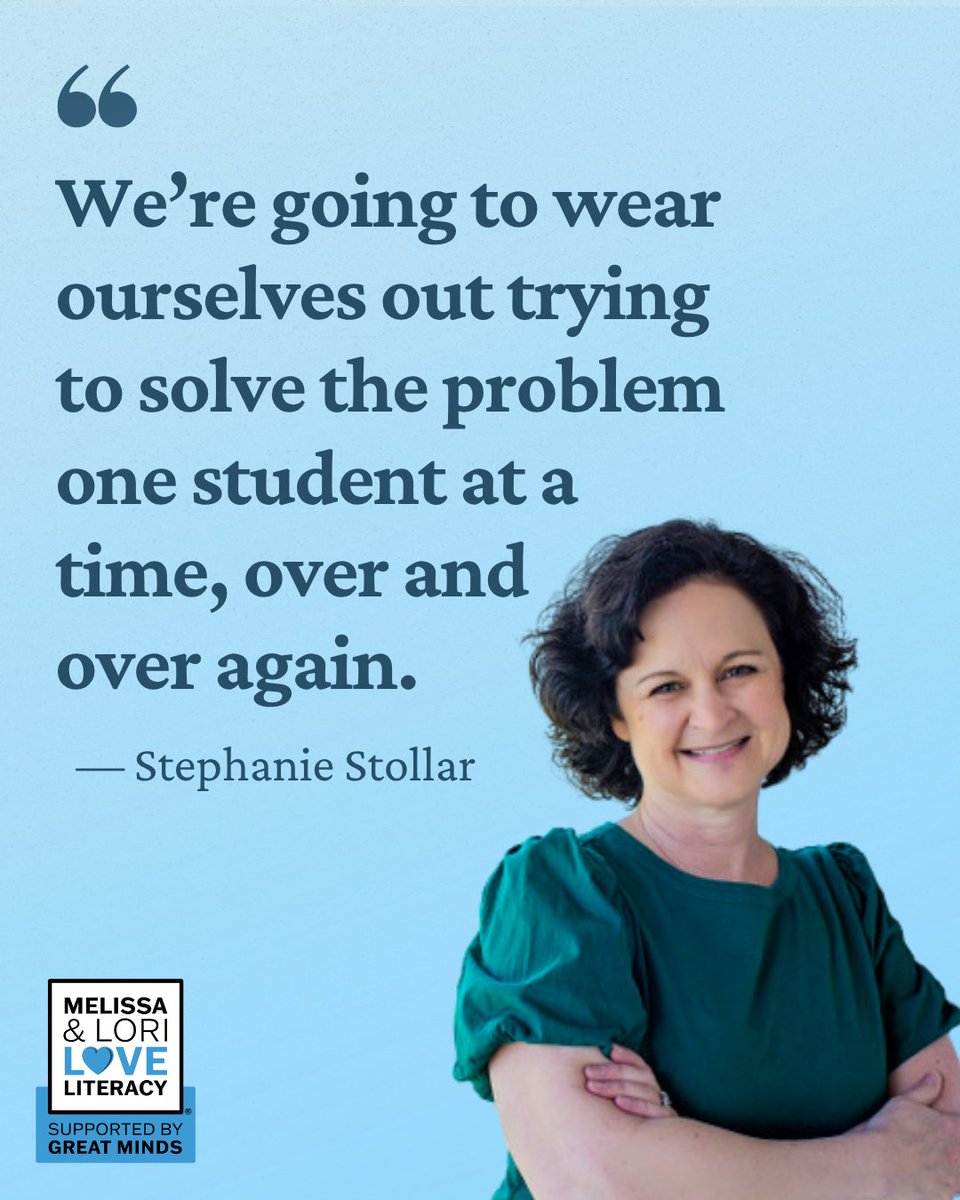
In this rereleased episode, Stephanie Stollar talks about strengthening Tier 1 instruction, identifying barriers to better reading outcomes, using data to make changes, and building an MTSS that responds to what students and educators actually need.
https://t.co/9d8P2o2oCz
A strong MTSS should be built around the needs revealed by the data, not around a checklist of procedures copied from somewhere else.
Hear more from Stephanie Stollar in our rereleased episode, “Systems to Get Better Reading Results.”
https://t.co/2mokKYcyJo
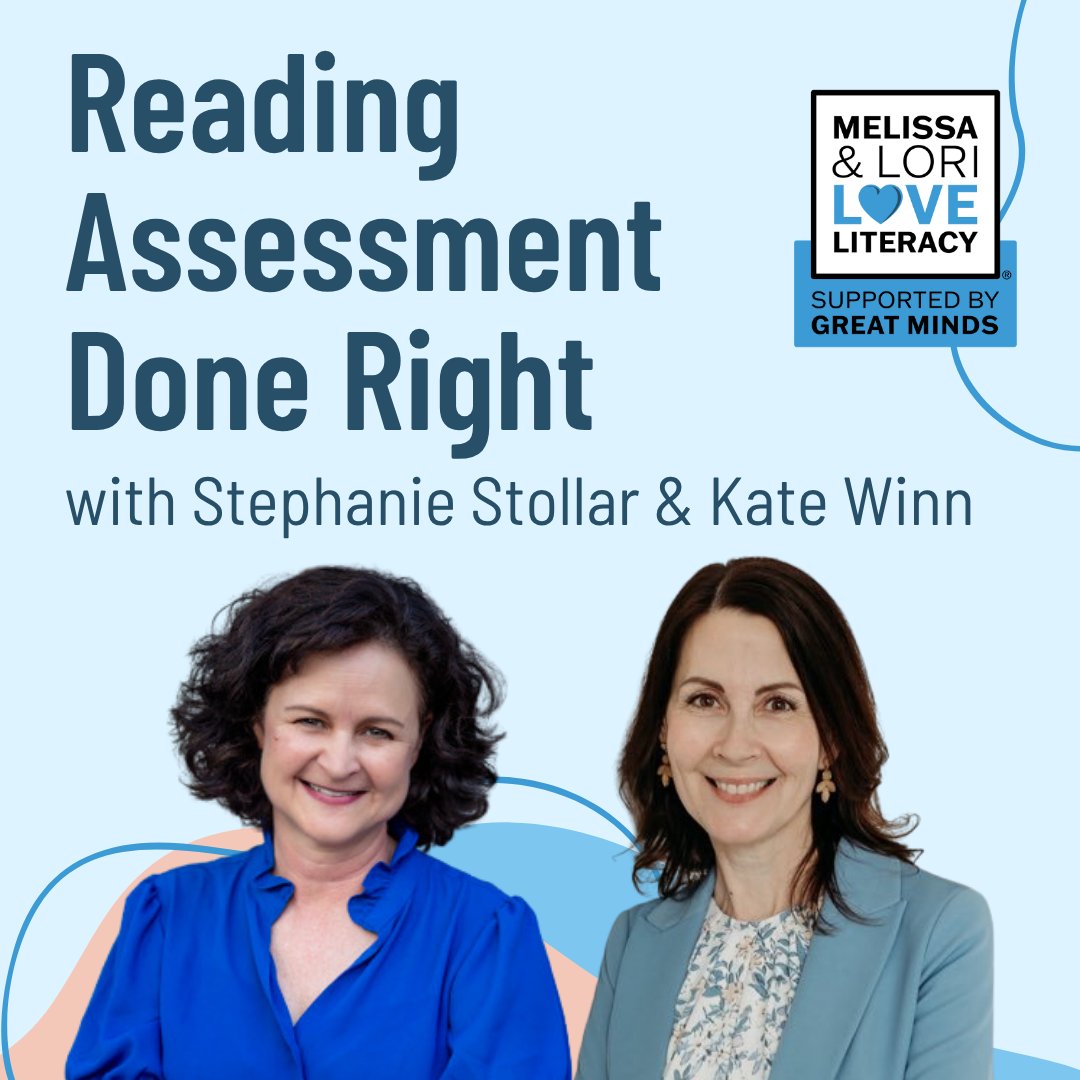
Have you listened to our new episode with Stephanie Stollar and Kate Winn yet?
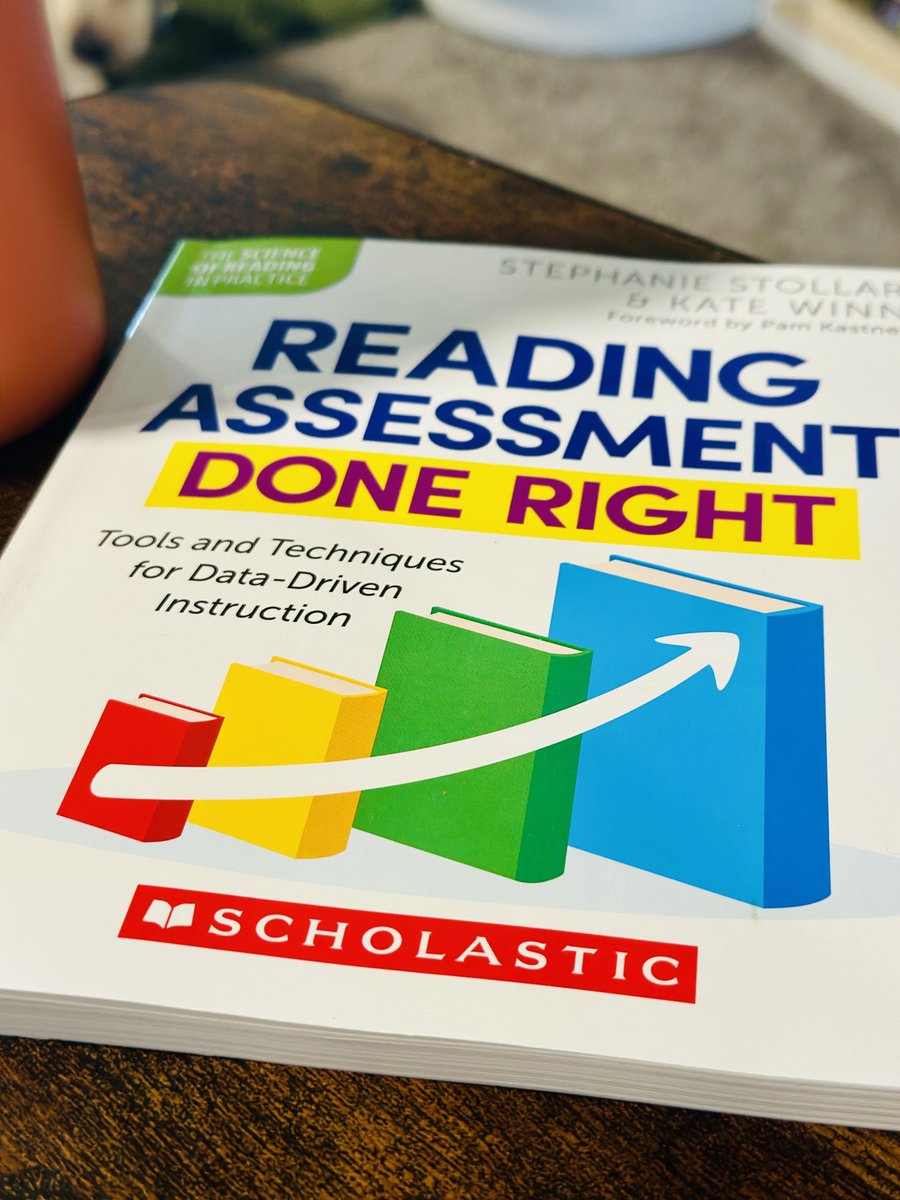
Their book, *Reading Assessment Done Right*, offers practical guidance for screening, diagnostic assessment, progress monitoring, and turning data into instruction.
In this rereleased conversation, Stephanie Stollar explains how school teams can use data to identify what is getting in the way and make a plan for changing it.
https://t.co/2mokKYcyJo
Someone has her eye on our latest podcast book. 📘🐾
In our new episode, Stephanie Stollar and Kate Winn help us sort through the different purposes of reading assessment and focus on the information teachers actually need.
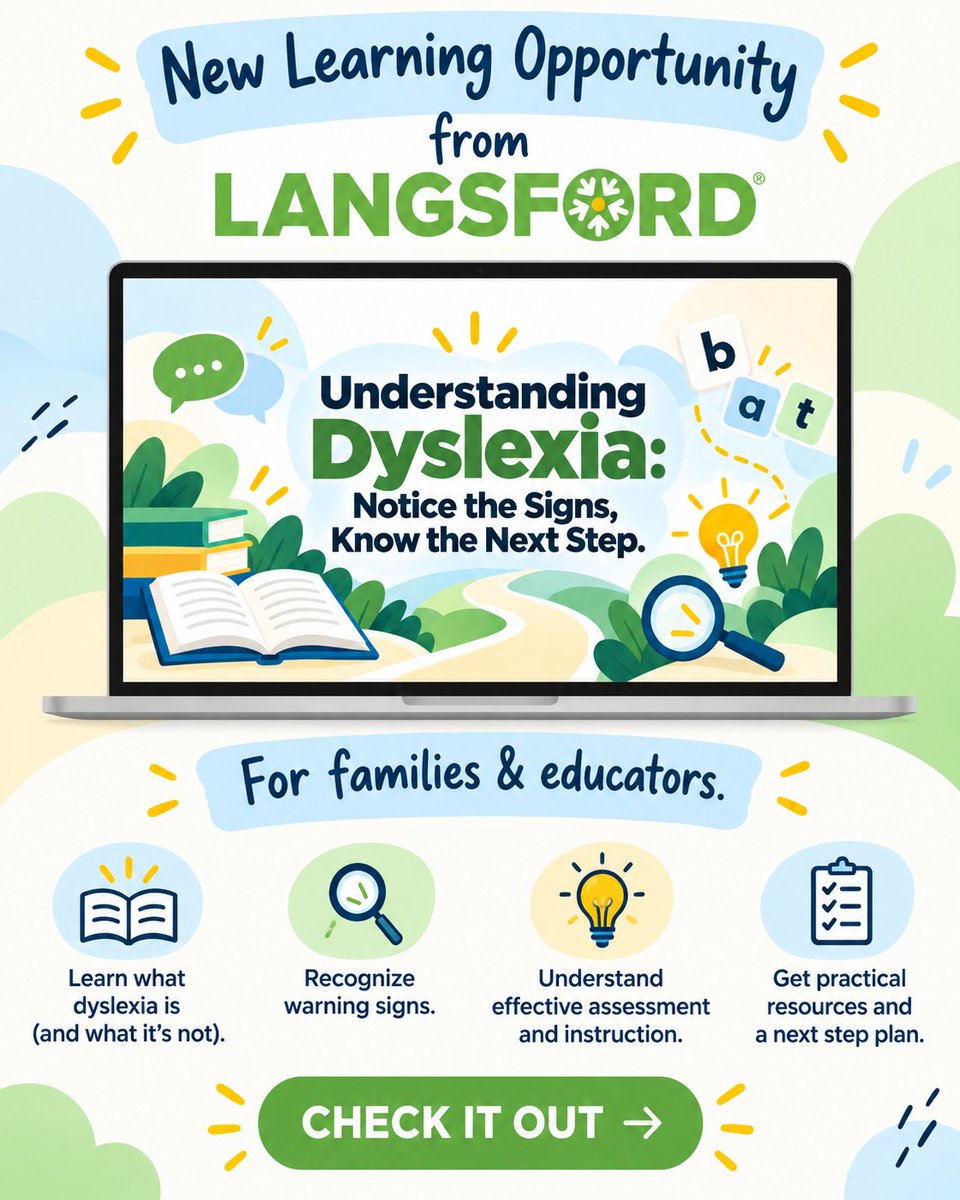
💚 Dyslexia can be confusing.
Our friends at Langsford have created a new on-demand course, Understanding Dyslexia, to help better understand dyslexia, recognize warning signs, and learn what effective assessment and instruction should look like.
https://t.co/WEgxc7kzB7
Listening to students read is simply one of the most important things you can do as a reading teacher.
In our new episode, Stephanie Stollar explains what teachers can learn by listening closely and why reading accuracy is essential for comprehension.
https://t.co/rI5qwOe0jL
Imagine 2 students who read 85 words correctly in 1 minute.
1 reads slowly but accurately. The other reads quickly while making many errors. A score tells part of the story.
Hear Kate Winn explain this example in “Reading Assessment Done Right.”
https://t.co/ZxM4SHWa05
Are your reading assessments helping you decide what to teach next?
In our new episode, Stephanie Stollar and Kate Winn, authors of Reading Assessment Done Right, help us make sense of screening, diagnostic assessment, and progress monitoring.
https://t.co/eOFxNP6GMg
Kate Winn and Stephanie Stollar recommend starting with one quality, evidence-based assessment for each purpose: screening, diagnostic assessment, progress monitoring, and outcomes.
They help us sort out what each one should tell us in our new episode, dropping Friday!
When large numbers of students score below benchmark, the solution can't be to create an individual plan for each child.
Stephanie Stollar and Kate Winn help us think differently about how schools collect and use reading assessment data in our new episode, dropping Friday!
Stephanie Stollar & Kate Winn organize reading assessment around:
Who's at risk?
What should I teach next?
Is instruction working?
Did students reach the goal?
This Friday's episode will walk through those questions +more.
Book link: https://t.co/lvJfSz2Uyc
A new episode with *Reading Assessment Done Right* authors Stephanie Stollar and Kate Winn is coming Friday!
We’ll talk about screening, diagnostic assessment, progress monitoring, running records, and how to use assessment data to make better instructional decisions.
Ameer Baraka says an estimated 1 in 5 people live with dyslexia every day of their lives. He's one of them, and it took 42 years for anyone to tell him why he struggled the way he did.
Comment DYSLEXIA and we'll send you the full episode. https://t.co/bVneAHW4iA
The relief of finally having an answer to the “why.” This passage from Ameer Baraka’s Undiagnosed: The Ugly Side of Dyslexia says so much.
A powerful story and an episode worth hearing. Listen wherever you get your podcasts. 💛
https://t.co/raNzP6yHCL