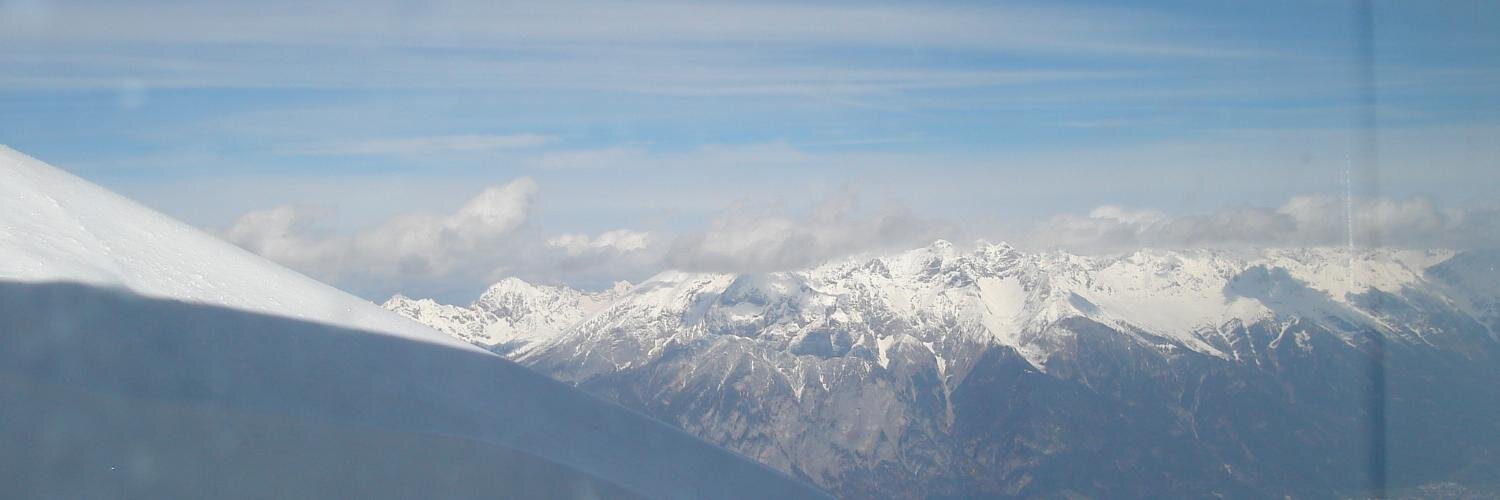
This film shows some of the countryside which could be plastered in solar panels if plans for the UK’s biggest solar farm are approved between Perth and Dundee on beautiful prime farmland in the Carse of Gowrie. It spans approximately 2,000 acres - equivalent to approximately 1,200 to 1,250 football pitches. Absolutely disgraceful. Rural vandalism.
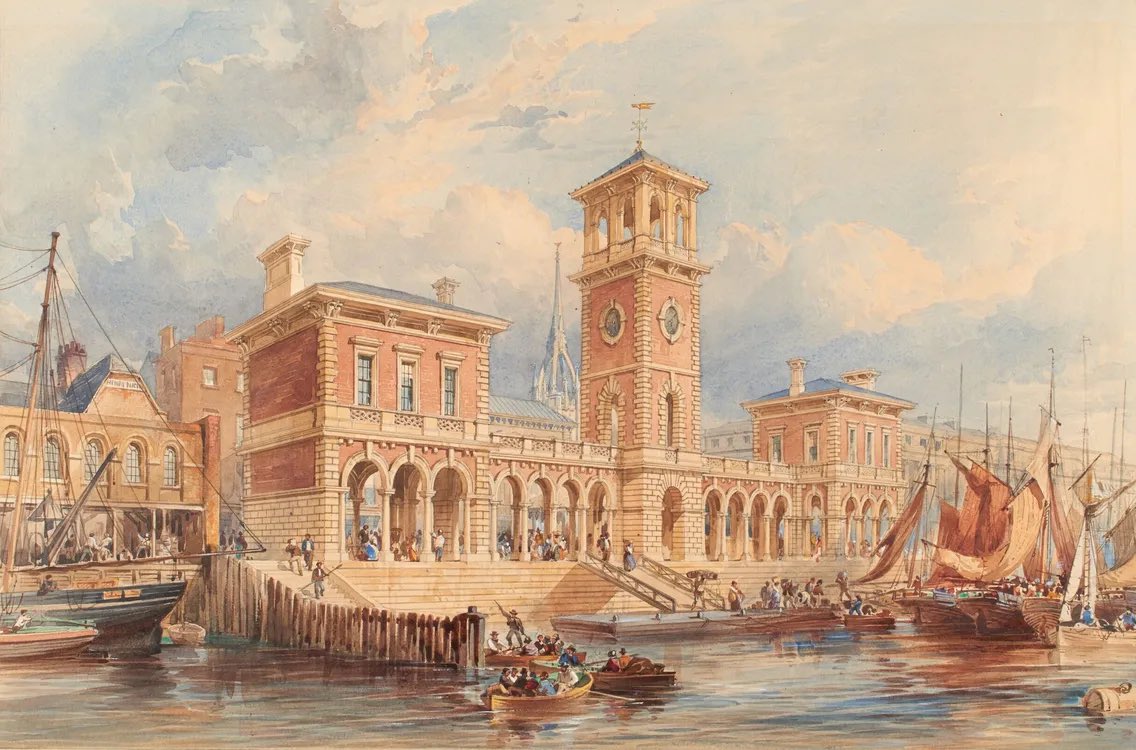
Liverpool is set to welcome a remarkable piece of maritime history next week as a full-scale replica of the Nao Santa María arrives at the Royal Albert Dock for a special visit. ⚓
So while 26 million people in England and Wales are living under a hosepipe ban last night this is happening on a golf club in north London.
What am I missing?
The British government has spent public money telling you to eat less of the most tightly regulated beef on earth, while the docks fill up with the alternative.
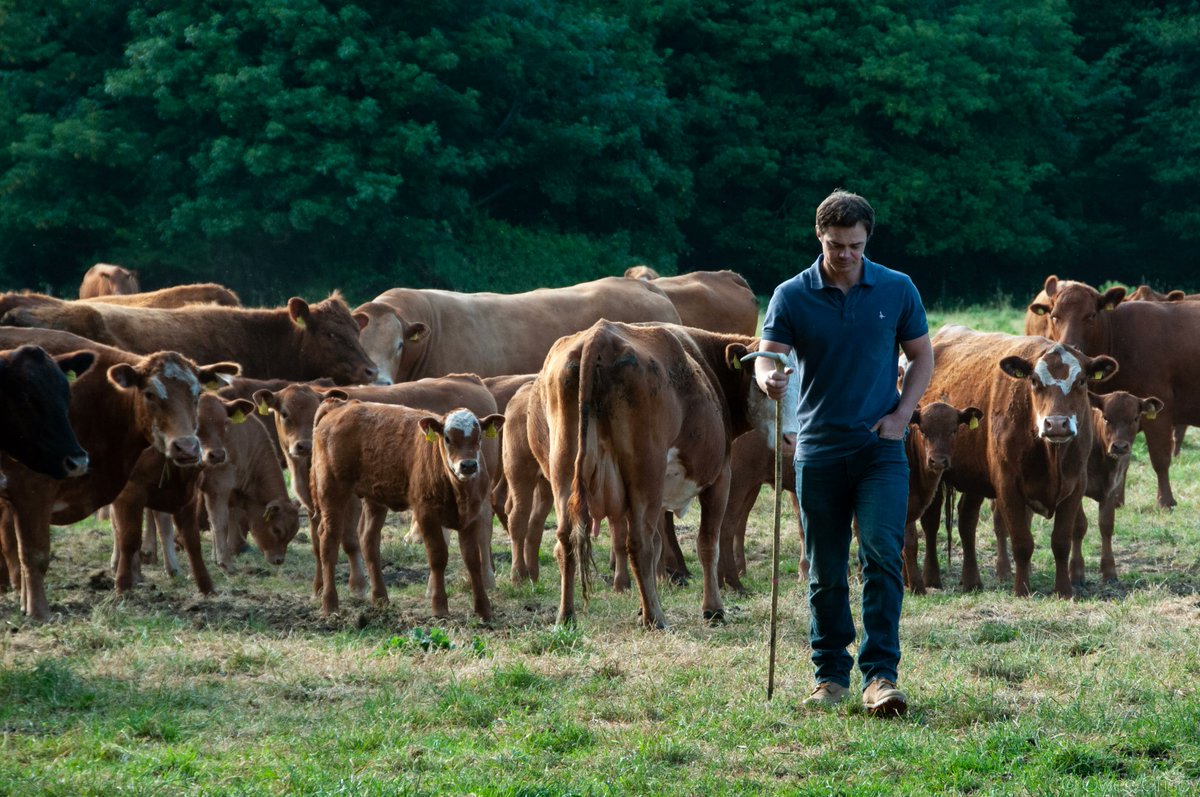
Here is what stands behind a British beef animal:
- Grass, and almost nothing else. Around 90 per cent of the lifetime diet.
- Two thirds of British farmland, which grows grass and nothing else ever will.
- Rain. Over 90 per cent of the water in that animal fell out of the sky.
- A herd of 27 head. That is the British average. A family, a dog, a field.
- No hormone growth promoters. Banned here in 1988. Standard in the United States.
- No ractopamine. Banned here. Legal in twenty-odd countries selling to us.
- No routine antibiotics for growth. Banned across the UK since 2006.
- Traceability from birth to plate. Every animal has a passport and a number.
- CCTV in every live-animal area of an English abattoir since 2018.
- A carbon footprint under half the global average for beef.
Cattle and sheep together are 5.7 per cent of this country's emissions.
The official advice, published and funded and taught in schools, is to eat less of it.
Now the trade figures. Beef imports have surged. The English cattle herd is at 4.91 million head, the lowest since records began in 1984. Farms held since Victoria are selling the cows and letting a fund plant trees on the field.
None of that reduces the beef eaten in Britain by one kilo. It moves where it comes from. Dismantle the highest-welfare beef system on the planet, and backfill it with beef raised under rules we outlawed in 1988, shipped six thousand miles, sold on the same shelf under the same word, a fifth cheaper.
An outsourcing arrangement with a rosette on it.
Ask the man at the counter where it came from. If he cannot name the farm, buy it somewhere he can, and buy the fatty cuts while you are there.
They are not asking you to eat less meat.
They are asking you to eat somebody else's.
Manufacturing solar panels requires extreme heat, up to 3,600F, to turn silicon dioxide into usable silicon.
hen, for every megawatt of panels produced, inputs total around 1.4 tons of toxic chemicals and nearly 3,000 tons of water.
Production can also release greenhouse gases thousands of times more potent than CO2 molecule-for-molecule.
Silicon is wasted during wafer cutting, while other manufacturing stages involve hazardous compounds, including trichlorosilane and silicon tetrachloride.
Then comes disposal.
IRENA projects global solar panel waste will reach around 6 million tons every year by 2050, with cumulative waste approaching 78 million tons.
Recycling is possible, but it requires more energy, water, chemical processing and specialized facilities.
Solar panels can be labeled "clean," but only if you ignore the intensive mining, extreme heat, toxic chemistry, manufacturing waste, disposal, and also the short life cycle (of just 10 to 15 years).
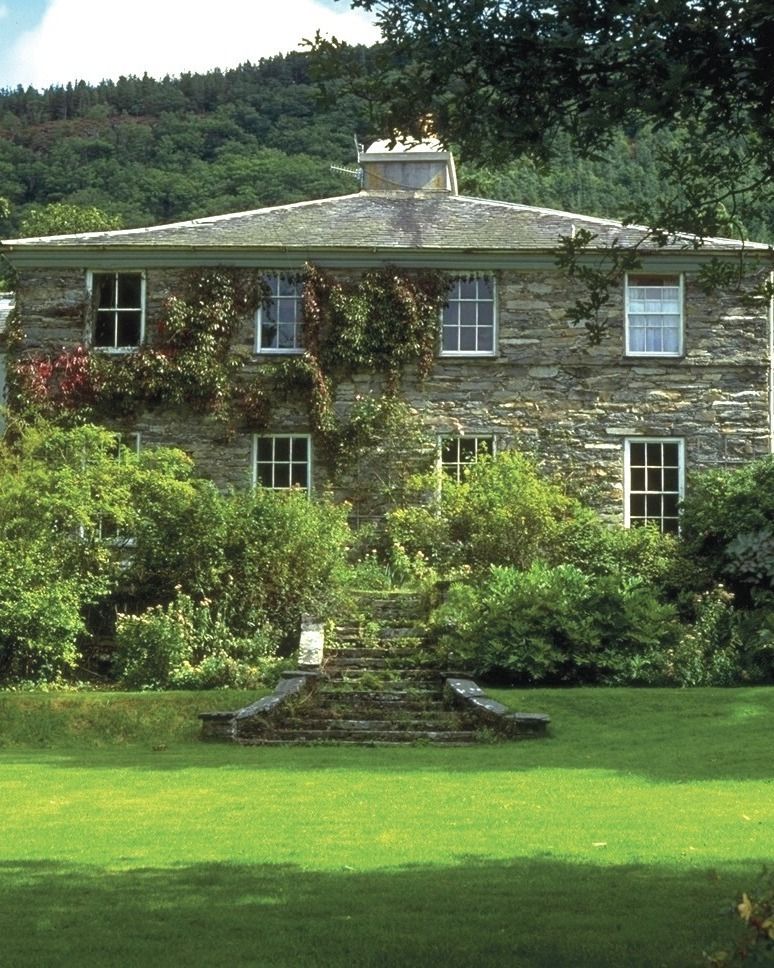
🌿 Looking for the perfect venue or group getaway in the heart of Eryri (Snowdonia) National Park?
🏡 Rhyd-y-Creuau offers venue hire and group accommodation in a beautifully restored Georgian country house dating back to the early 1800s. Surrounded by some of the UK's most spectacular landscapes, it's the ideal base for walking groups, youth groups, retreats and outdoor adventures.
✨ Stunning surroundings ✨ Comfortable group accommodation ✨ Direct access to incredible walking routes and Eryri ✨
We've put together a blog covering everything you need to know about the facilities, local landscape and spirit of Rhyd-y-Creuau.
Read here: 📖 https://t.co/96KmsbVJcN
The Dutch painter Menso Onnes was initially influenced by the Hague School and then after meeting the artist Floris Vester his style became freer and much looser. Shown here (1895) is his studio decorated with bottles and glass vases to catch the sparkling effects of light.
So much of Britain’s produce trading, food supply and historical enterprise culture is being closed down and sold off to corporation asset strippers.
London's historic Billingsgate Fish Market and Smithfield Meat Market are permanently closing their current sites, with a "stay of execution" keeping operations running until 2028.
The City of London Corporation recently voted to withdraw operational support and cancel the previously approved £1 billion relocation mega-project to Dagenham Dock due to soaring inflation and construction costs.
So at the start of the week we gathered the fell ewes up, from Riggindale and Welta. It’s shearing time for them. This may sound late to many people but these sheep graze up to 2700ft in one of the wettest parts of the Lakes.
The girls will get sheared today, then next week will get the tup lambs weaned and all the twins will head back to the hill with these girls to get heafted. The cycle continues…
The UK’s proposed biggest solar farm between Perth & Dundee. 2,000 acres of prime farmland. The equivalent of 1,250 football pitches of food-producing land. Gone.
If the Scottish government cared about food security and the Scottish countryside, they would never let this happen.
Landfill is becoming the default graveyard for the fading renewable-energy green dream.
Millions of solar panels are already hitting their end-of-life cycle, and the world is completely unprepared for the toxic avalanche due in 2030. By 2050, the International Renewable Energy Agency says it will get much worse, with more than 200 million tonnes of cumulative solar panel waste globally. Plus, there will be additional tens of millions of tonnes of decommissioned wind turbine components. Turbine blades are virtually indestructible.
The industry has claimed solar panels and turbines were ‘95% recyclable’. Technically, they are—because they are made of glass, aluminium, and copper. But the reality is a different story. In the US, it costs roughly $20 to $30 to properly disassemble and recycle a single panel, compared to just $1 to $5 to dump it in a landfill.
Because there is little financial incentive to disassemble and recycle parts, around 90% of decommissioned panels in the US and a large share of turbine blades worldwide go straight into the ground.
These devices are highly complex. A solar panel is an industrial ‘sandwich’ bound tightly by heavy polymers. Extracting the microscopic amounts of valuable silver and high-purity silicon requires energy-intensive chemical and thermal processing.
When crushed or left to fracture in landfills, heavy metals like lead and cadmium leach into surrounding soil and groundwater, turning ‘clean energy’ into a multi-generational hazardous waste problem.
The crisis is accelerating faster than models ever predicted. As solar cells degrade and newer, cheaper panels hit the market, consumers and solar farms are ripping out functional systems a decade early to repower and upgrade.
The dream of renewable energy from sunlight and wind has, in reality, created an endless loop of unrecyclable industrial trash.
In Bayern gibt es wohl 75 % Ernteausfälle. In BW sind es wohl auch fas 50 % weniger. Im nördlichen Westdeutschland wohl 30 % weniger.
Nur in Ostdeutschland sind es vielleicht nur 10 % weniger.
In der Schweiz und in Österreich gibt es bereits Notschlachtungen von Kühen, weil kein Futter da ist und man bereits das Winterfutter verfüttert.
Das bedeutet, dass auch Milch und Milchprodukte im Winter und nächsten und vielleicht auch im übernächsten Jahr deutlich weniger vorhanden sein werden.
In Portugal, Spanien, Frankreich, Italien, Schweiz, Österreich, Belgien, Polen und England gibt es große Ernteausfälle und Dänemark wird wohl kaum die halbe EU ernähren können.
Das geerntete Getreide war in die Notreife übergegangen und hat deshalb eine andere chemische Zusammensetzung, mehr Eiweiß und weniger Kohlenhydrate. Es eignet sich zum Viehfutter aber kaum zum Backen.
Beim Gemüse gibt es bundesweit Ausfälle (bei uns im Garten ist dieses Jahr gar kein Gemüse gewachsen, weil wir mit dem Gießen aufgegeben haben.
Und 2027 soll schon das nächste Dürrejahr kommen.
2026 gibt es zudem global viel geringere Ernten, weil durch den Irankrieg der Dünger nicht rechtzeitig verteilt und ausgebracht werden konnte.
Wir können also auch nicht einfach beliebig Essen aus dem Ausland zukaufen (bzw. wenn wir das tun, werden in anderen Ländern Menschen verhungern).
Eigentlich würde ich in solch einem Fall von einem Bundeskanzler erwarten, dass er eine Rede an die Nation hält.
Aber Klimawandelfolgen passen wohl nicht zur Ideologie und noch weniger zur fossilen Agenda von Merz.