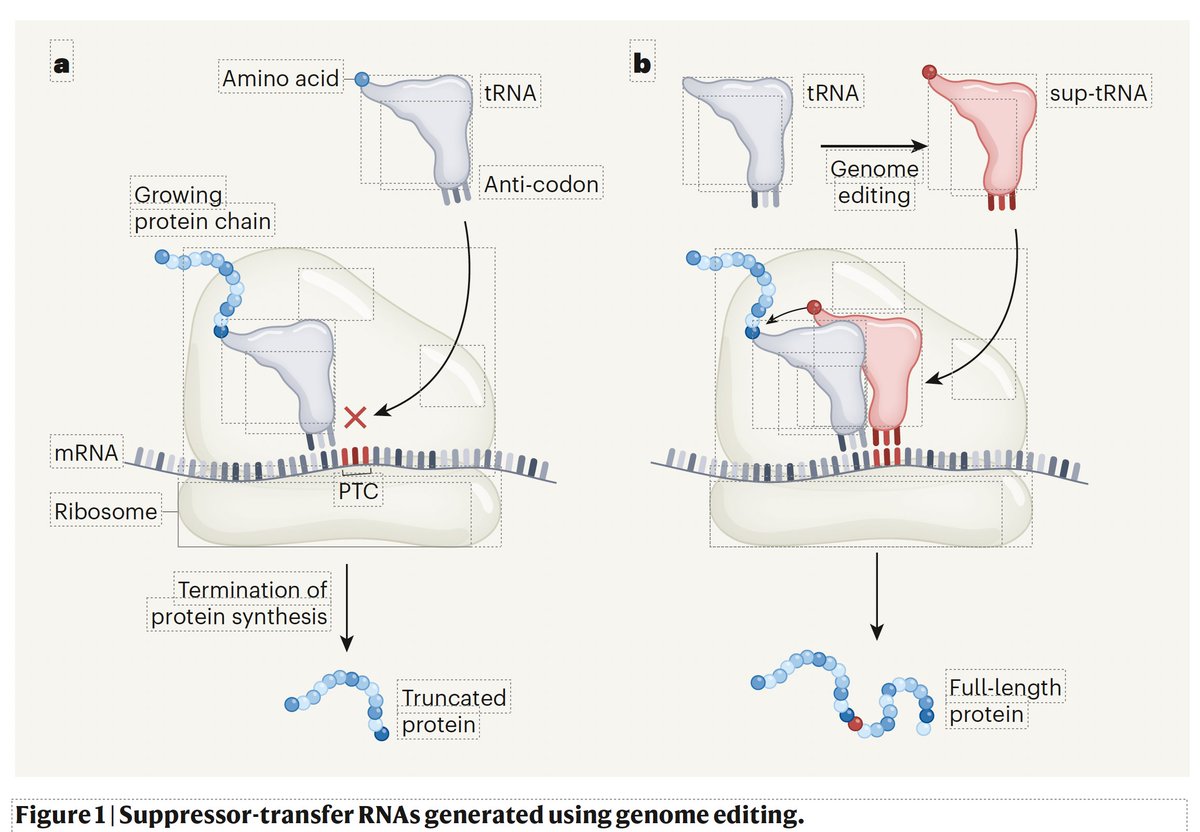
Another jump for genome editing today by @davidrliu and colleagues, addressing the ~11% of nonsense mutations that lead to premature stop codons, affect protein synthesis, and suitable for disease agnostic intervention @Nature@NatureNV
https://t.co/i7b5VCeGbu
https://t.co/b0bv8NCh8C
A team at the Broad Institute co-led by @Sarah_E_Pierce, @stevenerwood, and @davidrliu has developed a new genome-editing strategy that could potentially lead to a one-time treatment for multiple unrelated genetic diseases. https://t.co/GvXUDQDBHM
Single Prime Editing Platform Shows Potential vs. Multiple Diseases
PERT edits the genome to permanently express a suppressor #tRNA, so that cells affected by nonsense mutations can produce functional protein
@davidrliu#primeediting#geneticdiseases
https://t.co/dtWs9Br6yN
Today in @Nature we report a new prime editing strategy that can rescue a common cause of many genetic diseases in a disease-agnostic manner. This approach converts a redundant endogenous tRNA into an optimized suppressor tRNA, enabling a single prime edit to rescue premature stop codons across different diseases.
(1/15)
https://t.co/zs0qu5bhXx
That @US_FDA is recognizing here the urgent need for regulatory strategies to evolve to match the pace of scientific advances in ways that streamline bringing the science safely to patients is incredibly important. I hope these new policies provide a foundation that will eventually allow certain kinds of genetic surgeries to become as routine as life-saving conventional surgeries, in which the process is robust and standardized enough to be rapidly adapted to each patient, without the need for a separate multi-year regulatory process for each surgery.
📣 Announcing the 2026 Franklin Institute Awards Laureates!
Their work spans a range of scientific discoveries, from the smallest units of life to the vast expanse of the universe.
Visit https://t.co/aAHkdSVy4U to learn how they are charting bold paths to the future!
#FIAwards
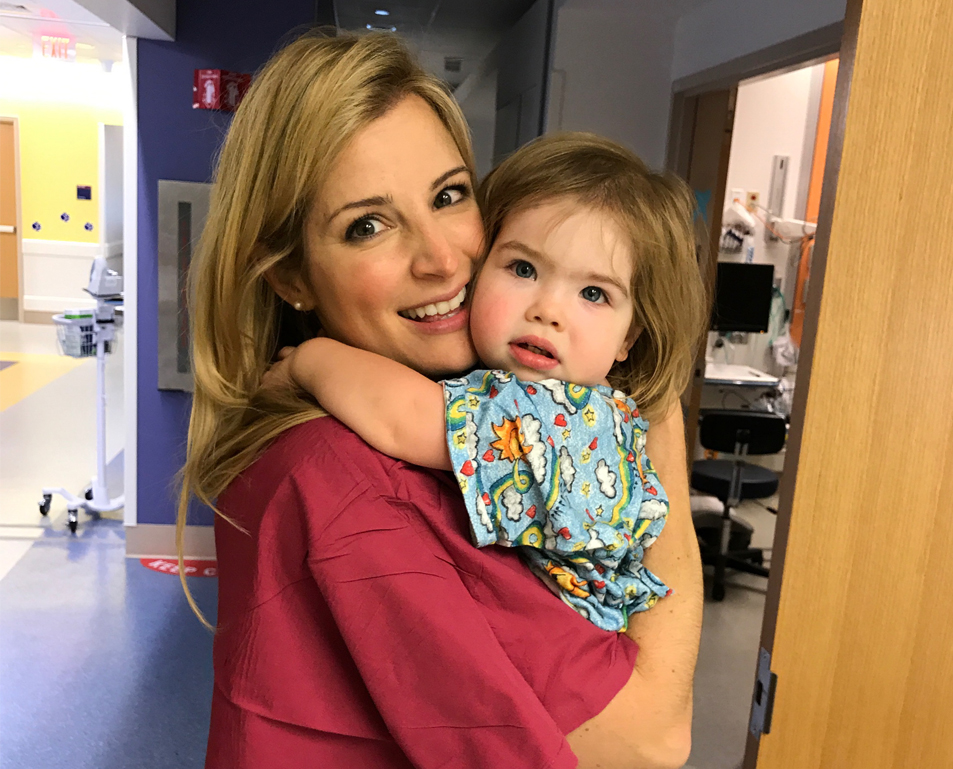
Alyssa Tapley was 13 when doctors told her she was going to die.
She was diagnosed with a rare form of leukemia and had endured a year of failed treatments, including chemotherapy and a bone marrow transplant, when her doctors said they had run out of options. They were talking about end-of-life care when Tapley begged them not to give up on her. https://t.co/MlhpOaF5M9
Tonight’s episode of @60Minutes will include a segment on the impact of federally funded science and recent cuts to science funding. Our lab’s development of base editing and prime editing and their clinical applications will be among the work described in the episode. https://t.co/7zh9UqcFB2
#NASmember David Liu is a pioneer in developing techniques to treat genetic disorders, including CRISPR. In an interview with @sciencenews, he discusses what first drew him to science, and what gives him hope for its future. Read here: https://t.co/wfQEjip4vL #genetics
An excellent interview with @davidrliu in Harvard Magazine highlighting his lab’s inventions (PACE, base editing, prime editing), his high-energy work ethic and “ceaseless” drive, his mentoring philosophy (giving freedom, emphasizing collaboration), and his motivation to translate basic research into patient impact.
https://t.co/z03r1q5sA0
“Taking advantage of the ability of prime editing to do search-and-replace gene editing raises the possibility that a single composition of matter [...] might benefit many, many more patients than going after diseases one mutation at a time” -@davidrliu
https://t.co/DIB9ndDUZv
When I first joined @GENbio in 2022, there was one name I kept hearing seemingly weekly: @davidrliu. David Liu's lab invented base and prime editing (gene editing tools now in 20+ clinical trials with early wins against sickle cell, leukemia, and more).
In this episode of @Inside_PM's Behind The Breakthroughs, David shares about his childhood, how he landed on the problem of engineering gene editors, and some of what he plans to reveal to the world next.
Liu is a professor at @Harvard University and the @broadinstitute, co-founder of several companies, including @editasmed, @BeamTx, and @PrimeMedicine, and winner of the 2025 Life Sciences award from the @brkthroughprize.
https://t.co/LunYiiOJ5L via @acast
One-shot prime genome editing ("CRISPR 3.0") of the brain in vivo corrected AHC, a rare genetic disorder, in the mouse model. Another big step forward in the genome editing field. @CellCellPress@davidrliu and colleagues
https://t.co/4ln0cEQle1
These results represent the first use of prime editing to rescue a neurological disease in animals, establish that in vivo postnatal intervention in AHC’s pathology is possible, and suggest the potential of a one-time prime editing treatment for AHC.
(Photo: https://t.co/j5Q0XLP3K5)
9/10
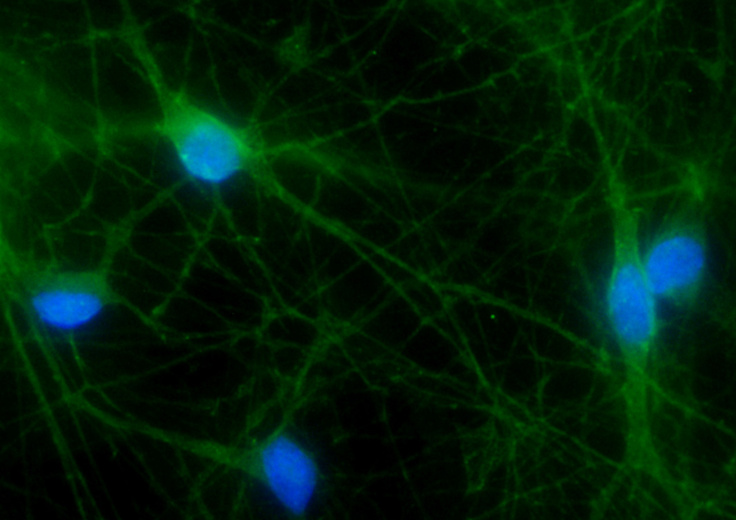
Today in @CellCellPress we report the use of prime editing to correct several mutations that cause alternating hemiplegia of childhood (AHC), a rare and devastating neurodevelopmental disorder, in patient-derived cells and in two mouse models.
https://t.co/gS7NsGqjtr
1/10
Partnership between @davidrliu, @jacksonlab, and rare disease group @RAREH0pe leads to first use of prime editing for a brain disease that reduced symptoms, extended lifespan in mice, offering hope for other rare genetic diseases. https://t.co/tVxKsb1dzl
The latest from Liu Group alum Luke Koblan? Oh, just a way to study cell state and lineage dynamics over biologically relevant spatiotemporal scales....in vivo 🧐🔬✨
Introducing PEtracer 👇🏼
1/14
On behalf of the amazing team in @JswLab, we’re excited to share PEtracer (https://t.co/YpIf4tazbw) a prime editing-based evolving lineage recorder compatible with both scRNA-seq and high-resolution imaging readouts in intact tissue. By applying PEtracer in a syngeneic mouse model of lung metastasis, we dissect how cell-intrinsic and environmental factors coordinately shape tumor evolution in vivo.
In @NatureGenet we report that base editing of trinucleotide repeats (TNRs) reduces somatic repeat expansions in Huntington’s disease (HD) and Friedreich’s ataxia (FRDA)—in patient-derived cells and in vivo—a collaboration with the Mouro Pinto lab.
https://t.co/J6MhwEAgoB
1/14
“One of the biggest tragedies I've observed in my professional life.” @davidrliu, winner of the @brkthroughprize in Life Sciences and professor at the @broadinstitute and @Harvard, describes the cost of government cuts to science research at universities. @WalterIsaacson