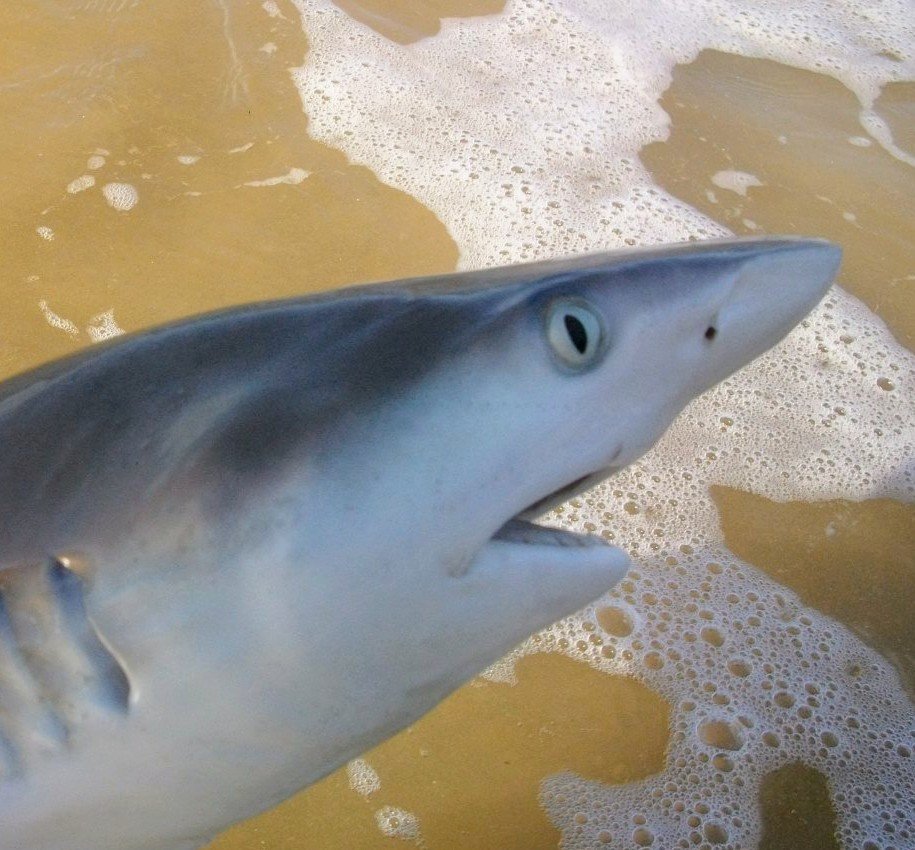
What A 5-Million-Year-Old Bite Reveals About Climate Change And Sharks
https://t.co/qFdwndIPUy
As oceans warm, similar predator-prey dynamics could return, offering a glimpse into the future through the lens of the past.
@frogkenny Hi Kenny. "Here's one" a #TorresStraitIslandPigeon or Torresian imperial pigeon. To name a few. Here in Far North Queensland you start to see them in numbers from October in to the new year.
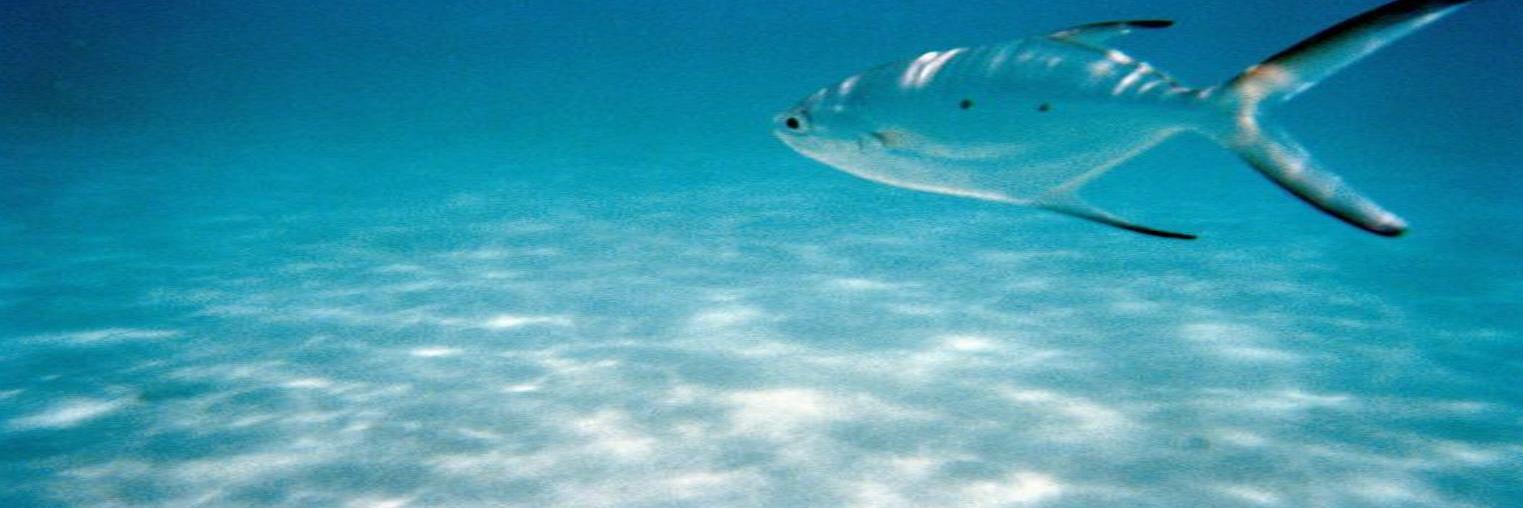
#BeachFishingNorthQld#Kingthreadfin Nick name #KingSalmon Juvenile,1st pic. Amazing table fish here in far North Queensland. Subject to heavy fishing over the years, now bouncing back due to regulations. Fish under 65cms must be released. Pics and fish caught by Tldge.
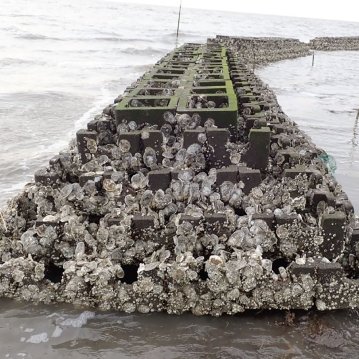
Coastal cities are replacing concrete seawalls with oyster reefs. The oysters are better at the job.
Seawalls start degrading the day they're installed. Waves chew them up, storms crack them, and the repairs never stop.
An oyster reef, on the other hand, doesn't break down. It actually grows. The oysters stack, reproduce, and fuse into living rock that gets stronger every year. A mature reef can cut incoming wave height by up to 83%, trap sediment, rebuild the shoreline behind it, and shelter fish, crabs, and shrimp while it does the work.
A hectare of reef provides up to $85,000 a year in shoreline protection. Concrete costs over a million dollars a hectare to build and only weakens.
Once again, working with nature instead of against it is the answer.
@smart0406 Very wide spread here in far North Queensland. Torrential rain and this well camoflauged mum has not moved of her egg. Gotta watch where you step. Pic from the back yard.
A toad that went extinct in the wild has finally returned home.
The Kihansi spray toad lived in one place on Earth: a five-acre patch of permanent mist at the base of a waterfall in the Kihansi Gorge, Tanzania.
In 1999, a dam cut the waterfall's flow by 90%. The mist dried up. Then chytrid fungus, the disease wiping out amphibians worldwide, arrived. By 2004 the toad was considered extinct the wild. The population crashed from around 20,000 to zero.
Before the last ones disappeared, biologists collected 499 toads and flew them to the Bronx Zoo and Toledo Zoo. The captive population nearly collapsed too, bottoming out at 72 animals. Zookeepers had to figure out how to keep a mist-dependent, live-bearing toad alive in a building in New York.
And figure it out they did. The population climbed back into the thousands. Tanzania built a sprinkler system to recreate the waterfall's mist.
And starting in 2012, the toads went home, the first amphibian ever declared extinct in the wild and then successfully returned to its native habitat.
@smart0406 Mackay locals call them bush chooks, still do, always get corrected though. "They are a turkey" folks would reply. Great little visitors in a north Queensland yard. Pic from an old post, quote from a cane farmer "seen one seen them all"