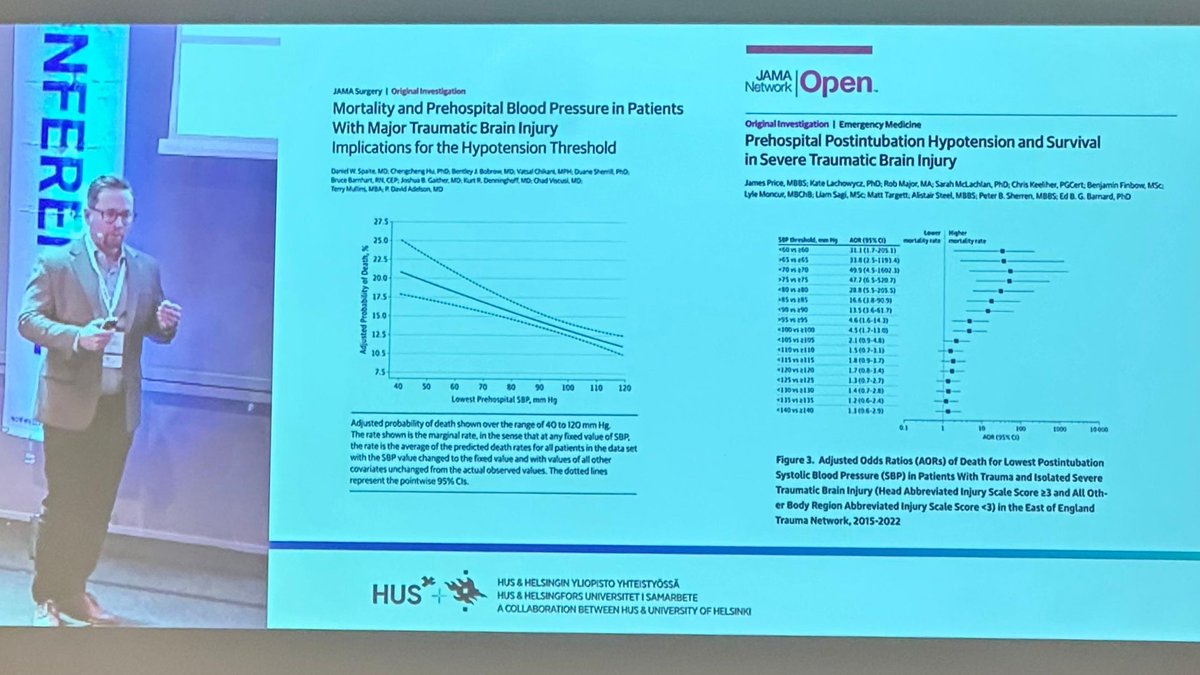
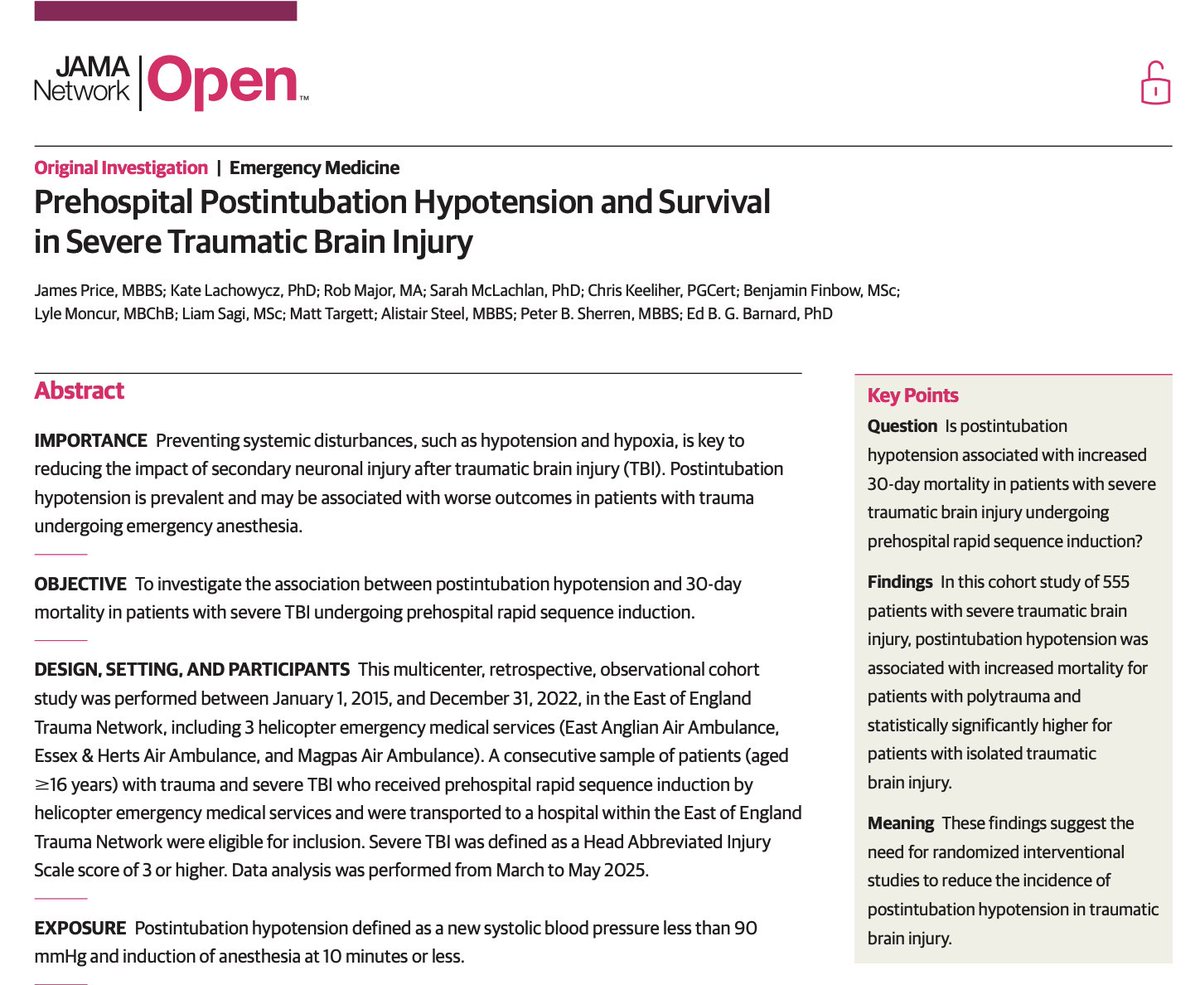
How bad is peri-PHEA hypotension in head injury?
Great paper from @EAAARAID reviewed by @richcarden on @stemlyns goes some way to quantify it.
Read more here https://t.co/yn25APHHlf
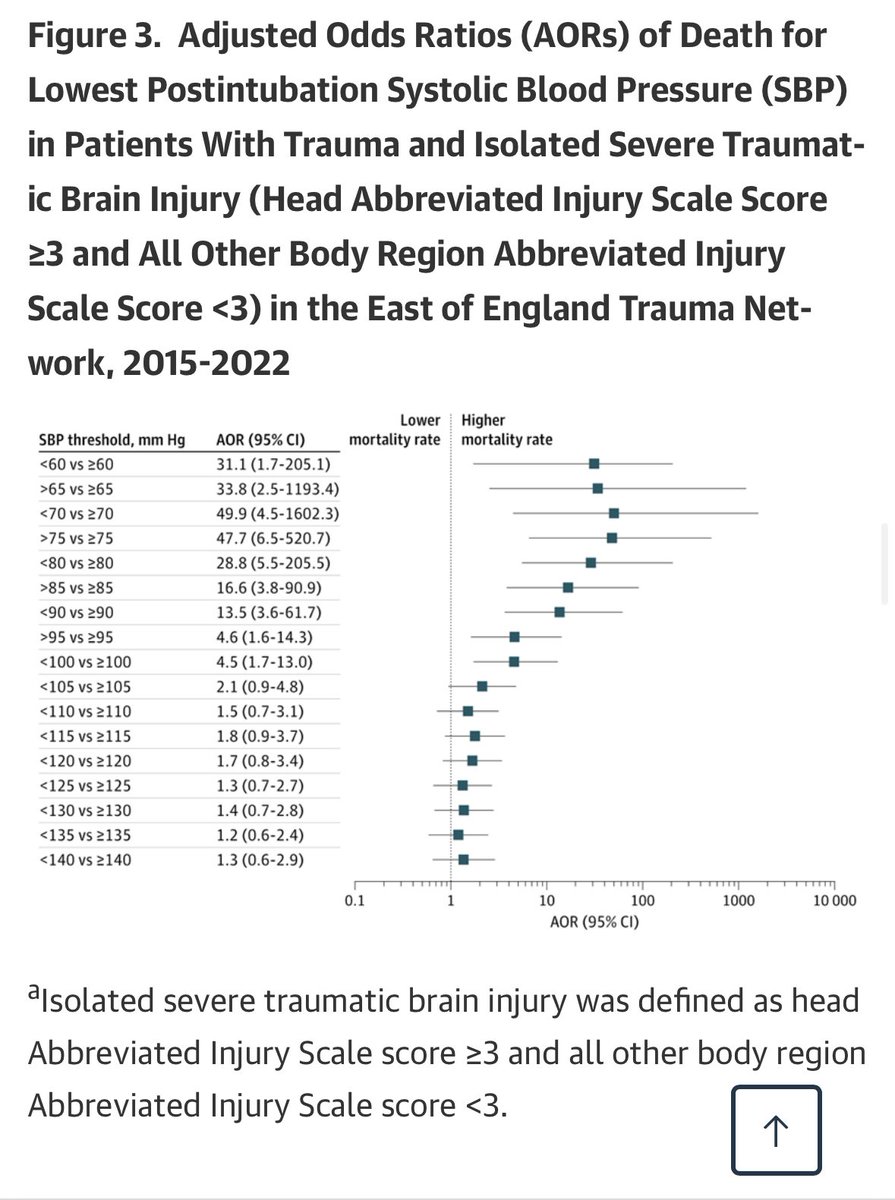
Severe (and isolated) TBI patients do not do well if hypotensive post intubation. Higher SBP thresholds needed to prevent mortality than previously published.
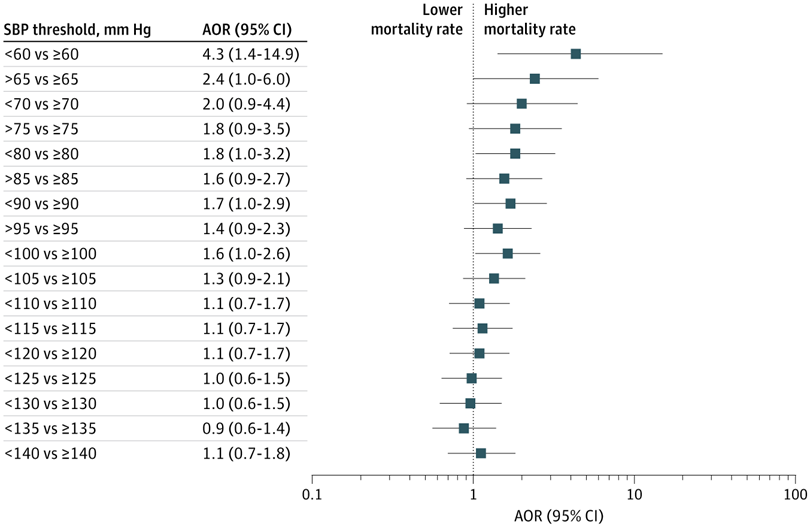
Among patients with severe traumatic brain injury, postintubation hypotension was associated with increased mortality for patients with polytrauma and statistically significantly higher for patients with isolated traumatic brain injury. https://t.co/lkd0fv0AxB
New from the EAAA RAID team with @EastAngliAirAmb, @EHAAT_ and @Magpas_Charity, published open access in @JAMANetworkOpen: post-intubation hypotension after prehospital RSI in severe TBI is strongly associated with higher 30-day mortality.
https://t.co/NIyVmpNQrt
Key output from my PhD fellowship has been published in Resuscitation
TLDR:
🚨 Prehospital critical care teams were less likely to attend cardiac arrest patients in more deprived neighbourhoods.
🚨 No association with neighbourhood ethnicity
🧵...
https://t.co/PZy1viA1lg
Excited to share our new publication on pre-hospital life-saving intervention timings in mass casualty incidents, now out in SJTREM. Thanks to my supervisors @karimbrohi & @TraumaEMC, and to @LDNairamb & @ehaatClinical for supporting the simulation work
https://t.co/6w4WOXlg1k
Association of mortality and physician experience in prehospital anaesthesia: a registry study on new physicians in Finnish helicopter emergency medical services | Scandinavian Journal of Trauma, Resuscitation and Emergency Medicine | Full Text https://t.co/0o6fXGpjTb
Prehospital IBP to guide haemodynamic optimisation in patients with suspected TBI or sICH
Latest published @airambulancekss research in SJTREM
https://t.co/Y0e3MaqGNv
🚨 New: Best Practice Guidelines with the National Poisons Information Service (NPIS) - Management of Patients with Suspected but Unidentified Poisoning in the Emergency Department.
⬇️ Download it 🔄 share it ▶️ practice it. 🔗 Link: https://t.co/2bfLPXW1pO
The brilliant Zane Perkins on why advanced prehospital interventions matter and the data that drives them. From the LAA session at TBS25.
https://t.co/BSz7TdPd70 via
❗Please share. Please subscribe.
https://t.co/NBbyaWfCTp via @YouTube
AI-assisted decision making in trauma patients
AI decision support tool shows acceptable to excellent ability to identify need for specific surgical intervention.
Would have been nice to see this compared to clinician decisions though
https://t.co/hHA63G72gu
The latest blogpost from @stemlyns about @dr_mattmorgan fabulous talk at @TBS_Zermatt. If you can spare 20 mins, watch the talk. I promise you won’t regret it.
https://t.co/YtFUCw3E0m
And some supporting papers, for some extra reading! https://t.co/oWaZq7jl3P and https://t.co/a3b3y1m27W and https://t.co/nGJmFZDt7I @EAAARAID@BartsIntervGrp
Sydney HEMS are pushing the boundaries of prehospital care and are redefining PHEM. Here is Brian Burn's brilliant talk from TBS25 where he discusses the implementation and significance of prehospital ECPR in Sydney and NSW. #ECPR#FOAMed
https://t.co/5UAroIcgeL via @YouTube
Are diastolic blood pressure (DBP) is a crucial resuscitation target in trauma care? Learn how optimizing DBP may improve survival rates in emergency medicine. #FOAMed@stemlyns
https://t.co/LiNsg4kMzE
Since the publication of the DOSEVF trial in @nejm we have published multiple secondary analyses none more important then the one published today exploring the impact of DSED and VC on time in VF. Leaves no doubt regardless of how you define RVF DSeD is a superior strategy. Have a read https://t.co/3jt6QM0FFn.