Just weeks after RevMed's historic pancreatic cancer results that prompted standing ovations at a conference, a small study is showing even better "unprecedented" results when it's paired with another new drug
https://t.co/kib3zgsijM
For those of you who have a terminal illness, a chronic condition, or debilitating health issue, there is new reason to have hope.
New treatments are arriving that buy more time for the next to arrive. Even for the most vicious of diseases, for example, metastatic pancreatic cancer.
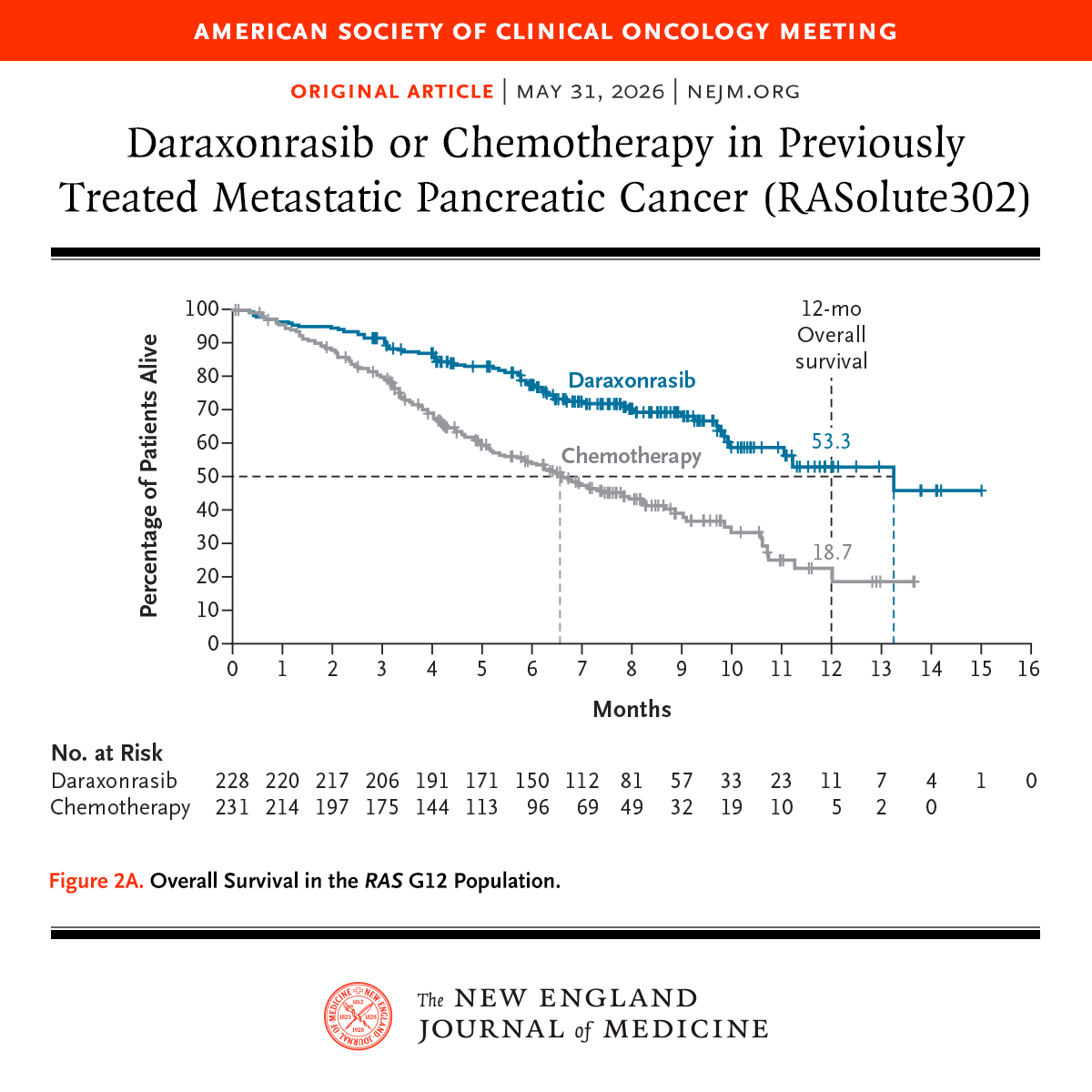
The recent breakthrough, daraxonrasib, nearly doubled overall survival, 6.7 to 13.2 months, with fewer side effects than chemo. It's hard to overstate the significance of this.
In a slow world, a few months doesn't matter much. In a fast world, that could mean the difference to make it to the next life-extending therapy.
We are on a long arc of getting increasingly better at solving disease.
In 1919, Elizabeth Hughes was diagnosed with type 1 diabetes. The only treatment was a starvation diet, which she did for three years. Her weight dropped to 45 pounds at age 14.
Then insulin arrived in 1922. It allowed her to live to 73.
And recently, Sid Sijbrandij used AI and existing biotech infrastructure to fight a recurring osteosarcoma that standard medicine had given up on. Today he has no evidence of disease.
A new era for life is here. It won't appear overnight. Nor will it be all sunshine and rainbows. But we are at the inflection point where hope can dare rise as the sun for those who have been stuck in the darkness.
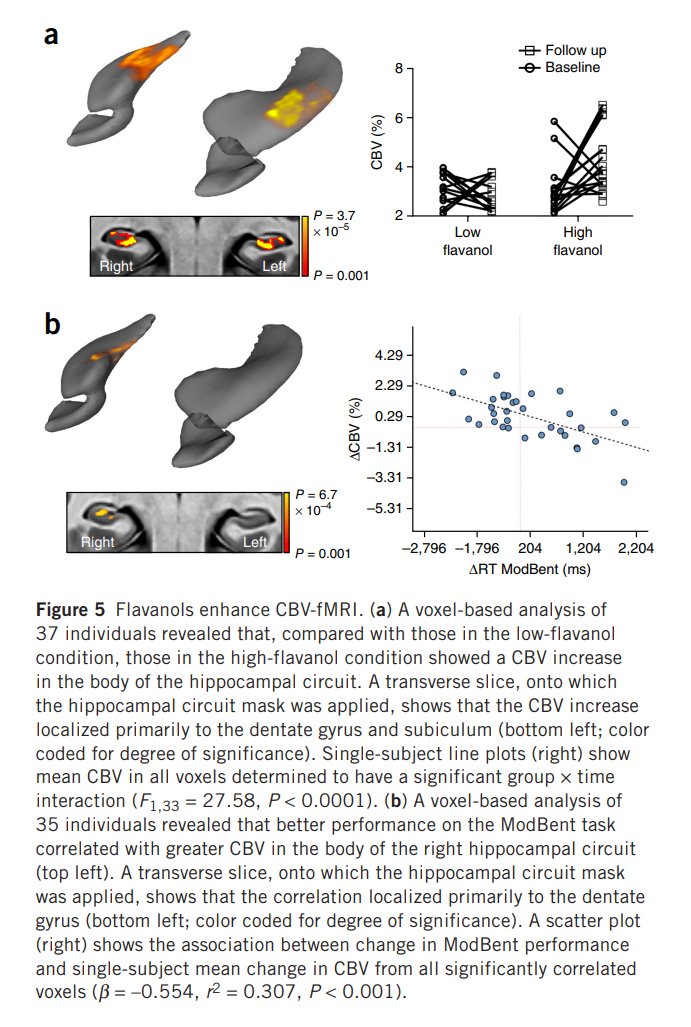
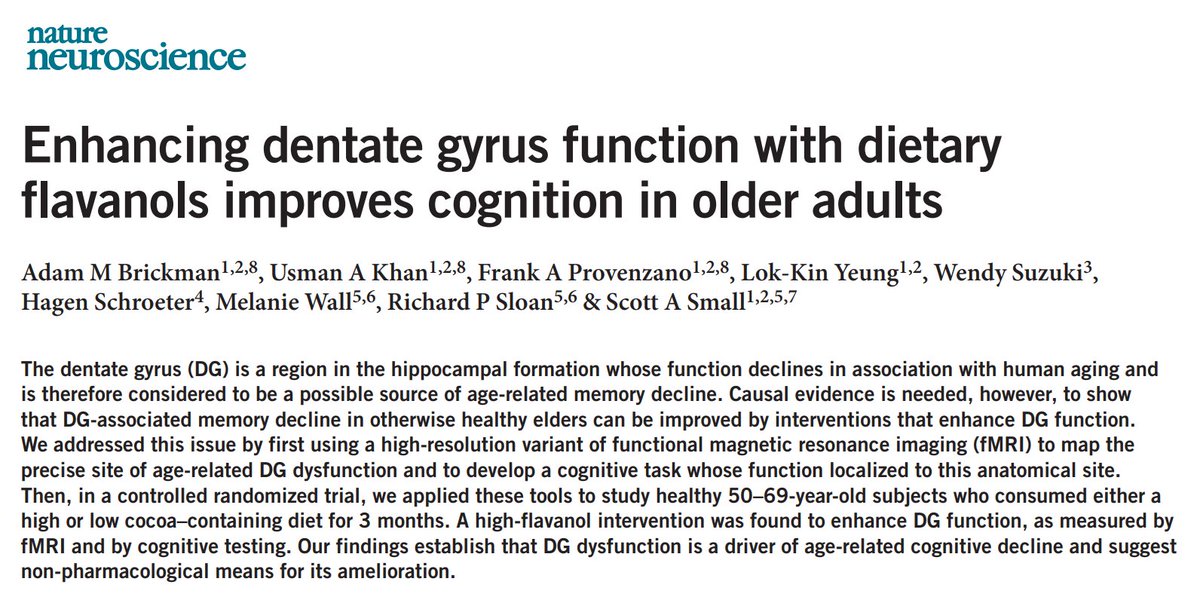
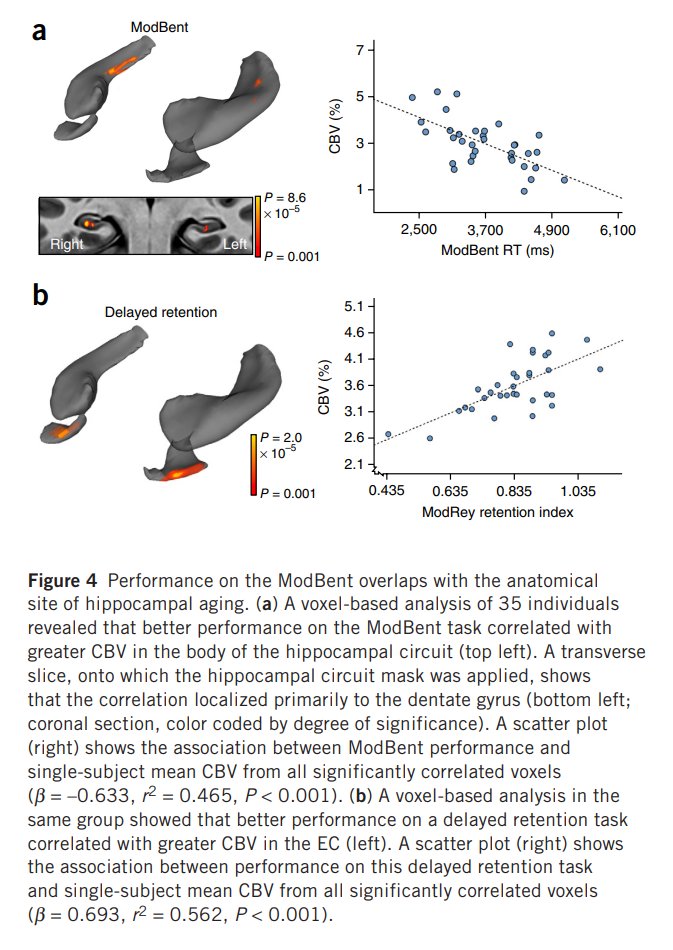
El cacao mínimamente procesado alto en flavanoles revierte parcialmente el deterioro cognitivo relacionado con la edad.
Consumir cacao rico en flavanoles durante tres meses mejora de forma significativa la función del giro dentado, una región clave del hipocampo que se deteriora con los años y está directamente relacionada con la formación de nuevos recuerdos. En un ensayo controlado aleatorizado con adultos de entre 50 y 69 años, quienes recibieron 900 mg diarios de flavanoles de cacao mostraron, tras la intervención, un aumento notable en el funcionamiento de esta estructura cerebral, acompañado de un mejor rendimiento en tareas de memoria que dependen específicamente de ella.
Los flavanoles, especialmente la epicatequina, favorecen el flujo sanguíneo cerebral, estimulan la formación de nuevas neuronas y aumentan la plasticidad sináptica en el giro dentado. El efecto es selectivo: solo se produjo mejora en esta región y en las capacidades de memoria asociadas a ella, sin cambios relevantes en otras áreas cognitivas. Esto demuestra que parte del declive cognitivo típico del envejecimiento puede mitigarse mediante una intervención dietética.
150 entradas después, he decidido no dejar el archivo disperso.
He reunido 149 textos de Medium en un cuaderno consultable sobre sanidad, cambio y cuidado.
Para buscar ideas, preparar sesiones, conectar textos y seguir haciendo mejores preguntas.
https://t.co/AqpXHrY34r
La metacognición es una de las habilidades más importantes del ser humano. Es la capacidad de pensar sobre nuestros propios pensamientos: observar cómo razonamos, identificar sesgos y evaluar nuestras creencias. Mientras muchos están inmersos en el contenido de sus pensamientos y se dejan llevar por ellos, la metacognición consiste en observar el proceso mismo de pensar. No es solo pensar, sino verse pensando.
It seems like new cancer breakthroughs are being reported every week. You’ve hopefully already heard of daraxonrasib, the pancreatic cancer drug, that has finally made pancreatic cancer treatable. But many more breakthroughs were presented at the American Society of Clinical Oncology’s annual conference over the past week.
I wrote about some of my highlights in a new post, below.
Whatʼs behind so much progress?
Part of it is the continued rise of precision drugs, targeted towards tumours with certain genetic markers. Although the genomic revolution began a few decades ago, the fruits of that progress can take a long time to make it through the pipeline.
Another part is advances in structural chemistry. Both have helped not only in identifying better targets, but also engineering for basic research, like producing mutant KRAS proteins to find new druggable pockets, and applied research for new platforms, like mRNA vaccines.
Such progress feels like an odd contrast with cuts to science funding weʼre seeing, including to the National Cancer Institute.
But itʼs worth remembering that the breakthroughs we see today are a lagging indicator of inputs into the pipeline: they reflect choices people made in the past. Weʼll only be able to see the gaps created by these rounds of cuts in retrospect, years from now. And weʼll realise that technology isnʼt always the reason for progress; sometimes, itʼs the funding, institutions and incentives we create.
Va hilo sobre el EM médico a raiz de declaraciones leidas por esta red social tanto a tirios como a troyanos.
Porqué una reforma de este calado le viene "grande" al Ministerio de Sanidad y porqué de la desafección/decepción generada en el colectivo...
For 40 years, "high-risk breast cancer" meant chemo for everyone who got that label.
A trial of 4,429 women just broke that rule.
They took the tumor, ran a 50-gene test (Prosigna), and let the biology decide who actually needed chemo. The women the test called low-risk skipped it entirely, hormone pills only.
Five years later: 93.6% alive and cancer-free on pills alone. 94.8% on chemo. Basically the same number.
68% of these "high-risk" women could have skipped chemo and never lost a thing.
That's hair, nausea, nerve damage, and months of your life. Gone because a gene test read the tumor, not because a protocol read the chart.
It was presented at ASCO last week, the biggest cancer meeting of the year.
If you have ER-positive breast cancer, or know someone who does, ask your oncologist about Prosigna by name before the next treatment call.
Turns out we may already have an anti-aging vaccine.
Created originally to prevent shingles, it appears to influence aging and cognitive decline - far beyond anything it was designed to do.
The beauty of science.
https://t.co/Cynp2gcxBC
I count 12 abstracts on GLP1s for cancer prevention at ASCO
All of them are observational, and it's clear a proper randomized trial is needed here – two things on that
1. Lilly and Novo are not currently interested in doing it (thanks to @theglpman for helping to figure this out)
2. The first randomized trial is planned (called INSPIRE, from the ECOG-ACRIN research group) – for primary and secondary prevention of breast cancer in 11,000 overweight (non-obese) women, with a 5 year follow-up
📢 COMUNICADO OFICIAL
@AsociacionMIRe y MUD rechazan la aprobación del anteproyecto del Estatuto Marco. Es un error legislar de espaldas a los médicos y residentes tras meses de protestas.
❌ Han optado por continuar la tramitación de la norma, ignorando el profundo malestar de la profesión médica.
⚠️ Si no hay diálogo, apoyaremos otras medidas de presión, como la huelga indefinida.
#Sanidad #MIR #HuelgaMédica
#EstatutoDelMédicoYa
Y sin embargo un día de trabajo de un fijo discontinuo computa como día y medio para la jubilación (máximo 365 días en año natural) y un médico que en un día con la guardia trabaja como tres días, solo computa un día para la jubilación
🔝🏥Si quieres conocer todas las novedades del Congreso @ASCO de Oncología, no te pierdas este viernes la jornada organizada por @GVADrPeset y @chpcastellon
➡️Confirma tu asistencia en: https://t.co/vZoYF7No6P
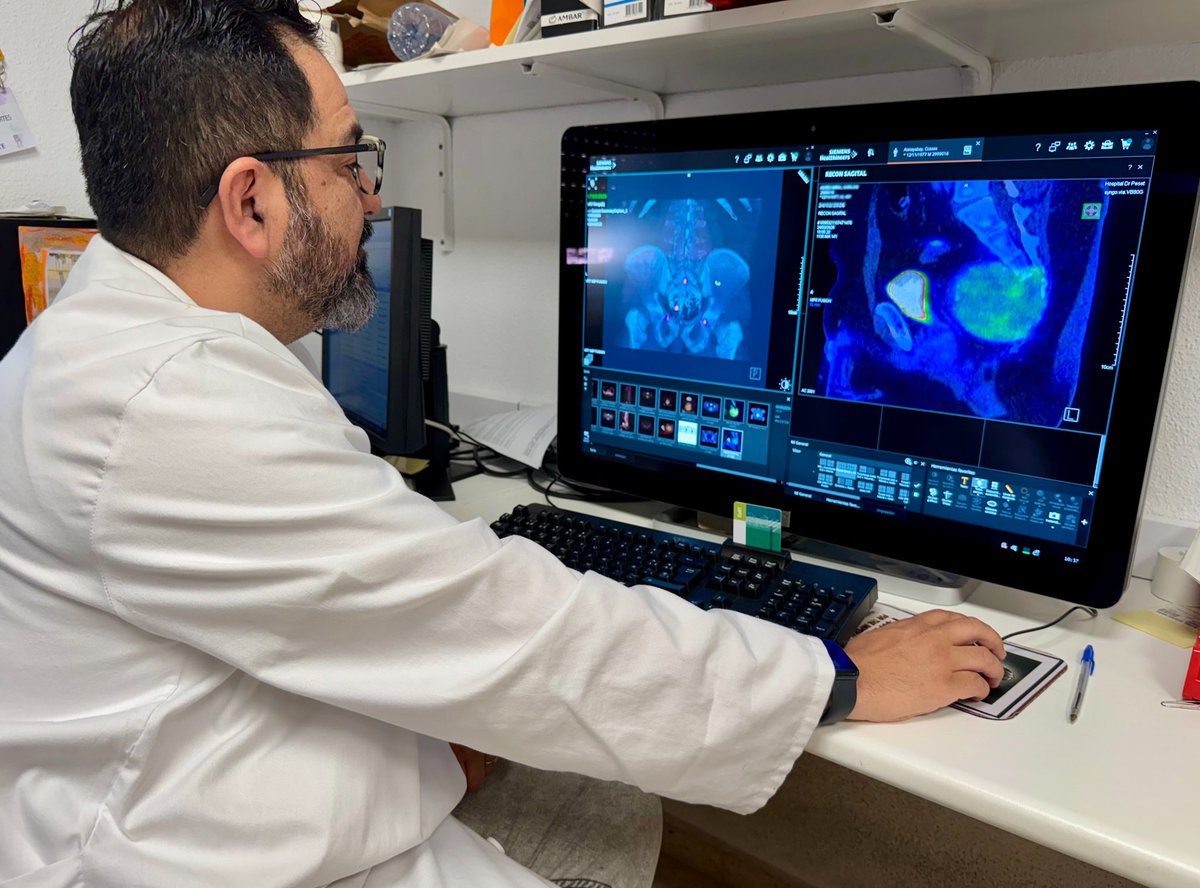
🏥☢️El Hospital Doctor Peset incorpora la cirugía radioguiada y molecular para mejorar la localización de tumores complejos de columna.
🔝Es la primera vez en Europa que se integra de forma sistemática el uso de radiofármacos en oncología vertebral.
🔗 https://t.co/weKvIzb7Ft
Best thread I've read in a long time! Super clear and passionate breakdown of how Daraxonrasib works and what this means for cancer treatment going forward
Presented at #ASCO26:
Among patients with previously treated metastatic pancreatic ductal adenocarcinoma, the RAS(ON) inhibitor daraxonrasib led to significantly longer overall survival and progression-free survival than chemotherapy. Full phase 3 RASolute 302 trial results: https://t.co/xwLWBZYRzq
@ASCO
Cheers, chills, and a standing ovation when RASolute 302 showed unprecedented survival on daraxonrasib for patients with progressive pancreatic cancer
Seldom do you sense you’re witnessing a historic moment in cancer care but this feels like ras targeting has arrived
#ASCO26