Follow-up is where momentum is either maintained or lost.
Summarize can help capture the most important takeaways from meetings, working sessions, and internal discussions so your follow-up is grounded in what actually matters to the client.
Process flowcharts turn messy workflows into a shared visual system teams can actually align around.
Gain:
✔️ Cross-functional team alignment
✔️ Improved operational consistency
✔️ Easier identification of inefficiencies
✔️ A shared source of truth
https://t.co/0D1xzVRYyk
What if your R&D team could spot blockers before they slow you down?
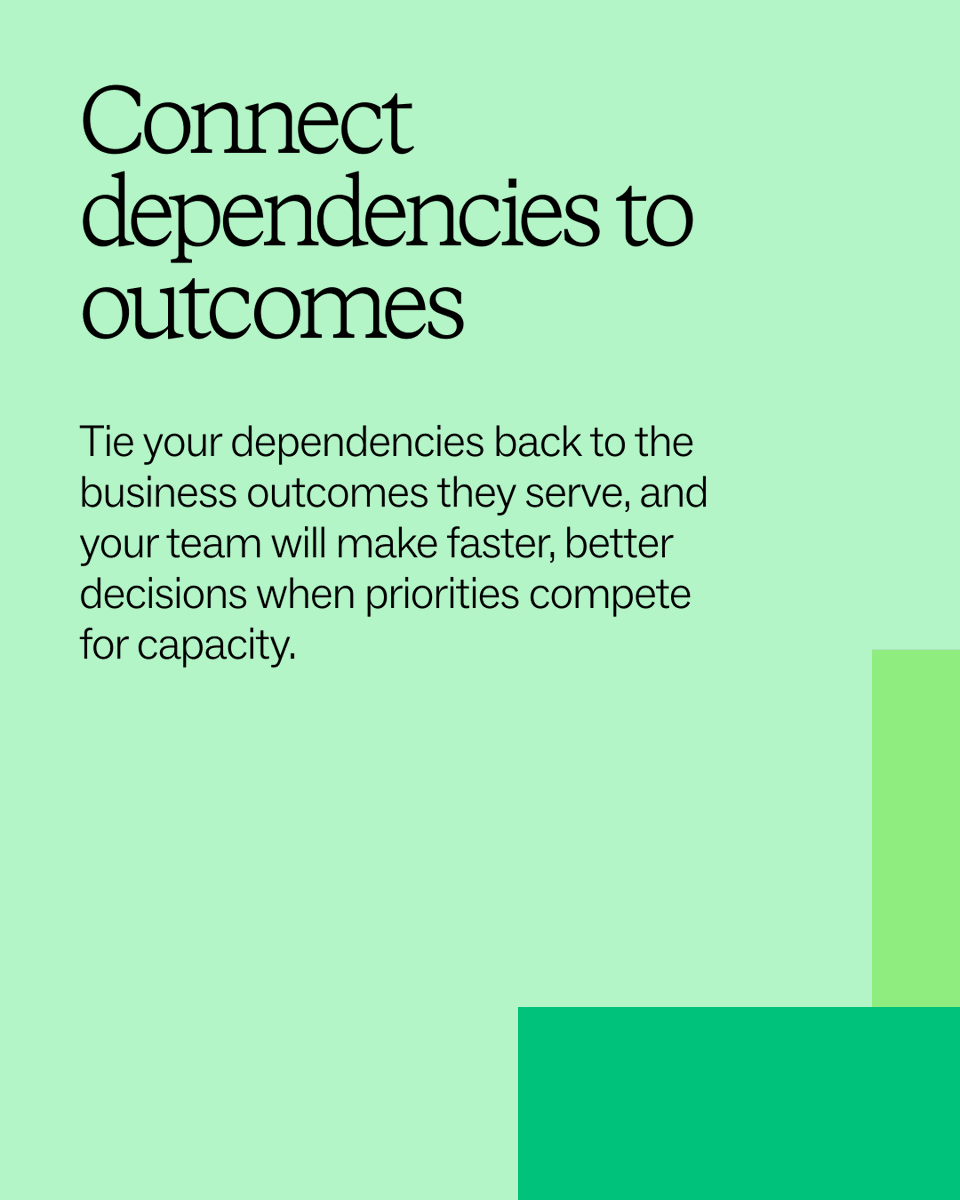
That’s the power of dependency mapping: visualizing how tasks, teams, systems, and decisions rely on one another to get work done.
Here are a few best practices to make it work for your team 👇
Not every lead deserves the same level of effort. Sales teams need a faster way to identify which opportunities are the best fit.
Classify can help teams organize qualitative input by sentiment or signal strength.
More focused qualification, better use of your sales team’s time
COMING SOON
↳ Toolbar + formatting improvements: Exact font sizing, simplified formatting controls, and a more streamlined toolbar make creating and editing content faster & more intuitive
↳ Editors on sticky notes: Show/hide the last editor to quickly identify contributors
The best retros don’t just explain what happened, they help teams prepare for what’s next.
The Sailboat Retrospective helps teams:
→ Recognize what went well & why
→ Identify potential risks
→ Reflect on problems & how to fix them
→ Align on shared goals & milestones
Want to know what makes your competitors tick?
A competitive analysis can help you identify who your competitors are, size them up against your own product, and improve your strategy.
Your sales team should be using Mural AI.
👉 Use generate to create pitch outlines, messaging points, or questions for your audience.
Refine the content to reflect your voice, account context, and buyer priorities.
✨Faster pitch development + sharper presentations
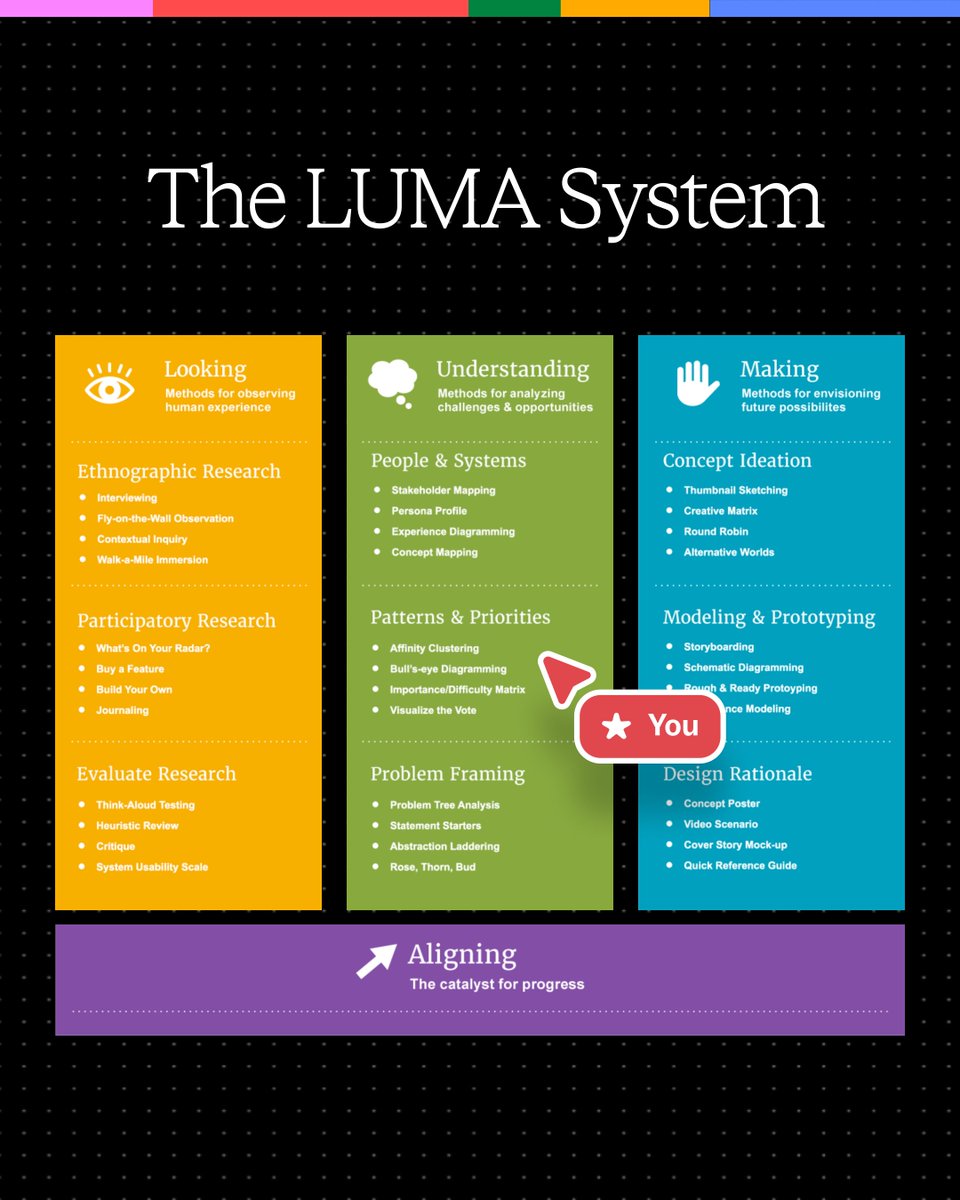
The LUMA System is a framework of 36 human-centered design methods that any team can learn and apply to everyday problem-solving.
Short, structured activities with a clear purpose: gather input, find a pattern, generate options, pick a direction.
https://t.co/6wRfEYmeWN
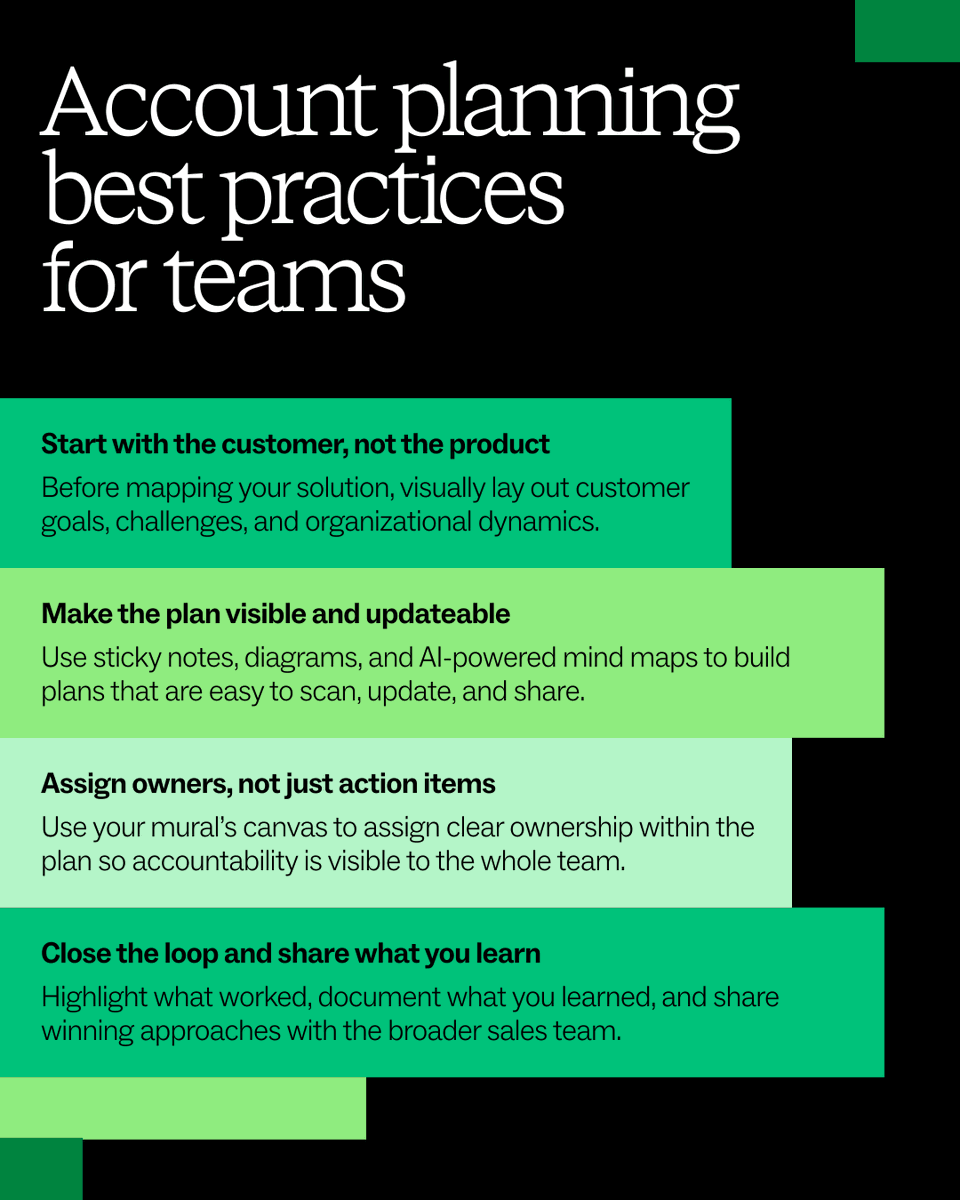
Account planning doesn’t have to feel like a chore. 🧹
Mural gives your GTM teams a shared visual workspace to spot opportunities, map out next moves, and align around what matters to your customers without the “wait, who owns this?” panic.
Learn more: https://t.co/b2uB2aiLxC
This month’s product updates are all about bringing data, people, and work together.
↳ Paste data from spreadsheets
↳ Strategic account planning template
↳ Manage access from email
↳ Workspace consolidation
Learn more: https://t.co/pgTP1ox8ur
Jumping straight to solutions can hold your team back.
Our statement starters template helps you reframe problems into open-ended prompts, so you can explore before you commit and solve the right problem.
Give it a try: https://t.co/z2S6ydvPWn
From raw inputs 👉 real insights
With our affinity clustering template, teams can take unstructured data and quickly organize it into meaningful patterns.
Learn more: https://t.co/Cqtw4EZ0uh
How Might We (HMW) questions help teams reframe challenges as opportunities.
That simple shift from “what’s wrong?” to “what’s possible?” opens the door to more creative, unexpected solutions.
Learn more: https://t.co/bSob2L5SFV
🔥 This hot tip is definitely not a drag.
Did you know that you can hold down the letter “c”, click, and drag to make a connector in your canvas?
If you change the style of the connector (color, line thickness, etc.), the next one you make will keep that style.