One presidential candidate is saying we should pass legislation that would ban chokeholds and make it more likely for police to be held accountable. His opponent is telling the military and the police to shoot and gas people who protest this violence. That’s a clear contrast.
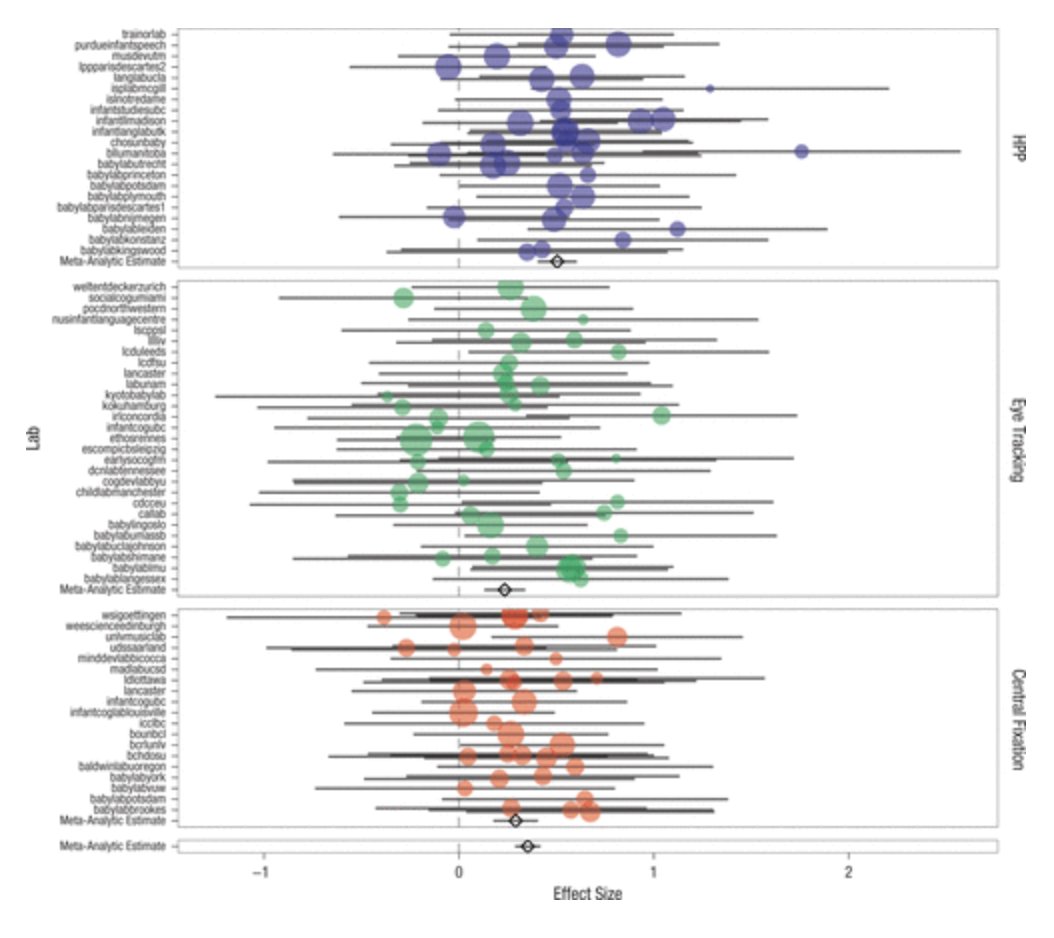
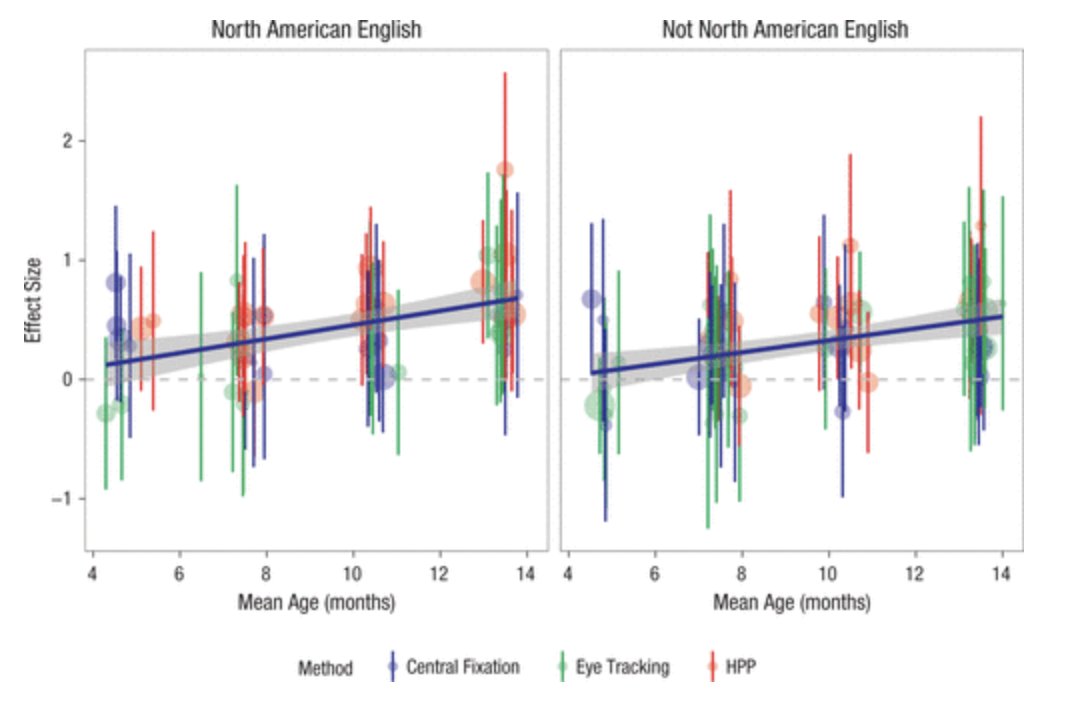
ManyBabies 1 now out! Quantifying sources of variability in infancy research using the infant directed speech preference. Babies prefer babytalk the world around - but preference strength was moderated by age, language, and method.
https://t.co/Vs9flOvzHS
https://t.co/GLQ2x74AX1
I’m no epidemiologist, but I am a #dataviz specialist, so here are some thoughts on coronavirus and log scales:
1) In the initial outbreak phase, a virus like this spreads exponentially not arithmetically, i.e a log scale is the natural way to track the spread
Are you “not unhappy” with the changing seasons? Read this fresh preprint with @meanwhileina about how people interpret double negatives https://t.co/f5tZ85nscK
The first ManyBabies project, "Quantifying sources of variability in infancy research using the infant-directed speech preference," has been accepted at AMPPS! https://t.co/RUN0lfgjMi
This 67 lab (!) paper shows the power of collaboration to advance methods and theory!
Consider UC Irvine Language Science for your PhD. We are taking our first round of graduate applications this fall. We are a new kind of department for the 21st century. Below, some FAQs, and why you should apply. Thread below 👇
This is a really nice demo+cheatseet for thinking about how to analyze reaction times. It's also a wonderful example of communicating complex concepts visually. Thanks to @jonaslindeloev for creating it!
I've made a cheat sheet and a bunch of applets to give you an intuitive feel for various reaction time distributions. You can choose datasets, fiddle with parameters, and see working code examples: https://t.co/XJpJTgAnVV 1/n
PhD student @natvelali has earned a name for herself as "The Science Sketcher." Want her to draw you and your research? DM us a photo and a line about your work, and she'll choose a handful of submissions to put on the page. We'll share the results here. #scicomm
At the conclusion of a successful hackathon week! We have been developing https://t.co/WcVpdVj4TN - an open repository of word recognition eye-tracking data. Contributions welcome!
My paper with @tallinzen will be at #emnlp2019! We compare LSTMs, BERT, and GPT: syntactic agreement hits a performance ceiling with surprisingly little data (~10m tokens) and small models. Obvious to some, but: Big data isn't going to magically solve linguistics, folks.
In the age of large scale digital data, the challenge is becoming less, “What does my phenomenon look like in the wild?” and more, “How do I build a causal theory from wild data?.”
My blog post on a new paper by Seth Frey et al:
Interested in human-AI collaboration and sketching? Check out our latest work (w/ @notwaldorf, @hardmaru, @GoogleMagenta) exploring real-time collaboration with sketchRNN, which we’re excited to present at this year’s ACM Creativity & Cognition (@acm_cc)!
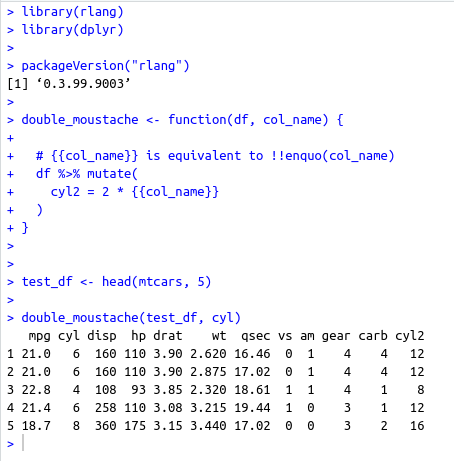
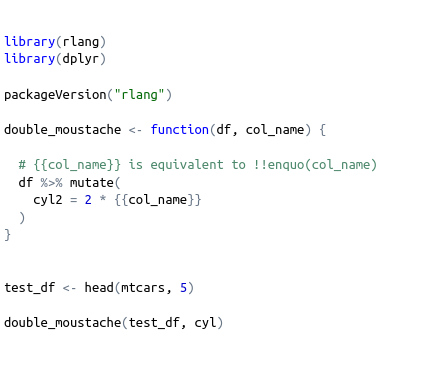
Exciting #rlang changes are coming in v0.4
Using {{}} for quasiquotation/interpolation looks like a quantum leap in readability (and teachability).
#rstats
I appreciate this paper but also have many reactions (personal, not on behalf of @cogsci_soc). Most primarily: I have found cog sci to be the right community for me to develop in, intellectually and professionally. So for me, something about the field has been successful. /1
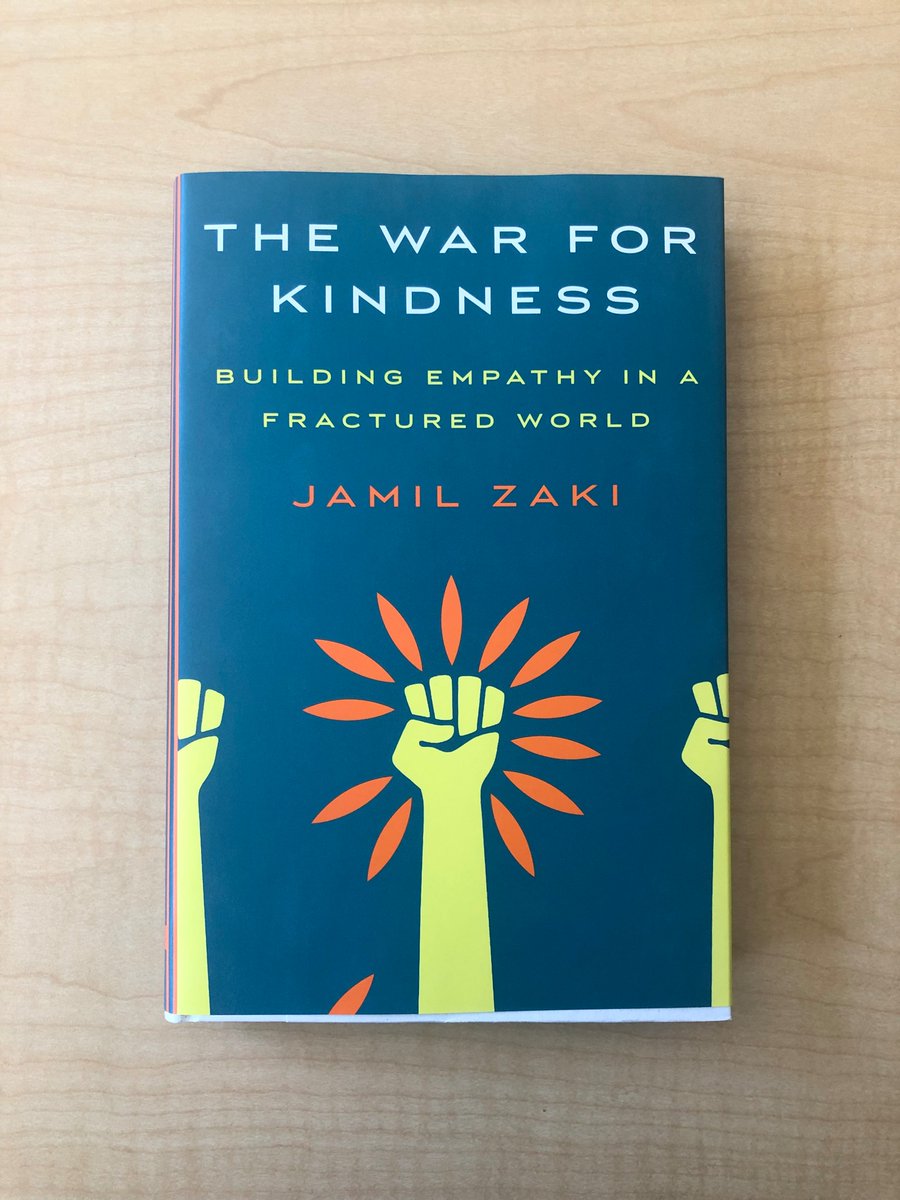
It's the best kind of surreal to announce that THE WAR FOR KINDNESS is out today!
I truly hope this book can be useful, illuminating, and empowering to readers, and can't wait to hear your reactions.
Much more at: https://t.co/vshIgHztsm
✊🌻❤️