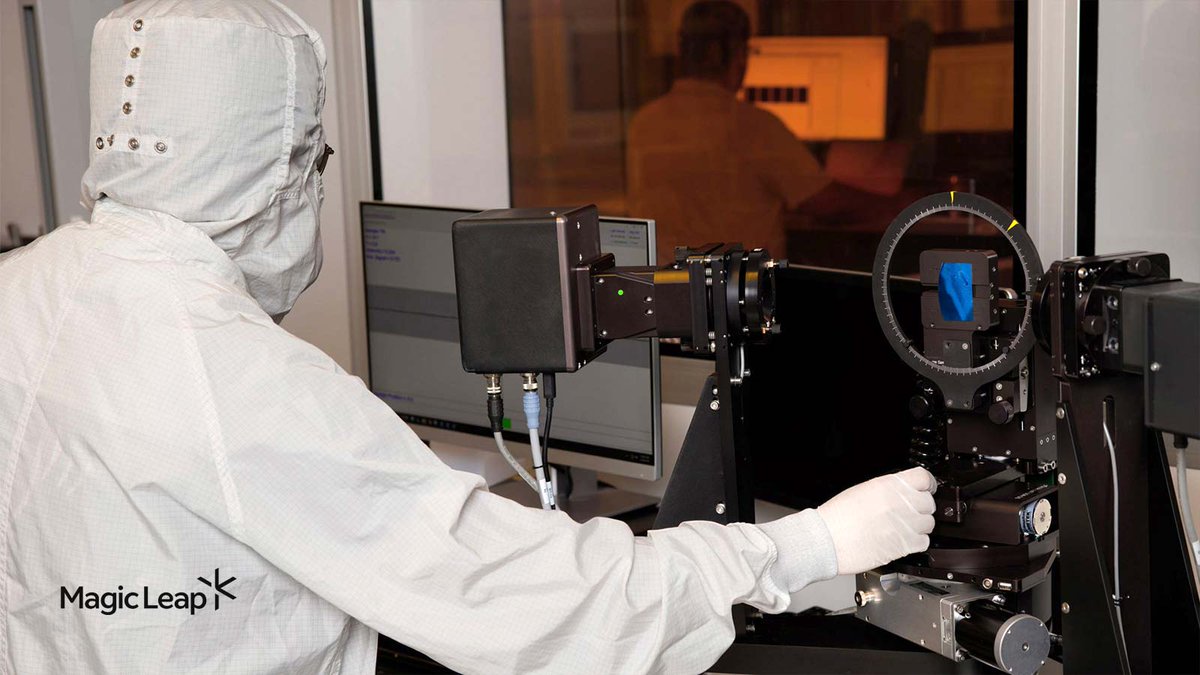
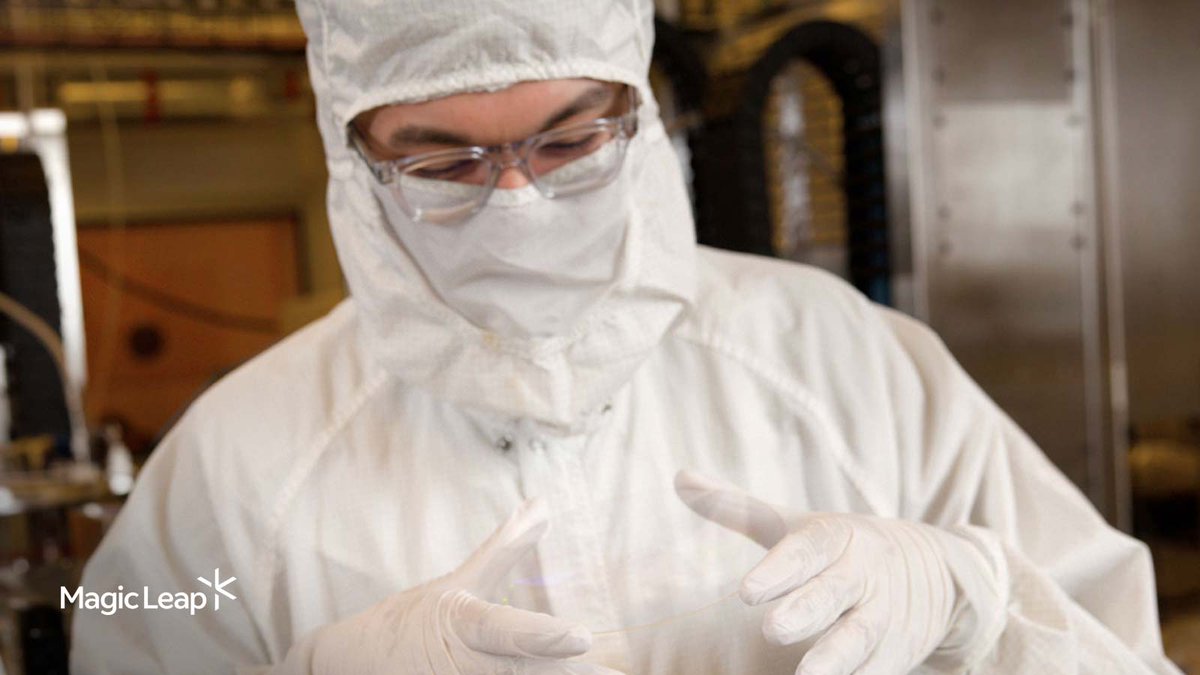
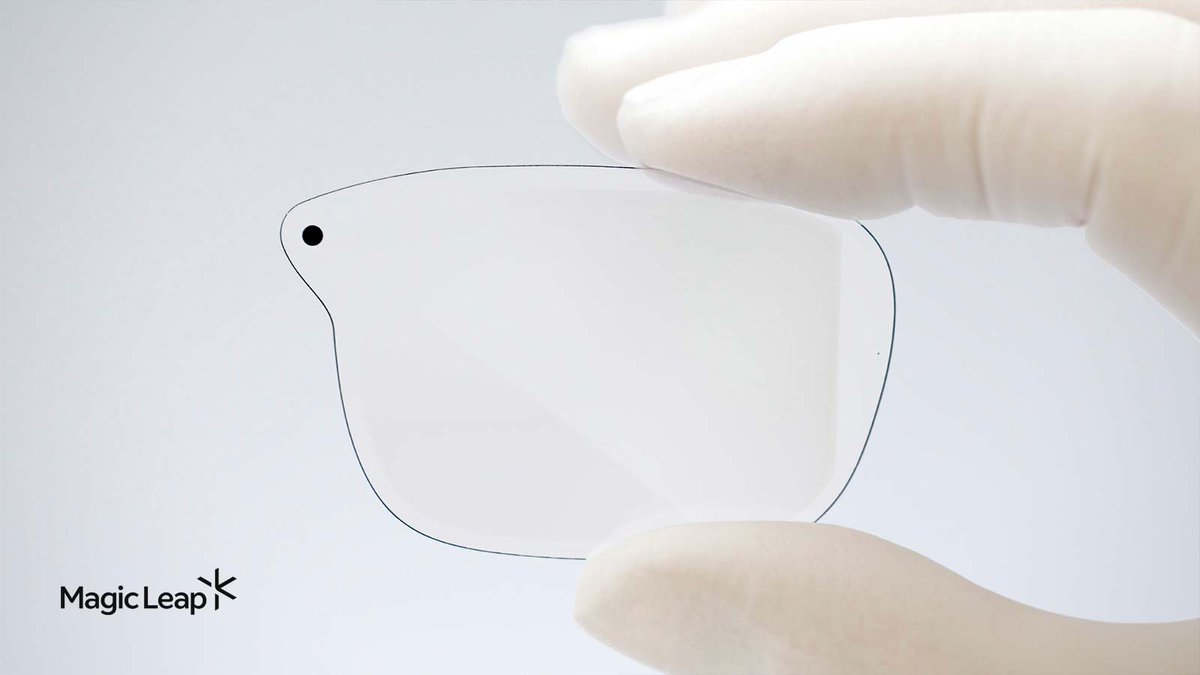
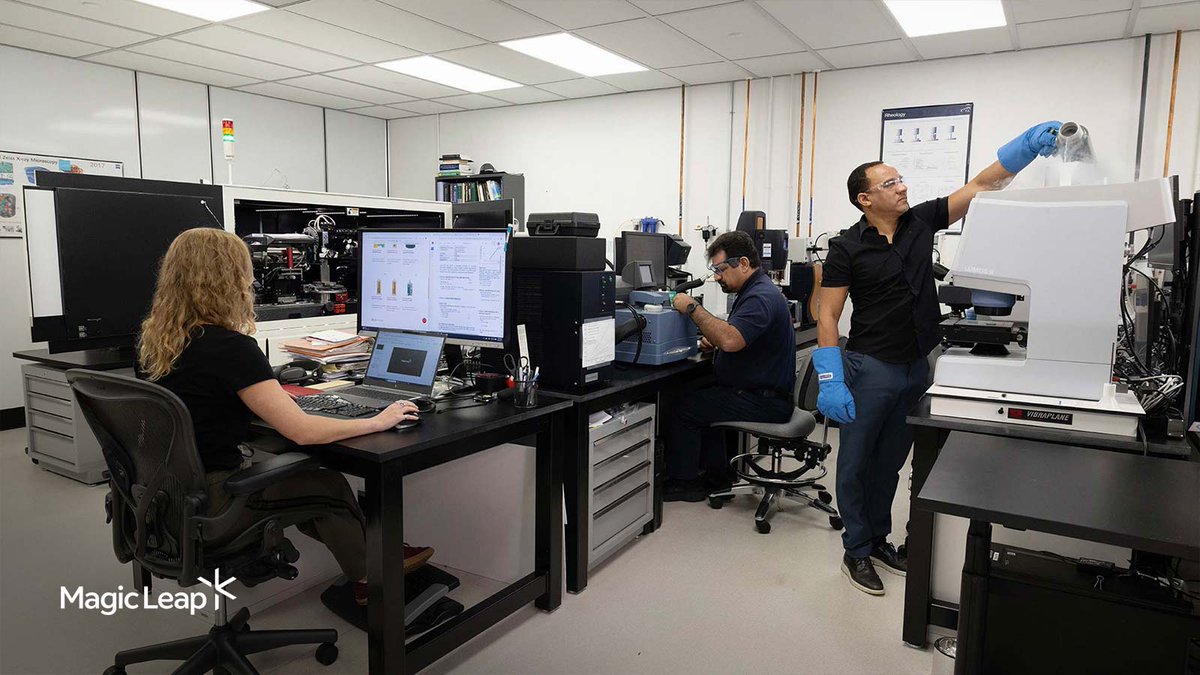
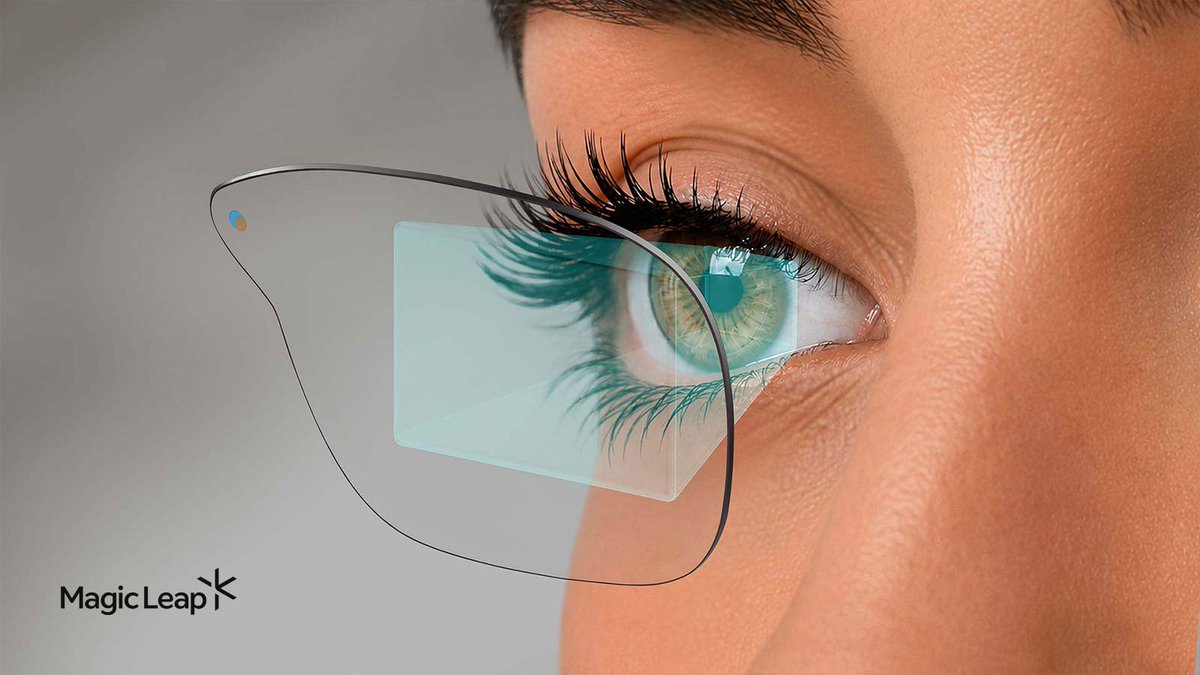
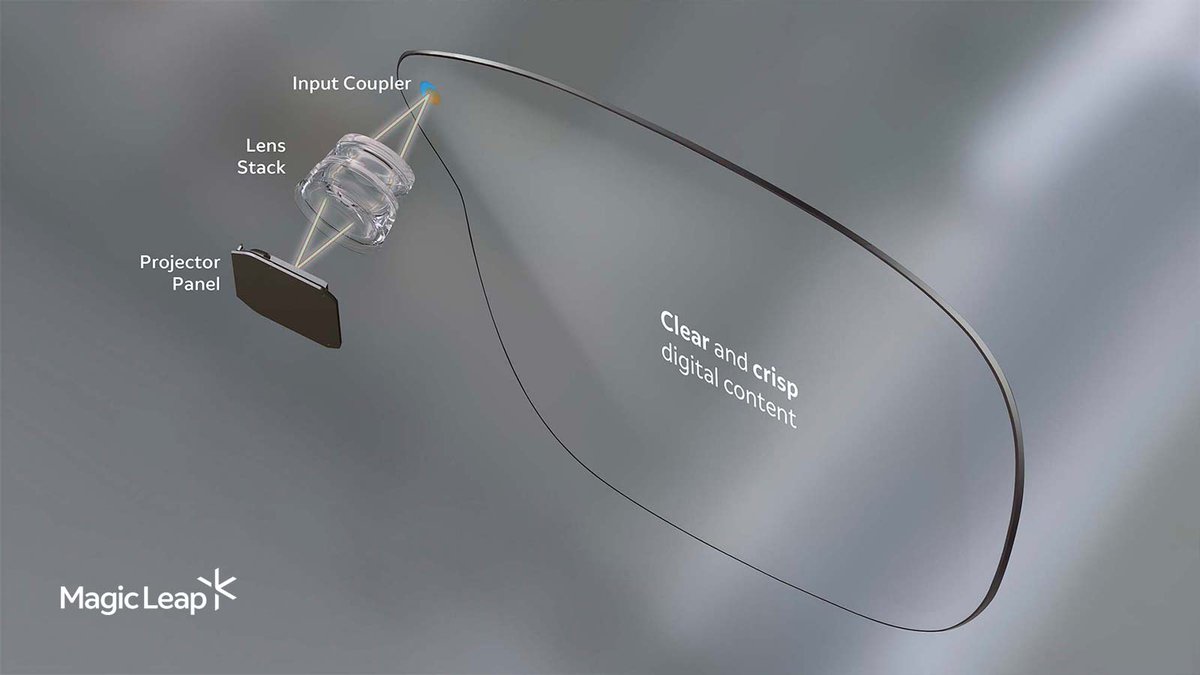
The insights gathered by our engineers during fabrication can influence future waveguide designs and simulations.
Learn how our engineers use fabrication data to refine their models and guide future designs. https://t.co/QDib9nOLkQ
Strong software plays a key role in great AR hardware. See how custom applications help our teams design, test, refine, and manufacture the waveguides used in AR glasses. https://t.co/6o5gMthyn5
Waveguide decisions don’t stop at design. Fabrication, metrology, alignment, and calibration all help determine how well optical intent carries through to the finished optic. See how we approach the challenge.
https://t.co/geAgxZipgf
A coating’s material and thickness can change how a waveguide handles light. See how we develop optical layers to improve transmission, reduce reflection, and support virtual-image performance.
https://t.co/ytabKLdDhg
More handovers, more hassle.
Having a vertically integrated partner reduces the complexity of waveguide development by bringing critical capabilities under one roof.
Learn more about the benefits and cost savings: https://t.co/DVhDOco0tp
SRG and holographic waveguides solve a similar problem in very different ways.
Learn how their differences influence optical performance, design flexibility, materials, and manufacturing, and why Magic Leap focuses on SRGs for advanced AR displays.
https://t.co/f7i6Cxb0V1
How does light travel through an AR waveguide?
Our latest story explores how diffraction guides, distributes, and extracts light to create bright, clear virtual images.
https://t.co/IKj1Tm6s0t
Why do materials matter in AR waveguides?
Because every material comes with its own capabilities and challenges. Understanding these trade-offs helps our teams identify which material works best for our partners’ designs and goals. Learn more here: https://t.co/og1yiMrD2W
The eyebox is an often-overlooked design factor in AR optics. It influences visual comfort, manufacturability, and usability, while shaping countless engineering decisions throughout development.
Learn why it deserves more attention: https://t.co/g9Crr9xFOw
#eyebox #AugmentedReality #AR #waveguide
Manufacturing a waveguide is only the beginning.
Our newest story explores how precision engineering and material characterization help protect performance as AR devices move from concept to wearable products.
https://t.co/zHLa00plbY
Tiny changes in grating geometry can influence brightness, color, field-of-view, and more.
Explore how surface relief gratings shape waveguide performance.
https://t.co/4yBb90JgH7
Today’s waveguide research is laying the foundation for tomorrow’s AR glasses.
Learn about the materials, display architectures, and manufacturing advances shaping what’s next. https://t.co/kikCNtKdxE
#waveguides#ARmaterials#ARdisplays
Building AR glasses is a series of engineering decisions. See how product vision, waveguide design, prototyping, manufacturing, and integration work together throughout the development process. https://t.co/qkCpuyewc1
Building AR glasses requires balancing optics, sensing, compute, comfort, and manufacturability.
Reference designs help partners evaluate those decisions earlier and accelerate development. https://t.co/4Ssyo6VlUK
#AugmentedReality#ARGlasses#referencedesigns
Fewer steps. Greater control.
Our proprietary J-FIL manufacturing process takes us from wafer to waveguide in a single pass, reducing the chance of costly errors while maintaining pattern fidelity throughout production.
Learn more: https://t.co/JFezaco33u
#waveguide#JFIL #manufacturing
Without factory calibration, AR can quickly fall apart.
It helps displays, sensors, and eye tracking work together so virtual content behaves as users expect. https://t.co/eS45yIQc5E
#AugmentedReality#calibration
AR glasses are among the most complex wearable devices being developed today.
Displays, waveguides, sensors, processors, batteries, and software must work together within a lightweight form factor.
Learn how reference designs help guide that process. https://t.co/LbHqznSzFB
#AugmentedReality #WearableTech
Waveguide development is built through iteration. Every round of testing helps our teams identify performance limits, refine optical behavior, and improve the repeatability needed for production-ready AR hardware.
Learn how we do it: https://t.co/75XpsVmvLg
Custom waveguides begin with simulation, precision mastering, and rapid prototyping.
See how we help partners move from concept to manufacturing-ready waveguides for AR glasses.
https://t.co/Yisu7zbJ4M
#augmentedreality#AR#waveguides