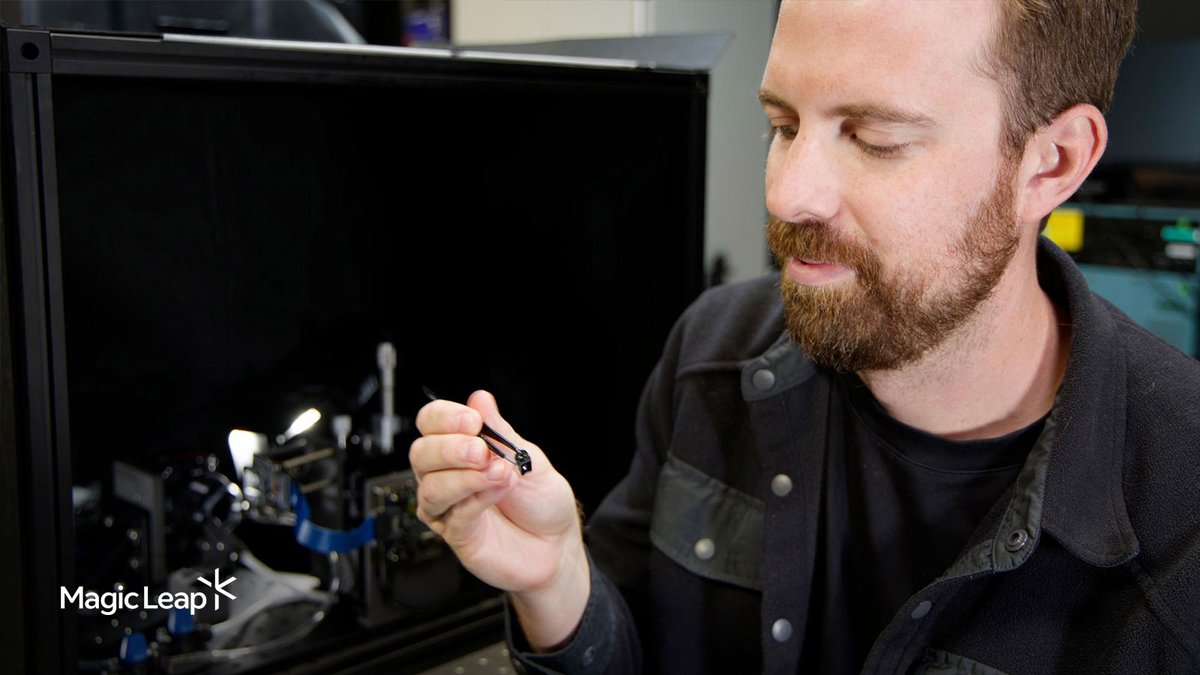
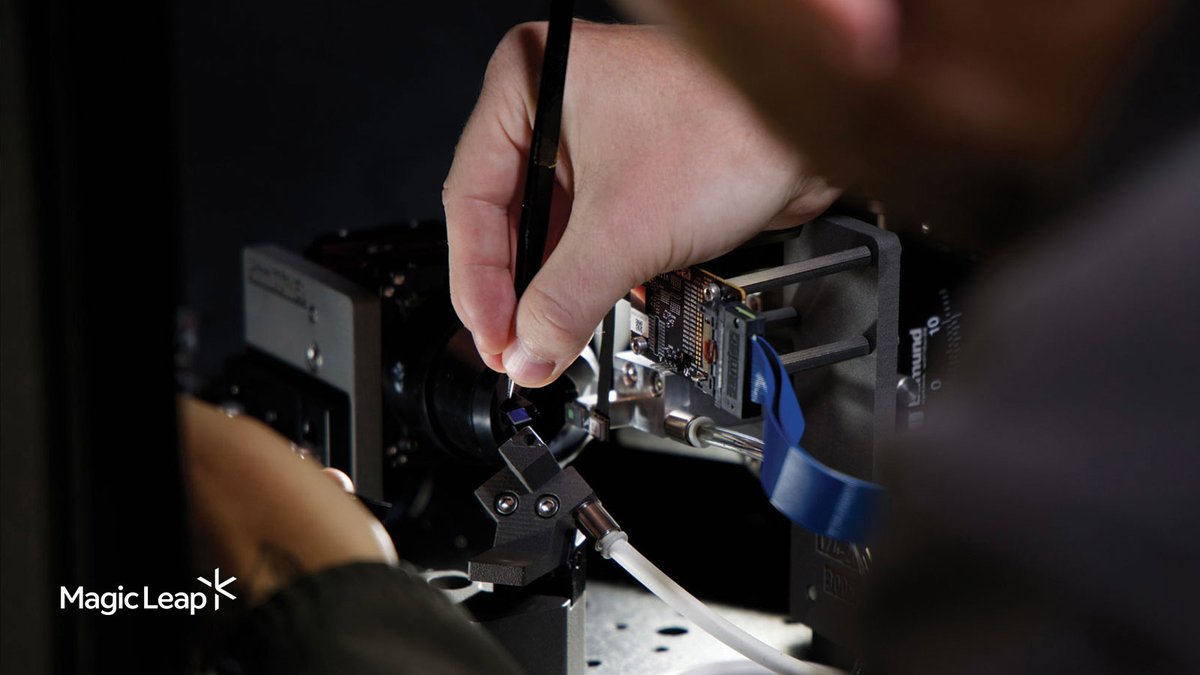
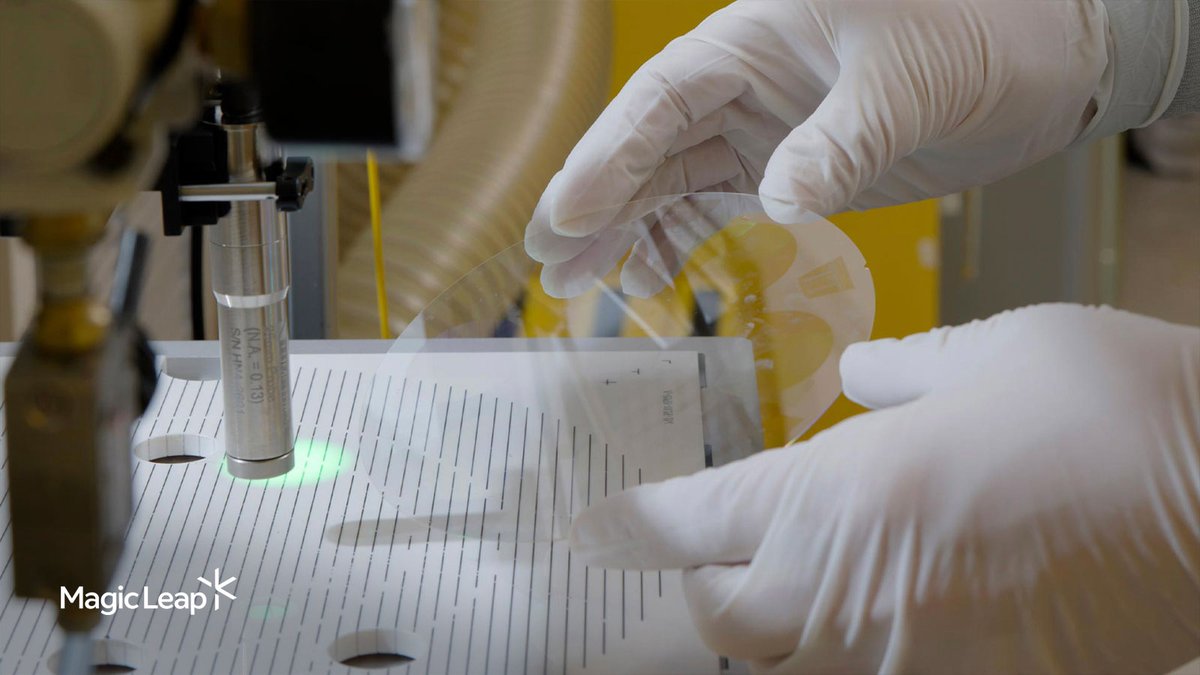
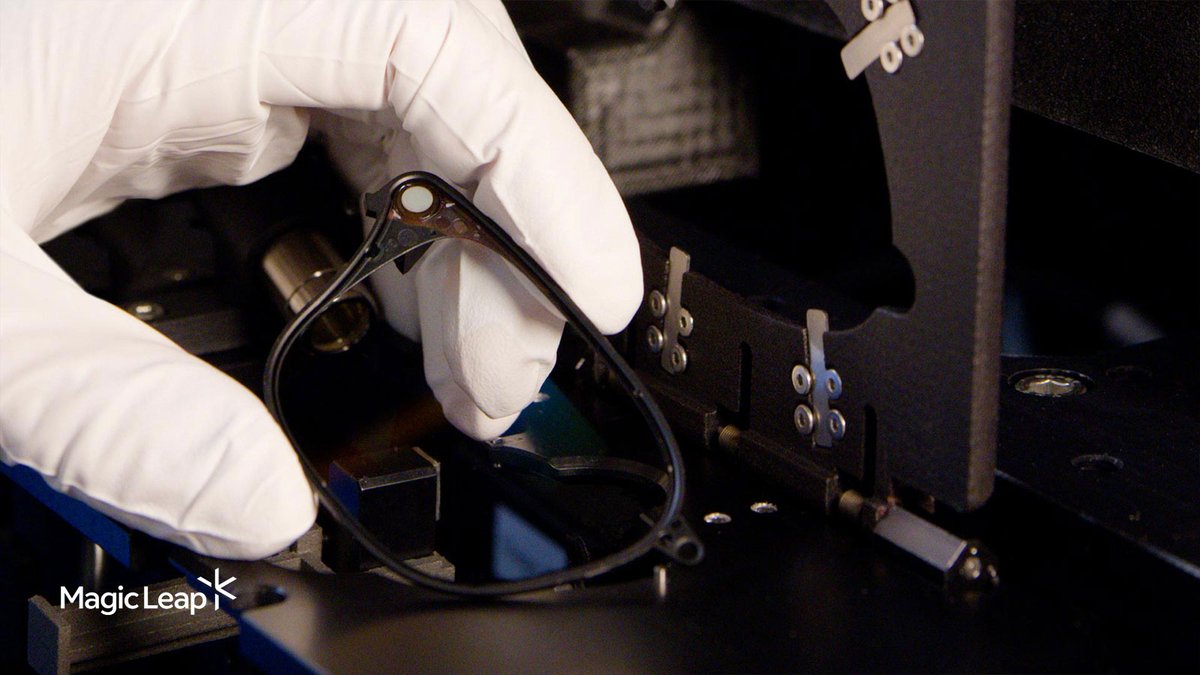
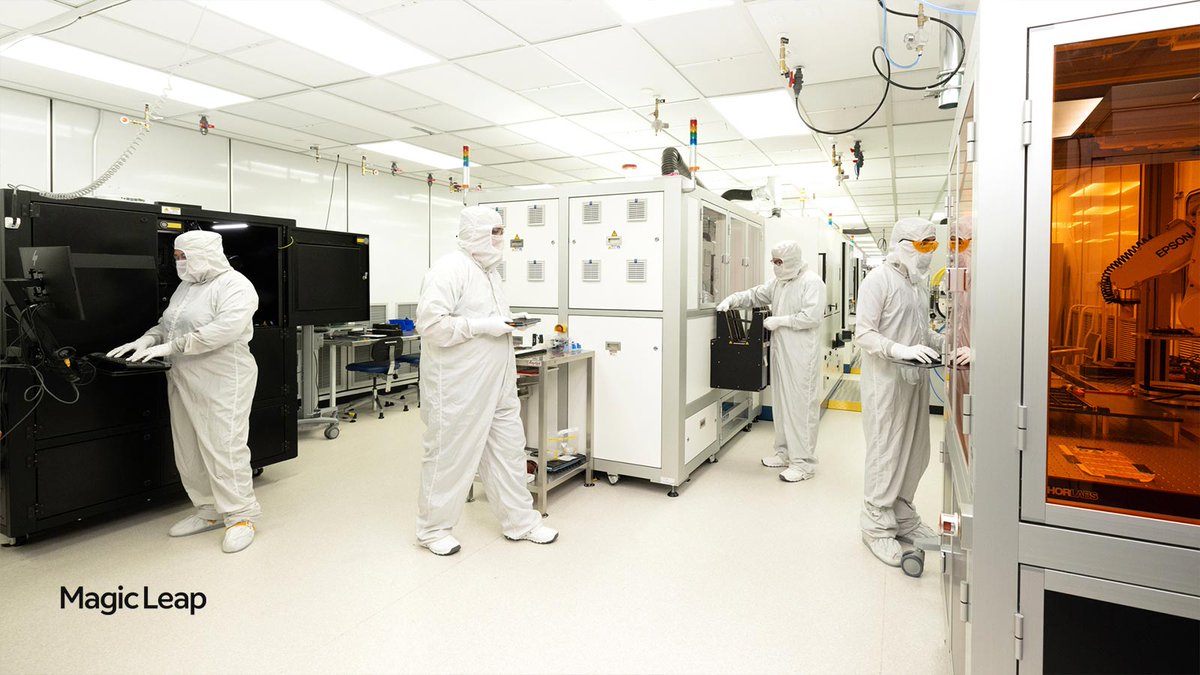
Custom waveguides begin with simulation, precision mastering, and rapid prototyping.
See how we help partners move from concept to manufacturing-ready waveguides for AR glasses.
https://t.co/Yisu7zbJ4M
#augmentedreality#AR#waveguides
Miniaturization is driving the next era of AR.
From optics to eye tracking, Magic Leap is redesigning core systems to support lighter, more comfortable wearable devices. https://t.co/0eOEfgdXth
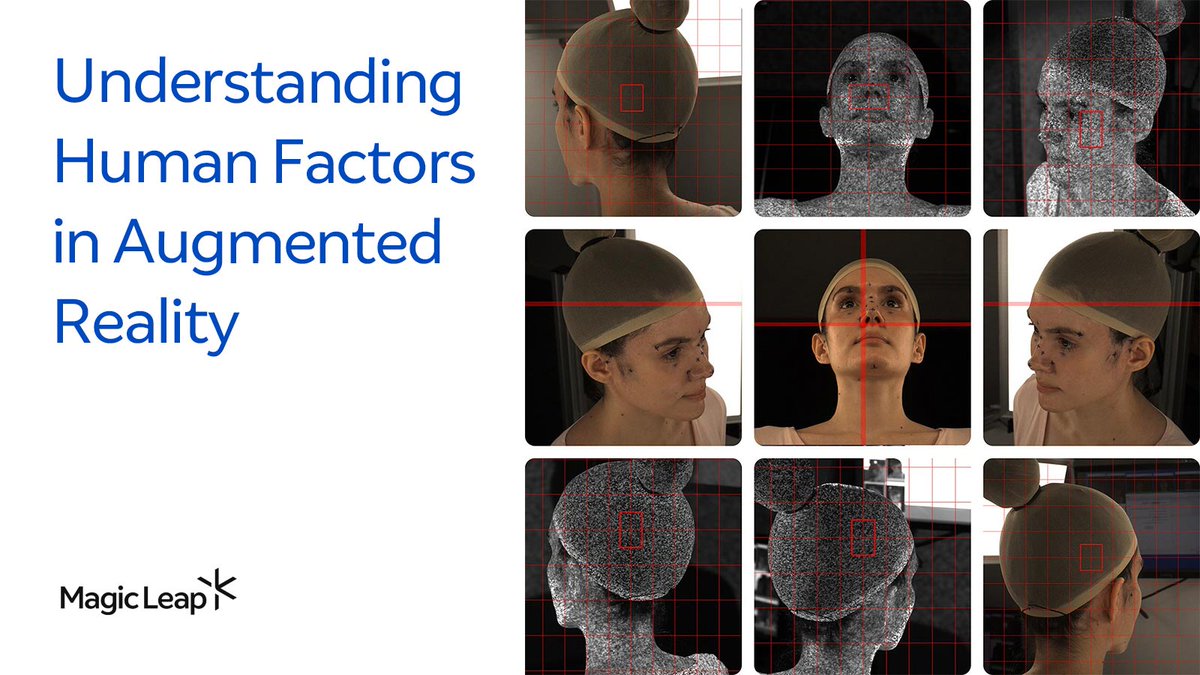
Wearability is critical to AR glasses adoption. Weight, heat, and visual comfort all shape the user experience, and understanding how they interact is key to better AR design. Learn more: https://t.co/Fgd6Rq2TTe
Waveguide design is all about balancing constraints, tradeoffs, and risks.
The key is knowing how each decision impacts the full system.
Learn about our approach: https://t.co/pyKOnc3yU2
#AugmentedReality#Waveguides
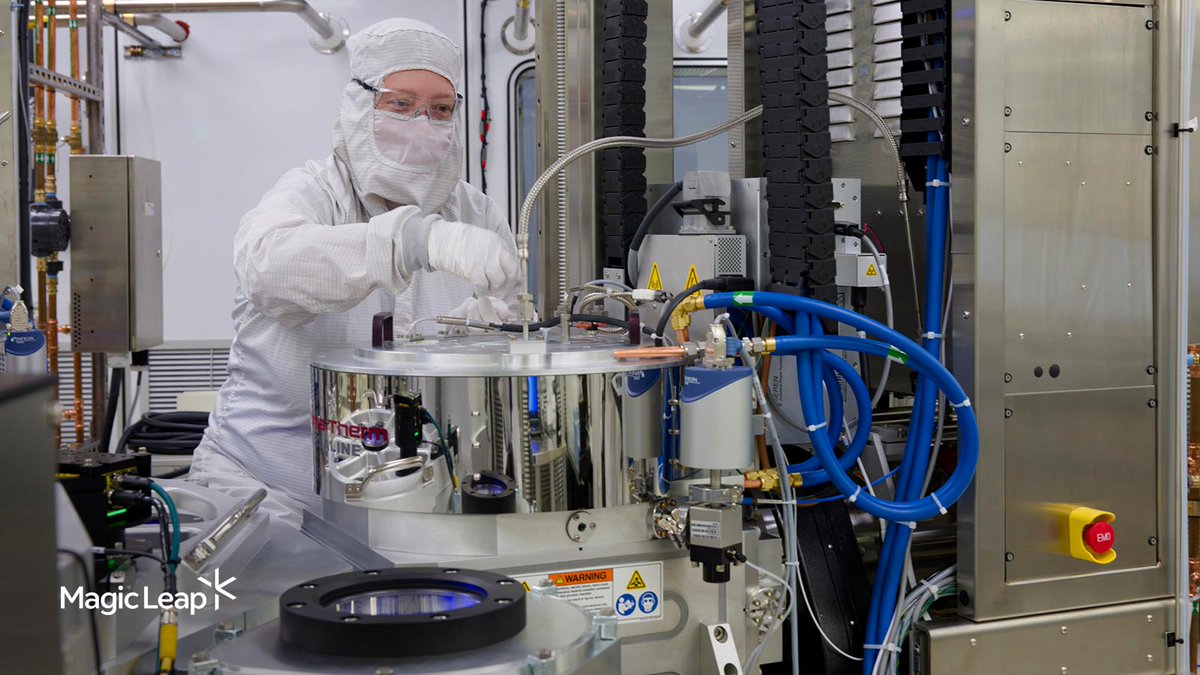
Great waveguides start with great machines.
Here’s how our teams design and build the equipment behind our waveguide manufacturing process. https://t.co/GsKv46bqvu
The difference between good and great waveguides often comes down to the machines behind them.
Explore the mix of machines we use in our waveguide manufacturing process: https://t.co/eXNIlfWTRj
Commercial software cannot fully model, measure, or test the complexity of AR waveguides.
So we’ve made our own.
Our expert waveguide designers use in-house simulation tools to evaluate sub-wavelength features using atomic-scale precision, helping partners make informed design decisions before waveguide fabrication begins.
Learn more about our process: https://t.co/1Rsug9FG7d
Nanoscale precision.
Process control at every layer.
Repeatability across volume.
This is how we ensure optical performance remains stable, from wafer to finished waveguide. https://t.co/4VKIpq9f3l
How do you align a light engine to a diffractive waveguide with micron-level precision? You co-optimize them.
See how Magic Leap builds high-performance AR display systems for partners: https://t.co/hR1eLv1kjw
#AR#Optics#MicroLED#LCoS
Tiny gratings, big impact.
Our waveguides use nanoscale diffraction patterns to guide RGB light in a single-layer stack so we can bring vibrant visuals to AR glasses. https://t.co/D9BkjrF8cj
#AugmentedReality#DisplayTech#WaveguideOptics
From precision laser cutting to edge blacking, every detail of our waveguides is designed to improve contrast, durability, and visual quality. https://t.co/2uRlH1EBYy
From imprint lithography to edge finishing, every step of our waveguide manufacturing process is engineered for precision and performance. Explore our approach to waveguide manufacturing: https://t.co/IgnjBUSVE3
#AugmentedReality#AR#Optics#MagicLeap
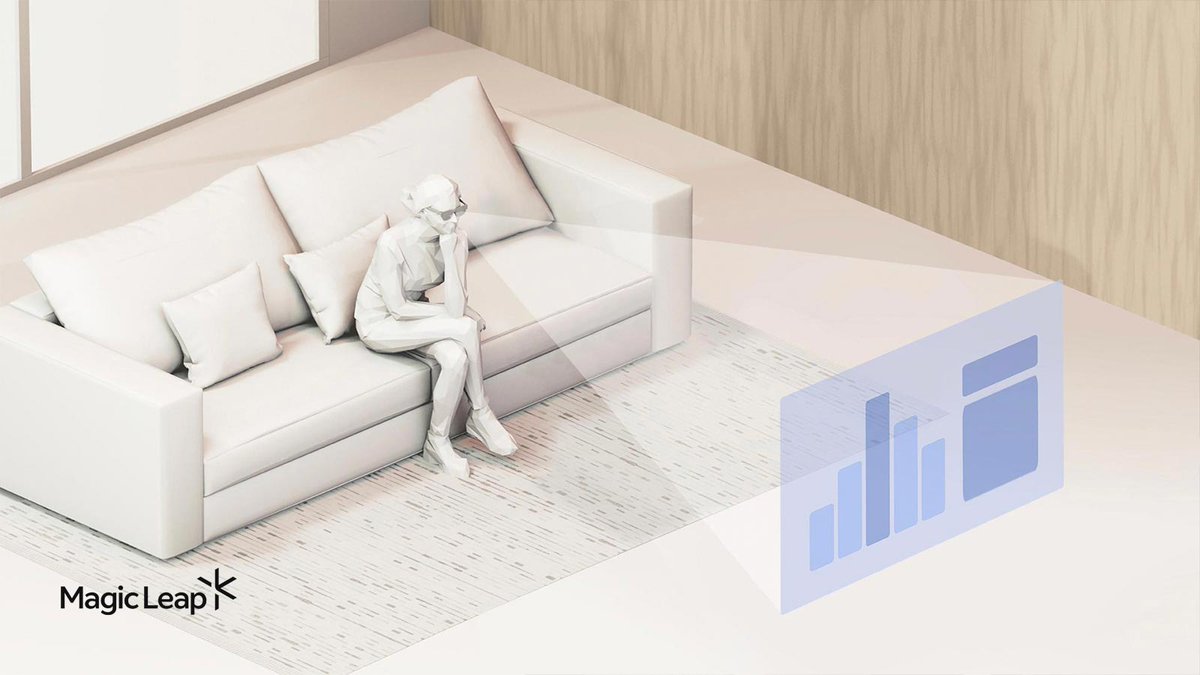
The optimal field-of-view makes AR content feel intuitive and enjoyable.
We design with comfort, clarity, and context in mind. https://t.co/VsZEANIFhJ
#AR#FOV#HumanCentered
AR glasses are built from complex, interdependent components. Prototyping requires optimizing them as a system, not in isolation. When design, engineering, and human factors iterate together, progress is accelerated.
Learn how our teams approach collaboration in AR glasses development:
https://t.co/3T2Lx6XMCX
Quality assurance shouldn’t be the final step.
That's why we've built it into every step of our AR process. In AR optics, tiny surface or alignment changes can affect the entire display. That’s why our QA runs through design, testing, and prototyping.
Learn how we approach QA in our waveguides: https://t.co/8Ll4z4AFle
Waveguide advancement starts with the materials.
We use materials in innovative ways to create lighter waveguides that offer sharper, clearer visuals.
https://t.co/yXrhrqRY7s
We co-optimize waveguides and light engines from day one. The result is clearer, more stable AR visuals built through system-level integration. Learn more about our approach to co-optimization. https://t.co/4i1IkhB5T9 #AugmentedReality#ARGlasses#AROptics