Research Fellow @UCL: A cognitive/clinical neuroscientist studying plasticity.
Focusing on sensory deprivation and restoration processes in human development
Super excited that our new paper is out!
Following retinal gene-therapy, congenitally colorblind children (achromats) show recovered(!!) neural cone maps in early visual cortex. So grateful to be a part of this groundbreaking study. @ChildVisionLab@TesDekker @MahtabFrhb
Farahbakhsh et al. show that gene therapy can activate dormant cone photoreceptor pathways in children with achromatopsia, a monogenic disease that causes complete loss of colour vision. The changes are paired with improved visual function. https://t.co/72ROG4mvuJ
The first treatment for rare sight-threatening infection, acanthamoeba keratitis has been approved in Europe after 15 years of research supported by @UCLeye and @Moorfields. https://t.co/NB2sUO7gJj
To mark the release of The Edge of Sentience, I've done a 2hr mega-podcast with @80000Hours covering many of the key ideas and themes. You can find it here and on all the main podcast places: https://t.co/gEALBEHYtV
4 year PhD (apply by 19th July) on visual system vulnerability to neurodegenerative disease.
https://t.co/bcw4TicMJU
Understand susceptibility to 'brainsight' loss in the largest imaging study (UK Biobank) & in visual-led dementia
@drcionucl@RareDementia@UCLIoN@CombineLab
How do we infer perceptual absences? Do beliefs about perception play a role in such inferences? And how does it all relate to cellist Natalia Gutman’s career decisions? Find answers in our new preprint with @moran_rani and @ClarePress:
https://t.co/T1V64SA0sH
A 🧵
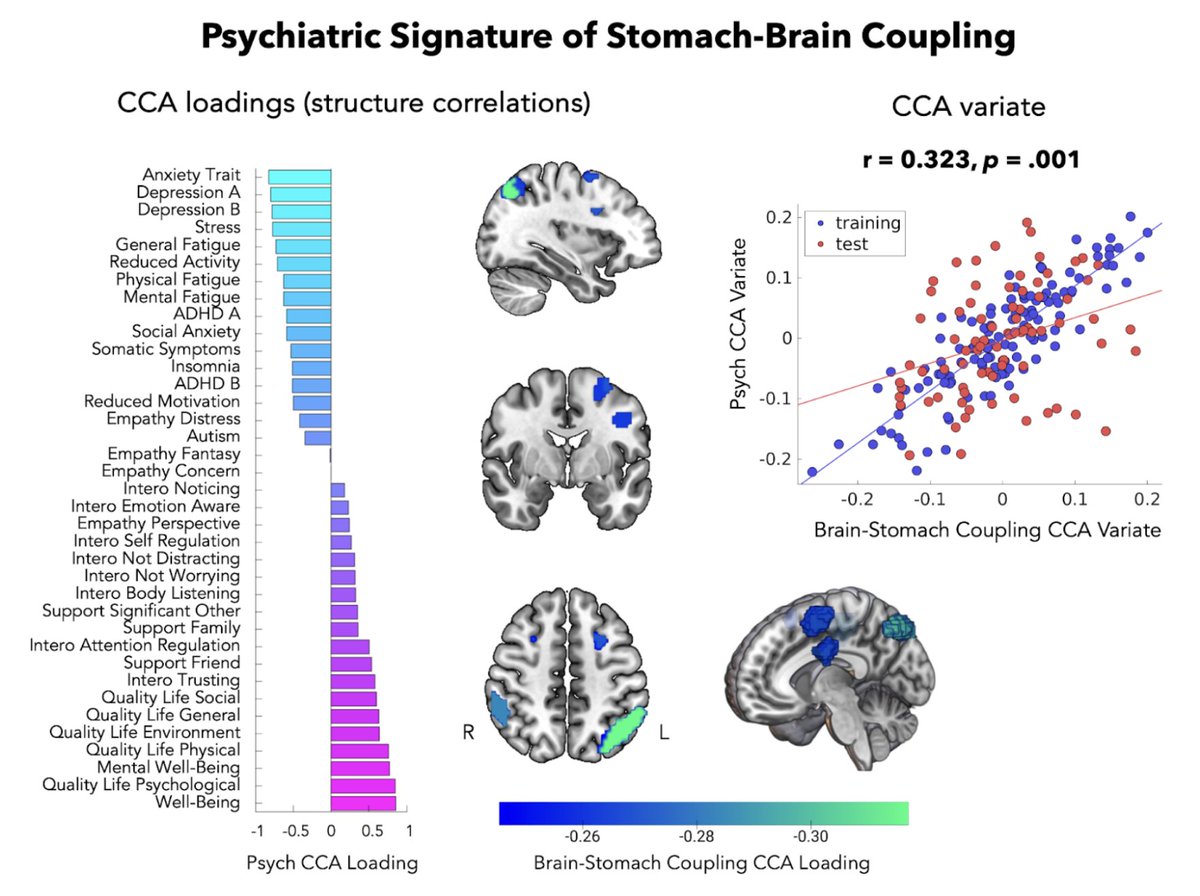
@BrainAndStomach While many believe being ‘more in tune with your body’ improves mental health, we surprisingly found the opposite: worse mental health (higher anxiety, depression, stress, fatigue & reduced well-being)—with stronger stomach-brain connections.
Modulating networks using DBS is an effective treatment for PD – but which circuits map to improvements in individual symptoms such as tremor, bradykinesia, rigidity, and axial? A 🧵 about our new paper out now in @NatureComms https://t.co/4KPUBGgsRd @netstim_org
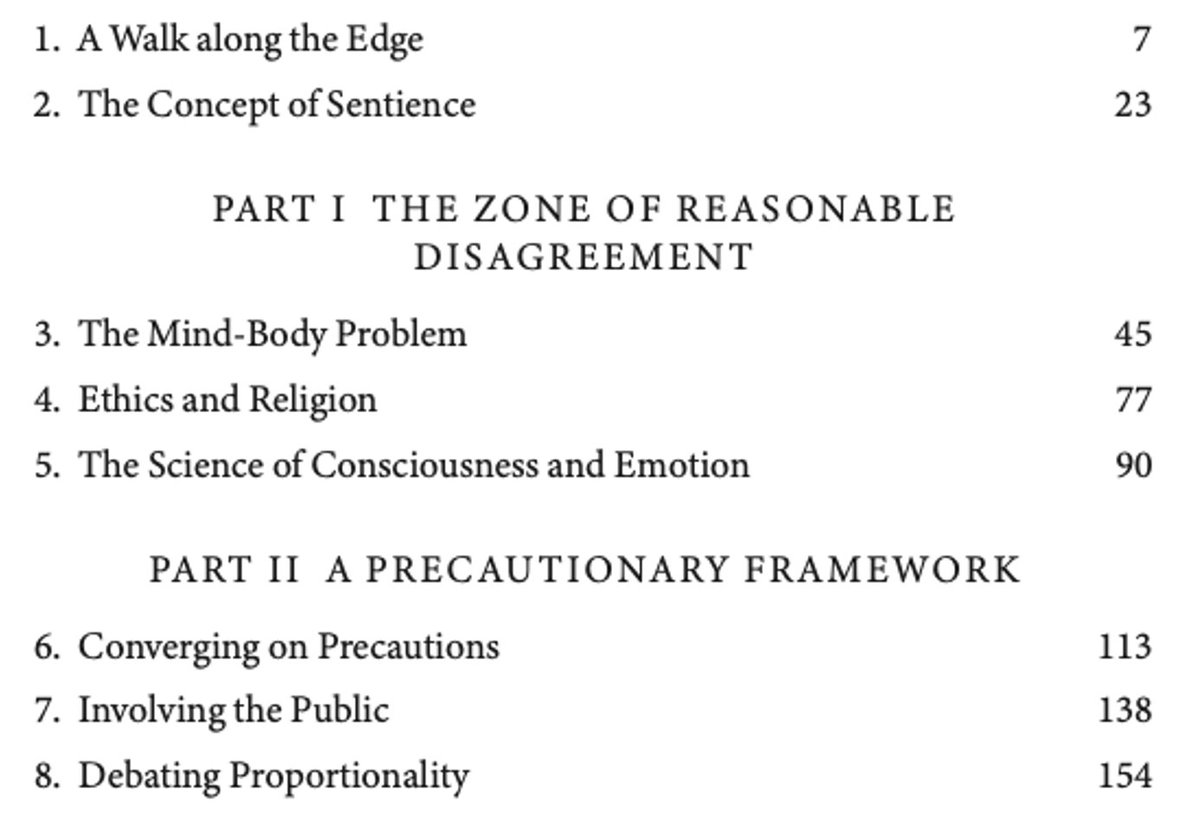
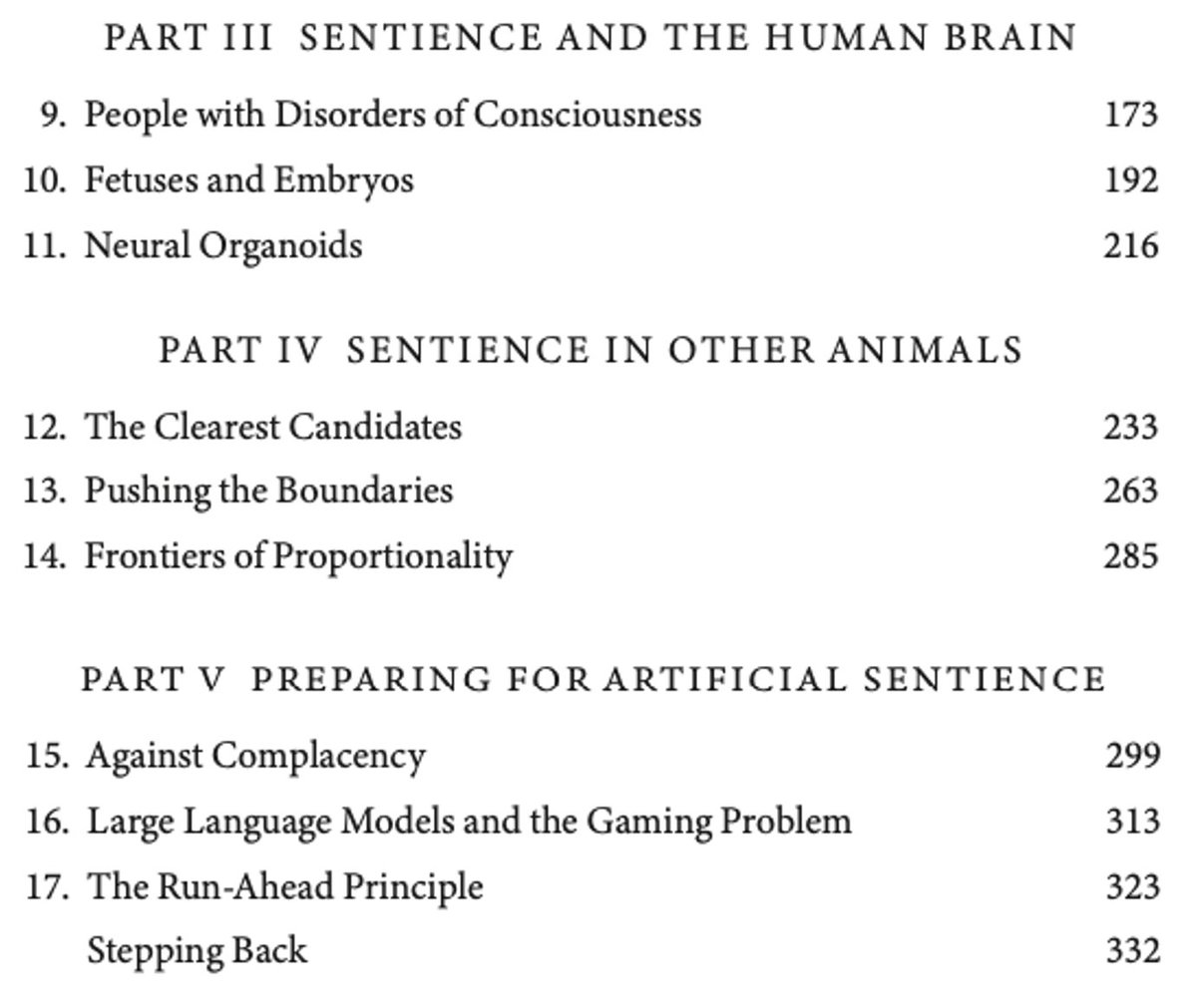
A preview of the contents page of my book The Edge of Sentience: Risk and Precaution in Humans, Other Animals, and AI - out 15 August, open access online and in print (https://t.co/BLRrl99GZ0).
How can vision scientists drive real-world impact?
@SharonGutnick and I will hear from Lotfi Merabet (HMS), @jeremymwolfe (HMS), @cogscimon (NSF/Rice) & Cheri Wiggs (NEI) at a #VSS2024 satellite Mon 2-5p. Join us!
https://t.co/eAp84ouVaV
We are currently recruiting for the next phase of the LIFE study on the mechanisms underlying the effects of different types of physical activity in depression - if you or anyone you know are interested (based in the London area) please ask them to get in touch!
Is forgetting a bug or a feature? Can you delay it and remember longer? Our 🥶COOLEST paper to date (and our most poetic abstract…) Show LOVE ❤️and please SHARE! Thread (1/N)👇
https://t.co/nhe4P2dk7G
I'm soon going to be looking for a senior postdoc to join my lab who is interested in transitioning to independence and in building their own group, with a strong background in vision science, cognitive computational neuroscience or visual neuroscience. Please RT 1/3
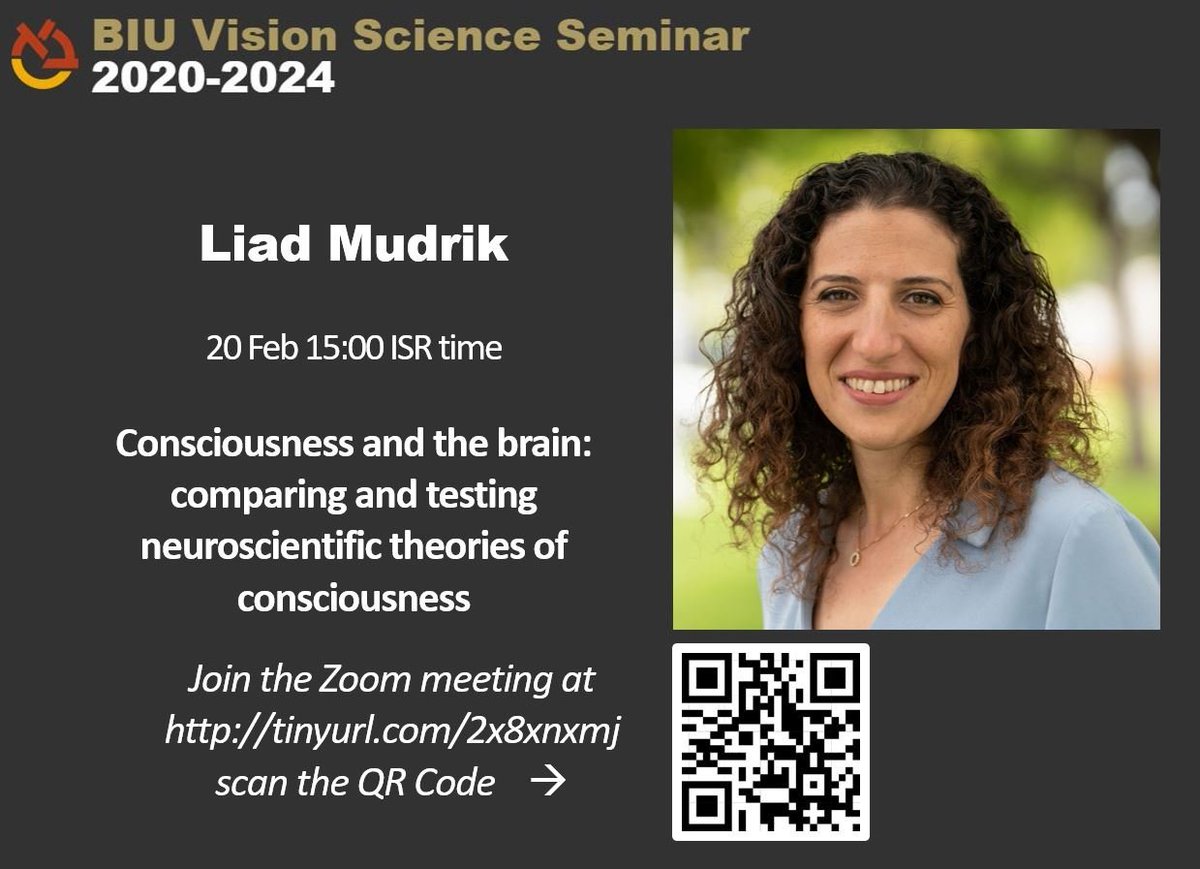
1/ What things are conscious and how could we know? New in @TrendsCognSci – a new strategy for developing ‘Tests for Consciousness in Humans and Beyond’ – a @CIFARnews Brain, Mind, and Consciousness production
https://t.co/A32BJf3IUI
Another incredibly well crafted and insightful work by the brilliant @mazormatan and colleagues.
This time asking how good are we at pretending we don't know something and what does that teach us about how well we know ourselves?
How good are we at knowing what we would think and do if our beliefs were different? In a new preprint with @chazfirestone and @ibphillips, we use pretense behavior to show that the answer is *remarkably good* https://t.co/gMHSAUOafC
A thread 🧵(1/7)
We need to retune our empathy to fit the evidence, in relation to both animals and AI. (A clip from an event at Princeton with @jeffrsebo and @KristinAndrewz. The camera angle is weird because it's academia.)