Fill up your trunk this holiday season with new Mara Elephant Project merchandise.
Featuring an exclusive holiday design, these comfy tees and sweaters will become a key staple of anyone’s wardrobe and support our elephant protection efforts.
You can unlock a future for elephants with this perfect gift.
🔗 https://t.co/kPNkvSd8bz
Growing thriving forests and future conservationists, one seedball at a time.
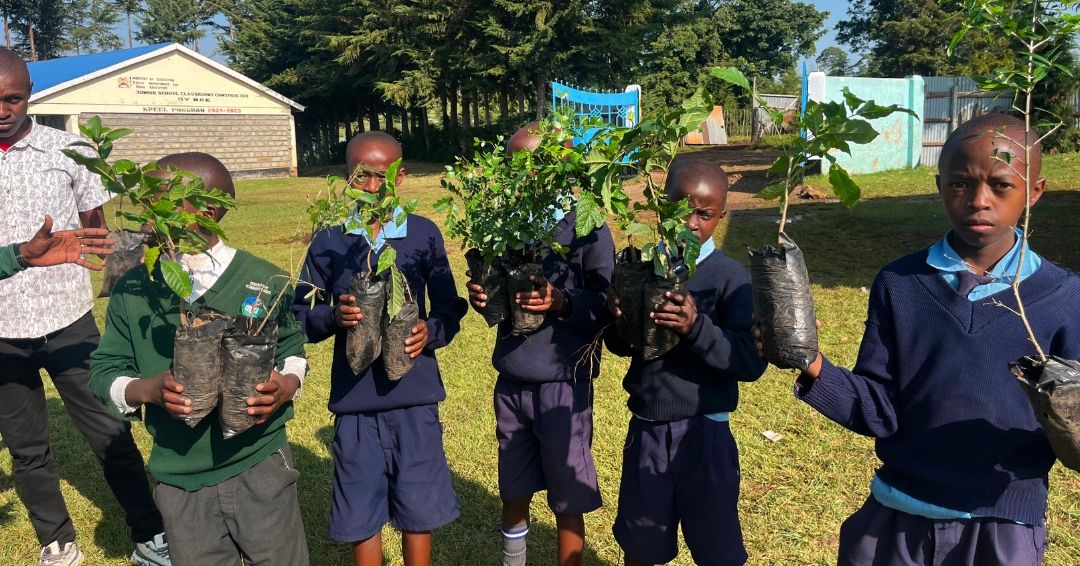
On Kenya’s #NationalTreeGrowingDay, we're celebrating the small actions that can help shape a greener future.
In the Mau region, students from Mara Elephant Project's Conservation Education Program are getting hands-on with forest restoration, dispersing indigenous tree seedballs generously donated by Seedballs Kenya.
While each seedball holds the potential for new growth, activities like these also plant something equally important: an understanding of why forests matter and the role the next generation can play in protecting them.
As Seedballs Kenya Co-Founder Teddy Kinyanjui shares:
"Growing and protecting indigenous trees inside and also outside of forests has never been more important to Kenya's future than today. We are very happy to partner with MEP to get the right indigenous tree seeds to the right places, and we thank all the rangers from the Mara Elephant Project so much for their tireless good work of protecting our trees."
From dispersing seeds that can grow into indigenous trees to protecting the forests that sustain wildlife and communities, restoring our landscapes takes collective effort.
These are the seeds of change being planted today and the generations who will help them grow.
It's almost time! This Saturday, the 7th UltraMARAthon brings together runners, communities and conservation supporters for a shared purpose: celebrating and supporting the Mara.
Our Mara Elephant Project rangers will be back on the trails, trading their patrol boots for running shoes and joining fellow participants in this incredible community effort.
More than a race, the UltraMARAthon is an opportunity to come together, champion conservation and make a difference for the Mara, its people and wildlife.
We're proud to be among the beneficiaries and excited to be part of a community running towards a better future for this landscape.
Whether you're taking on the challenge or cheering from the sidelines, we look forward to seeing you.
See you at the starting line!
Two worlds. One ecosystem.
Across the Mara, people and elephants share an increasingly complex landscape. For families who depend on farming for their food and income, an elephant entering a farm can undo months of hard work in minutes, destroying crops that provide both a family's livelihood and food security. These encounters can also pose significant risks to human safety.
But elephants are navigating a landscape that is changing around them, too. As their traditional movement routes increasingly overlap with farms and settlements, encounters between people and elephants become more frequent. Protecting these magnificent animals means finding ways for them to move safely through the landscapes they have called home for generations, while protecting the people who live alongside them.
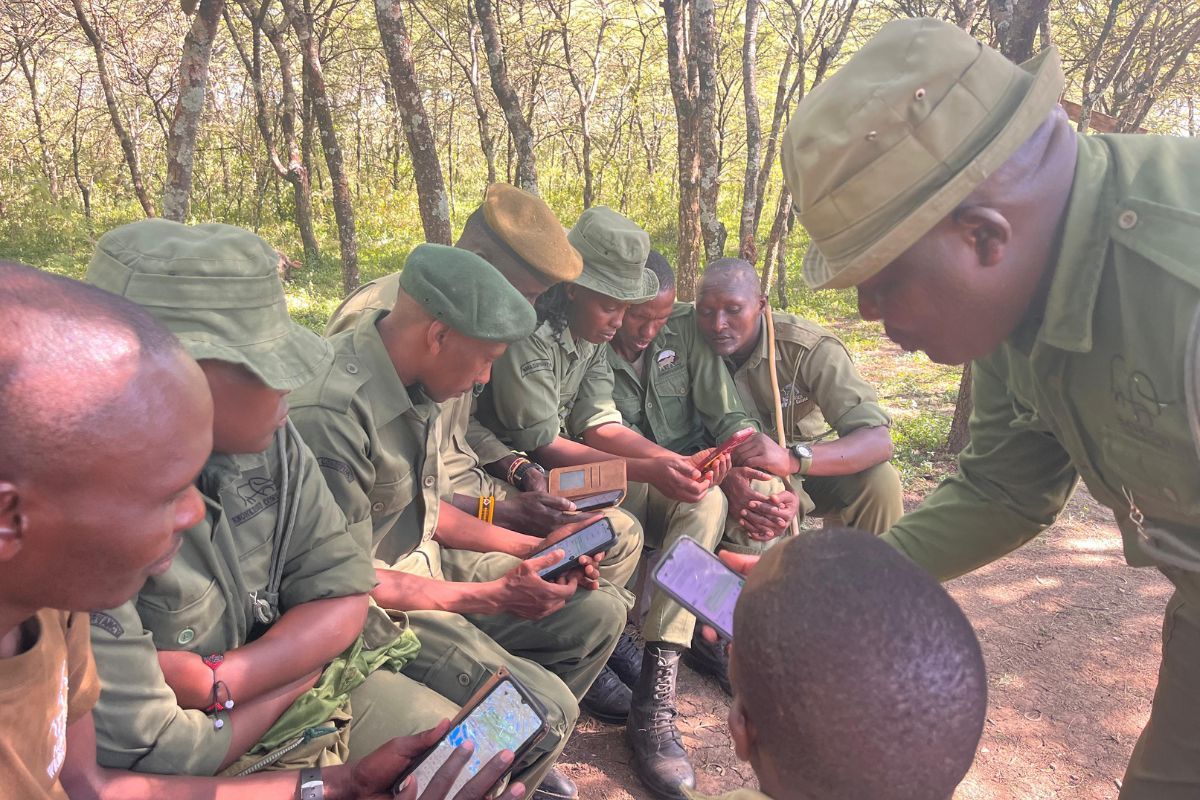
This is where innovative technology like VirtualRanger plays a critical role. Designed to improve communication between communities and conservation teams and supported by How Many Elephants, VirtualRanger allows community members to report wildlife incidents directly through WhatsApp, sharing their location and details of the situation. This gives rangers valuable, real-time information to better understand emerging conflicts, coordinate responses, and help prevent encounters from escalating.
By connecting the people who share this landscape with the teams working to protect it, VirtualRanger is helping build a future where both people and elephants can thrive.
Because a healthy ecosystem must work for everyone who calls it home.
Women belong at the forefront of conservation.
When they have the opportunity to discover their potential, develop unique skills, and pursue opportunities to lead, impact follows.
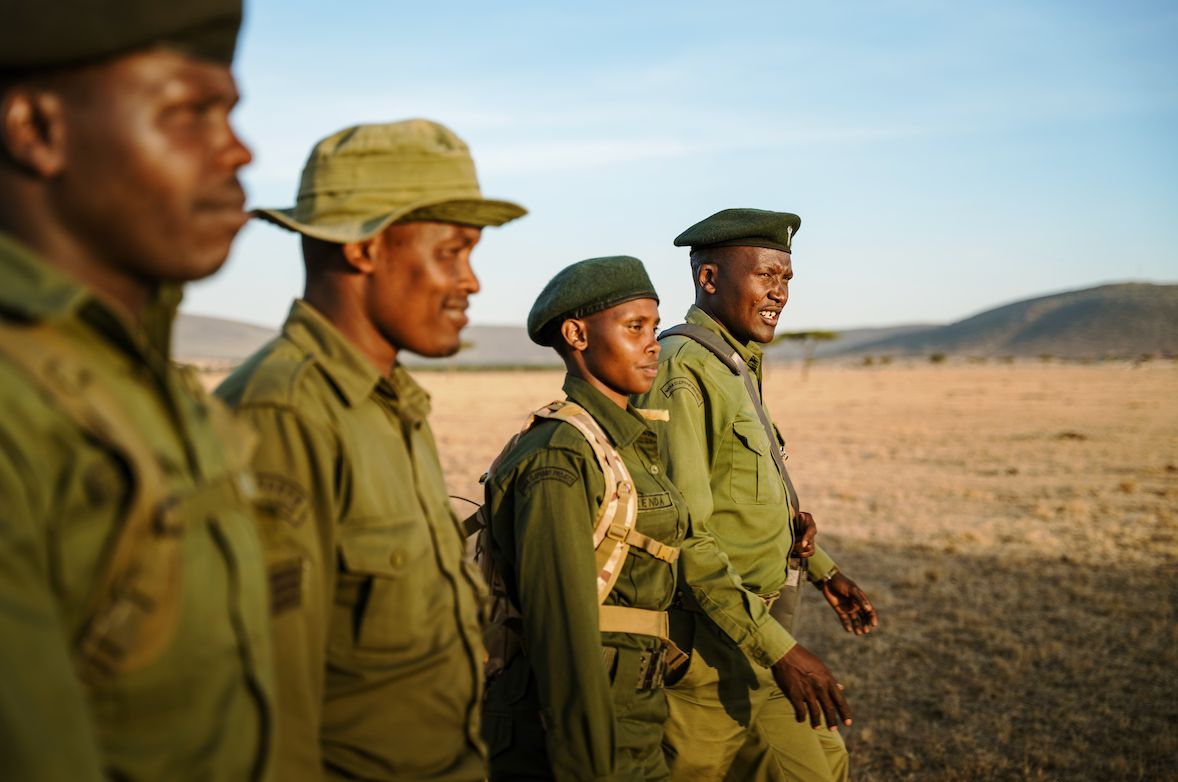
Through training, mentorship, and hands-on experience, Maasai women are stepping into roles on the front lines of conservation at Mara Elephant Project. From rangers and drone pilots to leading coexistence initiatives, they demonstrate what is possible when the tools, support, and opportunities to succeed are available.
To make an impact, conservation organizations need to represent the communities they serve. Invest in the people shaping the future of conservation. Your support helps create opportunities for more women to lead on the front lines: https://t.co/JdQC1aIfQi
A very happy one-week birthday to this little one!
This calf was just seven hours old when this video was taken in Naboisho Conservancy last Sunday, taking its first steps into the world.
A new arrival like this is a lovely reminder of what protected landscapes and partnerships make possible.
Thanks to the ongoing conservation efforts of @MaraNaboishoCon and Mara Elephant Project, elephants have the space and security they need to raise the next generation.
Here’s to a healthy, happy life ahead for this little calf!
Keeping tabs on one of the Mara's giants takes a little help from above.
Known as a frequent crop raider, it’s critical to monitor bull elephant Edwin regularly. The high-powered lens on the drone allows the Mara Elephant Project team to fly high above him so he’s not disturbed and capture photos and video to analyze.
During these monitoring operations, our rangers and researchers are checking that he has no injuries, and that his GPS collar is functioning as it should.
Because even though Edwin is tracked 24/7 virtually, it’s critical to also have eyes on him physically.
Drones have revolutionized how we monitor and protect elephants.
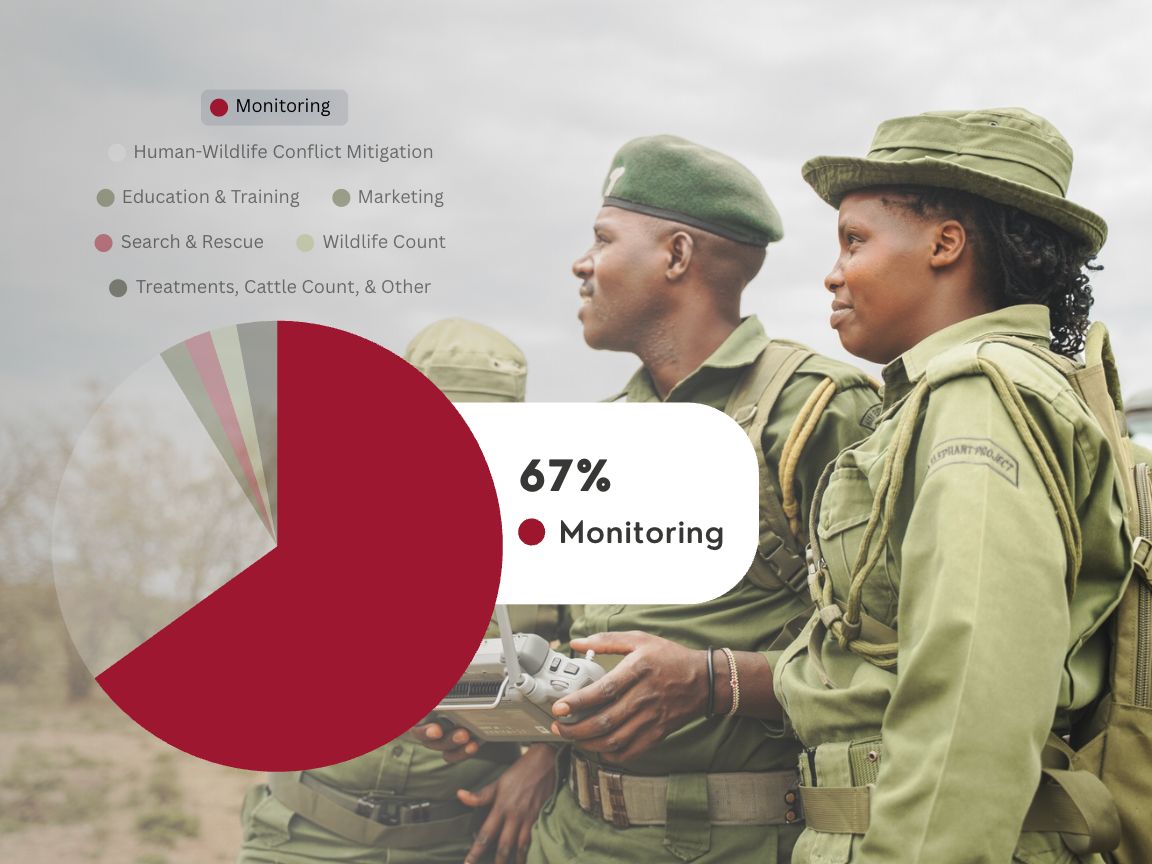
While a critical tool with countless applications, the data shows that Mara Elephant Project teams deploy them most to monitor elephants and mitigate human-elephant conflict.
The observations and information gathered during monitoring flights help us understand where elephants are found, how they move, and how they use the landscape. Through careful data analysis, our team turns that information into actionable insights.
These insights help inform decisions about which elephants to collar, where ranger teams should be stationed, and where human-wildlife conflict (HWC) may be more likely to occur. When those incidents occur, drones give pilots a view from above, helping rangers locate elephants and gently guide them away from farms and community areas. Together, these applications allow our team to direct resources where they are needed, build a deeper understanding of the elephant population, and protect both humans and wildlife.
But the impact of drone technology reaches beyond the immediate work of monitoring elephants and mitigating conflict. It is also creating opportunities for the people behind the controls.
Through pilot training and hands-on experience, Kenyan rangers and team members gain valuable technical skills that open doors to new responsibilities, leadership roles, and career development within conservation.
By investing in drone technology, we are also investing in the skills and expertise of the local people leading the way in elephant protection across the Greater Mara Ecosystem.
Conservation is strongest when we work together.
Recently, three @BigLifeAfrica rangers took an important step toward becoming certified drone pilots, with training led by Expert Drones East Africa at Mara Elephant Project’s Ranger Education Center.
As a UTO-certified training ground, MEP Headquarters provided the space for this collaboration, bringing together the expertise, facilities, and people needed to build the next generation of conservation technology specialists.
Drones are transforming what is possible in conservation. From locating injured elephants across millions of acres of land to helping reunite lion cubs with their mothers, this technology allows teams to respond to situations that would once have been difficult, or even impossible, to address.
But developing these skills takes time, training, and collaboration. It is through partnerships like this one that conservation teams can expand their capabilities and strengthen their efforts to protect wildlife.
Together, we’re building stronger teams, efficient responses, and a safer future for wildlife.
A big step forward for coexistence, made possible by the generosity of our friends at Cinnabar Green!
Mara Elephant Project is incredibly grateful to John and Penny Horsey, founders of Cinnabar Green, for generously loaning us an 80-liter essential oil distillation unit for our Coexistence Farm.
This loan gives us the opportunity to learn how to operate the unit, experiment with distillation, and refine our processes before investing in a unit of our own. It is an exciting step toward processing essential oils directly on our farm.
This unit will allow us to process rosemary and other elephant-friendly crops grown on our farm and by community out-growers into essential oils. Through steam distillation, the oils are extracted from the plants, creating valuable products while the remaining plant material can be returned to the soil as mulch.
By processing these crops locally, we can add value to the harvests of community farmers, create new opportunities for sustainable livelihoods, and strengthen an approach to farming that supports both people and elephants.
John and Penny’s generosity and knowledge are helping turn the promise of coexistence into practical opportunities for the communities who share their landscapes with elephants.
Thank you, Cinnabar Green, for helping us grow!
From the classroom in Ohio to the Mara in Kenya!
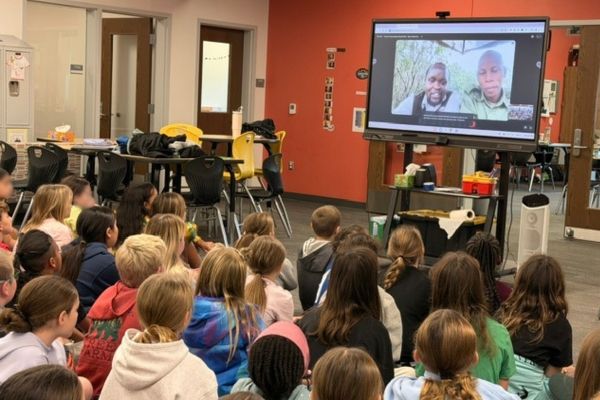
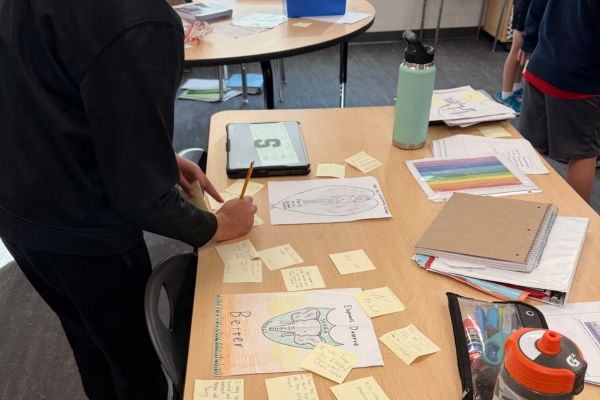
Mara Elephant Project recently connected with fifth-grade students at Greene Intermediate School for a virtual presentation from our rangers, bringing their conservation curriculum to life.
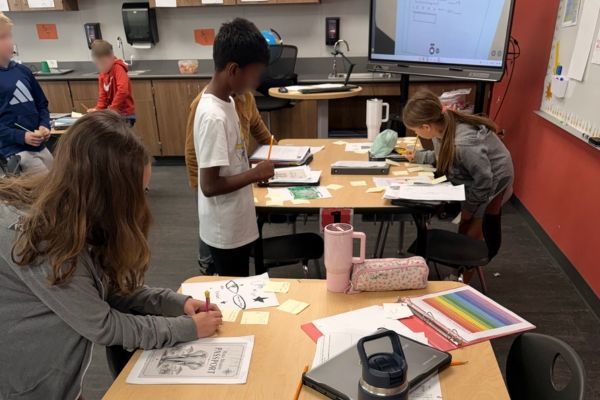
As part of a unit exploring conservation, food webs, and ecosystems, students have been learning about elephants, their habitats, and the importance of protecting wildlife. Connecting directly with a MEP ranger gave them an exciting opportunity to make their learning interactive and real, hearing firsthand about the people and work helping protect elephants in Kenya.
We love seeing students connect what they learn in the classroom with real-world conservation efforts and discover how they can make a difference.
Want to bring the Mara into your classroom? You can connect your students with an MEP ranger, too!
Schedule a FREE virtual live classroom presentation here: https://t.co/IbGUgpSCn2
Stay connected to the herd.
Keep up with rescue stories, conservation updates, and the people behind the work.
Sign up for Mara Elephant Project emails to follow the journey: https://t.co/p824OX21qo
The goal isn’t to move elephants. It’s to make room for coexistence.
Elephants have moved through the Greater Mara Ecosystem for generations and so have the people who call this landscape home. Today, their paths often cross in areas where wildlife habitats and community lands meet.
When elephants come close to homes or farmland, the risk of human-elephant conflict increases. Crop damage threatens livelihoods, while encounters put both people and elephants at risk. In these situations, a timely response helps prevent conflict and keeps elephants safe.
Mara Elephant Project’s ranger teams use drone technology to monitor elephant movements and support responses when herds approach communities. Drones help our teams understand where elephants are and where they’re heading, allowing rangers to guide them away from areas where conflict may occur.
During a recent daily patrol, the ‘Foxtrot’ ranger team encountered a herd close to a local community. Using a drone to monitor the herd, the team supported a coordinated response to help guide the elephants away from the community.
The goal isn’t to deny elephants their space. It’s to help people and elephants share the landscape more safely, so both can thrive.
Responding to a suspected ivory trafficking incident is when training matters.
Thanks to @KWSKenya and Mara Elephant Project, wildlife crimes, while rare in the Mara, have not completely disappeared, which is why our rangers must be ready to respond.
In a recent realistic, carefully planned ambush simulation training, MEP rangers put their skills to the test under pressure, experiencing the nerves and uncertainty of a potential real-world incident while practicing how to coordinate and complete an operation and an ambush and arrest successfully.
By training in realistic conditions, our rangers can practice making critical decisions and be ready to respond if the time comes.
“I will always look across Mara North and wish I could see Fred once more.”
Over the weekend, we shared the sad news that Fred, one of the Mara’s most iconic Tuskers, has passed away. As we continue to remember him, we wanted to share a tribute from someone who knew him well.
In this week’s #FridaysWithFred, Mara Elephant Project Special Projects Manager and helicopter pilot Wilson Sairowua reads a personal letter he wrote in memory of Fred, reflecting on the remarkable bull and the special relationship they shared.
Wilson remembers the quiet nights when Fred would browse outside his tent. He would wake and watch him, grateful for the chance to witness such a magnificent elephant simply going about his life.
“There was something deeply moving about those moments: Fred, this enormous elephant, simply going about his life, and me feeling fortunate to witness a small part of it.”
Having been part of Fred’s story since the early days of MEP’s tracking efforts, Wilson’s words reflect a bond built over years of shared time in the Mara.
We invite you to listen to Wilson’s letter and join us in remembering Fred and the legacy he leaves behind.
He was a special elephant to so many people, and in the coming weeks, we’ll continue honoring him through your stories. If you have photos, videos, or a memory of Fred you’d like to share, we’d love to hear from you: https://t.co/D01m5uHgCF
At Mara Elephant Project, we know that well-trained rangers are essential to effective wildlife protection.
But our work doesn’t stop at training our own teams. Through our Training of Trainers (ToT) program, supported by the Saruni Basecamp Explorer Foundation (@KenyaBasecamp), we equip rangers with the skills to train and mentor others, extending quality training to conservancies across the Mara and strengthening conservation operations throughout the region.
Phase three of the program is currently underway, with MEP trainers returning to conservancies to mentor fellow rangers, reinforce skills and assess how training is being applied in the field.
At Olderkesi and Naboisho conservancies, rangers strengthened their skills in physical fitness, patrol planning, field formations, communications, navigation, first aid and emergency response. Training also explored how technology, including EarthRanger, VirtualRanger and drones, can support conservation operations.
Through practical exercises, mentorship and knowledge sharing, the ToT program helps build lasting skills and capacity within conservancies.
That’s the power of training that keeps on growing! #TOTThursdays
A new milestone for coexistence in the Mara!
In our third quarter coexistence update, Abigael Pertet shares the latest progress, stories, and milestones from the farm.
Read the full update to see how coexistence is growing across the Mara: https://t.co/I1WMNcFkHa
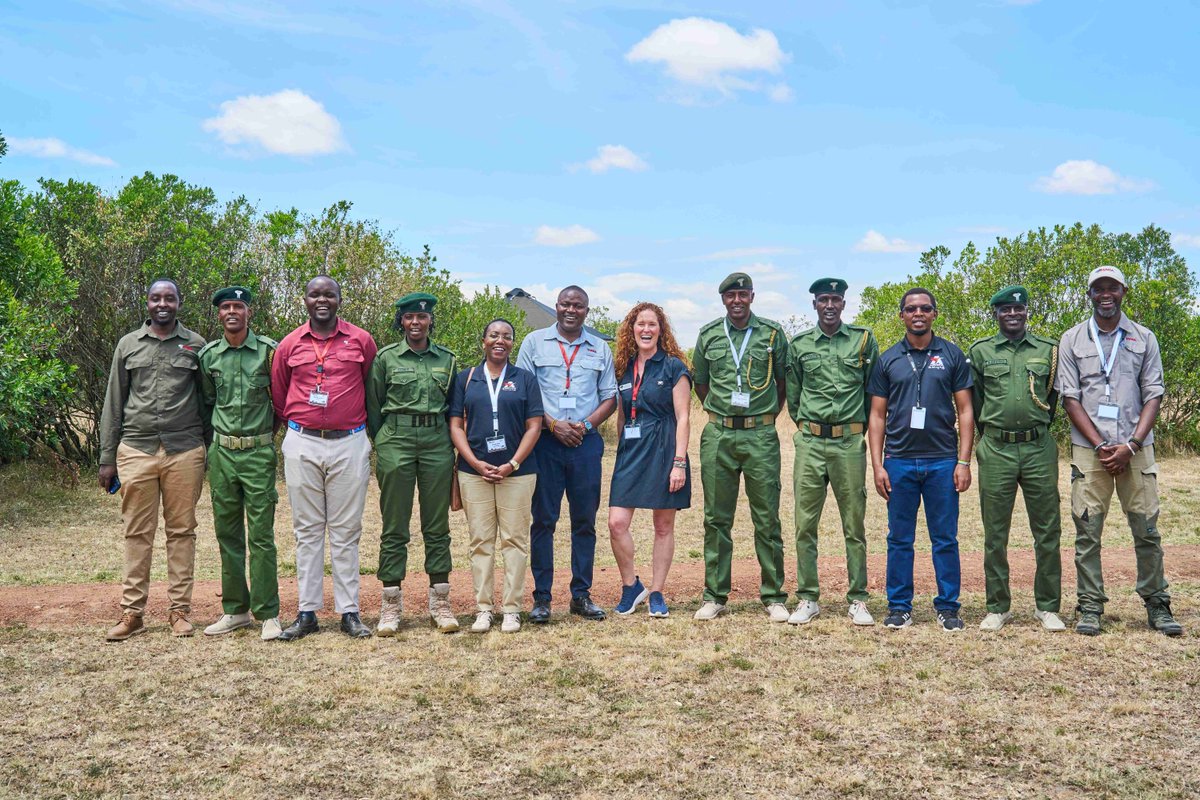
It was a pleasure and an honor to welcome representatives from AirKenya to the Mara to celebrate 15 years of Mara Elephant Project and the conservation work made possible by our supporters and partners.
As the Official Safari Airline Partner of Mara Elephant Project, @AirKenyaExpress plays a special role in connecting people with Kenya’s extraordinary landscapes. Having their team, including Jean Uku, Marketing Manager, and Henry Wangunyu, Sales Executive, join us in the Mara to mark 15 years of protecting elephants, safeguarding their habitats, and supporting human- elephant coexistence made the celebration all the more meaningful.
We are grateful for AirKenya’s continued support and proud to have them alongside us in championing the future of the Mara’s wildlife and wild spaces.
A giant of the Mara has fallen.
Fred, an iconic Mara Tusker, was found dead today of natural causes. Well into his fifth decade, Fred served as a symbol of the success @KWSKenya and Mara Elephant Project achieved in combatting ivory poaching over the last 15 years.
Fred’s counterparts didn’t live to see old age. How lucky we are that he did.
Collared since 2013, his tracking informed an approach that other Tuskers across Kenya benefited from. Even in death, Fred is the emblem for the Maasai Mara’s magic; thriving despite the challenges and contributing to a brighter future.
He will be missed, but what a life well lived.
We will be remembering Fred in the coming days. Stay tuned for more opportunities to join us in celebrating the life of this gentle giant.
When your trunk needs a little extra help, sometimes you have to put your best foot forward!
At the tail end of the dry season in the Mara, grasses become dry, tough and much harder to pull from the ground than they are during the rainy season, when fresh, green growth is plentiful. This young bull has found a clever way to tackle the challenge, using his foot to help loosen stubborn grasses while his trunk does the pulling.
An elephant’s trunk is an incredible tool for feeding, but it doesn’t always work alone. By combining the strength of his trunk with the power of his legs, this juvenile male can get to the grasses he needs to keep himself nourished, even when the dry conditions make feeding a little more difficult.
If elephants could talk, we think this bull would agree that the rains can’t come soon enough!