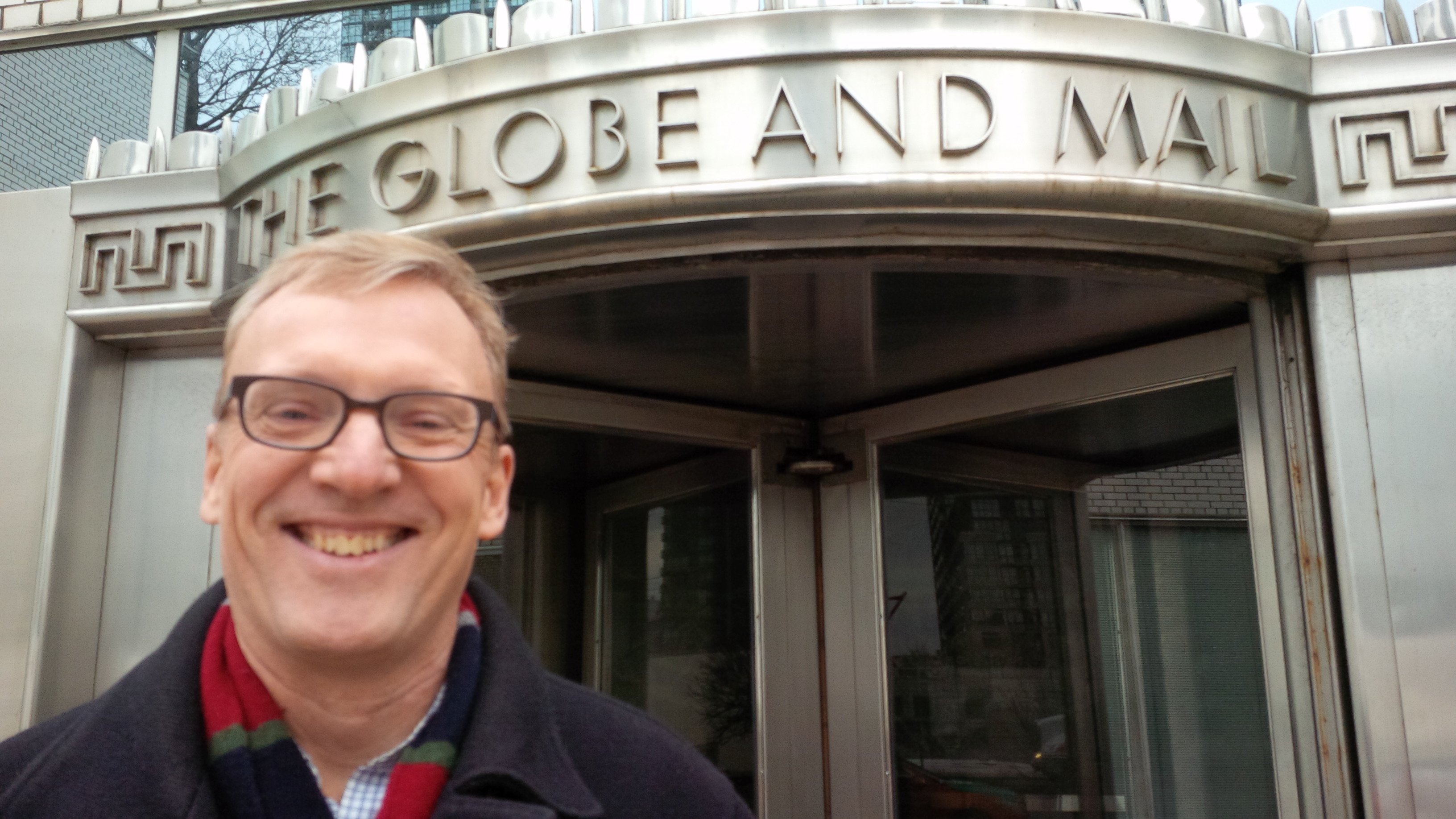
Almost a decade ago, I wrote this about Abdul El-Sayed, who just won Michigan's Democratic nomination for the U.S. Senate @globeandmail https://t.co/kFPFCczMvk
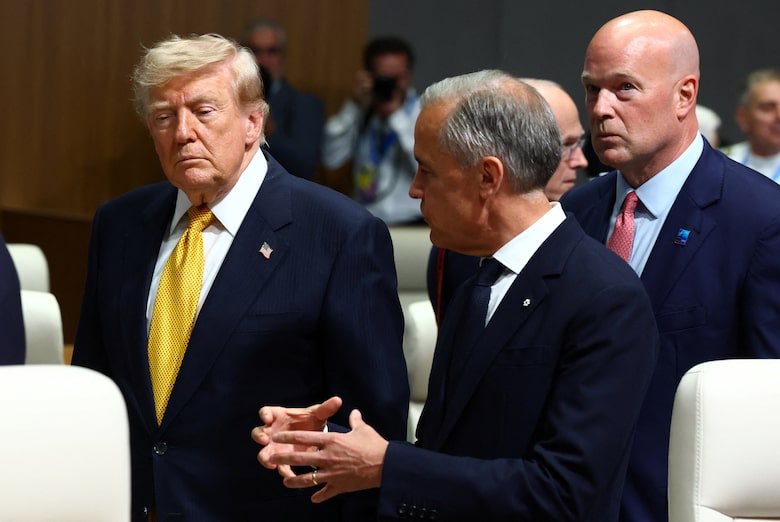
This feels like a fitting moment to share my interview with Marty Baron, the former executive editor of the Washington Post, on Trump’s attacks on the media:
https://t.co/ygGT0OHRqF
Alan Riding, a British lawyer who escaped trusts and torts to become a brilliant long-time foreign correspondent for the @nytimes, covering Latin America and Europe, has died at 82. He was an extraordinary journalist, author and colleague. RIP, Alan. https://t.co/tzyYybC3JY
Powerful editorial in Canada's @globeandmail on the failure to speak plain about antisemitism: "The price of freedom of conscience and safety for Jews ... is set by their enemies."
https://t.co/ZpZt1z3eRO
Putin didn't invade Ukraine because of NATO. He invaded because Ukrainians were proving democracy works.
Historian and Pulitzer Prize winner Anne Applebaum puts it plainly: Putin looked at Ukraine's democratic movement and thought, "If they can do it in Ukraine, then people could do it in Russia. So I need to crush this."
That's the real threat Ukraine posed. Not missiles. Not borders. A working democracy next door.
Applebaum frames the war as a fault line between the democratic and autocratic worlds. Russia isn't just trying to take territory. It's trying to erase Ukraine as a nation, reduce it to a colony, and send a message to every country that the post-1945 rules of Europe no longer apply.
Those rules were simple: no invasions, no wars, borders don't change by force. Russia understood exactly what it was breaking when it crossed into Ukraine.