Forscher von @ETH, @KSB_Spitalbaden, @psich_de & @Unispital_USZ entwickeln neue Technik, mithilfe derer man Tumore früher & genauer erkennen kann. Dies könnte die Überlebenschancen von Brustkrebspatientinnen verbessern.
https://t.co/s3MSzv9vY2
@MichalRawlik | @MarcoStampanoni
Researchers at PSI and ETH want to use a new #mammography technique to prove that the use of phase-contrast X-rays can improve #breast#cancer#screening by up to 45 percent. @MichalRawlik @MarcoStampanoni https://t.co/ykEDfSz0Il
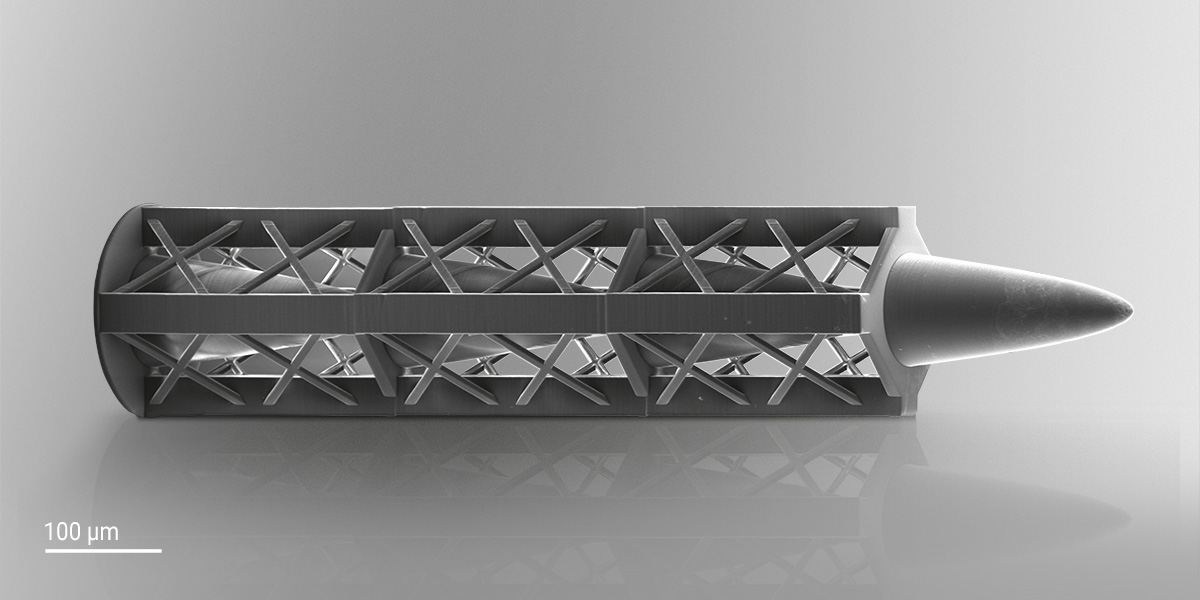
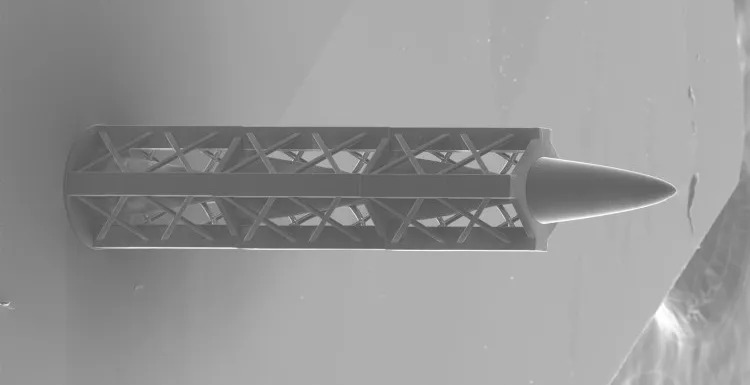
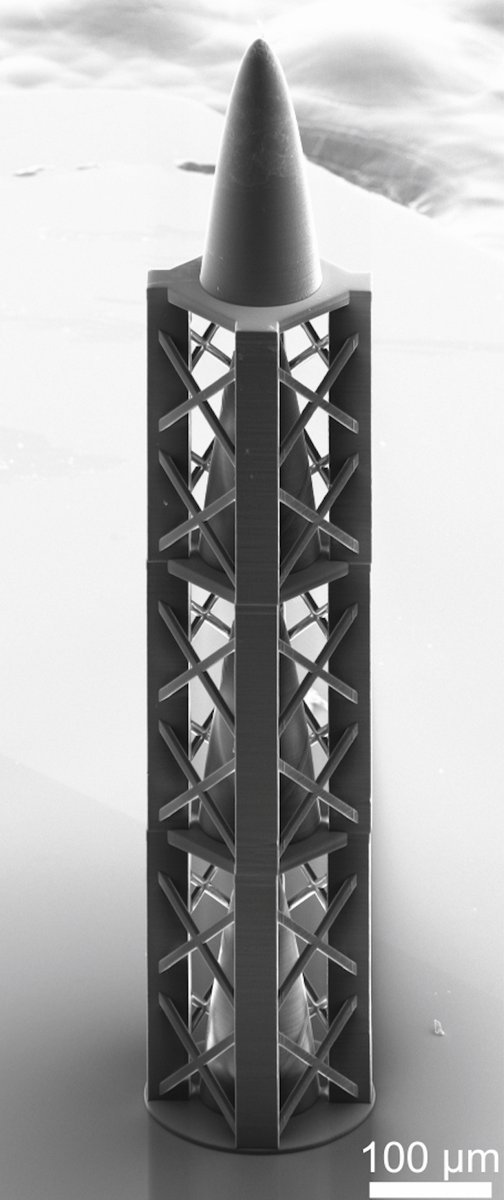
Using high-precision #3D#printing, scientists @psich_de and @XRnanotech realized a chromatic aberration corrected X-ray #optics. This paves the way for new applications in #spectroscopy and #microscopy at broadband X-ray tube sources. Read more: https://t.co/Bhrt7xG4yv
In this #MRSBulletin podcast, Sophia Chen (@sophurky) interviews Adam Kubec and Marie-Christine Zdora (@MarieZdora) about their proof-of-principle of an #Xray#achromatic lens, which is the first lens for focusing a range of X-ray wavelengths.
https://t.co/c5R9JYbuHY
(1/2) 📻 LISTEN to Adam Kubec at #PSISpinOff@XRnanotech and PSI researcher Marie-Christine Zdora discuss the impact of their ground-breaking achromatic lens for X-rays developed at PSI.
@MRBulletin podcast
👇
https://t.co/4fY5BHZWQj
https://t.co/sIfsHjbCmx
In this #MRSBulletin podcast, Sophia Chen (@sophurky) interviews Adam Kubec and Marie-Christine Zdora (@MarieZdora) about their proof-of-principle of an #Xray#achromatic lens, which is the first lens for focusing a range of X-ray wavelengths.
https://t.co/Tg0z4C44bc
#paper!
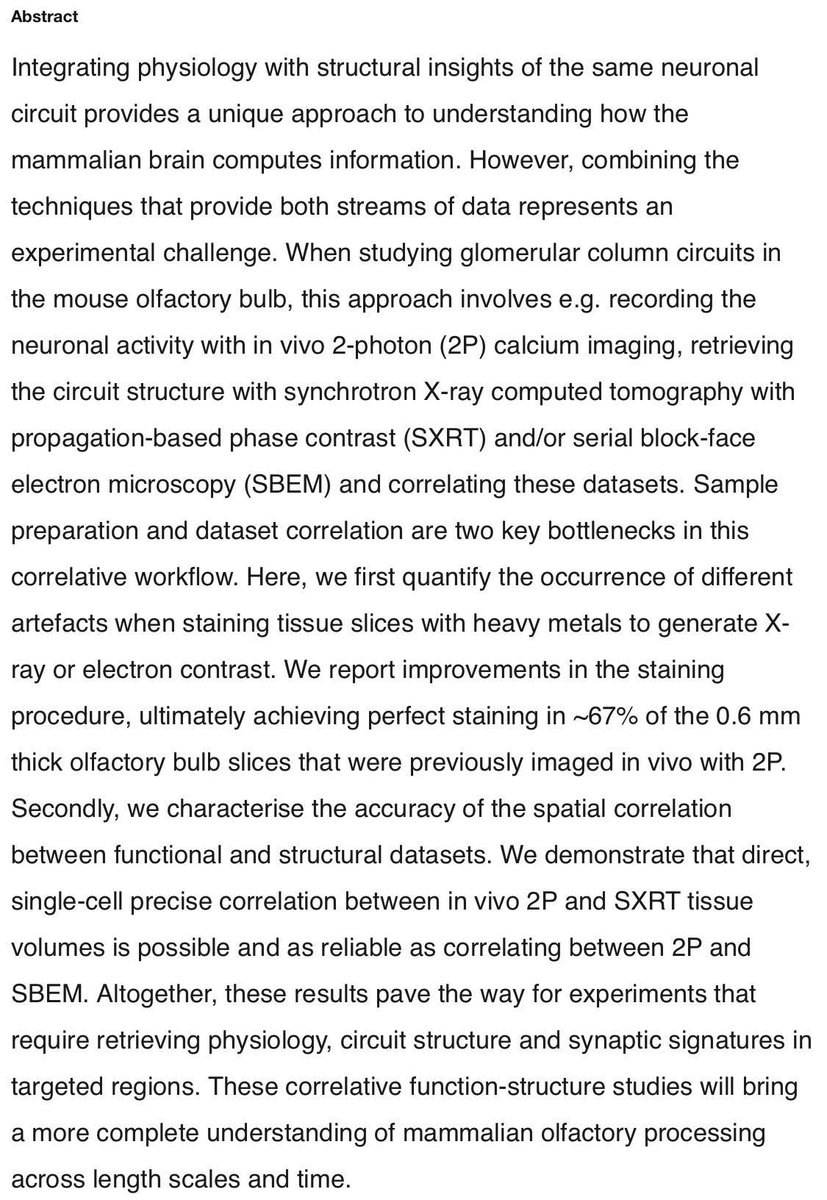
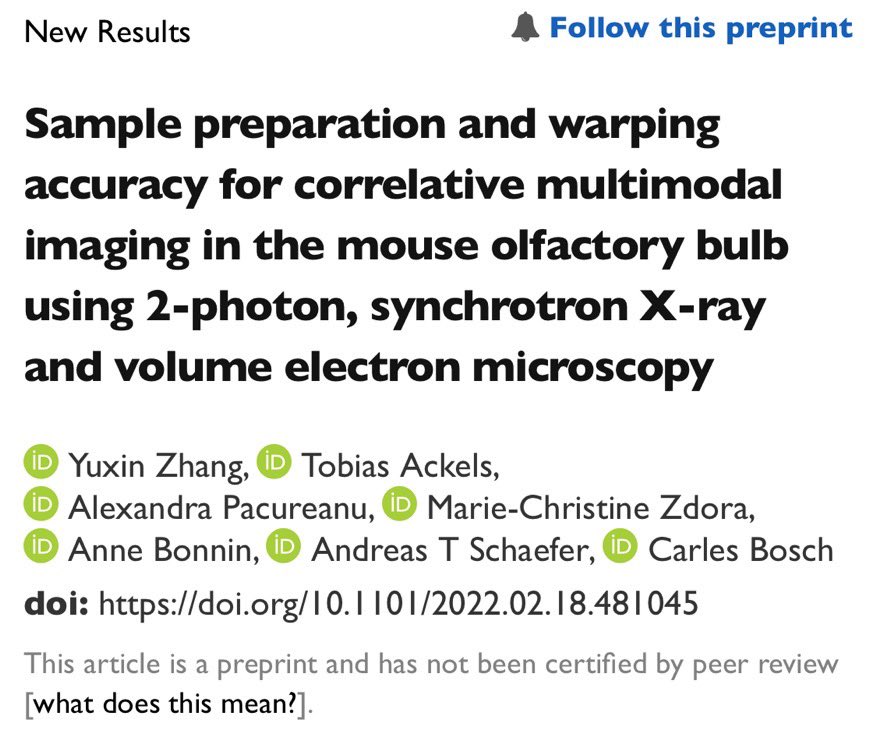
We improved our multimodal brain mapping capacity at two key levels: at preparing samples and at integrating the different modalities together.
https://t.co/1RV2mFg3Aj
A few details in the linked thread and below.
1/n
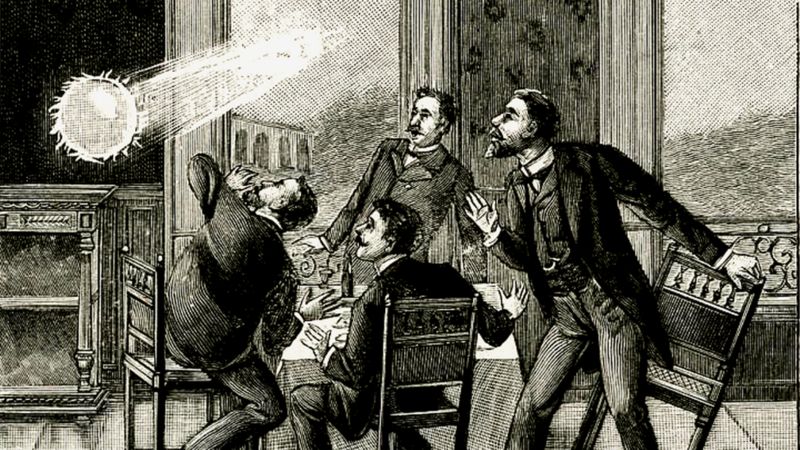
On 8th June 1195, a ball lightning was reported in London - the earliest known report of this rare phenomenon.
Exactly 827 years later, a paper came out - my first first-author paper!
https://t.co/9OB2dceoMA 🧵
Here, I introduce (drumroll + deep breath) :
#paper!
We imaged the same brain tissue sample with lasers, X-rays and electrons to address both its subcellular structure and its physiological function.
https://t.co/T4bx4np3P2
A few highlights:
1/n
@AndreasTSchaefer @esrfsynchrotron@psich_en@DiamondLightSou@NatureComms
Researchers have developed an achromatic lens for X-rays that allows the X-ray beams to be accurately focused on a single point even if they have different wavelengths, according to an article published in @NatureComms. https://t.co/4ESMgiqPCF
Wondering how to achieve achromatic focusing with an X-ray lens? Check out our paper "An achromatic X-ray lens" in @NatureComms: https://t.co/LmHV3Ub7N5
Team from @psich_en and @XRnanotech
Here's the team behind the figures of my 1st last-author paper: @YuxinZhang97 at dry and wet labs in her 1st 1st-author paper (big starts!), @TobiasAckels on the lasers, @APacureanu, @MarieZdora and @X4Heart on the X-rays, and @AndreasTSchafer on the whiteboard.
4/5
Our work on EM staining and multimodal dataset registration is out on bioRxiv! https://t.co/wrKhZdxbL9 Codes, datasets and annotations available at https://t.co/pt48BNrmsO
In 2008, my friend Luca Peverini (now at @thalesgroup SESO, Aix-en-Provence) and I came out with the idea of using sandpaper to create x-ray speckle patterns @esrfsynchrotron
https://t.co/PuC41Tnhgg
Thank you for joining us from all over the world during #CrickXray2021.
The 233 of us made 6h of symposium become 868h of people discussing science.
That's over one month in a row.
Or 108 shifts.
Cheers!!
https://t.co/AOLOCeWDNP
@AndreasTSchafer@xrayliz@EM_STP