The threats to voting rights havent passed — they never do. Roberts was right: history didnt end in 1965. The problems of previous generations will resurface unless the present one is vigilant. The founders knew that. The people can’t afford to forget(🎁)
https://t.co/SjLht5kDft
A bit of spring is blooming in one of the most unlikely of places.
Death Valley National Park is enjoying its most spectacular superbloom in a decade.
According to the National Park Service, steady rains last fall helped turn one of the hottest and driest places on Earth into a bed of vibrant colors.
Yet, the superbloom won't last long. Officials say the wildflowers in lower elevations could be gone by later this month.
Lesson 3: Retaliation is often delayed & asymmetric.
States and groups rarely respond on the attacker’s timeline. Responses may come months or years later — through proxies, terrorism, cyber, or regional escalation. Immediate calm does not mean long-term stability.
Lesson 2: External attack fuses regime & nation.
Bombing changes a country’s politics. Even people who dislike their leaders don’t want to align with a foreign attacker. If Iran assassinated Trump, would Democrats thank Tehran? Or close ranks?
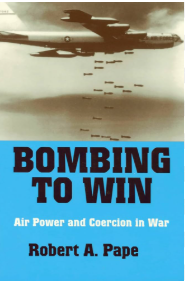
Lesson 1: Air power rarely produces friendly regime change.
Since WWI, dozens of bombing campaigns have tried to coerce governments from the air. None installed leaders more cooperative with the attacker. Bombing can destroy targets. It does not reliably reshape politics.
Southern California was the hottest place in the entire country today:
Laguna Beach – 94°F (hottest temperature in the US)
San Diego – 90°F
Santa Monica – 90°F
Carlsbad – 90°F
Long Beach – 89°F
Los Angeles – 89°F
"On a bitterly cold December evening in 1997, President Bill Clinton was leaving a holiday concert at the Kennedy Center when he noticed a homeless veteran sitting outside the entrance, shivering in a thin jacket and holding a cardboard sign that simply read 'Marine - Desert Storm - Hungry.' What happened next shocked everyone in the presidential motorcade—Clinton immediately stopped, took off his own overcoat, draped it around the stunned man's shoulders, and sat down on the freezing concrete beside him to talk. The veteran, forty-two-year-old Marcus Williams, later recounted to reporters that the President didn't ask him what went wrong or lecture him about getting help—instead, Clinton asked about his service, which battles he'd seen, and whether anyone had properly thanked him for his sacrifice. Secret Service Agent Larry Cockell documented in his memoir that Clinton spent twenty-five minutes sitting on that sidewalk in the bitter cold, and when Marcus mentioned he hadn't eaten in two days, the President sent an agent to get food from a nearby restaurant and insisted on staying until Marcus had finished eating. What makes this story so incredibly moving is what Clinton said to Marcus before leaving, words that Marcus repeated to social workers, shelter staff, and eventually his own children years later when he'd gotten back on his feet: 'Brother, this country failed you when you came home, and I'm sorry—but your story isn't over yet, and I'm going to make sure someone follows up to help you write the next chapter.' True to his word, Clinton personally called the VA the next morning, and Marcus was enrolled in a comprehensive support program within forty-eight hours that included housing, job training, and mental health services. Marcus Williams eventually became a veterans' advocate, and he told the Washington Post in 2015 something that still gives me chills: 'The most powerful man in the world sat on frozen concrete with a forgotten Marine and made me feel like I still mattered—that's the moment I decided to fight my way back.' He reminds us that dignity and hope can be restored with one genuine conversation, one warm coat, and the willingness to sit beside someone the world has walked past.
In a civilized nation like Japan, it is not uncommon during a rainstorm for wild animals to seek refuge alongside humans, sharing the same shelter in harmonious coexistence....💕
🚀🚨 Astronaut’s Wake-Up Call from Space
After spending 178 days aboard the International Space Station, astronaut Ron Garan returned to Earth with a realization that shook him — we’re living a lie.
From orbit, he saw our planet as one glowing blue sphere — no borders, no nations, no divisions — just a single, fragile home floating in the vast darkness. Yet down here, we live as if we’re separate, fighting over lines that don’t even exist from space.
He watched lightning storms flicker like heartbeat pulses, auroras dance across the poles, and a thin blue atmosphere shielding all life — a reminder of how delicate our world truly is.
Garan says humanity’s priorities are upside down: we’ve put the economy first, when it should be Planet → Society → Economy. Because without a thriving planet, nothing else survives.
His message is clear and urgent — 🌎 Earth is our shared spaceship. We are not passengers… we are crew.
And it’s time we start acting like it.
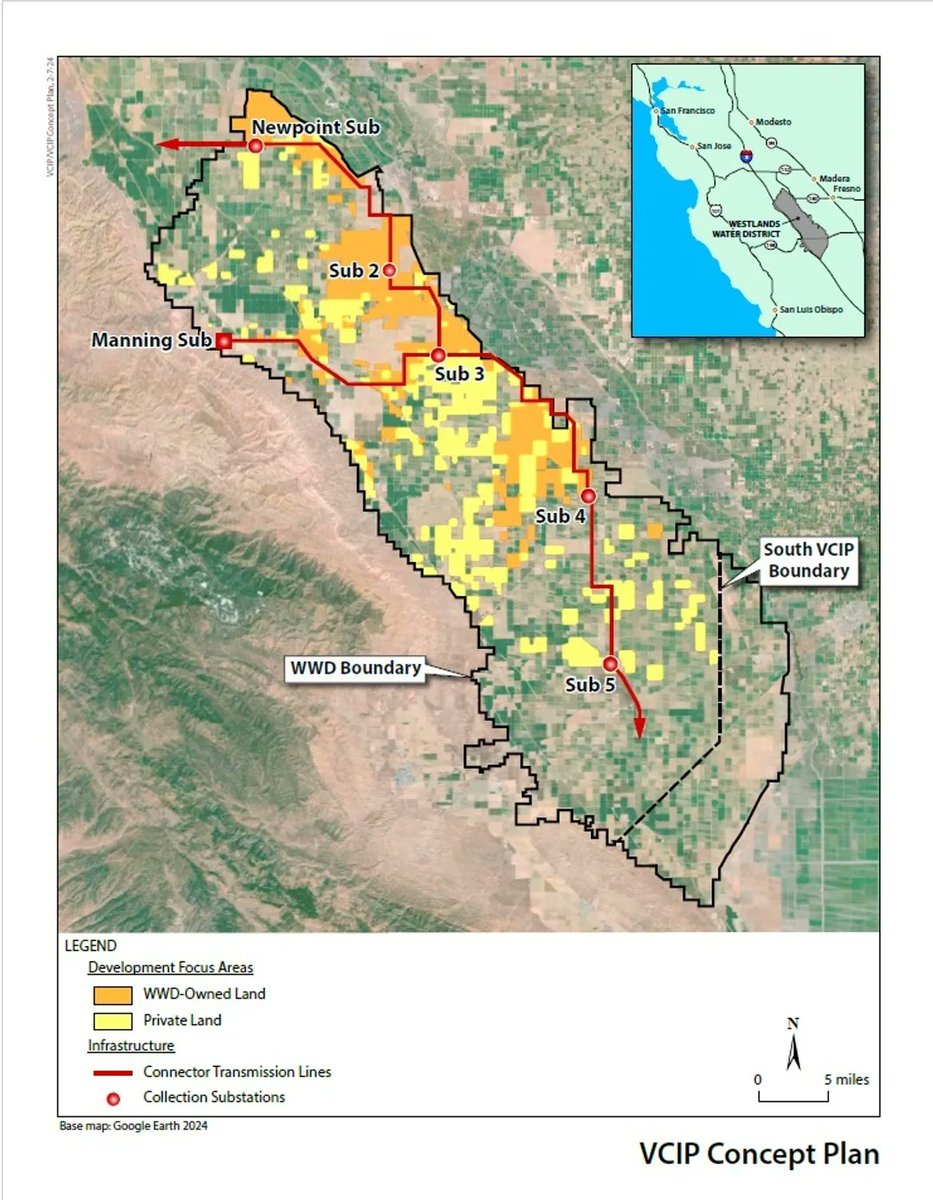
California just approved the largest solar farm in the US, enough to power up 9 million homes.
The Valley Clean Infrastructure Plan will span 4x the size of San Francisco across the San Joaquin Valley.
20 GW of solar paired with 20 GW of battery storage on fallowed farmland.
It is expected to be fully completed by the late 2030s.
Reverend Jesse Jackson called on each of us to be heralds of change, to be messengers of hope; to step forward and say “Send me” wherever we have a chance to make an impact.
How fortunate we were that Jesse Jackson answered that call. What a great debt we owe to him.
Finally finished my timelapse of the lunar eclipse under the aurora in Fairbanks, Alaska! Check out the massive substorm turning the ground green in front of the eclipse, too!
This is one of my favorite timelapses I have captured!
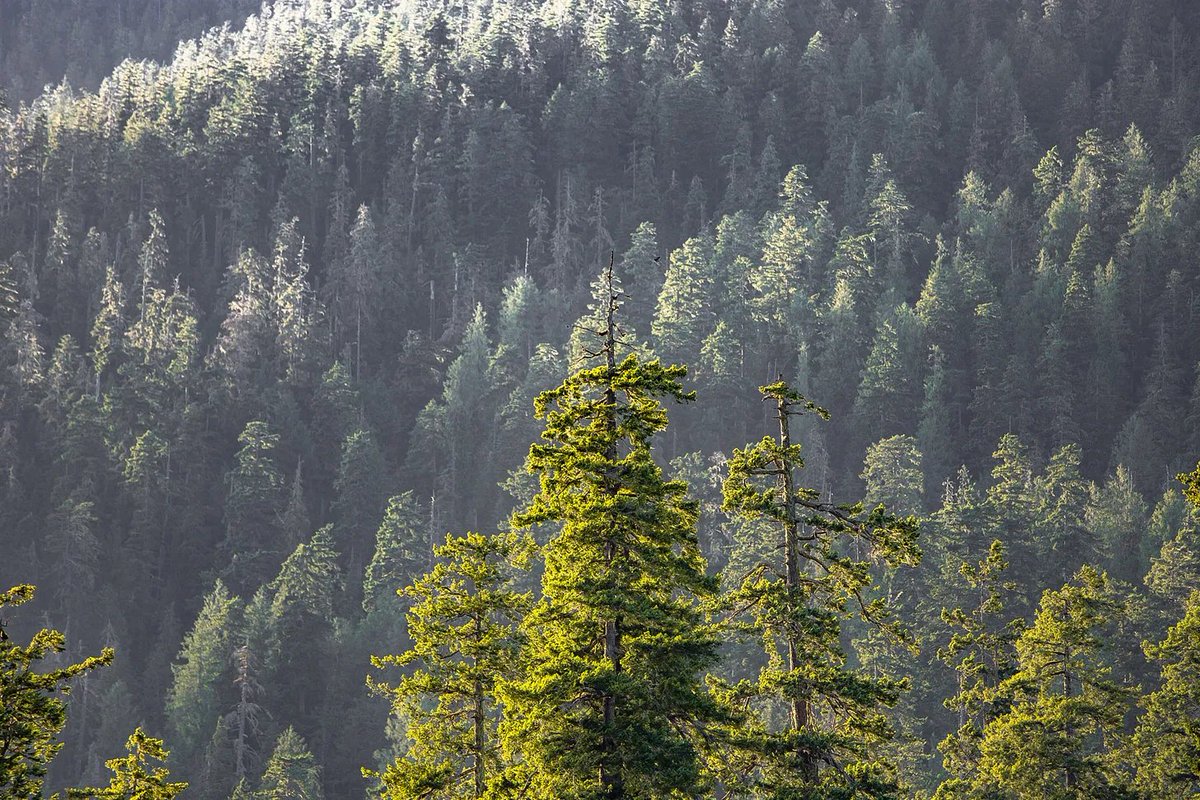
BLM Announces Plan to Fell Oregon's Last Great Forests
One billion board feet per year... 20 days to make your voice heard.
They filter drinking water for downstream communities. They hold soil on steep slopes above salmon streams that are already in crisis. They’re home to the northern spotted owl, the marbled murrelet, coho salmon, steelhead, and hundreds of species that evolved over millennia in conditions you can’t replicate by planting seedlings in rows.
https://t.co/BpNE0aMlbx
The problem is not people being uneducated.
The problem is that people are educated just enough to believe what they have been taught, and not educated enough to question anything from what they have been taught.
—Professor Richard Feynman