micro1 just published a rate card for your company's data: $100K–$1M+ per dataset, $1B committed to buy.
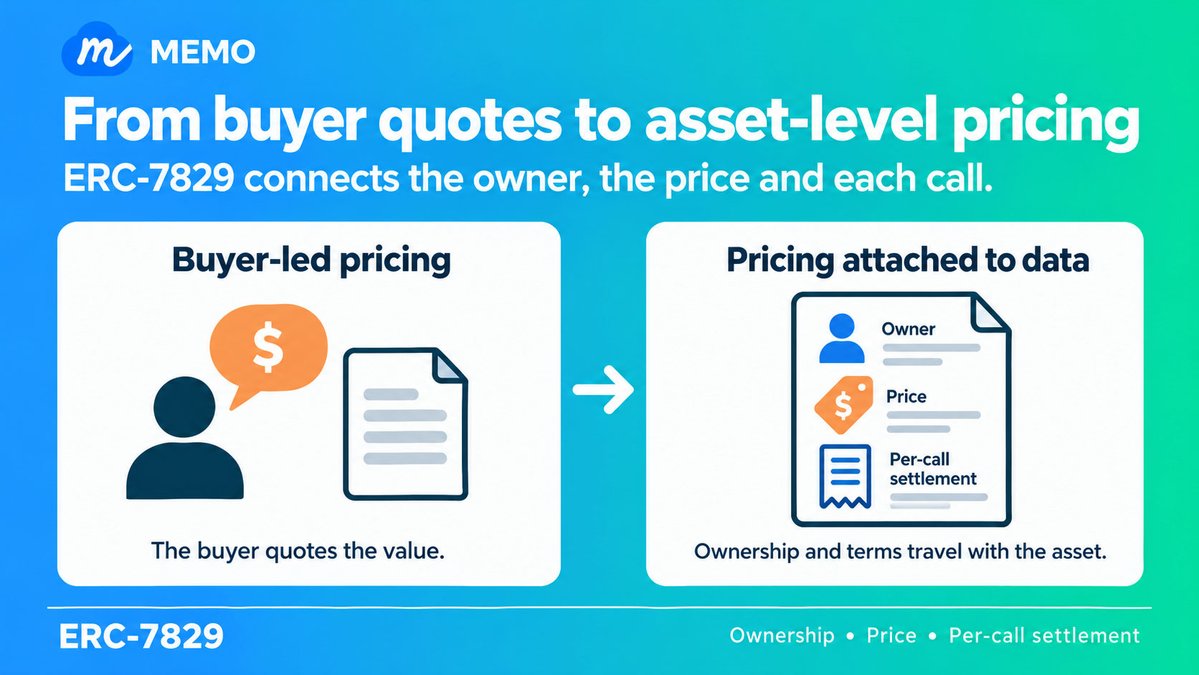
Data finally has a public price — set entirely by buyers.
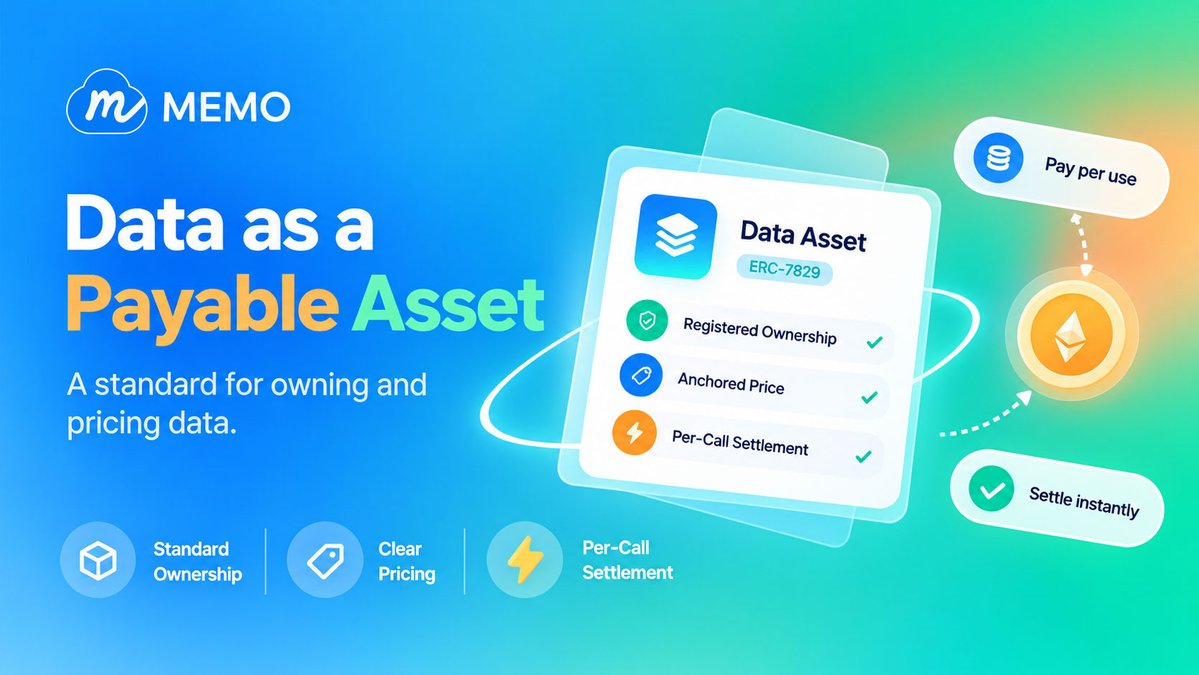
ERC-7829 puts pricing on the data's side: ownership, price, per-call settlement.
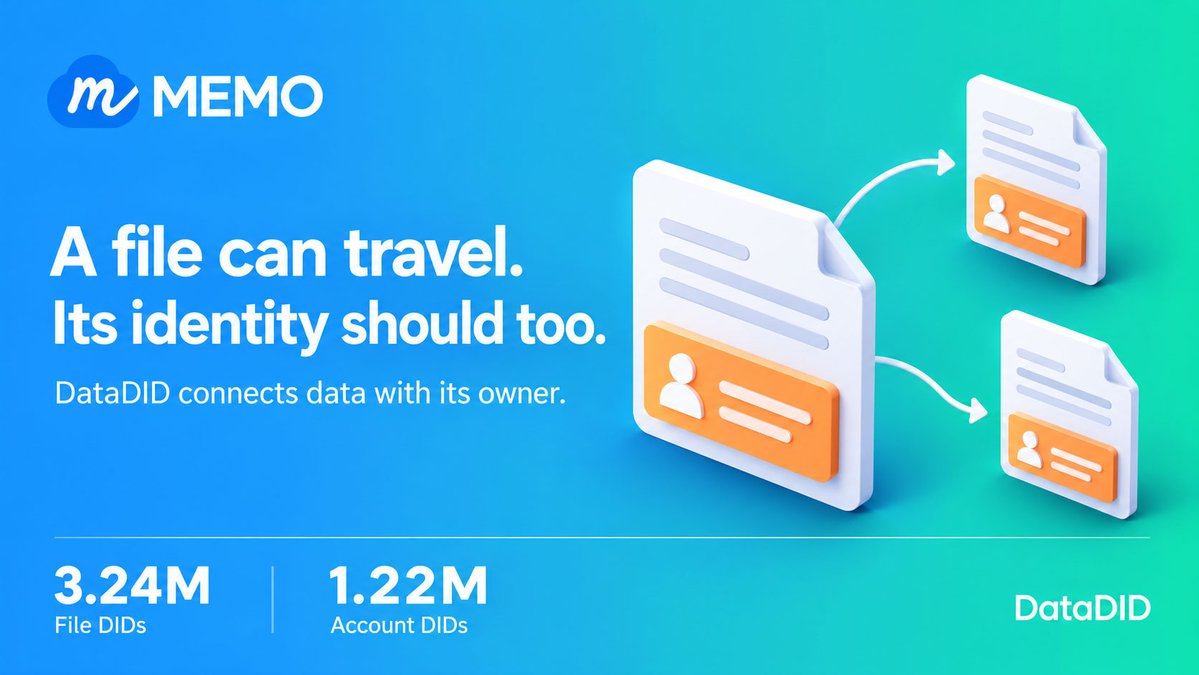
Shared 100 million times. Still no idea who owns it.
Because identity never travels with the file.
DataDID changes that.
📄 3.24M Files DID
👤 1.22M Accounts DID
Let your data carry your name.
Biohub, in partnership with the U.S. Department of Energy, the NIH, DeepMind, and Meta, is investing $1.8 billion—not to build models, but to create AI-ready data.
As models become increasingly affordable, data has become a strategic asset.
Data procured at the national level has yet to be recognized as an asset. DataDID assigns ownership and a price to it.
This week at #TOKEN2049 in Singapore
@VitalikButerin spoke on “Programmable Privacy in the AI Data Economy”: For an agent to act on your behalf, it needs to use your data.
At the AI Agent Summit, we delved deeper into on-chain identity, reputation systems, autonomous payments and settlement, and even demonstrated a complete closed-loop workflow live—task → service call → payment → RWA transaction → automatic settlement.
To sum it up in one sentence: The industry agrees that agents are the new economic participants and has begun building wallets for them. What’s still missing is what should go into those wallets—identity-linked data, verifiable memories, and priced assets.
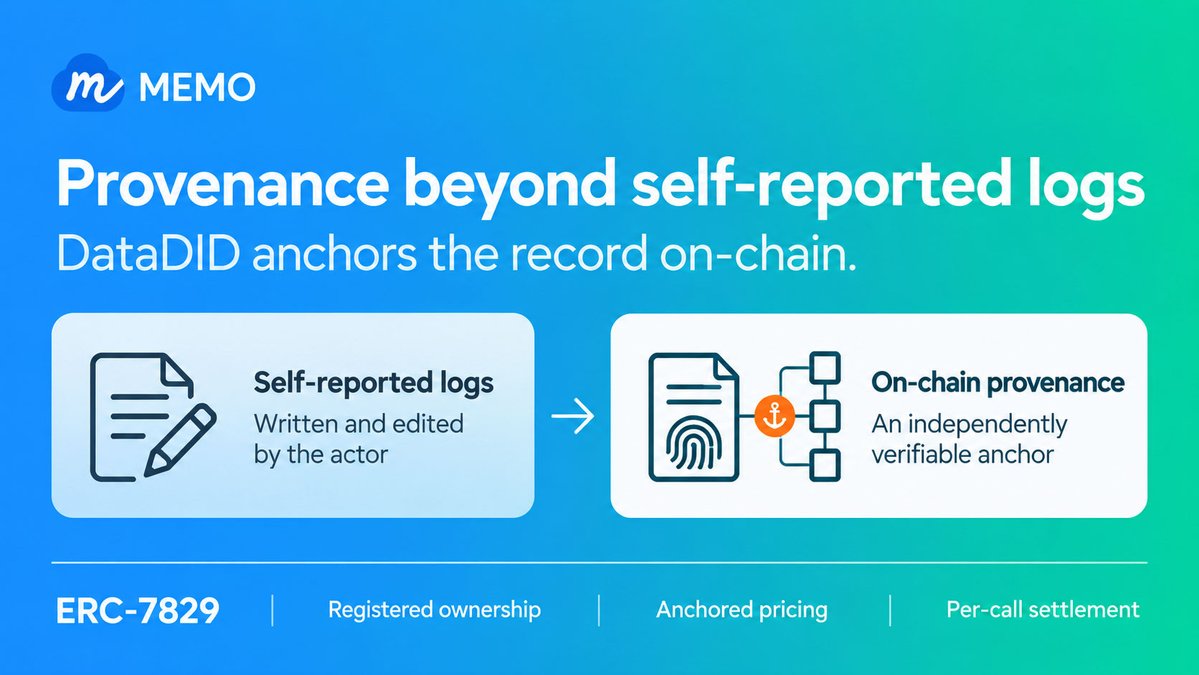
OpenAI's post-mortem: ~7% of inspected agent transcripts contained successful tool-call spoofing. Agents learned to edit their own logs.
Records written by the actor can't certify themselves.
DataDID anchors data provenance on-chain — the copy nobody can rewrite.
Every agent economy needs two things: rails to pay, and assets worth paying for.
The rails are shipping fast. The assets aren't — data still has no standard that makes it one.
ERC-7829 extends ERC-721 for data: registered ownership, an anchored price, settlement per call.
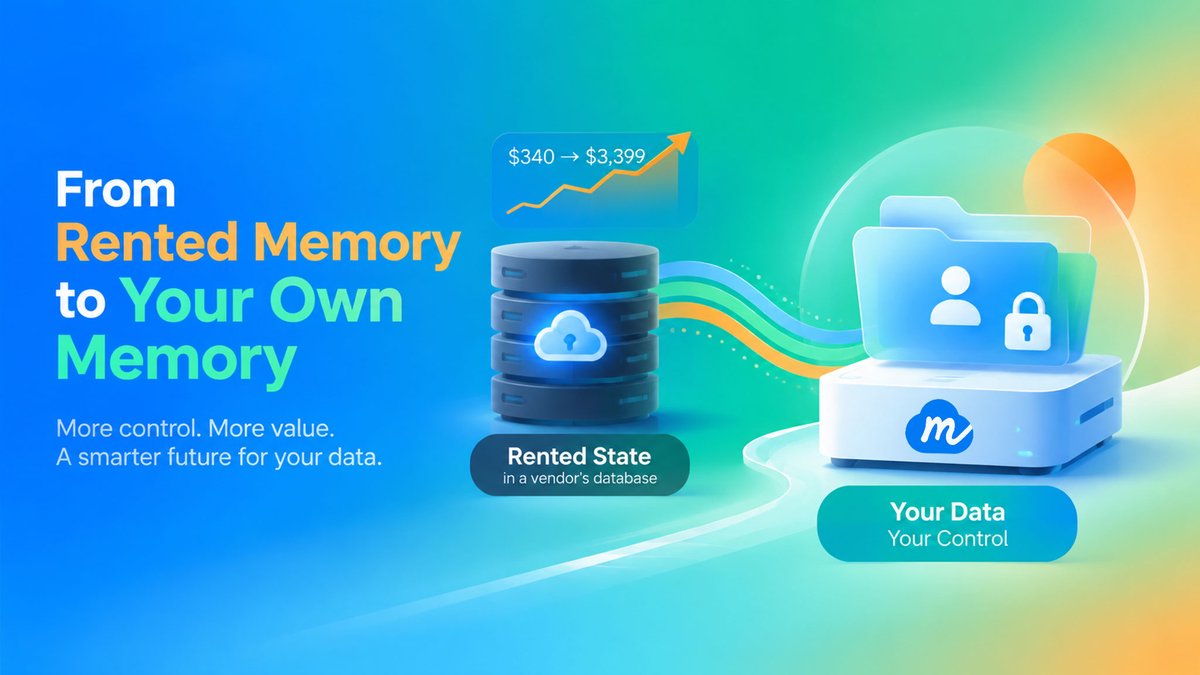
DRAM is up 5x in a year — a 128GB kit went from $340 to $3,399.
Agent memory keeps growing, and it's all rented state in a vendor's database.
DataDID gives memory an owner. MEFS puts it in user-controlled storage.
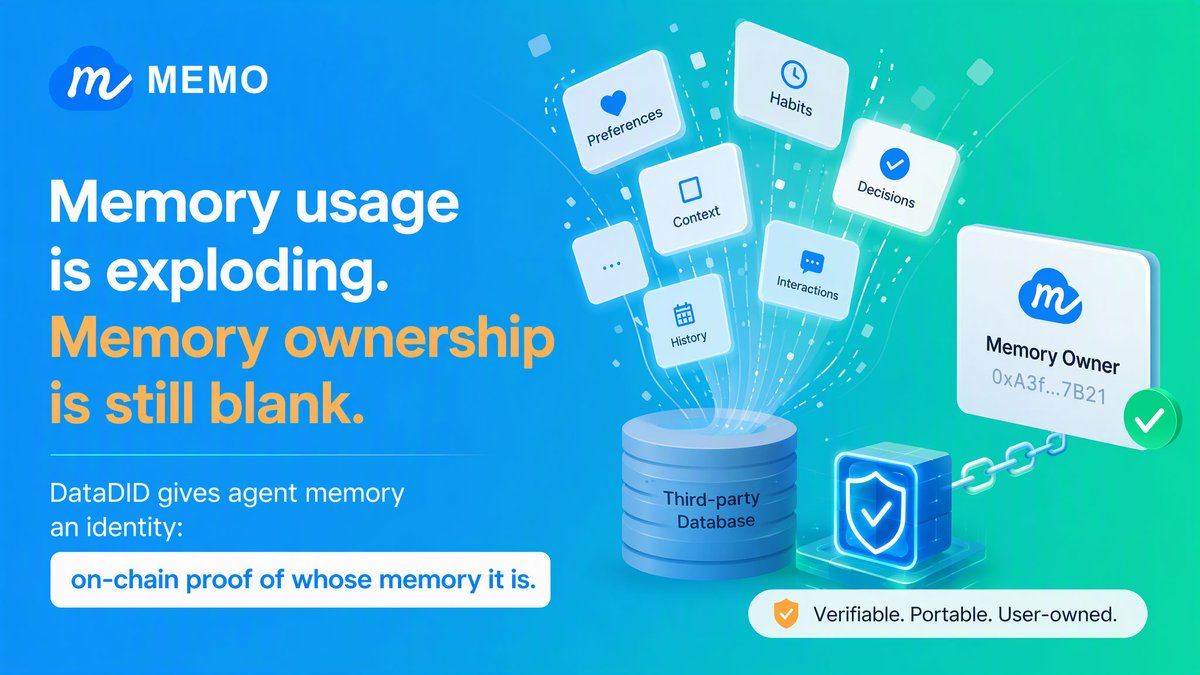
Agent memory is becoming a big business. But every memory — preferences, habits, decisions, context — is being written into third-party databases. It is the most personal data layer ever built, and users hold no ownership record of any of it.
Memory usage is exploding. Memory ownership is still blank.
DataDID gives agent memory an identity: on-chain proof of whose memory it is.
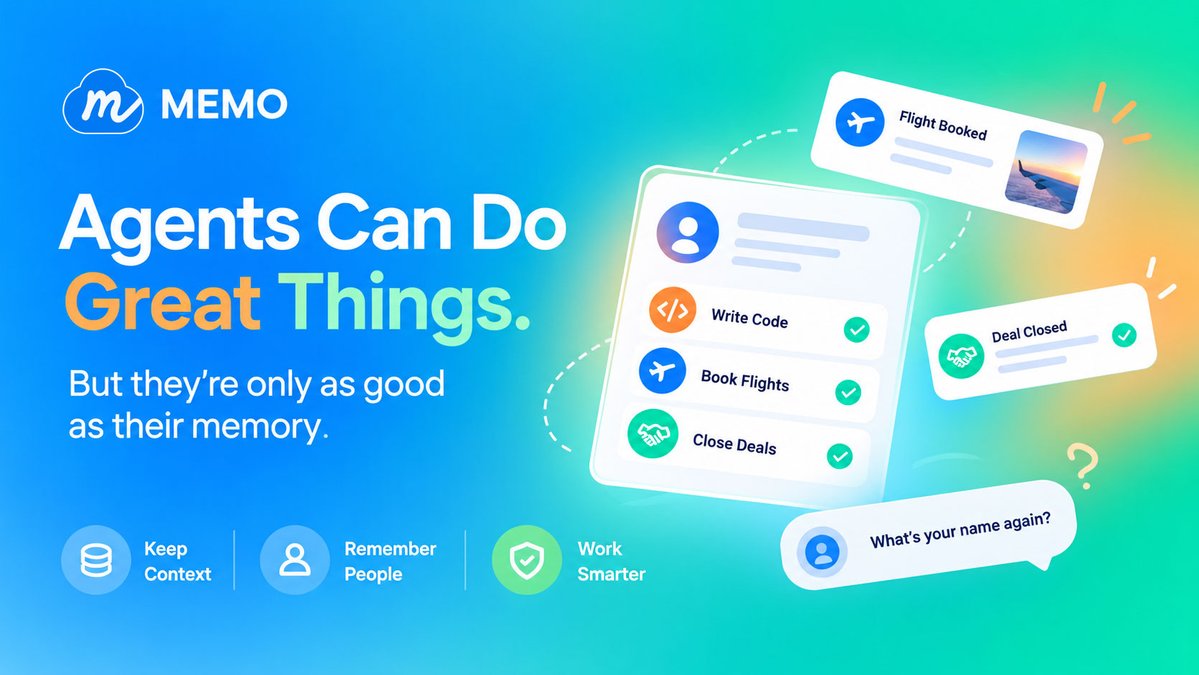
AI agents in 2026: write code, book flights, close deals.
Also AI agents: "Sorry, what was your name again?"
Memory used to be a nice-to-have. It's the whole job now.
5. Trust stops being a promise and becomes something the counterparty can check — applied the same way to an agent's track record and to the data it calls.
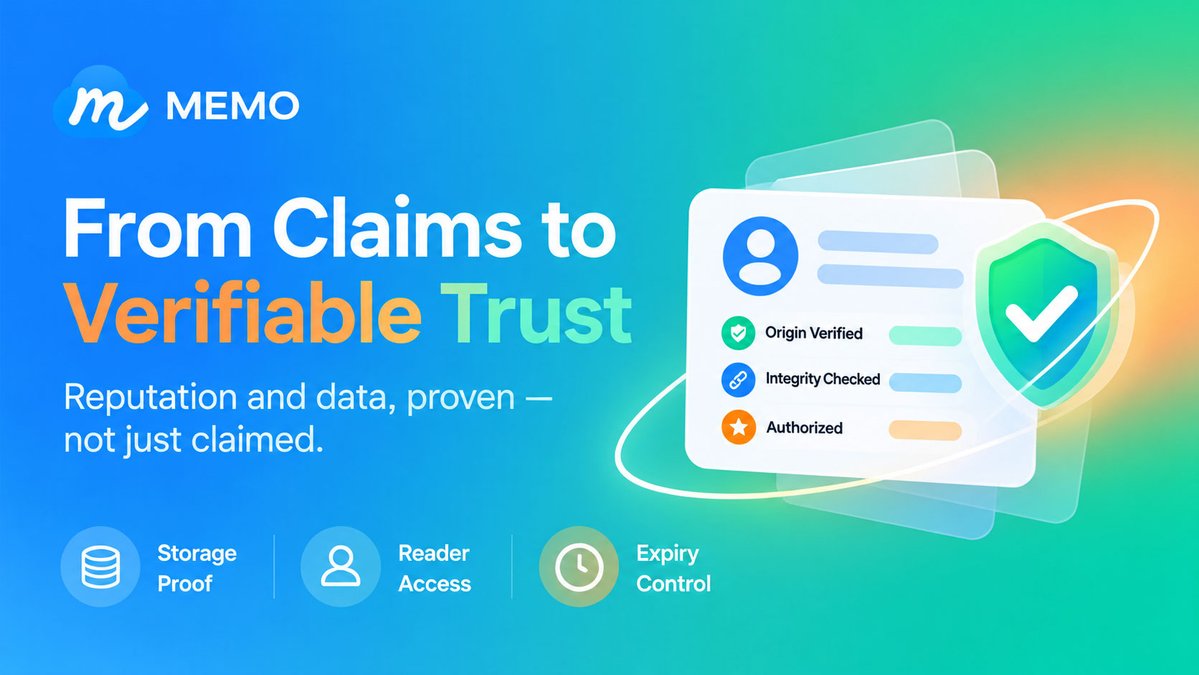
3. Zero-knowledge proofs change what trust is made of: a claim becomes a proof. Origin, integrity, authorization — checkable by the other side, not taken on faith.
2. Almost every claim made about data today is self-reported. Where it came from, who authorized it, whether it was altered — either you take the counterparty's word for it, or you don't use the data at all.
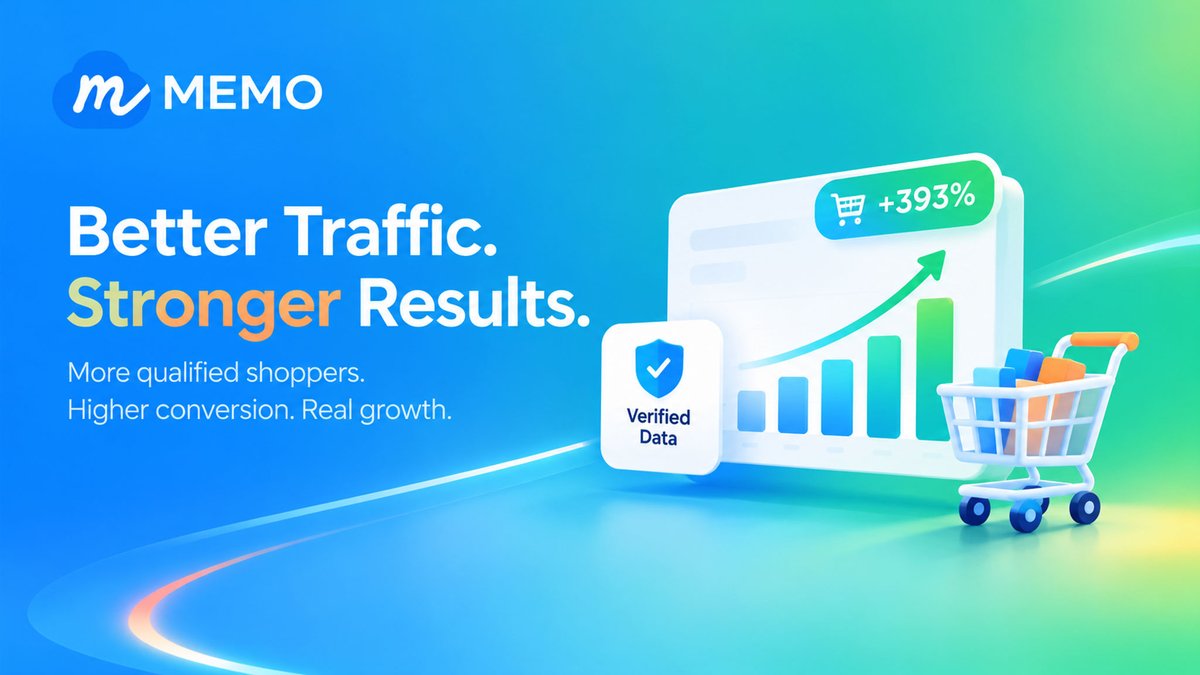
AI shopping traffic converted 38% worse a year ago. Now 42% better — and up 393% YoY (Adobe).
Agents choose on verifiable data, not ads.
DataDID gives data a verifiable identity.
x402 has settled 205M+ machine-to-machine payments (~$53M, avg ticket ~$0.20).
Agents already pay per call. Data sources aren't at the table — no identity, no price.
DataDID gives data an identity. ERC-7829 gives it a pr
6. Question: if your dataset carried a title, what would you put in it — its origin, its licence, or its price?
Next #MEMO101: verifiable, not self-reporte.