"Moose in Sweden have migrated the same way for thousands of years... Whether it is wildebeest in the Serengeti or moose in Sweden, we need to raise awareness so that natural migratory behavior is preserved," - Göran Ericsson, lead moose researcher, SLU.
https://t.co/2TUJD5T3OI
The Great Moose Migration is underway in Sweden, and the first two of our new moose migration maps are now live in our Atlas of Ungulate Migration. ��
Created in partnership with @migratinghooves, these new maps and fact sheets highlight how moose in Sweden are partially migratory, with some animals staying resident year-round and others making seasonal movements across northern landscapes.
In Sweden, the migration has become a slow-TV sensation, with cameras livestreaming the moose on national TV and drawing millions of viewers! 📺
Explore the maps: https://t.co/O4zhkIxNsn
Read the fact sheets: https://t.co/vfdRThYODr
Learn why the migration is a hit on Swedish TV: https://t.co/ckGAD22wbp
The Great Moose Migration in Sweden is underway, with moose ascending mountains, crossing roads and swimming rivers as they head towards their summer ranges. We are mapping 5 migrations across the country - the first two are live today! @BonnConvention
https://t.co/NDSDQN6IvG
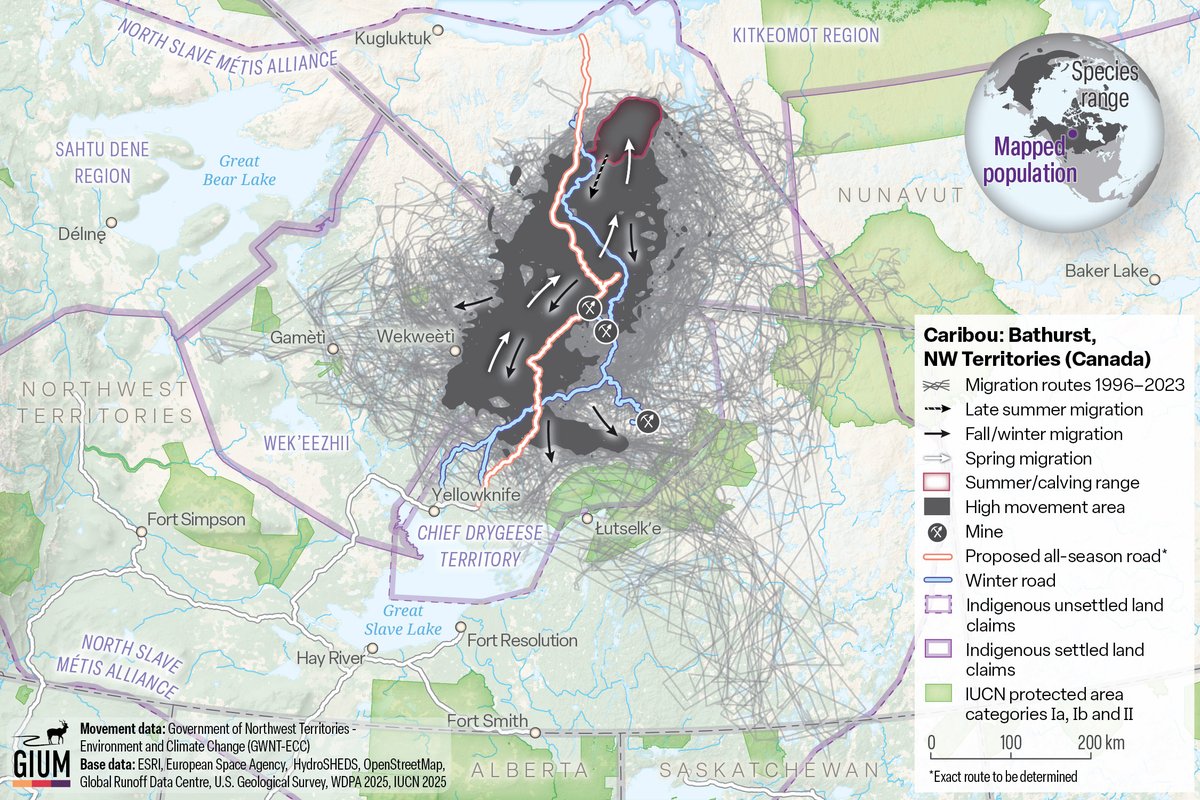
New story by @WWFCanada highlighting our maps of the Bathurst caribou migration and the conservation opportunities coming into focus in this quickly developing landscape: https://t.co/1SiKdlx03W
New report on the plight of migratory species just released by @unepwcmc and @BonnConvention , finding that 47% of key biodiversity areas for migratory species are not protected. GIUM provided expertise and maps for the report's ungulate section: https://t.co/L9eD4pmQGk
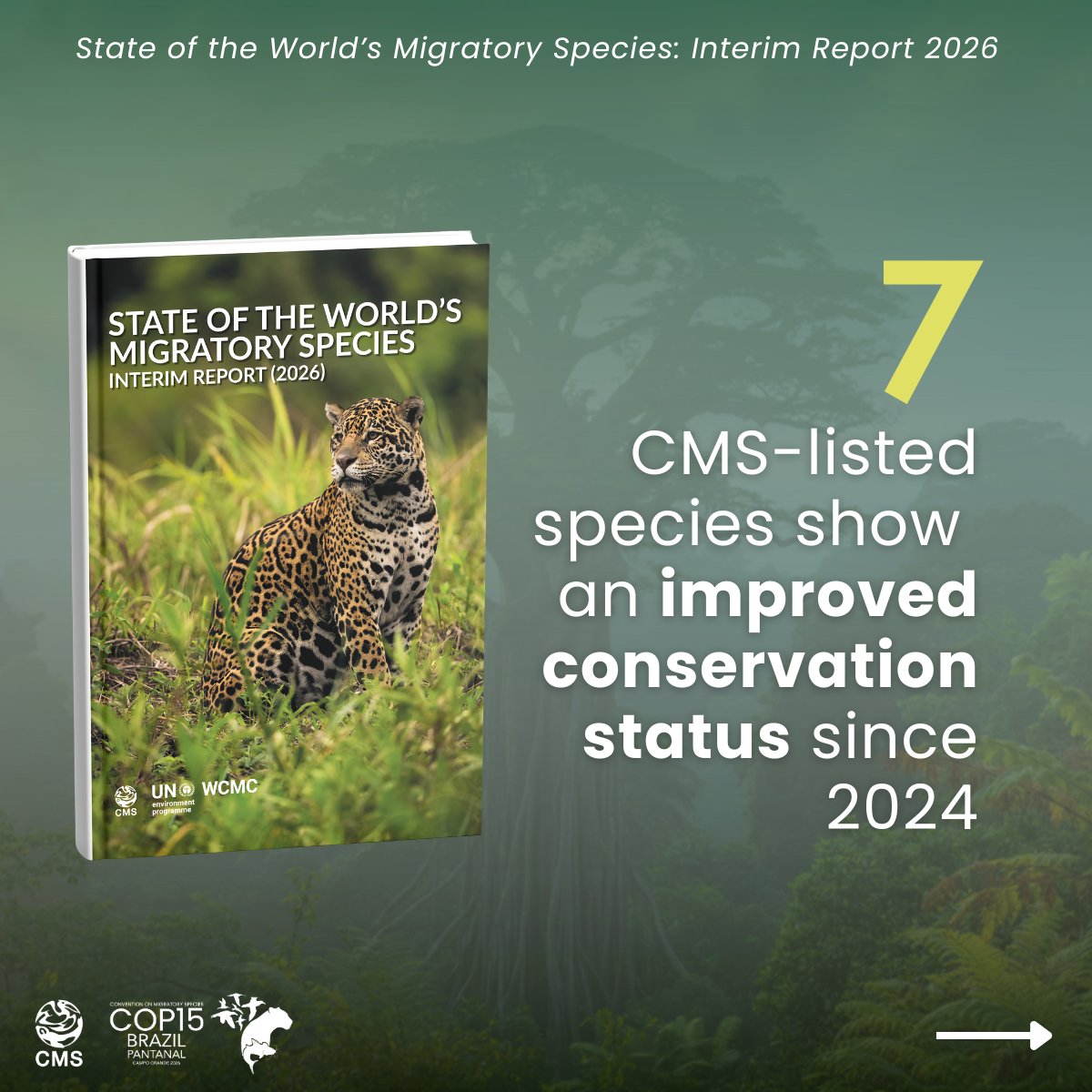
Our new State of the World's Migratory Species: Interim Report 2026 brings difficult news for migratory species, but it also shows that conservation action can work. 🐾
While 49% of migratory species populations listed under CMS Appendices I and/or II are declining and 24% now face extinction globally, 7 CMS-listed species have improved in conservation status.
These are important signs of progress. They show that when countries work together across migratory routes, species can recover. 🤝
At #CMSCOP15 in Brazil, the message is clear: despite the scale of the crisis, there is still hope, and coordinated action can deliver results.
Download the #SWMS26 report in English, Spanish and French: https://t.co/QKpFUMPk4b
"The future of saiga is still being shaped."
Maps can aid planners when determining where to build new infrastructure or identify zones with a greater risk of conflict between saiga and agriculture. Read more:
https://t.co/7nB0AoFAIe
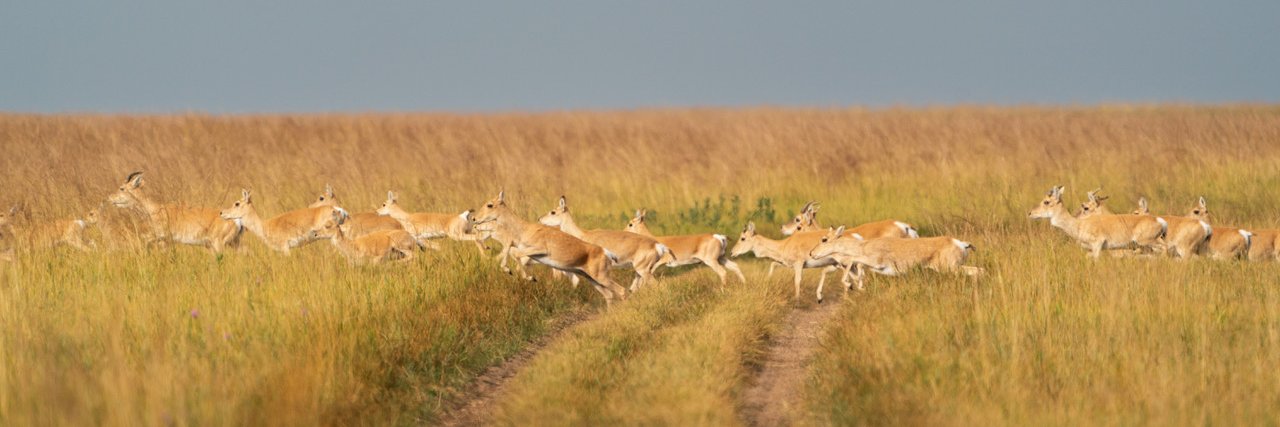
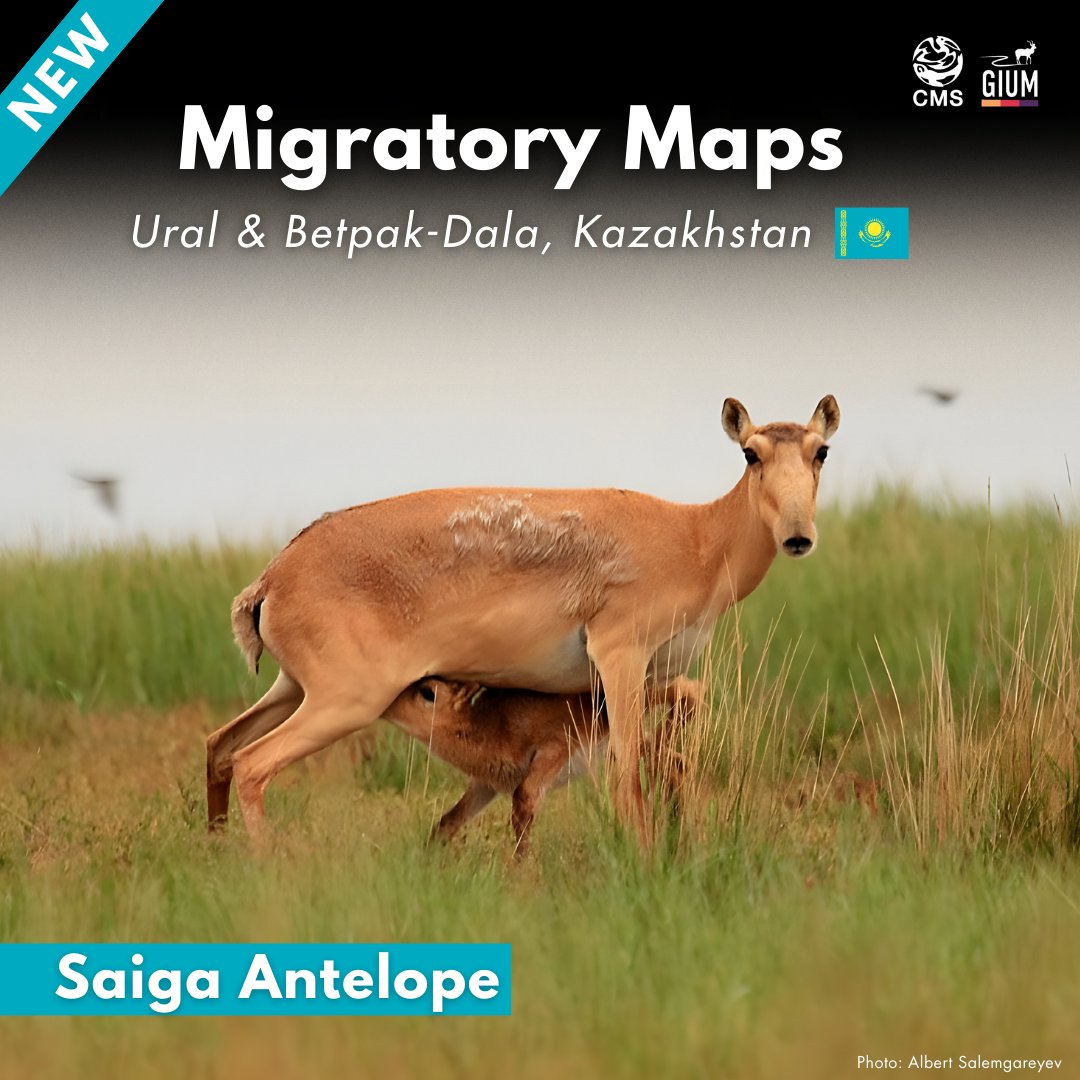
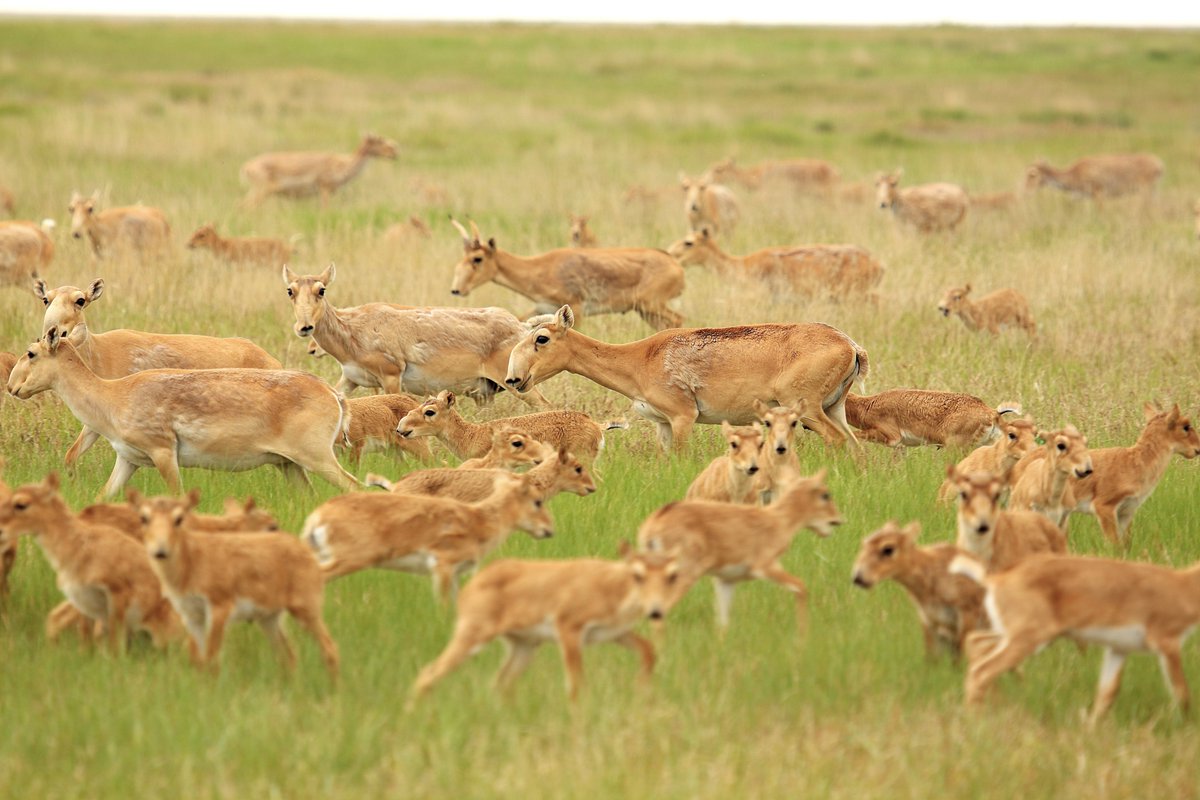
New @migratinghooves maps published in the CMS Atlas of Ungulate Migration reveal the remarkable scale of saiga migrations across #Kazakhstan and the growing threats these iconic antelope face. 🦌
Once pushed to the brink, #saiga have rebounded into the millions thanks to years of conservation action. Their migrations, some stretching more than 300 km, are now returning across the Kazakh Steppe.
The new maps show why protecting movement corridors matters. They highlight key migration routes in Betpak Dala and the Ural region, while also showing how roads, railways and other infrastructure can fragment habitat and disrupt seasonal movements. 🛤️
Learn more, explore the interactive maps and download the new fact sheets: https://t.co/KikCj63rDi
New maps out today! Saiga once teetering on the brink of extinction now migrate in the millions across the Kazakh Steppe. Learn about the challenges they face on their long distance journeys here: https://t.co/kU8JWw7zcd @BonnConvention@ACBK_Kazakhstan
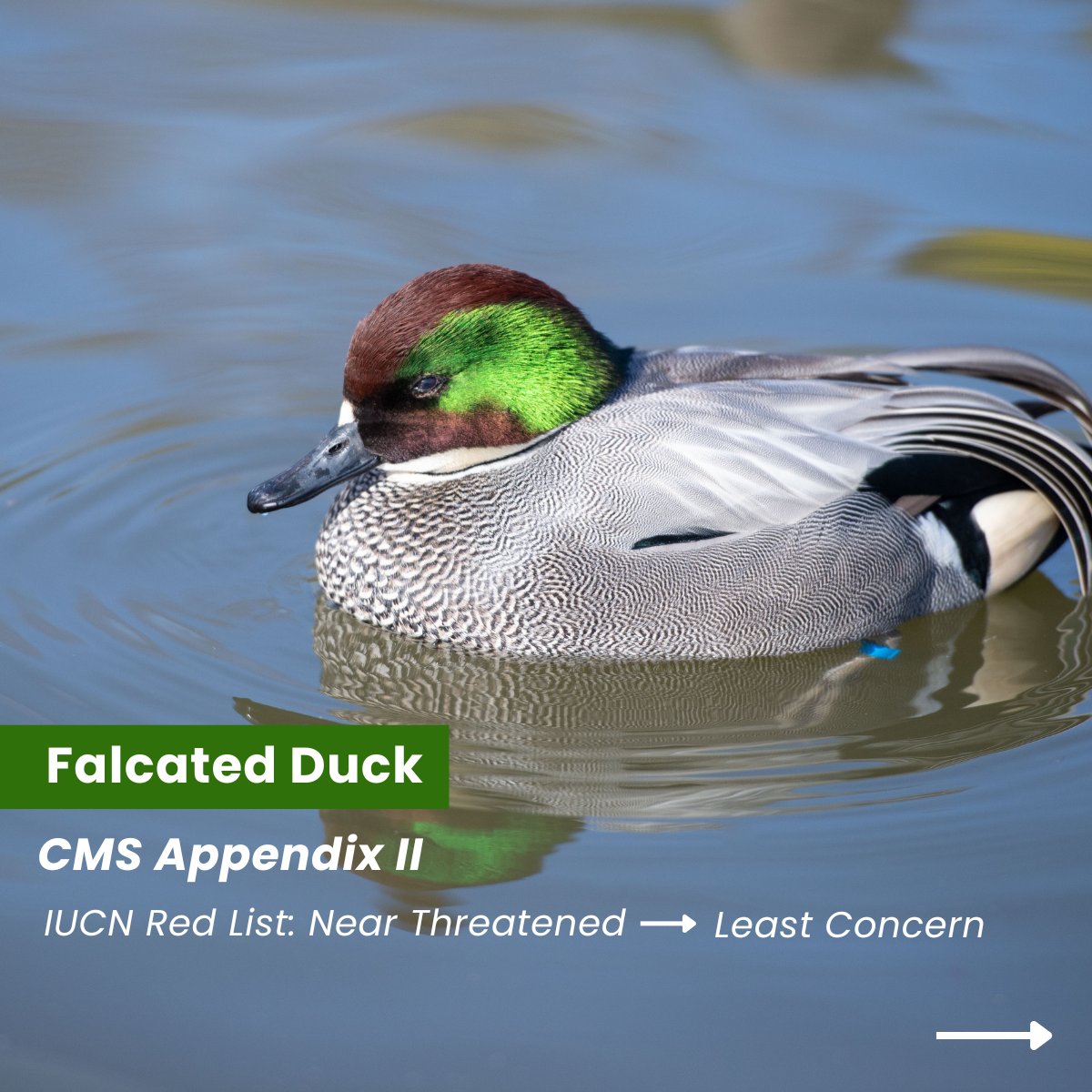
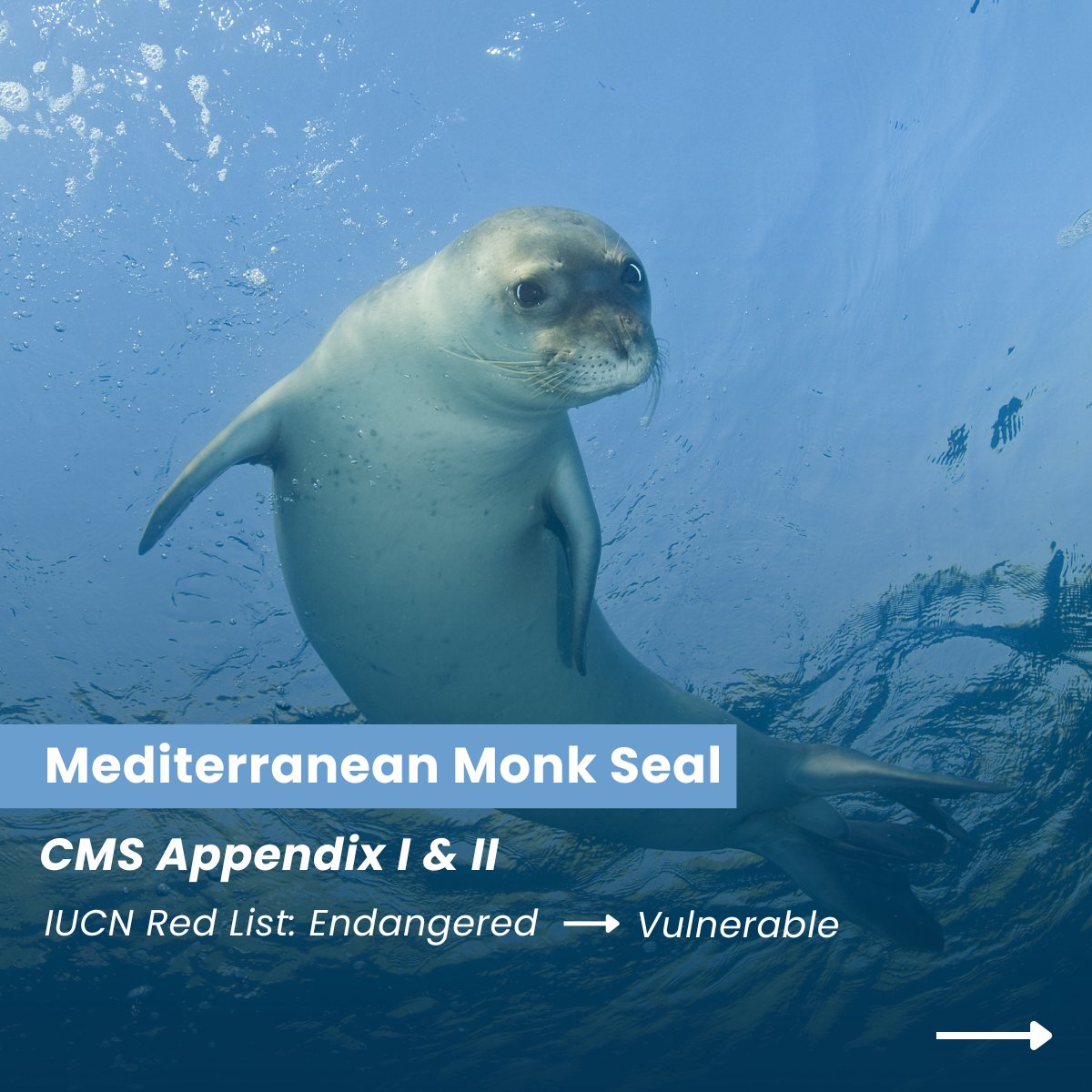
Migratory species need freedom and safety to move across borders, find food and rest, and reach their breeding grounds. 🦩
When we safeguard them and their habitats, we support journeys that keep nature connected and help sustain life.
Let's support migratory wildlife so they can roam, recover, reproduce and return, season after season, year after year. 🦭
Learn more on #MigratorySpecies at https://t.co/3EcpBda9wr
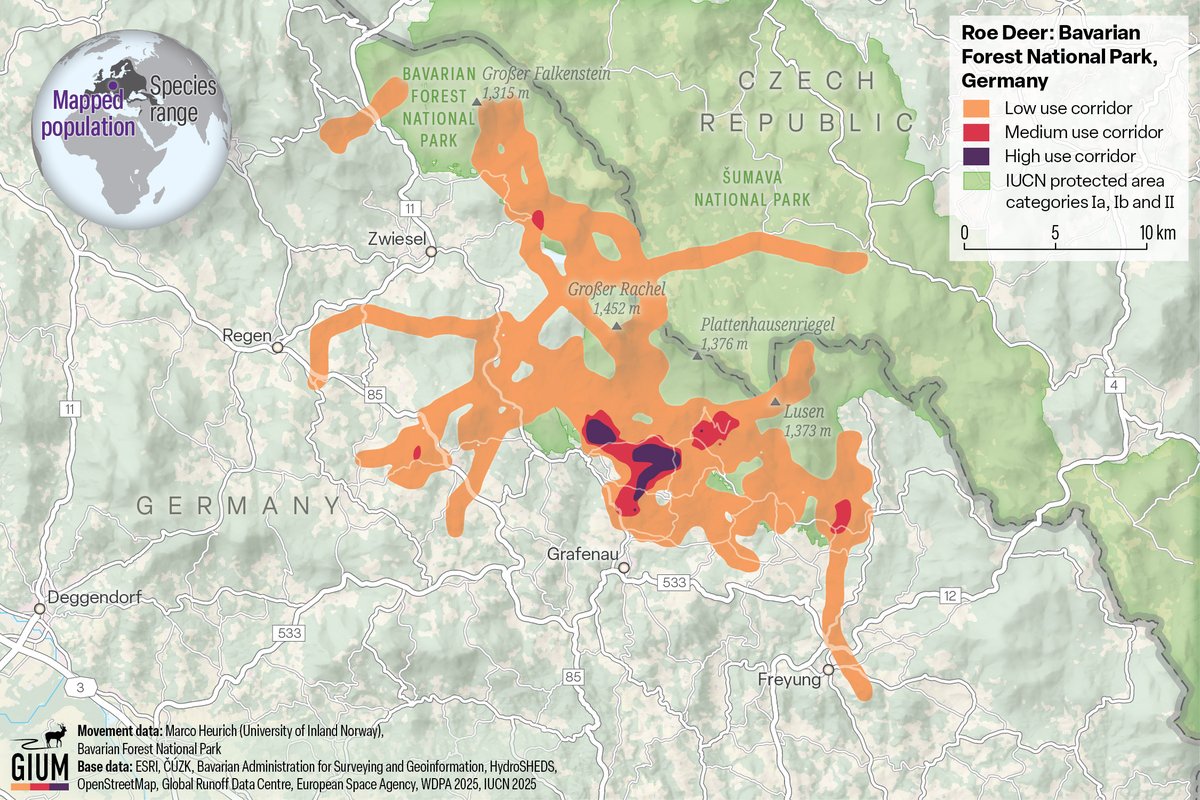
Migration Monday! Roe deer migrating in Germany's Bavarian Forest National Park traverse mountains and cross roads during their seasonal movements. Check out the Atlas for more! https://t.co/lLapIb2P22
Data and photo by @MarcoHeurich
Elk in the southern Trench Valley of Canada's BC make impressive migrations from their winter valleys to high elevation summer ranges. This landscape hosts migratory elk, moose, mule deer and bighorn sheep often using the same corridors. Analysis by @ClaytonTLamb
Two new @migratinghooves maps have just been added to our Atlas of Ungulate Migration. 🦌
In British Columbia, Canada, #elk follow the seasons through mountain valleys and river floodplains. But along the way, their routes can be shaped or cut short.
In Germany’s Bavarian Forest National Park, #RoeDeer move up and down the mountains, but their movements also face human pressures.
Explore the two new maps and download the informational fact sheets: https://t.co/O4zhkIxfCP
Read about efforts to recover the Bathurst caribou population, mitigate development impacts, and safeguard the species amidst a changing Arctic. https://t.co/3Lf1YLmsps
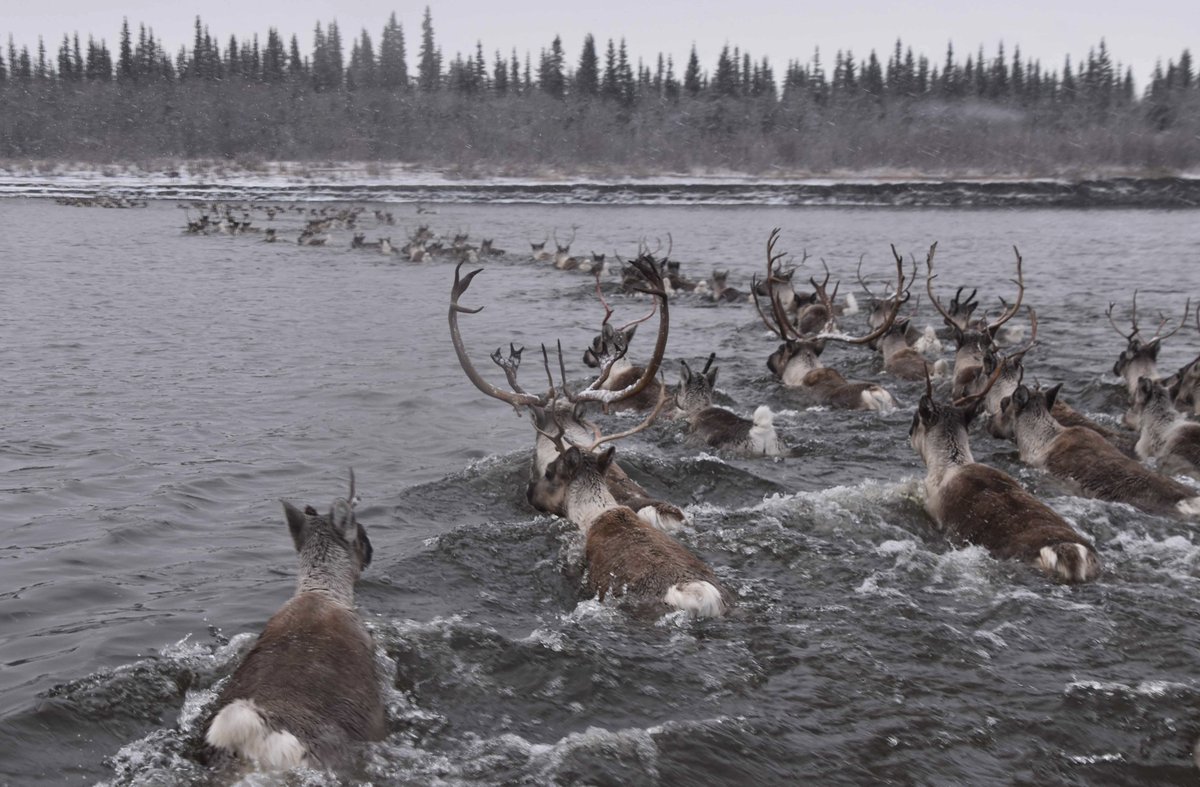
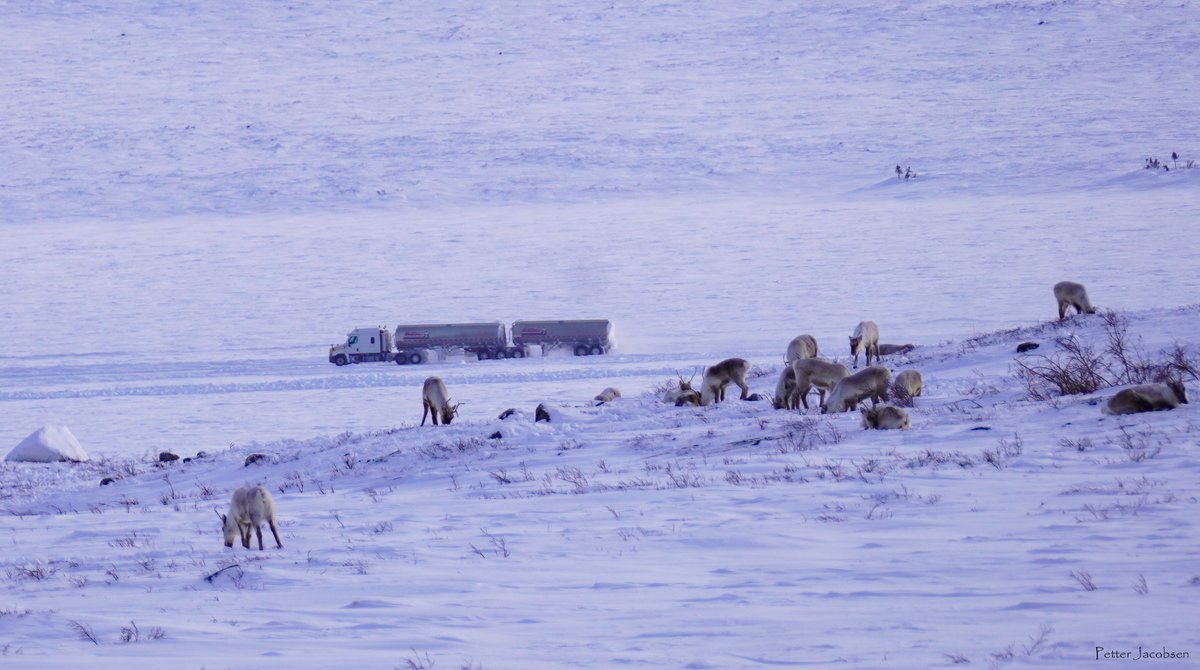
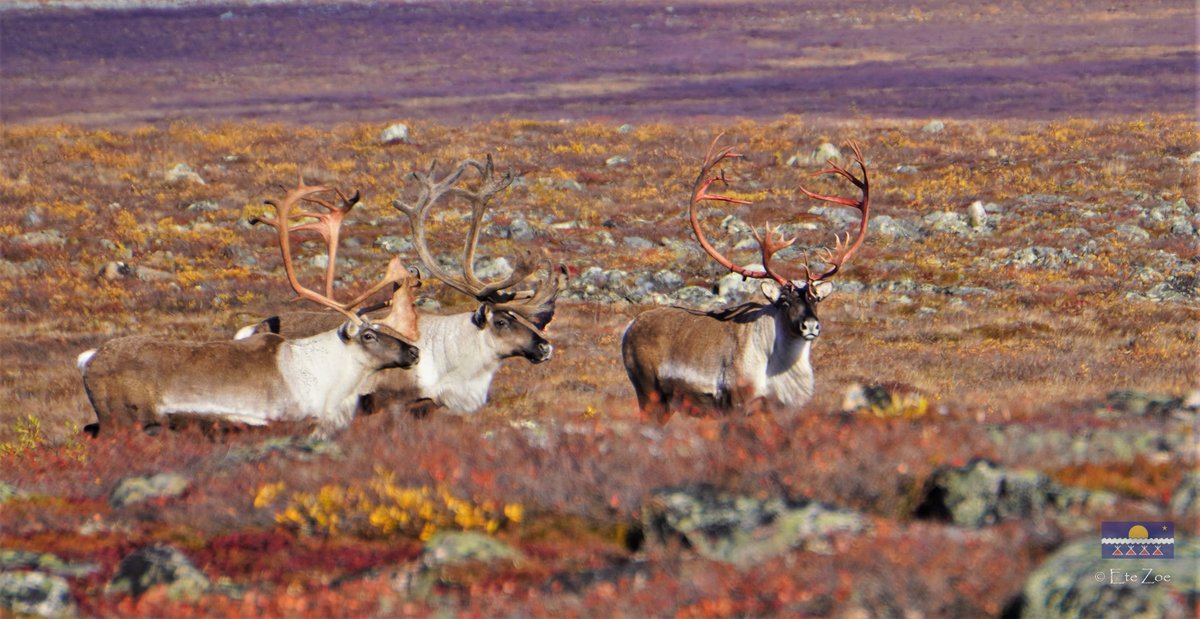
The Bathurst herd of barren-ground caribou is under growing pressure across Canada's Northwest Territories and western Nunavut. From 1986-2019, the herd declined by 98% and its range has shrunk by 80% since 1997, with the migration now covering half its historic distance. 🦌❄️
A new @migratinghooves map in our Atlas of Ungulate Migration shows the herd’s shrinking migratory range, where roads, mines and a warming Arctic are adding stress to a species that is deeply tied to Dene/First Nations, Métis, and Inuit communities.
🔗 Explore the new map: https://t.co/O4zhkIxfCP
📄 Download the fact sheet: https://t.co/KUZqE7FlbT
New migration map out today! The Bathurst caribou herd has undergone a striking decline, with new development set to impact their migratory range amidst a changing Arctic https://t.co/lLapIb2P22 @BonnConvention
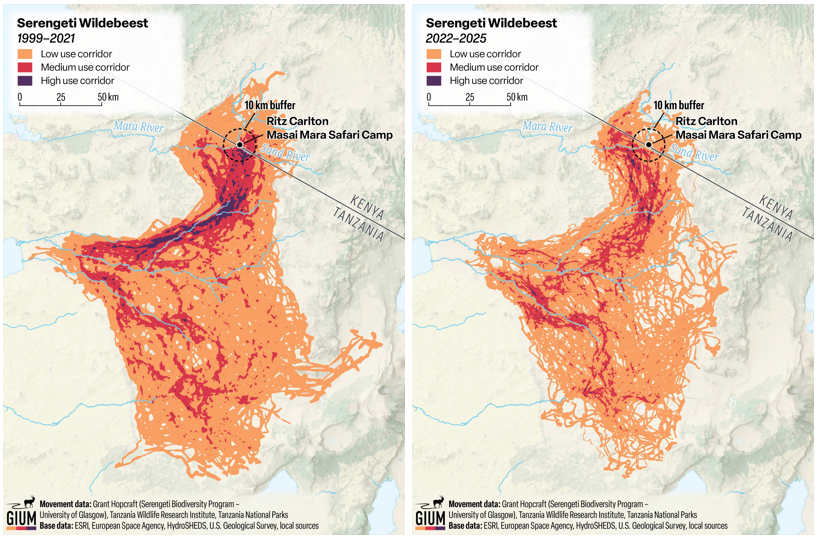
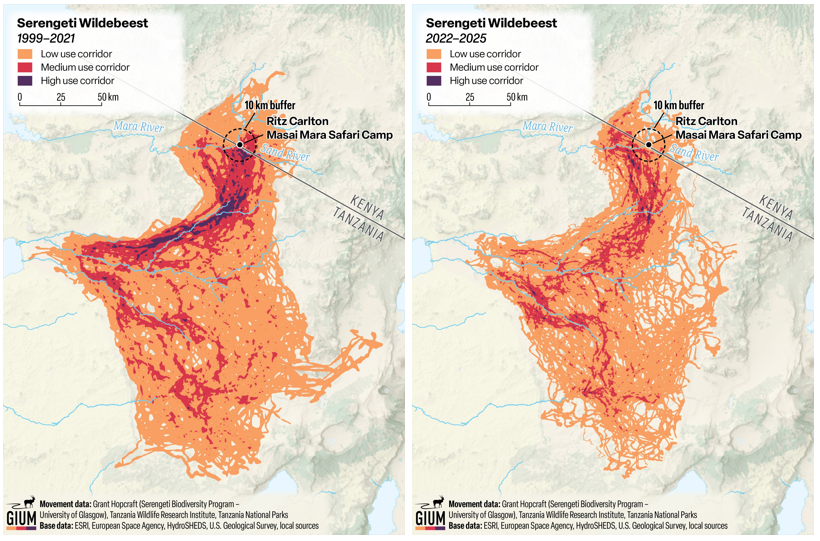
We analyzed tracking data to see if Serengeti wildebeest migration corridors have shifted since the construction of the Ritz Carlton safari camp in the southern Masai Mara reserve:
@FGaitho237 We analyzed tracking data to see how wildebeest migration corridors have shifted pre- and post-construction of the Ritz Carlton safari camp: