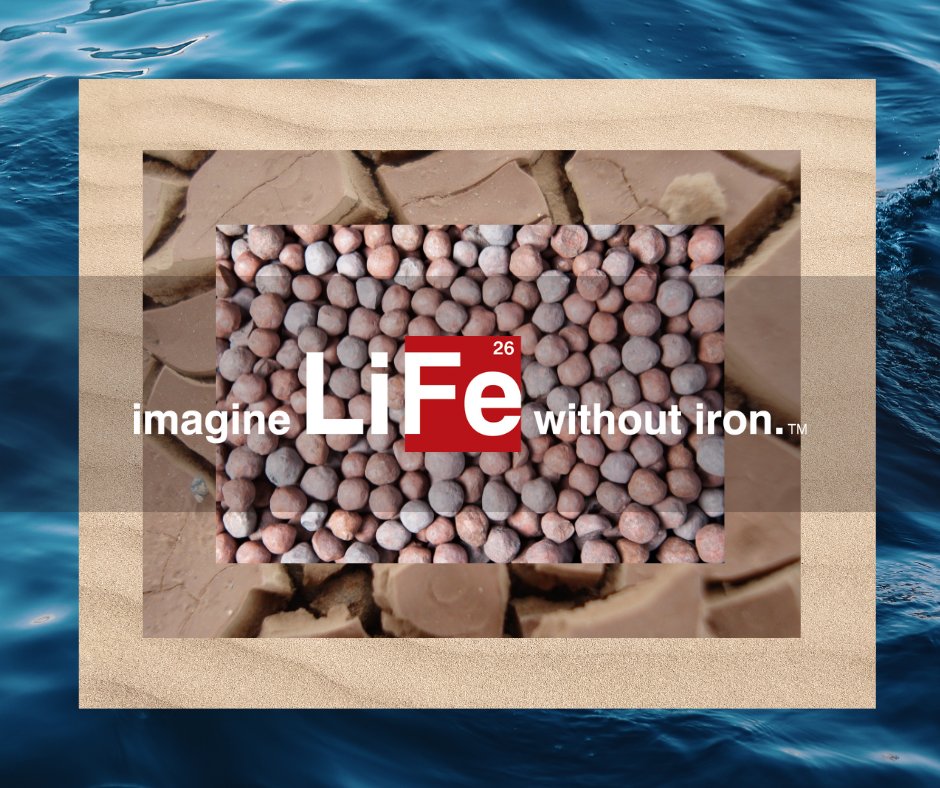
The Mesabi Range began under a sea which contained concentrations of iron & silica. Eventually the sea disappeared, leaving sediments buried under of sand, clay, & mud. The iron-bearing sediments were subjected to heat & pressure, transforming them into taconite.
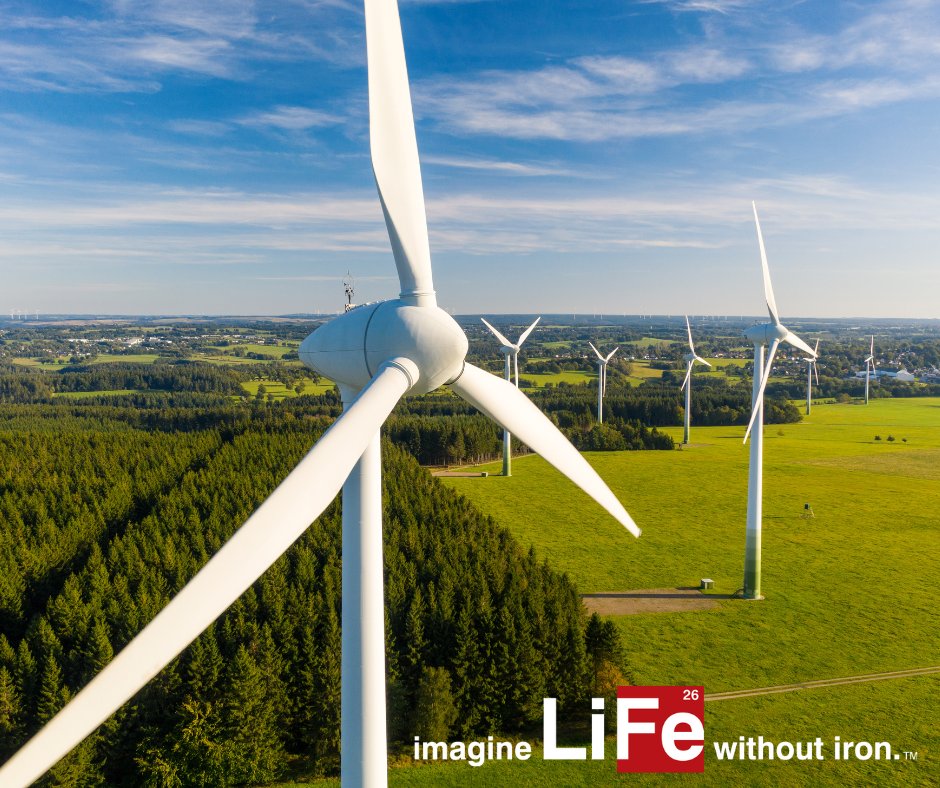
Iron ore may be red, but did you know that it contributes to green energy? Steel made from iron helps with sustainability in 2 major ways:
•It’s extremely recyclable.
•Wind power couldn’t exist without iron.
Learn more: https://t.co/RwtBwmb3IO
#imagineliFewithoutiron
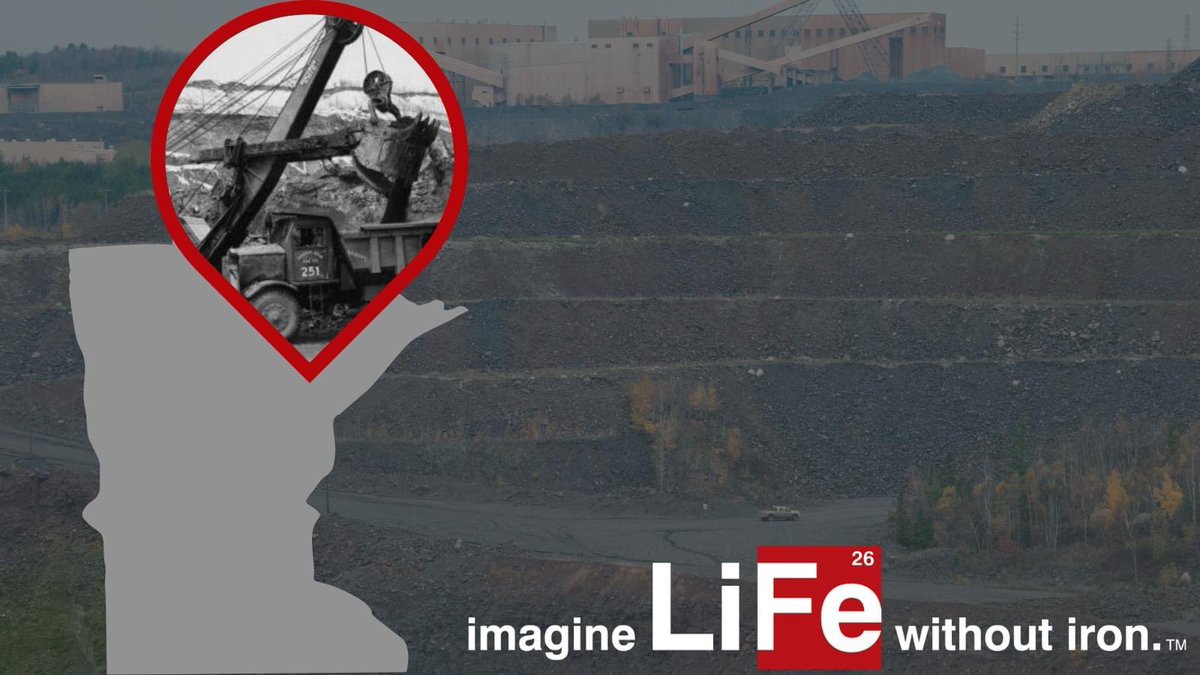
For more than 130 years, Minnesota has been mining the iron that makes the steel that makes the things we use every day.
#imagineliFewithoutiron#MnMined
https://t.co/vReieQaQXF
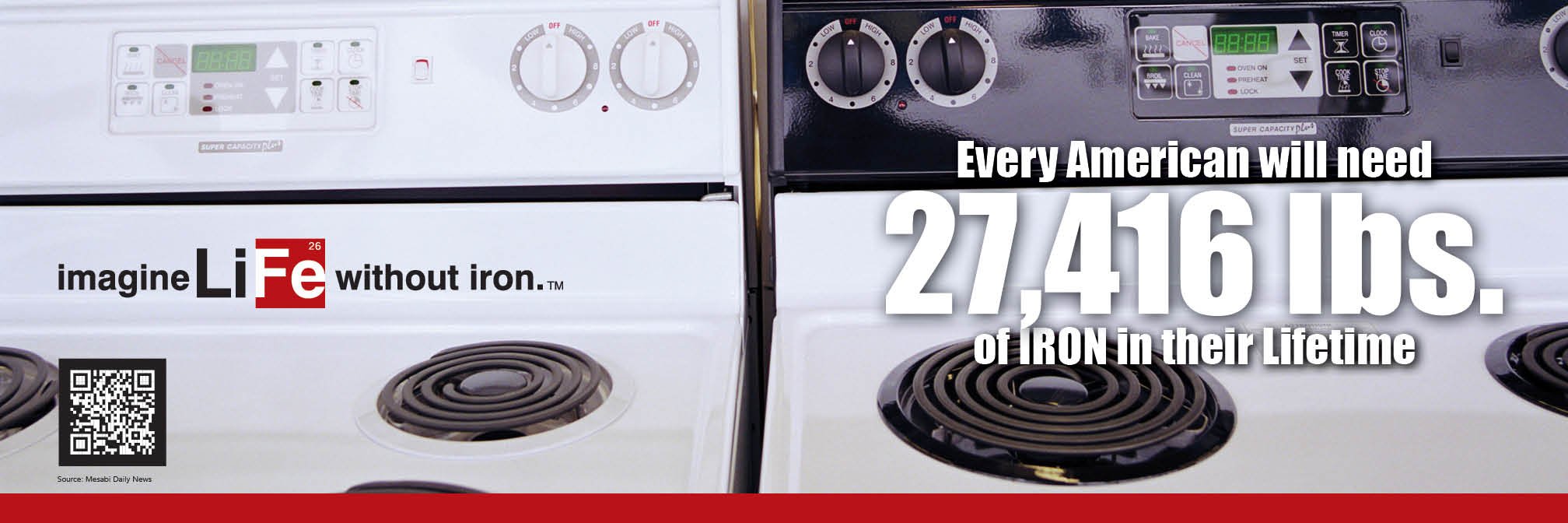
Every American born will need more than 20,000 pounds of iron in their lifetime. More than 85% of the iron mined in the US is mined in northeast Minnesota to be processed into steel to make many of the products, services, infrastructure & transportation that we use every day.
The story of iron, in Minnesota, began over one and one-half billion years ago when a vast, shallow sea covered the northern part of the state we know today. Read the full story at: https://t.co/eF4sTUMNeh
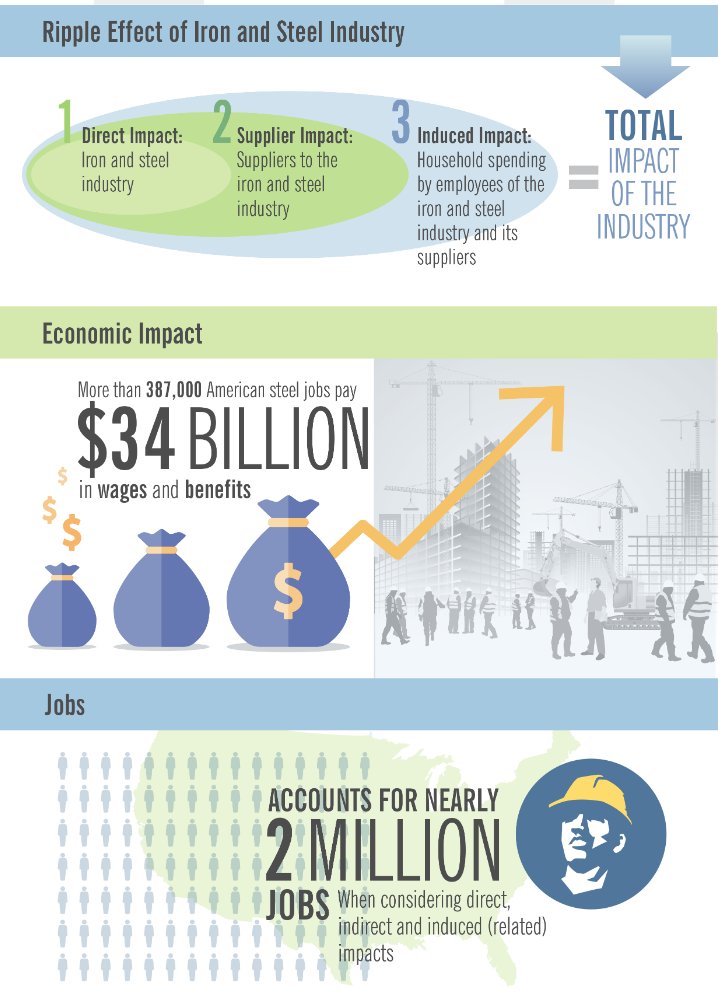
Iron Mining has been in Minnesota for more than a century. It contributes to the local communities, region and state through jobs, production taxes, education programs and scholarships.
Learn about the positive economic impact here: https://t.co/aUirxquhBJ
#TaconiteTuesday
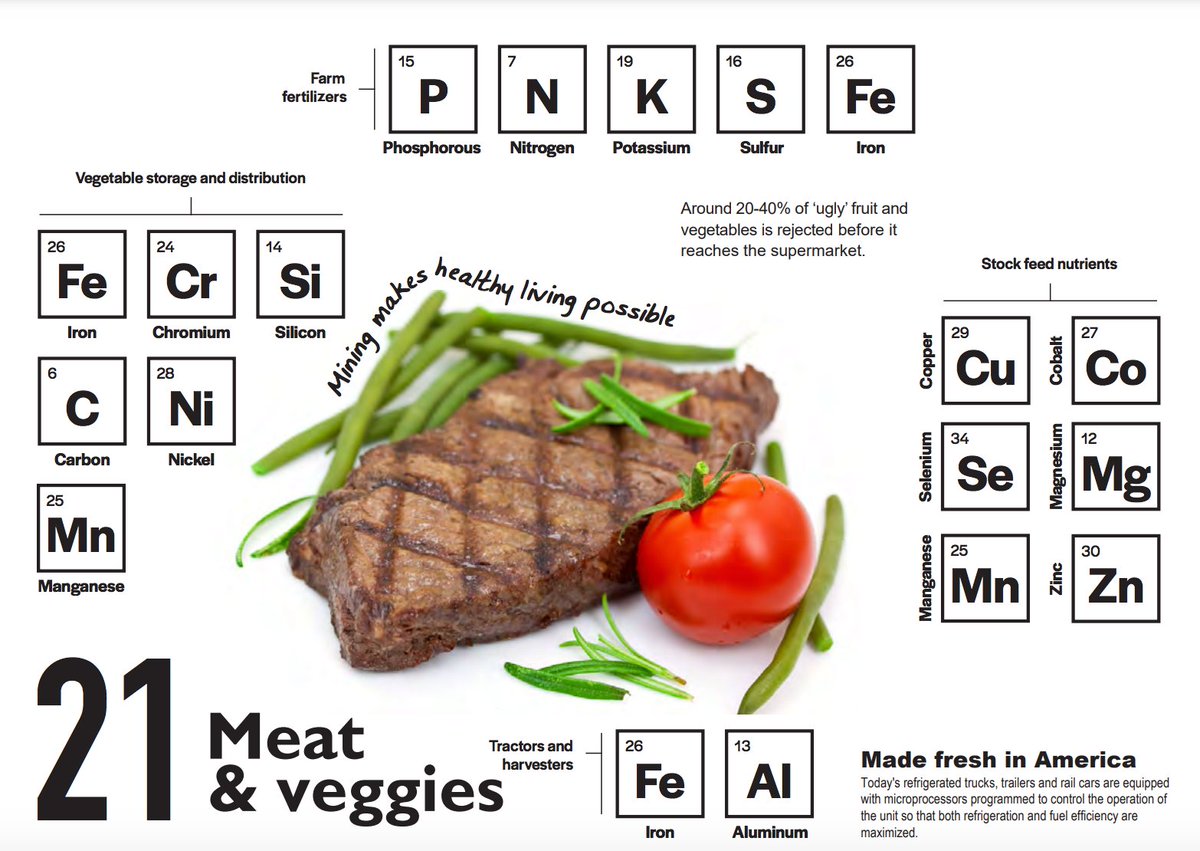
Did you know that Iron helps with the provision of meat and fresh vegetables? It's involved with vegetable storage and distribution, farm fertilizers, and tractors and harvesters. Check it out!
#TaconiteTuesday#ImagineliFEwithoutiron
The Mesabi Range began in this sea, which contained concentrations of iron and silica. The iron and silica settled to the bottom of the sea and formed thick layers of iron-bearing sediments. How did Taconite form? Find out at https://t.co/eF4sTUMNeh
#TaconiteTuesday
Without Minnesota's Iron Mining industry, there wouldn't be lawnmowers - just goats. Learn more about how Minnesota's iron mining industry affects your every day life at: https://t.co/nSbPweJrlP #TaconiteTuesday
https://t.co/O6YjUyIcfk
Have you ever wondered why the Iron Age overcame the Bronze Age? Bronze is generally easier to work with than iron, but the use of iron escalated after people learned how to make steel by heating iron w/ carbon, allowing harder & lighter armor, weapons, & tools! #taconitetuesday
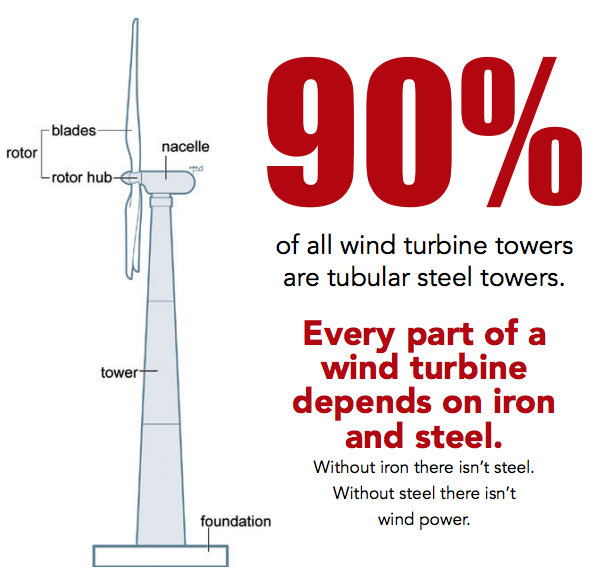
Every part of a wind turbine depends on iron
and steel. Without iron there isn’t steel. Without steel there isn’t wind power.
#ImagineliFEwithoutiron#TaconiteTuesday
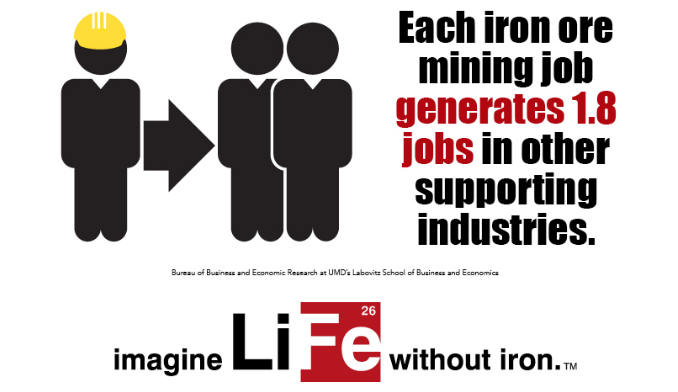
Each iron ore mining job, which includes good pay, health and retirement benefits, generates an additional 1.8 jobs in other industries. Mining operations purchase goods and services from other industries, including utilities, transportation and manufacturing. #TaconiteTuesday
Happy #TaconiteTuesday!
Are you aware of the tremendous impact mined minerals have on everyday life? Below is a great resource from the Women's Mining Coalition, on 30 everyday things that are made possible by mining! #imagineliFEwithoutiron
https://t.co/14ENyQoIuU
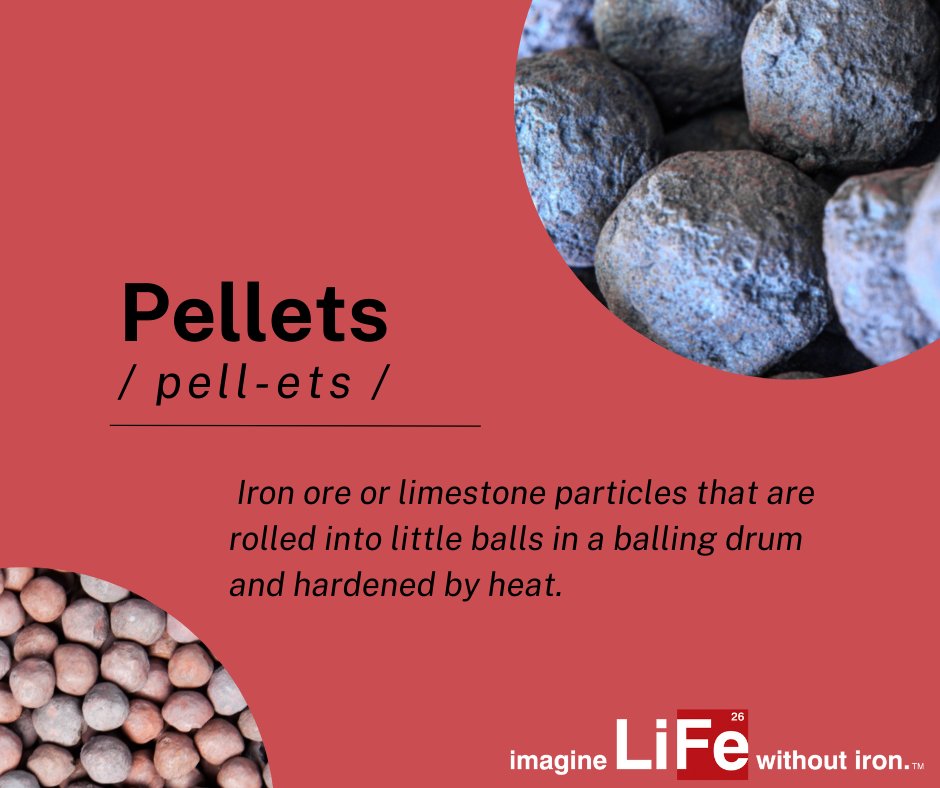
Pellets: Iron ore or limestone particles that are rolled into little balls in a balling drum and hardened by heat.
Ever need a glossary to all things steel related? Visit https://t.co/RFcgrZSWYP for the why, what, and how of iron & steel terms! #TaconiteTuesday
Comprised of a Museum, Research Center, and Park and encompassing 660 acres, the Minnesota Discovery Center tells the story of the Iron Range - "The Land, The Mines, The People and The Work". Visit today or learn more at:
https://t.co/KwruXC85pj
#TaconiteTuesday
For more than 130 years, Minnesota's Iron Mining has been defending, building, and supporting America. We are proud to be #madeintheUSA#TaconiteTuesday
https://t.co/kBILuJFlSP