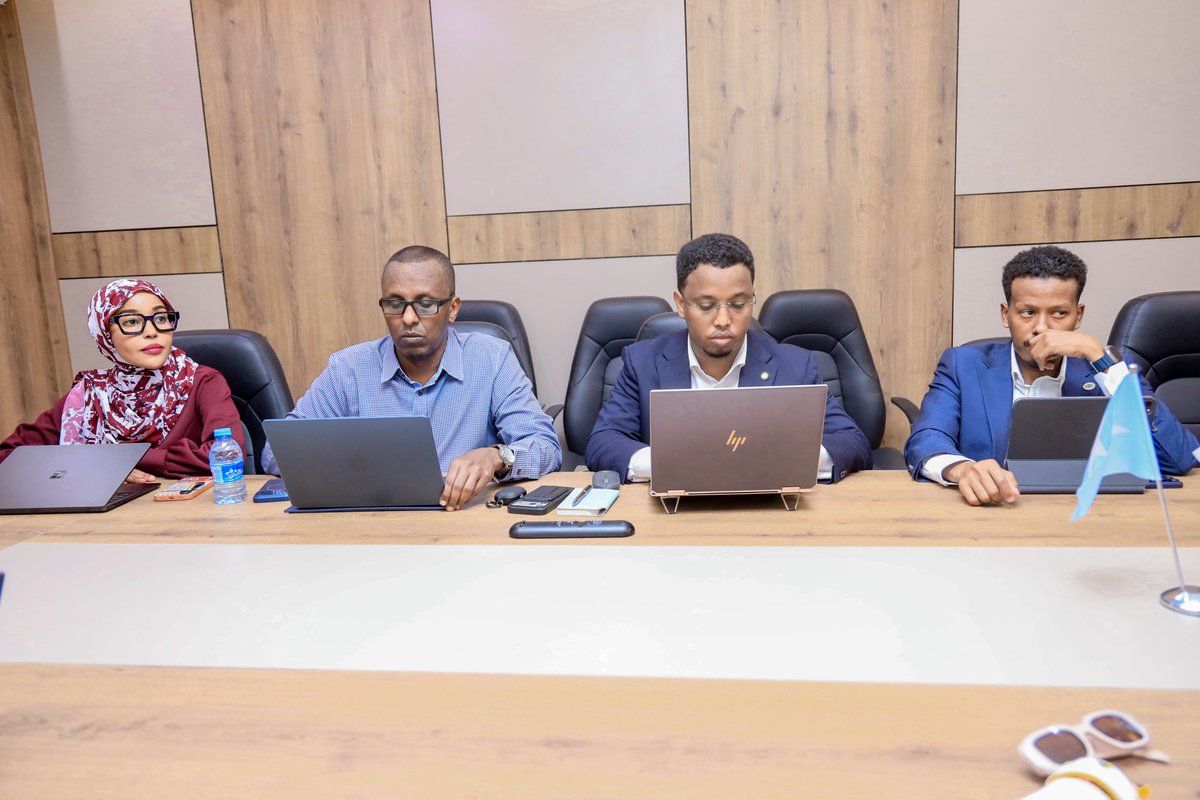
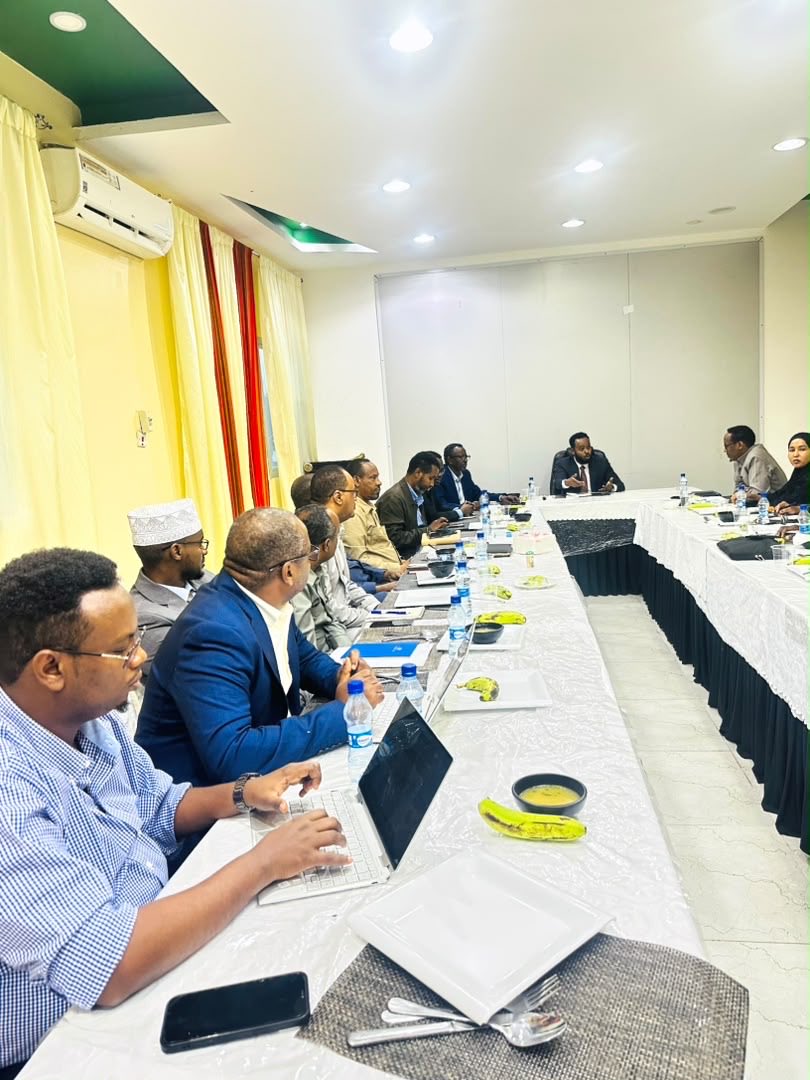
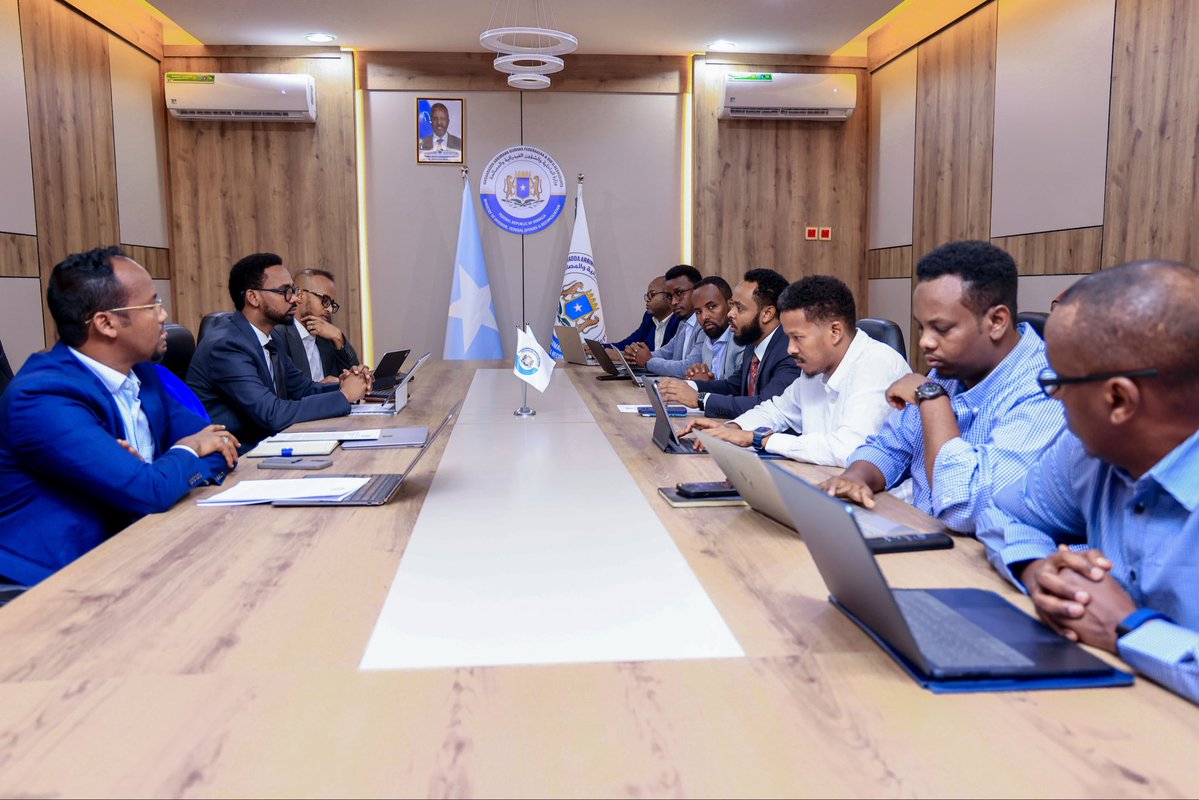
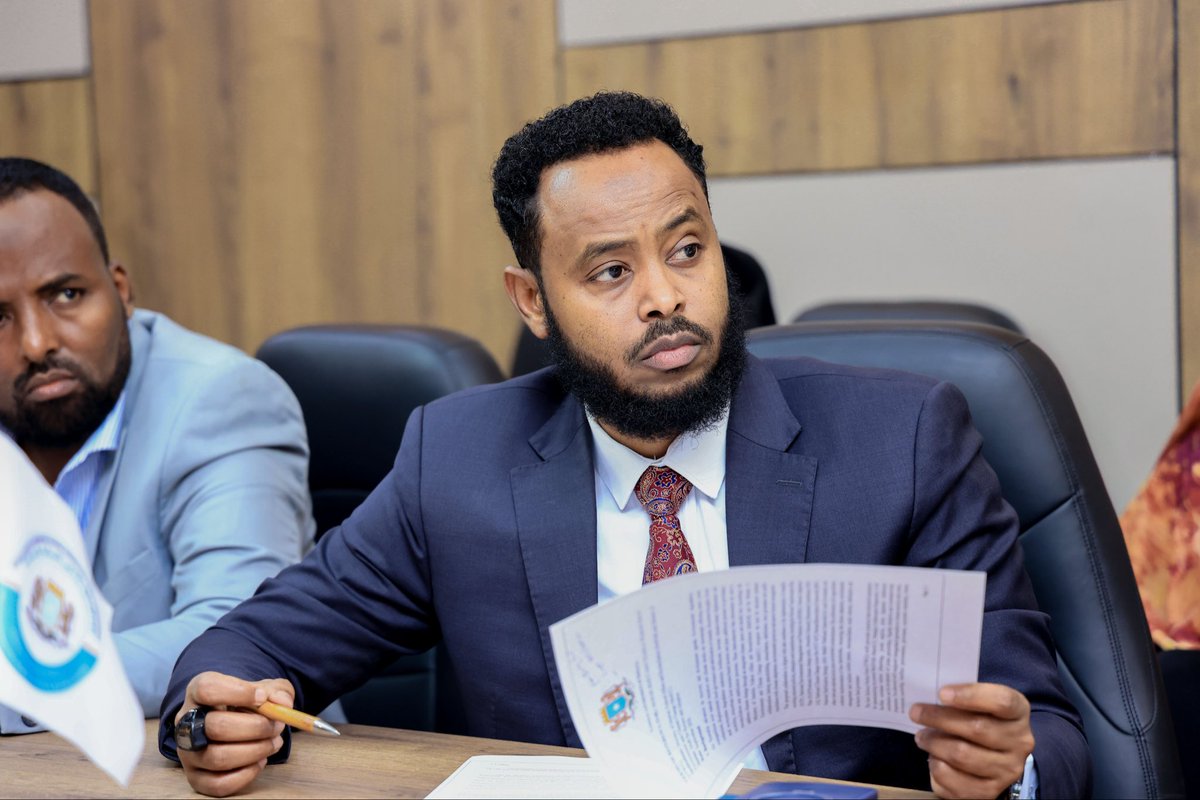
Sustainable peacebuilding depends on more than individual projects. It requires strong national leadership, coordinated partnerships and a clear pathway from commitments to results.
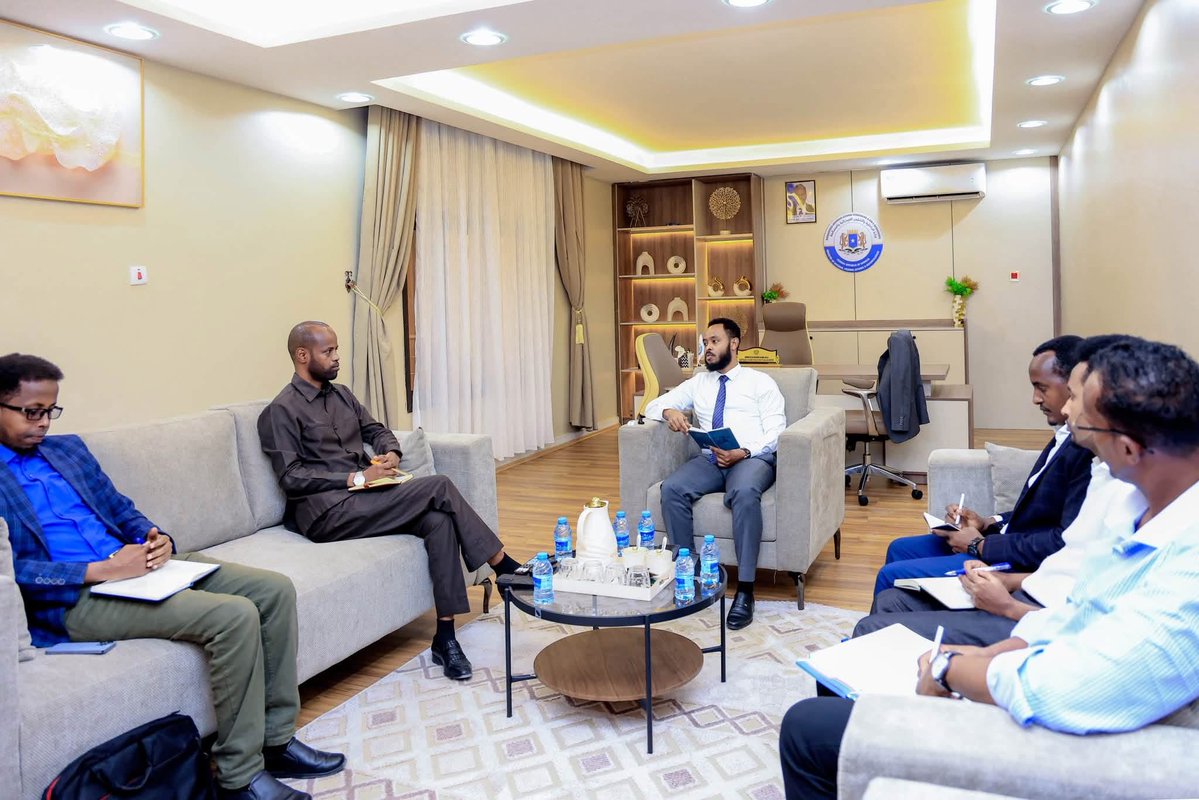
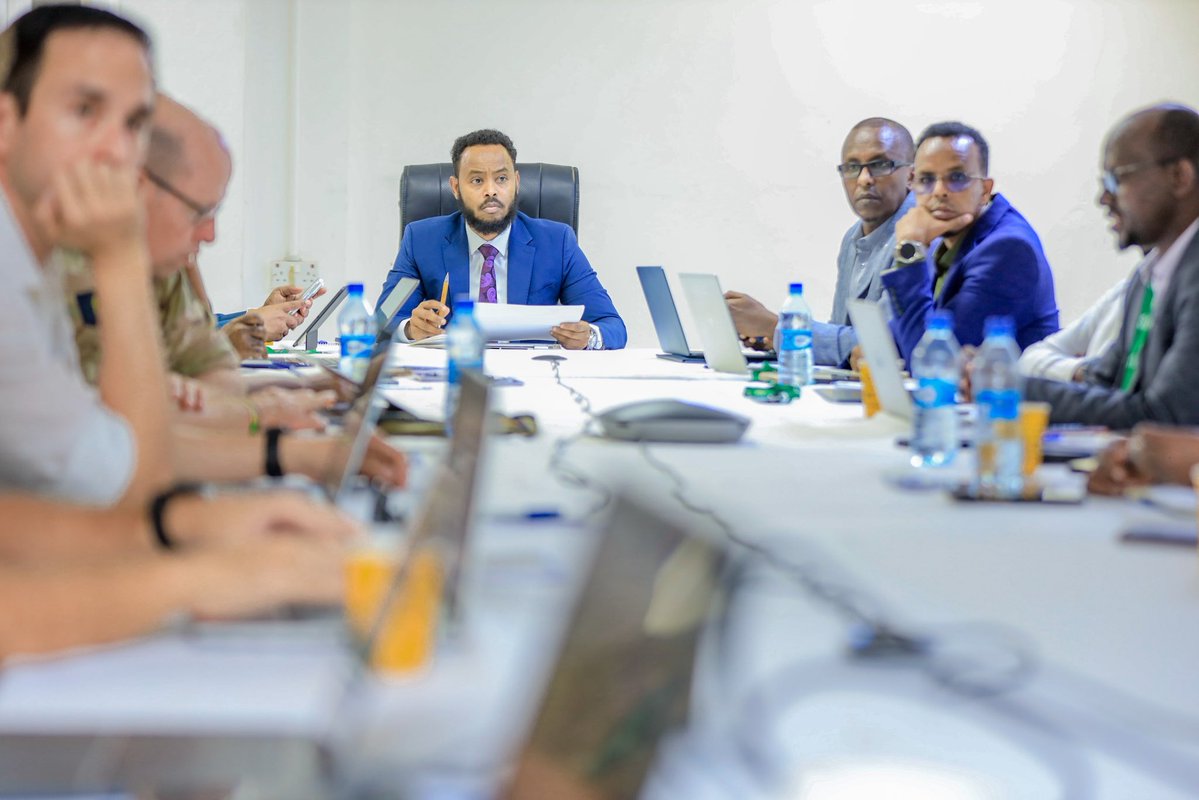
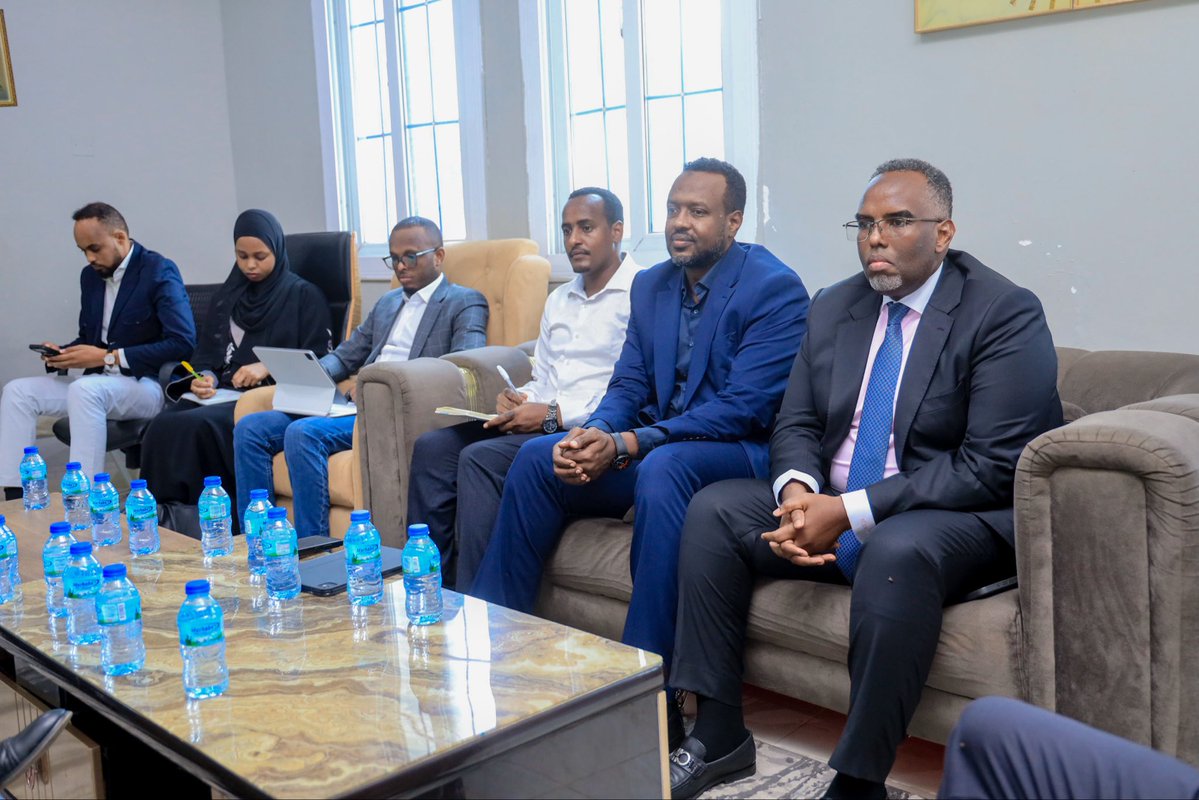
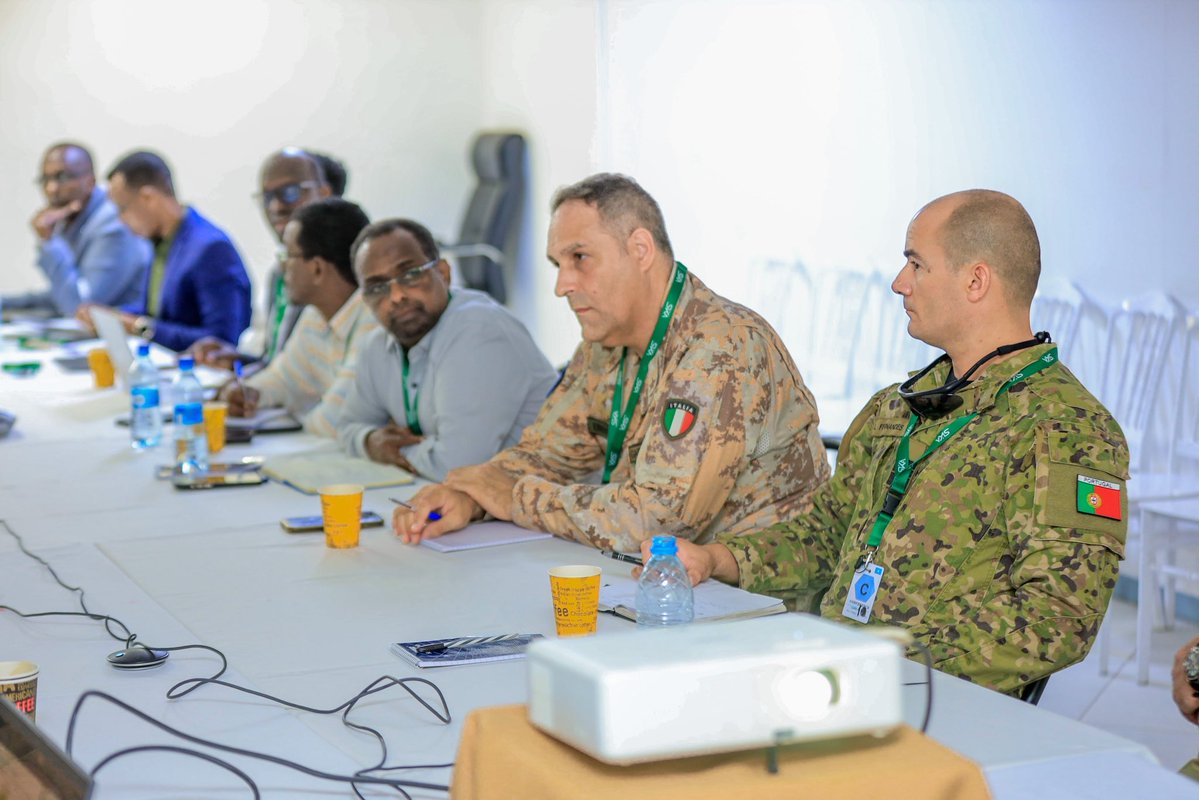
The Director General of the Ministry of Interior, Federal Affairs and Reconciliation, @AbdulkadirEA, chaired a technical coordination meeting with IOM and UNDP under the Wadajir Nabadeed project, focusing on strengthening implementation arrangements and aligning ongoing initiatives with national peacebuilding and reconciliation priorities.
The discussion focused on defining the way forward, improving coordination mechanisms and preparing for the forthcoming Project Steering Committee meeting.
The engagement underscores the importance of government-led coordination in ensuring that peacebuilding partnerships reinforce national ownership, strengthen institutional accountability and contribute to coherent, sustainable reconciliation efforts across Somalia.
#MoIFAR
#WadajirNabadeed
The Director General of the Ministry of Interior, Federal Affairs and Reconciliation, @AbdulkadirEA, chaired the National Peace Education Sub-Technical Committee meeting, marking the official launch of the Building Peace Through Religious Education project.
Recognising that sustainable peace requires more than resolving conflicts, the initiative places education at the centre of efforts to strengthen mutual understanding, peaceful coexistence and the values that support reconciliation across Somali society. It reflects a longer-term approach to peacebuilding, one that seeks to address the attitudes and social dynamics that shape relationships within communities.
Bringing together the Office of the Prime Minister, MOCHE, MEISA, ONS, UNICEF and UNESCO, the meeting highlighted the importance of coordinated national action in advancing peace education. By connecting government institutions, education stakeholders and international partners, the initiative aims to strengthen the role of religious education in supporting Somalia’s broader peacebuilding and reconciliation priorities.
The Ministry of Interior, Federal Affairs and Reconciliation hosted a high-level coordination meeting with the Ministry of Environment and Climate Change, co-chaired by the Directors General of both ministries, to advance a more integrated approach to shared national priorities.
Environmental challenges increasingly intersect with governance, community resilience and stabilisation, making cooperation across institutions essential to effective national planning. The meeting provided an opportunity to strengthen the institutional links needed to address these interconnected priorities through coordinated government action.
Both ministries agreed to move beyond periodic engagement towards more structured cooperation, including regular technical consultations, information-sharing and follow-up on agreed actions. This approach aims to ensure that shared priorities are supported by sustained institutional coordination and translated into practical implementation.
The Minister of Interior, Federal Affairs and Reconciliation, H.E. @AliYusufHosh, welcomed Islaan Ciise Islaan Mohamed Islaan Muse to Mogadishu, alongside prominent traditional leaders, including Ugaas Abdirisaq Ugaas Abdullahi Ugaas Hashi Ugaas Faracade and Ugaas Mohamud Ali Ugaas Abdulle Ugaas. The reception also brought together federal ministers, Members of Parliament and community representatives.
The gathering reflects the important place of traditional leadership in Somalia’s national life and the longstanding role of customary institutions in maintaining community relationships, facilitating dialogue and supporting reconciliation. Strengthening connections between traditional leadership and public institutions remains an important dimension of Somalia’s wider efforts to foster mutual understanding, social cohesion and national unity.
The Director General of the Ministry of Interior, Federal Affairs and Reconciliation, @AbdulkadirEA, visited HALMEEL, the National Unified Public Service Centre, where he formally received the keys to facilities designated for the Ministry’s Civil Registration and NGO Registration services.
The move represents an important step towards integrating the Ministry’s services into a more accessible and coordinated public service delivery system. Through HALMEEL’s unified approach, citizens and organisations will be able to access essential government services in one location, reducing administrative barriers and simplifying interactions with public institutions.
Beyond bringing services under one roof, this initiative reflects a wider shift towards citizen-centred governance, where public institutions are organised around the needs of the people they serve. It also supports efforts to improve service efficiency, accessibility and public confidence in government institutions.
“We must move beyond emergency response and strengthen prevention, preparedness, sustainable recovery and long term resilience.”
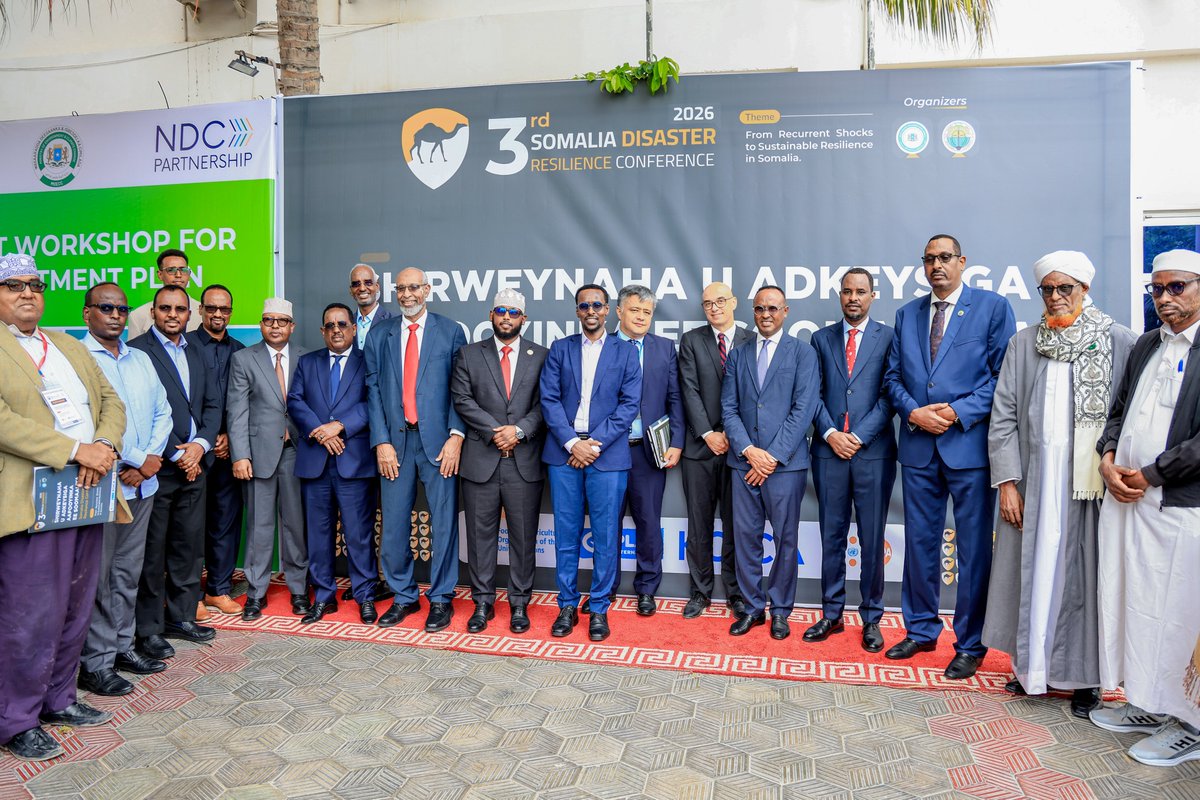
This was the central message delivered by the Minister of Interior, Federal Affairs and Reconciliation, H.E. @AliYusufHosh, at the 3rd edition of the Somalia Disaster Resilience Conference (SDRC 2026).
The Minister highlighted a recurring challenge for Somalia: planning for drought in one season and responding to flooding in another. This cycle places enormous pressure on communities, institutions and national development efforts.
His remarks underscored the need for a fundamental shift from reacting to disasters towards anticipating and managing risks before they escalate. Building this capacity means connecting early warning with practical preparedness, strengthening coordination across levels of government and ensuring that research informs public policy.
The goal is not simply to respond better to the next disaster, but to reduce the vulnerability that makes each disaster a national crisis.
The Minister of Interior, Federal Affairs and Reconciliation, H.E. @AliYusufHosh, officially opened the 3rd edition of the Somalia Disaster Resilience Conference (SDRC 2026) in Mogadishu, bringing attention to a critical national priority: integrating disaster resilience into how Somalia plans, governs and develops.
As recurring droughts and floods continue to disrupt communities, livelihoods and public services, strengthening resilience requires more than emergency preparedness. It calls for coordinated institutions, risk-informed planning and stronger links between scientific evidence and government decision-making.
The Conference brings together research, policy and practical experience to help shape a more proactive approach to disaster risk management, where national and local institutions are better equipped to anticipate shocks, protect development gains and support communities in building lasting resilience.
The Minister acknowledged SoDMA, Mogadishu University, researchers and partners for their contributions to advancing this important national dialogue.
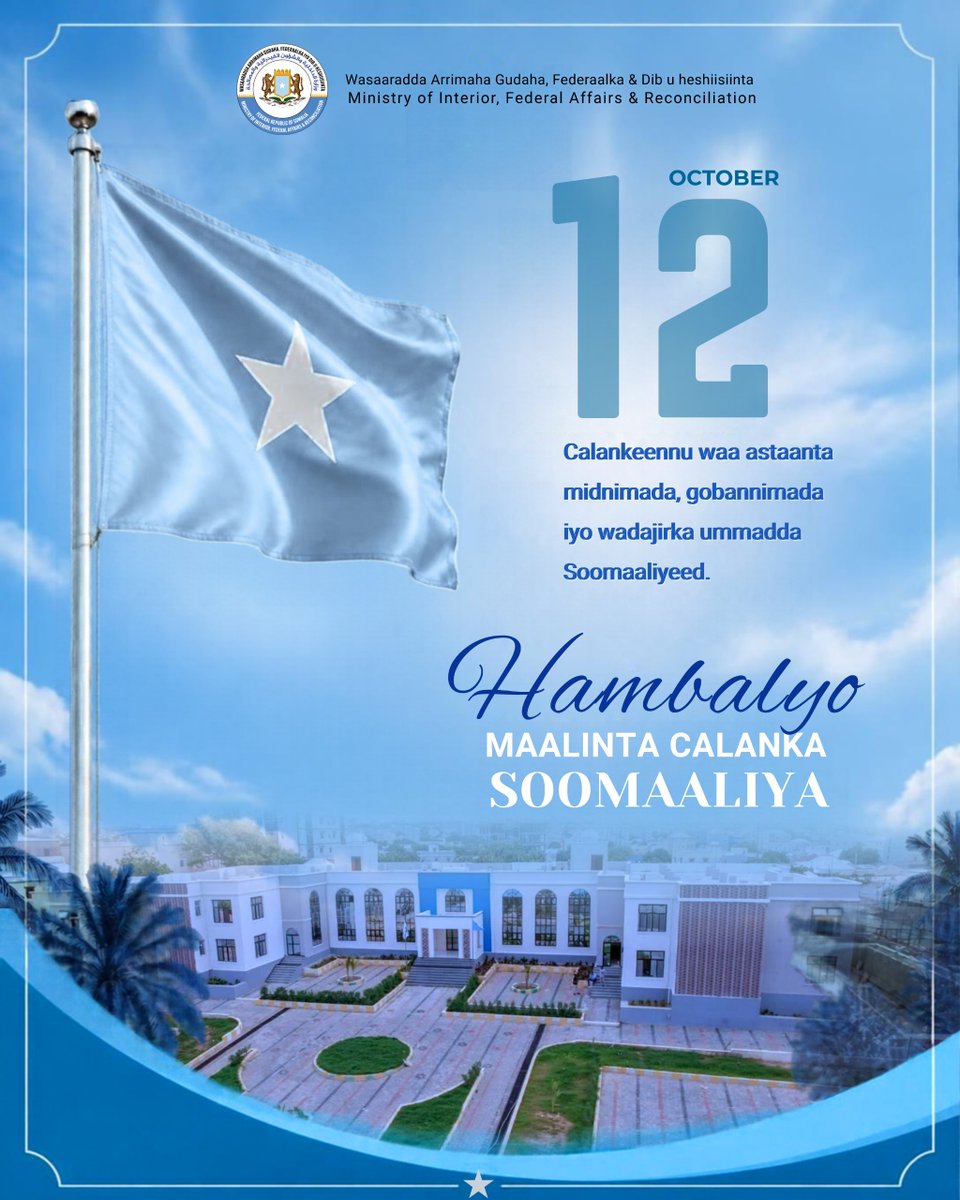
Happy Somali Flag Day!
For 72 years, the Somali flag has stood as a symbol of our shared identity, sovereignty and national aspirations. First raised as a vision of unity, it continues to represent the hope of a peaceful, united and prosperous Somalia.
The Ministry of Interior, Federal Affairs and Reconciliation joins Somalis everywhere in commemorating this historic day and honouring the generations whose sacrifices shaped our nationhood.
As Somalia continues to strengthen its institutions, advance reconciliation and build a more inclusive federal system, our flag reminds us that national unity is both a shared heritage and a collective responsibility. It calls on every generation to look beyond differences, uphold our common identity and contribute to a future built on peace, mutual respect and national solidarity.
One flag. One nation. One shared future. 🇸🇴
#SomaliFlagDay
#NationalUnity
The Director General of the Ministry of Interior, Federal Affairs and Reconciliation, @AbdulkadirEA, met with representatives of SIMAD University to explore opportunities for stronger institutional collaboration, with a focus on connecting academic knowledge, professional development and practical experience.
Strengthening links between public institutions and universities can help bridge the gap between academic learning and the practical demands of public administration. The discussion reflects a shared interest in creating meaningful opportunities for knowledge exchange, skills development and professional exposure, contributing to a more capable and knowledgeable public sector.
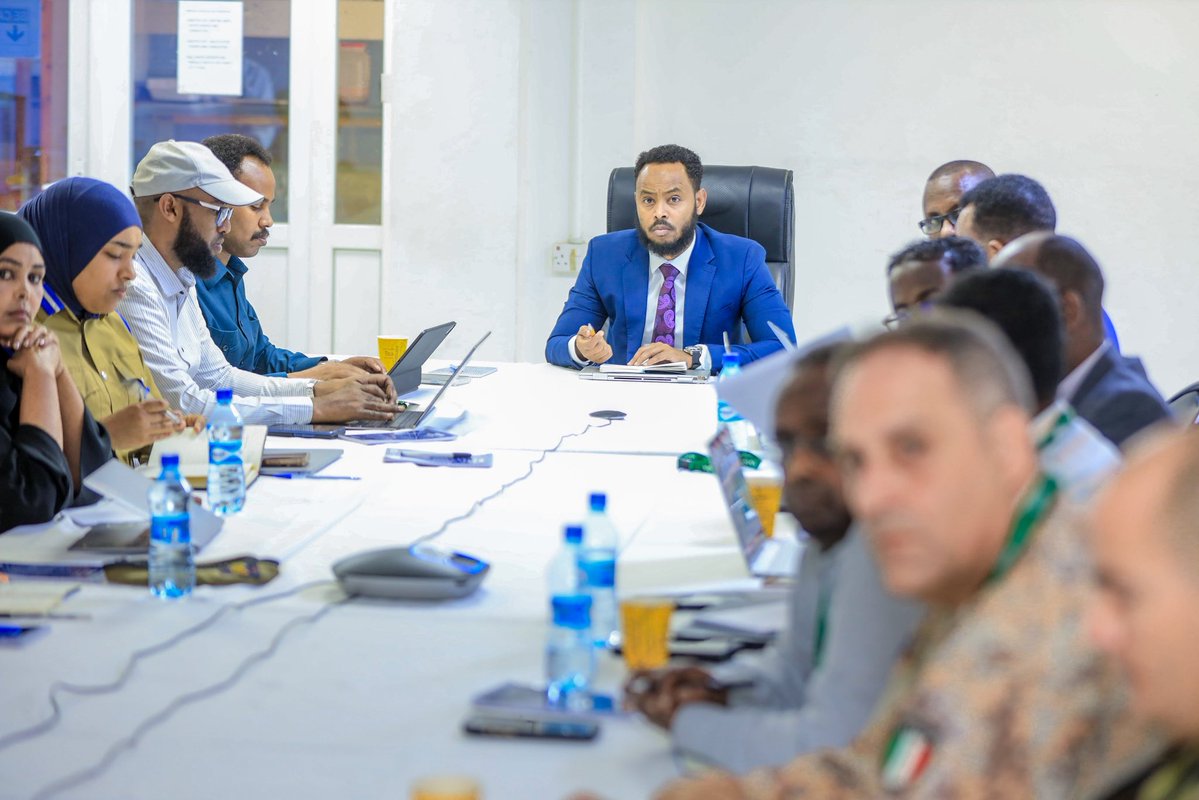
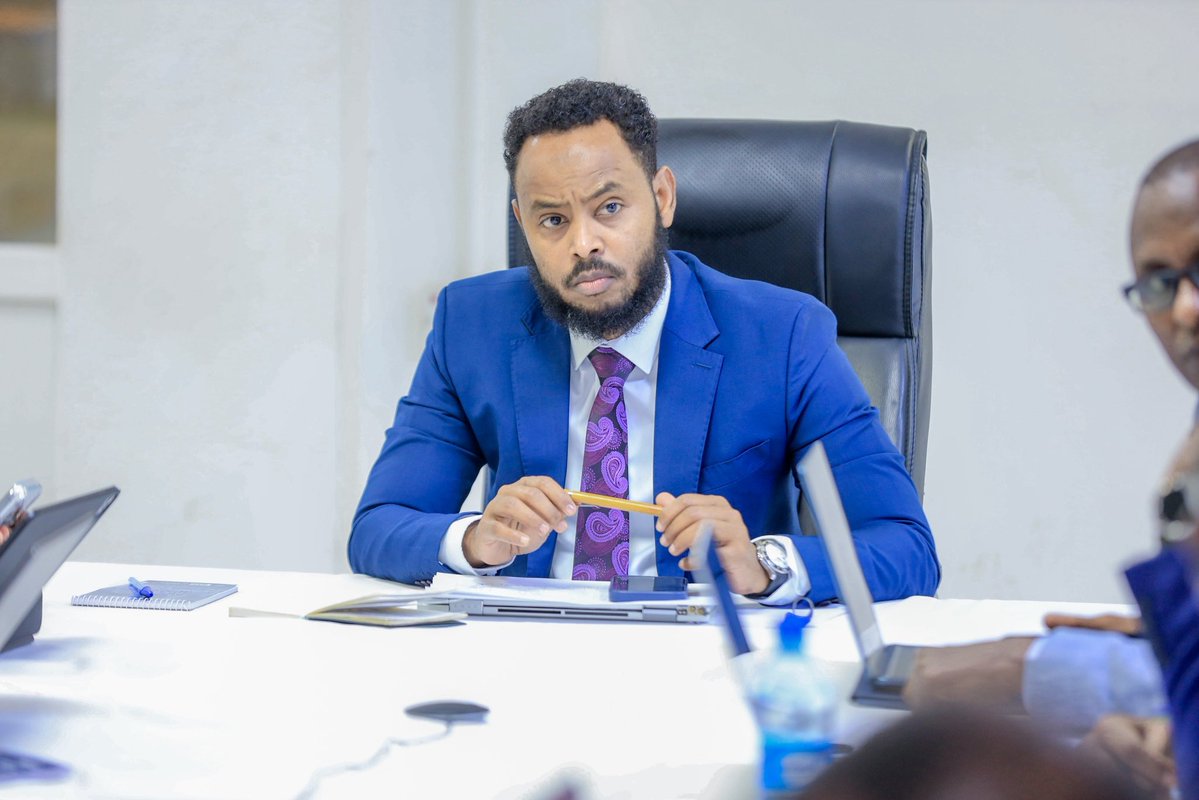
The Director General of the Ministry of Interior, Federal Affairs and Reconciliation, @AbdulkadirEA, chaired a senior management meeting aimed at strengthening the Ministry’s ability to turn institutional priorities into tangible results.
The discussion centred on a key principle of effective public administration: commitments must be matched by clear responsibilities, coordinated implementation and measurable progress. By strengthening departmental accountability and identifying areas requiring greater attention, the Ministry is reinforcing a more disciplined approach to delivery, ensuring that its priorities are reflected not only in workplans, but in the performance and results of its departments.
At today’s monthly Security and Stabilisation Community of Interest meeting, chaired by the Director General of the Ministry of Interior, Federal Affairs and Reconciliation, Abdulkadir Elmi Ali, government institutions and international partners reviewed developments across the security, stabilisation and humanitarian sectors.
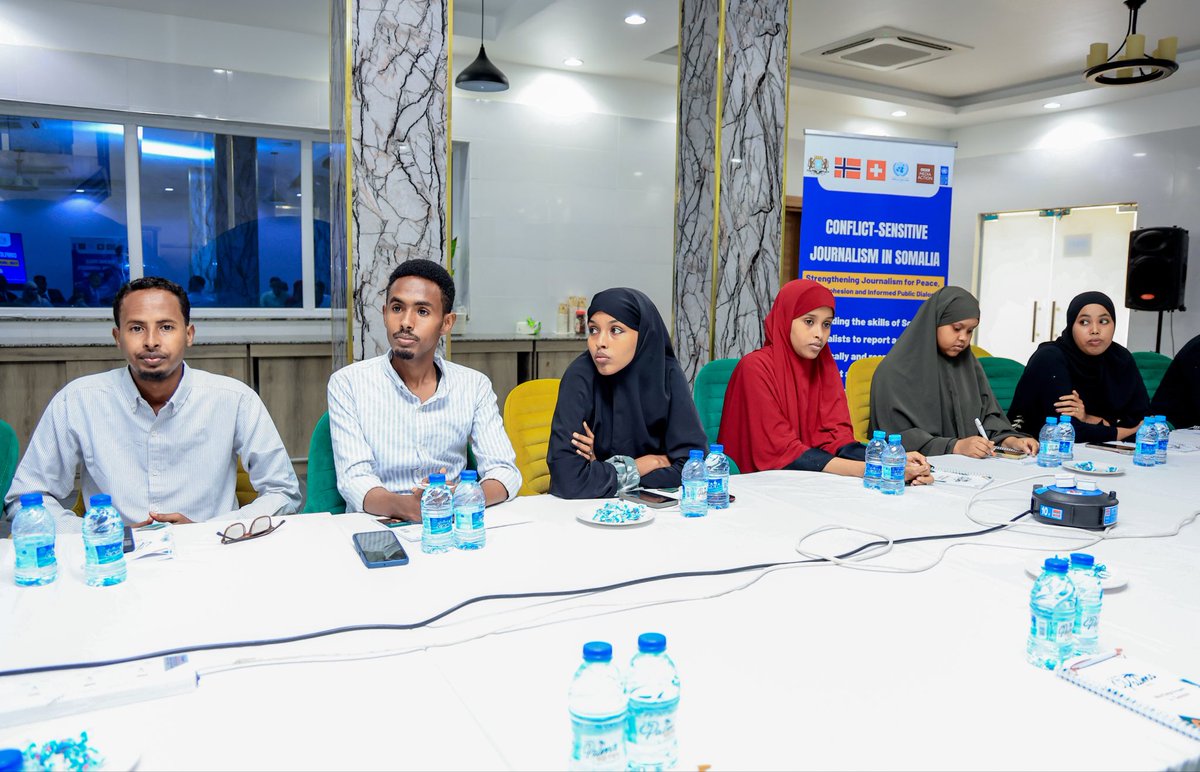
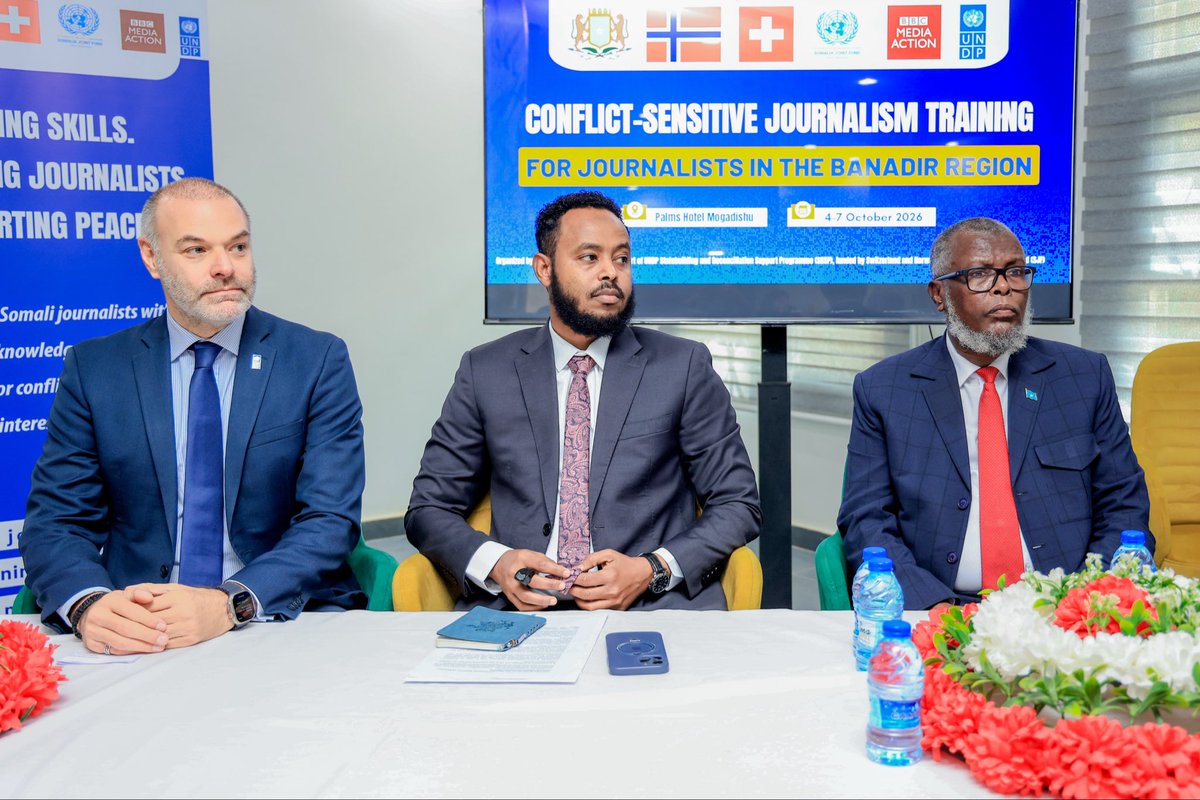
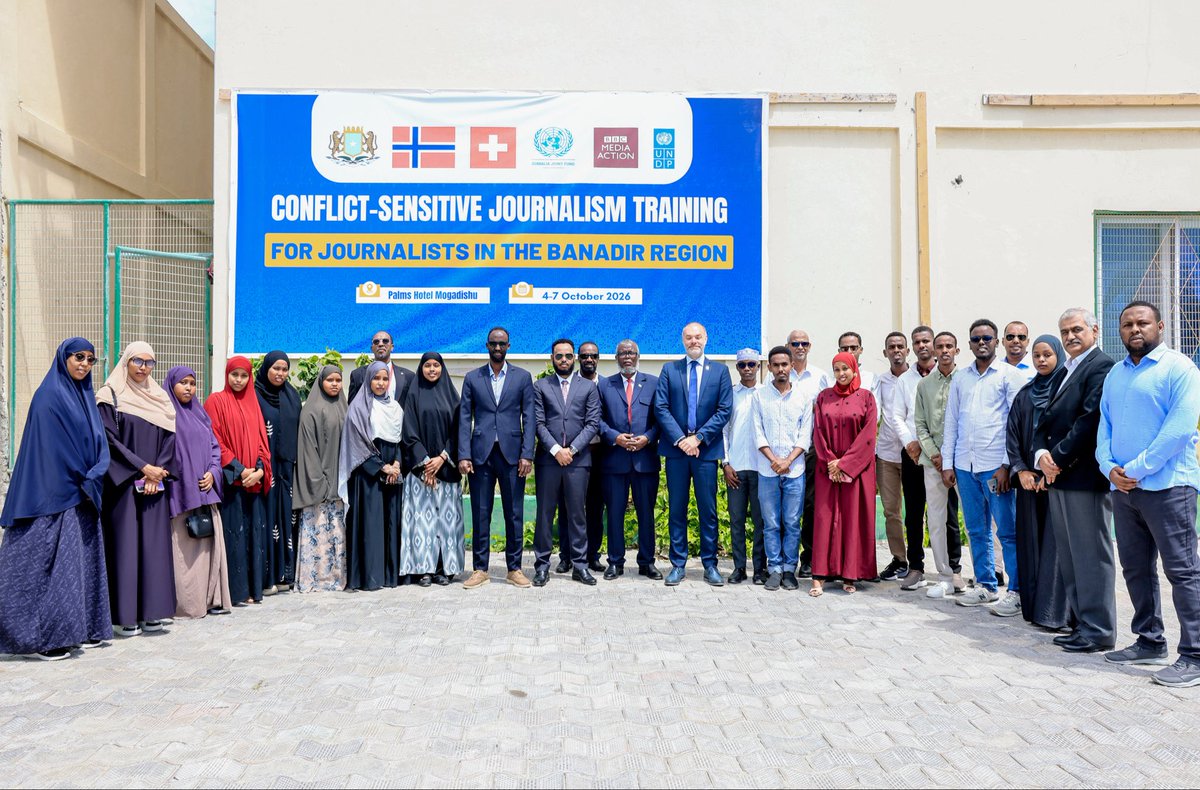
The Director General, @AbdulkadirEA, today opened a professional development and media training in Mogadishu aimed at strengthening participants’ knowledge, media skills and professional capacity.
In his opening remarks, the Director General highlighted the importance of continuous learning, effective communication and knowledge exchange, encouraging participants to use the training to strengthen their media skills, exchange practical experiences and apply their learning in their respective areas of work.
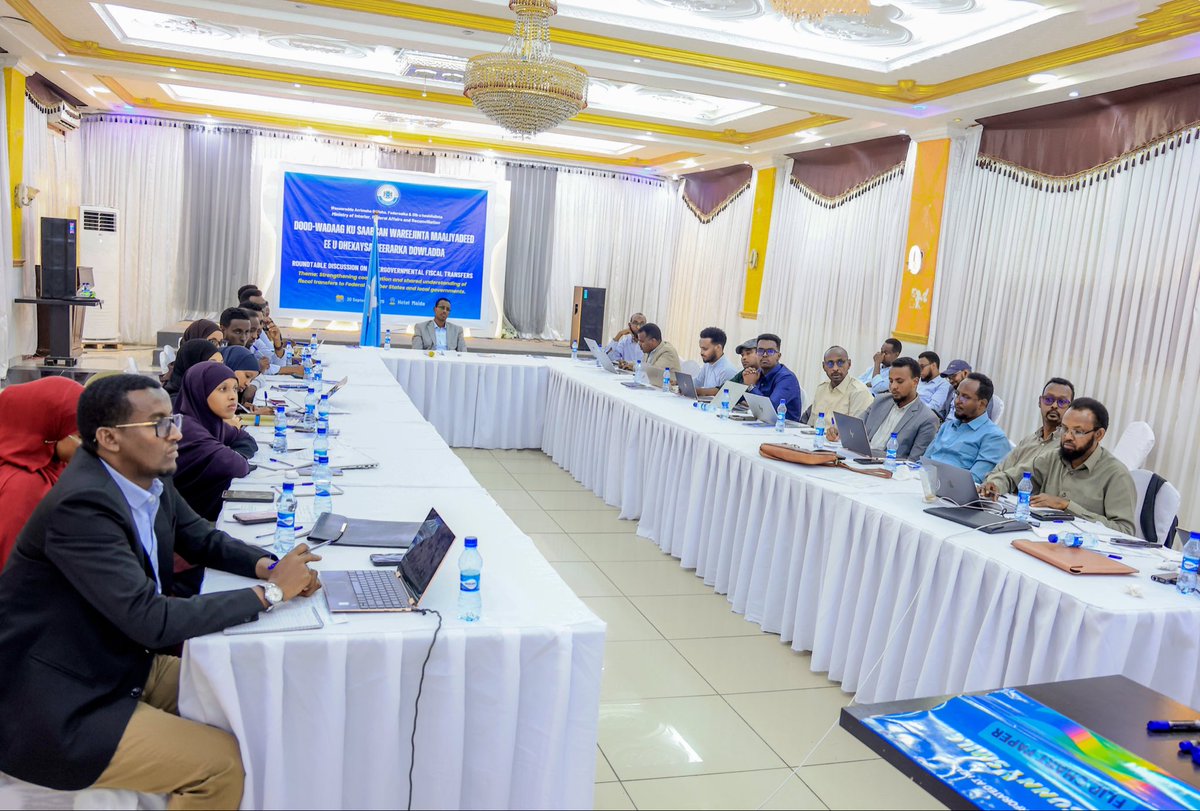
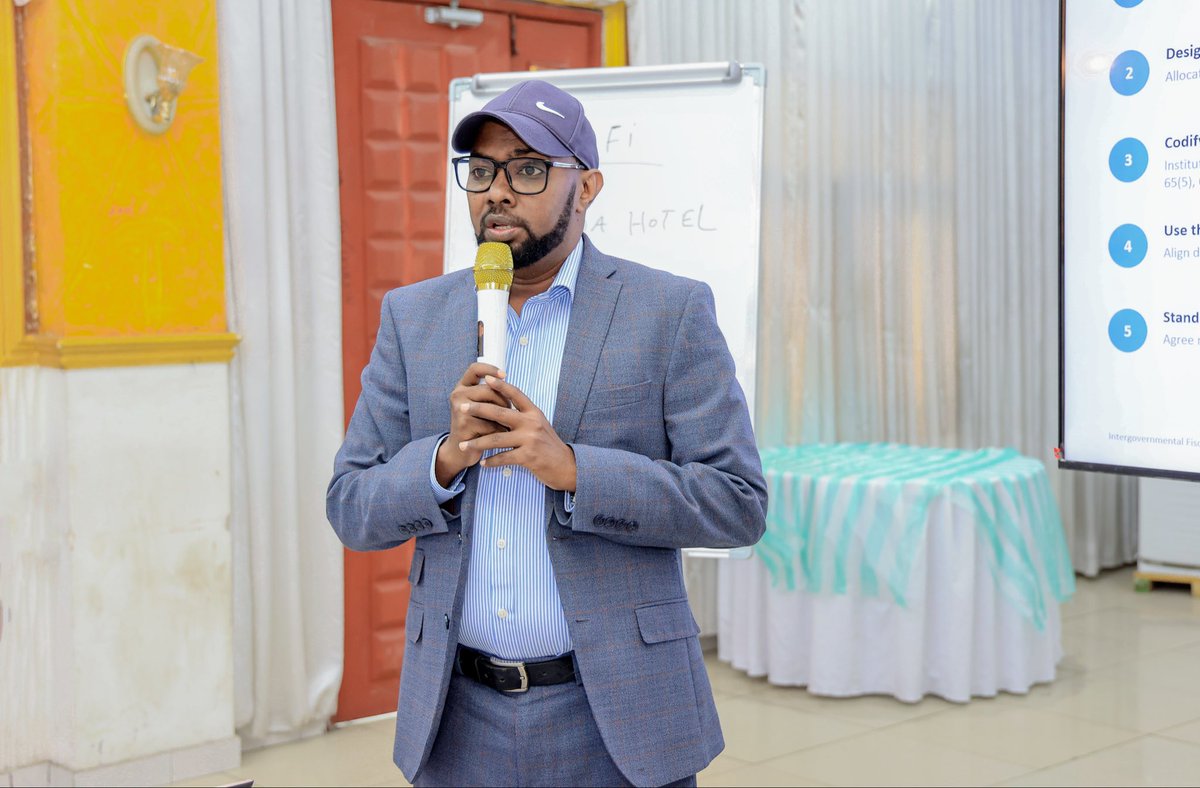
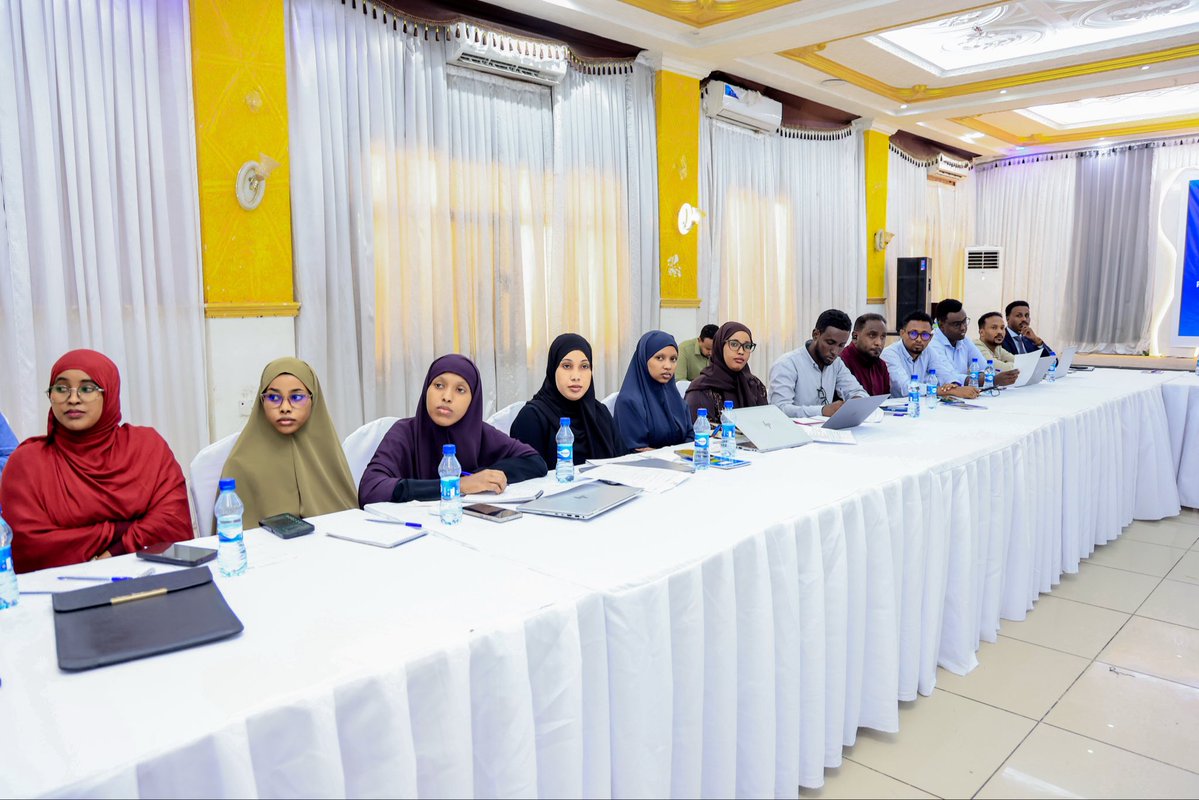
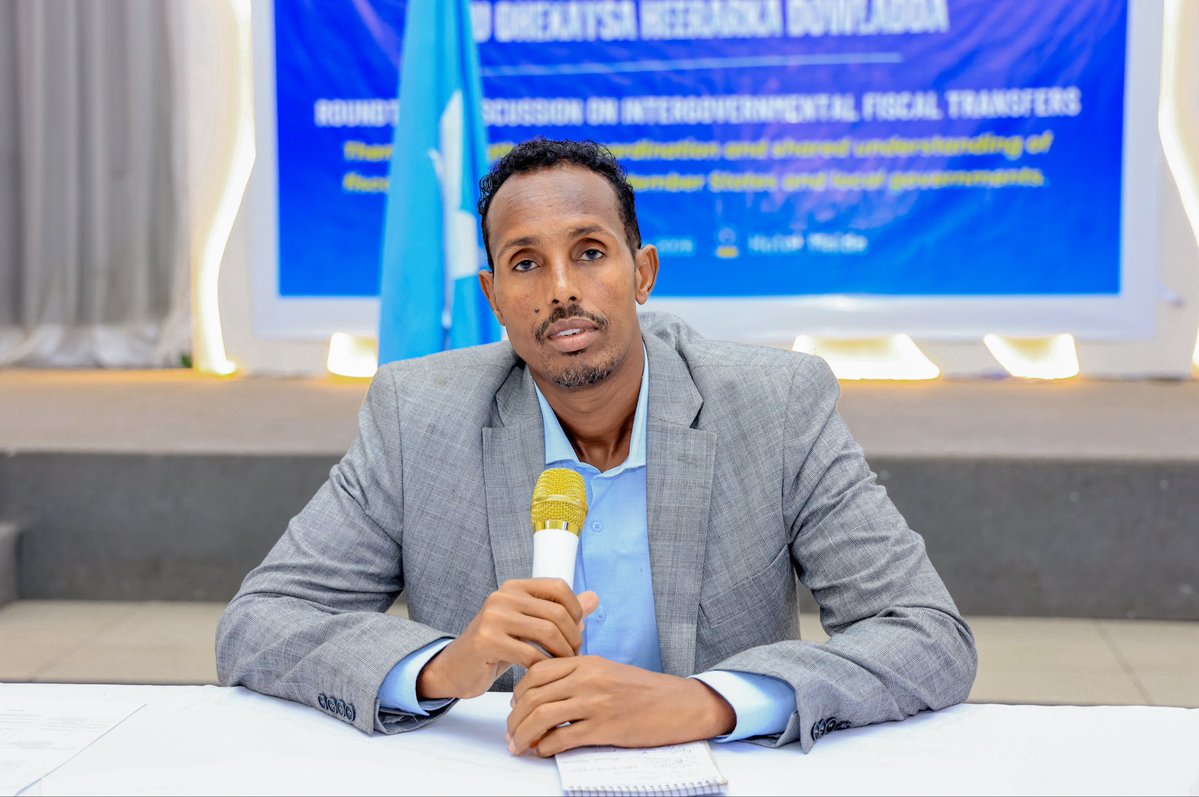
The Ministry of Interior, Federal Affairs and Reconciliation convened a knowledge sharing session in Mogadishu on fiscal decentralisation across the Federal Government, Federal Member States and local governments, focusing on how responsibilities, resources and coordination can be better aligned to support effective public service delivery.
Opening the session, Director of Local Government Development and Decentralisation Yahye Omar Hersi highlighted the importance of a transparent, equitable and accountable fiscal system, emphasising that decentralised responsibilities must be accompanied by adequate resources. Strengthening this alignment is central to building capable local institutions, improving coordination across levels of government and enabling more reliable services closer to communities.
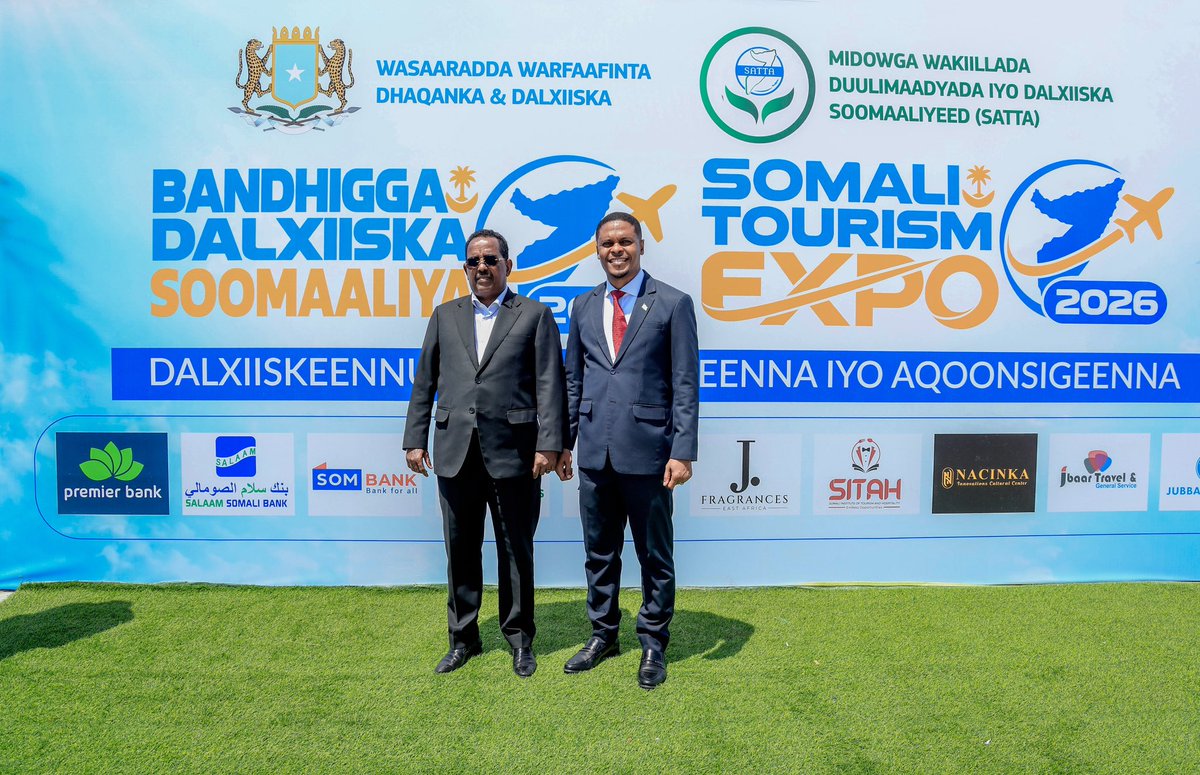
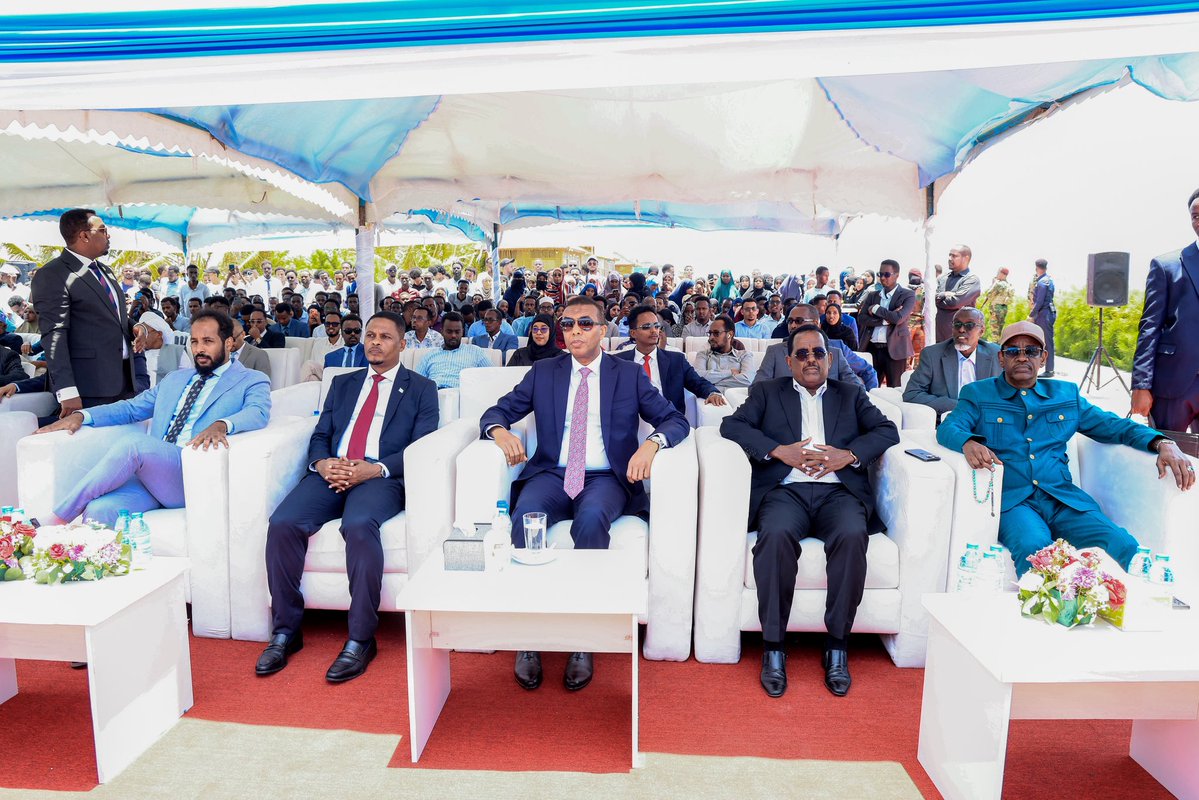
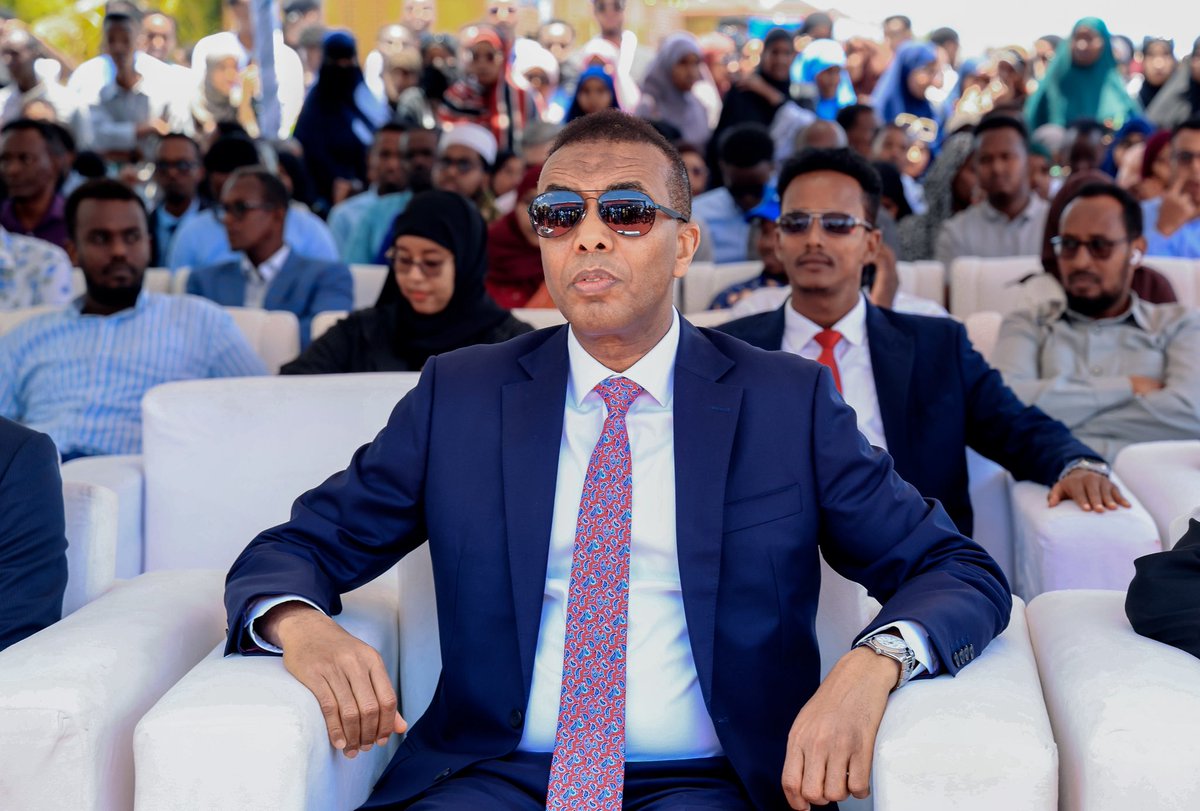
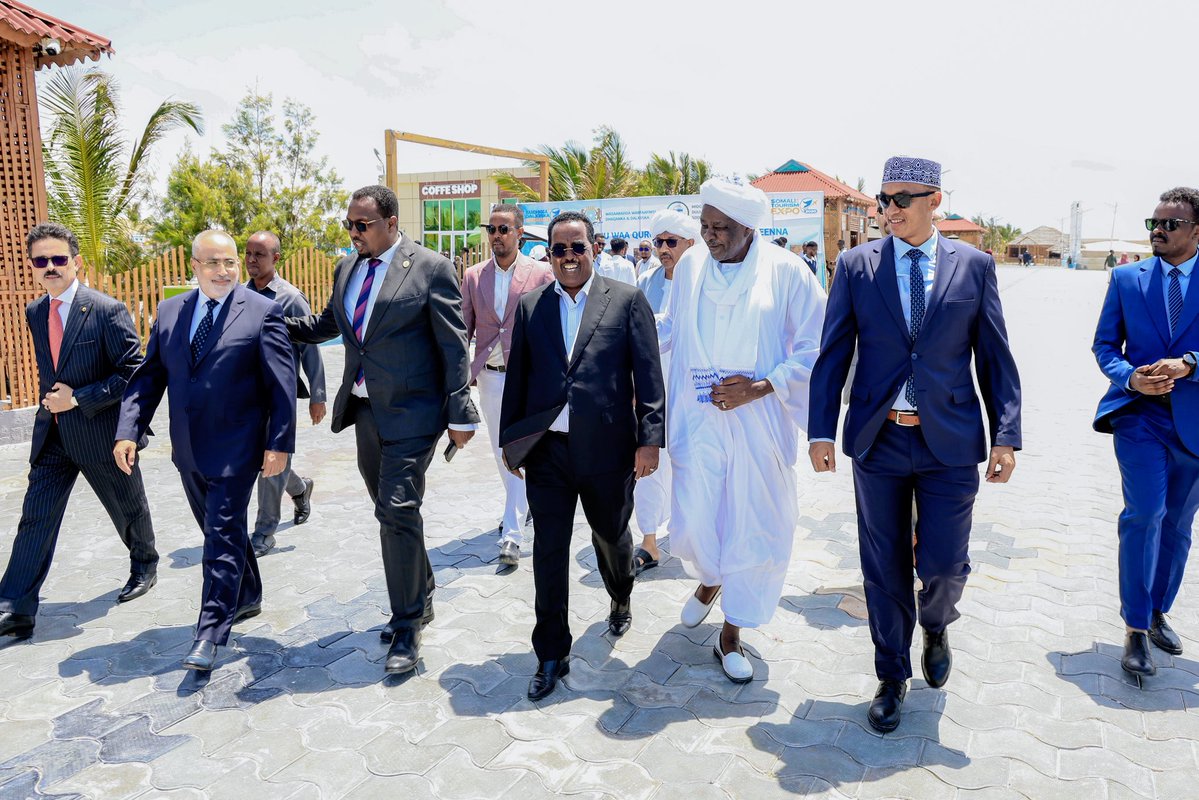
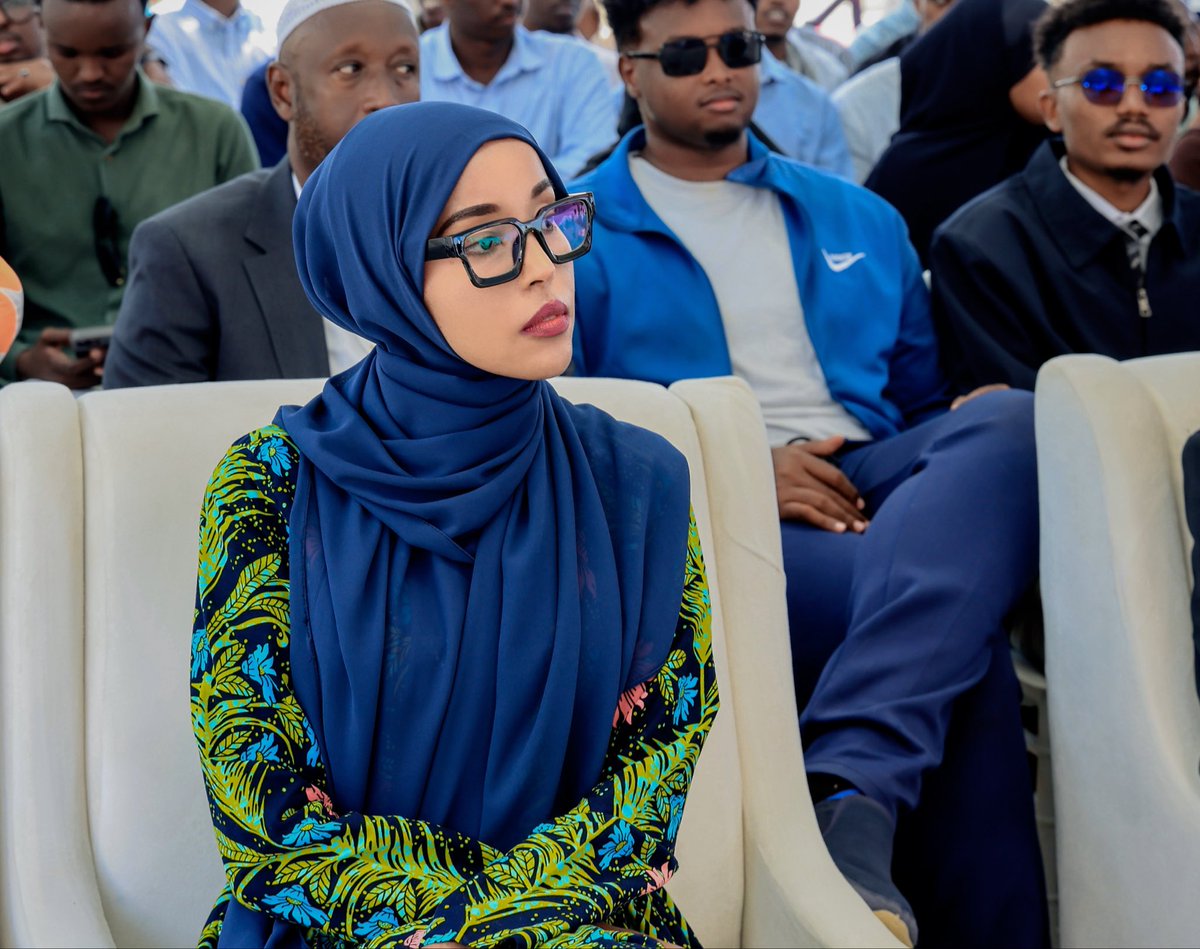
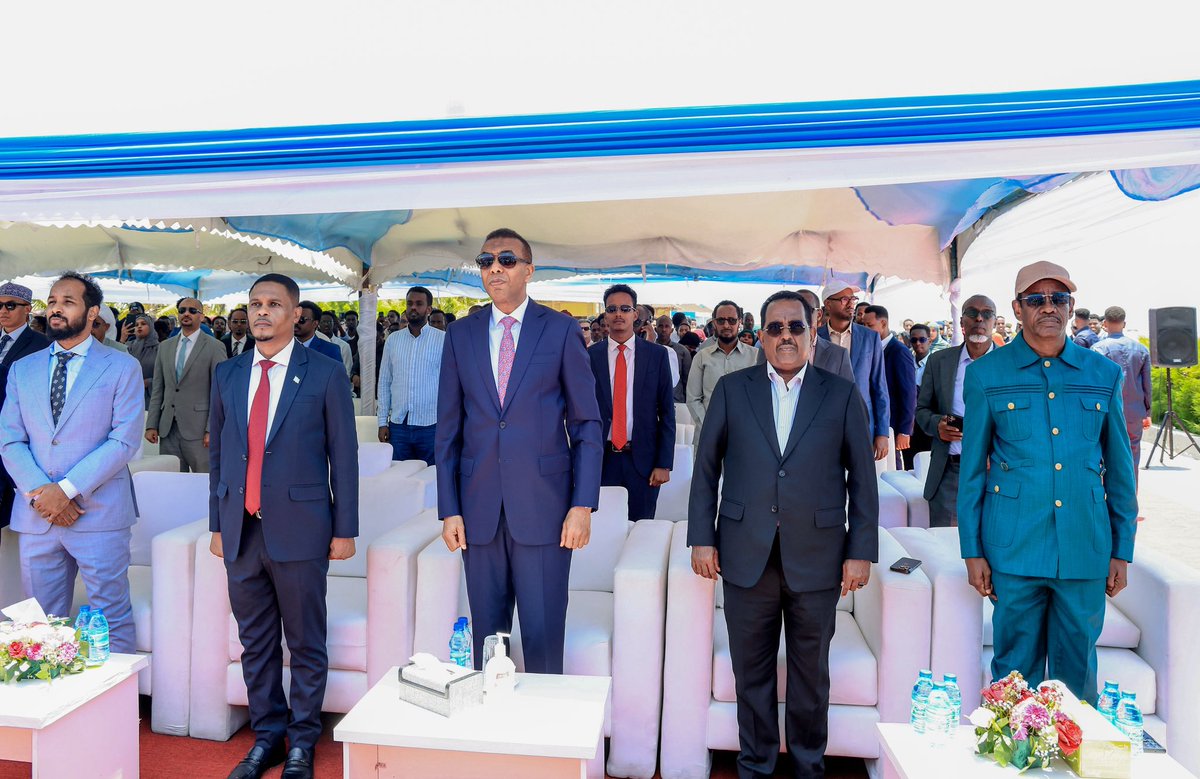
Organised by the Ministry of Information, Culture and Tourism in celebration of World Tourism Day, the Expo brings together government institutions, ambassadors and diplomatic representatives, the private sector and tourism stakeholders to showcase Somalia’s tourism potential, rich cultural heritage and arts, while highlighting opportunities for the growth and development of the country’s tourism sector.
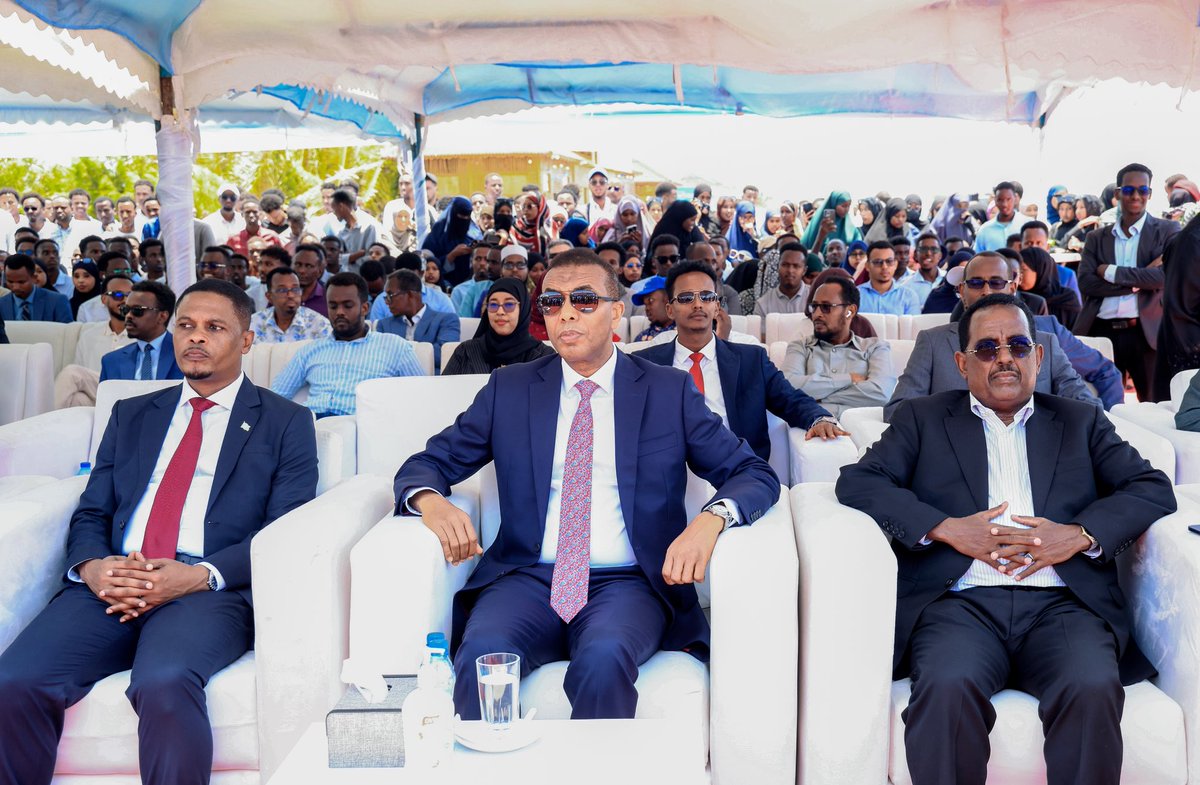
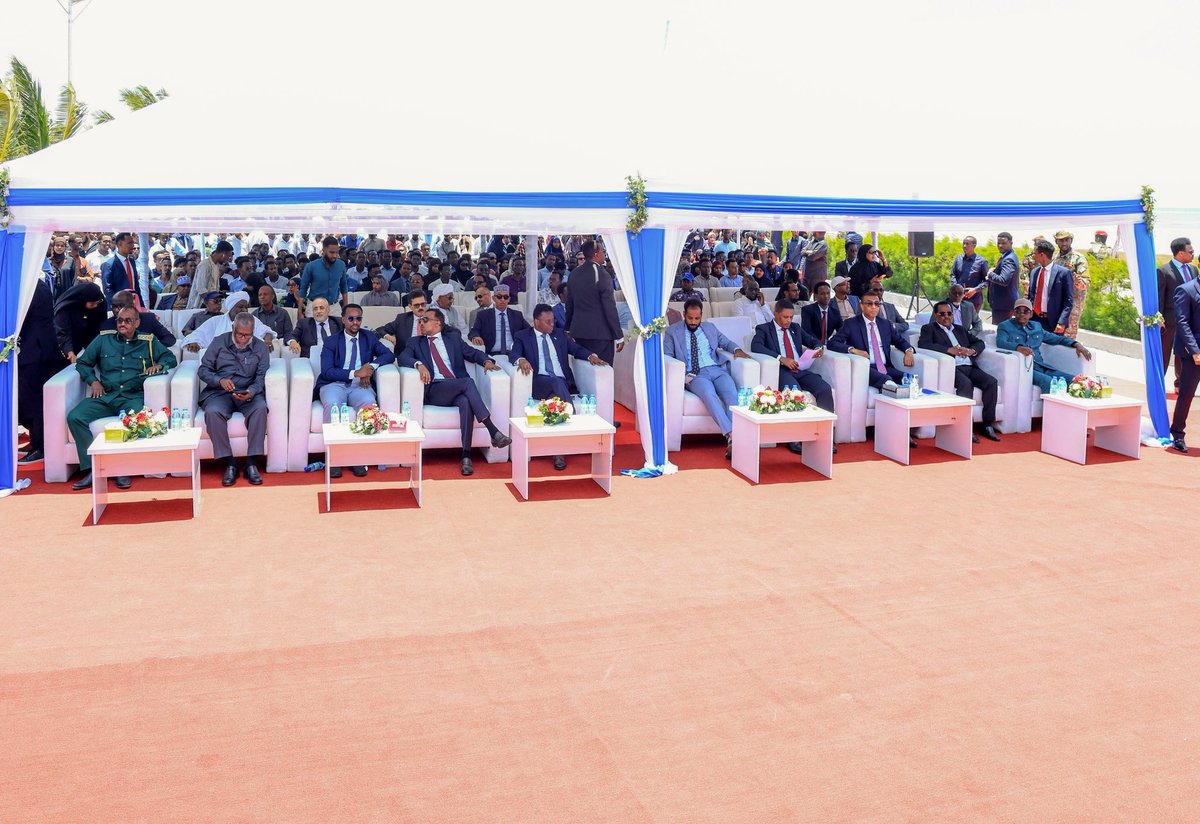
The Prime Minister of the Federal Government of Somalia, H.E. Hamza Abdi Barre, the Minister of Interior, Federal Affairs and Reconciliation, H.E. Ali Yusuf Ali Hosh, alongside other senior government officials and members of the diplomatic community, attended the opening of the Somalia Tourism Expo 2026 in Mogadishu.