The wait is FINALLY over!
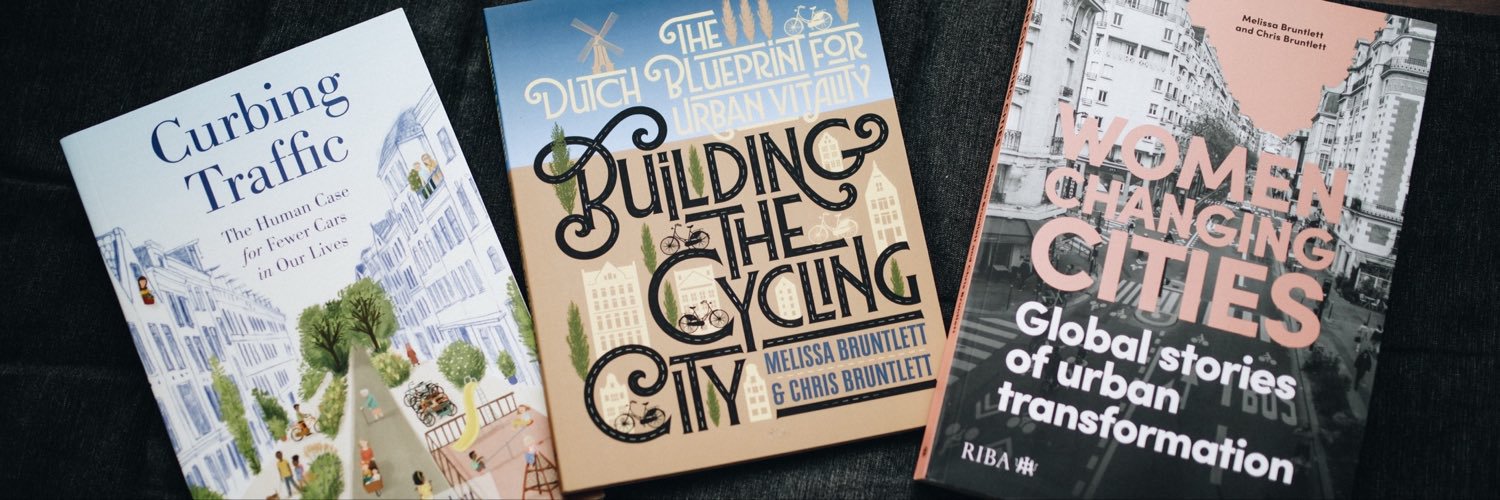
Our new book, “Women Changing Cities: Global Stories of Urban Transformation”, is NOW AVAILABLE worldwide through @RIBABooks wherever books are sold.
From Paris to Bogota, from Manila to Montreal—when women lead, cities thrive.
https://t.co/cmq8fBFHaT
Bike lanes strengthen bonds between kids and caregivers, foster curiosity about the world, and connect families to their neighborhoods.
Moments that won't show up in traffic models but are just as valuable—helping children develop, relationships flourish, and communities thrive.
What can the world learn from a century of Dutch experience connecting bikes and trains?
If we want to understand the future potential of bike-train intermodality to make cities more liveable, accessible and prosperous, we must first understand its past.
https://t.co/pzsLlOIJ23
🚲 How did the Netherlands become the cycling capital of the world?
In the latest episode of the Micromobility Podcast, Prabin Joel Jones speaks with Chris Bruntlett, International Relations Manager at the @Cycling_Embassy, about the decisions, experiments, and infrastructure that helped transform Dutch cities.
(00:00) Intro
(01:45) Inside the Dutch Cycling Embassy
(04:13) What cycling in the Netherlands looks like
(08:11) The history behind Dutch cycling
(12:19) Building a successful cycling network
(19:27) Designing streets for people, not just cars
(23:56) Why safe streets matter for children
(27:22) Cycling's health and economic benefits
(29:22) Why the Dutch still own cars
(34:44) The rise of e-bikes
(39:48) Managing faster bikes and new mobility
(45:39) Fat bikes and changing cycling culture
(51:49) Why shared bikes face challenges
(58:13) What American cities can learn from the Dutch
(1:01:57) The bicycle is the tool, not the goal
Chris shares a powerful takeaway for city leaders. The bicycle is the tool, not the goal. The real objective is to build healthier, safer, more inclusive, and more liveable cities.
https://t.co/6gmR4rAQdU
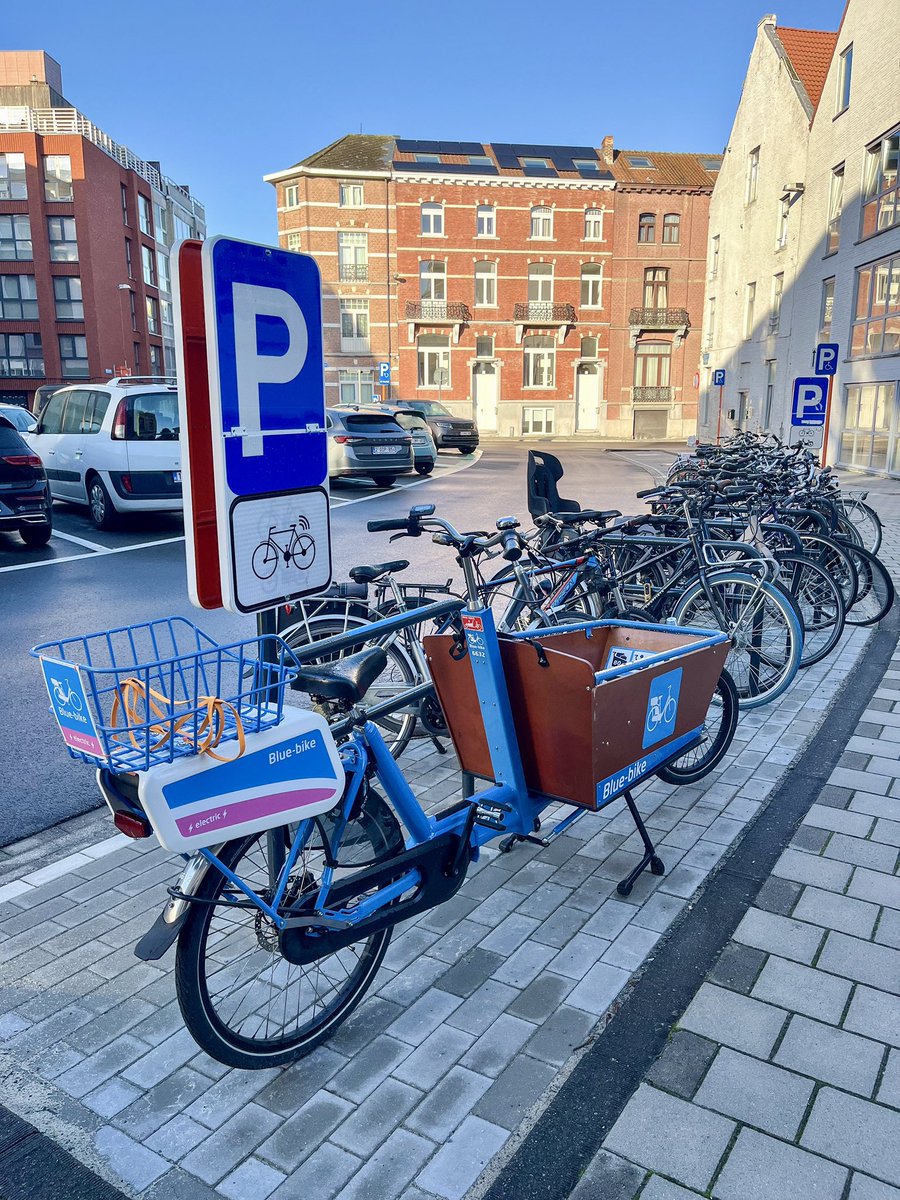
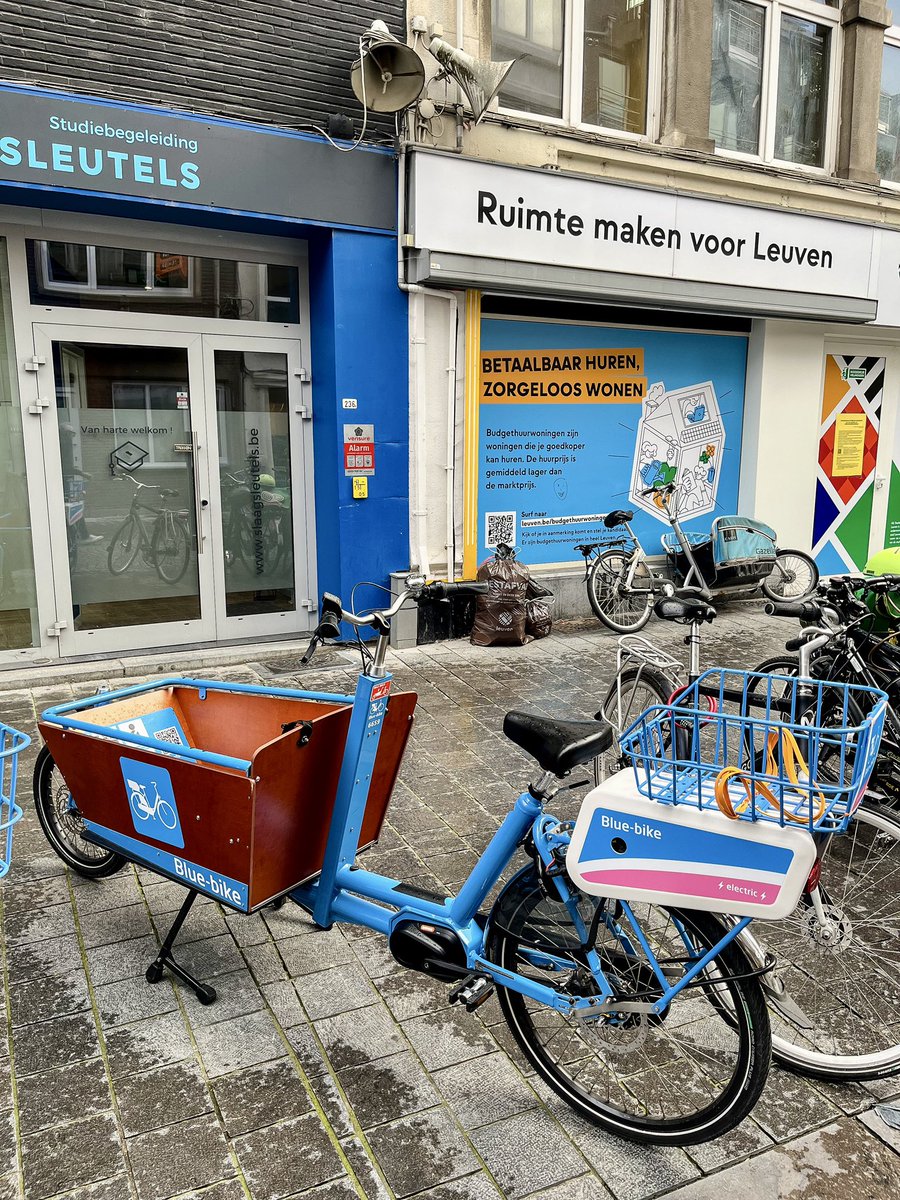
Operated by Belgian railways, Blue-bike is a national share bike system with 4,000 (e-)bikes at 300 locations.
This year it expanded its offering with an e-cargo bike at 34 locations; making it easier to haul groceries, ferry kids, or tackle everyday trips that might need a car.
But the main lesson is cities don't necessarily need more road capacity to improve accessibility. Sometimes, they need to change who gets to use their streets and for what purpose. And making a city easier to move through does not have to mean making it easier to drive through.🔚
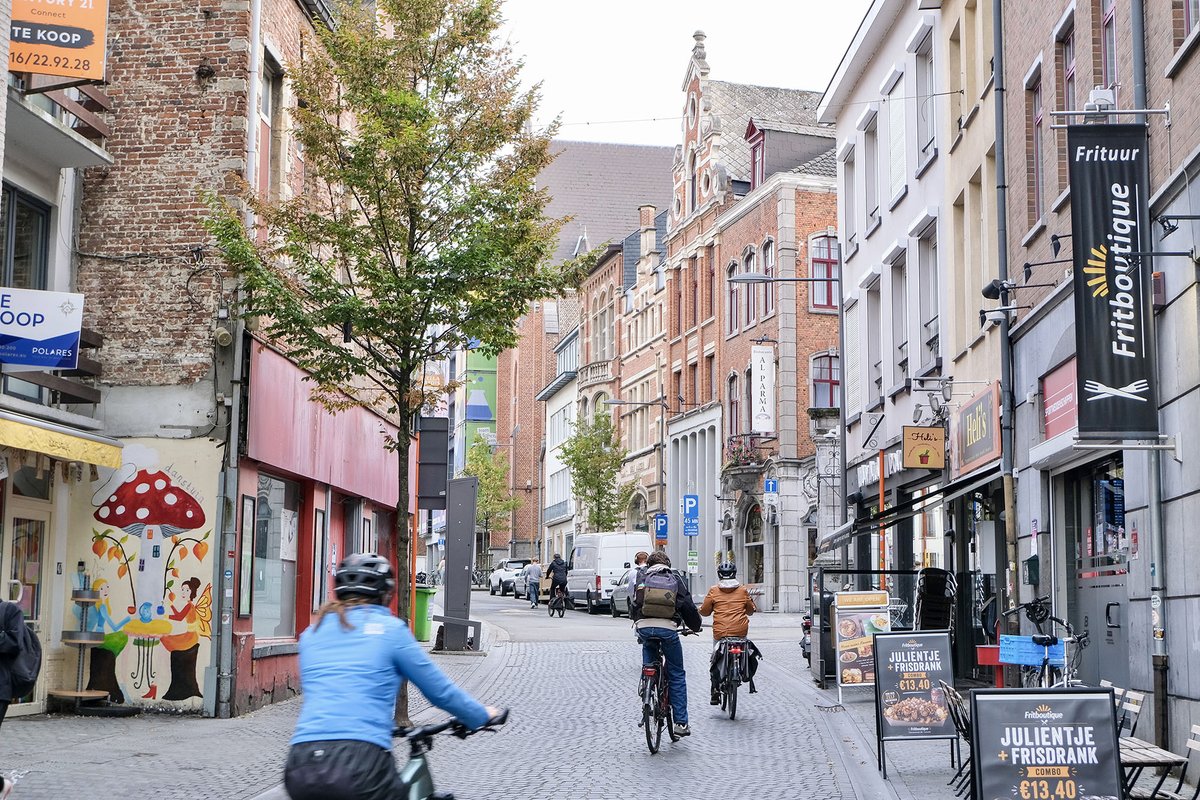
In 2016, Leuven made a bold decision: instead of trying to accommodate ever-increasing car traffic, it would change the rules of the road entirely. A decade later, the Dutch-style circulation plan has drastically improved the city’s accessibility, liveability, and public space.🧵
Leuven offers a takeaway for cities struggling with car dominance. Building bike infrastructure matters, but the wider organisation of traffic matters as much. A network of cycle routes cannot reach its full potential if streets remain choked with drivers using them as shortcuts.
Leuven might be the best cycling city you’ve never heard of.
37% of trips are by bike; not by accident, but rethinking streets, reducing car dominance and recirculating traffic.
While most eyes are on the big capitals, Leuven is another example of a small city making big moves.
Therefore, the main takeaway from the Netherlands shouldn’t be to just build more bike lanes. It should be to make the act of cycling easy at first, and let the network grow from there. As Dutch planners learned long ago, the most important part of a bike plan is the car plan.🔚
A key lesson from Dutch cycling history is cities didn't start with protected lanes. They began by making streets safer and more inviting—with lower speeds, parking restrictions, traffic filters and reduced through-traffic to create an environment in which bikes could flourish.🧵
The better approach is to create the conditions for cycling first: build demand then invest in high-end infrastructure where the numbers justify. Not every street needs a protected lane, and sometimes the most important intervention is a street where cars are slowed or filtered.
@EricEatsPickles@Marty0112379 Seriously. Have you read our first and third books? A quick search will also reveal our social media feeds are otherwise filled with dozens of global cities we visit each year to help them build their emerging cycling infrastructure and culture—often in places where none exists.
While some cities still say, “That would never work here,” others are setting aside excuses and turning ambition into action—reclaiming streets, reimagining mobility, and shaping inclusive public spaces.
35 cities in 20 countries we visited this year that are leading the way.🧵
Dutch cyclists take 300 million day trips and 5.85 million overnight trips per year, generating €3.6 billion for the economy and 39,000 full-time jobs. In Europe, cycle tourism accounts for 28% of the bike industry’s total economic and employment impact.
https://t.co/yvt0hWjpeR