okay one thing I keep coming back to about AI content
people talk about it like the tools are the problem.
"tools are bland, tools are generic, tools sound corporate"
some version of that complaint scrolls past me probably twice a day
the model is doing exactly what it was trained to do,
which is hand back the safest most-acceptable version of whatever you asked for.
if you ask for "an engaging LinkedIn post about leadership" you get the average of every engaging-LinkedIn-post-about-leadership it has ever seen
the average is the grandma post
the founder learning patience post
the one with "showing up" in it
specificity is the actual ask:
which writers you read,
what you saved this week,
the sentence that stopped you scrolling on a Tuesday.
if you skip that part you skipped the part where the work was
most people skip it because it requires having paid attention to content long enough to know what their taste is.
which is fine, honestly, but the flatness isn't really the model's fault at that point
what's actually happening in the feed right now is the gap between people who have taste and people who don't is suddenly visible.
for years the toolset was roughly the same, so the output was roughly the same. now you can tell, line by line, who's been doing the noticing
unpopular opinion: brand voice documents are written by people trying to describe how they want their company to sound,
which isn't the same thing as how their company actually sounds.
that's why feeding one to an AI doesn't really work
most of what people call an "AI content problem" is a taste problem.
the model produced what it was asked for. the asker just couldn't tell that what they asked for was bad
In the year of 2026 where ChatGPT automatically recognizes which language I'm dictating in and transcribes it almost FLAWLESSLY,
how is THIS stil Slack's transcription service?
@tnorthcutt@anielizarmly Started cycling last year. "Chamois" was "sham-wah", but was called out to be an asshole.
I would like this jury to analyze my case too.
Two AI content systems that changed how we operate completely (built them myself):
1. Weekly content bot that scans industry trends and drops 3 blog + 3 newsletter ideas into Slack every Monday at 9am
2. Daily revenue tracker that reports yesterday's sales and recommends content tied to top sellers
Everyone's first experience with AI content is the same --> You type a prompt, get something generic, rewrite it for 30 minutes, and end up with something that sounds worse than if you'd written it yourself.
Then you blame the AI.
But you were the one who gave it an empty brief. Would you do that with a new employee too?
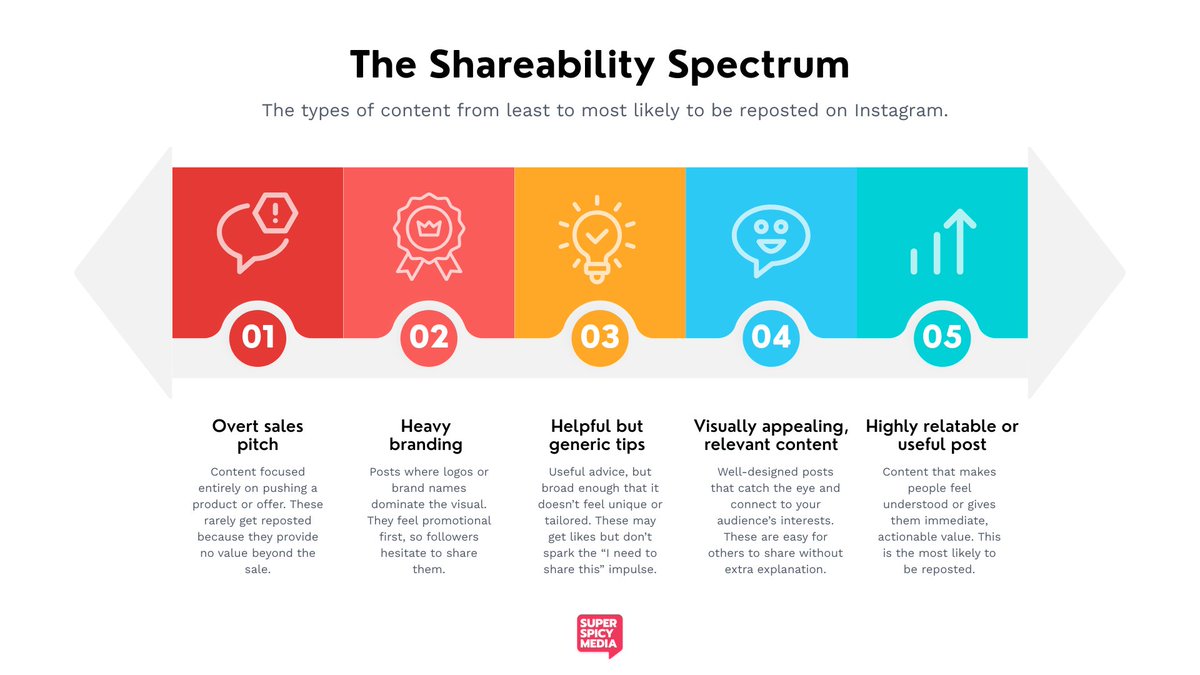
If your goal is ORGANIC reach and growth (0 ad spend), stop relying on generic tips or promotional pushes.
Instead, focus on relatable, visually appealing content that people WANT to pass along because they WANT to belong.
Where does most of your content fall on this spectrum?
My retail business, Your Soul Time, has grown to 2M+ in total revenue mostly organically through shareable content.
I've dedicated years of my marketing life to helping brands grow through good organic content and what I've learned is 👇
In 2019—long before Instagram’s Repost button—Seth Phillips grew from 0 to 1.4M followers in two months and hit 4M by early 2020.
All from holding cardboard signs with messages like “Stop replying all to company-wide emails.”
A 🧵 on how to create content that gets REPOSTS
👉 Focus on clarity --> If people “get it” and relate to it in 1 second, they’ll share it.
👉 Don’t just push content YOU want to post --> Create the content your audience wants to show others.