Weather West update on a prolonged and very likely record-breaking March heatwave in the western U.S. that will begin Thursday in some areas & actually not reach its peak for another 7-10 days in some spots. This forecast is truly extraordinary for March. https://t.co/yAFTyqavzM
U.S. agriculture policy isn't shaped by science, public health, or initiatives like MAHA.
It's shaped by the agribusiness lobby, which happens to outspend almost all other industries.
In 2023, the agribusiness sector spent $179 million on lobbying, more than defense and more than oil and gas.
Agribusiness employs more than 1,300 lobbyists, or ~2.4 per member of Congress, and spends over $300 million per election cycle buying access to the people who write farm and chemical policy.
There are three primary outcomes that this money and influence buys.
The U.S. permits 72 pesticides banned in the EU, 17 banned in Brazil, and 11 banned in China. In 2016, American farms applied 322 million pounds of EU-banned pesticides.
Paraquat, linked to a 250% increase in Parkinson's risk, is banned in 70+ countries but still sprayed across U.S. farmland. The EPA has essentially abandoned non-voluntary pesticide cancellations. Removing a chemical from the market now requires the manufacturer's consent.
The revolving door between government and industry keeps the maintains the system.
Michael Taylor went from Monsanto lawyer to FDA Deputy Commissioner not once but twice. He oversaw the regulatory framework for the products his former employer sold.
Linda Fisher moved from EPA to Monsanto and back to EPA.
As of late 2025, four of the top officials in the EPA office responsible for pesticide regulation came directly from the chemical industry and 25 of 37 nominees to EPA, DOE, and DOI had ties to the industries they're in charge of regulatating
The Farm Bill props it all up by heavily subsidizing corn, soy, wheat, cotton, and rice.
Meanwhile, total subsidies for all specialty crops have been ~10% lower than subsidies for corn alone.
The system financially rewards the crops that maximize chemical input sales, not the ones that feed people well.
This system is not going to change until we shut down the agribusiness lobby, close the revolving door and make the farm bill or farmers, not chemical companies.
The metrics we use to assess livestock's climate and nutritional impact are fundamentally flawed and influence misguided policy decisions that ultimately harm ecology and human health.
Firstly, methane isn't carbon dioxide and shouldn't be accounted for as such.
Prevailing accounting methods treat methane as 27× more potent than CO₂. This conflates two gases with drastically different atmospheric behavior.
CO₂ accumulates for centuries. Meanwhile, methane breaks down in about a decade. Yet this distinction isn't accounted for.
Under the GWP* (a newer metric that accounts for this difference), reducing livestock methane by just 0.35% annually would halt further warming from agricultural methane. A 5% annual reduction would actually reverse warming to 1980 levels.
This reduction can be achieved easily through accessible and scalable management practices like fermented forages, seaweed supplements, livestock genetics, improved grazing, and microbiological manure management.
Second, standard accounting methods blame livestock for their emissions while overlooking the emissions that would occur in their absence.
If we remove livestock from a grazing landscape, that ecological role doesn't remain vacant.
Wild herbivores move in. Termite numbers surge. Wildfires become more frequent and intense. All of these produce significant greenhouse gas emissions, often comparable to or exceeding those from livestock.
Also, healthy grassland soils contain methane oxidizing bacteria that naturally absorb and break down atmospheric methane. This acts as an emissions sink that's quantifiable but rarely factored into Life Cycle Assessments.
Third, livestock water footprints are not measured accurately.
Most water footprint calculations treat rainfall falling on grazed land as consumed water. This artificially boosts the water usage figures for grassland-based systems, even though it has no actual effect on scarce freshwater resources.
As a result, areas like mountain pastures (which can't support crop farming anyway) are assigned enormous water footprints.
Meanwhile, the real issue – how much these systems truly compete for limited water resources – gets overlooked.
Fourth, protein quality is more important than quantity, but that's not accounted for.
The Digestible Indispensable Amino Acid Score (DIAAS) – a measure of how well proteins provide essential amino acids – for milk and meat typically ranges from 100-120%. In contrast, plant-based meats score between 60% and 80%.
The nutrition facts label on grass-fed beef is nearly identical to that of plant based alternatives, but metabolomics studies show a 90% difference in nutritional profiles.
Beef is significantly more abundant in health-promoting metabolites like amino acids, vitamins, dipeptides, phenols, tocopherols, and more.
Even more problematic, basic carbon footprint labels might encourage choosing low-emission but nutrient-poor options like sugary processed foods over high-quality, nutrient-dense foods.
Lastly, the sheer efficiency of livestock cannot be overlooked, but too often it is.
Ruminants convert grass and food industry byproducts into high-quality protein, upcycling 3–4× more net protein to human diets than pigs or chickens.
Crops occupy about 12% of Earth's land. Livestock utilize an additional 37%, mostly land that can't grow crops.
The efficiency question isn't livestock versus crops. It's what's the best nutritional output from land that has no alternative use.
No single metric captures the complexity of livestock systems.
We need a multifactorial assessment that factors in methane's distinct atmospheric behavior, overlooked ecosystem baselines and sinks, accurate water scarcity measures, nutritional bioavailability and quality, and ruminants' essential role on marginal land.
New Weather West post out this evening: "Following a cool and wet October, a much warmer and drier November to come across California." I'll talk more about this in Monday's YT livestream, in addition to Hurricane #Melissa. #CAwx#CAfire https://t.co/uxVCB3E9r1
Klamath salmon are spawning in the Williamson River 4 the 1st time since the early 1900s. This pivotal moment is a testament to decades of activism, rigorous scientific research & advocacy from Klamath Basin Indigenous communities & allies. Photos by Paul Wilson/Klamath Tribes
Cover crops increase infiltration of rainfall by as much as 6x, decrease sediments lost to erosion by as much as 20 tons/acre, and reduce nitrogen and phosphorus losses by as much as 90%.
An orchard with cover crops versus an orchard with bare soil after 3 inches of rain:
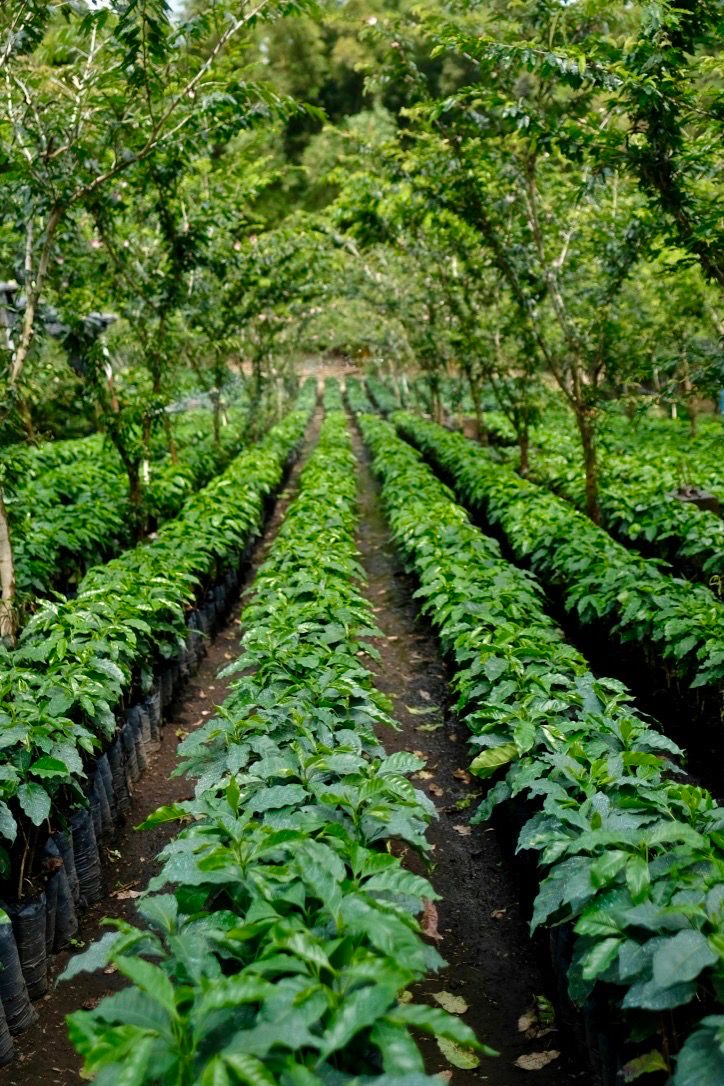
Each coffee seed carries with it an estimated 300 different species of endophytic bacteria and fungi that provide a broad spectrum of nutrients, disease suppression, flavor expression and other invaluable services. These microscopic partners have co-evolved with coffee plants over millions of years, creating an intricate support network that modern science is only beginning to understand.
One study showed the Bacillus lentimorbus achieved a 63% reduction in coffee leaf rust severity in field conditions—performance that rivals synthetic fungicides without the negative knock on effects. Imagine the collective endophyte community: hundreds of species working in concert, providing plant-available nutrients, triggering plant defense systems, and outcompeting pathogens for resources.
These beneficial endophytes are passed on from one plant generation to the next through seeds—a process called vertical transmission. But in coffee, the typical management paradigm completely disrupts this process of microbial inheritance. Varietal development takes place in overly sterile environments, with sterilization protocols eliminating pathogens and beneficial microbes alike. Modern breeding programs oftentimes bypass seeds altogether through vegetative propagation, severing the primary pathway for endophyte transmission. Propagation and nursery development commonly involve more than a dozen different pesticides that wipe out the entire microbial population.
On several projects we've implemented a biological system of propagation and nursery management that preserves and enhances the natural endophyte communities while building robust root systems through careful microbial and nutrient management.
Trees developed through this method show remarkable vigor—flowering and fruiting at just two years old, compared to the typical three to four years. These plants remain disease-free throughout their field lifecycle, due to the foundation of intact microbial partnerships. Additionally, these plants prove to be significantly more efficient in the uptake of nutrients
By treating the coffee nursery as a living, dynamically evolving ecosystem, we unlock the full genetic and productive potential of each tree, ensuring exceptional fruit quality, disease resistance, and sustained productivity throughout its lifecycle.
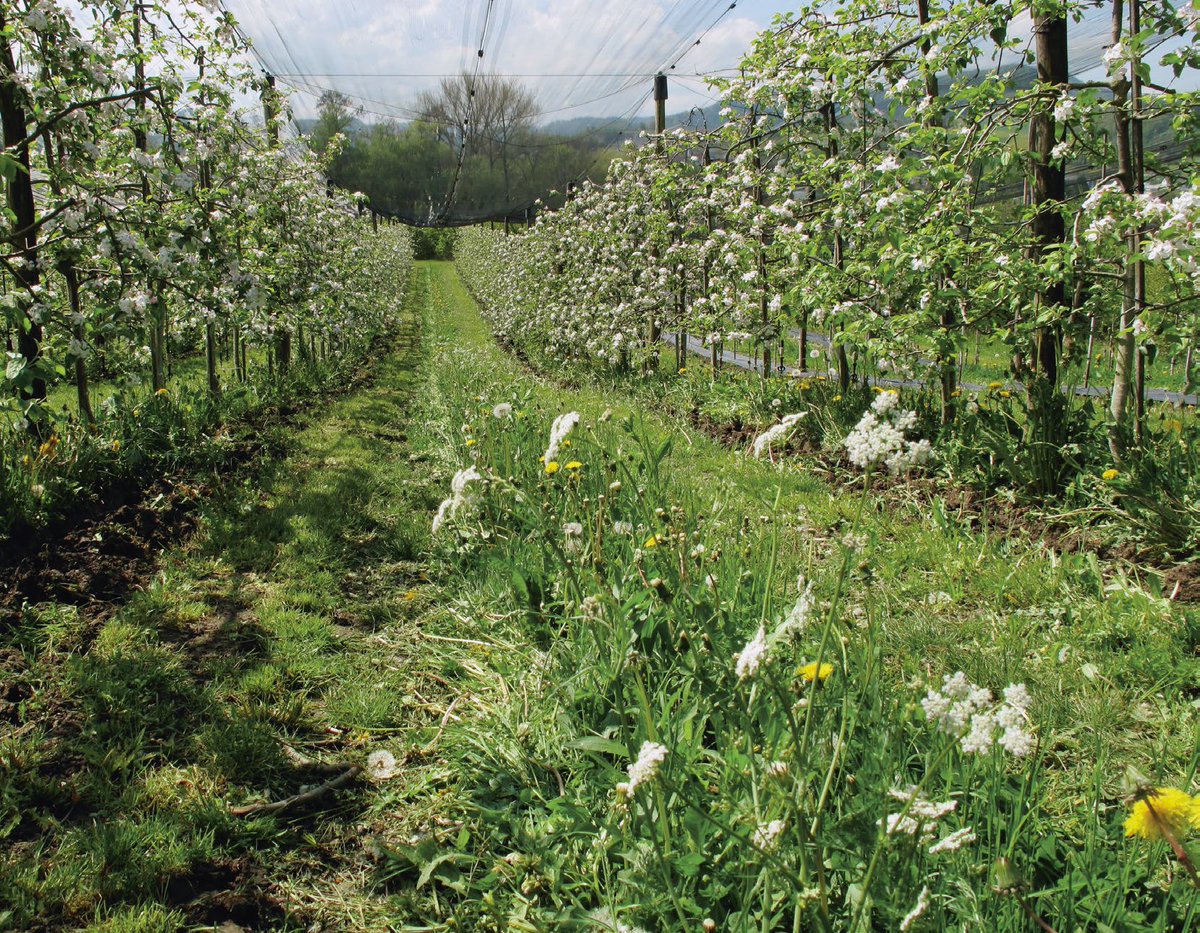
Apple orchards featuring strategically planted perennial wildflower strips have up to 61% fewer pest infestations compared to orchards without flower margins.
This simple approach allows for dramatic pesticide reduction and higher profit margins, especially when used as part of an integrated strategy.
The rosy apple aphid and codling moth are destructive pests that damage crops by feeding on plant tissues and boring into fruit, ultimately causing significant yield losses and unmarketable produce.
Due to an overreliance on chemical controls, many orchard pests have developed resistance to insecticides, and repeated applications disrupt the natural predator populations that would otherwise keep pest numbers in check.
By providing habitat and nectar resources for predatory insects like hoverflies, ladybirds, and parasitoid wasps, flower strips maintain pest incidence below the damage threshold, at which point insecticide intervention would be required to save the harvest.
Trees with adjacent flower strips host up to 38% more natural enemies of aphids, resulting in 15% less fruit damage from rosy apple aphids compared to control plots.
Multi-year farm trials demonstrated that orchards with flower strips containing 20-30 species maintained aphid damage below economic thresholds for several consecutive years without insecticide applications.
Flower strips can save growers substantial money—up $4,000 per hectare annually—as they reduce the need for pesticide inputs while also providing a necessary solution for those pests that have developed resistance to conventional controls.
The benefits of flower strips are amplified when integrated with targeted biocontrols and optimized plant nutrition programs.
Releasing predatory mites like Typhlodromus occidentalis achieves 85-95% control of spider mites, while entomopathogenic nematodes applied to soil target codling moth larvae during their vulnerable pupal stage, achieving 70-100% mortality rates.
On the nutritional front, proper calcium management strengthens cell walls and reduces bitter pit by 70-80% while enhancing resistance to apple scab and other fungal diseases.
Balanced NPK management prevents the excessive nitrogen that attracts aphids and promotes disease-susceptible growth.
Boron provides enhanced pollen tube development, while simultaneously increasing nectar production in both apple blossoms and flower strip plants—creating superior food resources for the beneficial insects essential to biological pest control.
Silicon creates physical barriers that reduce pest digestibility while enhancing herbivore-induced plant volatile signals to attract natural enemies from flower strips.
This integrated approach – combining habitat management through flower strips, biological agents, and nutritional optimization – creates resilient orchard ecosystems that achieve significant pest reductions while cutting chemical inputs by 40-60%, generating economic returns of $3,000-4,000 per hectare in high-value apple production.
Here is the 1st video of a Klamath River salmon passing the Keno Dam fish ladder in 100+ years. This is another positive sign that the river is on the path to recovery following the removal of 4 dams last year. While much work remains, there is genuine reason for optimism.
I'll have my second pop-up YouTube livestream of the day at 4pm PT to discuss the now significant and expanding wildfire outbreak in Northern California due to dry lightning. I'll have a live weather radar, satellite, and fire camera tour. #CAwx#CAfire https://t.co/rqW5aTNgx3
New Weather West post on extreme (and likely record-breaking) western Canada and PacNW ridge/heat event, the likely subsequent wildfire outbreak, and the (modest) spillover of this heat into CA (including some potential surprises). #CAwx#CAwx#ORwx#WAwx https://t.co/e4NXvFm9hR
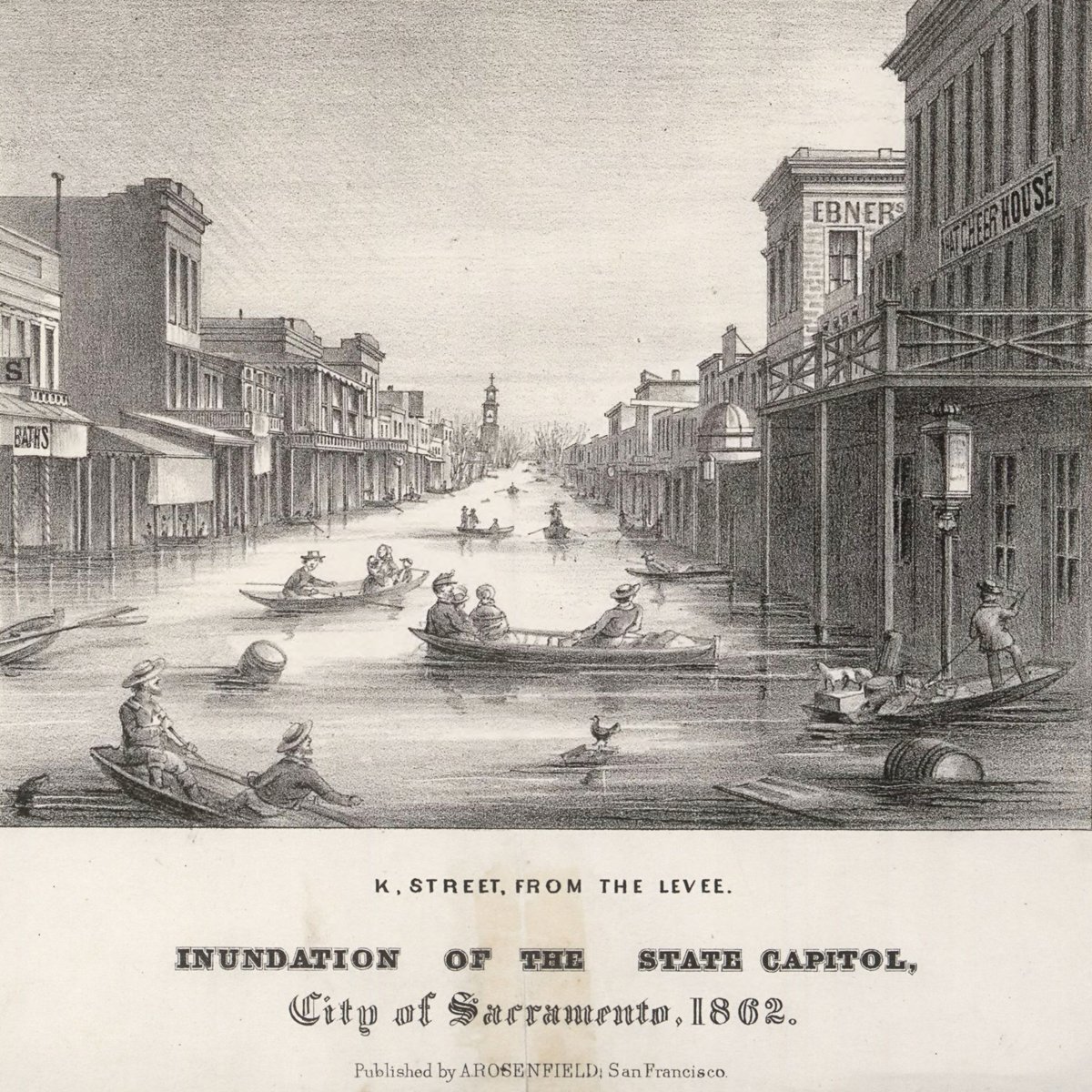
When people think of the “Big One” in California, they imagine a catastrophic earthquake.
But the real Big One will be a megaflood, that could cause over $1 trillion in damage and become the worst natural disaster in world history... (thread) 🧵
We are ready for serious investors and philanthropists. Only those with spiritual devotion to regenerating the Earth need reach out to us.
We are not looking for scam artists who seek more wealth for themselves. And we are doing the structural work that can flow tens of millions of dollars to on-the-ground projects in different parts of the world.
Please reach out if this resonates with you.
This Thursday I will give a talk about how regenerative design can increase Earth's carrying capacity -- as part of a series hosted as a partnership between r3.0 and the Design School for Regenerating Earth.
Come join us!
https://t.co/DXDoBAPbzS
Prepare to be amazed.
Agronomic insights from a first principles perspective. Looking at root causes, and identifying how to shift them.
Beats the large AI engines by a bunch on agronomy related topics.