At @NSF NCAR, we study the Earth system, from oceans to exosphere: weather, water, climate, air quality, space weather + more. Operated by @UCAR_News #NSFfunded
Pardon our dust 🚧 Expect roadwork & construction on the Mesa Lab road & parking lot this month. To maintain access to the building & trails, there will be temporary closures of parking lot sections & one-way traffic access managed by flaggers. Thanks for understanding!
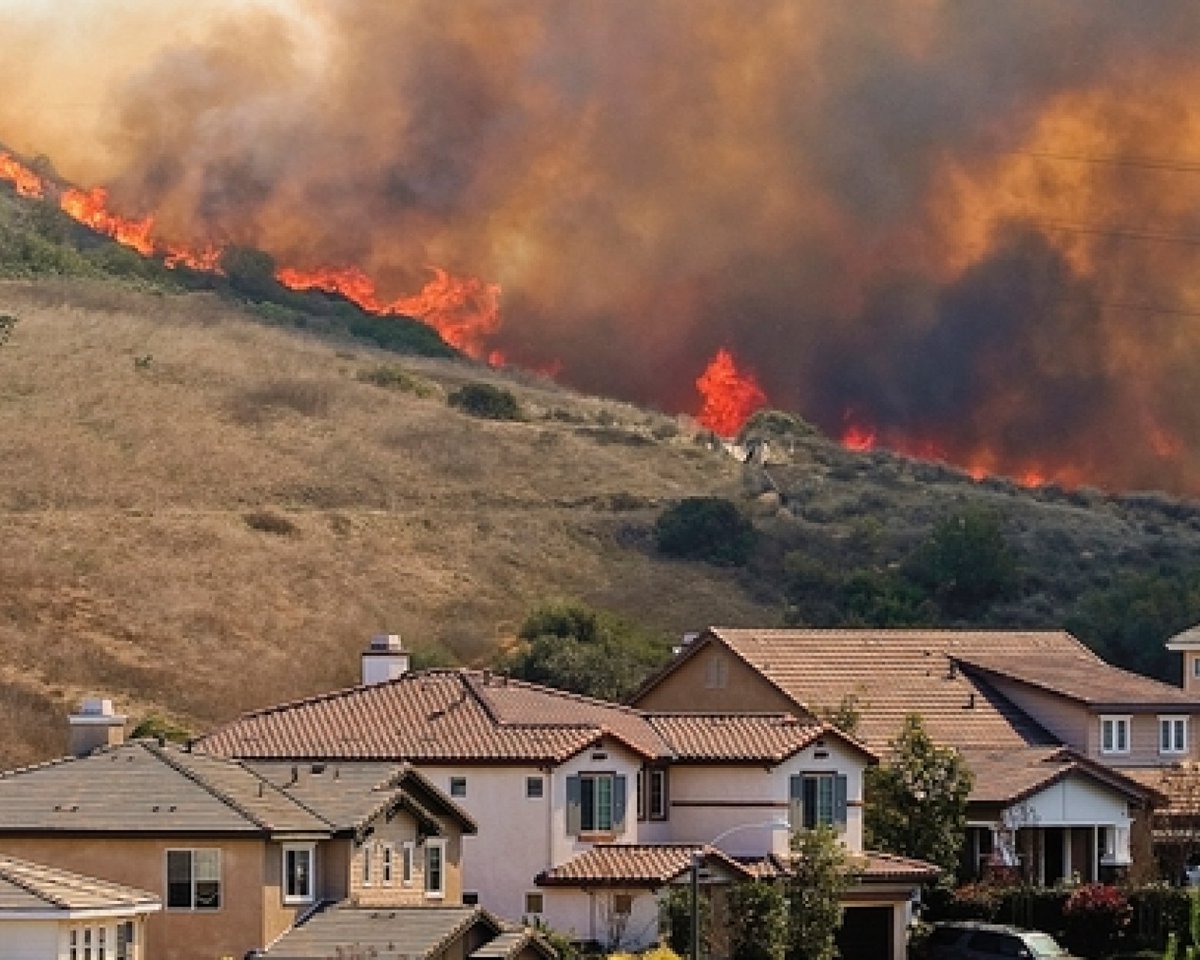
Towering "firestorm clouds" are largely a mystery. A first-of-its kind NASA project is working to change that, and a Broomfield-based NCAR plane is at the center of the mission.
https://t.co/A5BbUTSGLa
REMINDER: Today and tomorrow, NSF NCAR Mesa Lab road and parking lot, as well as nearby Boulder Open Space trails, will be closed to the public starting at 4 p.m. MDT.
The road will reopen for normal use on Sunday. Happy July 4th!
🎆 Boulder-area friends: The NSF NCAR Mesa Lab road, parking lot, and hiking access will be closed for the holiday starting at 4 p.m. on both July 3 and July 4. The road will reopen for normal use on July 5. Thank you!
Let’s explore machine learning and subseasonal forecasting! In Tuesday's virtual Explorer Series conversation, Kirsten Mayer discusses how NSF NCAR scientists use machine learning to uncover what conditions make long range forecasts more accurate.
Details: https://t.co/jMEDGuOZy1
For National AI Literacy Day, NCAR CISL scientists will discuss AI machine learning models & visualizations along w/ emerging opportunities & challenges of AI application in Earth system science. Join us virtually on Friday, March 27, at 11 AM MDT. https://t.co/BVFqZaCecS
To prevent collisions of satellites and other "space junk," we need to predict the weather in space, just like we predict the weather on Earth. Join the NSF NCAR Explorer Series (virtually or in-person) to learn more about how researchers do that: https://t.co/kVB2n5M4ij
NSF NCAR and @SwRI researchers have created an AI-enabled forecasting tool that is a first step toward forecasting space weather weeks in advance, instead of just hours. Learn more: https://t.co/sGlef0W4BY
Our researchers have compiled the first nationwide inventory of emissions from structure fires in the wildland-urban interface. The inventory lays the groundwork for communities to be more prepared for and resilient to the impacts of smoke. Learn more: https://t.co/EK6NqGpSK3
We’ve got a new dataset that’s hi-res and research ready: MESACLIP. Researchers used two supercomputers to create the MESACLIP dataset which features the Earth system in unprecedented detail, including snow cover and sea surface temperatures. Learn more: https://t.co/1A4uzHpJkv
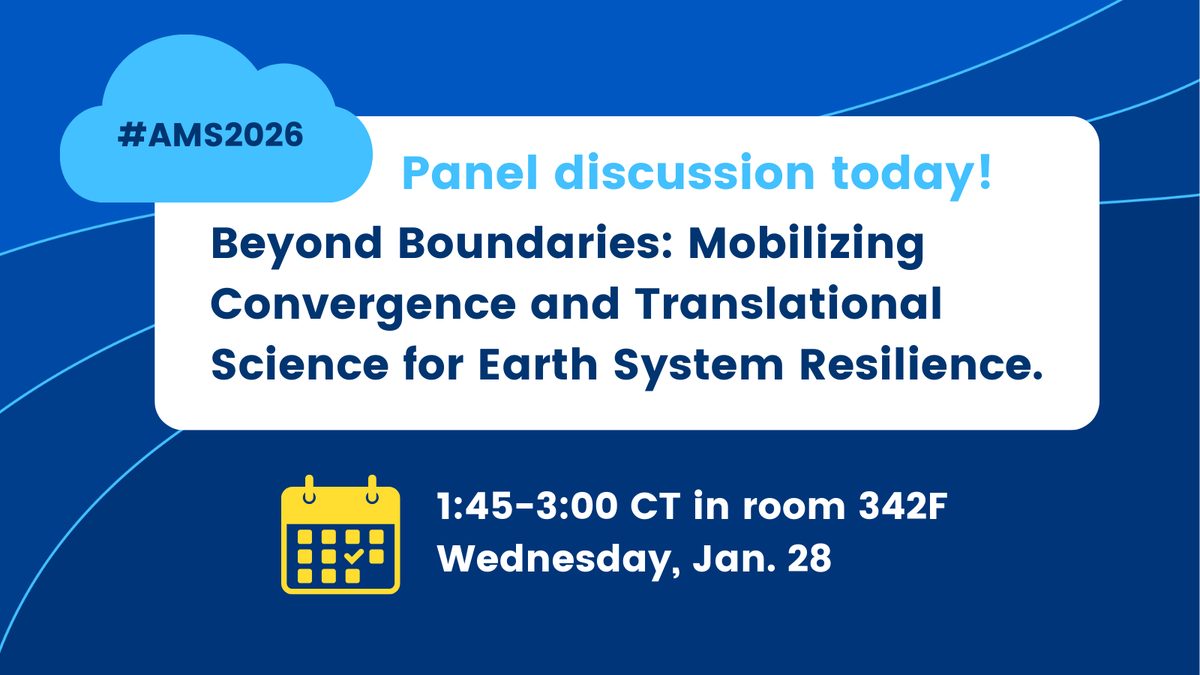
Join us at #AMS2026 to learn about one of NSF NCAR’s signature initiatives, the Convergence Science Program. We're bringing together the community to overcome barriers and advance what is possible for translational science for our community. https://t.co/RLuHm2n62W
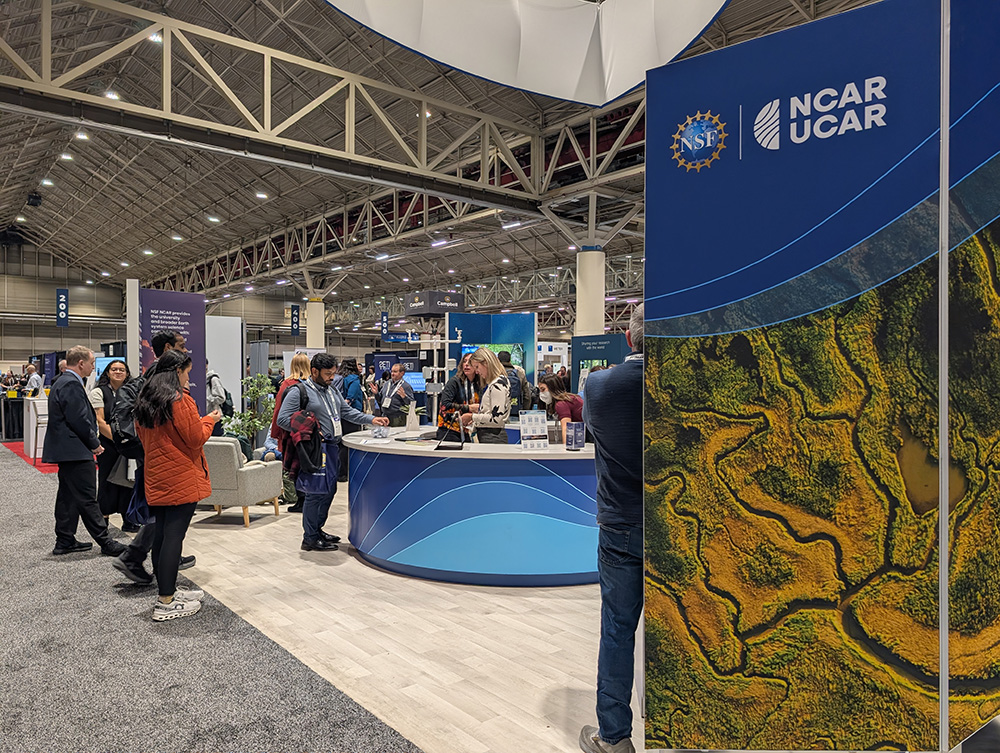
Weather nerds unite! 👊🦸♀️⚡️ We're so thrilled to be in Houston for #AMS2026. We hope you'll swing by our booth during the Exhibit Hall Opening Reception tonight and say hi! We can't wait to see you.
Check out our events and presentations:
https://t.co/Tw4hwwr2qa.
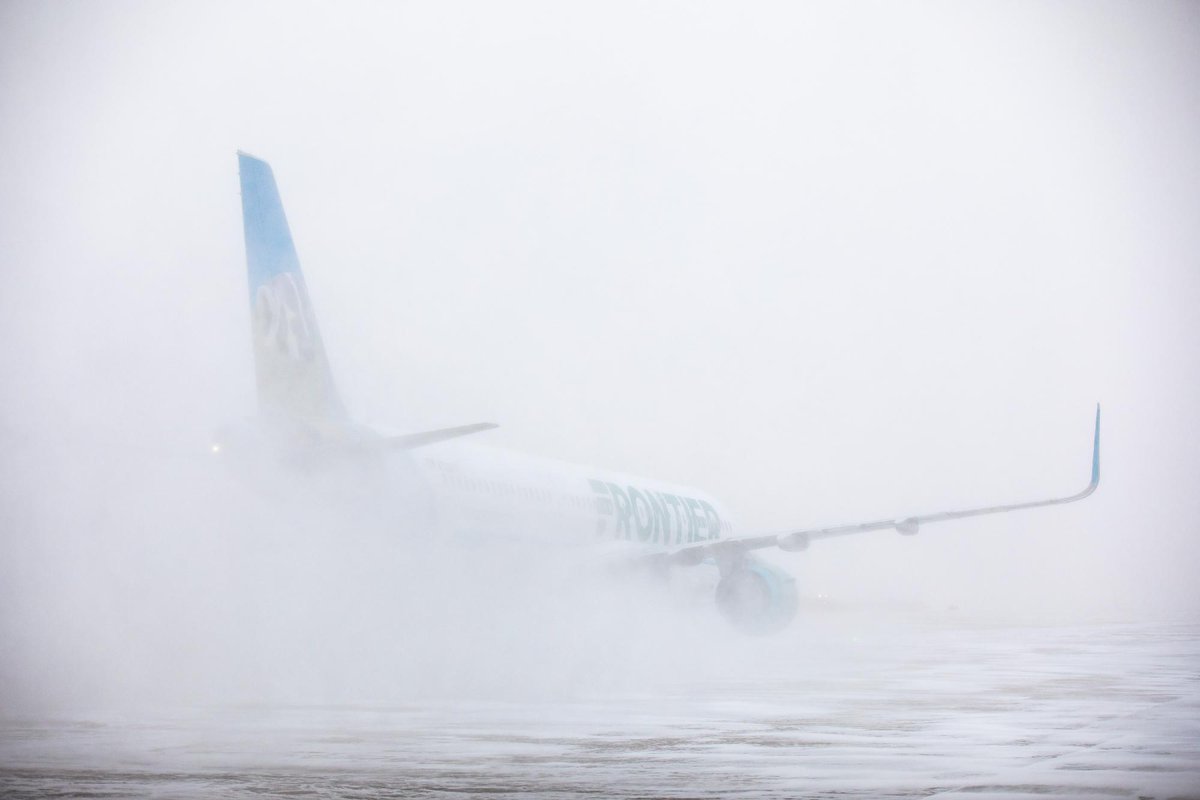
🎉 We signed up for another 5 yrs of working w/ @DENAirport to keep travelers safe when winter wx threatens their plans. ❄️ ✈️
We developed advanced 💻 models and AI techniques to forecast snow and ice at specific points on runways.
https://t.co/N4JF9Zy64T
📸 Courtesy DIA
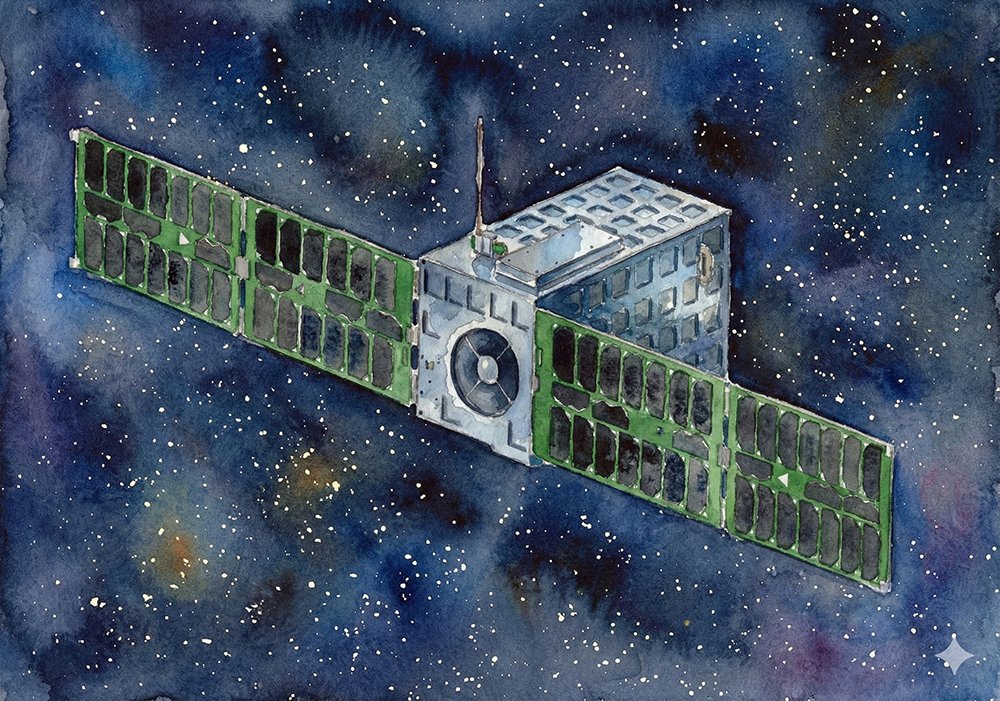
What's better than 1 mission into space? 2! 🛰️ 🛰️
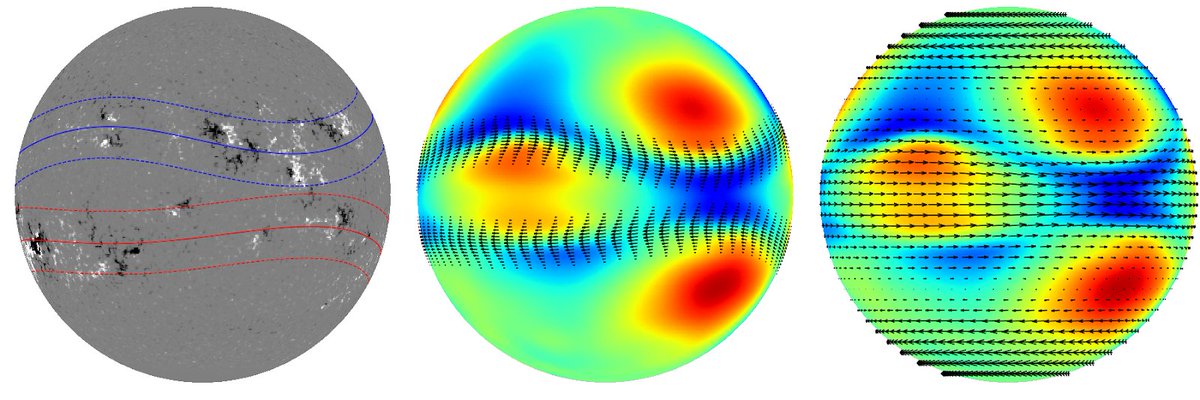
NASA has announced that our CMEx small explorer and STRUVE cubesat missions can advance. Both missions will give us an unprecedented view of the Sun's mysterious chromosphere.
https://t.co/TfiLrPdJRv
https://t.co/XNIAzBasR4
#Boulder friends: Our Mesa Lab will be closed to the public tomorrow, Dec. 17, in advance of an expected power shutoff related to extreme wind and high fire danger. For updates, visit https://t.co/2VbicCkr2L. Stay safe out there neighbors!
It's the most wonderful time of the year. Though we don't mean 🎅 🎄 🎁. We mean @theAGU!
Come by and say 👋🏾 at our booth in the Exhibit Hall. Our 1st Science Showcase kicks off at 3 ET with info about the GDEX. Get more info on all our presentations: https://t.co/kCEhkSiCVq
This past summer, researchers aimed not only to get a better picture of the air in and around NYC, but how pollution ebbs and flows there throughout a 24-hour time period.
Learn how their study could help advance scientific understanding of urban air: https://t.co/7XYQpjbLh3
Introducing Fast Eddy 4.0, an open source, GPU-enabled microscale model filled with all new features, including:
🏢A model to represent building effects in the urban environment.
💨A generalized actuator disk model to represent wind turbine effects.
https://t.co/XjYAP1DTg2
Tomorrow (Sat, Nov. 1), expect increased activity at the NSF NCAR Mesa Lab as we host Super Science Saturday! There will be limited parking for those hoping to access the nearby #Boulder Open Space trails. Activities are planned from 10 a.m. till 4 p.m.