📢 In the June issue: public health misinformation, high-quality emergency care, deterioration response, chronic disease care, obesity care, cervical cancer screening, missed patient appointments, AI deployment, and patient storytelling. https://t.co/xkg0tOukAf 🧵👇
Memorial Sloan Kettering Cancer Center uses storytelling to help its leaders and staff envision the practical impact of strategic planning initiatives: https://t.co/ek9C6iu0Kf
Northside Hospital in Atlanta, Georgia, reduced inpatient mortality with DETER, an early detection and structured response protocol for addressing physiologic deterioration: https://t.co/8pz32c5VTE
An initiative at Kaiser Permanente Washington suggests that providing self-collect cervical cancer test kits for patients (to be used at home or at the clinic) can improve screening rates and access to care: https://t.co/HPuwFPSBcj
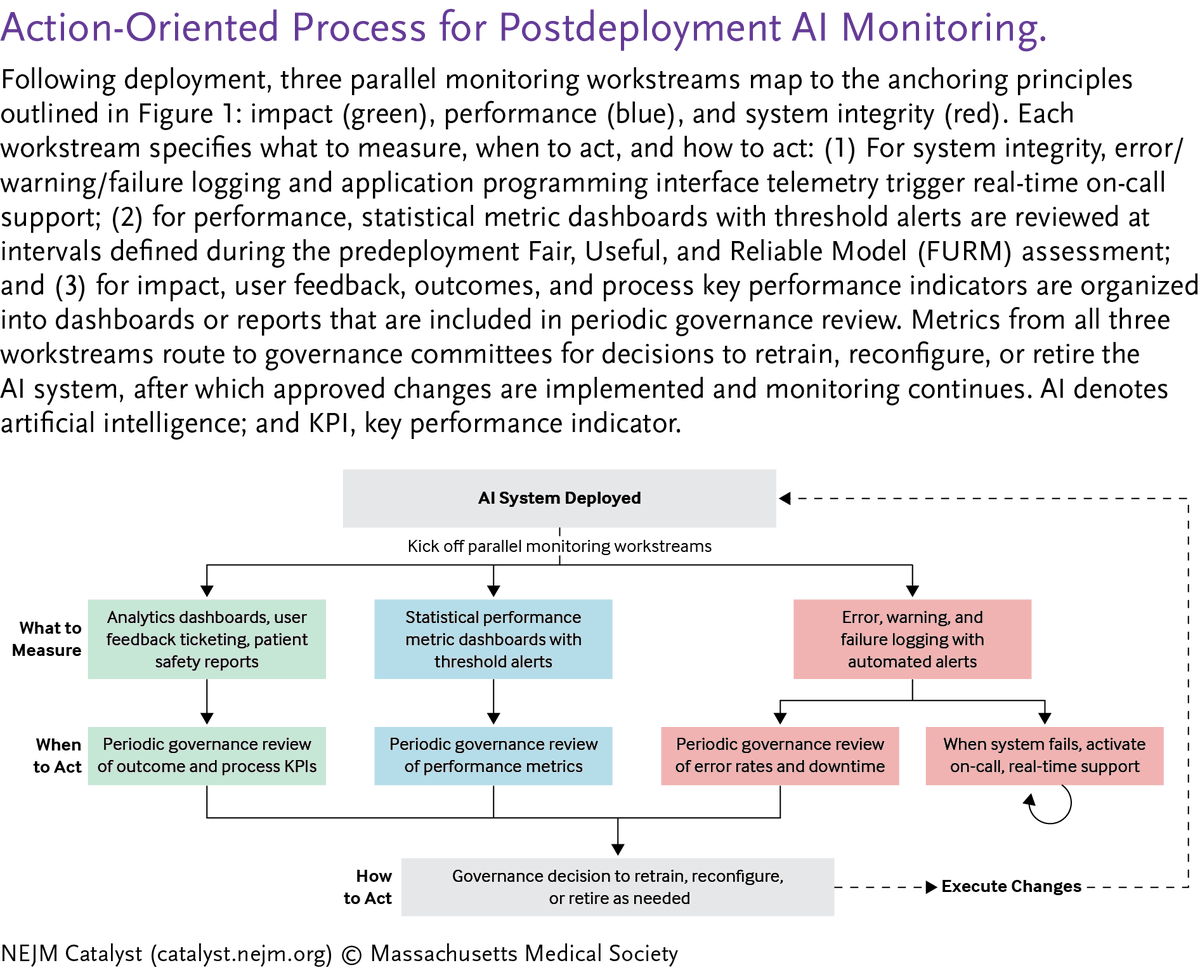
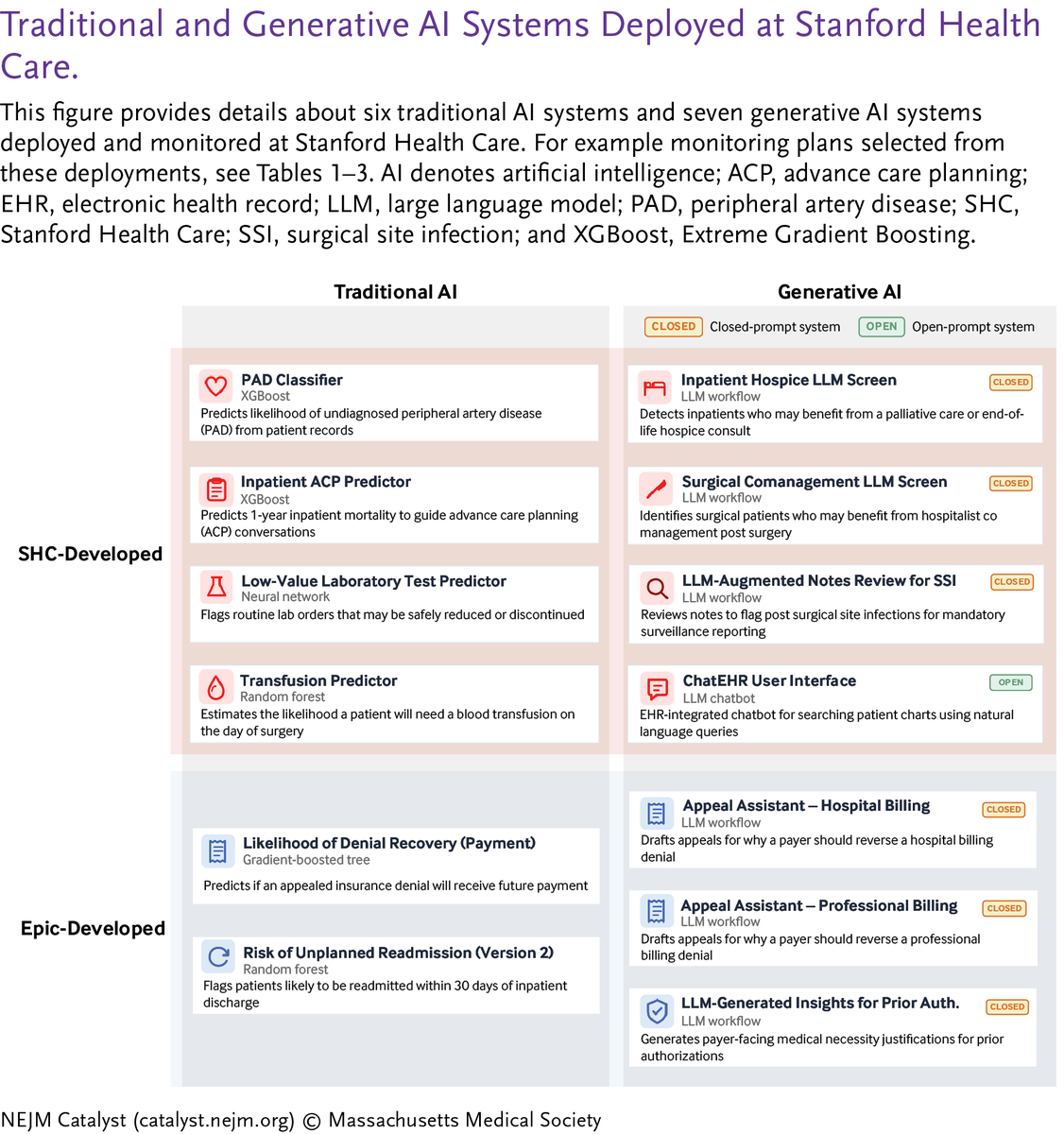
A practical framework for postdeployment monitoring of AI systems in health care and its application across 13 deployed traditional and generative AI systems to enable data-driven decisions about when to maintain, modify, or retire AI tools: https://t.co/3nmLvFSL66
A primary care–based weight management program at UNC Health uses counseling and medication to deliver clinically significant and financially sustainable results across nine counties: https://t.co/IuaOJGxJfJ
This case study of an initiative at Penn Medicine describes a process that included a 4-week trial period, followed immediately by implementation at scale, systemwide, which is expanding access to care and generating new revenue: https://t.co/ZbxTgG0gY2
Assessing Implementation and Impact of the 4Ms Framework to Advance Age-Friendly Health Systems, a special theme issue with the John A. Hartford Foundation - paper submission deadline today, June 1: https://t.co/dWeu06dMMQ
Only one day left to get your papers in for our special theme issue on age-friendly health systems! Learn more and share your work: https://t.co/dWeu06dMMQ
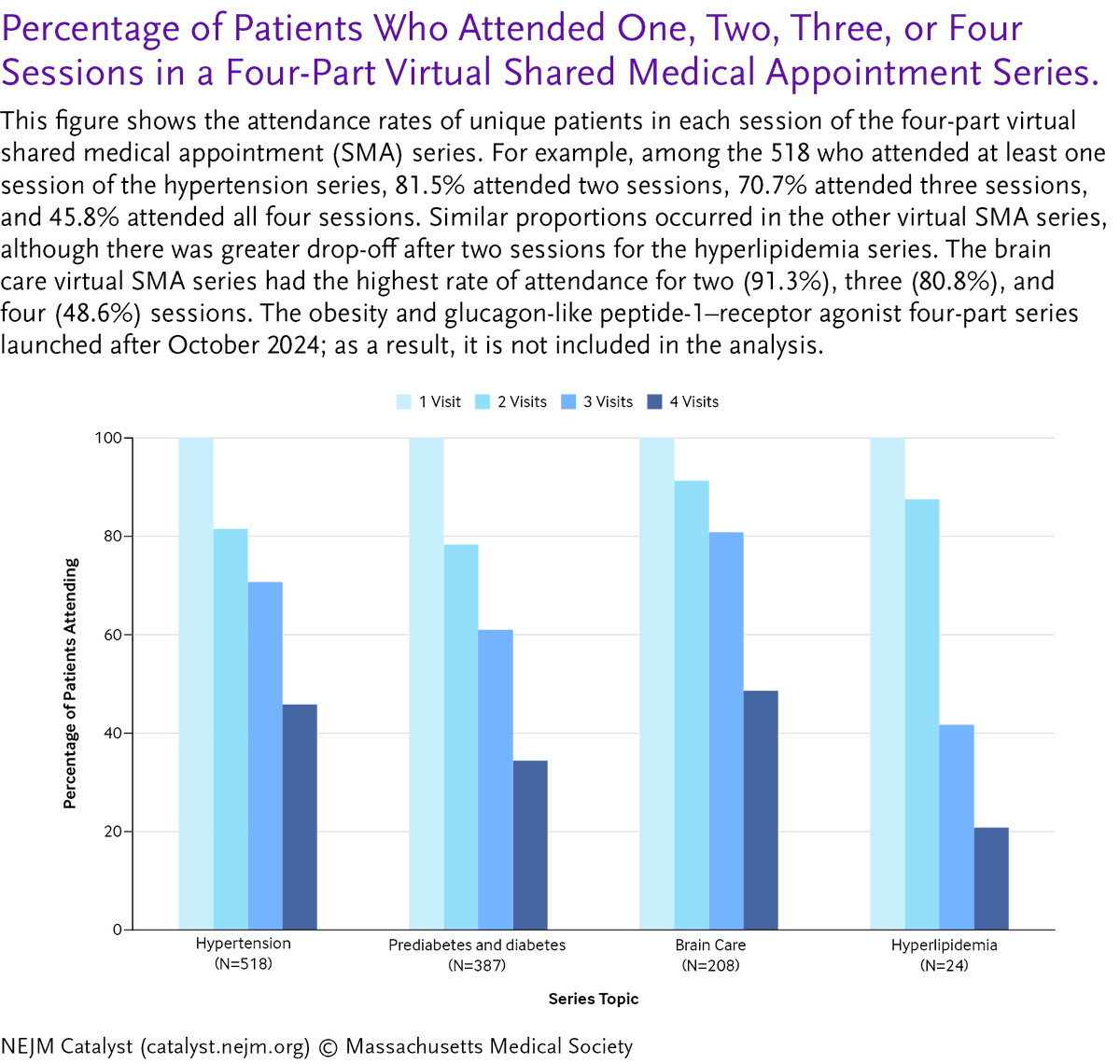
The primary care virtual shared medical appointment model at Massachusetts General Hospital has led to program growth and been associated with improved health outcomes, including blood pressure control, through its four-part hypertension series: https://t.co/4Zf1SjnVxt
Yale Emergency Medicine developed a comprehensive cross-domain approach to emergency care, from prehospital care to emergency department care to postdischarge planning, using an adaptive framework with emphasis on both Safety I and Safety II principles: https://t.co/lCsUZf7Dk7
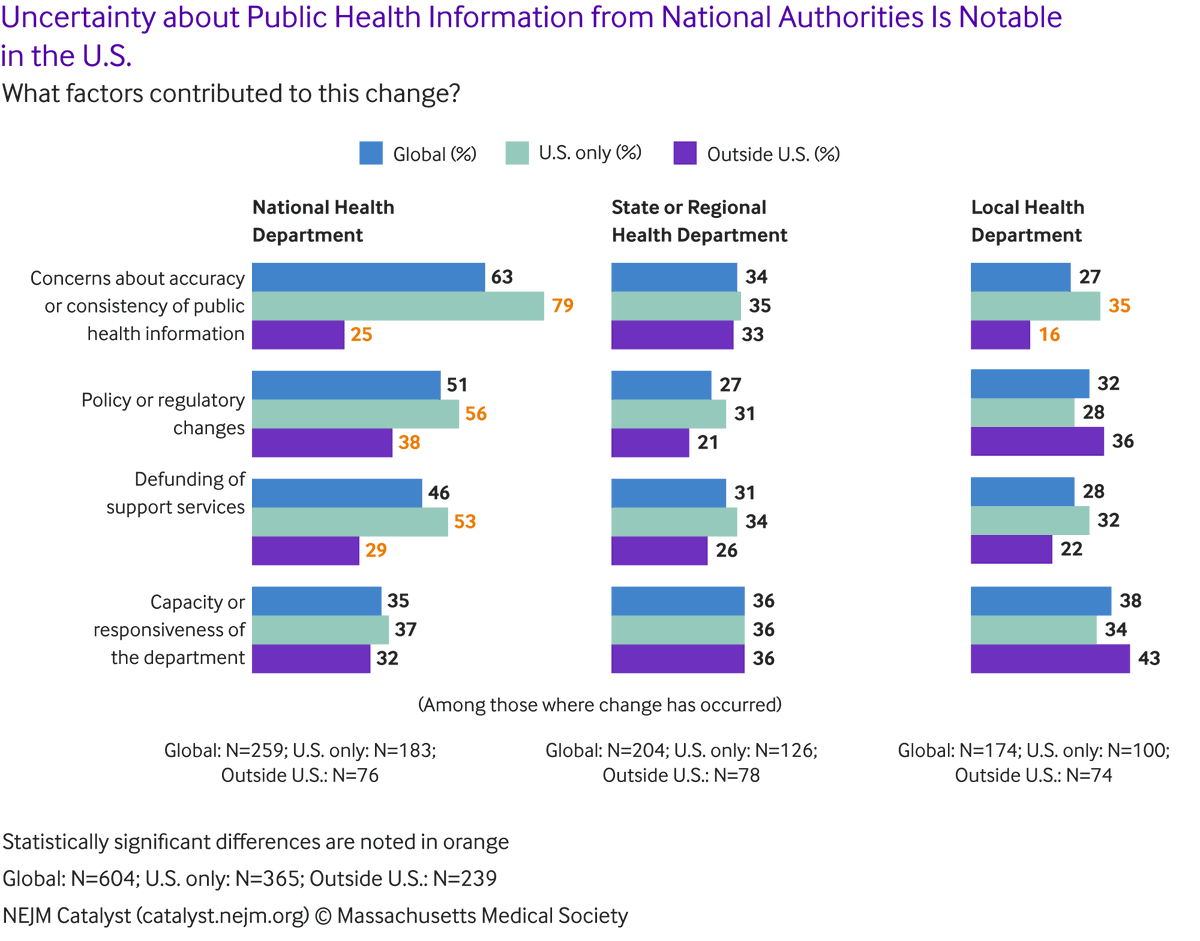
A survey of the NEJM Catalyst Insights Council finds substantial doubt, especially in the United States, that health care provider organizations can rely on federal agencies for accurate information about public health concerns: https://t.co/eokLyDzGcA
Our June 2026 issue includes reports on public health, high-quality emergency care, deterioration response, chronic disease care, obesity care, cervical cancer screening, missed patient appointments, AI deployment, and patient storytelling: https://t.co/eG4970ell8
By harnessing the emotional power and connective force of narrative, Memorial Sloan Kettering Cancer Center reimagined its approach to strategic planning — not as a static document, but as a shared journey: https://t.co/ek9C6iu0Kf
🧵 Many strategic plans falter because they fail to connect with the individuals responsible for bringing them to life. Memorial Sloan Kettering Cancer Center bridged the gap between strategy and execution using the age-old human practice of storytelling.
Call for papers (deadline June 1): Assessing Implementation and Impact of the 4Ms Framework to Advance Age-Friendly Health Systems — Special Theme Issue https://t.co/dWeu06dMMQ
This framework offers a starting point for health systems seeking to ensure that AI deployments remain safe and effective over time: https://t.co/3nmLvFTiVE
🧵 Postdeployment monitoring of artificial intelligence (AI) systems in health care is essential to ensure their safety, quality, and sustained benefit — and to support governance decisions about which systems to update, modify, or decommission.
and the difficulty of incorporating data-driven monitoring practices into complex organizations where conflicting priorities and definitions of success often coexist.