This archival footage from 1947 gives us an exciting glimpse into what it was like on early Antarctic expeditions.
Discover more about Antarctica at our exhibition, opening July 1!
Book tickets now: https://t.co/u53lw0xqkk
Last week we hosted Cameron Gravestock (Noongar) and Kamryn Sheppard (Muluridji/Djabugay), from the Emerging Curators Program at WA Museum Boola Bardip.
At NMA, they explored ways of displaying and preserving cultural objects to support communities reconnecting with culture.
Join us on Wednesday 10 June for the Australian of the Year panel conversation: Recognition, voice, change.
Three nationally respected leaders will share their lived experience. In-person or live-streamed tickets at https://t.co/Udp4Ys0rK6
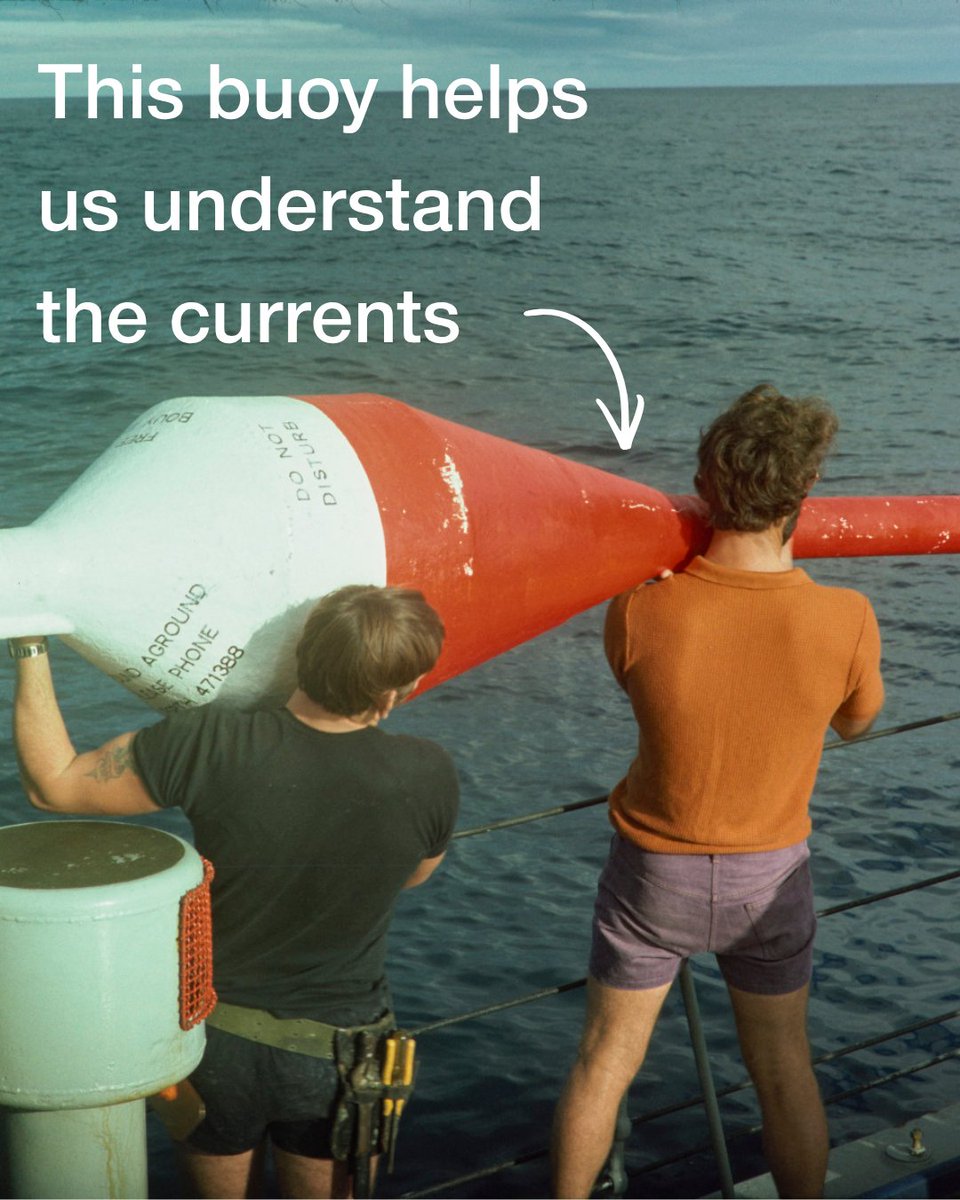
This drifter buoy was deployed into WA’s Leeuwin Current in the 1970s.
Designed by CSIRO oceanographer George Cresswell, it helped study the warm current that allows tropical marine life to survive as far south as Perth. 🪸
📷: George Cresswell
Can you guess these #MysteryObjects?
They cross and twist in pairs to create something intricate.
They are often decorated with beaded spangles to help keep the tension even.
Answer coming Tuesday.
This remarkable Kimberley Point spearhead was made using glass!
Traded widely for their beauty and skill, they later inspired composer Elena Kats-Chernin. 🎶
Listen: https://t.co/KEeINyHwWm
For 100+ years Australia has led the way in mapping Eastern Antarctica!
This '96 docuseries ‘Breaking the Ice’ takes us back to the 1950s, when occupants of Mawson station were only just discovering what lay beyond the Framnes Mountains.
Learn more: https://t.co/u53lw0xqkk
This Reconciliation Week, we’re looking at one of the earliest known moments of reconciliation.
In 1770, a Guugu Yimidhirr elder prevented a fight from escalating between his people and James Cook’s crew.
Learn more about this incredible story: https://t.co/5x1TH7Z5aO
After WWI, governments settled returned soldiers on small farms, hoping to build prosperous rural communities. 🌾
The ideal of the soldier settler, however, was often far removed from the reality of farming and many walked away.
Learn more: https://t.co/3nzqzw0igh
What could this innocuous #MysteryObject be? It's stored in a wooden box alongside a compass, brush, tweezers, screwdrivers and a spanner.
If you know what this is, let us know in the comments!
This Reconciliation Week, join us at the National Museum for a celebration of Culture and Country.
Explore the pop-up exhibition, enjoy live performances and take part in a coolamon-making workshop with Aunty Jude.
Plan your visit: https://t.co/blKqKnNECQ
This 12-metre embroidery was created by 85 women from the ACT Embroiderers’ Guild over 5,500 hours.
The Crimson Thread of Kinship was gifted to the nation in 2001.
#NationalVolunteerWeek
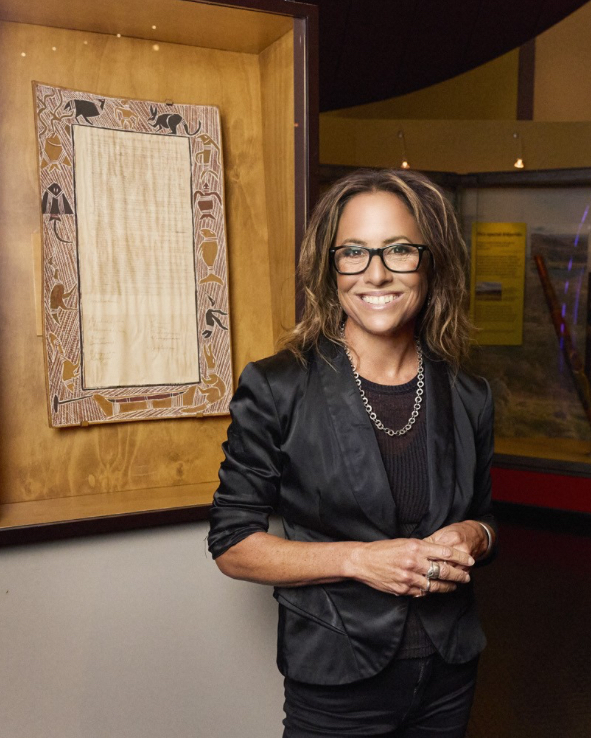
We are so proud of our Council Chair Professor Clare Wright.
Clare’s book, ‘Naku Dharuk The Bark Petitions’, has won Book of the Year at the 2026 NSW Literary Awards.
Congratulations Clare! We celebrate your success.
In 1962, First Nations Australians were granted the right to vote.
Learn more: https://t.co/baGrZFejMa
📷: Pastor Doug Nicholls, a founding member of the Federal Council for Aboriginal Advancement, which coordinated the fight for political and other civil rights.
The Garden of Australian Dreams, designed by Richard Weller and Vladimir Sitta with ARM Architecture, invites visitors to pause, relax and reflect on an artistic exploration of ‘place’ and ‘home’.
Happy International Museum Day!
This basket has a carry handle at each end, but it’s not for washing.
It stands on crossed legs decorated with red and gold thread. What might it have been used for?
If you think you know the answer, tell us what this #MysteryObject is in the comments 👇
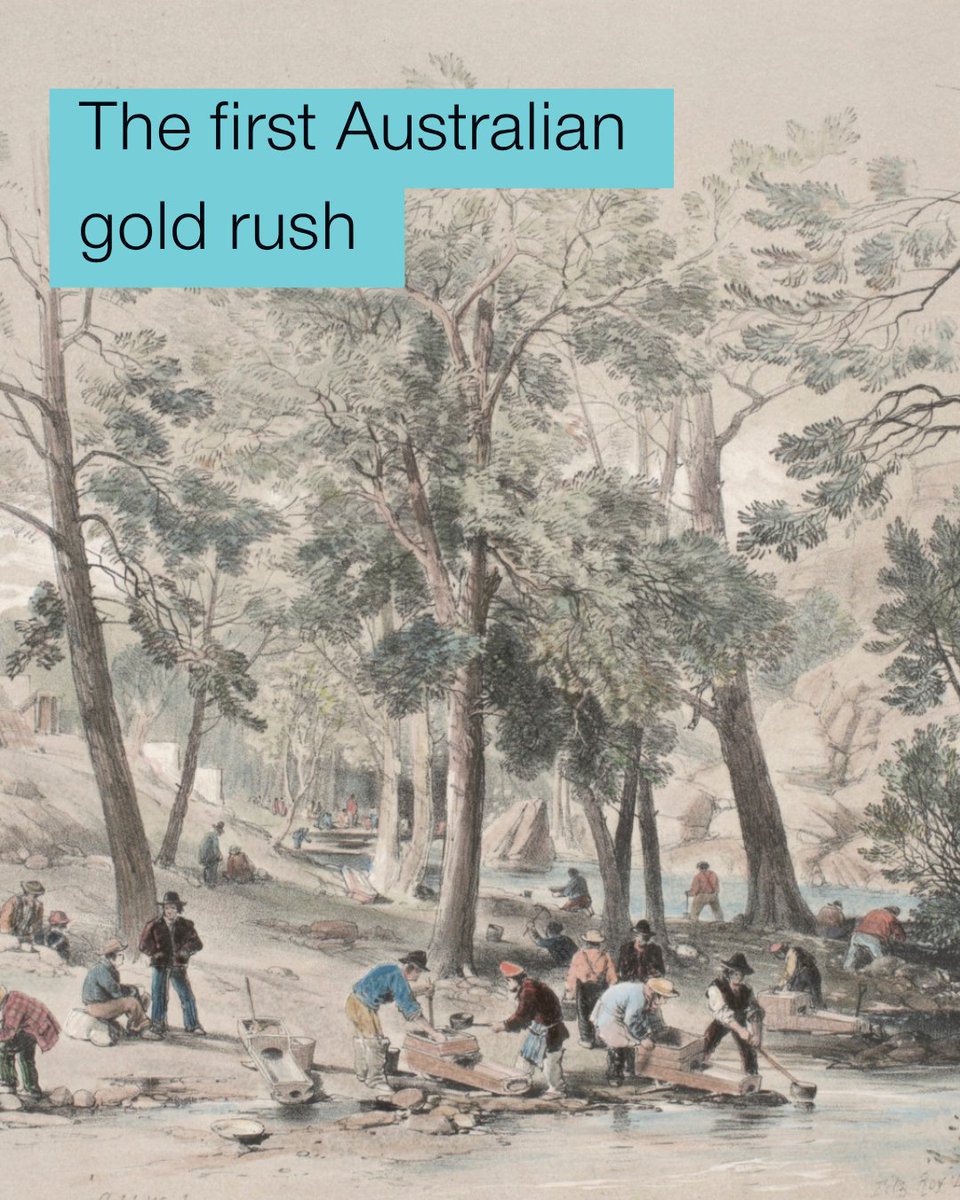
The gold rush began in May 1851, when gold was first discovered at a site called Ophir, near Bathurst ⛏
Hundreds of diggers ran to the site, in search of fortune. 💰
Learn more: https://t.co/lfXc7mnwaR