We’re proud to be @GPTW_US Certified once again. Our team makes NPC what it is: bringing curiosity and rigor to our research, communicating it with impact to inform policy conversations, and working together to build a culture people want to be part of. #GreatPlaceToWorkCertified
A new commentary on meaningful patient P&T representation in @Health_Affairs Forefront offers a practical framework for health plans to move beyond compliance toward meaningful change.
Read more: https://t.co/MLX1uQ1G1y
The current definition of unmet medical need that CMS and the FDA rely on is narrow, focused on clinical effectiveness and available treatments. New research finds that patients and a multi-stakeholder group see it more broadly.
Read more: https://t.co/rFvlb3E4gB
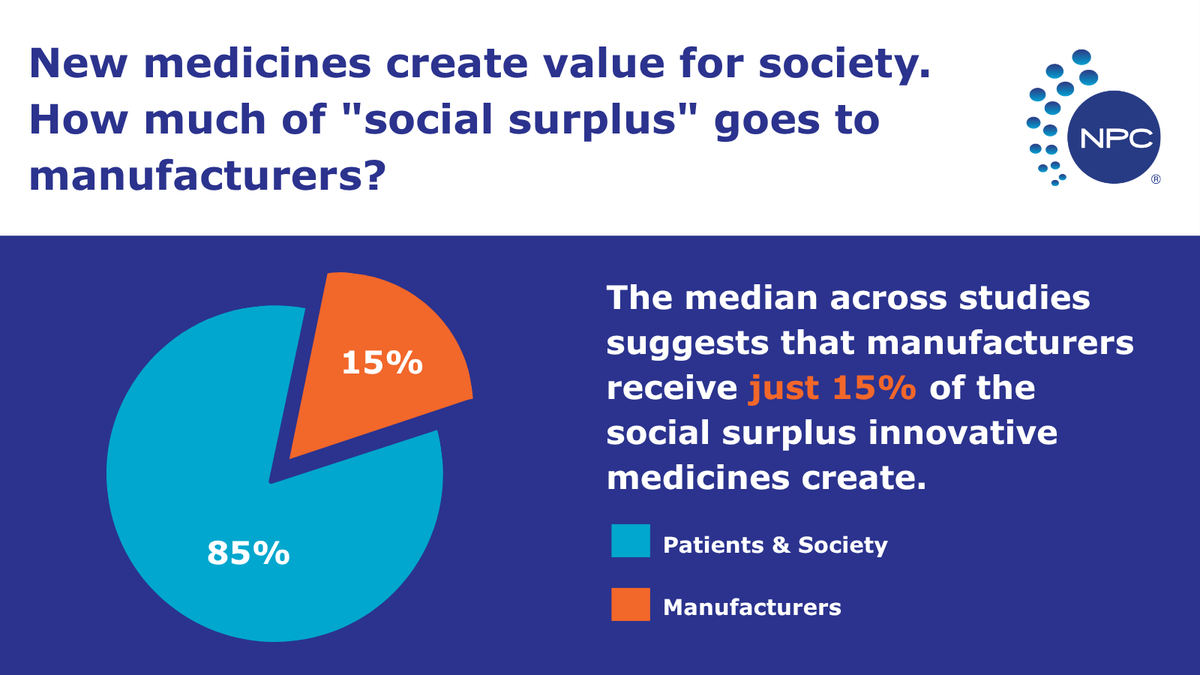
ICYMI: A new systematic literature review finds manufacturers received a relatively small share (15%) of the social surplus, the net value generated by innovative medicines.
Explore the research: https://t.co/aTTaZxCavI
NPC research in @Health_Affairs Scholar reveals a consistent link between 340B participation and stronger hospital finances, underscoring the need for additional research and greater transparency into how #340B proceeds are used. Learn more: https://t.co/gFOftkf6cv
New research published in Applied Health Economics and Health Policy examines how the economic net value generated by innovative medicines, known as social surplus, is distributed across society.
Read more: https://t.co/aTTaZxCavI
On September 23, NPC President and CEO @drjmob will be at the @OracleHealth and Life Sciences Summit in Orlando for a fireside chat on the dynamics shaping the biopharmaceutical landscape.
Register here: https://t.co/3boxhRfLOy
As state PDABs move towards Upper Payment Limit (UPL) implementation at inconsistent rates, it will be important to assess their impact on the healthcare system and patient access.
Read our guide to learn more.
https://t.co/ujl8svnp79
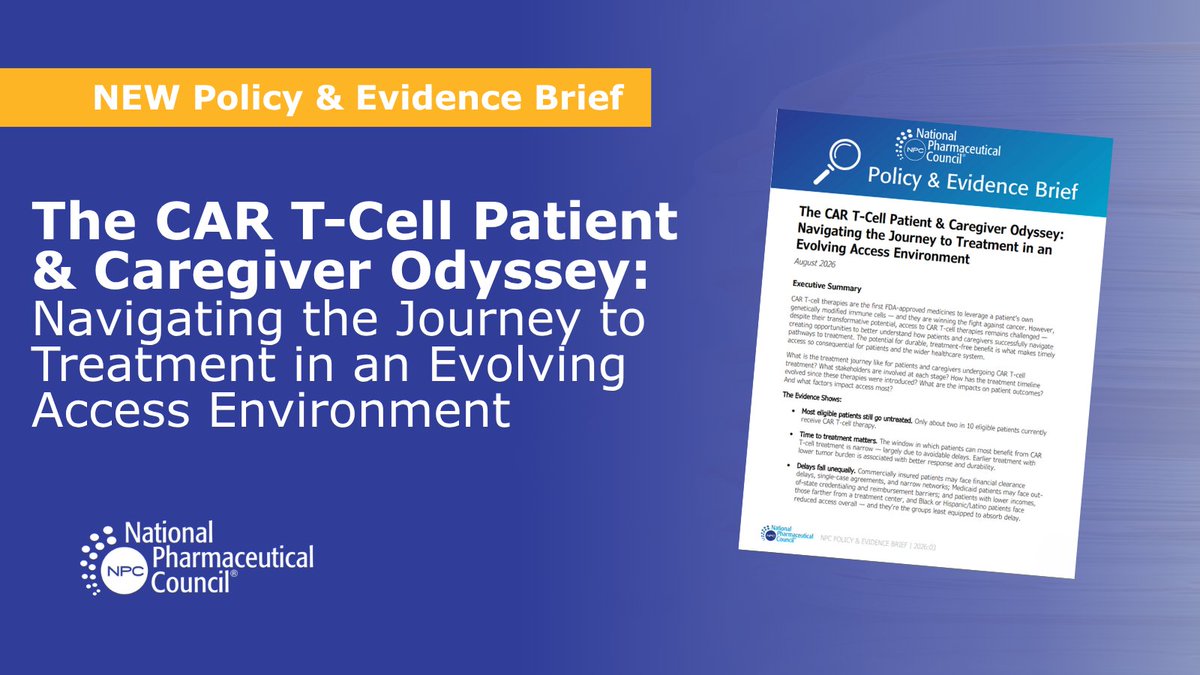
CAR T-cell therapies are the first FDA-approved medicines to leverage a patient’s own genetically modified immune cells. They are winning the fight against cancer, but the treatment journey can be complex.
Read more in our new Policy & Evidence Brief: https://t.co/zziAnjETiG
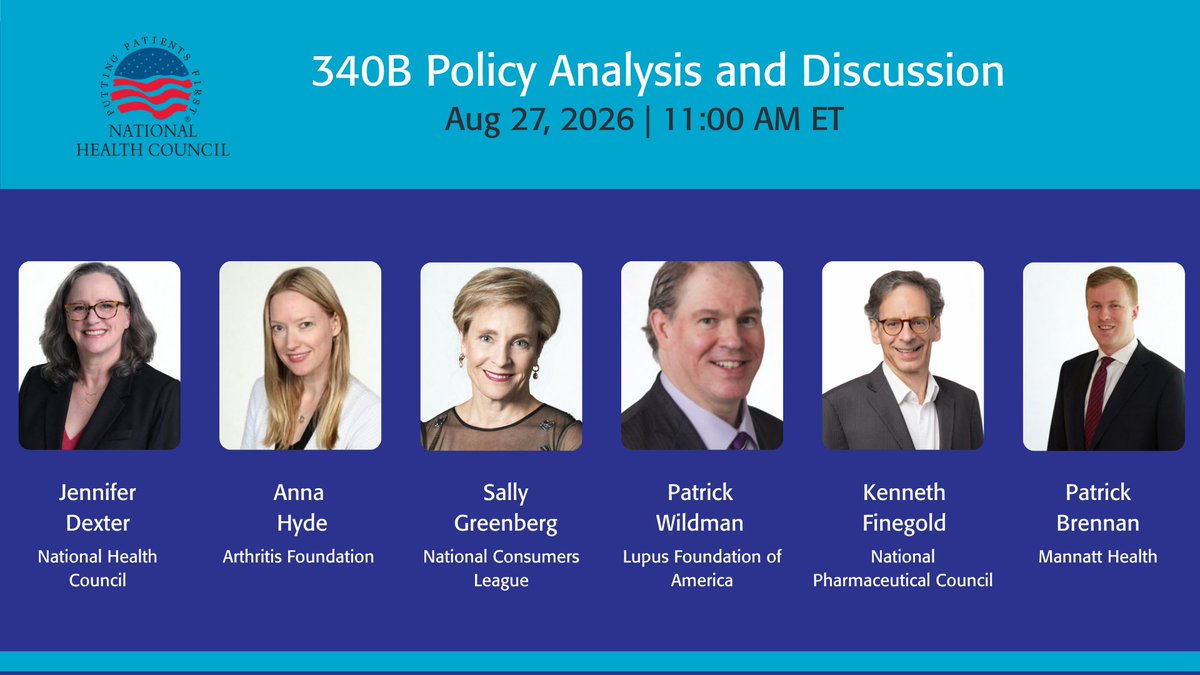
On Thursday, Aug. 27, NPC Senior Vice President of Policy and Research Kenneth Finegold will join the @NHCouncil for a panel discussion and Q&A exploring the changes under consideration for 340B and their potential impact on patients.
Register now! https://t.co/uKhimEokQt
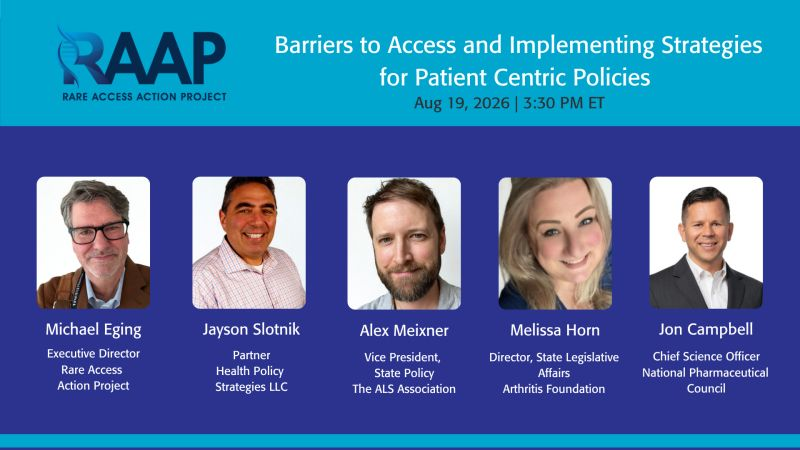
Tomorrow, NPC Chief Science Officer Jon Campbell will join @AccessRare for a discussion on practical strategies for improving access to rare disease therapies and advancing patient-centered policies. Don't miss the conversation!
https://t.co/GjabmgjsXR
New research reveals the unmet patient need behind FDA Accelerated Approval therapies. Across 16 non-oncology diseases, evidence shows that AA-treated diseases tend to be more severe & more costly. They're also more often rare & disproportionately affect children & older adults.
NEW in @Health_Affairs: NPC & @TuftsCEVR captures how commercial plans often take 6+ months to update coverage after FDA label revisions and move faster to restrict access than expand it.
Timeliness matters for patient access. Read the study: https://t.co/600MJTx66C
Some policy proposals view lowering prices and expanding access to treatments as a zero-sum game. But America can do both at the same time and build on decades of cancer-fighting progress. Read the full perspective here: https://t.co/TL0pHEZkLy (4/4)
America is winning the war on cancer, but recent policies such as the Inflation Reduction Act are putting 55 years of progress at risk. As @drjmob writes in @TheCancerLetter, we can protect affordability without stalling innovation 🧵(1/4)
CMS and policymakers can still change course. By recognizing the value of innovative treatments, supporting combination therapies, and negotiating treatments with care, we can ensure those counting on innovative treatments receive them. (3/4)
John O'Brien (@npcnow): "The treatments we now have would have been science fiction when I was in pharmacy school. The sustained, high-risk investments from scientists at drug companies have yielded remarkable innovations."
https://t.co/CUqC92II56