A lot has happened in the AI conversation this spring, but this point still holds: When it comes to reading and math, schools don't need more AI tools. They need better ones. https://t.co/9nx3ioo7IB
Summit 2026 may be over, but the conversations are still very much alive.
The recordings are now available. Revisit the ideas that shaped this year’s gathering:
https://t.co/cZGXwE82Qz
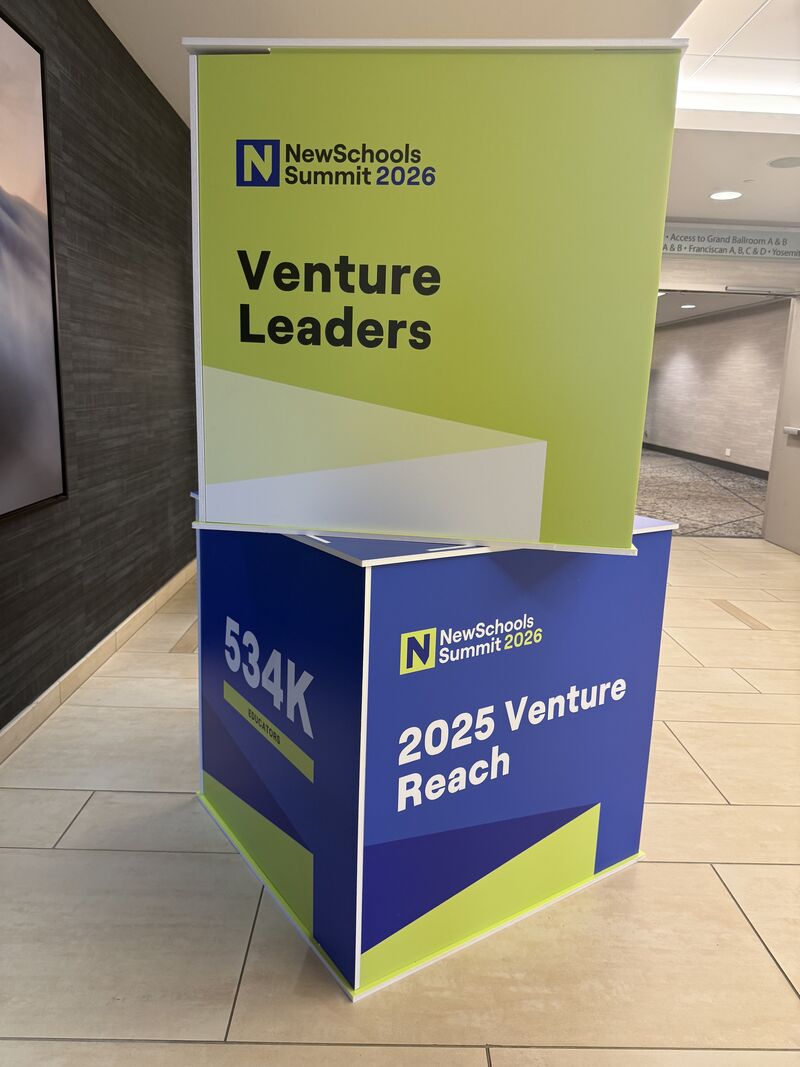
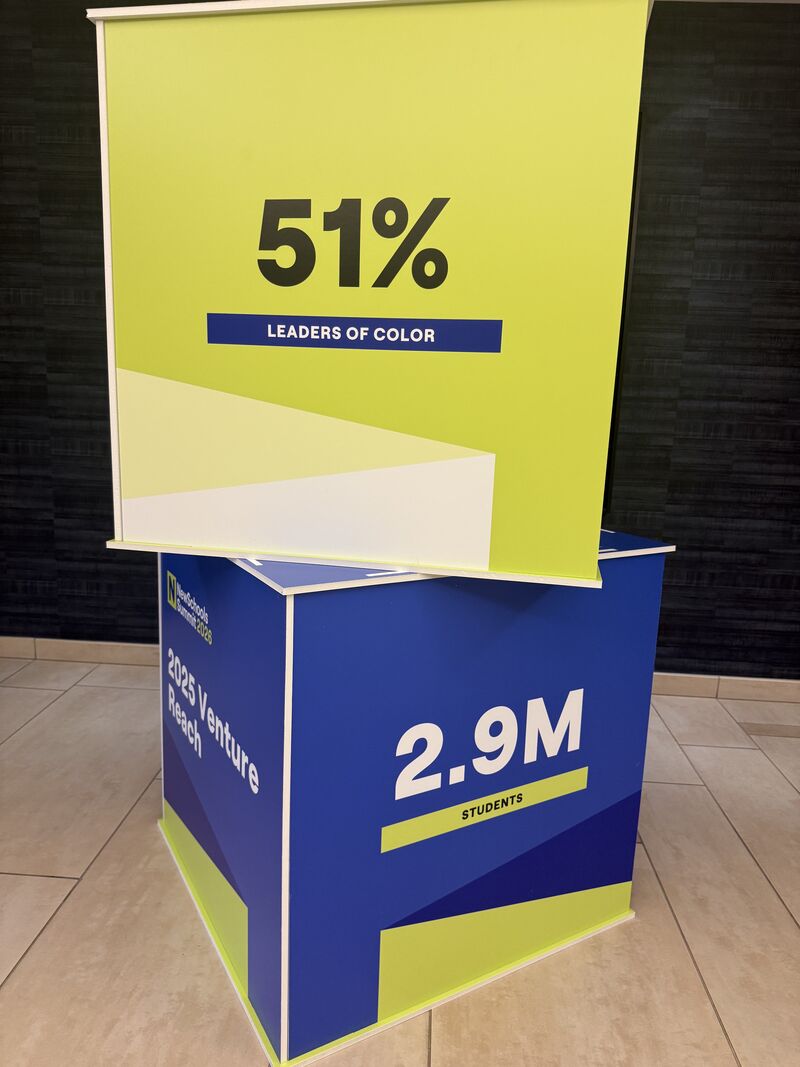
Some of the strongest takeaways from our 2025 Annual Report can be found in the numbers.
NewSchools team members share a few of the stats that stood out most.
If you missed the report, or want a quick way back into it, start here:
https://t.co/t4613QniXS
Still carrying the energy of #NewSchoolsSummit into the new week.
To everyone who joined us: thank you. We hope you returned home feeling refreshed, reconnected, and reminded that you’re not building alone.
We’re building what’s next together.
If you don’t know exactly what you’re building yet, buying answers is a good investment.
At some point you need to stop buying answers and start making bets. Invest in the most important answers and then start betting.
-Diana Huges, @RelayGSE
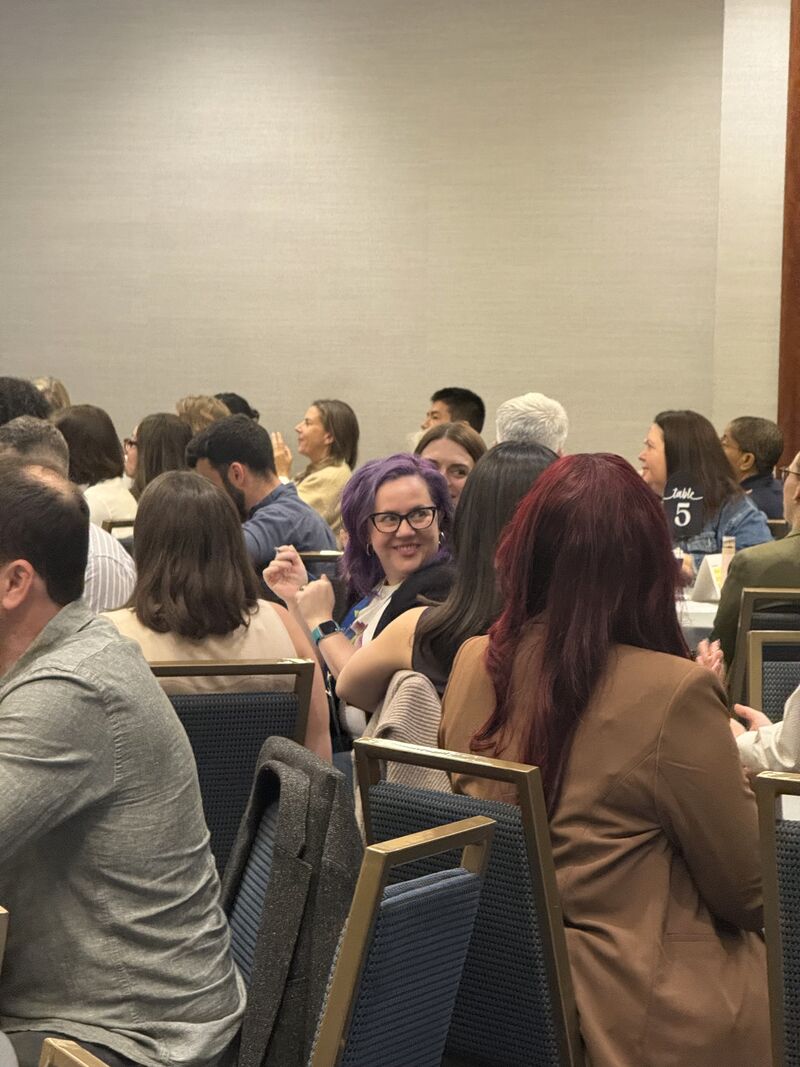
Old friends. New ideas. The “let’s connect after”. The hallway conversations. The sparkle of a new collab. Our ventures are in community again at #NewSchoolsSummit. We’re so excited you’re here.
AI will not replace teachers.
But poorly designed AI systems could absolutely sideline professional expertise.
After convening 40+ organizations across K–12, we found the real work is defining educator roles before tools define them for us.
Read: https://t.co/zCEqR13ZeV
As we push for thoughtful, evidence-aligned AI in schools, reading and math keep the standard clear: quality, implementation, and coherence matter.
https://t.co/qgbt5hvegx
If we want better outcomes for students, we need better feedback loops.
Learning organizations. Real-time data. Honest reflection. Course correction.
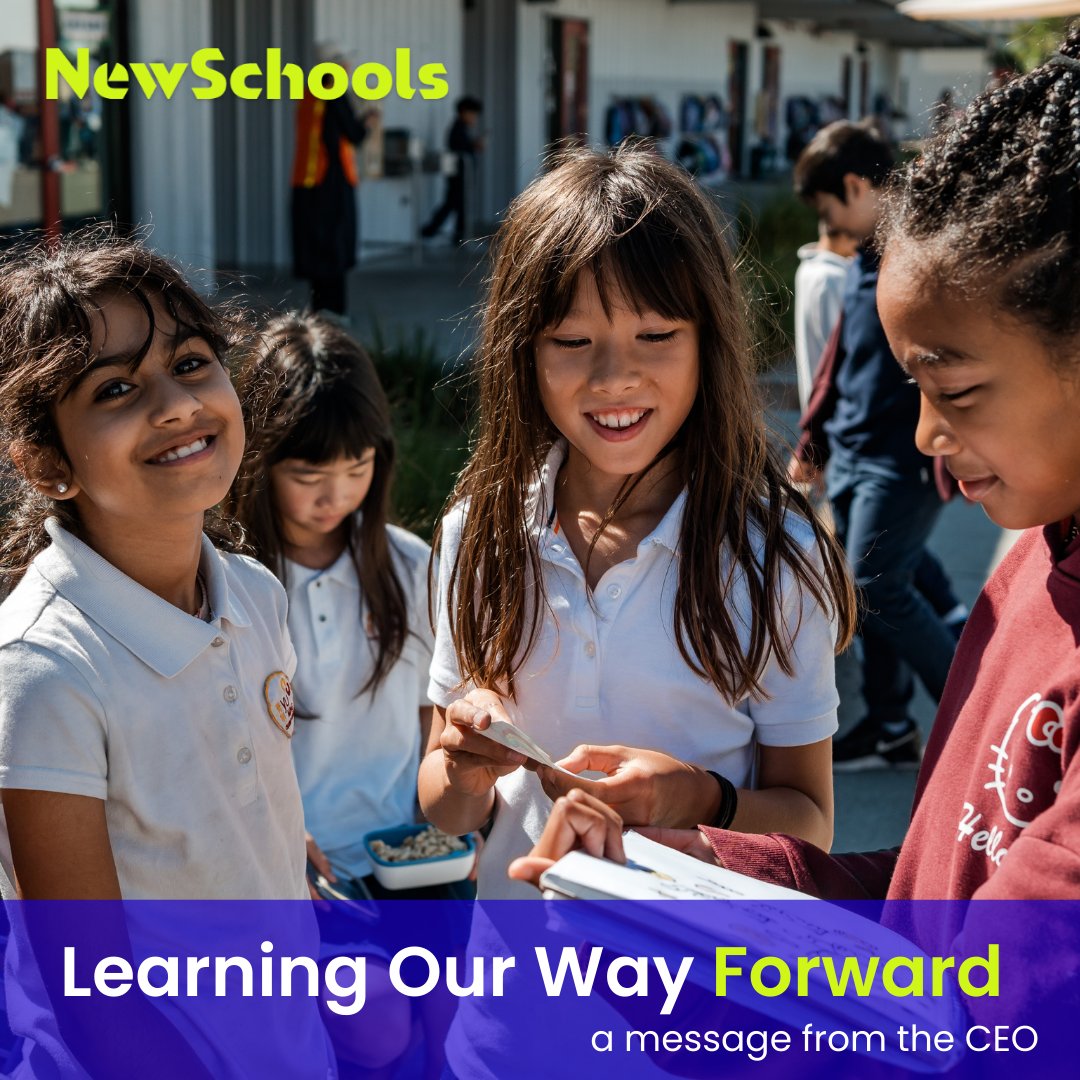
Building what’s next requires learning our way forward.
https://t.co/Ej02TGvN4b
Nonprofits are being asked to do more with tighter margins and growing complexity. This piece outlines how technology and AI can strengthen operational resilience across the sector. Worth a read for ed leaders thinking about long-term infrastructure: https://t.co/3PKNlkBGIH
AI literacy matters. But so does AI scrutiny.
Schools need better answers on accessibility, multilingual learners, and how tools are designed before adoption ever happens.
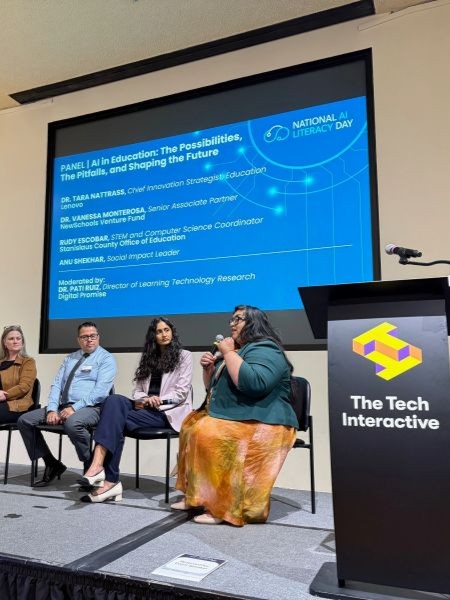
Great to see Dr. Vanessa Monterosa pushing that conversation forward on National AI Literacy Day!
A partnership. Shared services. A merger.
These paths can create new opportunities, but many leaders do not explore them until the pressure is on.
Our webinar series helps education leaders understand the options and learn from peers.
Learn more: https://t.co/FlWJfyR7fE
AI will not transform teaching and learning if it only works for the “average” student.
If it doesn’t serve students with learning differences, multilingual learners, and those historically underserved, it’s not innovation.
It’s exclusion.
Read:
https://t.co/c2tWgj6HM2
For edtech/AI builders (especially those already in schools):
Where does adoption most often get stuck — even when the product is strong?
Procurement, privacy/security, integration, implementation capacity, proving impact, budget timing, other?
We don’t have to choose between supporting students and supporting educators. In partnership with Transcend, we examined 4 schools rethinking how teaching works. New post from Pete Fishman + case studies: https://t.co/u68fCrw7wK
The future of education will not be built by certainty.
It will be built by iteration.
By leaders willing to test, learn, refine, and try again.
Here’s what we’re learning:
https://t.co/Ej02TGvN4b
For district/school leaders + implementation teams:
What defines a “successful pilot” for an AI tool in your context?
Clear outcomes, usage, educator buy-in, training time, data/privacy readiness, integration, other?
We cannot talk about student success without talking about teacher thriving.
If working conditions, well-being, and role clarity don’t change, burnout will persist.
Innovation has to focus on the conditions that let teachers thrive.