NYC, the Knicks are heating up and so are we.
The heat index may hit 100 degrees today and tomorrow. We may also see severe thunderstorms, heavy downpours, and winds strong enough to down trees and power lines.
These conditions are extremely dangerous.
Here’s how to keep you and your neighbors safe:
Seek air-conditioning. The City is activating hundreds of free, public cooling centers across the city. Find one nearest you, including accessible and pet-friendly options, by visiting https://t.co/Iqa7gXBq7R or by calling 311.
Recognize the signs of heat illness. Call 911 immediately if you or someone you know has hot dry skin, trouble breathing, rapid heartbeat, confusion, disorientation, dizziness, nausea, or vomiting.
Call 311 if you see a homeless neighbor in need of assistance. Outreach teams are activated citywide to help connect vulnerable neighbors with safe, cool spaces.
If storms hit, go indoors. Use caution while traveling. Stay out of basement apartments.
Drink lots of water. Wear sunscreen. And check in on your neighbors.
As always, sign up for emergency alerts: text NOTIFYNYC to 692-692.
.@NWSNewYorkNY Severe Thunderstorm Warning for NYC: Until 8:30 PM on 6/6. 60mph winds & penny-sized hail expected. https://t.co/oBGvYAYGD9. Multilingual & ASL Link: https://t.co/vpVxdSDYDJ.
Thunderstorm watches are currently active for New York City and some areas are already under active Thunderstorm Warnings or could see them soon.
Main threats are damaging winds and a very small chance of flooding and hail. Regardless of severity, all thunderstorms are dangerous.
Thunderstorms can bring heavy rain, strong winds, hail, and lightning. High winds — even without rain — can knock down trees and power lines, damage buildings, and send debris flying at dangerous speeds. In rare cases, severe thunderstorms can also produce tornadoes.
Who is most at risk: People who are outdoors, especially in open areas or near trees and power lines. People near scaffolding or construction sites. People on higher floors or in rooms with large windows. Anyone who needs extra time or help to move to a safer spot indoors. People in mobile homes, RVs, or temporary structures, which offer little protection from high winds or tornadoes. People in basement apartments.
During Thunderstorms, Heavy Winds & Tornadoes
Call 911 if you are in immediate danger or see a life-threatening situation.
If you hear thunder, go inside. Get into a sturdy building and stay there.
Move away from windows. Go to an interior room on a lower floor. Stay away from glass doors, porches, balconies, and rooftops. Do not touch electrical equipment or plumbing(sinks, showers, or baths) during a thunderstorm. Avoid corded phones.
If a Severe Thunderstorm Watch or Warning, or High Wind Watch or Warning is issued, go to your safe indoor spot and stay there until the warning expires. If you are in a mobile home or temporary structure, leave immediately and go to the nearest sturdy building. These structures are not safe in severe conditions, even if they are secured.
If you cannot get indoors, stay away from trees, power lines, scaffolding, open fields, and bodies of water. If a tornado is approaching and you have no shelter, lie flat in a low-lying area, cover your head, and stay away from trees and vehicles.
If you must drive, slow down and allow extra travel time. Never drive through standing water or around barricades. If a tornado is nearby, do not try to outrun it in a car — get out and seek sturdy shelter immediately.
Subscribe to Notify NYC for the latest emergency alerts, text NotifyNYC to 692-692
Are you a NYC parent? Take the NYC Parent Survey today!
We're launching 3,000+ new 2-K and 3-K seats — that's free childcare for two- and three-year olds. To get it right, we want to hear what your family needs.
Make your voice heard at https://t.co/dvroYmgCj4 from today until April 13. ¡Puede realizar la encuesta en español!
We need your help for #HOPE2026. The annual HOPE survey of New Yorkers sleeping on the streets is on Tuesday, 3/10. Go to https://t.co/hcUCknkR01 to learn more!
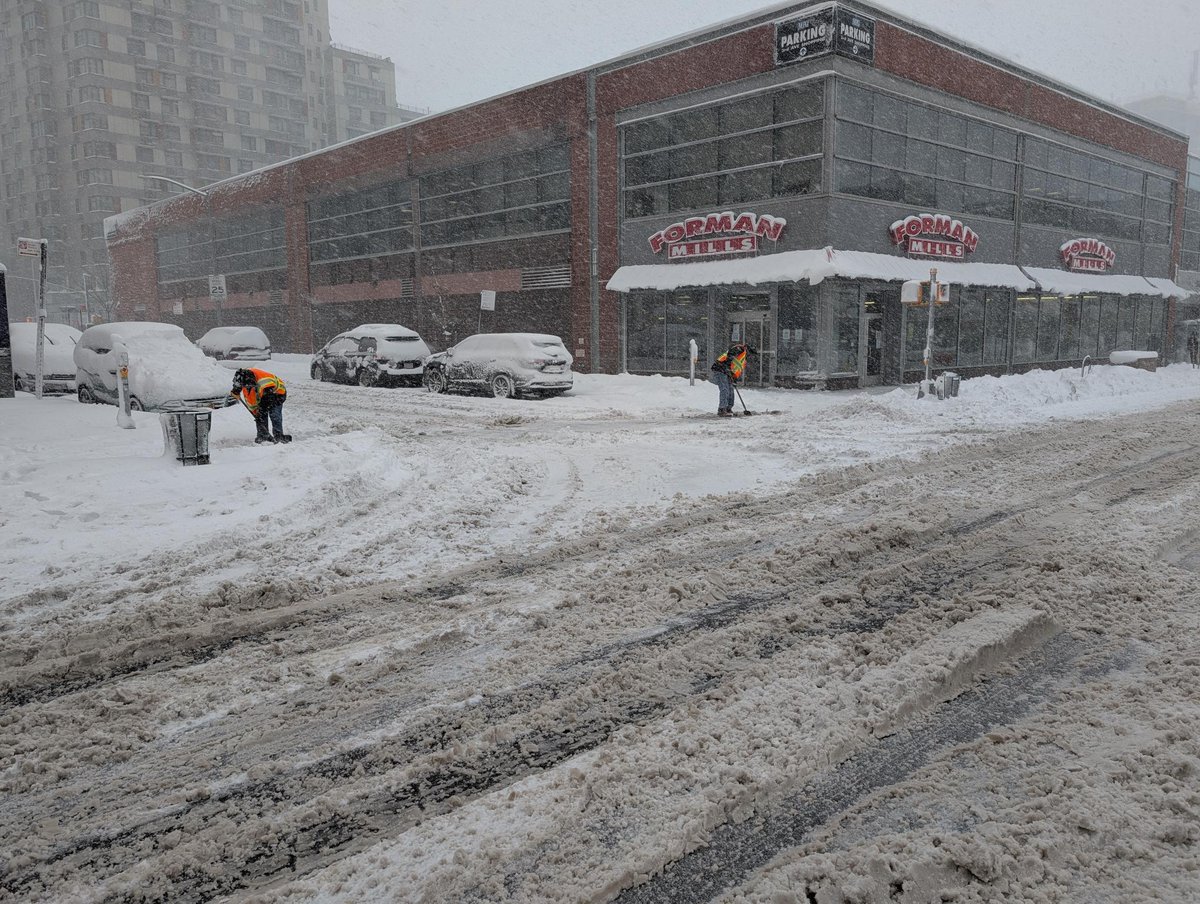
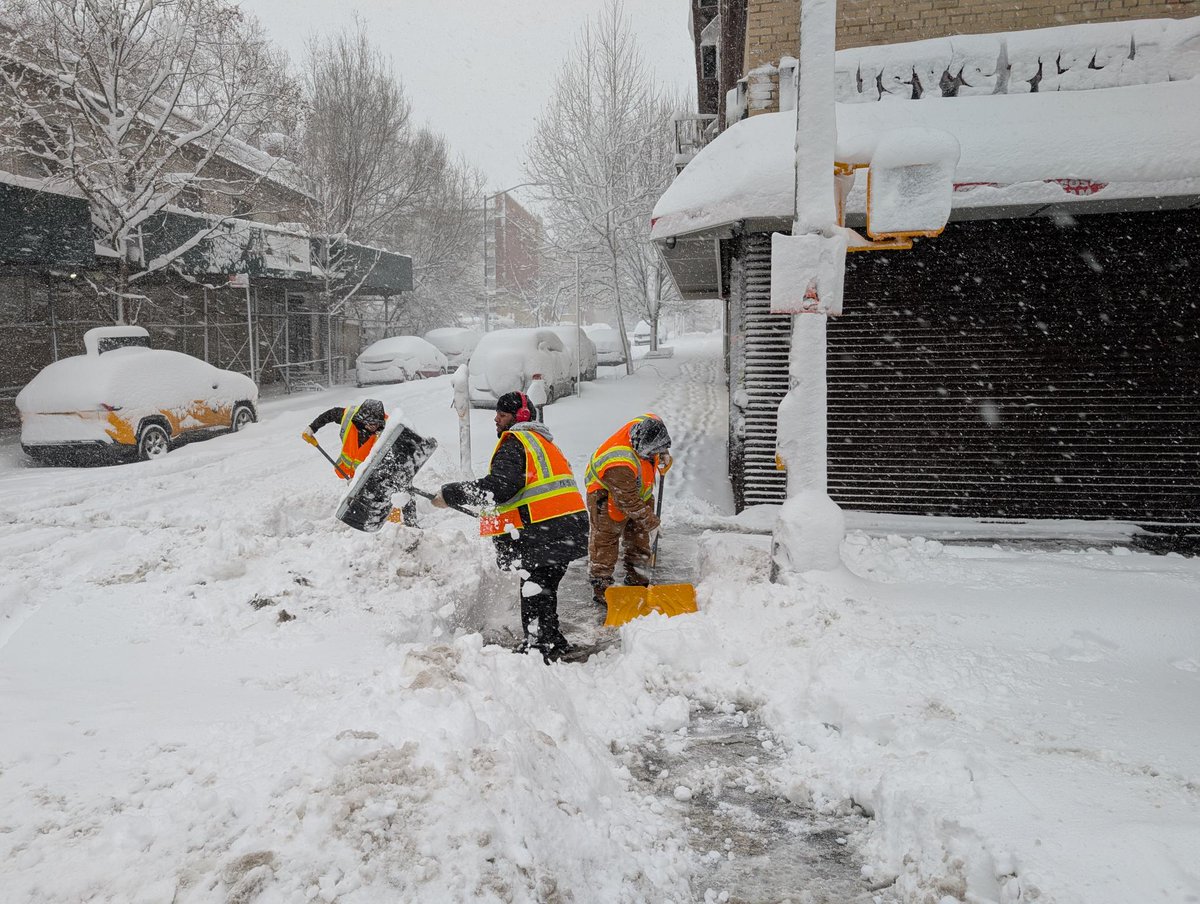
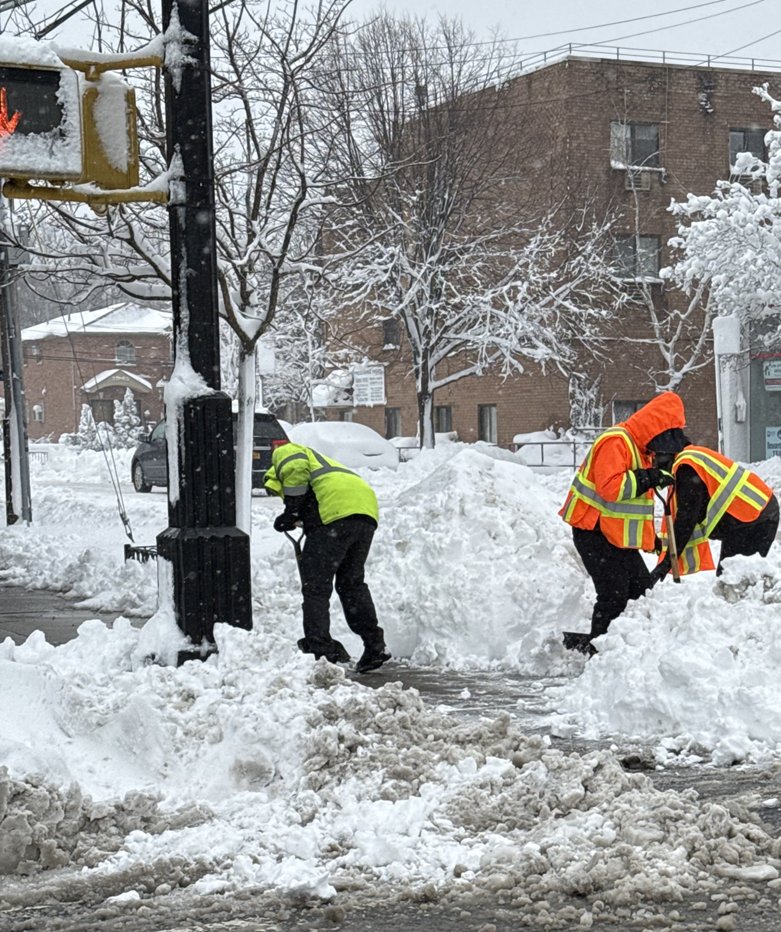
We asked for Emergency Snow Shovelers - and you responded!
More than 7,600 of you said you'd take on the challenge. You completed 14,500+ shifts over the course of this storm, helping clear 48,000+ crosswalks, 13,000+ bus stops, and nearly 12,000 fire hydrants.
Each shovel of snow helping to keep NYC moving.
While Snow Shoveler registration is now closed and Shovelers will only be employed again this year if we receive additional snow, New York's Strongest will continue to work to clear out any areas that need the extra attention.
All of the Strongest - from Sanitation Workers to Mechanics to the IT team - are working to get NYC back to normal. And that incudes ongoing snow clearing operations.
And speaking of normal, collection is normal on Monday. Set out trash, compost and all recycling according to your normal set out schedule. Though slight delays in timing are possible, we will be there!
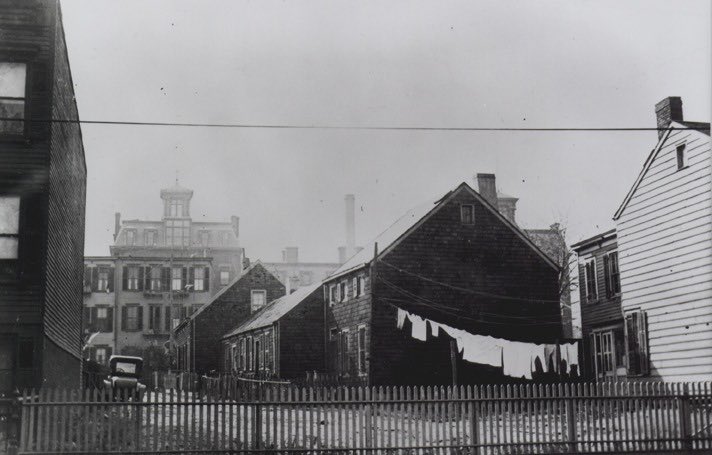
Weeksville tells the story of true self-determination.
Today we celebrate the full restoration of the Hunterfly Road Houses at Weeksville Heritage Center — preserving not just buildings, but a living legacy of Black resilience and self-governance.
TODAY is the deadline to apply for FREE 3-K and Pre-K for fall 2026!
If your child turns 3 or 4 this year, they are guaranteed a spot as long as you apply by 11:59 p.m. tonight, February 27.
Sign up now to save $26,000 on childcare: https://t.co/Ghy11RZNkq
Learning a second language can be hard. Signing up for Pre-K and 3-K is easy.
Go to https://t.co/Ghy11RZNkq to apply today. Deadline is tomorrow at midnight!
.@NWSNewYorkNY has issued a Special Weather Statement for NYC until 10AM: Light snow is expected this morning. The snow may briefly reduce visibilities, and coupled with areas of black ice, could result in hazardous travel conditions for the morning commute.
Stay safe on your commute! Ice and slippery conditions may impact your travel, so take extra precautions. Walk slowly and watch for icy patches, and if you’re driving, leave extra space between vehicles and reduce your speed. Dress warmly and allow additional time to reach your destination.
Businesses and property owners should shovel and salt walkways to prevent slips and falls. Make it passable by clearing a path at least 4 feet wide where possible so pedestrians, strollers, and mobility devices can get through safely.
Clear it before you go, NYC:
Brush all snow and ice off your roof, hood, trunk, windows, mirrors, and lights before driving. Snow and ice can slide onto your windshield or blow off your car and hit other vehicles, cyclists, or pedestrians, creating dangerous conditions for everyone on the road. Fully clear your windshield, rear window, and side windows so you have a clear view in all directions and other drivers can see your signals.
New York State law requires drivers to maintain a clear, unobstructed view through their windshield and windows. Driving with snow or ice blocking your vision can lead to tickets for an obstructed view, and in more serious situations, a reckless driving charge with fines, license points, and worse.
Don’t just scrape a view in the windshield. Take the extra few minutes to clear the whole glass, wipers, cameras, and sensors so your brakes, airbags, and driver-assist systems can work properly. Knock ice off your headlights and taillights so your lights are bright and visible, and wipe off your license plates so they can be seen, as plates and lights also must remain visible under New York rules.
Always clear snow and slush away from your tailpipe before you start your car. A blocked exhaust can cause carbon monoxide to build up quickly inside the vehicle, especially if you’re idling or stuck in traffic. Never warm up your car in a closed or attached garage, even with the door open—pull it outside first.
Plan a few extra minutes before each trip in winter for clearing your vehicle. Use a snow brush and plastic scraper (not hot water or metal tools), and stand in a safe spot away from traffic when working near the street. If you’re parked on a busy road, turn on your hazard lights while you clear your car so others can see you.
Heads up! LinkNYC kiosks are programmed with the nearest warming center location.
You can also find a list of all warming center & warming bus locations for each borough at https://t.co/f7SEFnT2XC
If you see someone out in the cold who needs help, call 311. Our outreach teams are working 24/7 in all five boroughs to get homeless and vulnerable New Yorkers inside.
Text NotifyNYC to 692-692 for real-time blizzard updates.
⚠️ If you are impacted by the power outage in the Rockaways, NYCEM & NYC Schools have opened warming centers at
📍 Far Rockaway High School, 8-21 Bay 25th St 📍 Beach Channel High School, 100-00 Beach Channel Dr 📍 P.S. 43, 160 Beach 29th St
Please use these locations to stay warm and safe. Check on neighbors, especially older adults and anyone with medical needs. Call 911 for life safety concerns.
PSE&G have begun restoring customers to grid power. City is monitoring for any impacts to critical infrastructure.
🚨❄️ Snow Shoveling Safety ❄️🚨
❤️ Do not shovel if you have known or suspected heart disease, a prior heart attack or stroke, or significant cardiac risk factors. Controlled studies show that within 2 to 10 minutes of heavy snow shoveling, many people exceed 85 to 97% of their maximum heart rate, levels comparable to or above maximal treadmill testing in sedentary men. A study found that when storms produce about 7 to 8 inches of snow, men’s risk of hospitalization for heart attack increased about 16%, and risk of death from heart attack increased about 34% in the days following snowfall.
🧹 Check the forecast and plan to shovel early and often so you move 1 to 2 inches at a time instead of heavy accumulation. Push snow instead of lifting whenever possible. If you must lift, shovel only small amounts, bend your knees, keep the load close to your body, lift with your legs, and avoid twisting. Work at a steady pace, take frequent rest breaks every 10 to 15 minutes, and stay hydrated with water or non alcoholic, non caffeinated drinks.
🛠️ Snow blower safety matters. Turn the machine off completely before clearing clogs, and never use your hands to remove packed snow.
⚠️ Call 911 immediately for chest pain or pressure, pain spreading to the arm, neck, back, or jaw, severe shortness of breath, sudden dizziness, or cold sweat. Do not push through symptoms or drive yourself. Seek emergency care right away, especially if symptoms begin during or shortly after shoveling.
This storm is expected to be serious and challenging.
Our Department is already “full-force” in staffing – with 2,600 Sanitation Workers on each 12-hour shift.
Remember, treated and plowed streets will still have snow on them, especially in blizzard conditions. This is to be expected.
Property owners must clear a path on your sidewalks at last 4-feet wide. This includes unsheltered bus stops and curb ramps.
Collection will be delayed during snow operations. If you have Monday recycling, please HOLD your material if you can. We will prioritize trash and compost once collection resumes. Stay tuned for further updates. (If you receive alleyway collection: alley service is suspended this week; your material should be placed curbside.)
Emergency Snow Shovelers will be working, starting tonight.
Please stay off the roads tonight to allow New York's Strongest to work safer and faster in these extremely challenging conditions.