We’ve published new products, Fiscal Year 2021–26 Performance Factsheets, on our website! 🪸📊
Explore project outcomes, on-the-ground impacts, and tools across all 4 pillars from our 2018 Strategic Plan:
https://t.co/1GvbsUFBzv
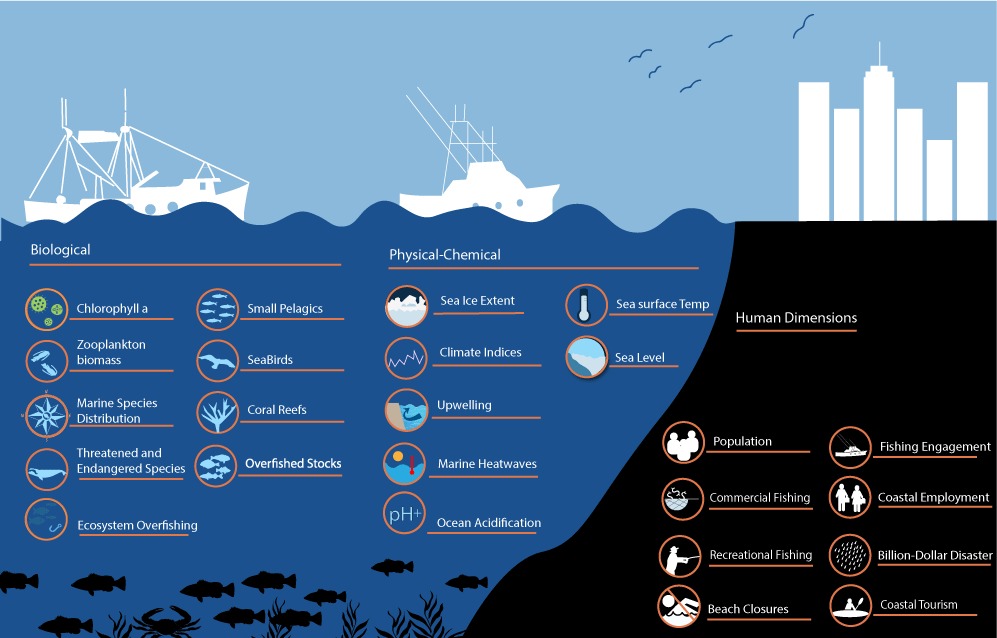
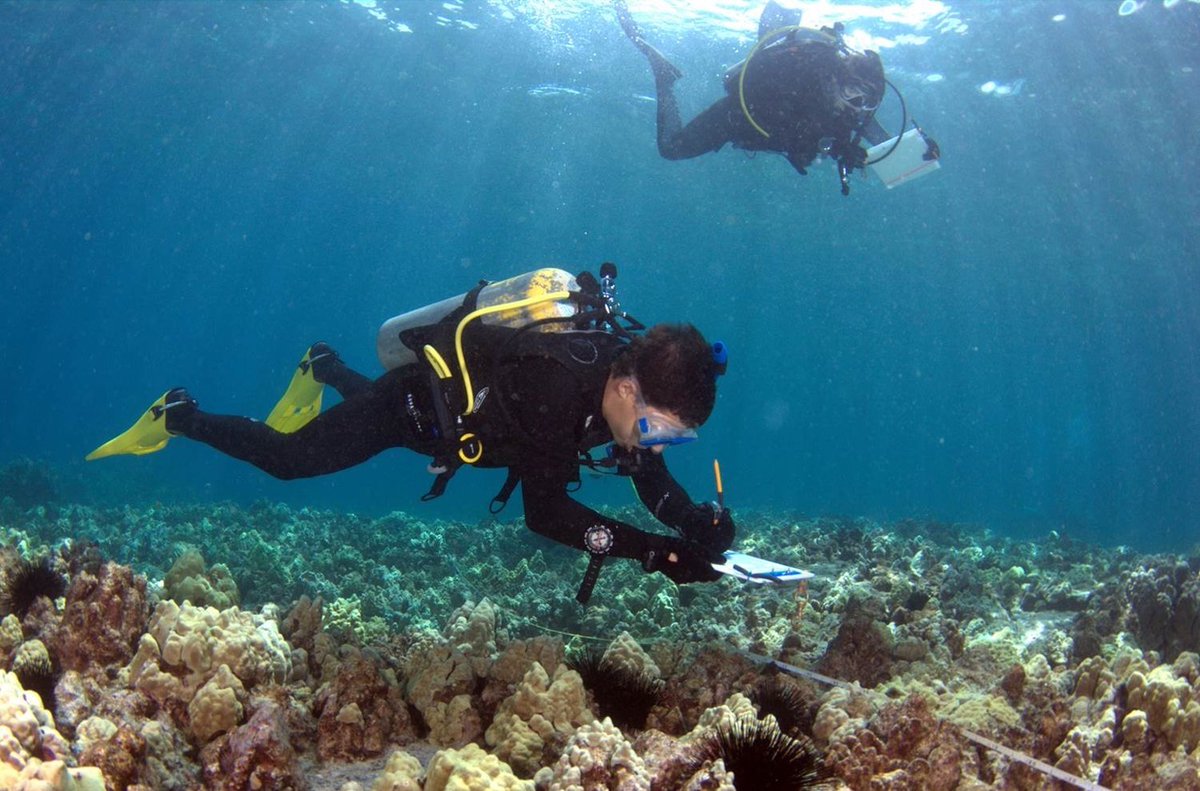
Our National Coral Reef Monitoring Program coral & macroalgae cover data are integrated into NOAA’s National Marine Ecosystem Status website, providing key indicators of marine ecosystem status via their dashboard. Check out the latest updates: https://t.co/DbD7TDOecc
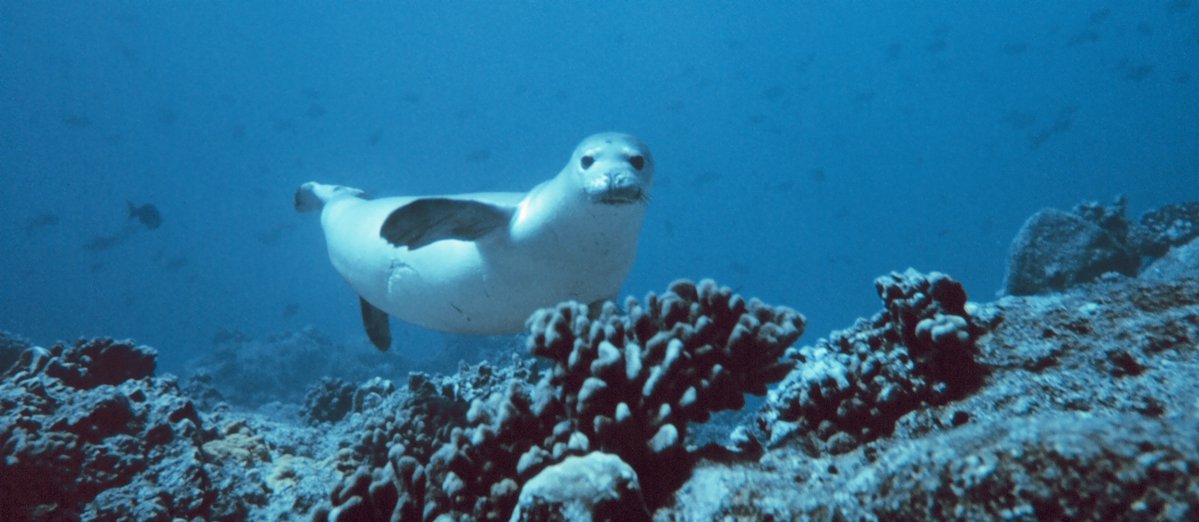
#TBT to this curious Hawaiian monk seal, captured swimming at Laysan Island (Kauō) in 1969 by Dr. James McVey. Learn how successful recovery efforts for this endangered species have shifted population decline to growth: https://t.co/GyP1sIjTJN @NOAAFish_PIFSC
Parrotfish use their beak-like teeth to scrape algae off reefs, often breaking off chunks of coral in the process. They then grind up the calcium carbonate material and excrete it as sand, clearing space for new coral larvae to settle!
https://t.co/6tlCtOpH0F
#TheMoreYouKnow
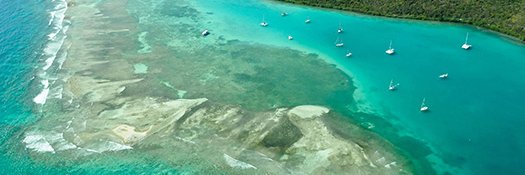
Cool coral restoration loading! With $5 million from NOAA, Sea Ventures is restoring 30,000 square meters of coral reef habitat—about the size of 5 and a half football fields—on Cayo Largo, off Puerto Rico. https://t.co/6wjimkYCgi
One of our management areas, the U.S. Pacific Remote Islands Area, encompasses 7 islands & atolls across the central Pacific! Though all are remote & relatively unimpacted, each features distinct reef areas, ecological communities & levels of human impact. https://t.co/hel8ApCOcU
🎓 Fully-funded Master's Student Position Available 🎓
Interested in reef fish symbioses??
The Fish Connections Lab at University of Texas Rio Grande Valley is seeking a master's student beginning in Fall 2027!!
See our job board for details!
https://t.co/5dfJI8J6e1
How are the coral reefs at East and West Flower Garden Banks holding up after back-to-back bleaching events?
Our latest Long-Term Monitoring Report is here!
🔗 Explore the full report: https://t.co/ZpZmydtOFV
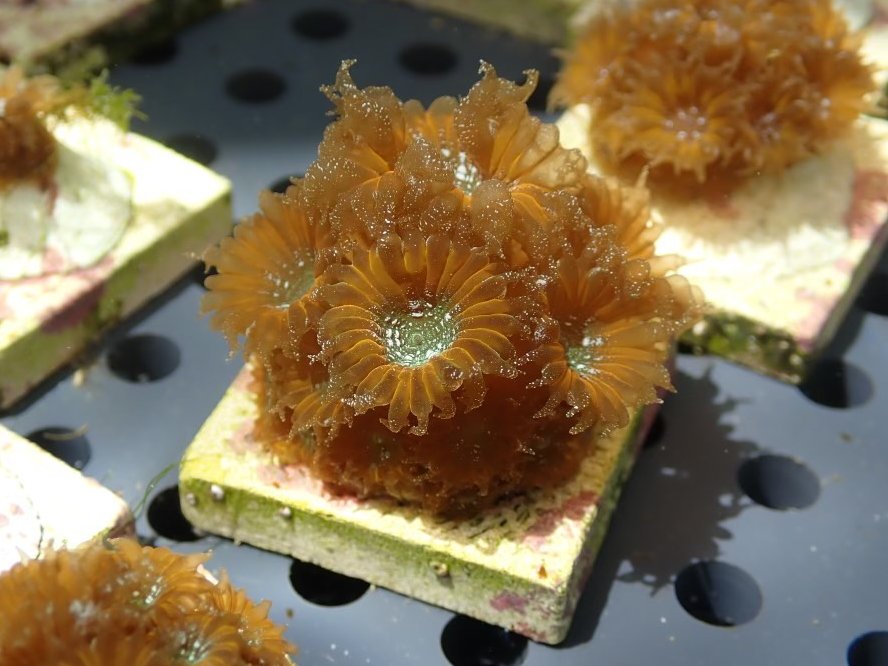
While it looks like this coral is joining #NoShaveNovember, in reality these coral polyps are extending their tentacles to capture plankton! The tentacles contain stinging cells called nematocysts that use a barb to inject toxins into prey.
https://t.co/TYuhBzcbox
📷: @FGBNMS
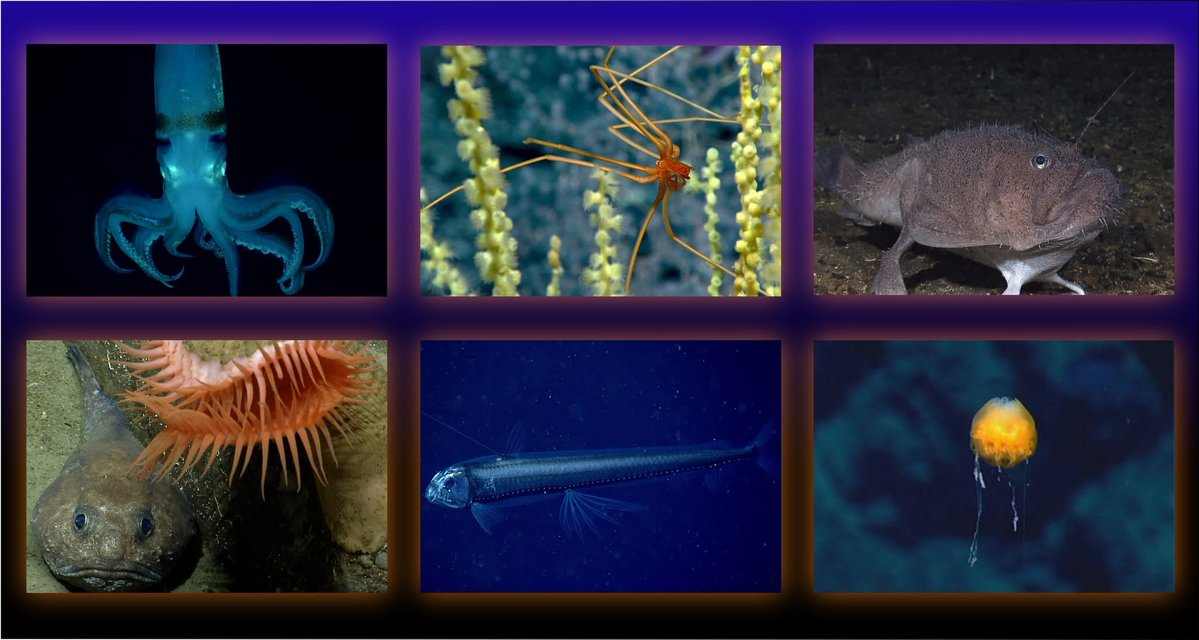
HAPPY HALLOWEEN to all you angelfish & anglerfish, goblin sharks and ghost crabs, vampire squids and actual vampires! While you gorge on all of your candy this weekend, check out the boo-tiful creatures featured in @oceanexplorer's 31 Dives of Halloween. https://t.co/29tKJAUrz2
Use this chilling, creepy content in your classrooms, at your organizations, or with your loved ones at home!
https://t.co/8AFtnUgY5U
#NOAASpookyScience@NOAAeducation
#DYK@NOAAFisheries has a handy dandy tool for measuring your fish catch in Hawai’i? Check out the online PDF, or request a waterproof hardcopy from the Pacific Islands office.
https://t.co/iOp0v8aiyr
We recently completed the latest National Coral Reef Monitoring Program's socioeconomic survey report for the U.S. Virgin Islands. Check out the summary infographic here:
https://t.co/cMP3gVyFOW
@noaacoastalsci#NCRMP
🎉💰NOAA has awarded $1 million each to the Atlantic and Pacific Reef Research Coordination Institutes (designated earlier this year), which includes 5 coral reef research & management projects.
https://t.co/in11rpYyHo
@NSUResearch@UHawaiiNews
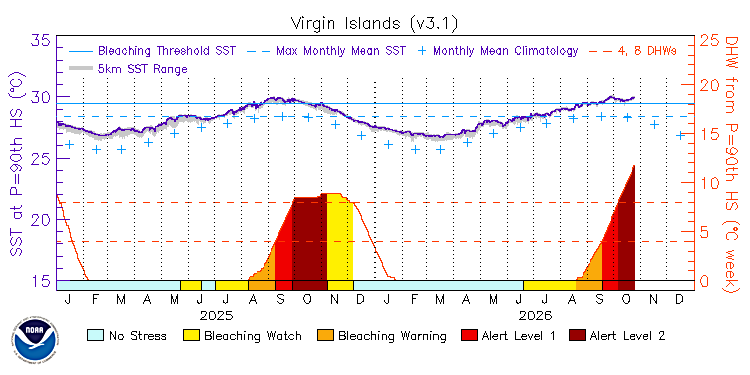
We’re keeping our eye on #PuertoRico & #USVI, where heat stress continues to build. 2026 heat stress is higher at this time of year than it was last year, meaning more heat is accumulating & bleaching potential is higher.
https://t.co/8H3eeUpKCP
It’s Monday already?!
The marbled grouper, pictured here, is generally shy and hides in crevices and underneath reefs. It is also not a heavily fished species.
https://t.co/k4OnyKkFZl
@FGBNMS