Leadership has lived with the change for months. The workforce heard about it yesterday. When they react the way anyone does at the start, it gets read as resistance. It's a time difference read as a character difference. https://t.co/7rf6lFyvRQ
#HumanFactor#ChangeManagement
Not all vulnerability builds trust. There are specific types that strengthen credibility and types that undermine it. The difference is not intuitive. https://t.co/NVEKbAzAXI #Leadership#Vulnerability
Three patterns hide in most dashboards. Protective omission. Inflated adjacency. Strategic vagueness. Together they produce a system with the appearance of rigor and the function of protection.
https://t.co/7TzWTnT9Zl
Convenient Lie #1: "Innovation is driving growth"
Inconvenient Truth: Companies discovered they can raise prices, fire people, and call it "efficiency." We see this. We choose not to connect the dots. Read the new issue> https://t.co/F5u7DkfcTO
#Psychology#EconomicTruth#Denial
Gen Z distrusts AI at work and embraces it in their personal lives. The contradiction is not a quirk. It is a signal. Ryan Vet and I unpack this in the new episode of the Human Factor Podcast. Listen/watch wherever you get podcasts. #GenZ#AI#FutureOfWork#Leadership#RyanVet
The consensus in the room is often the performance. From the February archive: why the real decisions about your plan get made in the meeting after the meeting, and why the informal network almost always wins. https://t.co/73eckWKsyP
The full ninety-day sequence from Issue 277 fits on one page. The Portfolio Audit, the Intelligence Session questions, and the commitment criteria.
Download: https://t.co/cjqt1GyQ9T
#TransformationTheater
Can you reject change? Then why does every model end in acceptance?
Grant Van Ulbrich asked a room of professors. The room went silent.
S3 E35: https://t.co/tkPuBFHcuS
#HumanFactorPodcast
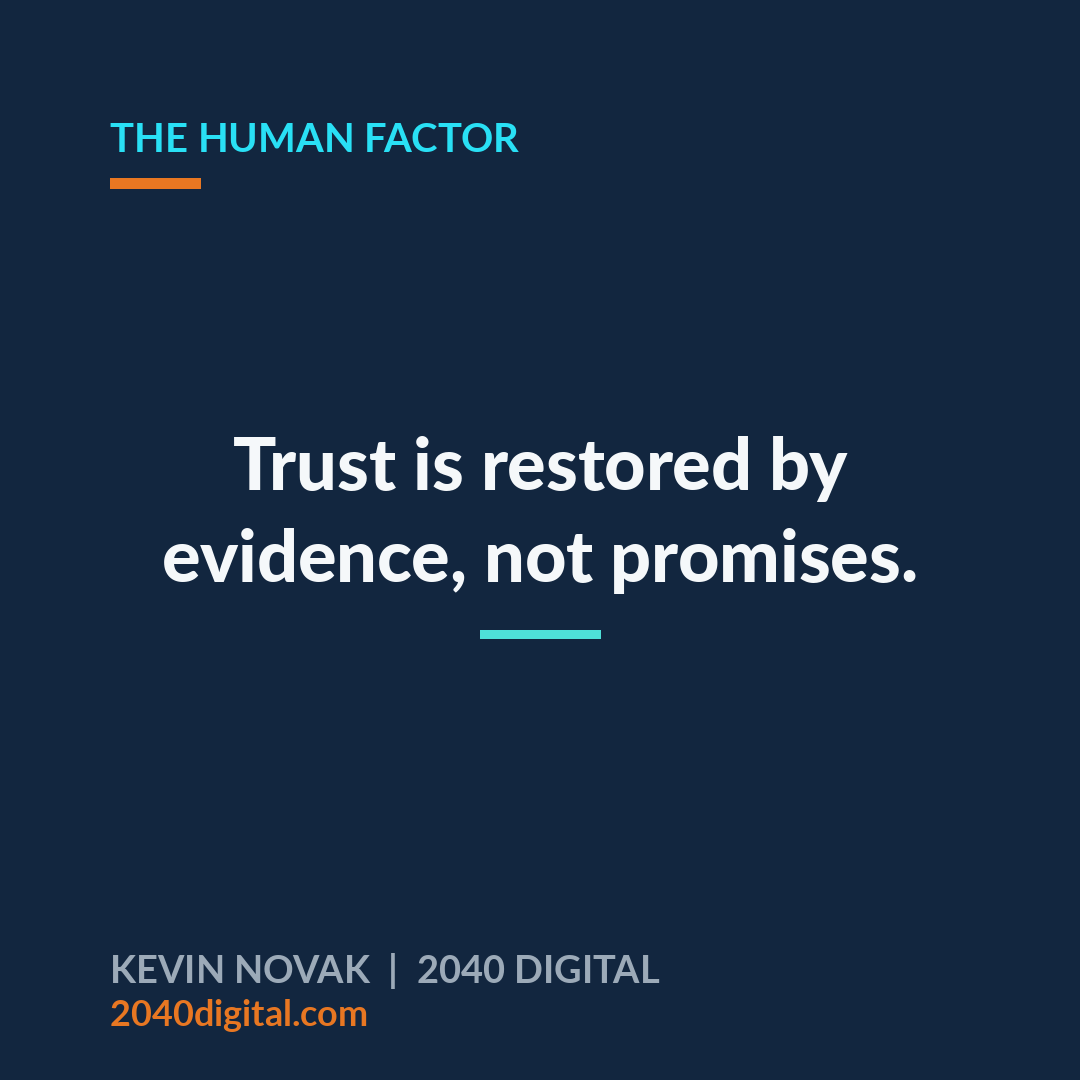
A breached contract is not restored by the next promise. It is restored by acknowledgment, and then by evidence of responsiveness.
Listen: https://t.co/EQMNDIEr6O
#Trust#HumanFactorPodcast
Every senior leader should carry one metric they did not choose, designed by someone whose identity is not invested in the outcome. The measure they cannot dismiss when it moves the wrong way. That is where learning starts.
https://t.co/mtSwEHznxI
The person who speaks most confidently in your meeting may understand the topic least.
The person with the most valuable perspective may be staying quiet.
This isn't cynicism. It's psychology.
https://t.co/EfX872aN1w
#OrganizationalBehavior#ChangeLeadership#confidence
Three drivers decide whether a communication moves someone. Identity based motivation. Trust architecture. Behavioral activation. None of them fire on data or craft alone. The Human Factor Podcast. New episode out now. #BehavioralScience#Communications
The Misread looked at how structural friction gets read as individual resistance. This one from the March archive shows where the friction gets built: policy stacked where leadership should be, and nobody responsible for saying yes. https://t.co/wZGgBhsvVr
By the nature of where you sit in an organization, you are very, very close to an elephant. Jenny Vazquez-Newsum on why leaders take that well once they hear it is the position, not the person. Episode 036.
Listen: https://t.co/4Vw6lLL9KA
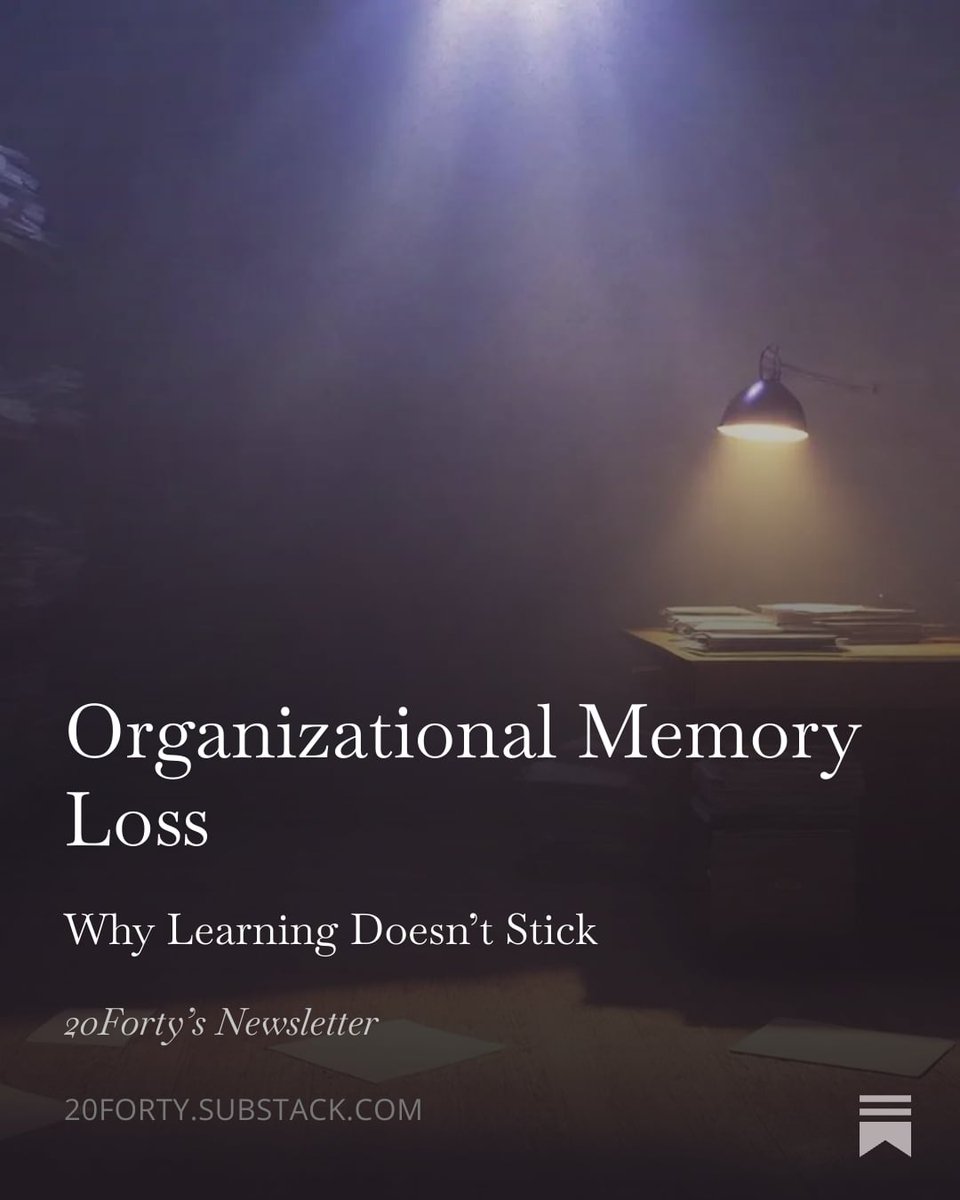
Forgetting is built into how organizations work. Turnover, reorganization, and tool churn quietly erase what learning put in place. Organizational memory is a system, not a habit.
Read more: https://t.co/ECJepziAw8
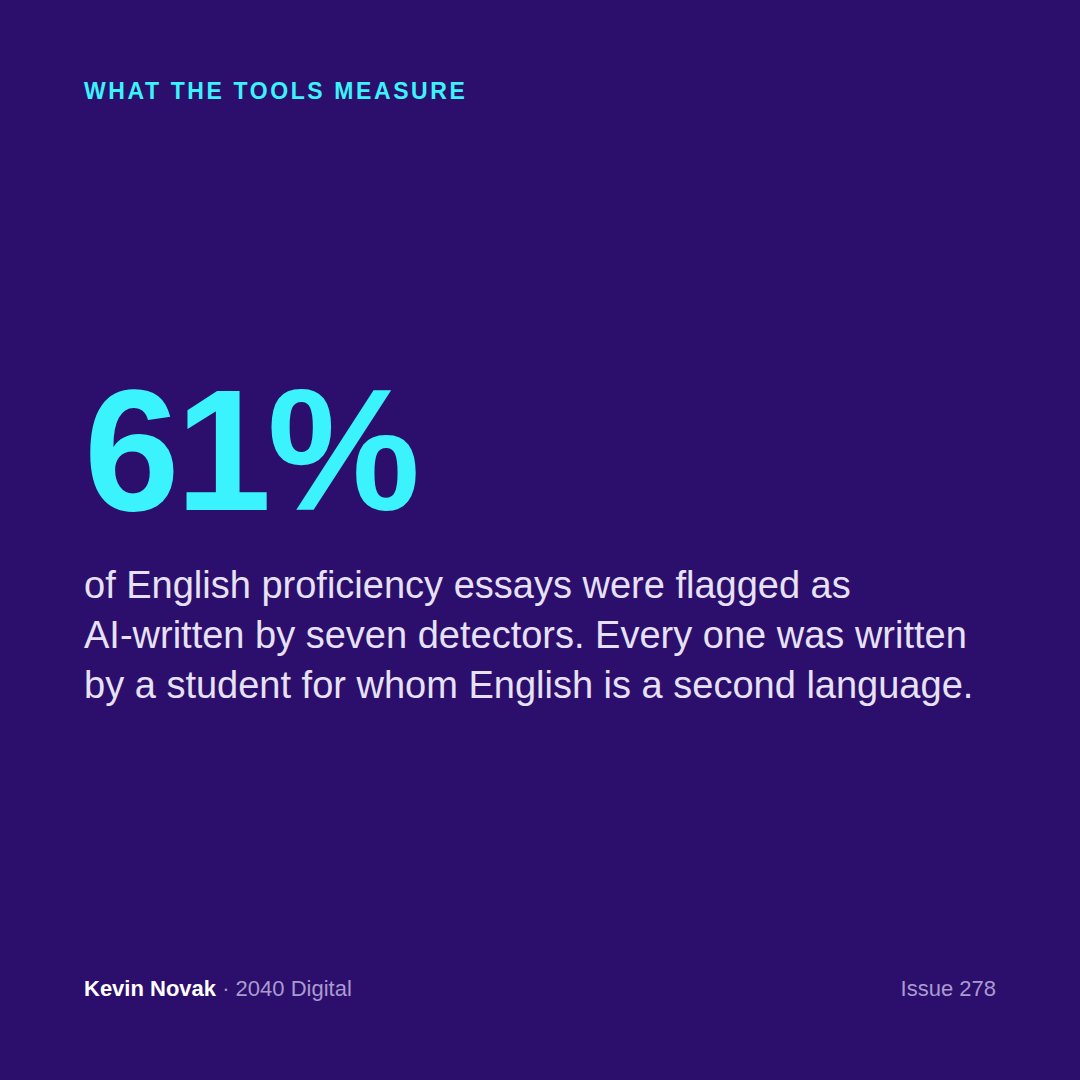
A Stanford analysis ran 91 English proficiency essays through seven AI detectors. On average 61 percent came back flagged as machine written.
Every one was written by a student working in a second language.
#AIDetection#HigherEd
https://t.co/z6H1va8fIG
We have spent years asking whether AI is ready for us. Kevin Novak reframes the question in this solo episode of the Human Factor Podcast. Watch the full episode. Subscribe at https://t.co/aBL1wQ5iB3.
#TheReadinessIllusion#AIAgents#AIAdoption#Leadership