Official Account of the National Resistance Movement, Uganda's Ruling Party☆ East Africa. Secretary General @TodwongR, Deputy Secretary General @RoseNamayanja
On behalf of the National Resistance Movement Party, and on my own behalf, we send our sincere condolences to the people of Tooro, the Royal Family of Tooro, Ugandans and all well-wishers following the sad news that came this morning about the sudden demise of His Royal Highness, King Oyo Nyimba Kabamba Iguru Rukidi IV of Tooro.
Read More : https://t.co/3IGeZME2jM
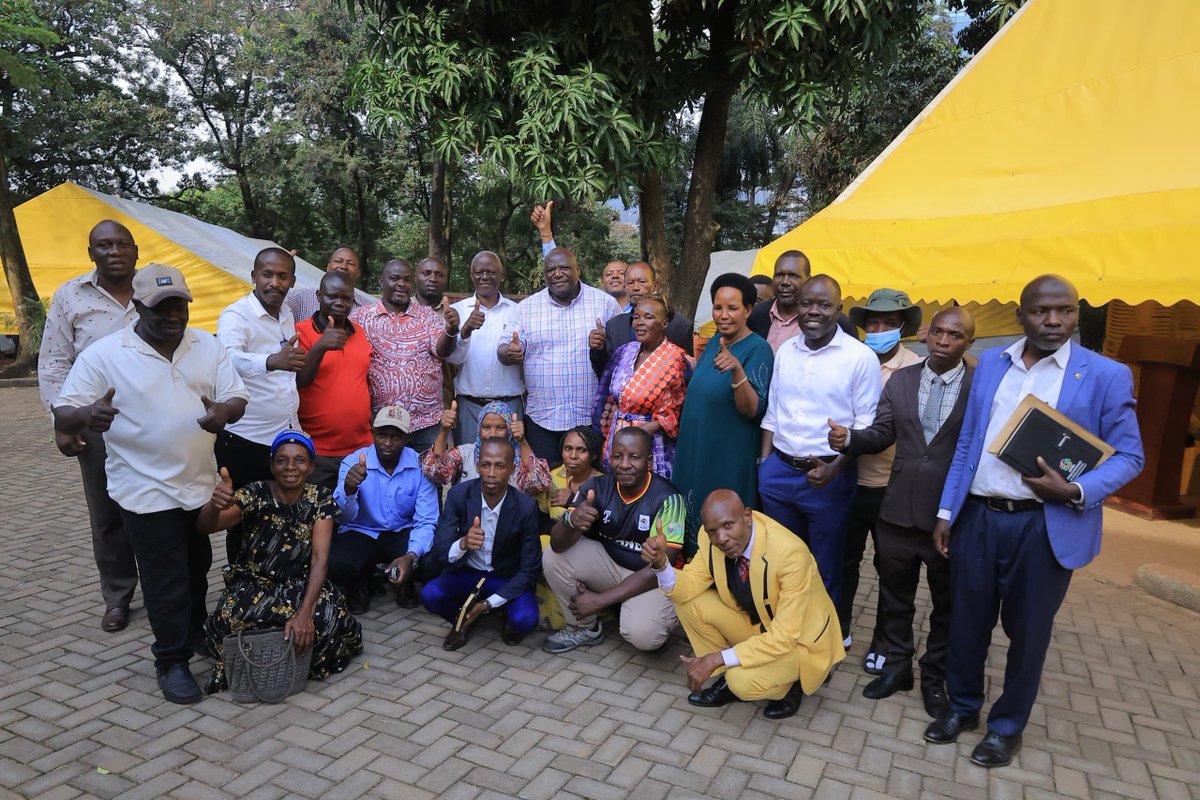
@TodwongR The delegation included FDC members from Amolatar District, among them district leaders and former political contestants. They were accompanied by Amolator NRM District Chairman Olwit Kamilo and members of the District Executive Committee.
Read More: https://t.co/Q7tDInR3QF
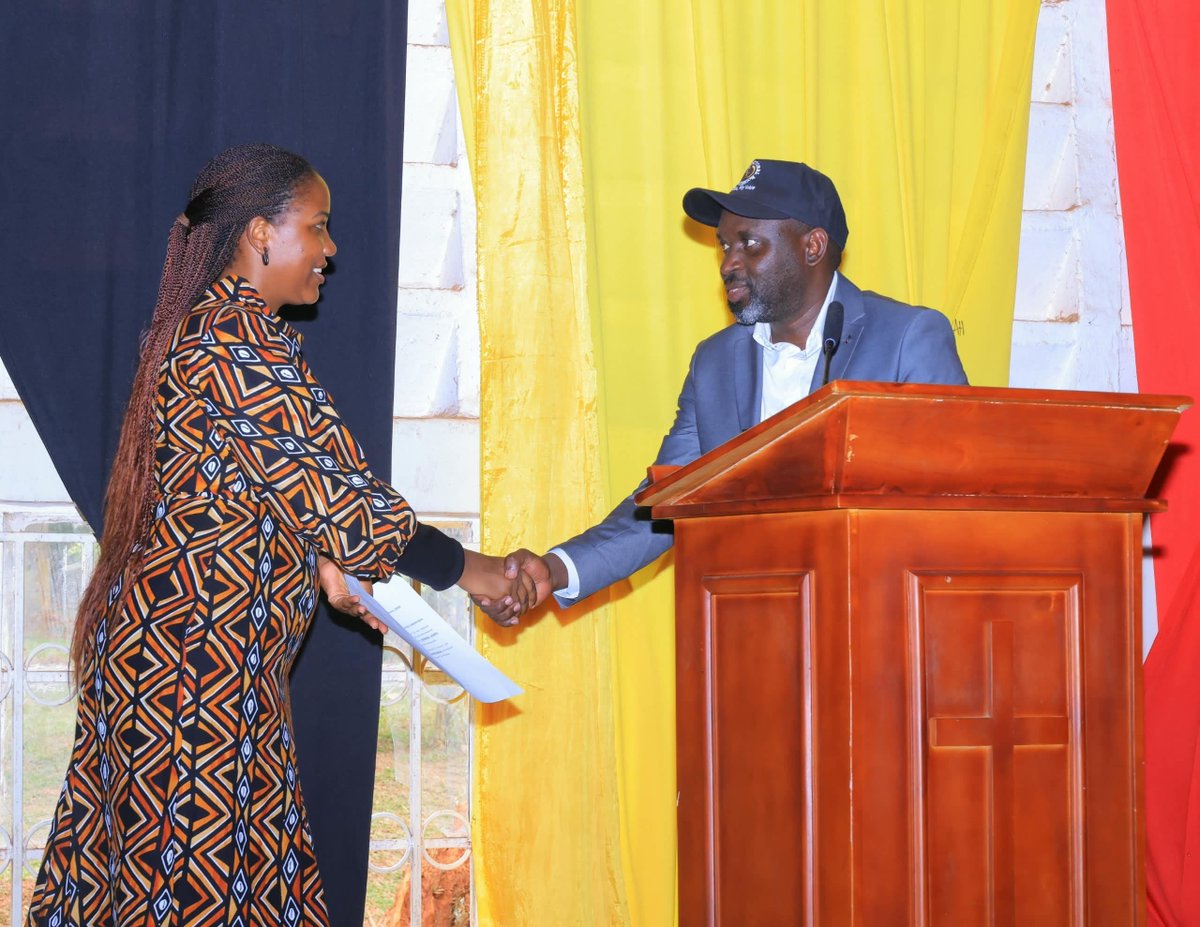
Former legislator and Forum for Democratic Change (FDC) national legal secretary, Hon. Okot Moses Bitek, has officially crossed to the ruling National Resistance Movement (NRM), stating that he has chosen to work from within government to better advance the interests of his constituents.
Bitek was received at the NRM party headquarters in Kampala by the party's Secretary General, Rt. Hon. @TodwongR , alongside a group of former FDC members who also defected to the ruling party.
UGANDA'S SUCCESSION DEBATE: LET THE PEOPLE DECIDE
In this article, published by @TheEconomist, is a revealing assumption in the description of Uganda’s emerging succession debate that when politicians express an interest in leadership, they are “jostling for power,” and that the country is somehow approaching a dangerous moment because the reigning President is supposedly “losing his grip.”
That framing misunderstands how political succession works in a democracy.
The desire to lead is not, in itself, a crisis. It is politics. People declare their ambitions, political parties choose candidates, candidates campaign, and ultimately citizens decide. That is the process that all people across the world should encourage as opposed to portraying Uganda as a country that is heading towards instability.
Uganda has been through this process repeatedly.
President Yoweri Museveni has faced serious political challengers for decades. In the 1996 election, Paul Kawanga Ssemogerere and others contested against him. In 2001, Kizza Besigye emerged as a major challenger and went on to contest against Museveni repeatedly, in 2001, 2006, 2011 and 2016. In 2016, former Prime Minister Amama Mbabazi also entered the presidential race. In 2021, Robert Ssentamu Kyagulanyi, popularly known as Bobi Wine presented another formidable challenge. Uganda’s electoral history is therefore not a history in which nobody has been allowed to challenge Museveni. It is a history of successive challengers putting themselves before the electorate.
In response, the electorate has repeatedly answered. Museveni won the 1996 election with more than 75 percent of the vote. He subsequently won 69.3 percent in 2001, 59.3 percent in 2006, 68.3 percent in 2011, 60.6 percent in 2016 and 58.3 percent in 2021 and swinging back with a whooping 71.65 percent in 2026.
That does not mean every election has been beyond criticism. Uganda’s elections have attracted legitimate questions about electoral administration, political competition and the conduct of campaigns. Those questions should be debated honestly rather than pretending that Ugandans have never had an opportunity to express a political preference.
Indeed, if the central argument is that President Museveni should make way for younger politicians, then the obvious answer is not to decide the matter for Ugandans from outside the country. Let Ugandans decide.
If an aspiring leader believes that the time has come for a new generation, let that person say so. Let them organise. Let them articulate their programme. Let them persuade Ugandans. Let them go to the villages, towns and cities and make their case.
And then let the people vote.
There is also something important about the language used to describe President Museveni. Calling him an “old despot” may make for a striking headline, but it also reveals a predetermined conclusion. Once the writer of this article has decided that the President is simply a despot whose political relevance is expiring, the millions of Ugandans who continue to support him are reduced to an inconvenient detail.
But voters are not obliged to share an outsider’s assessment of their political leader.
A Ugandan voter may look at the country's history since 1986 and reach a different conclusion. They may remember the insecurity and political turmoil of earlier decades. They may consider the expansion of infrastructure, education, healthcare, industrialisation, regional diplomacy, economic growth or the country's evolving place in East Africa. They may also have criticisms of the government. But ultimately, the judgement belongs to them.
That is the essence of popular sovereignty.
The more useful question, therefore, is not whether Museveni is too old, nor whether people around him are “jostling” for his position. The useful question is whether Uganda can maintain a political system in which leadership is ultimately determined by the consent of its citizens.
That principle applies equally to supporters and opponents of Museveni.
If tomorrow Ugandans decide that they want a new leader, that choice should be respected.
If they decide they want someone else after Museveni, that too should be respected.
But if, after considering the alternatives, listening to the competing arguments and weighing the country's history, they still decide that Museveni is the leader they trust, that choice should also be respected.
Democracy cannot mean allowing people to choose only when they make the choice we expected.
Uganda's political future should certainly be debated. A country cannot avoid questions of generational transition forever. But the answer to those questions should be found in politics as opposed to prophecy, in persuasion rather than panic and ultimately in the ballot, not in assumptions about what Ugandans ought to want.
There will always be politicians who want to lead. Let them come forward. There will always be commentators who believe Uganda should choose differently. Let them make their case.
But after all the arguments have been made, let the Ugandan people have the final word.
And if their considered choice is still the “old despot” that some commentators have already written off, then perhaps it is worth asking whether the problem lies with the choice of the Ugandan people or with the refusal to accept it.
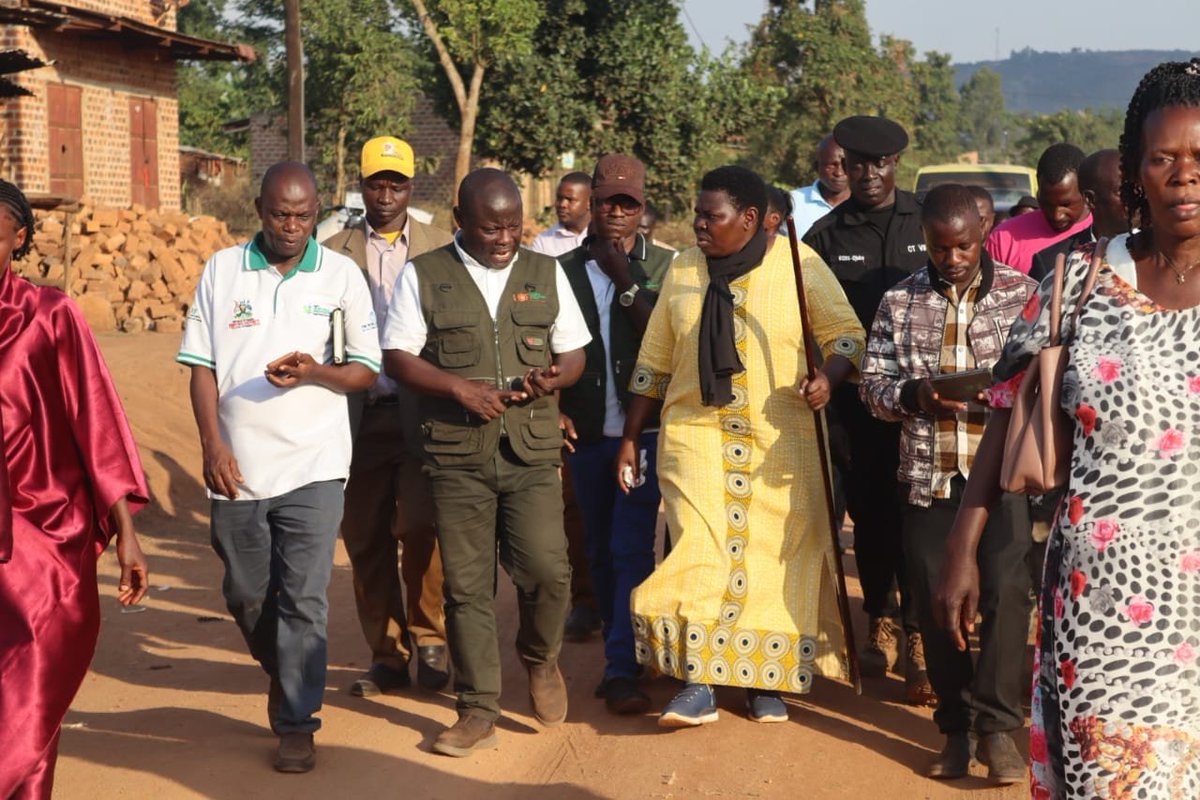
@RoseNamayanja During the tour, the team visited Mijunwa West Parish PDM SACCO, where they witnessed firsthand the organisation, growth and impact of the SACCO on its members.
Read More: https://t.co/fJWghLU8W6
The NRM Deputy Secretary General Rt Hon. @RoseNamayanja , has urged leaders in Nakaseke to emulate their counterparts in Mubende Municipality by actively supporting the growth and success of Parish Development Model SACCOs.
@RoseNamayanja Namayanja made the call on Thursday when she led a team of 90 PDM SACCO leaders, extension workers and NRM leaders from Nakaseke South Constituency on a benchmarking tour of PDM SACCOs and Practical Training Centers in Mubende Municipality .
@emmanuel_dombo Hon. Dombo stressed the importance of media activists aligning themselves with verified government and party information and being well-equipped to communicate effectively with the public.
Read More: https://t.co/peeD7UHGaL
The National Resistance Movement (NRM) Director of Communication and Publicity, Hon. @emmanuel_dombo , has urged party media activists to uphold discipline and ensure the dissemination of accurate information.
@emmanuel_dombo He made the call today while meeting media activists from the Greater Kampala Metropolitan area under their umbrella body, Umoja wa Wanahabari wa Chama, led by their chairperson, Mr. Enock Sserwadda, at the NRM Electoral Commission offices on Plot 13 Kyadondo Road.
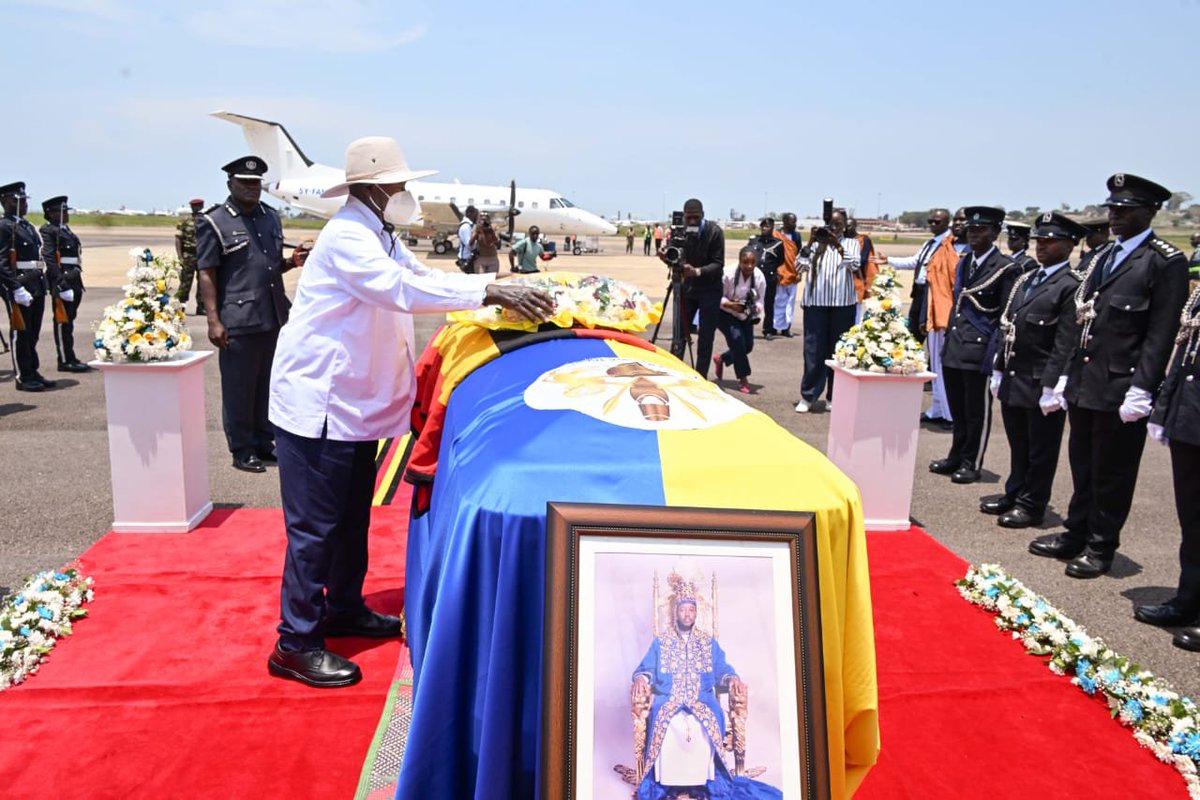
Speaking after receiving the body and paying his last respects, President Museveni expressed sorrow over the King’s death, recalling his long association with the Tooro Royal Family and the efforts made to secure specialised medical treatment for the monarch.
Read More: https://t.co/8b2Vbl1Z7m
President @KagutaMuseveni today received the body of His Majesty King Oyo Nyimba Kabamba Iguru Rukidi IV at Entebbe International Airport, paying tribute to the fallen Tooro monarch as a good person and leader whose death has deeply saddened the nation.
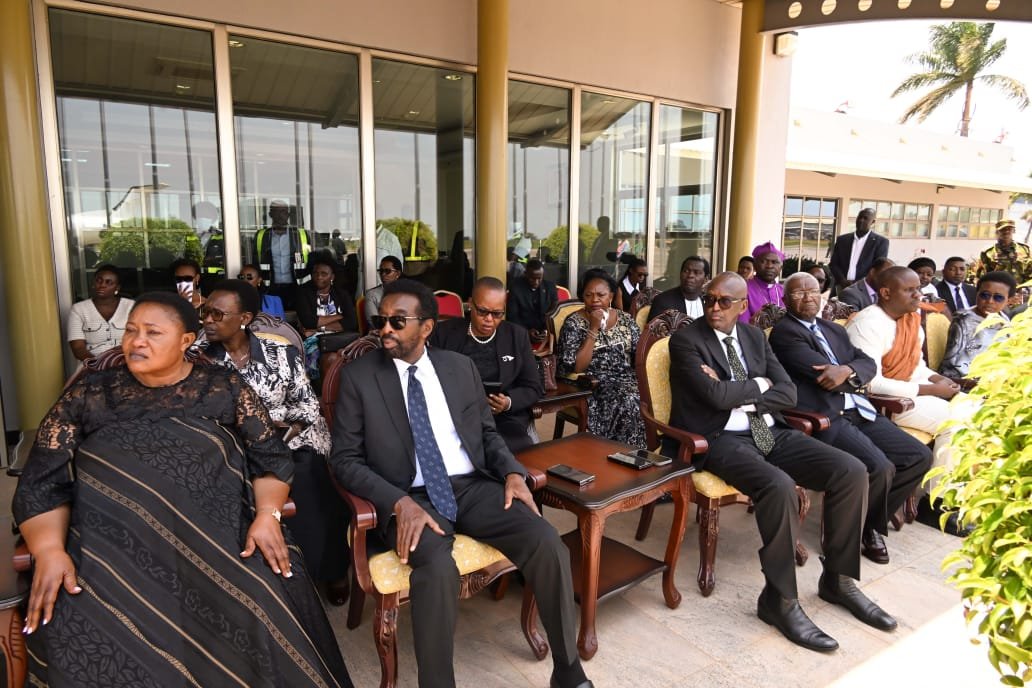
The aircraft carrying King Oyo’s body arrived at the VIP Terminal at exactly 12:00 noon for a solemn reception ceremony attended by members of the Tooro Royal Family led by the Queen Mother, Best Kemigisa, Tooro Kingdom officials, Central Government ministers and religious leaders.
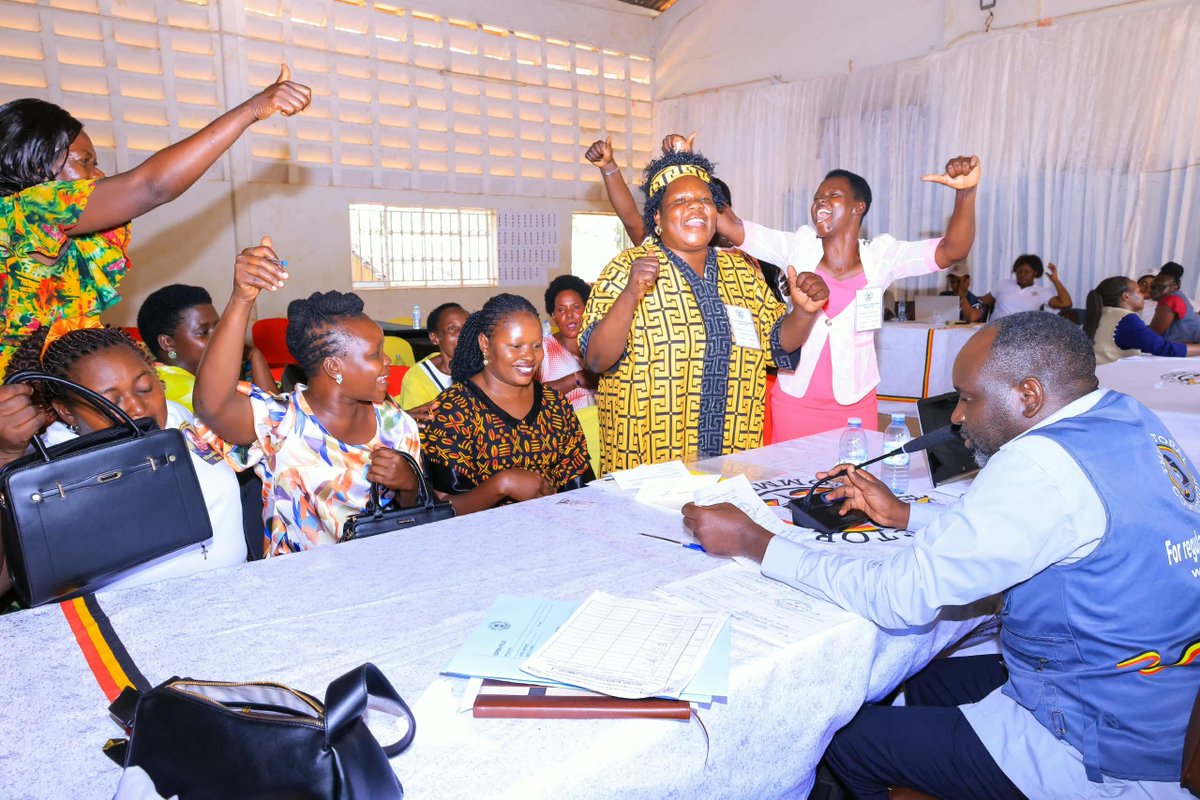
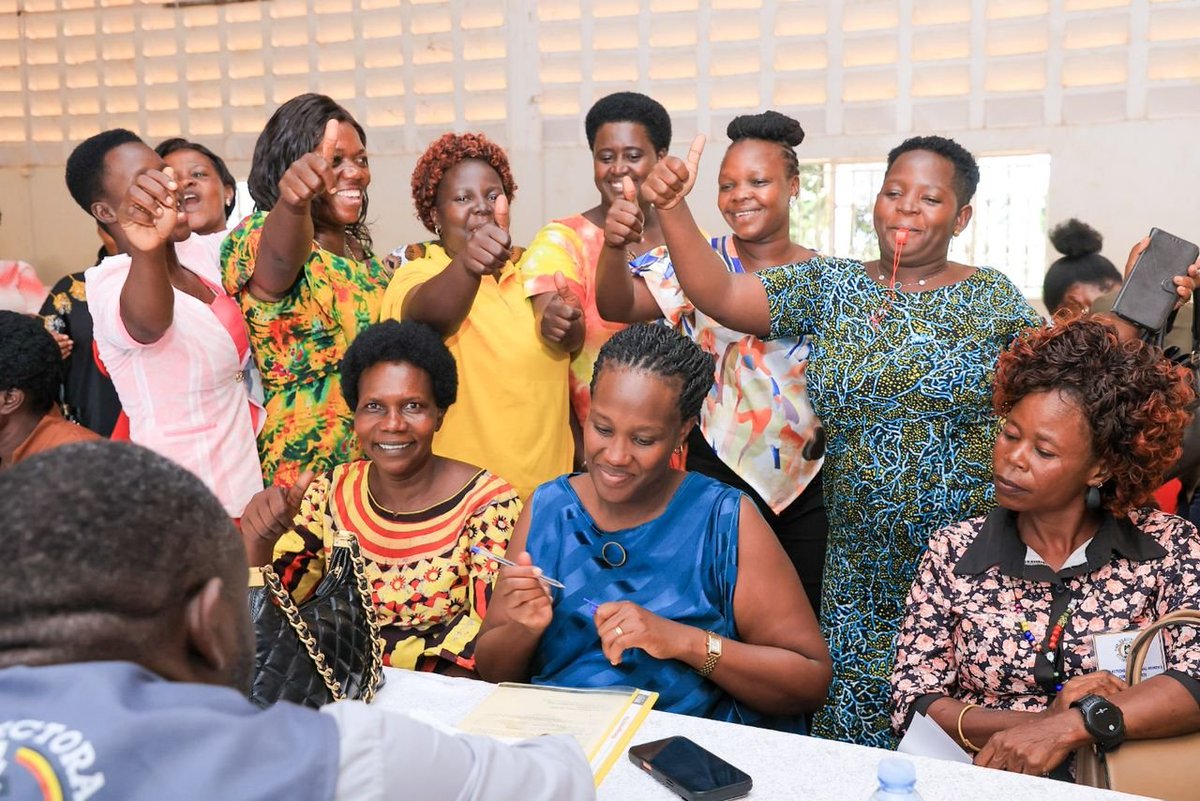
📤 Congratulations to our NRM flagbearers who have emerged unopposed in today's National Women's Council elections.
This victory is a vote of confidence in your leadership, loyalty, and service to the NRM. Thank you for carrying the Party Flag so high.
It is now time to unite everyone and serve the millions of women who have endorsed your leadership.
Joy Ruth Acheng who had been nominated for the position of chairperson on the independent ticket withdrew her candidature before the electoral commission returning officer "for the good of the women of Uganda."
Read More: https://t.co/s9Zd0HJKP0
The four NRM flagbearers who include Ann Lumumba Ruyondo (Chairperson), Agnes Kirabo(Vice Chairperson), Hope Nantukunda (Secretary for Finance) and Among Shakila Mwenyi (Publicity Secretary) were declared unopposed by the independent Electoral Commission Returning Officer Benjamin Ewalu during the National Women Conference convened today Friday at Kyambogo College School.
▶️SOUND ON: We call it sweet because it does not have sulphur. When it has sulphur, it is more expensive to remove the sulphur. This one either has little or no sulphur,” President Museveni on why Uganda's Crude oil is named Pearl Sweet.
▶️WATCH VIDEO: President @KagutaMuseveni unveiled “Pearl Sweet” as the official name of Uganda’s crude oil, ahead of the country’s anticipated first oil production.
The election will be the last level in the electoral programme for the formation of Women's Councils and Committees from the Village to National Level.
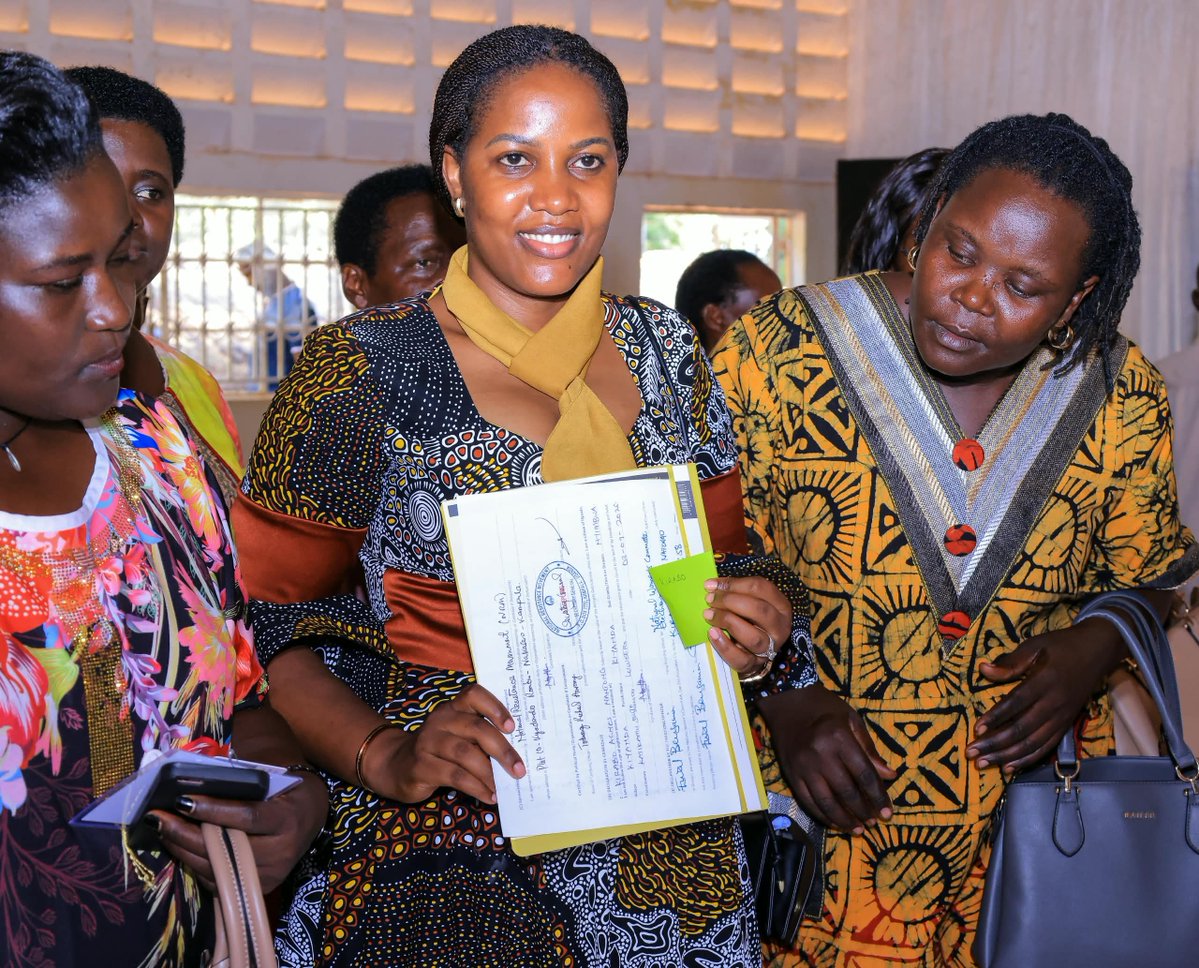
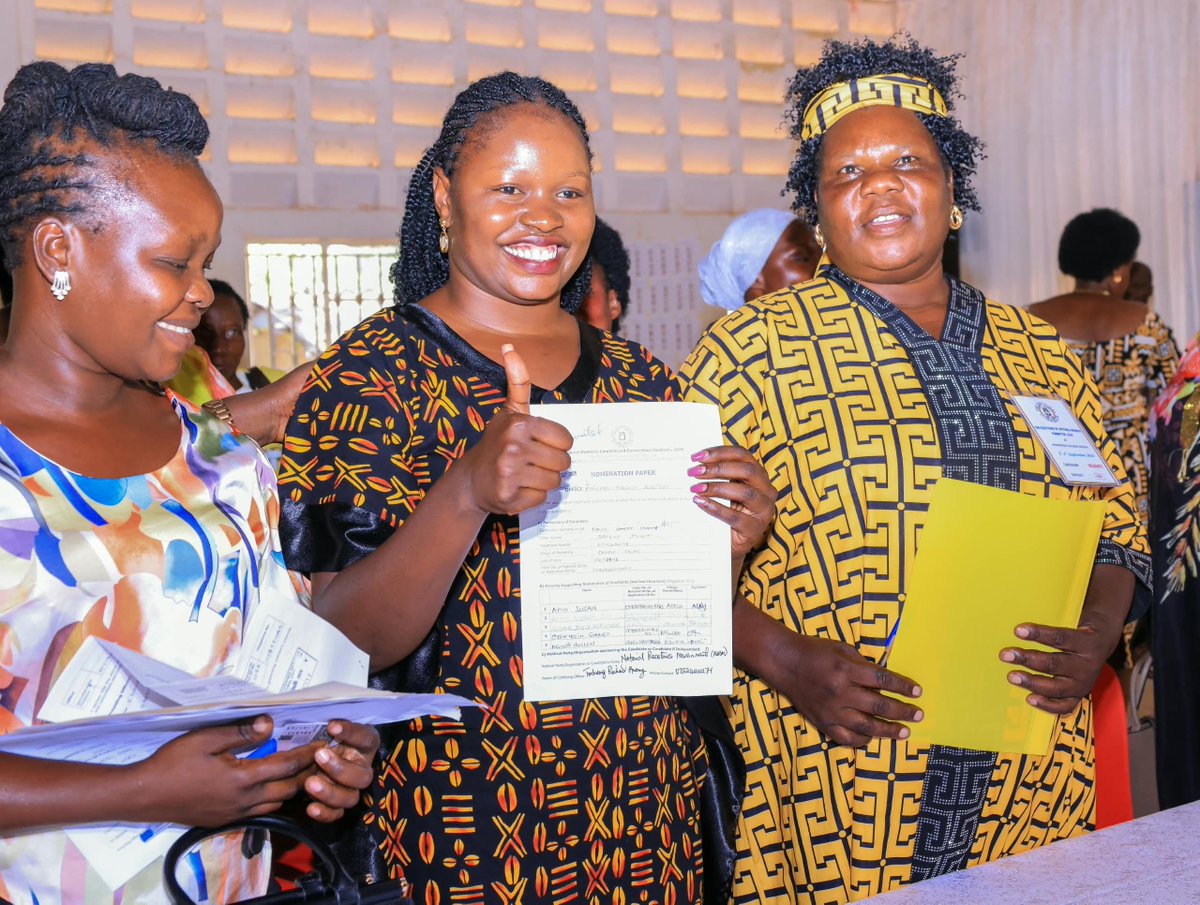
The National Resistance Movement (NRM) Party Flagbearers for the National Women Council elections have this afternoon expressed interest and have been nominated by the Independent Electoral Commission ahead of tomorrow's Polls at Kyambogo College School.
The nominated candidates include; Ann Ruyondo Lumumba (Chairperson), Agnes Kirabo (Vice Chairperson), Hope Natukunda (Secretary for Finance) and Among Shakila Mwenyi (Publicity Secretary).